
How Fast Can a Gorilla Run? Detailed Speeds, Comparisons & Safety Tips
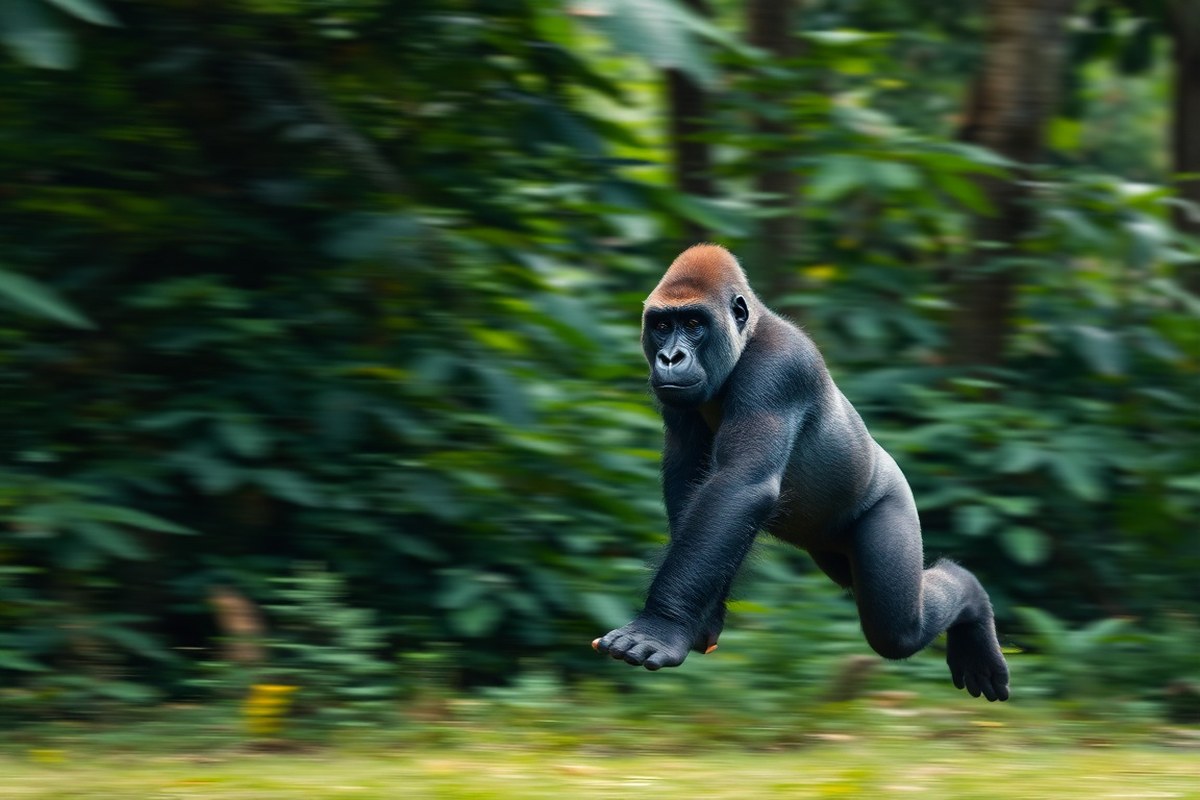
Gorillas can sprint up to 25 miles per hour in short bursts. Their powerful legs and muscular build help them move quickly through dense forests. This speed helps them react fast to threats or reach places rapidly.
Most of the time, gorillas move by knuckle-walking, which saves energy. They run fast only when threatened or needing to get somewhere quickly. These sprints last just a few seconds as their muscles tire rapidly.
Gorillas don’t run long distances like some animals. Their bursts cover short distances to avoid danger or catch up with others. After sprinting, they slow down to conserve energy and catch their breath.
Watching a gorilla charge can be loud and intimidating. Staying calm and backing away slowly helps reduce risk during these moments. Avoid sudden moves to keep yourself safe in these encounters.
Key Takeaways
- Gorillas run up to 25 miles per hour but only for short bursts.
- Knuckle-walking is their main movement, while running is rare and brief.
- Male gorillas tend to be faster and stronger than females.
- Gorilla speed beats most humans except elite sprinters like Usain Bolt.
- Charging is mostly a bluff to scare threats, not a real attack.
- Backing away slowly is the safest response to a charging gorilla.
How Fast Can a Gorilla Run in Short Bursts?
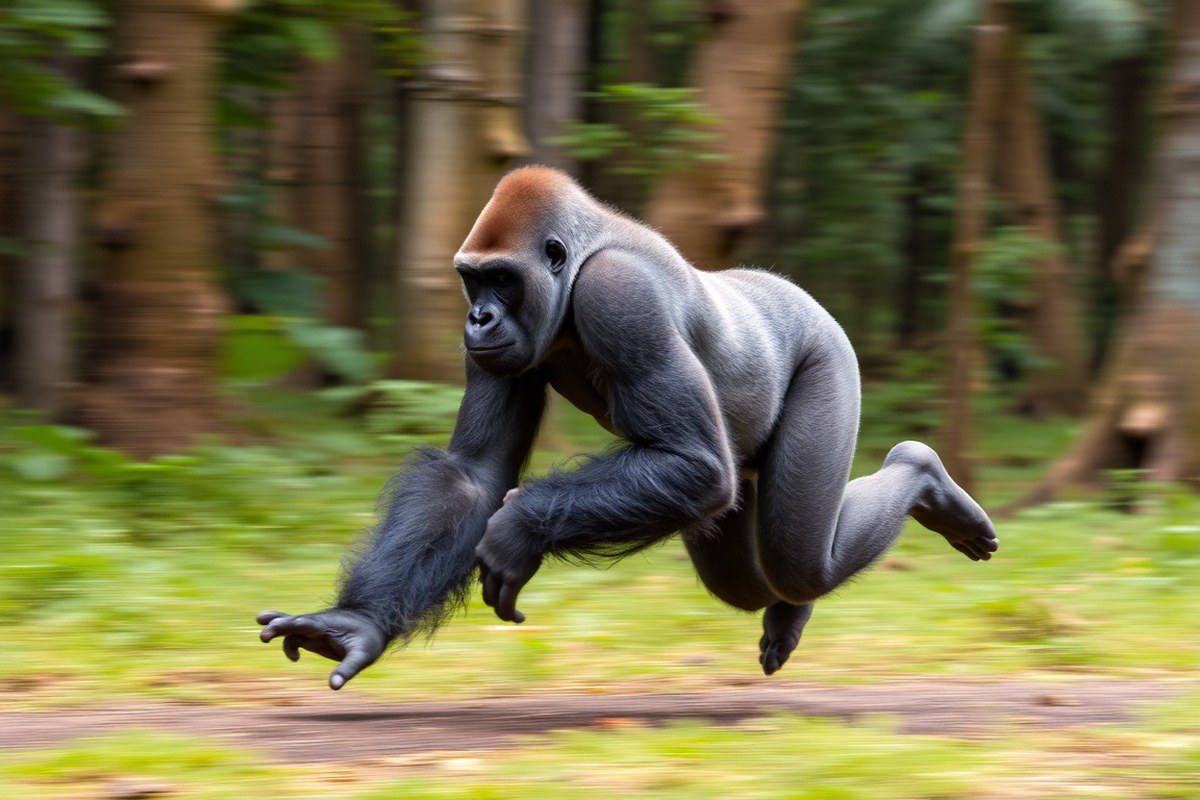
Gorillas can run fast for short distances. They reach 20 to 25 miles per hour. This speed is surprising for such large animals.
This sprint lasts only a few seconds, usually during a charge or sudden movement. Their powerful muscles help them accelerate quickly, even though their heavy build limits long-distance running.
Exact top speeds for gorillas aren’t scientifically proven. No research has measured their sprint speed under controlled conditions. Estimates come from watching gorillas in the wild.
They live where flat, straight paths are rare. It makes measuring speed tricky.
These bursts let gorillas cover 10 to 20 meters at high speed. This is faster than most humans can sprint over the same distance.
But slower than elite athletes like Usain Bolt, who can sprint about 28 miles per hour. Gorillas rely on quick acceleration rather than sustained speed to move through dense jungle terrain.
Differences in Running Speed Among Gorilla Species and Sexes
Speed Differences Between Western Lowland and Mountain Gorillas
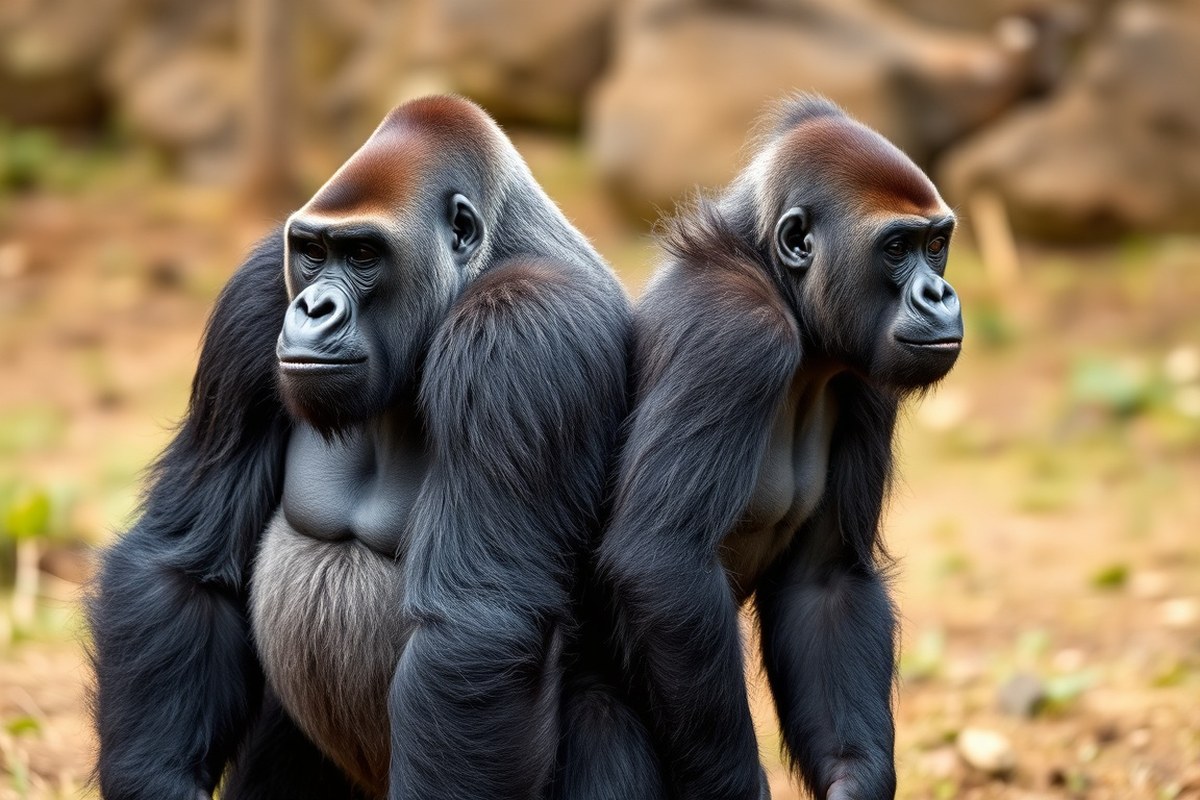
Western lowland and mountain gorillas can both reach speeds up to 25 mph (40 kph). Mountain gorillas typically sprint around 25 to 40 kph over short distances.
Their environment plays a role: mountain gorillas navigate steep slopes. Western lowland gorillas cover flat forest floors.
Steep terrain makes mountain gorillas work harder. This effort limits their top speed. They can’t run as fast as lowland gorillas.
Still, both species move fast enough to outpace most humans briefly. These speed differences fit their natural habitats and daily travel needs.
Male Silverback Speed vs Female Gorillas
Adult male silverbacks are usually faster than females. Silverbacks can hit speeds around 25 mph (40 kph) during short bursts. Females and younger gorillas often run slightly slower due to smaller size and less muscle mass.
Silverbacks’ larger body and strength boost their speed, especially when charging. This speed difference helps males defend their group and intimidate rivals. Females rely more on agility and endurance than sheer speed.
Juvenile Gorilla Running Development and Speed
Juvenile gorillas learn to run by playing and chasing each other. Young gorillas usually run slower than adults. Their top speed is around 15 to 20 mph.
That equals about 24 to 32 kph. Playing helps them build muscles and coordination needed for faster running later.
Young gorillas show speed mostly in playful interactions, not for escaping predators. Their speed grows as they mature, approaching adult levels by adolescence. This development supports their survival and social skills.
| Gorilla Type | Average Adult Weight | Top Sprint Speed (mph) | Top Sprint Speed (kph) |
|---|---|---|---|
| Western Lowland Gorilla (Male) | Up to 227 kg (500 lbs) | ~25 | ~40 |
| Western Lowland Gorilla (Female) | Less than male | Lower than 25 | Lower than 40 |
| Mountain Gorilla (Male Silverback) | About 160-200 kg (350-440 lbs) | ~25 | 25-40 |
| Mountain Gorilla (Female) | Less than male | Lower than 25 | Lower than 40 |
A silverback can charge at 25 mph full speed. This speed only lasts for short bursts. They use it to scare off threats.
How Gorillas Move: Knuckle-Walking and Running Mechanics
Gorillas move mostly by knuckle-walking, which limits their top speed. Their running uses a mix of bipedal strides and quick bursts powered by strong muscles. Knuckle-walking helps gorillas balance their heavy bodies.
It also slows their acceleration compared to animals running on feet or full palms. This method helps them carry weight better.
Knuckle-Walking Explained
Knuckle-walking means gorillas walk on the knuckles of their hands while their feet stay flat. This walking style supports gorillas’ heavy front bodies and long arms.
It gives them strength to climb or move on rough ground. Their arms play a big role in this.
Their weight presses down on the knuckles when they walk. Because of this, they can’t push off as hard as animals using palms or feet.
This limits their force in movement. This reduces stride length and speed but provides stability and reduces wrist injury.
Transition from Walking to Running Strides
When gorillas speed up, they switch from knuckle-walking to brief bipedal strides. They lift their front limbs and run upright for short distances to increase speed quickly.
This change lets them reach bursts of 20 to 25 mph. But only for a very short time.
Their weight makes sustained bipedal running energy-intensive and unstable. So they return to knuckle-walking shortly.
Acceleration in Gorilla Sprints
Gorillas accelerate by using powerful leg and arm muscles, pushing off quickly during the start. Their long arms help them balance when shifting from knuckle-walking to running upright.
Gorillas can reach top speed in a few seconds despite their size. But they cannot keep this speed beyond 20 to 30 meters.
Their mass slows them down after that distance. This quick acceleration makes their charge impressive but short-lived in practice.
Comparing Gorilla Speed to Humans and Other Animals
Gorillas can run up to about 25 miles per hour (40 km/h) in short bursts. This speed is impressive given their large size and bulky muscles. Most people can’t run as fast as a gorilla’s sprint.
Humans usually jog between 5 to 8 miles per hour (8 to 13 km/h). This speed is much slower than a gorilla’s burst.
Top sprinters like Usain Bolt can run up to 27 miles per hour (44 km/h). But they can only keep this speed for a few seconds. That’s a short burst of speed.
That top speed slightly edges out even the fastest gorillas. But only on flat, clear ground. Outside of these ideal conditions, a gorilla’s speed can match or exceed a typical human’s.
Here’s a rough comparison of speeds:
| Animal/Person | Top Speed |
|---|---|
| Gorilla (fast bursts) | 25 mph (40 km/h) |
| Average Human Jogging | 5, 8 mph (8, 13 km/h) |
| Elite Sprinters (Usain Bolt) | 27 mph (44 km/h) |
| Chimpanzees | 25, 30 mph (40, 48 km/h) |
| Elephants | 15 mph (24 km/h) |
Gorillas run on all fours, using their powerful arms as well as legs. This gives them a speed advantage over humans who run only on two legs. Gorillas are strong but not the fastest among primates.
Chimpanzees can run slightly faster than gorillas at times. So, gorillas don’t lead in speed.
Large mammals like elephants run slower than gorillas despite their size. Gorillas combine strength and surprising agility in the forest, which helps them move fast when needed. Don’t try to outrun a charging gorilla in thick forest.
Gorillas have both power and speed over humans. Running won’t help you escape safely.
Why Gorillas Don’t Need to Run Fast Regularly
Gorillas don’t run fast very often because they use a lot of energy when they sprint. These bursts last a few seconds only. They cover short distances.
Usually, less than 100 meters. After sprinting, gorillas need time to rest and recover their strength before moving quickly again.
Their large size means gorillas burn energy quickly during fast runs. Long-distance running wears them out fast.
They tend to conserve energy by moving slowly or knuckle-walking through their forest homes. This method suits their body and saves energy for climbing or other tasks.
Gorillas live in dense forests and mountainous habitats where fast running for long distances isn’t practical. The thick vegetation and uneven ground make sprinting difficult and sometimes dangerous. This type of environment encourages slower, careful movement rather than fast travel.
Their lifestyle also reduces the need for speed. Gorillas mainly eat plants and don’t hunt prey.
They don’t need to run long distances to catch food. Instead, they move methodically to find fruits, leaves, and shoots, which are plentiful in their territory.
Gorillas run for certain reasons. It can be to avoid threats. Sometimes they charge to show dominance.
These situations only last a short time because running is tiring. For regular travel or day-to-day living, gorillas stay calm and slow to protect their strength.
Always keep a safe distance if a gorilla starts charging. They tire quickly but can cover ground fast in short bursts.
Why Gorillas Charge and What a Charge Looks Like
Gorillas run or charge mainly to defend themselves or show dominance. A charge is a quick, short burst of speed used to intimidate threats. This behavior helps gorillas avoid fights by scaring off intruders.
Common Triggers for Gorilla Charges
Gorillas usually charge when they feel threatened or challenged. A predator or an unfamiliar human getting too close might trigger a charge. Males often charge to protect their group or assert dominance against rivals.
Unintentional close encounters, like sudden movements near a gorilla, can also cause a charge. They rarely charge to attack but to warn others off. Loud noises or unusual smells might increase their anxiety too.
Speed and Distance of Typical Charge
A charging gorilla can reach speeds around 20 to 25 miles per hour. This burst only lasts a few seconds.
It covers 10 to 20 meters. They cannot keep up this pace for long because it requires a lot of energy.
Most charges happen quickly and over a small area like a trail or clearing. The short distance means you have very little time to react. After the charge, gorillas usually stop and assess the situation.
Visual Signs and Posture During a Charge
Before charging, a gorilla will show clear warning signs. It stands tall on its hind legs to look bigger and pounds its chest loudly. This chest-beating signals strength and warns potential threats to back off.
Their face toughens with a stern, intense stare, and they may bare their teeth. The actual charge involves thumping the ground with hands and some bipedal running toward the target. This behavior looks frightening but aims to push others away, not cause harm.
Safety Tips When Encountering a Charging Gorilla
Keep at least 7 meters (about 23 feet) away from gorillas at all times. This distance helps you avoid making them feel threatened or cornered.
Forest rangers say staying calm and quiet is key. Avoid sudden movements and loud noises that might trigger a charge.
Don’t run if a gorilla charges at you. Running can trigger their chase instinct. Instead, slowly stand your ground and make yourself look smaller by crouching or lowering your body.
Do not make direct eye contact because that might be seen as a threat or challenge. Forest guides often recommend looking down or to the side in these moments.
When trekking, always follow your guide’s instructions. They’ve spent years reading gorilla behavior and know how to keep everyone safe.
Never try to touch or feed gorillas. These actions can provoke aggression or spread diseases between humans and gorillas.
Bring a walking stick or trekking poles if allowed. They can help maintain balance and show you’re non-threatening. Plan for slow, steady movements and wear sturdy boots to avoid slips in muddy jungle trails.
It takes patience to move without startling gorillas. But it pays off with a safe and close encounter.
Cover your face with a scarf or bandana. Do this if a gorilla gets very close. It helps when the gorilla looks aggressive.
This blocks their view of your expressions. Some rangers say crouching behind a tree limb helps.
It makes you look smaller. This can reduce the gorilla’s tension.
Avoid trekking alone. Groups lessen the chance of a surprise charge.
Always carry water, since stress and heat in the jungle can affect your focus. Staying hydrated helps you keep calm in tense situations.
Remember that gorillas usually charge to scare off threats, not to attack. Backing away slowly after a charge often ends the display.
Don’t try to touch the animals, and don’t photograph them with flash. Respecting these rules avoids provoking their speed and power.
Factors Influencing Gorilla Speed and Why Estimates Vary
Gorilla speed can vary a lot depending on their age, health, and body size. Younger gorillas usually run faster because they have more muscle and less joint stiffness. Older gorillas may slow down due to arthritis or injuries, which limit their top speed.
The type of terrain also changes how fast a gorilla can move. Dense forest or steep hills make running harder and slower.
A gorilla runs faster on flat, firm ground than on rough land. Thick plants or uneven spots slow it down.
Nutrition affects their energy and muscle strength too. A well-fed gorilla can sprint quicker for short bursts than one with less food intake. Fitness matters, but wild gorillas don’t run often enough to develop consistent speed like trained animals.
Reports of gorilla running speeds differ because of how the speeds get measured. Some studies use short bursts during a charge or escape. Others estimate speeds from tracking footprints or video.
Gorillas run faster when they feel urgent danger around. They push harder than usual in risky moments.
Observing a gorilla charge downhill can falsely suggest faster speeds due to gravity’s help. Slower speeds are more typical during normal movement because gorillas mostly walk or knuckle-walk. Variation in measurement methods explains why you see different top speed numbers in various sources.
Stay calm if you encounter a gorilla. Don’t run or scream to avoid triggering a chase response.
How Gorilla Strength Relates to Speed and Movement Advantages
Gorillas rely heavily on their muscular strength for quick, powerful movements. Their muscles are dense and built for explosive bursts rather than steady speed. This strength lets them accelerate rapidly, which matters more than top speed in dense forest environments.
Strength matters more than speed for gorillas in their world. They need power and quick moves to survive. Their strategy revolves around short intense movements, not endurance or long chases.
They use muscle power to move fast in rough places. This helps if they need to charge when in danger.
Muscle distribution in gorillas favors both their arms and legs equally. When they run, they lean forward and push off with strong arms along with legs. This spreads their power across four limbs, letting them accelerate effectively while knuckle-walking and during bursts.
How to Stay Safe and Observant Around Gorillas
Knowing how gorillas move and behave helps you react calmly in their presence. Follow these steps to protect yourself and respect these powerful animals.
- Before the encounter: Learn about gorilla body language and typical charges. This helps you recognize warning signs early.
- During the encounter: Stay quiet and avoid direct eye contact. Look down or away to avoid provoking them.
- When a gorilla charges: Stand your ground without running or screaming. Reacting calmly can often stop the charge.
- If the charge continues: Slowly back away while avoiding sudden moves. Keep your hands visible but don’t reach out.
- After the encounter: Give gorillas plenty of space and time to calm down. Never try to touch or feed them.
- Regularly update your knowledge: Check wildlife guides or park staff advice before gorilla treks. This keeps you prepared for any behavior changes.
- Use an experienced guide: Always take a trained local guide on gorilla tours. They know how to keep you safe and respect gorilla habits.
===
Gorillas can sprint surprisingly fast but usually don’t run long. Knowing their speed and behavior helps you stay safe in the wild. Take time to learn their signs before visiting their home.
Frequently Asked Questions
How Do Gorillas Build Up Speed Before Running?
Gorillas start fast by shifting their weight forward quickly. This helps launch their powerful legs right into a run. Their large muscles store energy to push them ahead in short bursts.
Can Gorillas Maintain High Speeds for Long Distances?
No, gorillas can only sprint at top speeds briefly. Their heavy bodies make long runs tiring. So, they rely on short bursts to escape threats or charge.
How Does a Gorilla’s Habitat Affect Its Running Speed?
Rough, uneven forest floors slow gorillas down compared to flat ground. Dense vegetation also limits how fast they can run. They’re adapted more for strength than speed in their natural homes.
Do Captive Gorillas Move Differently Than Wild Ones?
Captive gorillas often move slower and less frequently at high speed. They get less exercise and don’t face predators. Wild gorillas use running more to interact and protect territory.
Could Climate or Weather Change a Gorilla’s Running Ability?
Yes, heat or rain can make gorillas less willing to run fast. Hot weather tires them quickly, while wet ground is slippery. These factors influence when and how they move quickly in the wild.

One Comment