How Fast Is 100 Km/h: A Complete Guide with Conversion Tips and Comparisons
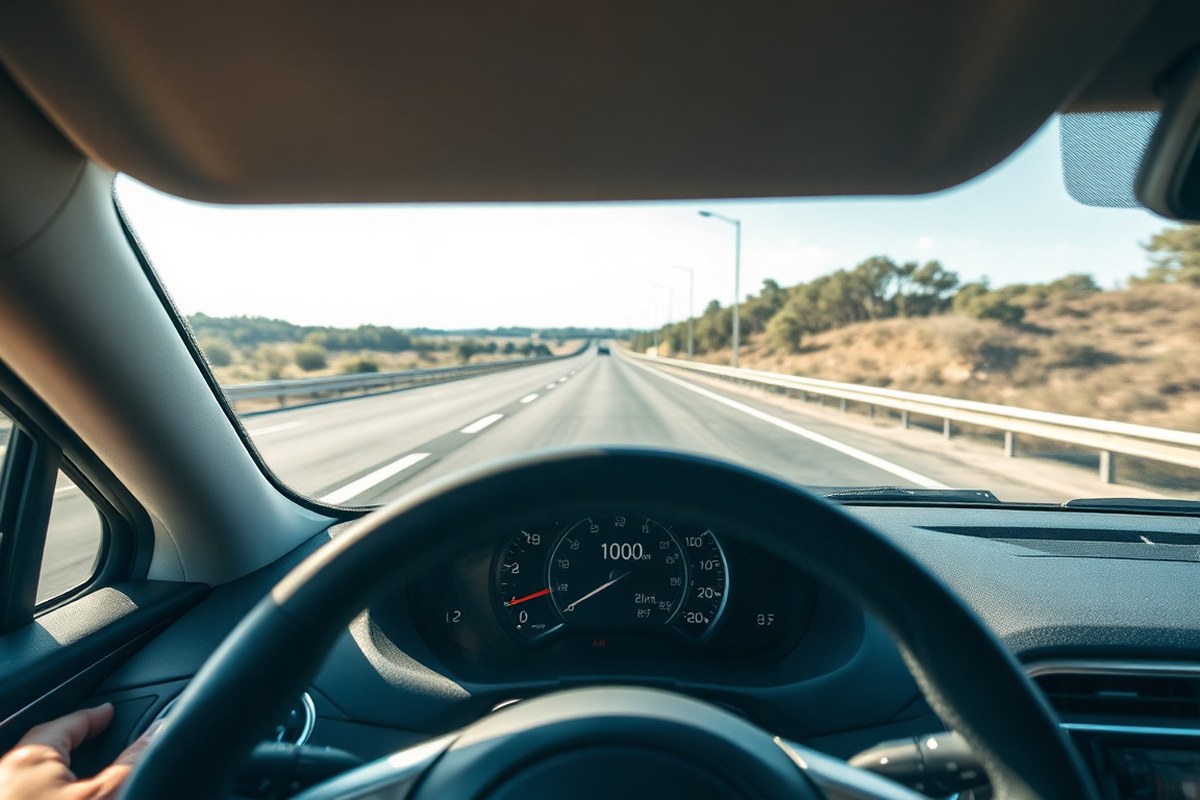
Wondering how fast is 100 km? It converts to about 62.14 miles per hour (mph).
This speed is common on highways in many countries worldwide. To get the exact mph, multiply the kilometers by 0.621371, which gives you a precise figure to use.
People often use a rough factor of 0.6 for quick calculations, resulting in 60 mph for 100 km/h. That’s a close estimate but not exact and may lead to small errors. Always use 0.621371 when you need precise speed conversions, especially for speed limits or travel plans.
At 100 km/h, you cover 1 kilometer in about 36 seconds. This speed is fast enough to make highway travel efficient but still manageable in good conditions. Keep in mind that rain, fog, or heavy traffic can make 100 km/h less safe, so adjust speeds accordingly.
Key Takeaways
- 100 km/h equals approximately 62.14 mph using the factor 0.621371.
- A common conversion shortcut of 0.6 underestimates speed slightly.
- At 100 km/h, it takes about 36 seconds to travel 1 kilometer.
- This speed suits highway driving but depends on conditions for safety.
- Multiply kilometers by 0.621371 for accurate km/h to mph conversions.
- Mistakes in conversion can lead to wrong speed expectations.
How Fast Is 100 Km/h in Miles per Hour?
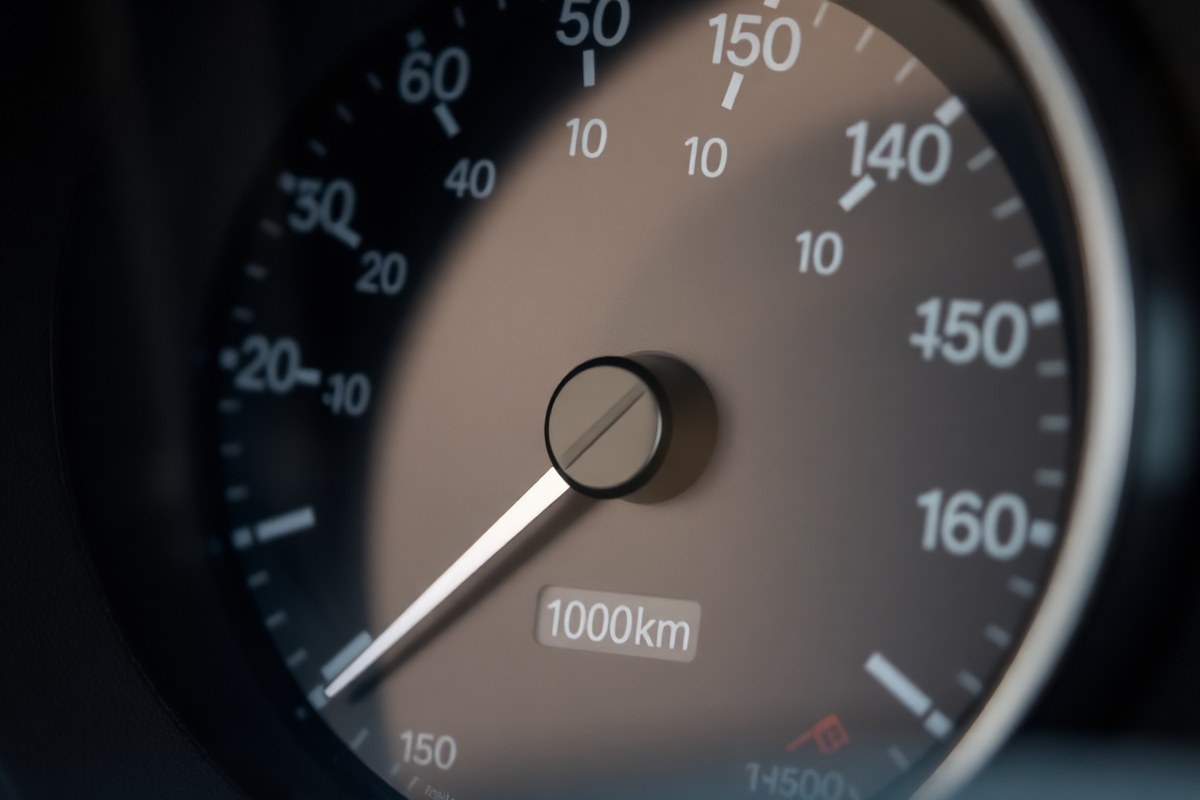
One hundred kilometers per hour equals about 62.14 miles per hour. This conversion uses a standard factor that changes kilometers into miles. Knowing this helps you understand speeds on different road signs or maps clearly.
To convert km/h to mph, multiply the speed by 0.621371. For instance, 100 km/h times 0.621371 equals 62.1371 mph. Rounding gives you 62.14 mph, which is simpler for daily use.
This conversion factor comes from the fact that one mile is exactly 1.609344 kilometers. You can divide the kilometers per hour value by 1.609344 to get miles per hour too. Both ways give you the same result, so choose what feels simpler.
Common Mistakes When Converting 100 Km/h to Mph
People often slip up when converting 100 km/h to mph. They use rough estimates or forget the exact conversion factor. These errors change the speed value, which matters for accuracy in driving or learning.
Rough Estimates Instead of Exact Factor
Beginners commonly use 1 km = 0.6 miles to convert km/h to mph. For 100 km/h, this gives 60 mph. The correct value is closer to 62.14 mph.
This mistake happens because 0.6 is a simple number to remember. But it’s less accurate by about 3.5%. Over long distances or precise speeds, this difference matters.
Confusing Distance and Speed Conversion
Some people mix up converting kilometers to miles with converting km/h to mph. Although the numbers are similar, speed conversion must keep the time unit consistent.
One km equals about 0.621371 miles exactly. You need to multiply distance and time correctly for speed.
Otherwise, your mph result will be wrong. Don’t mix them up.
Rounding Errors and How to Avoid Them
Rounding 0.621371 too early causes small errors. For example, using 0.62 or 0.6 leads to speed values that are slightly off. This adds up in calculations.
To get better accuracy, keep four or five decimals until the final step. Use a calculator or a reliable conversion tool whenever possible.
Common Mistakes List and Fixes
Here are frequent errors with simple steps to fix them:
- Using 1 km = 0.6 miles → Use 1 km = 0.621371 miles instead
- Rounding early → Keep more decimal places until last step
- Ignoring units → Confirm you convert both distance and time correctly
- Assuming 100 km always equals 60 mph → Calculate precisely, not by guess
- Skipping calculator → Use one to avoid simple math slips
These fixes bring your conversion closer to the real mph value, around 62.14 mph for 100 km/h.
Practical Tips for Accurate Conversion
Using the exact conversion factor, 1 km = 0.621371 miles, makes a big difference. Multiplying 100 by this gives 62.1371 mph before rounding.
Don’t round down to 60 or 61 mph right away. Keep the full figure then round to two decimal places when done.
Keep the conversion factor handy and use a calculator for the most accurate speed results.
How Long Does It Take to Travel 1 Kilometer at 100 Km/h?
Traveling 1 kilometer at 100 km/h takes about 36 seconds. This comes from using the formula time equals distance divided by speed. You take the distance, 1 km, and divide it by 100 km/h, which gives 0.01 hours.
Since 0.01 hours is hard to picture. Multiply by 3,600 seconds per hour. This gives you the time in seconds.
So, 0.01 hours times 3,600 seconds equals 36 seconds. This means a vehicle moving steadily at 100 km/h covers 1 km in 36 seconds.
Use the same formula to find time for different distances. It works at 100 km/h. Just apply it step by step.
Divide your kilometers by 100 to find hours. Then change the decimal hours into minutes or seconds.
This shows exact travel time. For example, 5 kilometers would take 5/100 = 0.05 hours, or 0.05 x 3,600 = 180 seconds, which is 3 minutes.
This calculation changes if the speed varies around 100 km/h. Driving faster than 100 km/h lowers the time per kilometer. You cover 1 km in less time this way.
At 120 km/h, each kilometer takes 30 seconds. This happens because 1 km divided by 120 km/h equals 0.0083 hours.0083 hours, or about 30 seconds.
On the other hand, going slower than 100 km/h means more time per kilometer. At 80 km/h, it takes 45 seconds per kilometer because 1 divided by 80 equals 0.0125 hours, or 45 seconds. This shows how small speed differences impact travel time noticeably when you calculate it exactly.
100 Km/h Speed in Other Units and Measurement Systems
Speed can be expressed in many different units beyond kilometers per hour. One common measure in the metric system is meters per second (m/s). To get this from 100 km/h, divide the speed by 3.6 because 1 km/h equals about 0.278 m/s.
Other units like knots are popular in maritime and aviation contexts. One knot equals 1.852 km/h.
So, to find knots from 100 km/h, divide by 1.852. This helps pilots and sailors understand speed in their standard terms.
| Speed Unit | Equivalent to 100 km/h |
|---|---|
| Meters per second (m/s) | 27.78 m/s |
| Miles per hour (mph) | 62.14 mph |
| Knots (nautical miles per hour) | 54.00 knots |
| Feet per second (ft/s) | 91.14 ft/s |
| Centimeters per second (cm/s) | 2778 cm/s |
Less common units like feet per second or centimeters per second convert similarly. Multiply or divide by fixed values based on their distance relation to kilometers. For example, 1 km/h equals 0.9114 ft/s.
Knowing these conversions helps you compare speeds in different fields easily. Use a calculator or conversion tool to avoid mistakes. Keep in mind, rounding changes decimal points slightly.
Real-World Examples of Things Moving at Around 100 Km/h
Many commuter trains regularly reach speeds close to 100 km/h. Trains used for city-to-suburb travel often average this speed to balance quick trips and frequent stops. Some passenger trains run faster, but 100 km/h is typical for daily commuting.
On highways, cars usually drive near 100 km/h or a bit faster. This limit matches about 62 mph, similar to many U.S. Interstate highways. Drivers maintain this speed to keep traffic flowing smoothly without breaking speed laws.
Nature offers some surprising speed matches, too. Certain animals can run or fly around 60 miles per hour, similar to 100 km/h. This helps you picture how quick that speed really is outside human-made machines.
- A typical commuter train travels about 100 km/h between stops
- Cars on highways often cruise near 100 km/h (62 mph)
- A cheetah can run up to 100 km/h in short bursts
- High-speed trains usually go much faster than 100 km/h
- A deer can sprint close to 80 km/h, a bit less than 100 km/h
- Some falcons dive at speeds over 100 km/h during hunting
Matching a speed like 100 km/h with real things helps you understand how fast it feels. While commuter trains and cars keep this pace steady, animals often reach it only briefly. Your state’s highway speed limits might differ, so always watch local signs.
Never assume all trains or animals travel exactly at 100 km/h. Speeds vary widely by model and environment.
How to Convert Speeds Close to 100 Km/h Using Mental Shortcuts
You can quickly estimate speeds close to 100 km/h by using simple mental shortcuts. These methods trade a bit of accuracy for speed and ease. They work well when you just need a rough idea of the mph equivalent.
Multiplying by 0.6 for Fast Estimate
Multiplying the km/h value by 0.6 gives a quick way to guess mph. For example, 100 km/h times 0.6 equals 60 mph. This method is a tiny bit less than the exact 62.1 mph but saves time in your head.
This shortcut is handy if you want to convert 90 to 110 km/h speeds fast. Just do the multiplication and get a rough mph. It works best when you don’t need pinpoint accuracy, like estimating speed signs or casual conversions.
Adjusting with Simple Addition/subtraction
100 km/h is about 62 mph. You can add or subtract a bit from 60 mph. This makes it easier to guess speeds.
For example, 90 km/h is roughly 54 mph, so pick 60 minus 6 mph. For 110 km/h, add 6 mph to 60 and get about 66 mph.
This way is good if you don’t like multiplying in your head. You only need to add or subtract small numbers.
It’s quick and simple. It’s faster than full conversion math and generally works well within 5 mph error.
Using Common Equivalence Benchmarks
Memorizing a few key speed pairs helps you estimate others nearby. For example, 100 km/h is about 62 mph. 80 km/h is close to 50 mph.
120 km/h is near 75 mph. You compare your speed to the closest known benchmark then add or subtract.
This shortcut saves you from any math if you remember a handful of these pairs. You just round to the closest benchmark speed and roughly adjust. It works well for everyday driving or casual estimates.
- Multiply by 0.6 for a quick, rough mph from km/h
- Adjust up or down by about 6 mph for each 10 km/h difference
- Use key benchmarks like 80 km/h = 50 mph, 100 km/h = 62 mph
- Stick to these for speeds between 90 and 110 km/h for best guess
- Expect about 3-5% error compared to exact conversion
- Use full formula for exact results if precision is required
These mental shortcuts feel faster but are less exact than multiplying by 0.621371. Expect slight differences, usually within a few mph. These tips work well for checking speed signs.
They help when talking about speed quickly. It’s handy for casual use.
Factors Affecting Whether 100 Km/h Is Considered Fast or Safe
Driving at 100 km/h can feel fast or safe depending on where and how you drive. Weather, road type, and traffic all change how risky or comfortable that speed is. Local laws also decide if 100 km/h is allowed or too fast.
Weather Conditions Impact
Rain or snow can make 100 km/h dangerous even on good roads. Wet surfaces reduce tire grip and increase stopping distance greatly. Fog or heavy rain cut visibility, leaving less time to react.
Strong winds can push your vehicle off course at high speeds. Ice patches can be invisible but deadly at 100 km/h. Adjusting your speed for weather keeps you safer and more in control.
- Slow down well below 100 km/h on wet or icy roads
- Use headlights during fog or heavy rain
- Keep greater distance from cars ahead in poor weather
- Avoid sudden turns or hard braking
- Watch for freezing temperatures or black ice warnings
- Check weather forecasts before driving
These steps help avoid crashes and give you time to stop safely. Driving carefully in bad weather reduces accidents drastically at or above 100 km/h.
Road Type and Traffic Density
Highways designed for 100 km/h can feel safe under good conditions. Smooth pavement and wide lanes make it easier to maintain control. Traffic matters a lot to how safe and fast this speed really is.
Heavy traffic makes 100 km/h nearly impossible and unsafe. Stop-and-go flow forces lower speeds and more attention. Urban or rural secondary roads often have curves or intersections.
Pedestrians might also be present. These factors mean you should drive slower than 100 km/h.
- Drive closer to 100 km/h on highways with light traffic
- Reduce speed in traffic jams or near construction zones
- Slow down on winding or narrow roads
- Respect traffic signals and pedestrian crossings
- Watch for sudden stops or merging vehicles
Adjusting your speed to road and traffic keeps you safer and avoids tickets. It feels less fast and stressful when traffic flows smoothly.
Legal Speed Limits and Variations
Local laws often set 100 km/h as a speed limit on motorways or highways. This limit comes from studies on road quality and vehicle control at that speed. Exceeding it risks fines and increases the chance of accidents.
Some states or countries set lower limits, especially near cities or residential areas. Speed limits can change based on time, weather, or special road conditions. Knowing and following exact limits where you drive prevents penalties and helps everyone stay safe.
- Check road signs for posted speed limits
- Adjust speed to match altered limits in work zones
- Obey lower limits during bad weather or night driving
- Use your vehicle’s speedometer to monitor your speed
- Be aware of radar or speed cameras along your route
Sticking to legal limits protects you from tickets and reduces crash risks. Many drivers mix up legal speed with safe speed.
Sometimes the legal limit is too fast. Road conditions might not support driving at that speed.
How to Plan Trips Traveling at 100 Km/h Effectively
Planning a trip at 100 km/h means you can cover 100 kilometers in one hour. That speed lets you estimate the time based on distance easily. Adding breaks and traffic time helps make your plan realistic and safe.
Here’s a simple way to plan your route and time when traveling at this speed. You’ll learn how long your trip will take.
You’ll know how far you can go. You’ll also find when to stop for gas or rest.
- Calculate your total distance. Check a map or GPS for the exact kilometers between start and finish.
- Divide the distance by 100. This gives you the base travel time in hours, assuming steady 100 km/h speed.
- Add time for breaks. Include 10 to 15 minutes every 2 hours of driving.
- Check real-time traffic updates. Add extra time for any expected slowdowns.
- Estimate fuel stops. Plan a few minutes for filling gas, usually every 300 to 400 kilometers.
- Choose safer outer routes if traffic or roads look tricky. This might add minutes but avoid stress.
- Set a departure time to avoid rush-hour traffic when possible. Leaving early or late helps you keep steady speed.
- Use a trip tracking app. It adjusts your ETA based on actual speed and road conditions.
At 100 km/h, you cover about 100 kilometers in an hour if traffic stays clear. Breaks improve your focus and safety. A well-planned stop every two hours keeps you fresh.
Always factor in unpredictable traffic delays. They can easily add 10 to 30 minutes or more to your trip time.
Common Myths About Speed Conversions and How to Avoid Them
One common myth is thinking 100 km/h equals 100 mph. They are not the same. 100 km/h is about 62 mph, much slower than 100 mph.
People often use the rough estimate 1 km = 0.6 miles to convert speeds. It’s close but can cause errors.
The exact conversion is 1 km = 0.621371 miles. So using 0.6 underestimates the speed.
Rounding during conversion can change your final number noticeably. For example, converting 100 km/h to mph:
- Exact: 100 × 0.621371 = 62.137 mph
- Rounded 0.62: 100 × 0.62 = 62 mph
- Rounded 0.6: 100 × 0.6 = 60 mph, which is off by 2 mph
This matters when precision is needed, like in navigation or driving limits. On signs or documents, rounding might be okay. But avoid rough values if you need accuracy.
Another false assumption is that conversion errors don’t add up. They can.
If you convert back and forth between km/h and mph several times, small differences grow. It’s best to keep conversions direct and avoid repeated rounding steps.
Not all units convert exactly due to different systems. For example, the statute mile differs slightly from the nautical mile. Using the wrong mile type can cause confusion in speed limits or charts.
Here’s a quick list to avoid conversion mistakes with 100 km/h:
- Remember 100 km/h ≠ 100 mph; one is about 62 mph.
- Use 1 km = 0.621371 miles for accurate conversion.
- Don’t rely on rough estimates like 0.6 unless precision is unimportant.
- Round final results once, not multiple times during conversion.
- Check if miles mean statute or nautical miles in your context.
- Avoid converting back and forth repeatedly between units.
- Use calculators or apps for exact conversions when possible.
Following these tips helps you understand what 100 km/h really means. It keeps your numbers clear when comparing speeds or following signs. Conversion mistakes can lead to serious confusion, especially in driving or learning environments.
Step-by-Step Action Plan to Understand and Use 100 Km/h Speed
Use this plan to get comfortable with 100 km/h. Convert it right. Then try using it on real trips.
- Day 1: Memorize that 100 km/h equals about 62 mph to make mental estimates easy. Test yourself by converting some common speeds.
- Day 2: Practice changing 100 km/h into meters per second. Also try feet per second. Use a calculator to check your answers.
- Day 3: Watch everyday examples of 100 km/h speeds. Think of city buses and suburbs. Note how fast they feel.
- Day 4: Use mental shortcuts to quickly estimate speeds near 100 km/h. For example, multiply km/h by 0.6 for mph.
- Day 5: Plan a drive on a highway with a 100 km/h speed limit. Track your time and distance to see how speed affects travel.
- Day 6: Think about weather, traffic, and road types. Decide if 100 km/h is safe to drive. Write down your conditions.
- Week 2: Avoid common mistakes like mixing km/h and mph. Check speedometer units carefully in rental cars or GPS devices.
- Week 3: Share what you learned about 100 km/h speed with a friend. Teaching helps remember and apply it well.
Frequently Asked Questions
How Many Miles per Hour Are 100 Kilometers per Hour?
100 kilometers per hour equals about 62.14 miles per hour. Multiply 100 by 0.621371 to get the exact number.
How Fast Is 25 Km in Mph?
25 kilometers per hour is roughly 15.53 miles per hour. You can get this by multiplying 25 by 0.621371.
How Fast Is 400 Km in Mph?
400 kilometers per hour equals about 248.55 miles per hour. Multiply 400 by 0.621371 for this conversion.
What Is the Speed of 100 Kilometers in 1 Hour?
Traveling 100 kilometers in 1 hour means going 100 km/h. This speed equals approximately 62 mph.
How Long Does It Take to Travel 100 Kilometers at 50 Mph?
At 50 miles per hour, it takes about 2 hours to travel 100 kilometers. This covers roughly 62 miles, so the time adjusts to the actual distance.
The Bottom Line
Driving or understanding 100 km/h means knowing it’s about 62 mph. It’s roughly 28 meters per second too.
You can now convert it and relate it to everyday travel. Try timing a local trip at 100 km/h to see how speed affects your drive.