How Much Fuel Does a Semi Truck Hold? A Complete Guide with Tank Sizes and Range
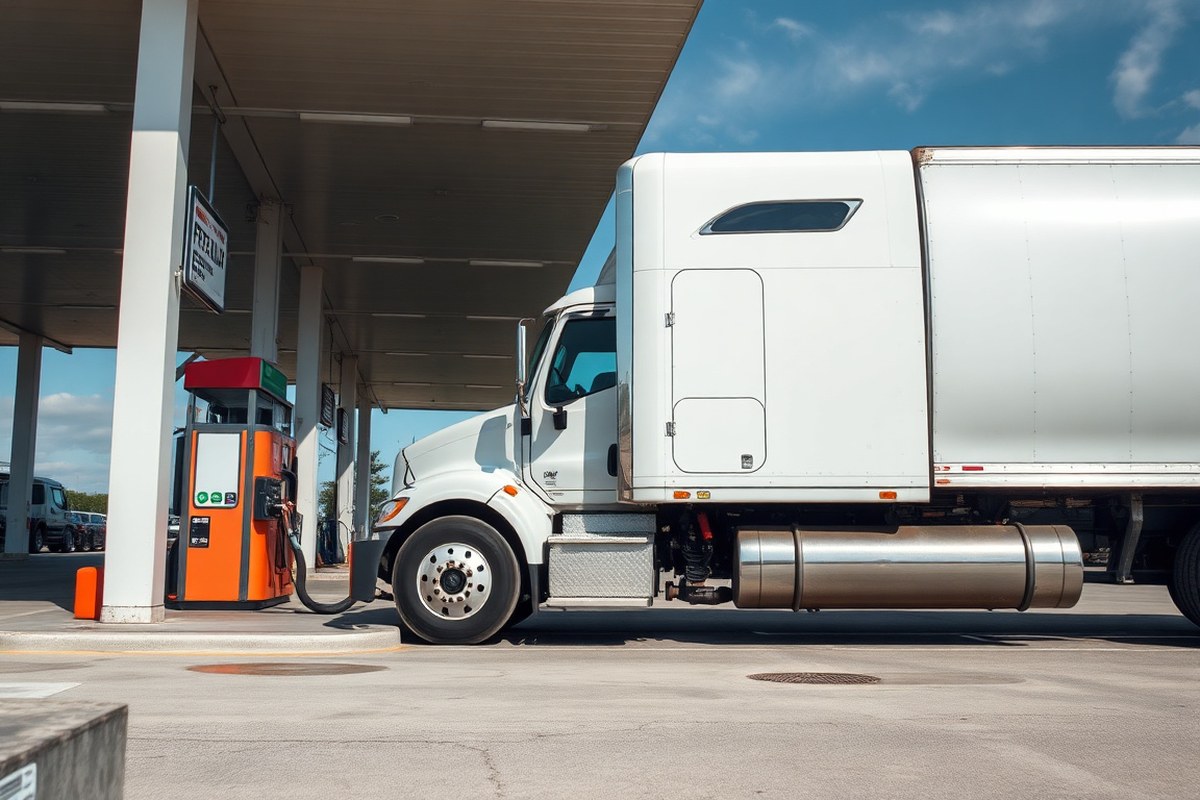
Wondering how much fuel does a semi truck hold? Most semi trucks carry between 200 and 300 gallons of diesel fuel. Trucks have two fuel tanks, usually one on each side.
Each tank holds about 120 to 150 gallons. This setup increases the total fuel capacity.
Trucks rarely fill tanks to 100% capacity to avoid spills and handle fuel expansion. It’s smart to fill up to about 95% to keep the fuel system efficient and safe. This helps you stay on the road longer without risking damage or legal trouble.
Keep in mind diesel weighs about 7 pounds per gallon. So a full tank adds a lot of weight.
You also need to watch axle weight limits to avoid fines. Proper tank size and fuel level affect how far and safely your truck can go.
Key Takeaways
- Most semi trucks have dual tanks holding 120-150 gallons each.
- Never fill the fuel tanks to 100% to prevent spills and hazards.
- Keep fuel levels between 25% and 95% capacity for best performance.
- Diesel fuel weighs 7 pounds per gallon, adding significant weight.
- Fuel tank placement affects axle weight and legal load limits.
- A full 300-gallon capacity tank can weigh up to 1,050 pounds.
How Much Fuel Does a Semi Truck Typically Hold?
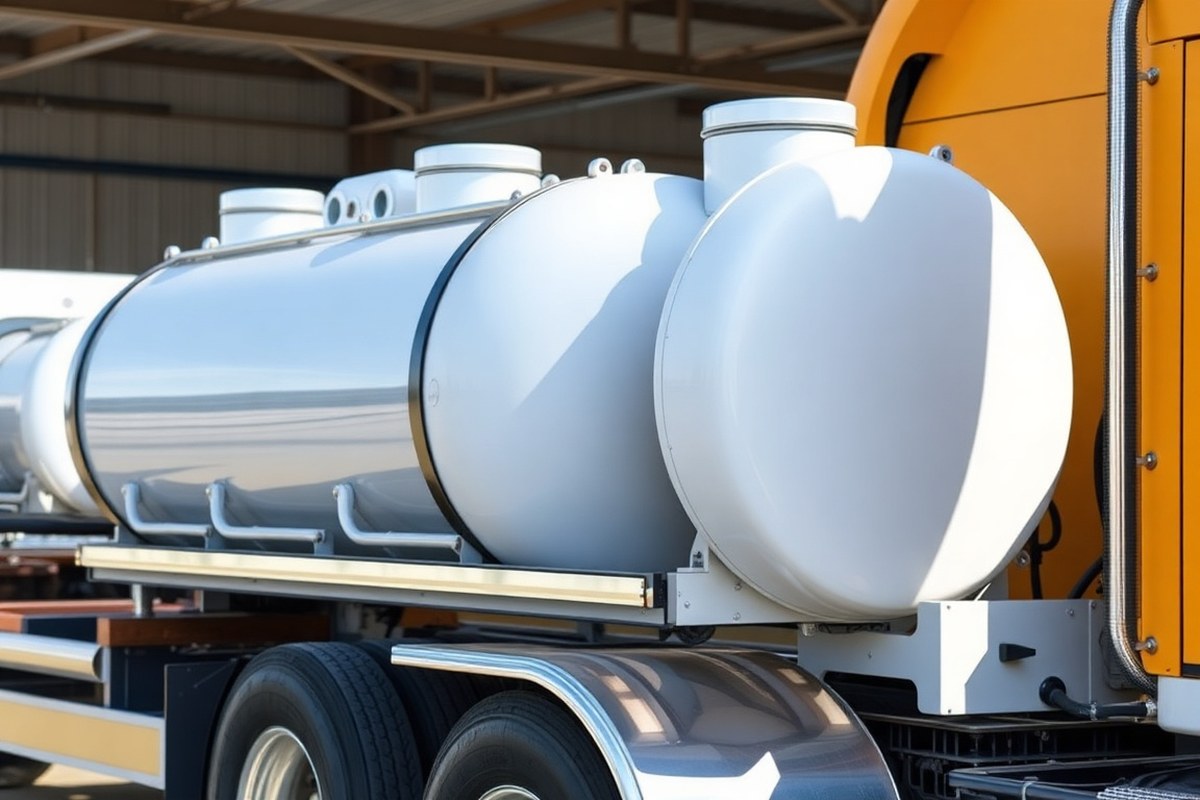
Most semi trucks have two fuel tanks mounted on each side of the chassis. Each tank usually holds between 120 and 150 gallons.
The total tank capacity is 200 to 300 gallons. This setup balances fuel load and maximizes driving range.
Here’s how the numbers break down for popular trucks. Freightliner Cascadia tanks range from 120 to 300 gallons total. Peterbilt 579 and Kenworth T680 have tanks in the same range.
Volvo VNL often has a slightly larger capacity, up to 300 gallons. International LT Series and Mack Anthem typically offer 120 to 280 gallons total.
Drivers often fill tanks up to 95% full. This leaves room for fuel expansion and safety. For example, if a tank holds 150 gallons, filling beyond 142 gallons is risky.
Operating dual tanks lets you carry up to 300 gallons. This helps support longer hauls without refueling.
Semi trucks with two 150-gallon tanks can travel about 2,000 miles. This depends on the truck’s fuel efficiency. Fuel tank size varies by make and model.
Most tanks hold between 110 and 150 gallons each. Bigger tanks add weight and take up more space. This tradeoff affects how the truck handles.
Some drivers choose larger tanks around 260 gallons total. They balance range and bulk well. Keep in mind, fuel weight affects payload and performance.
Tank size is designed to match safe fuel weight. This keeps the truck within carrying limits.
| Truck Model | Typical Fuel Tank Capacity (gallons) |
|---|---|
| Freightliner Cascadia | 120, 300 |
| Peterbilt 579 | 120, 300 |
| Kenworth T680 | 120, 300 |
| Volvo VNL | 150, 300 |
| International LT Series | 120, 280 |
| Mack Anthem | 120, 280 |
Why Don’t Semi Trucks Fill Fuel Tanks to 100% Capacity?
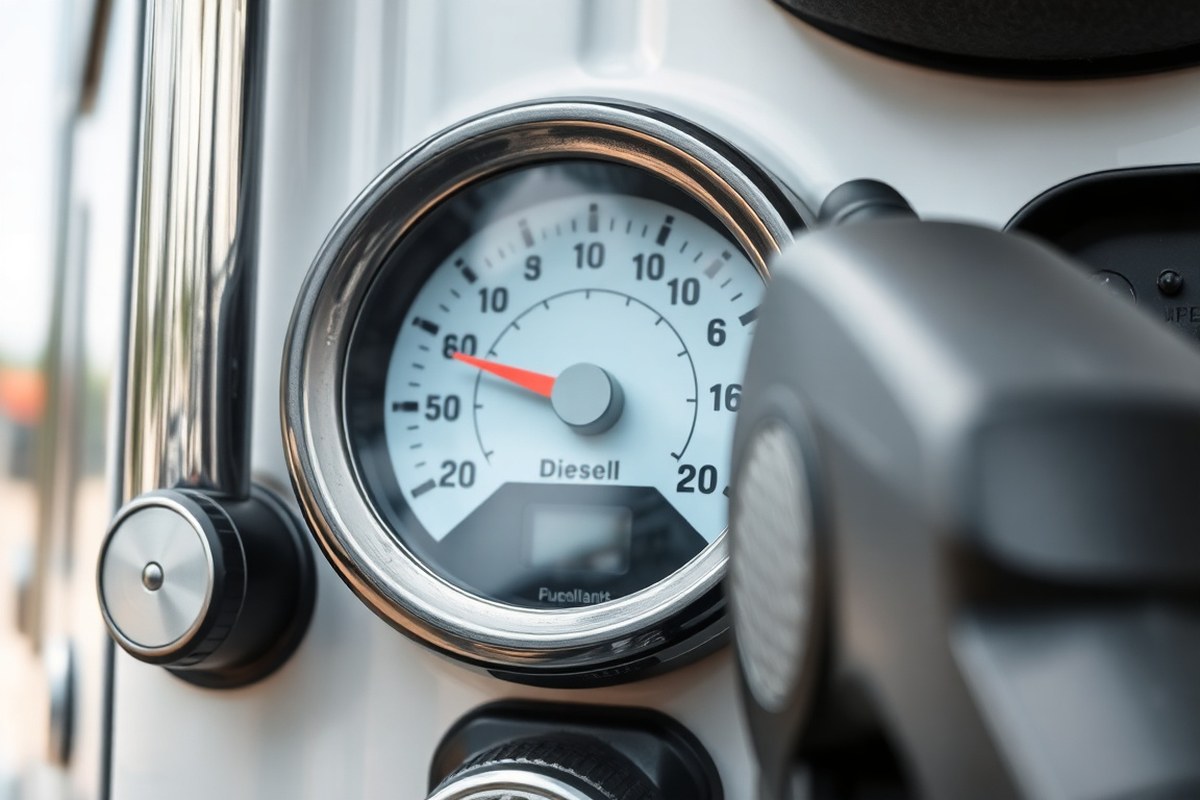
Semi trucks should never be filled to 100% capacity because diesel fuel expands with temperature changes. The 95% fill rule leaves space for this expansion and prevents spills or tank damage. Filling beyond 95% risks overflows and safety hazards on the road.
What the 95% Fill Rule Means
The 95% fill rule means stopping fuel once the tank hits 95% of its listed capacity. This rule applies if you have one tank or two under the cab.
You might have two tanks holding 120 or 150 gallons each. This partial fill keeps about 5% of the tank empty for the fuel to expand safely.
For example, a 150-gallon tank holds about 142 gallons at 95%. Diesel weighs about 7 pounds per gallon. Two 71-gallon tanks hold roughly 994 pounds of fuel.
That’s less than the 1,050 pounds in a full single tank. This buffer avoids the dangers of topping off the tank completely.
Why You Should Avoid Filling To 100%
When diesel is pumped to 100% capacity, it can overflow as the fuel heats and expands. Spilled diesel poses fire risks and environmental hazards at gas stations and on highways. Overfilled tanks may leak during transit, which is dangerous and costly to clean up.
Fuel expansion can increase volume by several percent from cool morning to hot afternoon temperatures. Leaving space inside the tank prevents pressure buildup that could damage tank seals or cause ruptures. This risk goes up if sunlight heats the tank on the truck’s chassis.
How Temperature Affects Fuel Expansion
Diesel fuel volume changes with temperature by about 0.6% per 10 degrees Fahrenheit. Fuel filled early in the cool morning can expand by midday heat.
It may increase by several gallons as the temperature rises. That expansion has nowhere to go if the tank is full, so it spills.
Truck stops and fleet managers know this and insist on 95% fill limits. It’s a simple safety step that avoids fuel loss and cleanup. This also keeps the truck under weight limits enforced by federal rules.
Steps to Fill Semi Truck Tanks Safely
Start by knowing your tank capacities and calculating 95% of that. For a 125-gallon tank, that means filling to around 118 gallons.
Watch the automatic shutoff on the fuel pump closely when you approach this point. Stop fueling immediately when the flow slows.
Some trucks have gauges or sensors to help monitor fill levels during fueling. Use them to avoid overfilling.
Talk to fuel attendants when you’re close to full tanks. Fill your tanks slower when you reach about 95%.
Common Consequences of Ignoring the Rule
Filling a tank to 100% can cause diesel spills on the ground. This contamination invites fines and cleanup costs at fueling stations. It also poses a slipping hazard to others.
Pressure from a full tank can push fuel past seals, causing leaks inside the tank area. These leaks weaken vehicle components and increase fire risk. Always stick to the 95% target to avoid these problems.
Stop fueling when your tank hits about 95% full. This helps avoid spills. It also protects your truck’s fuel system.
What Factors Affect Semi Truck Fuel Tank Size?
The size of a semi truck’s fuel tank hinges on several physical and legal factors. The truck’s frame limits how large a tank can fit between or alongside its chassis. Clearance matters too, tanks must avoid ground contact during turns or over bumps to prevent damage.
Weight limits set by the U.S. Department of Transportation limit how much total weight a truck can carry. The maximum gross vehicle weight is 80,000 pounds.
That includes the empty truck, cargo, driver, and fuel. Adding more fuel means less cargo weight allowance to stay under this limit.
- Frame space available between axles or under the cab
- Ground clearance needed to avoid scraping fuel tanks
- The 80,000-pound gross vehicle weight limit for trucks
- Fuel’s weight pushes against axle weight limits during DOT inspections
- Driver and cargo weight reduce fuel capacity options
- Route type, long hauls might need larger fuel tanks than short hauls
- Custom auxiliary tanks added if frame space and weight limits allow
Cargo weight plays a big role because more fuel cuts into your payload capacity. You must figure out how many gallons of diesel you need. Then convert that into pounds.
Diesel weighs about 7 pounds per gallon. For example, a 300-gallon tank holds roughly 2,100 pounds of diesel. That’s a significant chunk of your total weight budget.
Truck owners building or upgrading fuel tanks must check the frame fit. They need to keep legal axle weight limits in mind as well. Custom fabrication can optimize available space but requires careful planning.
Your route covers short distances mostly. Smaller tanks might work better. They keep weight down and increase cargo space.
How Much Does Diesel Fuel Weight Influence Tank Capacity Planning?
Diesel fuel weighs about 7 pounds per gallon, which adds up fast. For example, a 150-gallon tank filled completely holds roughly 1,050 pounds of fuel. Knowing this helps you figure out how fuel weight impacts your truck’s total load.
Trucking rules usually cap gross vehicle weight at 80,000 pounds. This includes your truck, trailer, cargo, and fuel. You must stay under this limit.
Your rig carries 300 gallons of diesel. That equals 2,100 pounds of fuel weight. This weight directly cuts into how much cargo you can legally carry.
Say your truck and trailer together weigh 33,000 pounds empty. Add 2,100 pounds for 300 gallons of diesel. Your cargo weight and fuel can’t go over 80,000 pounds.
Keep total weight below that. You subtract 33,000 and 2,100 from the 80,000-pound limit, leaving 44,900 pounds max payload.
Load your truck heavier than this. You could break the law or damage your rig.
Packing fuel tanks full might seem smart. But it can force you to carry less freight. Some drivers run one tank or less to gain weight capacity for payload.
Some drivers choose newer trucks with better fuel economy. They can carry more fuel without losing cargo space. This helps maximize load.
To decide fuel tank size, figure how much fuel will weigh. Subtract that weight from your truck’s max weight limit. Use what’s left for cargo.
For example, a 200-gallon fuel capacity adds 1,400 pounds. Your payload limit might be tight.
Cut fuel by 50 gallons to save 350 pounds of weight. That extra weight can carry more freight and boost profits.
Weight limits also differ by state and route, so always check local rules. Overloaded trucks risk fines, breakdowns, and unsafe handling.
Balancing fuel tank size with weight limits takes careful thought but avoids these headaches. Adjust your fuel levels to fit your typical haul and legal standards.
Common Semi Truck Fuel Tank Configurations and Sizes
Semi trucks commonly come with fuel tanks ranging from 100 to 150 gallons each. Many use dual tank setups for a total capacity of up to 300 gallons. You can also fit larger aftermarket tanks if you need more fuel on board.
Standard OEM Fuel Tank Sizes
Most original equipment manufacturer (OEM) tanks hold between 100 and 150 gallons. These sizes cover the needs of regional and long-haul trucking well. A 125-gallon tank is common across many models, balancing weight and fuel range.
Truck makers provide several tank options on the same platform. Smaller tanks suit regional routes with more frequent stops. Bigger tanks fit over-the-road trucks that cover longer distances between fill-ups.
Dual Tank Arrangements Explained
Dual tank setups double the available fuel capacity, often reaching 300 gallons total. One tank usually mounts on each side of the truck’s frame. This arrangement lets drivers carry more fuel without overloading one side and keeps balance.
It also offers operational flexibility. You can run on one tank and reserve the other.
Or fill both for maximum driving range. This is why many long-haul trucks prefer dual tanks.
Aftermarket and Custom Fuel Tanks
Aftermarket tanks are good when OEM sizes don’t meet your needs. Custom tanks can go beyond 150 gallons each, sometimes up to 300 gallons. These are handy for trucks making long trips with fewer fuel stops.
Custom fabrication helps if OEM tanks are damaged or unavailable. Stainless steel or special materials may be used on request. Costs vary but getting bigger tanks can save time and money on the road.
| Truck Model | Tank Configuration | Typical Capacity (Gallons) |
|---|---|---|
| Freightliner Cascadia | Dual Tanks | 100 – 150 per tank (up to 300 total) |
| Volvo VNL | Single Tank | 125 – 150 |
| Kenworth T680 | Dual Tanks | 100 – 150 per tank |
| Peterbilt 579 | Single or Dual Tanks | 100 – 250 total |
| International LT Series | Custom Tanks Available | Up to 300+ |
OEM configurations meet most needs on standard routes. If your operation involves longer runs or heavier loads, consider upgrading tanks. Custom tanks offer more gallons but weigh more and cost more.
Tip: Avoid overfilling tanks beyond design specs, this can cause fuel spills and void warranties.
Estimating Driving Range Based on Fuel Capacity and MPG
Semi trucks typically get about 6 to 7 miles per gallon. Using 7.1 mpg from the Energy Information Administration is a good average. With two 150-gallon tanks, you’d have 300 gallons total to use.
Multiply the tank size by miles per gallon to find your driving range. For a truck with 300 gallons at 7.1 mpg, multiply 300 by 7.1. That equals 2,130 miles before running out of fuel.
Real driving conditions change this number a lot. Hills, traffic, and weather all lower fuel economy. Trucks may get closer to 6 mpg on flat highways and less in tough spots.
For a safe estimate, use a lower mpg number like 6.5 when calculating range. For example, 300 gallons times 6.5 mpg equals 1,950 miles. That gives you a buffer for heavier loads or stop-and-go traffic.
Fuel management strategies matter too. Filling tanks only up to 95% keeps room for fuel expansion.
Avoid dropping below 25%, or you risk running out too soon. This helps keep your truck running miles and miles without problems.
Practical Fuel Management Tips for Semi Truck Drivers
Plan your fuel stops around every 300 miles to keep your tank balanced. This distance fits many truckers’ routes and avoids running low or overfilling. Letting your fuel drop below 25% risks damaging parts like the fuel pump and engine.
Try not to fill your tank past 95% full. The tank bottom has sediment and water. These can damage the fuel system.
Avoid sucking them in while driving. Staying under this limit protects internal parts and keeps fuel flowing smoothly.
Here’s a simple checklist to manage fuel better:
- Check your fuel level after every stop.
- Schedule refuels every 300 miles or before 25% fuel remains.
- Fill tanks up to 95% to avoid overfilling.
- Avoid letting the fuel gauge hit empty during trips.
- Inspect fuel filters regularly to catch sediment or water issues.
- Use apps or logs to track fuel efficiency and stops.
Follow these rules to avoid common mistakes like running on empty or overfilling your tank. Driving with too little fuel stresses engine components and reduces fuel pump life.
Filling above 95% wastes fuel space and risks sucking in contaminants from tank bottoms. Always check gauges and plan stops well ahead to stay safe and efficient on the road.
Follow these limits and refill times closely. This keeps your engine running well. Your trips will also stay on schedule.
It costs less in repairs and downtime, saving money and avoiding delays. Tailor these tips if your routes are shorter or longer. But always keep some fuel in reserve for emergencies.
Materials and Maintenance for Semi Truck Fuel Tanks
Semi truck fuel tanks are usually made from steel or aluminum. Each material has pros and cons for durability and weight. Regular maintenance helps prevent leaks and damage while extending tank life.
Steel Fuel Tanks Features and Benefits
Steel tanks are strong and less prone to impact damage. They handle rough road conditions and heavy use well. These tanks resist punctures better than aluminum in crashes or debris strikes.
However, steel tanks weigh more and can rust if coatings fail. Rust decreases fuel quality and can cause leaks over time. Steel tanks often require heavier mounts to support their weight during driving.
Aluminum Fuel Tanks Advantages and Drawbacks
Aluminum is the most common material for on-highway trucks’ tanks. It weighs much less than steel, which helps improve fuel efficiency. Aluminum resists corrosion naturally, so it usually lasts longer in wet conditions.
This lighter weight reduces strain on suspension and improves overall handling. Aluminum tanks, however, scratch more easily and can dent from sharp impacts. Repairs on aluminum tanks often cost more than steel fixes.
Routine Maintenance Procedures
Inspect fuel tanks at least monthly for dents, cracks, or rust spots. Clean the outside to remove dirt and road salt that accelerate corrosion. Check all mounting brackets to ensure the tank is secure and tight.
Drain water and sediment from tanks quarterly to avoid fuel contamination. Replace fuel filters according to your truck’s service schedule, usually every 15,000 miles. Use a soft brush and mild detergent for cleaning without damaging coatings.
Monitoring fuel caps seals prevents dirt and water entry, which may harm engines. Report any unusual smells or visible leaks immediately to stop fuel loss and hazards. Maintain a log for inspections and repairs to track tank condition over time.
Regularly draining water from the bottom of fuel tanks prevents costly engine damage.
Legal and Safety Considerations When Fueling Semi Trucks
The Department of Transportation limits how much a semi truck can weigh. This helps protect roads and keep everyone safe. Trucks that weigh too much can cause damage and accidents.
You need to include your fuel load when calculating your truck’s weight. Overfilling your rig’s fuel tank can make it too heavy.
This can break legal weight limits. The DOT may fine you for carrying too much fuel.
Fuel tanks should never be filled to 100% capacity. The 95% rule lets fuel expand inside the tank without overflow or spills. Following this rule reduces fire risks and environmental hazards during hot driving or temperature changes.
- Check that your loaded weight, including fuel, stays under legal limits
- Fill fuel tanks to no more than 95% of their total capacity
- Use proper grounding and static discharge procedures during fueling
- Inspect fuel tanks regularly for leaks, cracks, or corrosion
- Keep emergency spill kits and fire extinguishers within reach
- Wear gloves and eye protection when handling fuel
- Stop fueling immediately if you notice spills, unusual smells, or smoke
Most fuel system issues don’t start with fuel capacity. Notice fuel leaks, sudden drops in fuel pressure, or warning lights? Call a licensed diesel mechanic right away to check it out.
Trucks with over 500,000 miles need regular flushes and inspections. Schedule these every few years to avoid costly repairs.
This keeps your engine running longer and safer. Catching problems early can save you hundreds in repairs and downtime.
Step-by-Step Action Plan for Managing Your Semi Truck’s Fuel
Follow this plan to use your semi truck’s fuel tank well. It will help you drive farther without wasting fuel. You can boost your fuel range with a few smart steps.
- Before your trip: Check how much fuel your tank holds. Plan your refuels around your truck’s tank size. This helps avoid running low while on the road. You’ll know it worked when you start with a full or near-full tank.
- Day 1: Track your miles and fuel used to calculate your truck’s real MPG. Compare with your estimated range to adjust your fueling stops.
- Week 1: Note how weather and load affect your fuel use. Adjust your driving and fueling plan accordingly if you see significant changes.
- After 2 weeks: Inspect your fuel tanks for leaks or damage as part of routine checks. No leaks means your tanks are holding fuel properly.
- Monthly: Clean your fuel filters and check fuel system parts. Proper maintenance keeps fuel flowing and protects your investment.
- Ongoing: Follow legal and safety guidelines during fueling to avoid violations or hazards. Safe stops mean stress-free deliveries.
- Quarterly: Reassess your fuel usage and routes for cost and efficiency improvements. You’ll spot savings or better practices this way.
Frequently Asked Questions
How Much Does It Cost to Fill an 18 Wheeler?
Filling a typical 18 wheeler with diesel can cost between $600 and $900. Prices depend heavily on diesel costs, tank size, and local fuel taxes. You can save by fueling at stations with lower diesel prices along your route.
How Far Can Semis Go on a Full Tank?
Semis usually travel about 1,000 to 1,500 miles on a full tank. This range depends on fuel capacity and the truck’s miles per gallon. Keeping the truck well-maintained can help maximize this driving range.
How Many Gallons Does an 18 Wheeler Hold?
Most 18 wheelers hold about 200 to 300 gallons in total fuel capacity. They typically have two tanks with 120 to 150 gallons each. Drivers usually fill up to 95% to allow fuel expansion and reduce spills.
What Semi-Truck Has the Largest Fuel Tank?
Some Peterbilt and Kenworth models can have fuel tanks up to 300 gallons. These large tanks help drivers cover longer distances without refueling. Such tanks add weight and may need special legal permits depending on the route.
Can Adding Auxiliary Tanks Increase Fuel Capacity?
Yes, auxiliary tanks can boost total fuel up to 600 gallons or more. This helps fleets reduce stops on long hauls but requires proper installation and extra maintenance. Not all routes or trucks are suited for auxiliary tanks.
Final Thoughts
A usual semi truck fuel tank holds 100 to 300 gallons. This amount sets your driving range and fuel costs. Knowing this helps you plan stops better.
Monitoring fuel use and adjusting stops helps you get the best mileage possible. Track your fuel efficiency on your next drive to learn more.
It shows where you lose fuel and what to fix. Use this info to improve your mileage.