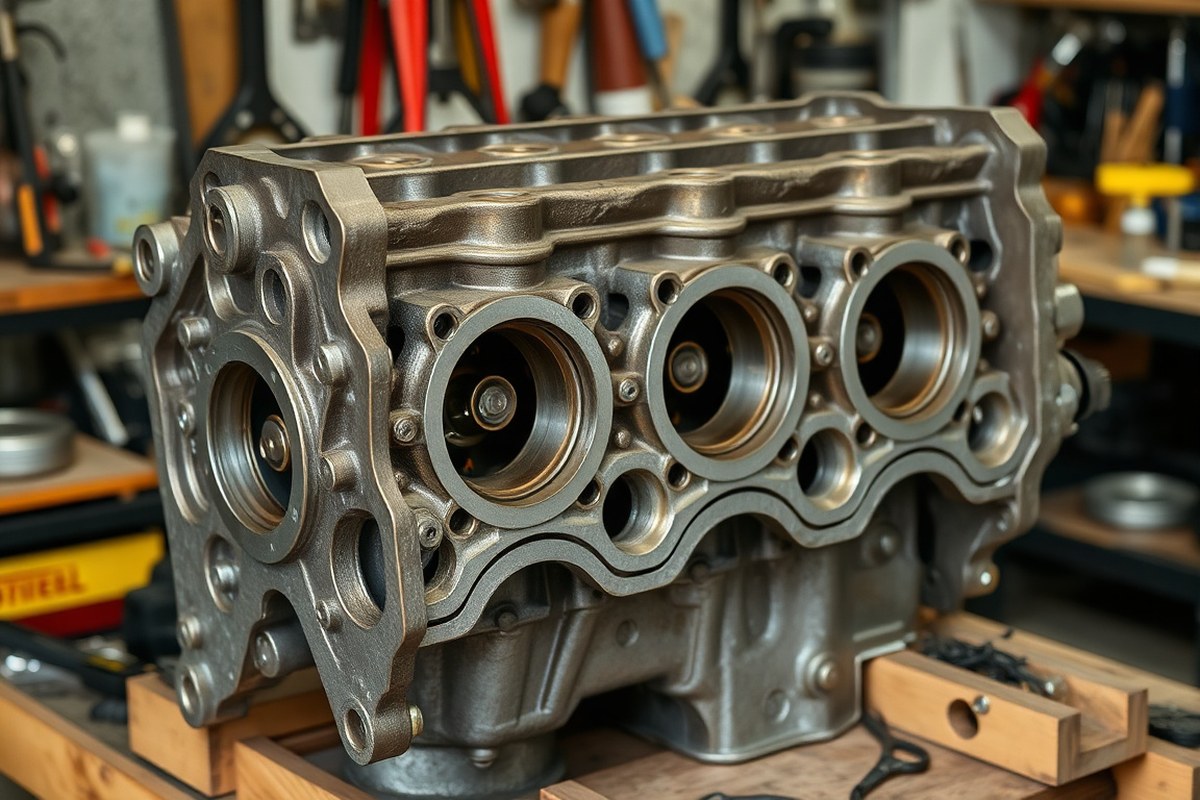
What’s the Engine Block? A Complete Guide to Its Parts, Types & Maintenance
What’s the engine block? It’s the main part of a car’s engine.
The block holds the cylinders and all the major moving parts inside. It acts like the engine’s strong frame, keeping everything tightly in place while the engine runs.
The engine block also handles heat and stress during combustion. It makes sure the cylinders stay aligned so the pistons slide smoothly. A smooth cylinder surface reduces friction.
This helps the engine run better. It also makes the engine last longer.
Engine blocks come in different shapes and sizes depending on the engine layout. Some are made from cast iron, others from lightweight aluminum for better cooling. How well you maintain the block affects your engine’s lifespan and performance.
Key Takeaways
- Engine blocks hold cylinders and major internal engine parts together securely.
- The cylinder wall finish reduces about 20% of engine friction from piston movement.
- Cast iron blocks offer strength; aluminum blocks weigh less and cool faster.
- V engines vary by cylinder angle, affecting engine balance and smoothness.
- Air-cooled engines like old VW and Porsche don’t use traditional engine blocks.
- Regular servicing every 30,000 miles helps prevent engine block wear issues.
What Is an Engine Block and Its Primary Role?
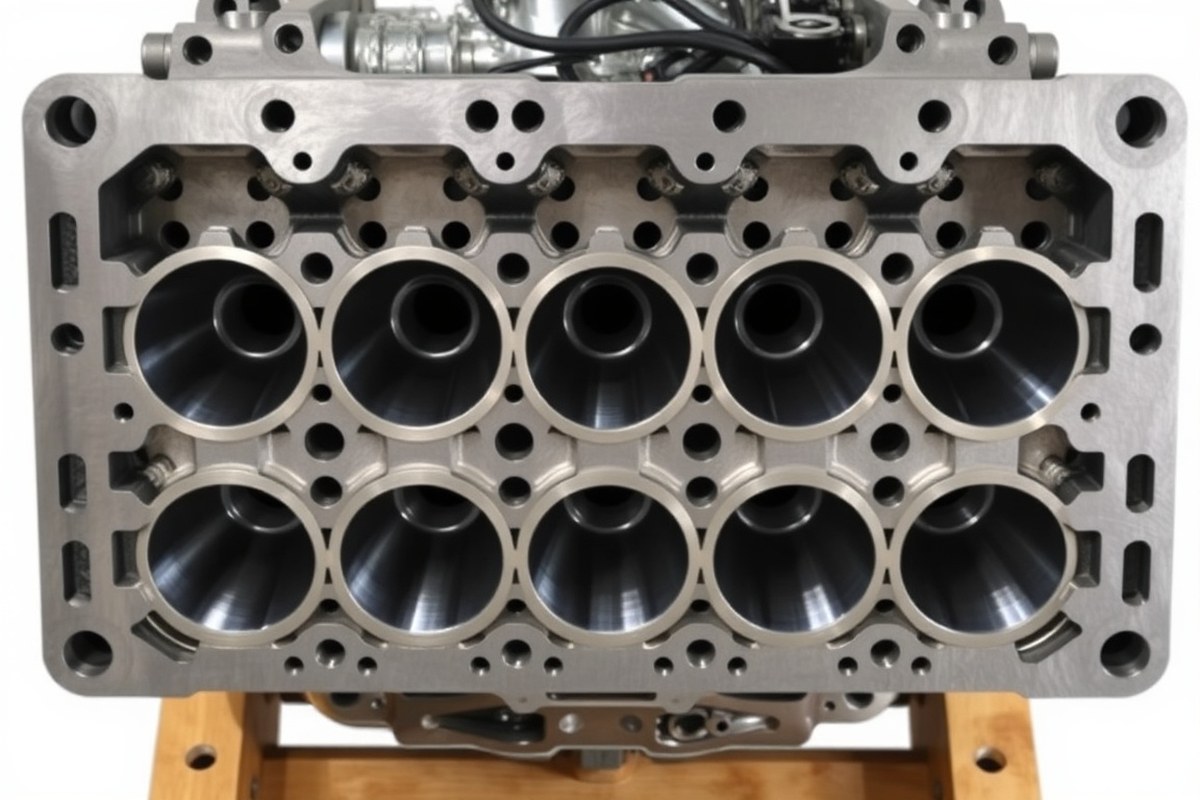
An engine block is the main metal structure of an internal combustion engine. It houses the cylinders and provides support for many key engine parts. You’ll find it at the heart of the engine assembly.
It’s usually a large, heavy casting. This casting is made of iron or aluminum.
The engine block’s main job is to hold the cylinders. Pistons move up and down inside these cylinders. This movement creates power by burning fuel inside these cylinders.
The block keeps the pistons in place. It also stops cylinder walls from wearing down. The block has a smooth surface for piston rings to seal against.
The block is also important for the engine’s stability. It supports the crankshaft, which converts the pistons’ up-and-down motion into rotation to move your car. The block absorbs some of the heat generated during combustion, helping regulate engine temperature.
Between the engine block’s top and the cylinder head sits a head gasket. This gasket seals the combustion chamber and coolant passages tightly, preventing leaks. Bolts pass through holes in the block to fasten the cylinder head securely for efficient combustion.
Look at a basic diagram: the engine block forms the lower portion of the engine. The cylinders are drilled vertically through it.
The pistons slide inside these cylinders. Underneath, you’ll see the crankshaft housing inside the block, all enclosed by the oil pan below.
Engine blocks vary in size and design depending on the engine layout. For example, V-shaped engines have two banks of cylinders set at an angle inside the block.
Inline engines arrange all cylinders in a straight line. Whichever layout, the block remains the solid foundation holding everything together.
What Are the Main Components Built into an Engine Block?
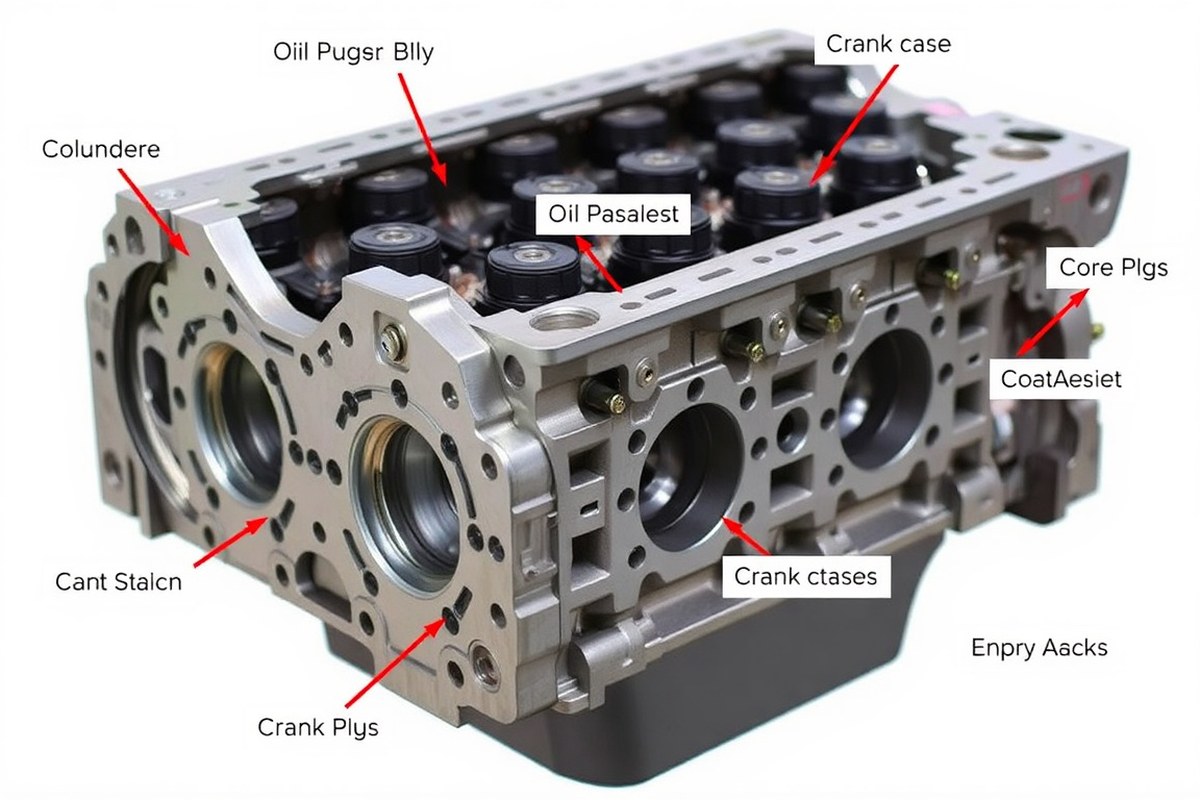
Core Structural Components Inside the Engine Block
The engine block houses the cylinders where pistons move up and down. It also holds the crankshaft, which converts piston motion into rotation. Connecting rods link pistons to the crankshaft, transferring force created by fuel combustion.
Inside the block, you’ll find the main bearing caps that secure the crankshaft in place. These parts must fit tightly to keep engine rotation smooth and precise. The block also supports the camshaft in many engine designs.
Oil Passages and Their Role
Throughout the engine block, oil galleries carry engine oil to moving parts. Oil flows from the oil pan at the bottom through these narrow channels. Its job is to lubricate parts, reduce friction, and carry heat away from components.
This lubrication keeps pistons and the crankshaft from grinding and wearing out. The oil creates a thin film that prevents metal contact during engine operation. Oil also cleans internal parts by carrying away dirt and metal particles.
Coolant Passages or Water Jackets
Surrounding the cylinders, the block includes passages called water jackets. These distribute coolant, usually a water-antifreeze mixture, to pull heat from hot engine parts. The coolant flows continuously, keeping engine temperatures stable.
These passages help prevent overheating, which can seize pistons or warp the block. Coolant moves up into the cylinder head to cool valves and combustion chambers. Without these pathways, the engine would quickly overheat under normal driving conditions.
Core Plugs and Their Function
Core plugs, often called freeze plugs, seal holes left during casting. These plugs keep coolant inside and prevent leaks from the water jackets. They also help if the coolant freezes.
The plugs can pop out. This prevents the block from cracking.
Core plugs are round metal discs pressed into the block openings. Over time, plugs can corrode and leak, showing as coolant spots below your vehicle. Replacing old plugs prevents coolant loss and engine overheating.
Other Built-In Engine Block Parts
Lifters, pushrods, and sometimes timing chain guides attach to the block. These parts are bolted or pressed in place.
These assist with valve operation and timing control within the engine. Sealing gaskets around surfaces prevent oil, coolant, or gas leaks.
The oil pan bolts to the engine block’s bottom, storing oil the pump uses for circulation. The block is the main frame of the engine.
It holds the entire lower end together. It must be strong enough to resist high pressure during combustion.
- Cylinders: House pistons and handle combustion force
- Crankshaft and main bearing caps: Convert piston motion to rotation
- Oil galleries: Route oil for lubrication and cooling
- Water jackets: Cool engine with circulating coolant
- Core plugs: Seal casting holes and protect from freeze damage
- Sealing gaskets: Prevent fluid leaks between parts
- Oil pan: Holds oil for engine lubrication system
Check core plugs regularly for leaks, especially on older engines prone to corrosion.
How Is an Engine Block Manufactured Step-By-Step?
The engine block is first cast from molten metal, creating its basic shape. Then machining shapes the cylinder bores and bearing surfaces precisely. These steps prepare the block for assembly with other engine parts.
Casting and Molding the Raw Block
The process starts with pouring molten cast iron or alloy into a sand or metal mold. The mold shapes the block’s exterior and internal galleries at once. This casting sets the block’s size, cooling fins, and main structure.
Once cooled, the rough block is separated from the mold and cleaned. This removes leftover sand or mold material stuck to the surfaces. The block is then ready for machining of critical internal parts.
Machining Cylinders and Bearing Surfaces
Next, the cylinder bores are bored with precision tools to ensure straight walls and correct diameter. The surface finish is honed to a smooth, crosshatched texture that reduces piston friction. Around 20% of engine friction comes from this contact.
Crankshaft bearing seats and bolt holes are also machined for exact alignment. This guarantees the crankshaft rotates smoothly without excess play or stress. The machining process typically achieves tolerances within a few thousandths of an inch.
Finishing and Inspection Processes
The final step is inspecting the block for cracks, warps, and casting defects. Surface flatness, bore roundness, and alignment are checked using gauges and sensors. These quality controls catch issues that would affect engine life or performance.
Heat treatment may follow if specified to strengthen the cast metal. After passing inspection, the block is cleaned, and lubricant passages are cleared. It then moves on ready for cylinder head and other components.
- Heat and melt the alloyed cast iron.
- Pour molten metal into a sand or metal mold.
- Allow the block to cool and solidify.
- Separate the block from the mold and clean surfaces.
- Bore and hone the cylinder bores to precise dimensions.
- Machine crankshaft bearing seats and bolt holes.
- Inspect for cracks, warping, and dimensional quality.
- Clean and prepare the block for assembly.
What Materials Are Engine Blocks Made from and Why?
Cast iron and aluminum are the most common engine block materials. Cast iron blocks weigh more but last longer.
Aluminum blocks weigh less and cool better but cost more. The choice affects your car’s performance, fuel economy, and durability.
Cast iron’s heavier weight adds durability and reduces warping during heat cycles. It’s a solid choice for trucks and older vehicles needing toughness.
Aluminum alloy blocks, common in modern cars, shed weight and improve heat transfer. This makes engines run cooler and faster, which suits performance vehicles.
Alloy variations in aluminum and steel affect strength and heat resistance. Nickel and chromium may be added to steel alloys to strengthen the block.
Aluminum blends can differ in their cooling ability and how much they reduce weight. These tweaks help manufacturers balance cost, strength, and cooling.
The table below compares common engine block materials by weight, cost, durability, and vehicle fit:
| Material | Approx. Weight | Cost | Durability | Heat Dissipation | Typical Use |
|---|---|---|---|---|---|
| Gray Cast Iron | Heaviest (base for comparison) | Lower | High, resists warping | Lower | Older passenger cars, trucks |
| Aluminum Alloy | Light (up to 30% less than cast iron) | Higher | Moderate, may warp more | Higher, better cooling | Modern cars, high-performance engines |
| Nickel-Chromium Steel | Varies, usually heavier than aluminum | Higher | Very high | Moderate | Heavy-duty engines, special applications |
Aluminum blocks improve fuel economy by cutting engine weight. They also help engines reach operating temperature faster.
But aluminum needs cast iron or steel sleeves for cylinder wear resistance. Cast iron doesn’t need sleeves and rarely warps, so it suits rebuilds easily.
Choosing the right material depends on your vehicle’s use. Heavy trucks benefit from cast iron for strength.
Sports cars or small sedans benefit from aluminum for weight and cooling. The added cost of aluminum can be worth it for better speed and efficiency.
What Types of Engine Blocks Exist and How Do They Differ?
Engine blocks come in three common shapes: inline, V-type, and boxer. Each type arranges cylinders differently, affecting engine size, balance, and power delivery. Knowing these differences helps you understand vehicle design and performance.
Inline (Straight) Engine Blocks
Inline engines line up all cylinders in a single row. This layout uses one cylinder head covering all cylinders. It tends to be longer but narrower than other types.
Because of its simple design, inline engines cost less to make and maintain. They produce smooth power and generally run cooler. However, long engines can fit poorly in smaller cars.
Common examples include inline-4 and inline-6 engines in many sedans and trucks. The inline-6 is known for smoothness due to good natural balance.
V-Type Engine Blocks and Angles
V engines place cylinders on two banks, set at an angle forming a V shape. Each bank has its own cylinder head. This design saves space compared to inline engines.
Angles between 60° and 90° are typical, affecting engine smoothness and height. Larger V angles tend to lower the engine center of gravity but can increase vibration.
Many V6 and V8 engines use this format in trucks and SUVs. The V shape allows wider cylinders and higher power output in a shorter block.
- More compact length than inline engines
- Higher manufacturing complexity due to two cylinder heads
- Better balance on 60° V6 or crossplane V8 designs
- Increased width might affect engine bay fitment
- Good power density for larger displacement engines
- Cooling challenging between cylinder banks
Check clearance in your engine bay before swapping to a V-type engine block.
Boxer (Opposed) Engine Blocks
Boxer engines place cylinders flat and opposite, at 180 degrees. This layout has two cylinder heads on either side of the block. It lowers the engine’s height and room needed under the hood.
Boxer engines balance forces naturally better than V engines, reducing vibration. Subaru commonly uses this design for stability and a low center of gravity.
The flat layout helps with handling but can be wider than inline engines. The complexity and cost are higher due to the unique design and two cylinder heads.
How Does the Engine Block Function with the Cylinder Head and Oil Pan?
The cylinder head sits right on top of the engine block. It forms a tight seal on the block’s deck surface. This connection keeps things secure.
Long bolts, called head bolts, go through the cylinder head. They screw into holes on the block. This holds the head tight to the block.
These bolts require a specific torque pattern and tightness level to avoid warping or leaks. The head gasket sits between the block and cylinder head.
It seals combustion chambers and coolant passages. This prevents leaks and keeps the engine running.
The oil pan attaches to the bottom of the engine block like a shallow tray. It collects engine oil after circulation for cooling and lubrication. Bolts fasten the oil pan flange to the block’s oil pan rail.
This creates a strong and oil-tight joint. It holds the oil pan firmly in place. A flexible oil pan gasket seals the joint between parts.
It stops leaks when the engine moves or heats up. This keeps oil inside the pan.
A diagram shows bolt holes on the cylinder head lining up. They match holes on the block’s deck surface exactly. This alignment allows proper bolting.
The long head bolts compress the gasket evenly to handle combustion pressures over 1000 psi. Below, oil pan bolts run around the pan’s edge, compressing the softer gasket material. The gaskets often use multi-layer steel or rubber composites for durability and heat resistance.
Torque specs for cylinder head bolts typically range from 70 to 120 ft-lbs. Oil pan bolts need about 10 to 20 ft-lbs.
The cylinder head contains valves, camshafts, and the combustion chamber. The block provides the cylinders and coolant passages. This arrangement allows precise combustion sealing and oil distribution.
Oil moves through passages inside the block. It lubricates parts in the cylinder head and crankshaft.
This keeps the engine parts moving smoothly. The oil pan holds that lubricant, keeping it cool and filtering debris.
Engines like V6 or V8 have multiple cylinder heads. Each head fits its own deck surface on the block. This setup fits the engine design.
This means multiple seals and sets of head bolts, with careful sequencing needed during assembly. The oil pan is one piece under the crankshaft. It seals the block’s bottom in one uniform section.
This keeps oil contained inside the engine. Not tightening bolts right can cause gasket damage.
This leads to coolant or oil leaks in the engine. It may cause overheating or loss of power.
What Are Common Engine Block Problems and How to Identify Them?
Cracks in an engine block often come from overheating or freezing damage. You might see coolant leaking on the engine’s side. You could also notice white smoke from the exhaust pipe.
Both are clear signs to check your engine soon. These signs show the block might be cracked.
Cracks let coolant or gases mix where they shouldn’t. This damages your engine and lowers performance.
Detecting cylinder wear or block porosity starts with checking compression levels in each cylinder. Low compression might point to worn cylinder walls or a porous block letting pressure escape. A leak-down test can help verify if the block itself allows air to pass through.
Checking block problems starts with cleaning off grime and oil. Then, follow a simple inspection routine carefully. This helps you spot any damage clearly.
Look closely for hairline cracks, rust patches, or areas where coolant might pool. Shine a bright light on cylinder liners and coolant paths.
Use a magnifying glass if you need to see better. Focus your check where cracks and leaks are common.
- Look for coolant leaks or stains near engine seams
- Measure cylinder bore diameter with a bore gauge for wear
- Perform a compression test on each cylinder
- Do a leak-down test to spot pressure loss
- Inspect for surface corrosion or flaking metal
- Use a dye penetrant kit to reveal hairline cracks
- Check for any odd noises from the engine during operation
Symptoms suggesting block issues include overheating, loss of coolant without visible leaks, and engine misfires. White exhaust smoke on startup often means coolant leaks inside. This happens through cracks or a failed gasket.
It can cause engine overheating or damage. Sometimes, oil and coolant mix inside the engine.
You’ll see a milky, greasy residue on the dipstick or oil cap. This signals trouble and needs quick attention.
Cost to repair a block crack varies widely. Small cracks might be weldable for a few hundred dollars. But severe damage often means replacing the block.
A well-kept block with liners usually lasts longer. Cylinder liners handle most wear and protect the block. This keeps repair costs lower and engine life longer.
How to Maintain and When to Replace or Rebuild an Engine Block?
Keeping your engine block healthy means changing oil often. You also need to maintain the cooling system well. These two steps help avoid major engine problems.
Change your engine oil every 5,000 to 7,500 miles. Always use the right oil type for your car. This keeps the engine running smoothly.
The oil filter catches dirt and metal bits from the oil. A clean filter protects the engine block from damage. Change it regularly to keep your engine safe.
Watch for cracks on the engine block surface. Deep rust or warped areas are also bad signs. These may mean you should rebuild or replace the block.
Overheating that damages the block’s material or persistent coolant leaks also call for serious inspection. Minor cracks and surface rust are fixable.
But bigger damage usually calls for engine replacement or rebuild. This way costs and risks stay lower in the long run.
Here’s how to maintain and check the engine block properly. Follow these steps carefully for the best results.
- Inspect the engine block for visible damage or leaks during oil changes.
- Replace the oil and oil filter at recommended intervals, usually every 5,000 to 7,500 miles.
- Check the coolant level and condition to prevent block overheating or corrosion.
- Flush the cooling system every 30,000 miles or as your vehicle manual suggests.
- Look for engine misfires or unusual noises, signaling internal block problems.
- Schedule an engine compression test if you notice loss of power or rough idling.
- Consult a professional if cracks, warped surfaces, or coolant contamination is found.
Running an engine with low or dirty oil speeds up engine block wear and damage.
How Do Engine Mounts and Modifications Relate to the Engine Block?
The engine block forms the main structure for engine mounts. It attaches the engine firmly to the vehicle frame.
Mounts use threaded holes and mounting faces built into the block for secure positioning. These mounts absorb vibration and help align the engine with the transmission and drivetrain.
Common engine mounts include:
- Front engine mount connecting block to frame
- Rear mount supporting transmission connection
- Torque mounts limiting engine movement under load
- Hydraulic mounts that reduce vibration
- Polyurethane mounts for performance upgrades
Many upgrades involve the engine block to boost power or durability. You can install performance cylinder sleeves to improve wear resistance. Some swap in forged pistons and stronger connecting rods that fit inside the block.
Upgrading cooling passages or adding external oil lines also helps maintain temperatures under heavy use. Porting or machining the block can improve airflow and combustion efficiency.
Modifications affect performance by increasing strength and heat tolerance. Better mounts reduce engine movement, lowering stress on connections. However, stiff mounts can raise vibration felt inside the vehicle.
Machined surfaces must maintain precise tolerances. Improper machining risks leaks or cracks that lead to failure. It’s key to use quality parts and follow torque specs when reassembling mounts or components.
Practical tips include:
- Choose mounts matched to your vehicle’s weight and power
- Replace worn mounts to prevent engine vibration and misalignment
- Inspect block surfaces before pressing in sleeves or rods
- Use professional machines for accurate block porting and machining
- Upgrade cooling and lubricating lines for high-performance demands
- Tighten bolts in a cross pattern to avoid warping the block
- Test engine alignment after installing mounts or block modifications
Upgrading engine mounts and modifying the block takes a mix of drilling, machining, and precise assembly. It usually requires a shop setup with torque wrenches and measuring tools.
The results improve engine stability and output if done right. Neglecting proper installation raises risks of failure or reduced engine life.
Step-by-Step Action Plan for Engine Block Care and Troubleshooting
Here’s what you can do now to keep your engine block healthy. Watch for issues early to avoid costly repairs. Catching problems fast helps your engine last longer.
- Right now: Check for any visible leaks or cracks around the engine block. Look for wet spots or oil stains under your car. Finding these means you need further inspection.
- Weekly: Monitor your engine’s temperature gauge while driving. Your engine running hotter than normal can signal cooling problems. This heat can harm the block. Check cooling systems to prevent damage.
- Monthly: Change your engine oil and filter on schedule. Fresh oil protects the engine block’s insides from wear and corrosion.
- Every 6 months: Inspect engine mounts for cracks or looseness. Worn mounts put extra stress on the engine block and related parts.
- Annually: Have a pro test your engine block for cracks or warping. They use pressure tests or dye penetrant inspections. This helps catch hidden damage early. Early detection can save costly repairs.
- As needed: See smoke, power loss, or strange noises? Have a mechanic check your engine block. These signs might mean the block has damage.
- When rebuilding: Clean the block thoroughly and replace worn parts like pistons and bearings. Measure cylinder wear to decide if honing or boring is necessary.
- Before modifications: Know your engine block’s material and strength limits first. This helps you choose upgrades that won’t cause damage. Protect your block from stress.
Frequently Asked Questions
What Is the Purpose of Coolant Passages in the Engine Block?
Coolant passages circulate liquid to keep the engine at proper temperature. They prevent overheating by moving coolant through the block’s water jacket system.
How Does the Engine Block Affect an Engine’s Weight and Balance?
The engine block is heavy and makes up most of the engine’s mass. Its material and size impact vehicle balance and fuel efficiency.
Can an Engine Block Have Built-In Crankcase Features?
Yes, larger engines sometimes have the crankcase as part of the engine block. This design is common in marine and stationary engines.
Why Don’t Some Engines, Like Air-Cooled Ones, Have Engine Blocks?
Air-cooled engines rely on airflow around the parts instead of liquid cooling. They lack a solid engine block with coolant passages.
How Does the Precision of Machining Impact Engine Block Performance?
Accurate machining ensures proper fit of cylinders and moving parts. It reduces wear and improves engine durability and efficiency.
Before You Go
Your engine block holds key parts that make your car run smoothly. Catching problems early saves money and keeps your ride reliable. Look today for leaks or strange noises around your engine block.
Act quickly if something doesn’t feel right. Early action can prevent bigger problems.