How Much Does 20 Gallons of Gas Weigh? Complete Guide with Calculations & Safety
Wondering how much 20 gallons of gas weigh? The simple answer is about 120 pounds.
Each gallon of gasoline weighs roughly six pounds. So multiply 20 by six to get the total weight.
Gasoline’s weight depends on its density, which shifts with temperature and blending. Hotter weather causes gas to weigh a little less per gallon.
Colder temps add some weight. The type of blend also matters, ethanol mixes weigh slightly less than pure gasoline.
This weight matters when storing or transporting fuel to avoid spills or damage. Heavier loads strain containers and vehicles, so calculating fuel weight keeps everything safe. Ignoring this can lead to overloads that risk accidents or costly repairs.
Always check the weight limits of your fuel tank or storage container. Make sure the total load, including fuel, stays within safe guidelines. This simple step helps you handle fuel efficiently and prevents problems on the road or at your shop.
Key Takeaways
- One gallon of gas weighs about six pounds at 60°F.
- Multiply gas volume by six to estimate total weight in pounds.
- Gasoline weight varies slightly by temperature and blend.
- Weigh gas carefully for safe handling and vehicle loading.
- Don’t use water weight to guess gasoline weight, it differs too much.
- Always keep gas containers secure and upright during transport.
How Much Does 20 Gallons of Gas Weigh Exactly?
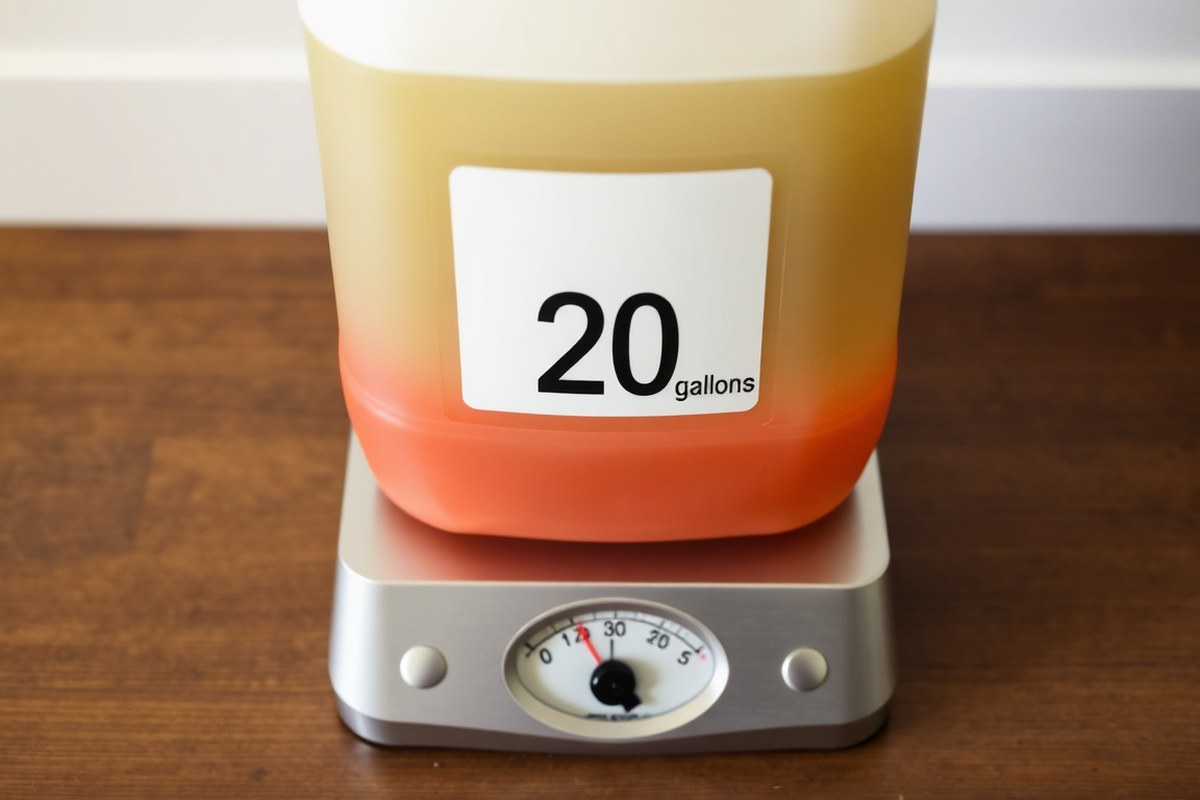
Twenty gallons of gasoline weighs about 122 to 124 pounds. One gallon usually weighs between 6.1 and 6.2 pounds at around 60°F. Fuel planners often use this weight range for calculations involving gasoline.
To see how this works, multiply 20 gallons by the average weight per gallon. Using 6.2 pounds as the average, 20 gallons × 6.2 pounds = 124 pounds. This number reflects standard conditions and regular unleaded gasoline often found at gas stations.
Here’s a simple guide using 6 pounds per gallon. Five gallons weighs around 30 pounds.
Ten gallons is about 60 pounds, and 15 gallons weighs roughly 90 pounds. The small variations from 6.1 to 6.3 pounds per gallon change these totals slightly but won’t affect general planning much.
What Factors Cause Gasoline Weight to Vary?
Gasoline weight per gallon changes based on temperature, fuel blends, and additives. Warmer gas weighs less because it expands, while different blends and additives alter density. These factors affect how much 20 gallons of gas actually weighs in real life.
How Temperature Affects Gasoline Weight
Fuel density decreases as temperature rises. So a gallon of gas at 80°F weighs less than one at 60°F. The U.S. Fuel industry measures gasoline weight at a standard 60°F to keep numbers consistent. Stored gasoline can weigh slightly more or less depending on local temperature changes.
Thermal expansion can change fuel weight by a few tenths of a pound. This difference shows up between summer and winter. You might notice it when measuring fuel weight.
For example, gas purchased in winter is denser and heavier because it is cooler. Remember this when measuring fuel for storage or transport.
Seasonal changes affect fuel weight. It helps to check the season before you measure.
Variations in Fuel Blends
Different gasoline blends weigh varying amounts. Regular unleaded gas commonly weighs about 6.1 pounds per gallon at 60°F. But mid-grade and premium blends can weigh slightly more or less based on their chemical makeup. Ethanol blends like E85 weigh more, around 6.5 to 6.6 pounds per gallon because ethanol is denser than pure gasoline.
Stores use winter and summer blends to meet environmental rules and maintain engine performance. Winter blends contain lighter components that evaporate easily, so they weigh less. Summer blends have heavier molecules, making them a little heavier per gallon.
Impact of Additives on Gasoline Weight
Additives like detergents, corrosion inhibitors, and anti-icing agents change the formula slightly. Additives can change gasoline density slightly. Usually, these changes affect weight by only a fraction of a pound.
The effect on weight is generally small. The changes are important for engine health but have minor effects on total fuel weight.
Fuel suppliers mix additives at precise rates, so any weight change is predictable. When filling a 20-gallon tank, additives impact fuel weight a little. They might change the total weight by less than a pound.
Additives do not add much weight overall. These changes are smaller than those caused by temperature or fuel type.
When to Adjust Gasoline Weight for Real-World Uses
Use the 6.1 to 6.2-pound range per gallon for quick fuel weight estimates. You need to measure the local temperature for accuracy. Know the fuel blend too for precise weight calculation.
These steps help get exact weights for storage or transport. Adjust weight calculations by a few tenths of a pound per gallon.
Do this based on your specific gasoline sample. Temperature and blend affect these adjustments.
For example, 20 gallons of E85 at 60°F can weigh about 130 pounds. Regular gasoline weighs around 120 pounds for the same volume. Temperature and fuel type cause this difference.
Commercial haulers and fleet operators may track these details for safety and load limits. Checking supplier details can help you calculate the right weight precisely.
Always check the temperature and type of gas before weighing it. Small changes can add up fast when handling larger amounts.
How to Calculate Gasoline Weight from Volume and Density
To find gasoline weight, start with volume in gallons. Multiply that by gasoline’s density per gallon. This gives you the weight.
This formula helps convert gallons into pounds, providing a useful measure for transport and storage. Knowing how to do this lets you estimate the fuel weight quickly without guesswork.
Understanding Gasoline Density
Gasoline density measures how much mass fits into a certain volume. A common average density is about 6.3 pounds per US gallon at 60°F. This can vary slightly with temperature and ethanol content in the mix.
Density matters because it links volume to weight. This lets you convert gallons of gas into pounds precisely. Without density, volume alone doesn’t tell you the actual weight.
Using the Weight Formula Step-by-Step
The formula to find gasoline weight is simple: Weight = Volume × Density. Volume should be in gallons, and density in pounds per gallon. Multiply these two values, and you get the weight in pounds.
Start by getting the exact volume you want to measure. Next, find the gasoline density, use 6.3 lb/gal for typical gasoline unless you have a specific density value. Finally, multiply them to calculate the total weight.
Worked Example Calculation for 20 Gallons
For 20 gallons of gasoline using 6.3 pounds density, multiply 20 × 6.3. The calculation equals 126 pounds, which is the gasoline weight at about 60°F. This gives a precise estimate for practical needs.
You can adjust this if your density number differs. For instance, if your gasoline density is 6.2 pounds, multiply 20 × 6.2 to get 124 pounds. This flexibility makes the formula useful for different fuel types and temperatures.
How Does Diesel Compare to Gasoline Weight?
Diesel weighs more per gallon than gasoline, which changes how you plan loads. Diesel typically weighs between 6.9 and 7.1 pounds per gallon. Gasoline weighs less, generally around 6.1 to 6.3 pounds per gallon.
This difference means diesel adds more weight to vehicles or containers. Using diesel’s weight to guess gasoline load will overstate weight. This could cut your payload capacity more than needed.
| Fuel Type | Weight Per Gallon (lbs) | Weight Difference vs Gasoline (%) |
|---|---|---|
| Gasoline | 6.1, 6.3 | Baseline |
| Diesel | 6.9, 7.1 | 16, 27% heavier |
| UK Gallon Gasoline | 7.2 | , |
Knowing these values helps you plan transport and vehicle loads accurately. For example, 20 gallons of gasoline weigh about 122 pounds (6.1 lbs × 20). Twenty gallons of diesel weigh about 140 pounds.
That equals 7 lbs times 20. It’s roughly 18 pounds heavier than gasoline.
When hauling fuel, always use the weight value for the actual fuel type. That prevents overloaded vehicles and helps you meet weight limits.
Filling a diesel truck means more weight added in the tank. This is compared to a same-size gasoline tank.
Diesel weighs more than gasoline. But the fuel weight difference usually does not change gas mileage much. The total vehicle weight is usually much higher.
So this fuel weight difference is relatively small. Still, for transport and storage, precise weight figures avoid surprises and ensure safety.
How Much Does a Full 20-Gallon Gas Tank Add to Vehicle Weight?
A full 20-gallon gas tank adds about 122 to 124 pounds to your vehicle’s weight. This weight sits on top of the vehicle’s empty weight. It can change a bit with temperature and fuel density.
For most cars and light trucks, this weight is small but noticeable. It affects how the vehicle handles on the road.
Fuel weight affects suspension and performance more when you carry a full tank and cargo. This impact grows if you drive that way often. A loaded suspension may compress more, reducing ride height and affecting tire wear.
In larger vehicles like trucks, fuel weight adds a lot to the total weight. This extra weight affects fuel economy and braking distance.
Use the 6.1 pounds per gallon standard for gasoline to estimate added weight. Multiply gallons by 6.1 to get fuel weight, then add a 2 to 4 percent increase for cold weather. For example, a 20-gallon tank weighs around 124 pounds (20 × 6.1 = 122 + about 2% cushion).
| Vehicle Type | Fuel Tank Size | Fuel Weight (approx.) |
|---|---|---|
| Passenger Car | 15, 20 gallons | 90, 124 pounds |
| Light Truck | 20, 25 gallons | 124, 155 pounds |
| Large Truck | Over 25 gallons | 150+ pounds |
When planning loads, include fuel weight with cargo and passengers to avoid overloading. Overloaded suspension strains shocks and springs, possibly causing early wear and poor handling. It’s best to check your vehicle’s maximum gross weight in the manual for safe loading.
Diesel trucks carry more because diesel weighs about 7.1 pounds per gallon. A 300-gallon diesel tank adds roughly 2,130 pounds, which greatly affects handling and braking.
Gasoline tanks usually cap under 25 gallons. So their weight impact is less dramatic but still important.
Counting fuel weight with cargo helps you avoid overloading your vehicle. Overloading can harm suspension and make handling unsafe.
Can I Use Water Weight to Estimate Gasoline Weight?
Water weight is not a good way to estimate gasoline weight. Water weighs about 8.34 pounds per gallon. But gasoline weighs roughly 6.2 pounds per gallon.
Using water’s weight for gas causes about a 35% overestimate. This mistake can affect your fuel load calculations. It often leads to problems when figuring fuel weight.
Gasoline’s density is lower than water’s because of its chemical makeup. This difference matters when you move fuel or check your vehicle’s total weight.
For example, 20 gallons of water weighs about 167 pounds. But 20 gallons of gasoline weigh closer to 124 pounds.
| Volume | Water Weight (lbs) | Gasoline Weight (lbs) |
|---|---|---|
| 1 gallon | 8.34 | 6.2 |
| 5 gallons | 41.7 | 31 |
| 10 gallons | 83.4 | 62 |
| 20 gallons | 167 | 124 |
Your best rule is to check gasoline’s specific gravity or density instead of guessing. Gasoline’s specific gravity, always less than 1, means it’s lighter than water. Use about 6.2 pounds per gallon as a quick weight estimate for regular gasoline.
To avoid errors, do not rely on water weight tables when handling gasoline. Measuring gasoline accurately with its true weight saves you fuel load mistakes. Always look up or test specific fuel density if exact numbers matter for transport or storage.
What Safety Tips Apply When Transporting or Storing 20 Gallons of Gas?
Transporting 20 gallons of gasoline requires caution because it weighs about 124 pounds. Gasoline is highly flammable and can release dangerous vapors. Use approved containers with tight lids, designed for gasoline storage and transport.
Keep gasoline containers upright and secure during transport. Avoid leaving them in direct sunlight or inside a hot vehicle. Always carry gasoline in a well-ventilated place.
Use a truck bed or an open trunk. This helps stop vapor buildup.
- Use containers specifically made for gasoline, labeled and approved.
- Fill containers no more than 95% full to allow vapor expansion.
- Keep containers upright and secure to prevent spills or tipping.
- Store in a cool, dry place away from heat sources or flames.
- Do not store gas containers indoors near pilot lights or heaters.
- Label containers clearly and keep away from children and pets.
- Refill only in well-ventilated outdoor areas and clean spills promptly.
For safe storage, use a locked storage cabinet or ventilated shed. Check containers for leaks or cracks often. Do not mix gasoline with other fuels or chemicals, as this increases fire risk.
Store gasoline long-term by adding a stabilizer additive. This keeps fuel fresh and helps prevent gum buildup in engines. Rotate gasoline supply every six months to maintain quality and safety.
Common Mistakes When Estimating Gasoline Weight and How to Avoid Them
Many people assume gasoline always weighs around 6.1 pounds per gallon. This quick estimate helps but can lead to errors when precision matters.
Fuel density varies due to temperature and fuel blends. So relying on a fixed number might give you the wrong weight.
Another common mistake is confusing volume with weight. You might guess 20 gallons weighs the same as water. Water weighs about 166 pounds for 20 gallons.
Gasoline weighs less than water, though. Gasoline is lighter, usually near 122 to 124 pounds. Using water’s weight throws off calculations significantly.
For better accuracy, measure your fuel’s density. Or check local info about your gas blend. Those details can change the weight.
Many websites let you input your fuel type and gallons to calculate weight accurately. These tools can also show total fuel cost at the same time.
- Don’t use water’s weight to estimate gasoline weight.
- Avoid fixed weights; account for temperature and fuel grade.
- Use online calculators by entering your fuel and volume.
- Measure density with a hydrometer for the best precision.
- Double-check your units to avoid mixing pounds and kilograms.
Always follow local laws for fuel transport, as weight affects safety and compliance.
Ignoring variations in fuel density can lead to under- or overloading vehicles or containers. A precise weight estimate helps you plan transport, storage, and costs properly. When exact numbers are required, rely on measurement tools or trusted resources instead of rough guesses.
How to Account for Gasoline Weight Changes by Temperature and Fuel Type
Gasoline weight shifts slightly depending on temperature and fuel type. Warmer gas weighs less per gallon while ethanol blends usually weigh more. You can adjust your weight estimates by knowing these changes clearly.
Temperature Effects on Gasoline Density
Gasoline expands as it warms, which reduces its density and weight per gallon. For example, at 60°F, gasoline weighs about 6.3 pounds per gallon. Raise the temperature to 90°F. The weight drops closer to 6.1 pounds per gallon.
This change might only be about 0.2 pounds per gallon but can add up over 20 gallons. Storing or moving gas in hot weather makes it lighter than cold gas. Cooler gas contracts and weighs more because it is denser.
Impact of Ethanol and Additives
Gasoline mixed with ethanol becomes a bit denser. Ethanol weighs more per gallon than pure gasoline. E10 blends (10% ethanol) weigh roughly 0.1 to 0.2 pounds more per gallon than pure gas.
Premium or higher-octane blends may have minor weight differences due to different additives and refining processes. But these are usually small.
Seasonal blends also vary slightly because refineries adjust mixtures for temperature and smog control. However, ethanol content remains the biggest factor in weight changes compared to pure gasoline. Pure gasoline usually weighs around 5.8 to 6.2 pounds per gallon.
How to Adjust Weight Calculations by Fuel Type
Start with a baseline weight of about 6.3 pounds per gallon at 60°F for regular gasoline. To estimate weight for ethanol blends like E10, add roughly 0.1 to 0.2 pounds per gallon. For example, multiply gallons by 6.4 pounds instead of 6.3.
Adjust again based on temperature: subtract 0.02 pounds per degree Fahrenheit above 60°F. For instance, at 80°F, reduce the weight by 0.4 pounds per gallon (20 × 0.02). Multiply the adjusted weight by your gallon volume for total load weight. This method helps you track small variations precisely.
Step-by-Step Action Plan for Handling Gasoline Weight Safely
This plan helps you handle 20 gallons of gasoline safely and accurately. Follow these steps to manage fuel weight and storage properly.
- Before filling up: Check your vehicle’s owner manual for the exact tank capacity. Confirm how much weight the vehicle can safely carry to avoid overloading.
- During refuelling: Use a fuel container that shows volume markings. Measure precisely to avoid guessing fuel weight based on volume alone.
- After filling: Calculate the fuel weight by multiplying the volume by the fuel’s density (about 6.1 lbs per gallon for gasoline). This helps estimate how much weight was added.
- When transporting fuel: Secure containers so they don’t tip or spill. Check labels for specific storage instructions and follow them strictly.
- Before storage: Store gasoline in a cool, well-ventilated area. Keep it away from heat sources to reduce weight changes caused by temperature.
- Weekly check: Inspect fuel containers for leaks or damage. Any compromised container can cause safety hazards or fuel loss.
- Seasonal adjustment: Adjust your weight calculations if the temperature changes notably. Gas weight can shift slightly with heat or cold.
- When not in use: Use up fuel within recommended timeframes to avoid degradation. Fresh fuel maintains predictable density and weight.
Frequently Asked Questions
How Much Does 20 Gallons of Gas Weigh?
Twenty gallons of gas weigh about 120 pounds. This weight helps when planning safe storage or transport.
How Much Does 10 Gallons of Gas Weigh?
Ten gallons of gas weigh roughly 62 pounds. It’s useful to know if you’re carrying smaller amounts.
What Weight Should I Expect When Carrying Five Gallons of Gas?
Five gallons of gas weighs about 31 pounds. Keep this in mind for lifting and handling safety.
How Much Weight Does a Full 20-gallon Gas Tank Add to a Vehicle?
A full 20-gallon tank adds around 120 pounds. That extra weight can affect fuel efficiency slightly.
How Does Tank Size Affect the Total Gas Weight Carried?
Larger tanks hold more gallons. So the weight rises by roughly 6 pounds per gallon. Always check your vehicle’s tank size.
Final Thoughts
Twenty gallons of gasoline weigh about 120 pounds. But temperature and fuel type can make this vary.
Handling fuel carefully protects your vehicle and safety. Start by checking your tank’s capacity and measuring your fuel with accurate tools today.