Why Is the Price of Gas Going Up? Clear Answers and Practical Insights
Gas prices are going up mainly because crude oil costs are higher. Crude oil prices often determine gas prices since oil is the main raw material. When crude oil hits about $120 per barrel, gas usually gets much more expensive.
Refinery limits also affect prices. When refineries run near full capacity, their costs go up and supply drops. These higher refining costs add to the price you pay per gallon.
State taxes and local rules impact gas prices as well. States with higher taxes tend to have more expensive gas. Even low-tax areas can see high prices due to supply shortages.
Seasonal changes cause price shifts too. Gas prices rise in spring and summer because of tougher fuel rules and more driving. Timing trips can help you avoid peak prices.
Key Takeaways
- Crude oil cost makes up about 57% of gas prices at the pump.
- Refineries running near capacity can sharply increase gas prices.
- State gas taxes vary greatly and affect final pump price.
- Seasonal demand spikes usually raise prices from spring through summer.
- Check prices regionally to find the cheapest gas near you.
- U.S. Oil production helps, but global events still sway prices.
What Are the Main Reasons Gas Prices Are Climbing Now?
Crude oil costs make up the largest part of what you pay at the pump. Right now, oil prices have been hovering around $80 to $85 per barrel. Crude oil makes up about $2 of every gallon.
This is roughly 55% of the price. It shows crude is a big part of the cost.
When oil prices rise, gas prices usually rise fast. This is because crude costs shift with global supply and demand.
Besides crude, refining also adds a significant cost. It means turning oil into gasoline costs money. This includes running refineries and mixing fuels for each area.
Refining makes up about 15% to 20% of the price per gallon. Refineries have higher costs when outages happen.
Stricter fuel rules also raise expenses. Even if crude prices stay the same, gas costs go up.
Gas also involves distribution and marketing. Shipping fuel costs money. It includes moving it by pipeline, truck, and rail.
Gas stations also have their own costs. Together they range around 15% to 16% of the cost.
Transport problems like bad weather or busy routes raise costs. Sellers raising their margins also push gas prices up.
Taxes make up the rest of your gas cost. The federal tax is fixed at 18.4 cents per gallon. States add taxes to gas prices.
These taxes vary a lot. Some add 9 cents, others more than 60 cents per gallon.
This means taxes can affect prices a lot depending on where you fill up. But they usually stay steady from year to year.
This year, higher crude oil prices caused most of the gas price rise. Compared to last year, this was a major factor. Crude moved up from around $60 per barrel to over $80.
That’s a jump of about $1 per gallon on crude costs alone. Refining and distribution costs also raised prices.
Some refineries had outages. Summer fuel blends got more expensive too.
Market forces also play a role. When global tensions flare or supply fears arise, oil traders bid prices up. This affects all fuel costs at once.
Issues in the Middle East made crude prices jump briefly. This pushed gas prices higher before supplies got tight. These shifts happen fast and can make gas pricier for weeks or months at a time.
How Does Crude Oil Influence Gas Prices?
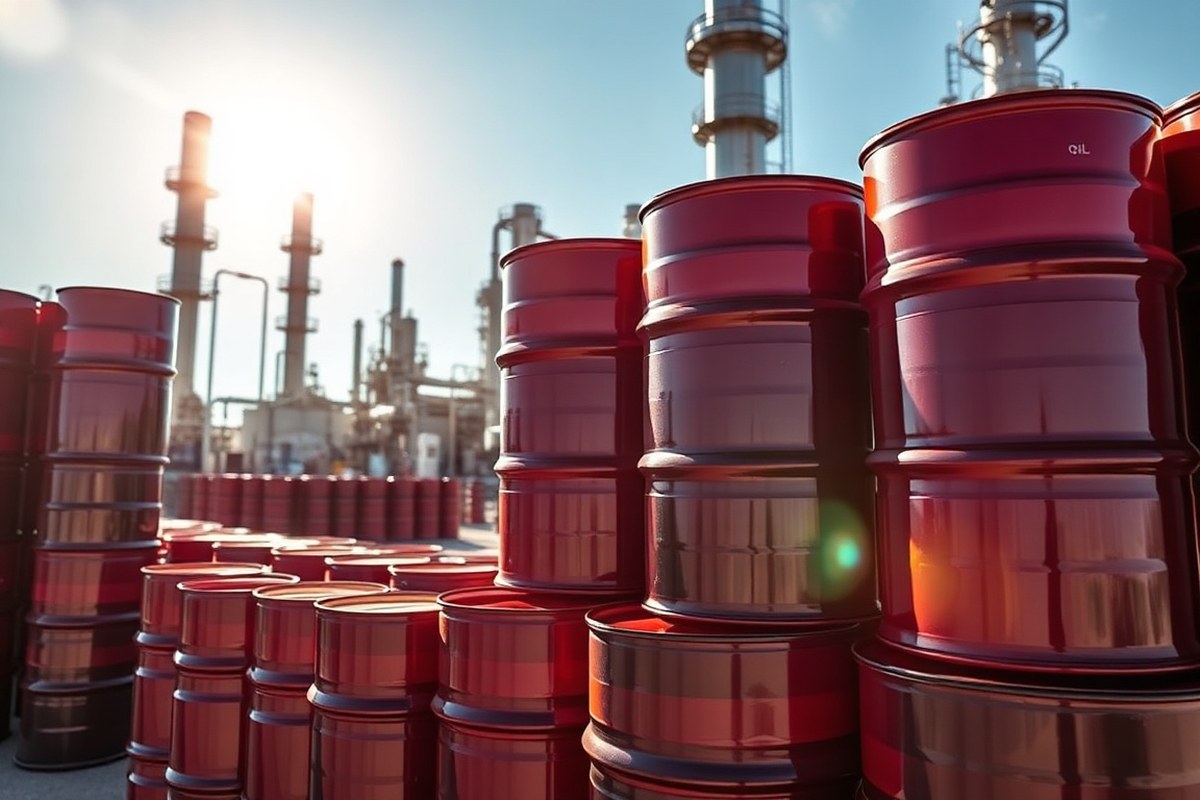
Crude oil plays the biggest role in setting gas prices. It accounts for about 57% of the price you pay per gallon at the pump. The global price of crude changes every day.
Supply and demand cause these changes. Events far away can affect the price too.
Global markets like West Texas Intermediate (WTI) and Brent crude set benchmark prices. Conflicts near the Strait of Hormuz can block oil shipments. This raises crude prices fast.
These events affect the whole oil market. Decisions from OPEC to cut or raise production also influence crude supplies and costs worldwide.
Since 2020, gas prices have closely followed crude oil price swings. Usually, gas prices adjust within a month after crude changes.
But sometimes crude prices fall and gas prices stay high. That happens when refining costs or bottlenecks rise, adding extra costs beyond crude oil itself.
Refining margins can vary due to maintenance work or unexpected demand surges. This makes pump prices less tied to crude oil for a time. Transportation costs raise the price at the pump.
Local taxes also add to the retail cost. But crude and refining affect prices more.
Oil prices often jump due to geopolitical issues. OPEC decisions also shift crude prices.
This happens because crude is traded worldwide. Even if U.S. Oil production is steady, international supply interruptions affect gas prices you see in the U.S. This shows how connected global oil markets are to gas prices here.
Watch for news about conflicts or OPEC decisions, as they often signal quick gas price changes.
Why Do Refining Capacity and Margins Matter to Gas Prices?
Gas prices rise when refining capacity hits its limit and refining margins increase. Refining capacity sets how much gasoline can be made. Margins, or the crack spread, show the profit refineries make, affecting pump prices directly.
Refining Capacity Limits and Their Effects
Refineries in the U.S. Are running at full capacity, which means output can’t easily increase to meet higher demand. When refineries run flat out, gasoline supply tightens, pushing prices up. For example, after a major refinery closed in Houston, supply dropped, raising local prices.
A refinery’s capacity depends on its equipment and maintenance schedule. Planned maintenance or unexpected issues reduce output, causing temporary price hikes. Without adding new capacity, these limits keep prices from falling even if crude oil costs drop.
Understanding Refining Margins (Crack Spread)
The refining margin shows the profit from making fuel. It is measured by the 3-2-1 crack spread. This compares crude oil input to gasoline and diesel output.
It means three barrels of crude oil make two barrels of gas. Also, one barrel of crude turns into one barrel of diesel. On November 13, 2026, this margin was about $0.27 per gallon in the New York Harbor region.
Higher crack spreads mean refineries earn more for each gallon. This often leads to higher gas prices for drivers.
Since refineries face fixed costs, strong margins help cover those and reflect tight supply. With U.S. Refineries already maxed out, margins stay high, keeping prices improve.
How Seasonal Demands Impact Refinery Output
Seasonal changes shift gasoline type and demand, affecting refinery production. Switching to summer-grade gasoline requires refineries to adjust processes, increasing costs and sometimes slowing output. This switch typically happens as spring approaches, contributing to a seasonal price rise.
Demand tends to rise in summer with more driving, stretching refineries further. Even a modest demand increase boosts prices when capacity is tight. Higher margins during these times reflect these stress points in supply and output.
How Do State Differences and Taxes Change Gas Prices?
Gas prices vary a lot by state because of taxes, fuel blends, and local supply chains. States like California charge much higher fuel taxes than Texas. These taxes add directly to what you pay at the pump.
Sometimes, they add more than 50 cents per gallon. That makes a big price difference.
Some states require special gasoline blends to reduce pollution. California’s CARB gasoline is an example. This fuel costs more because only a few refineries can make it.
Shipping it from far away raises prices. A local refinery shutdown causes price spikes. Supplies tighten quickly when refineries stop working.
| State | Average Gas Price ($/gal) | State Fuel Tax (¢/gal) | Special Fuel Blends Required | Local Supply Factors |
|---|---|---|---|---|
| California | 5.44 | ~75 | Yes (CARB gasoline) | Limited pipeline, local refinery outages impact prices |
| Texas | Lower, about 3.50 to 3.70 | ~20 | No | More pipeline access, more refineries |
| Washington | High, over 4.50 | ~49 | Yes | Some pipeline limits, special blends required |
| Alaska | Varies, usually moderate | ~9 | No | High transportation costs due to remoteness |
State and local governments also add business fees and taxes that affect pump prices. These taxes vary a lot across states. Some charge under 10 cents per gallon, like Alaska.
Others go over 70 cents, like California. Environmental fuel rules raise costs too. In some states, these make prices higher than the national average.
Fuel blends are especially important during summer or air pollution episodes. For instance, special summer blends reduce smog but cost more to produce. This raises prices by about 10 to 30 cents per gallon compared to standard blends.
Local supply chain differences matter, too. States with many refineries and pipelines, like Texas, generally have cheaper gas. Remote areas pay more for fuel.
Hawaii and Alaska rely on imports or trucking. Transport costs push prices up in these places.
What Global Events and Policies Affect U.S. Gas Prices?
OPEC+ controls about 59% of the world’s oil production. They set production targets to influence supply and prices. When they cut production, global supply tightens, pushing gas prices in the U.S. Higher.
But U.S. Oil production often offsets these cuts by adding supply to world markets. This balance between OPEC+ cuts and U.S. Output helps set a rough price floor and ceiling.
So, when OPEC+ reduces supply, prices rise. But higher prices encourage more drilling here, helping limit how high prices go.
Global conflicts, especially in key oil-producing areas, can disrupt supply routes and production. For example, wars or tensions in the Middle East often scare markets and push prices up.
These events make fuel costs jump quickly since oil trades globally. So any threat to supply there affects prices here.
Tariffs and trade rules add costs to fuel imports and exports. They also create uncertainty in the fuel market. This impacts prices at the pump.
Trade tensions can slow down oil and gasoline shipments. These issues can also cause extra fees.
Higher fees lead to higher prices for you. That means policies not directly about oil can still raise what you pay at the pump.
Global supply problems affect gas prices worldwide. OPEC+ decisions and political conflicts also impact costs. Trade rules add another layer to price swings.
When supply drops or faces uncertainty, prices rise. Your best bet is to watch these signals since they often predict bigger fuel price moves.
Watch news about OPEC+ decisions and global conflicts to anticipate gas price changes ahead. Sudden moves there often hit your tank fast.
What Seasonal Cycles Cause Gas Prices to Rise and Fall?
Gas prices often go up in summer because more people drive. They also rise due to switching to summer gasoline blends. These blends are required to meet seasonal rules.
This switch makes fuel more expensive to produce and sell. Seasonal changes in fuel inventories also shift prices during the year.
Peak Driving Season and Demand Spikes
Summer is the peak driving season, with many people taking vacations. This extra demand pushes gas prices higher as more fuel is needed. Demand often peaks between May and August, the busiest months for road trips and travel.
Gas stations and refineries run at near full capacity during this time, often above 95%. They work hard to keep gas flowing despite high demand. This pressure can cause prices to climb as supply tightens just when many need fuel.
Summer Gasoline Blend Changes
Refineries switch from winter to summer gasoline blends around May. Summer blends cost more because they use cleaner mixes. These mixes cut smog when weather is hot.
The process to make summer blends is more complex. Summer fuel is required until about mid-September in most states.
This switch adds to pump prices due to higher refining costs. The different blend burns cleaner but is pricier to make. It also means storage tanks need time and effort to clear out winter gasoline first.
Inventory and Reserve Patterns Throughout the Year
Gasoline inventories tend to be lower in the summer because of increased use. Refineries stock up on fuel during winter and spring.
But summer draws down these reserves fast. The tighter supplies during heavy driving seasons can push prices higher.
In fall, inventories rise because fewer people drive. Refineries switch back to cheaper winter gasoline blends. This change helps lower costs and stock grows.
This helps prices ease until the next spring. Sometimes storm disruptions can further reduce inventories, causing prices to stay high longer.
How Does US Oil Production Affect Domestic Gas Prices?
More oil coming out of the US doesn’t always bring cheaper gas for you. Some producers say US oil output might have peaked. Low prices and tight profit margins are the reasons.
Oil at $100 a barrel might only grow output by 250,000 to 500,000 barrels a day. This growth next year won’t flood the market.
Pipelines also matter a lot. Pipeline capacity limits or delays cause oil to pile up in some places. It can get scarce in other spots.
This imbalance stops prices from dropping. Supply can’t move smoothly to where gas stations need it.
You might find cheap oil prices at one hub. Still, you may pay high prices at pumps far away.
US oil exports take a big share of what’s produced. Even if US production grows, a lot of that oil heads overseas. That means less is left to directly lower domestic US supply at the pump.
Export deals and global demand can pull oil away. So you don’t always get the benefit of more local digging.
Refining limits add another hurdle. Oil needs to be turned into gas. Refineries may be running full or even at max capacity.
No spare refining ability means even higher oil supplies don’t translate to lower gas prices. Stocks are low, so refiners have more power to keep margins and prices up.
Places with few pipelines and heavy exports won’t see lower pump prices. Rising production doesn’t always change this. Local supply challenges can keep costs high, especially in tight markets.
Watching real oil and fuel flow helps explain why more drilling doesn’t lower prices fast. It doesn’t always help your wallet much right away.
What Future Trends and Forecasts Should Consumers Watch?
Gas prices should fall a bit in 2026. Average retail prices will drop about 6% compared to 2025. That means you’ll pay less at the pump next year.
The U.S. Energy Information Administration forecasts prices around $3.89 per gallon in 2026, down from recent highs but still above early 2026 levels. Crude oil prices are a key factor. Brent crude is predicted to average $97.44 a barrel in 2026 and drop to $85.78 in 2027, which usually helps lower gas prices.
Watching crude oil price trends helps spot when gas prices might peak or fall. Sharp rises in crude often lead to higher pump prices within weeks. Local factors can slow this price drop.
Transportation costs and state taxes affect your local gas price. Nearby gas station competition plays a role too. For example, crude oil dropped 10 cents or more.
Over 20 months, pump prices fell nearly 96% of that drop. This shows gas prices closely follow crude prices. But timing varied by location.
Economic signals also matter. The Federal Reserve raised interest rates recently. This might slow down the economy soon.
A slower economy means less gas demand and lower prices. Conversely, political factors or supply disruptions may keep prices high. Look for news on oil production decisions, international conflicts, or federal lease auctions for clues.
Federal leases last about 10 years. So drilling depends on long-term price forecasts, not quick market moves.
To get reliable price forecasts, check updates from the U.S. Energy Information Administration and consumer groups like AAA. Their daily national average prices reveal market changes as they happen. You can track gas station apps or websites to spot local price trends too.
Watch crude oil prices and local taxes. If crude prices keep rising and taxes stay steady, expect gas prices to rise nearby.
Keep your fuel budget flexible in spring and summer. Those seasons often bring higher gas prices. Seasonal demand and blend changes cause this.
What Practical Steps Can Drivers Take to Reduce Fuel Spending?
You can save on gas even when prices rise. Track your costs carefully. Drive smart and use rewards programs to help.
Paying attention to your car’s condition and habits helps fuel stretch further. Some apps and perks give real discounts at the pump.
Using Gas Price Tracking Apps
Tracking apps show local gas prices so you always find the cheapest station nearby. They update prices often based on user reports and gas stations’ own data. Using one before you fill up helps avoid paying more than you need.
Some popular apps let you set alerts when prices drop by a certain amount. You can use that warning to wait and fill up later to save money. Checking the app usually takes just a minute on your phone.
Apps to try include GasBuddy, Waze, and AAA Mobile. Most are free and easy to use. Make it a habit to check prices before long drives.
This matters in cities and on highways. Stations near your route may vary widely.
Smart Driving and Maintenance Tips
Good driving habits can save you gas and reduce the impact of high prices. Avoid quick acceleration and high speeds.
Steady driving cuts fuel use by 10% to 20%. Also, idling wastes fuel, so turn off your engine if stopped over a minute.
Taking good care of your car can save gas. Check that tires have the right air pressure.
This can improve mileage about 3.3%, per the government. Change air filters often and get engine tune-ups on time.
- Check tire pressure monthly with a gauge
- Use cruise control on highways
- Remove heavy items from your car
- Plan routes to avoid rush hour and short trips
- Use recommended motor oil grade
Following these small steps can cut your gas consumption significantly. Most cost little or no money but save fuel every time you drive.
Using Fuel Rewards and Commuter Programs
Fuel rewards programs give you discounts or cash back on gas purchases. Grocery stores, credit cards, and some employers offer points or cents off per gallon. Taking advantage means less cash spent at the pump over time.
Commuter perks, like employer transit subsidies or carpool incentives, can reduce your driving and fuel costs. Even occasional use of rideshares or public transit lowers your monthly fuel bill substantially. These perks often come with little hassle or extra expense.
To start, sign up for fuel rewards cards. You can also link your current cards to points-tracking apps. This helps you earn discounts faster.
Ask your employer about commuter benefits if they offer them. Use rewards at stations you already visit to avoid extra trips or expenses.
Step-by-Step Action Plan to Manage Rising Gas Prices
Follow these steps to save fuel and ease the impact of higher gas prices. Each action helps cut your spending or prepares you for price changes.
- Right now: Check your vehicle’s tire pressure. Proper inflation improves gas mileage noticeably.
- This week: Plan trips to combine errands. Fewer short trips save gas and time.
- Within 2 weeks: Switch to a fuel rewards card or app. Track savings and see prices lower at the pump.
- Next month: Monitor local gas prices online or with apps. Fill up where prices are lowest.
- Next 3 months: Schedule vehicle maintenance like oil changes and air filter replacements. A well-maintained engine runs better and uses less gas.
- Before seasonal changes: Consider using recommended fuel blends for summer or winter. It improves efficiency and avoids extra costs.
- Year-round: Drive smoothly with moderate speeds and avoid heavy idling. You’ll reduce fuel use significantly.
Frequently Asked Questions
Why Do Local Gas Stations Charge Different Prices Even Nearby?
Local gas prices vary due to each station’s business strategy. Competition near you also changes prices in your area.
Can Natural Disasters Affect Gas Prices?
Yes, storms or wildfires can damage refineries or supply lines. This reduces supply temporarily and can cause prices to jump quickly around affected areas.
How Does Geopolitical Tension Outside Oil-Producing Nations Influence Gas Prices?
Even non-oil countries’ conflicts can disrupt shipping routes or trade policies. This uncertainty often pushes crude prices higher, raising gas costs in the U.S.
Why Do Gas Prices Sometimes Rise When Crude Oil Prices Fall?
Refining costs or supply chain issues can push prices up despite cheaper crude. Seasonal demand or regional shortages also play a role in price shifts.
Does the Type of Gasoline Sold Affect the Price?
Yes, premium and reformulated grades are usually pricier than regular gas. They cost more to produce, impacting station pricing beyond crude oil changes.
Final Thoughts
Gas prices rise because of many factors, especially crude oil costs and global events. Paying attention to changes helps you make smarter fuel choices. Start with simple steps like checking tire pressure to protect your budget today.