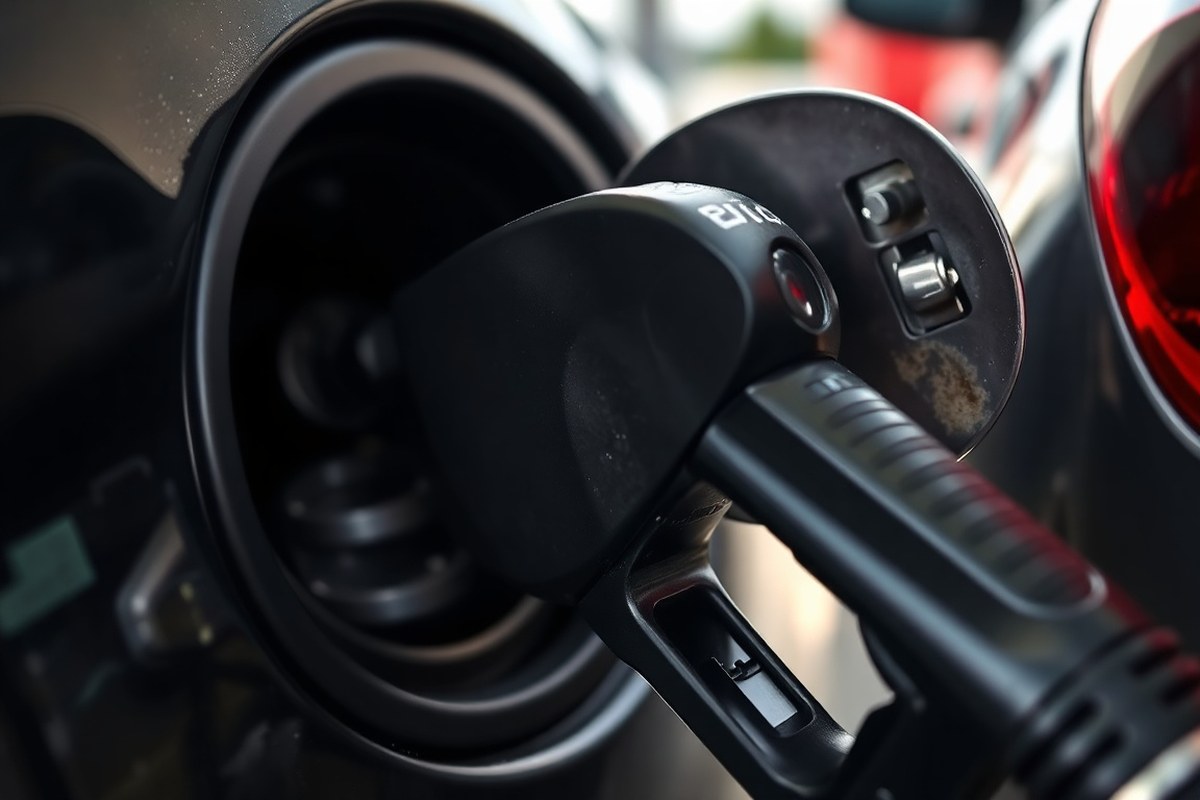
Why Does the Gas Pump Keep Clicking Off? A Complete Guide with Solutions
The gas pump clicks off to prevent overfilling your tank. It senses pressure in the fuel neck and stops fuel flow early. This acts as a safety before the tank fills completely.
Sometimes the pump clicks off early due to a fuel system issue. A clogged filler neck or faulty vent valve can cause pressure buildup too soon. Pulling the nozzle out a little or turning it sideways helps fuel flow and keeps the pump from shutting off.
Pumps are made to shut off when your tank reaches about 80% full. If the pump keeps clicking off at many stations, your car might have a leak or valve problem. A smoke test at a shop can quickly find hidden EVAP issues and leaks not easy to see.
Key Takeaways
- Turn the pump handle 90 degrees or upside down. This trick helps stop early shutoff at the pump. It keeps fuel flowing longer.
- A clogged filler neck can cause the pump to click off too soon.
- Pull the nozzle out about an inch if the pump stops unexpectedly.
- Stopping around 80% tank capacity prevents overfilling and fuel spillage.
- Repeated topping off can damage the EVAP canister and increase repair costs.
- Have a smoke test done if multiple gas stations cause shutoff issues.
Why the Gas Pump Keeps Clicking Off Prematurely
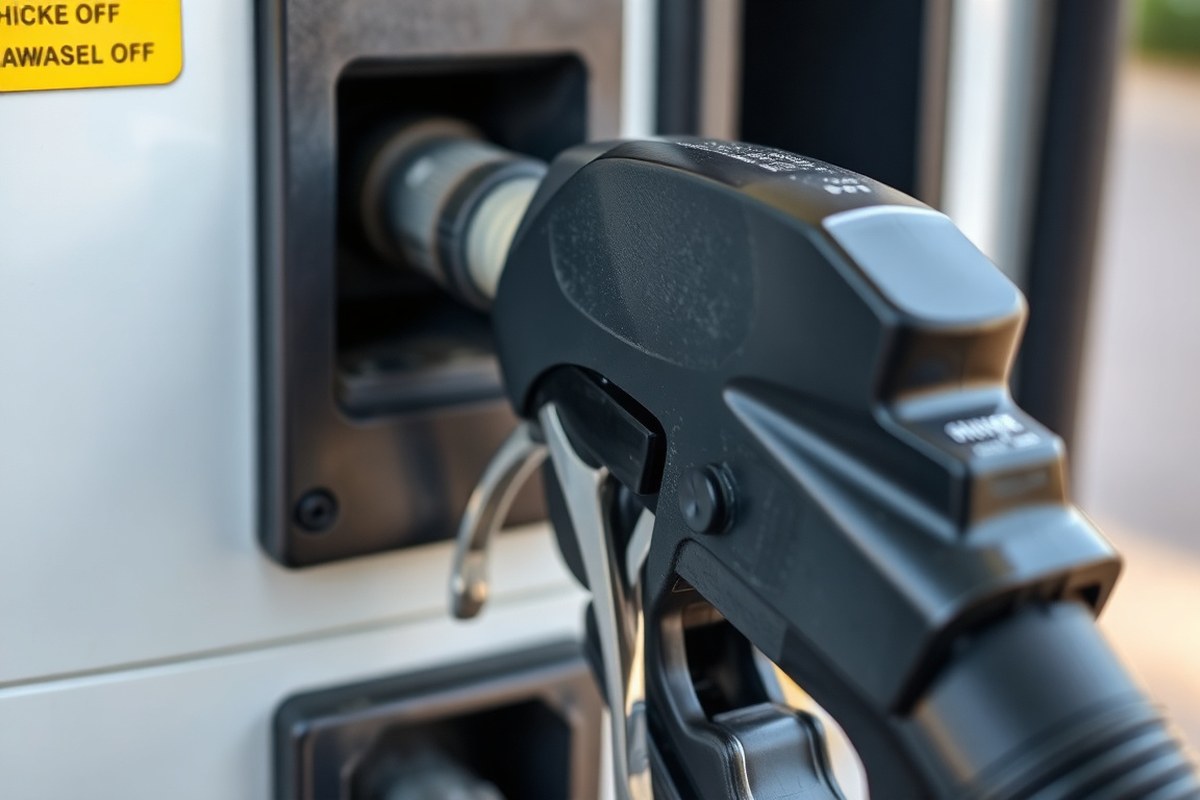
When the gas pump clicks off early, it thinks the tank is full. This usually causes the issue. Your system senses fuel level and stops filling.
The click is the pump’s shut-off sensor reacting to pressure. It listens for changes in the nozzle while fueling. This helps stop spills.
The sensor stops fuel flow at about 80% full. It’s a safety measure. This prevents overflows during gas fill-ups.
Sometimes the pump clicks off because fuel splashes back up the filler neck. Liquid fuel covering the sensor hole inside the nozzle makes a false vacuum. This false vacuum makes the pump stop even if you have space.
It causes early shut-off. Your fuel tank is not actually full yet.
Another common cause involves the vehicle’s vent valve. This valve helps air escape as fuel fills the tank.
When it sticks or malfunctions, the tank can’t vent properly. That leads to pressure build-up, and the pump shuts off early to avoid problems.
In most cases, this shutoff system prevents spills and protects the environment by controlling vapor release. Notice the pump clicking off at many stations? Your EVAP system might have a leak or stuck valve.
A shop can do a smoke test on this system in under 30 minutes. The test helps pinpoint leaks or faulty parts causing the fueling issue.
There are usually seven common reasons for this problem. It could be a blocked vent, a bad valve, or a poor filler design.
The pump’s shutoff sensor is sensitive to pressure changes caused by these issues. This is why your tank feels like it’s full when it really isn’t.
Understanding this helps you avoid topping off aggressively. Forcing more fuel floods the vapor canister.
This can damage the charcoal pellets that capture gasoline vapors. That makes the system less effective and repeats your problem over time.
How the Vehicle’s EVAP System Impacts Fueling
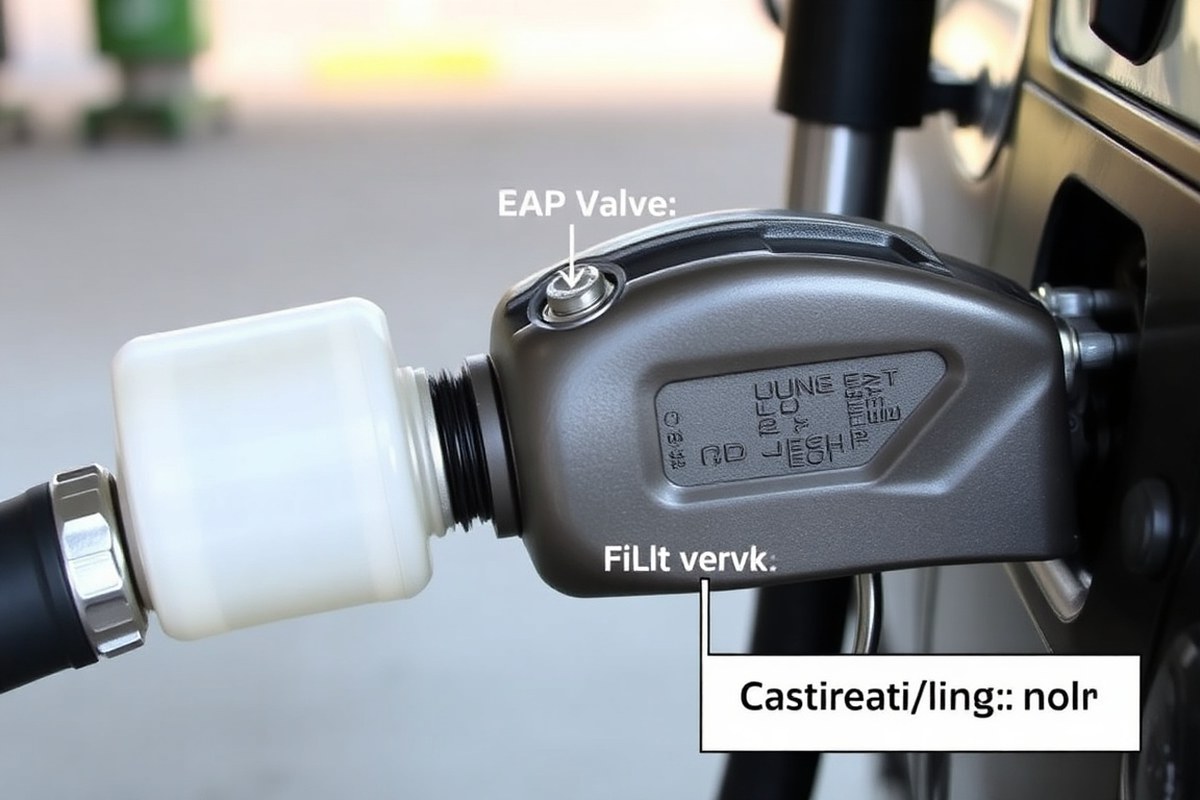
The vehicle’s EVAP system controls fuel vapors to reduce pollution. It also manages pressure inside the fuel tank during refueling. Parts like vent valves or the charcoal canister might fail and block airflow.
This blockage makes the gas pump click off. It stops the fuel from flowing properly into your tank.
Function of the EVAP Canister
The EVAP canister traps fuel vapors using charcoal to keep them from escaping. This canister vents pressure and stores vapors until the engine burns them.
When the fuel tank’s vent valve clogs or fails, pressure builds up. This pressure stops fuel from flowing smoothly into the tank.
A blocked canister causes backpressure, which the pump senses as a full tank. This makes the pump shut off quickly. The pump stops fueling even if the tank isn’t full.
This happens at nearly every station you try. Repair or replacing the canister typically costs between $100 and $300.
Role of the Vent and Purge Valves
Vent valves allow air and vapors to exit the fuel tank during filling. Purge valves control when vapors are drawn into the engine. Both work together to keep tank pressure balanced during refueling and normal driving.
A vent valve stuck shut keeps vapors trapped in the tank. That trapped vapor builds pressure inside the tank.
A stuck purge valve may cause similar problems by blocking vapor flow. Both problems cause the pump sensor to detect pressure and shut off the fuel flow.
Common EVAP Failures Causing Pump Clicking
Stuck or malfunctioning multivalve floats inside the tank also cause premature shutoffs. These floats regulate venting but getting stuck prevents vapor release. This leads to pressure signals that stop the pumping abruptly.
Most drivers see repeated clicking at multiple stations when the EVAP system fails. Using an OBD2 scanner can help spot EVAP trouble codes linked to valves or canisters. Diagnosing early avoids fuel tank pressure problems during every fill-up.
Pull the nozzle out a bit or twist it sideways. This can stop the pump from shutting off too soon. Try these moves next time you pump gas. This often helps if the venting is temporarily blocked.
Signs of Fuel Filler Neck and Valve Issues
The fuel filler neck connects your gas tank to the outside. A kink, damage, or blockage stops gas from flowing smoothly. The pump shuts off early.
Liquid fuel hits the blockage. It splashes back.
Inside the filler neck is a rollover valve, often called an anti-siphon valve. This valve stops fuel spills if your car flips over. Sometimes, it can stick closed, blocking fuel flow and triggering the pump to click off quickly.
You’ll notice certain signs if these parts have trouble. The pump stops right after you start refueling.
Gas might splash outside the filler neck opening. Or you may smell gas fumes near the car.
- Kinked filler neck hoses trap fuel and cause back pressure.
- A stuck rollover valve locks fuel from entering the tank.
- Pinched or clogged breather tubes block vapor release.
- Short filler necks can fill too fast, triggering pump shutoff.
- Blocked vent lines cause gas backup and pump clicks off.
Fixing these is not a DIY job. Damaged filler neck repairs cost $200 to $600.
Repairing or replacing a stuck valve runs $150 to $400. Mechanics inspect the filler neck for kinks and test valve function to spot the cause.
Cleaning vent tubes or swapping the rollover valve restores proper venting. This lets gas flow down the filler neck into the tank without pressure building up. That keeps the pump from shutting off prematurely during refueling.
How to Identify If the Problem Is Your Vehicle or the Gas Pump
Start by testing the pump itself at the station you’re using. Try fueling a different vehicle with the same pump if you can. When the gas pump keeps clicking off for every car, the nozzle or vapor sensor likely causes the problem, not your vehicle.
Next, check the same vehicle on a different pump or at another station. The clicking stopping means your car is probably fine.
You likely had a faulty or sensitive nozzle. Repeating problems at many pumps or stations usually come from your vehicle’s fuel or EVAP system.
- Test the same pump with another car
- Try a different pump or station with your car
- Look for wear or damage on the nozzle tip
- Check if the nozzle is overly sensitive or shuts off too early
- Observe if station attendants interfere or limit fueling
- Watch for the nozzle end peening from repeated use
- Note if the pump shuts off immediately after starting
A worn or cheap gas pump nozzle can cause early shutoff. It may have a damaged tip or a sensitive vapor sensor that trips too soon. The station may avoid nozzle repairs due to cost, causing this problem.
Gas stations must maintain their pumps. This includes fixing nozzles that click off frequently. Other cars often experience this problem too.
They need to keep their equipment well maintained to avoid customer complaints. Sometimes, a station attendant may signal you to stop fueling. This can look like a pump problem, but it isn’t.
Quick Fixes to Try When Pump Keeps Shutting Off
When the pump keeps clicking off, a few simple tricks at the nozzle can help. Changing the angle or slowing the flow often fixes splash-back or vapor block issues. These steps don’t cost anything and rarely take more than a minute.
Reposition the Nozzle
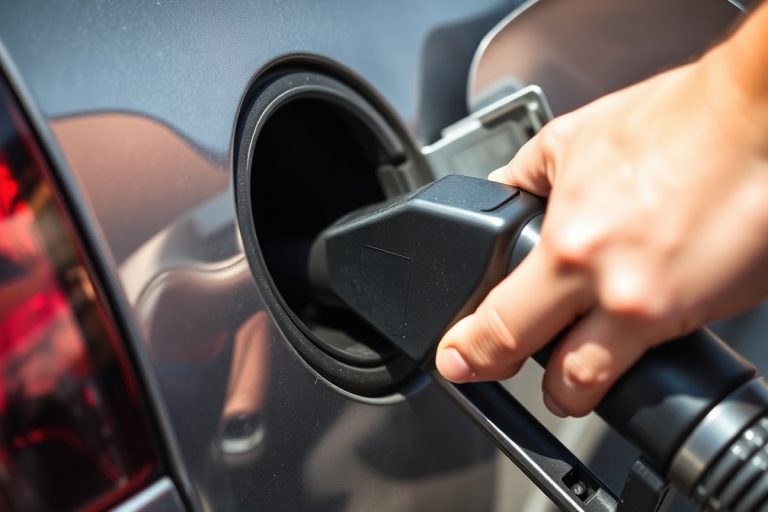
Putting the nozzle in straight and not too deep helps gas flow smoothly. When the nozzle hits the bottom of the filler neck, gasoline splashes back. This splash causes the pump to shut off right away.
Hold the handle firmly and insert the nozzle just far enough to seal the opening. Adjust its angle slightly upward or sideways so fuel shoots down without hitting the bottom hard.
- Pull off the handle and remove the nozzle from the filler neck.
- Look inside the neck for how deep the nozzle goes before it touches the bottom.
- Reinsert the nozzle carefully, stopping just before the bottom.
- Try tilting the nozzle slightly up or to the side.
- Squeeze the handle gently and watch for splash-back.
- Adjust again if the pump clicks off quickly.
Don’t force the nozzle deep. That causes splash-back and cuts off your gas flow.
Adjust Pump Handle Flow Speed
Pumping too fast can make venting air tough inside the tank. Slow the flow to stop vapor buildup that triggers the pump’s auto shutoff.
Squeeze the handle partway to reduce fuel speed. A slower pour gives air time to escape and avoids creating a vacuum inside the nozzle.
- Start pumping gas by squeezing the handle halfway.
- Listen for clicking and stop if you hear it immediately.
- Release the handle a bit, then try squeezing a little less next time.
- Continue fueling at a slow, steady pace.
- Pause briefly to let air escape if the pump clicks off again.
- Repeat this gentle squeezing until the tank fills smoothly.
Never squeeze the handle fully fast on the first try. Slow and steady helps prevent shutdowns.
Switch to a Different Pump or Station
Your car may keep rejecting fuel because of the pump or station. Nozzle damage or different flow rates can mess with venting and cause clicks.
Try a different pump at the same gas station. You can also drive to another station.
Look for one with older pumps. This helps if your car’s tank vents slowly and new pumps flow too fast.
- Release the handle and pull out the nozzle.
- Check the nozzle tip for cracks, dents, or damage.
- Move to another pump at the same gas station.
- Try pumping at a slower rate there as well.
- Keep trying if the pump still clicks off. Go to a different station with older equipment.
- Fuel at a slower pace again to give your tank more time to vent.
Damaged pump nozzles cause constant clicking. Look for cracks or bent parts before pumping.
When to Stop Pumping and When It’s Safe to Continue
Stop pumping as soon as you hear the first click from the pump. That click means the tank is full enough and the automatic shutoff sensor activated.
Keep in mind: squeezing the trigger past this point risks fuel spills. It can also damage your vehicle’s vapor system.
Continuing to top off after the first click can cause problems. It can saturate your vehicle’s EVAP canister, which traps fuel vapors for environmental safety.
Over time, saturation harms fuel system efficiency. It can cause smells and warning lights.
Never ignore the automatic shutoff, even if the fuel flow feels low. Check your payment or the pump assignment if the pump clicks off quickly. Sometimes, prepaid cards or a wrong pump cause the premature stop.
Stop filling immediately if fuel begins to spill or you smell gasoline strongly. These signs show your tank is full or there is a fill neck issue.
There could also be a vent problem. Spills can create fire hazards and weak vapour seals may lead to costly repairs.
Use a simple decision rule: stop pumping at the first pump click every time. Ask your mechanic to check the EVAP system at your next service if you top off often. This inspection usually costs between $100 and $200 but can prevent bigger fuel system damage.
On cold days, fuel expands less, so tanks might stop sooner. Still, don’t override the auto shutoff. Trust the pump’s sensor more than your eyes or ears on tank level.
Common Myths About Gas Pump Clicking and Topping Off
Several myths surround gas pump clicking and topping off your tank. The clicking sound isn’t always a sign the tank is truly full. Also, pumping slower does not always stop the pump from shutting off.
Myth: Pumping Slowly Always Fixes Clicking
Some people think slow pumping prevents the nozzle from clicking off. The pump’s sensor detects vapor or liquid near the nozzle tip. This causes an automatic shutoff no matter how fast you pump.
Pumping slow might help in some cases, but it won’t solve all clicking issues. When the tank’s venting system or filler neck has a problem, the pump still clicks off. Moving too slowly can even cause vapors to build, triggering a shutoff sooner.
Myth: One Click Means the Tank Is Full
A single click doesn’t always mean your tank is full. The nozzle clicks when it senses liquid or vapor blocking air flow near the tip. This happens as soon as gas reaches the nozzle opening, not only at full tank.
Sometimes you might be trying to fill an almost empty tank. The pump clicks off early. Poor venting or a misaligned filler neck often leads to early clicking.
The tank isn’t full yet. But the pump stops anyway because it senses liquid too soon.
Myth: Occasional Topping Off Is Harmless
Many believe topping off occasionally won’t cause harm. However, topping off forces fuel into the vapor recovery system. This risks damaging the EVAP system and leads to costly repairs.
Fixing a damaged EVAP system often means dropping the fuel tank, a $200 to $500 job. Small spills during topping off also cause harmful fumes and environmental damage. It’s safer and less expensive to stop pumping once the nozzle clicks.
This table shows why and when the gas pump clicks off. It explains repair costs for related damage.
| Cause of Pump Clicking | Why it Happens | Possible Repair Cost |
|---|---|---|
| Gas Near Nozzle Tip | Liquid or vapor blocks air, triggering shutoff | None, this is normal |
| Poor Fuel Tank Venting | Vapors can’t escape properly, causing early clicks | $200, $500 to fix vent system |
| Filler Neck or Valve Issues | Misaligned or damaged parts cause false shutoff | $200, $500 to replace parts or tank drop |
| Topping Off Fuel | Fuel enters EVAP system, risking damage | $200, $500 for EVAP repairs |
Stopping to pump as soon as the nozzle clicks helps avoid system damage. It also lowers repair costs by preventing excess fuel vapor from entering the wrong parts. Small habits can save you money and keep your vehicle’s fuel system working well.
Fuel System Maintenance to Prevent Pump Shutoffs
Replace the fuel cap every 3 to 5 years. Check its seal for cracks or damage. Swap it out if you see any problems.
A worn fuel cap can let air leak into the tank. This causes pressure problems.
Those problems make the pump shut off early. Checking the cap regularly is quick and cheap, usually under $20 for a new one.
Keep the EVAP system in good shape to prevent pump shutoffs. It catches leaks before they get worse. Also, it stops blockages from building up.
Use an OBD-II scanner to check codes like P0440 or P0455. You can do this at home or a free parts store check. These codes show if the system needs work.
Fix vents and valves inside the EVAP system to balance tank pressure. Balanced pressure stops the pump nozzle from shutting off early. It helps the pump work properly.
The filler neck acts as the fuel path to the tank. Any dirt, rust, or buildup there can block air from escaping when you fill up. Clean or replace the filler neck to keep fuel flowing well.
This stops pressure from building up. Pressure buildup is what causes the pump to click off.
- Inspect the gas cap seal for cracks or debris every 6 months
- Replace the gas cap if check engine light codes point to EVAP leaks
- Use an OBD-II reader to scan for EVAP-related trouble codes regularly
- Have a mechanic check EVAP valves and hoses during annual maintenance
- Clean the filler neck area using a soft brush if dirt buildup appears
- Avoid topping off past the pump’s first click to protect the system
Keeping the fuel tank clean also helps. Residue or water inside the tank can cause false pressure readings and clogs. Try to fill your tank at stations without heavy dust or dirt.
Avoid driving with nearly empty tanks often. Long-term care prevents many fueling problems linked to pump shutoffs.
Stop fueling as soon as you hear the pump click. Forcing more fuel in can damage the EVAP system and lead to costly repairs.
Repair Costs and Professional Diagnostics for Persistent Clicking
Repairing a gas pump clicking issue often involves diagnosing EVAP system problems. Codes like P0446 or P0449 signal issues with the EVAP vent solenoid or circuit. Fixing these usually calls for professional tools and procedures to pinpoint the root cause.
Professional mechanics use OBD-II scan tools that can send and receive commands to test EVAP parts. They also measure electrical resistance on the vent solenoid to check for shorts or open circuits. Physical inspections target vent lines and the charcoal canister for blockages or damage.
Smoke tests are common for finding EVAP leaks. This method pumps smoke into the fuel system. Then techs watch for smoke escaping through cracks or loose fittings.
A successful smoke test means no leaks. Smoke where it shouldn’t be signals needed repairs.
| Repair or Diagnostic Step | Description | Typical Cost | Typical Time |
|---|---|---|---|
| EVAP Vent Solenoid Testing | Electrical and isolation test for codes P0446, P0449 | $50, $150 | 30, 60 minutes |
| Smoke Test for EVAP Leaks | Introduce smoke to find fuel vapor leaks in the system | $100, $200 | 30, 45 minutes |
| Charcoal Canister Cleaning or Replacement | Replace or fix clogged vent canister causing vapor lock | $200, $400 | 1, 2 hours |
| Fuel Filler Neck Replacement | Replacement of damaged filler neck causing pump shutoff | $200, $600 | 1, 3 hours |
Ignoring a blocked canister or faulty vent solenoid can worsen issues. These cause foam or vapor to block fuel flow during refueling.
It also risks a saturating EVAP canister, which leads to expensive repairs over $300. Smoking tests and electrical checks help avoid replacing good parts by mistake.
Replacing the filler neck fixes physical damage that trips the pump shutoff. This job varies by vehicle but often costs between $200 to $600.
Some mechanics also smell for fuel near the rear as fuel vapor leaks cause odors. These signs guide the diagnostic process for effective repairs.
Step-by-Step Action Plan for Stopping Gas Pump Click-Offs
Follow these steps to fix gas pump clicking during fueling. Check results after each to find the cause.
- Before you start: Check the pump nozzle for damage or debris. A clean, smooth nozzle helps keep fuel flowing.
- At the pump: Insert the nozzle fully and at the proper angle to avoid early shutoff. When the pump still clicks, try changing the nozzle angle slightly.
- Within 10 minutes: Try fueling at a different pump. Your vehicle could be causing the problem if it keeps happening.
- By the end of day 1: Check the filler neck and gas cap for dents. Look closely for any visible damage. Replace parts if you see cracks or worn seals. Replace or tighten the gas cap if loose or cracked.
- Within 24 hours: Test the gas cap seal by pressing it against a clean surface. The cap needs replacing if it doesn’t stick or seals poorly.
- After 1-2 days: Carefully check your vehicle’s EVAP system vents for blockages or damage. Blocked vents often cause pump shutoff.
- Within one week: Monitor fuel fill-ups. Keep seeing the problem? Have a pro check for EVAP or valve issues.
- After professional help: Follow any repair recommendations. Confirm fixes by fueling without pump clicking off prematurely.
Frequently Asked Questions
Why Does the Gas Pump Keep Clicking Off When the Tank Is Empty?
The pump clicks off early if fuel backs up in the filler neck. This backup blocks fuel flow, causing the nozzle sensor to stop the pump for safety.
Can a Dirty or Damaged EVAP Canister Cause the Pump to Click Off?
Yes, a damaged EVAP canister often causes early pump shutoff every fill-up. The canister traps vapors. If it fails, vapors trigger the nozzle to click off prematurely.
Is the Clicking Sound from the Pump Nozzle a Sign of a Bad Gas Pump?
Sometimes, yes. A worn vapor recovery sensor on the pump nozzle can cause false shutoffs. Try a different pump or station to rule out your car.
Does a Kinked Fuel Filler Hose Affect the Gas Pump’s Shutoff Behavior?
Yes, a kinked or bent hose can cause fuel to splash back against the nozzle sensor. This splash triggers the pump to click off before the tank fills properly.
How Can I Tell If the Problem Is My Vehicle or the Gas Station Pump?
Try filling up at a different station or using a different pump. Multiple stations clicking off early likely mean your fuel system has an issue needing inspection.
Before You Go
Gas pump clicks usually mean a vent or fill neck problem in your vehicle. Making small checks helps you find quick fixes. When unsure, get a mechanic to ensure your fuel system works properly.