How Long Does It Take to Get Brakes Done? A Complete Time Guide
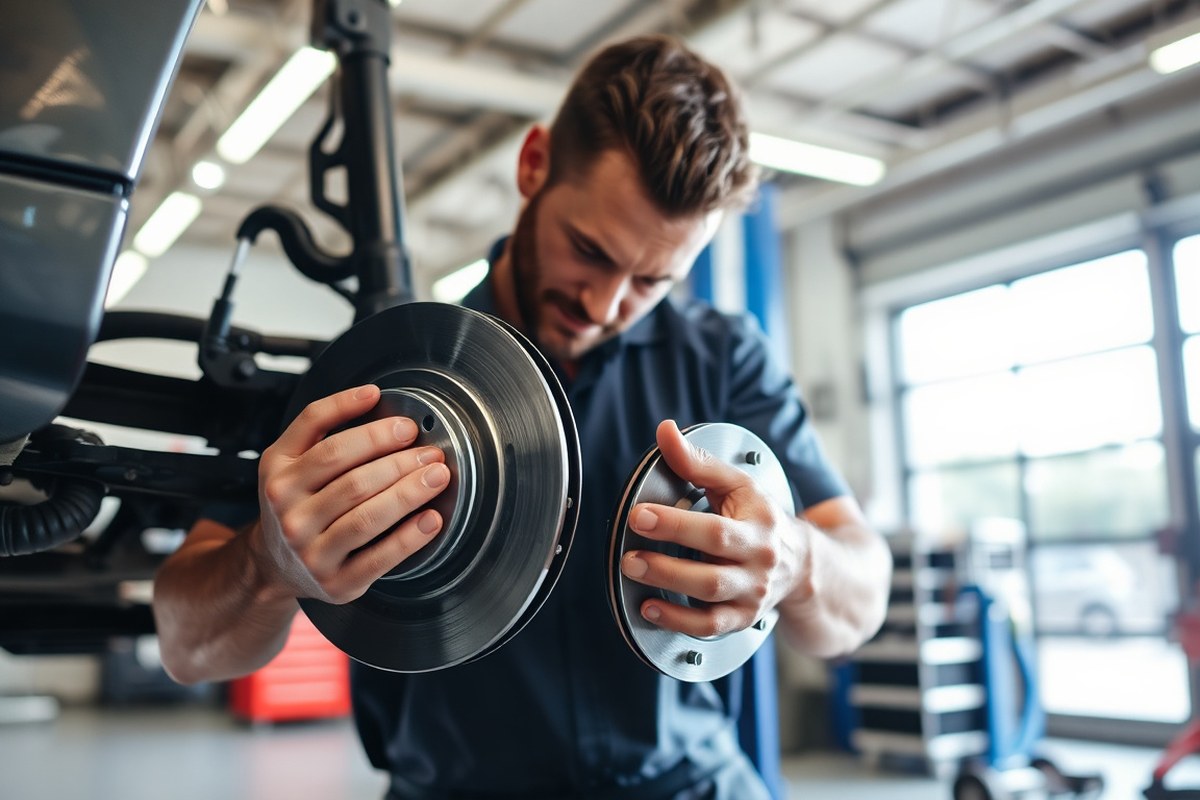
How long does it take to get brakes done? Usually, it takes between one and three hours.
Front brakes alone are quicker. Doing both front and rear brakes takes more time.
Replacing brake pads on one axle can take 30 to 60 minutes, depending on the vehicle. Adding rotors or brake fluid service adds extra time to the job. Shops often schedule extra time for inspections and test drives to ensure safety.
Brake jobs may vary based on car type and brake system complexity. High-performance or luxury vehicles often require more care and time. Sometimes, worn hardware or stuck calipers can slow down the process.
It helps to ask your mechanic for a time estimate before the job starts. Knowing what kind of brake service you need speeds up the process. Watching for added services like fluid flushing or hardware cleaning also explains any extra time.
Key Takeaways
- Front brake jobs usually take 1 to 3 hours, depending on work scope.
- Replacing both front and rear brakes typically extends the job to 2 to 4 hours.
- Brake pad replacement on one axle generally takes 30 minutes to an hour.
- Brake fluid service adds about 30 to 45 minutes to the overall time.
- Drum brake jobs take longer due to extra hardware and adjustments.
- Full front axle replacement, including hardware and fluid flush, takes around 2.5 to 3.5 hours.
How Long Does It Typically Take to Get Brakes Done?
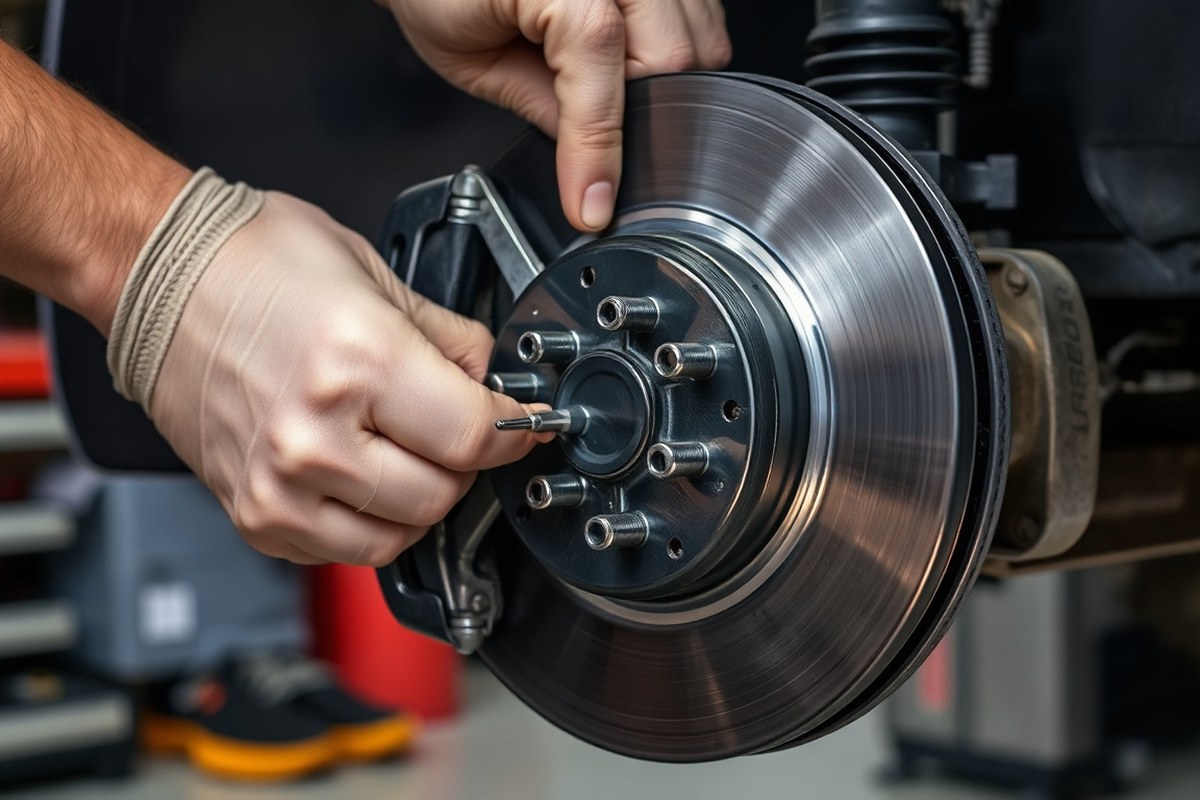
Replacing brake pads on one axle usually takes 30 to 60 minutes at a professional shop. Shops follow industry-standard “book time” estimates, which match these ranges for most sedans and SUVs. For both front and rear pads together, expect about one to two hours total.
Rotor replacement takes more work. It usually requires one to three hours. This timing applies to front rotors only and varies by vehicle.
Shops often do pads and rotors on one axle together. This job usually takes between one and 1.5 hours. It depends on the car.5 hours.
Total time rises to about two to four hours for all four wheels. This covers pads and rotors replacement on every wheel.
Bleeding brakes or flushing brake fluid generally takes an extra 30 to 45 minutes. Technicians do this service with pad or rotor replacement. They do it to keep the brake system healthy.
Adding caliper work or other fixes can add 30 minutes or more. Sometimes it adds up to an hour to labor time.
What Are the Time Differences Between Front and Rear Brake Jobs?
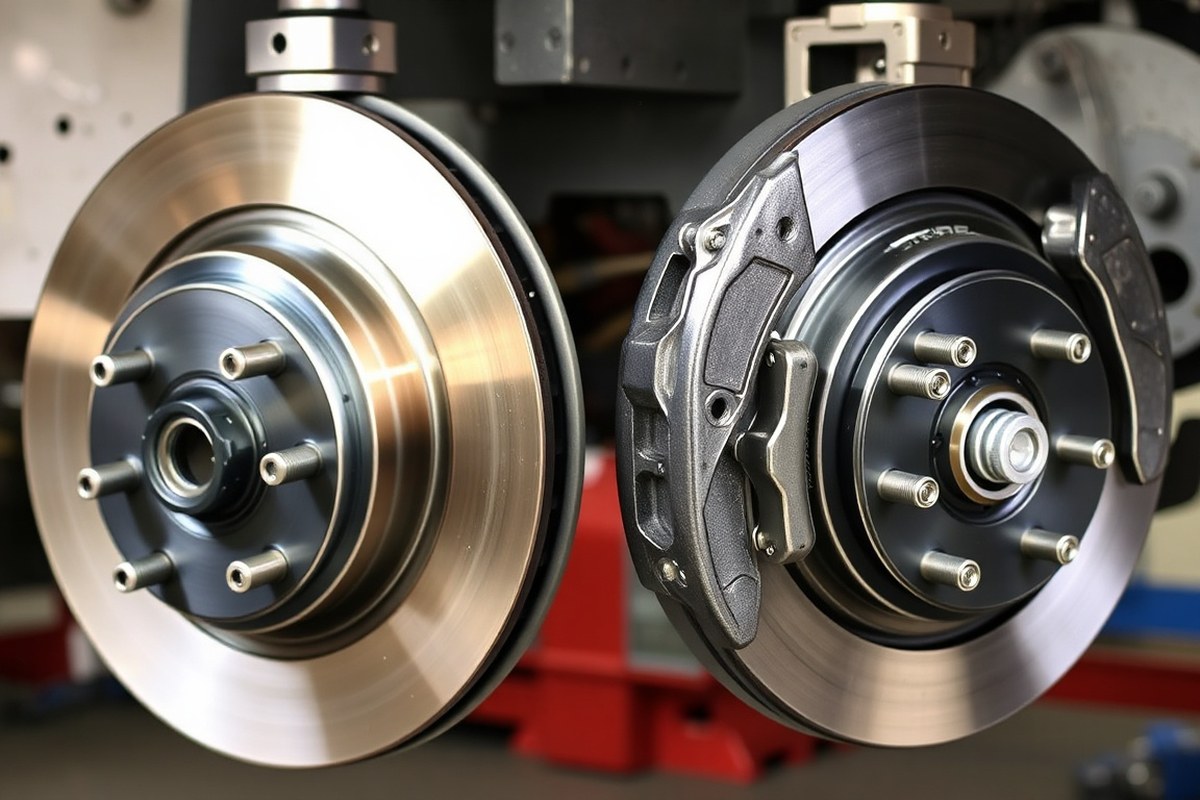
Front brakes wear out quicker since they handle around 70% of braking. The front pads usually get replaced twice as often as the rear ones. Disc brakes on front wheels make jobs faster and easier to do.
Rear brakes can take longer if your car uses drum brakes instead of discs. Drum brakes have more parts, like springs and adjusters, that need careful handling. Servicing drum brakes adds about 30 to 60 minutes compared to rear disc brakes.
| Brake Type | Time Required | Reason |
|---|---|---|
| Front Disc Brakes | 0.7 to 0.9 hour per axle | Easier pad and rotor removal |
| Rear Disc Brakes | Similar to front, around 0.7 to 0.9 hour | Less wear, simpler hardware |
| Rear Drum Brakes | 1.75 to 2.5 hours per axle | More hardware, parking brake cable reset |
Replacing both front and rear pads typically takes about 1.5 to 2 hours total. Replacing rotors and pads on every wheel often takes 2 to 4 hours. Most repair shops plan for this time range during the job.
Those times vary depending on vehicle size and brake type. For example, small cars with rear drum brakes take longer in the back.
Drum brake service involves springs and tension adjustments. Removing and reinstalling the parking brake cable adds to the time. The adjusters inside drum brakes need precise setup to avoid noise or poor braking performance.
Don’t rush replacing rear drum brakes. Make sure parking brake cables go back right. Check springs carefully to avoid any issues later. Skipping this can cause brake failure or noise.
Front brakes wear faster but are often simpler to service. Rear brakes wear slower and sometimes use drum systems, which take more time. That’s why the rear brake job duration can be longer than the front on some cars.
Which Factors Add Extra Time to Brake Replacement?
Rust and Corrosion Effects
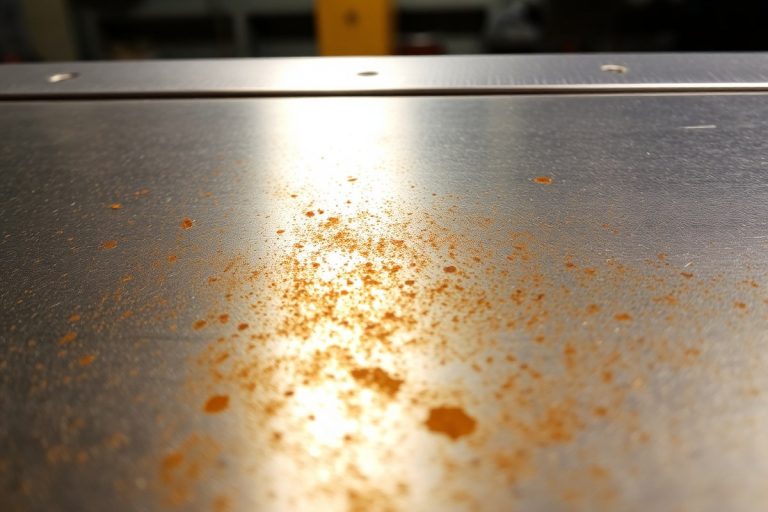
Rust on brake parts often makes bolts and pins hard to remove. Corrosion can add 30 minutes to an hour or more to your brake job. Technicians often apply penetrating oil to stuck bolts.
They wait for it to loosen. Impact tools may also be used to free bolts.
Caliper slide pins and mounting bolts often seize up in salty areas. This slows down brake work. Salt causes rust that sticks parts tight.
Rotors fused to the hub take extra time to separate. You need to handle them carefully. This keeps the replacement safe and proper.
Technicians may need to heat rusty parts to loosen them. Sometimes they cut parts to remove them. This takes more time for the job.
Caliper Replacement and Its Impact
Replacing calipers usually adds 1 to 2 hours per wheel. Calipers are more complex to swap than pads or rotors alone. Caliper adapter bolts usually get replaced because they are one-time-use.
This rule adds to parts cost. It also makes the job take longer.
After installing new calipers, a brake fluid flush or bleed is often required. This flush can add 60 to 90 minutes depending on system complexity. Proper brake bleeding removes any air trapped in the lines.
Air pockets could make stopping unsafe. This step is key for good brake function.
Complex Suspension and Accessibility Issues
Vehicles with complex suspensions or tight brake layouts take longer. Technicians need extra time to access hard-to-reach brakes and may have to remove additional components. This work can add 30 minutes to several hours depending on the design.
For example, electric parking brakes require additional steps like digital calibration or actuator inspection. These electronics can add 20 to 30 minutes of service time. Proper handling prevents errors and ensures the system functions correctly.
Common Time-Adding Situations
Unexpected problems often extend brake replacement time significantly. Here are key factors that slow the job down:
- Seized bolts requiring special tools or cutting
- Rust-welded rotors fused to the wheel hub
- Worn suspension parts needing inspection or replacement
- Brake fluid that is old or contaminated and needs flushing
- Electric parking brake recalibration or actuator repair
- Replacing calipers instead of just pads and rotors
- Vehicles with limited space around brake hardware
Mechanics plan for these issues but can’t always predict them. Always expect some variability when brakes see heavy wear or rough conditions.
Tips to Minimize Extra Time
Regular brake service helps avoid big surprises like rust or seized bolts. Inspect brakes yearly, especially if you drive in salty or wet environments. Cleaning and lubricating caliper pins during service can prevent corrosion buildup.
Changing rear pads before they’re very worn prevents caliper seizing. It also saves hours of extra brake work. Start early to avoid bigger problems.
When possible, choose a shop familiar with your vehicle’s layout and brake system for faster service. This helps avoid delays caused by unfamiliar parts or tools.
What Happens in Each Step During a Brake Job?
The brake replacement process has several clear steps. You start with an inspection, then take off parts to clean.
After that, new parts go on, followed by bleeding. Finally, the wheels go back on, and everything is tested.
Initial Inspection and Wheel Removal
The first step is to inspect the brakes and remove the wheels. This takes about 5 to 10 minutes per wheel. The mechanic looks for wear, leaks, and damage to the system.
Removing the wheels gives access to brake parts. It usually takes another 5 to 10 minutes per wheel. This step is key for seeing what needs replacing or fixing.
Brake Pad and Rotor Removal and Cleaning
After the wheels are off, the worn brake pads and rotors get removed. Taking off brake pads without touching rotors often takes 30 to 60 minutes per axle. Rotor replacement or resurfacing adds about 30 minutes per wheel.
The mechanic cleans the brake hardware to prevent noise and ensure smooth action. This cleaning and lubricating takes about 5 to 10 minutes per wheel. Cleaning helps the brake system last longer and work better.
New Part Installation and Bleeding Process
Next, the new pads and rotors are installed, which takes 10 to 20 minutes per wheel. Some cars need a special mode set before releasing the parking brake.
The Tesla Model 3 is one example of these vehicles. Without this, the brake won’t release properly.
Bleeding the brakes clears air from the brake lines. It usually takes 15 to 30 minutes and comes with the brake job cost. This step is important to keep brake pressure firm and safe.
Reassembly and Final Quality Checks
Once the brakes are in, the wheels get reattached and torqued to the exact specs. This step usually takes 5 to 10 minutes per wheel. Proper torque stops problems like wheel wobble or loose parts.
After reassembly, a final test drive checks brake feel and function. That ensures the brake system works smoothly and safely before you drive off. Stopping power and noise are the main things checked.
- Inspect brakes for wear, leaks, and damage.
- Remove the wheels to reach brake components.
- Take off old brake pads and rotors.
- Clean and lubricate brake hardware carefully.
- Install new brake pads and rotors properly.
- Bleed the brakes to remove air from lines.
- Reinstall wheels and torque lug nuts to specs.
- Test drive to confirm brake performance and safety.
How Can You Get an Accurate Time Estimate Before Your Brake Service?
To get a good time estimate for brake service, share your car’s info. Tell the mechanic your vehicle’s make, model, and year. This helps them plan the work right.
Mention any brake issues you notice, like noise or pulling. This helps the shop anticipate the job’s complexity faster.
Your car’s brake condition matters, too. Pads or rotors worn unevenly mean more work for the mechanic. They must check parts carefully or replace them as needed.
This takes extra time. High-performance or electric vehicles often need calibration or special tools, which adds time.
- Provide exact vehicle info: year, make, model, and brakes problem.
- Ask if the shop factors vehicle type and brake condition into their estimate.
- Request if they use official manuals or ASE-certified labor time logs.
- Check if extra steps like brake system recalibration are needed.
- Find out if the estimate includes both labor and materials.
- Ask about warranty on parts and service time guarantees.
- Confirm if the shop offers a loaner or shuttle service during long jobs.
Shops quote times differently based on several factors. Some give shorter times to attract business, which can mean rushed or incomplete work.
Others quote longer to cover unexpected fixes or slow technicians. A reliable shop will explain how they arrived at their estimate.
Provide the most details when you call. Be ready to describe brake noises, vibration, or warning lights.
These clues help the mechanic estimate if the job is simple or needs extra checks. Schedule a little extra time beyond initial quotes to avoid surprise delays.
Always ask the shop if their time estimate covers extra brake system checks or calibration.
How Does Doing Your Own Brake Job Affect the Time Required?
DIY brake pad replacement usually takes longer than a professional job. A beginner might spend several hours figuring out the steps and finding the right tools. An intermediate DIYer with some experience often finishes front or rear pad changes in 1 to 2 hours.
This work is usually straightforward. It suits those who know basic car repair steps.
Replacing rotors at home adds more time compared to just pads. You’ll need extra tools like a torque wrench and possibly a rotor puller. Rotor jobs take longer, often doubling the time needed.
Most DIYers spend 2 to 4 hours on this task. The vehicle and prep work can change the time needed.
| Service Type | Professional Shop Time (hours) | DIY Approximate Time (hours) |
|---|---|---|
| Front Brake Pad Replacement | 0.4 to 1.6 | 1 to 2 |
| Rear Brake Pad Replacement | 0.7 to 0.9 | 1 to 2 |
| Brake Pads + Rotor Replacement | 1.0 to 2.5 | 2 to 4 |
Safety adds time because you must work carefully and avoid mistakes. Taking the time to securely jack the car and double-check all bolts pays off. Moving too fast risks damage or injury, especially if you don’t have a helper.
To keep your brake job tidy and safe, use a clean, level workspace and wear gloves. Follow the vehicle’s manual for torque specs and pad bedding procedures. These steps may take several minutes extra but protect your brakes and your safety.
Common delays include rusted caliper bolts and stuck rotors. Using penetrating oil before prying parts helps a lot. You should add 15 to 30 minutes, sometimes more.
Patience during this step makes the job easier. Planning extra time prevents frustration and incomplete jobs on your first try.
DIY brake jobs need patience and good attention to detail. This care naturally makes the job take more time. Professional shops finish faster due to experience, better tools, and quicker workflow.
Doing your own brakes saves money in the long run. It also helps you understand how your car works. Be sure to allow enough time for the job.
What Additional Services Affect the Total Brake Repair Time?
Adding a brake fluid flush to your brake job takes around 15 to 30 minutes. This service removes old, contaminated fluid and replaces it with fresh fluid. Brake fluid absorbs moisture over time.
This lowers braking power. It also causes parts to corrode.
Caliper replacement usually adds significant time since it’s a technical job. Calipers hold and squeeze the brake pads against the rotors. Changing brake lines can mean unhooking them.
Sometimes, the caliper needs rebuilding too. The job may take 30 minutes to over an hour.
Some cars need more work, like a 2021 Honda Civic. It might require a suspension check. An alignment might also be needed.
The double wishbone rear suspension needs careful toe-in measuring. This adds about 20 minutes to the job. Trucks or vehicles with complex suspension and brake lines often take longer due to harder-to-reach components.
- Brake fluid flush: add 15, 30 minutes for safe brake system function
- Caliper replacement: usually 30 minutes to 1 hour, depends on parts and skill
- Brake fluid bleeding: done after caliper or brake line work, adds 10, 15 minutes
- Brake line inspection or repair can take 30 minutes or more
- Suspension checks or alignment post-brake service add about 20 minutes
- Unexpected repairs like rotor damage or seized calipers extend the job
- Longer jobs on trucks or SUVs due to tougher hardware access
Unexpected repairs often involve rotor resurfacing or replacement if damage shows during the brake job. You might also find seized or sticking calipers that need a rebuild or replacement. Inspecting brake lines for leaks or wear sometimes requires time-consuming repairs too.
Installing new brake pads lowers the fluid level in the reservoir. So technicians adjust fluid during the job.
You should expect some dripping or fluid waste during flushing or line work. Having the right tools and knowledge speeds these added tasks and ensures everything works safely.
How Does Vehicle Type and Complexity Change Brake Job Timing?
Vehicle design, brake type, and suspension complexity directly affect brake job timing. Luxury cars and trucks usually take longer due to tighter spaces and extra electronics. Electric and performance brakes also need specialized tools and more care, adding time.
Standard Passenger Cars and Economy Models
Brake jobs on standard cars or economy models often take less time. These vehicles usually have straightforward brake layouts and easy access. A typical brake pad replacement may take around 45 minutes to an hour per axle.
Since these brakes lack complex electronics or heavy parts, mechanics can work faster. You should expect lower labor costs too compared to luxury or performance vehicles. These jobs are often routine and simple.
Performance and Electric Vehicles
Performance cars and electric vehicles (EVs) require more time because of advanced systems. Electric parking brakes on many EVs need resetting during a brake job, which slows the process. Carbon-ceramic or multi-piston caliper brakes also demand specialized tools.
Luxury performance brakes may require two hours or more for a full service. Technicians must carefully calibrate anti-lock braking systems and electronic parking brakes. These added steps increase labor costs and service duration.
Working on EVs also involves safety steps for the high-voltage systems, adding extra minutes. Expect labor fees to be at the higher end of the range. This is due to the job’s complexity and the extra equipment involved.
Trucks and SUVs with Complex Suspensions
Heavier trucks and SUVs usually take longer due to larger rotors and stronger brakes. Their brake parts are heavier, and the suspension design may require extra removal steps. Complex suspensions with components like air or adaptive systems add time too.
Brake jobs on these vehicles often take 1.5 to 2 hours or more per axle. Handling larger parts and intricate suspension setups demands more effort and skilled labor. This prolongs the overall time compared to passenger cars.
| Service | Parts Cost | Labor Cost | Total |
|---|---|---|---|
| Brake pads (one axle) | $30, $80 | $80, $150 | $110, $230 |
| Pads + rotors (one axle) | $100, $250 | $100, $200 | $200, $450 |
| Full brake job (all four) | $250, $600 | $200, $400 | $450, $1,000 |
Prices and times vary with the vehicle type and specific brake complexity. For luxury or electric cars, expect the higher end of labor costs and longer work hours. Trucks generally cost more because of their larger brake parts and tougher suspension designs.
Tip: Always check if your vehicle has electronic parking brakes before scheduling brake work. This feature adds time and requires special tools.
What Are Common Timing Mistakes and How to Avoid Them?
Some brake jobs take longer because shops underestimate rust removal and cleaning time. Rusted parts can add 20 to 40 extra minutes if brakes have been neglected. Skipping thorough inspection also causes delays later when additional issues pop up after the job starts.
Many shops miss or rush key steps. They might not check brake caliper pins for dryness or dirt. This causes new pads to drag on the rotors.
It wears out the rotors quickly. You may need to return for more repairs. Also, ignoring proper quality checks on new parts adds time later for troubleshooting.
Plan a full visual brake inspection every 6 months. Or check brakes every 6,000 miles if you drive in traffic. This helps avoid wasting time later.
Let your mechanic know upfront about any unusual noises or pedal feel changes. Clear communication helps them prepare for any extra work.
- Allow 1 extra hour for rust removal if brakes haven’t been serviced often
- Ask if caliper pins are being cleaned and lubricated to avoid dragging
- Request a test drive with you to check noise, pedal feel, and pulling
- Bring up any dashboard brake warning lights early for quicker diagnostics
- Choose quality pads and rotors to avoid premature wear, even if pricier
Shops often use flat rates, but some brake jobs need more work than usual. Always reserve some flexibility in your schedule or budget for unexpected problems. A clean, inspected brake system saves hours over a rushed replacement.
Finally, keep brake fluid fresh and change it as recommended. Old fluid lowers braking performance and can cause extra corrosion inside brake parts. Following these tips cuts down on surprise delays and costly callbacks.
Step-by-Step Action Plan for Planning Your Brake Service
Use this plan to schedule brake maintenance and manage your time around it. Follow each step to make sure your brakes get the care they need without surprises.
- One week before service: Call your mechanic to book your brake job appointment. Confirm the estimated duration based on your vehicle model.
- Two days before service: Check your car for brake symptoms like squeaking or pulling. Note what you see to inform your mechanic.
- Day of service: Arrive with your car clean and paperwork ready. This helps the mechanic start the job quickly.
- During service: Ask for updates every 30 minutes if possible. It helps you track progress and adjust your schedule.
- After service: Test drive in a safe area to feel brake performance. Report any unusual noises or sensations right away.
- One week post-service: Inspect brake components for leaks or damage. Early checks prevent bigger problems.
- One month later: Schedule a follow-up if you notice changes in stopping power. Don’t wait if brakes feel different.
Frequently Asked Questions
How Long Does It Take to Get Brakes Done on a Luxury Car?
Luxury cars may take 3 to 5 hours because of complex brake systems. Extra time goes into careful adjustments and testing to protect high-end components.
Is It Faster to Replace Brake Pads Only Instead of Pads and Rotors?
Yes, brake pad replacement alone often takes 30 minutes to an hour per axle. Rotors add extra steps like removal and machining, increasing total time.
How Long Do Brake Fluid Flushes Add to a Standard Brake Job?
A brake fluid flush takes around 30 to 45 minutes on top of regular brake work. It’s important for brake system health and often done with pad or rotor changes.
Do Mobile Mechanics Take Longer to Do Brake Jobs Than Repair Shops?
Mobile brake jobs usually take a bit longer due to workspace setup and limited tools. Expect extra 30 minutes to an hour compared with shop work.
Can Brake Repairs Done in Under an Hour Be Trusted?
Quick brake jobs under an hour may miss steps, risking safety. It’s better to allow enough time for a full, thorough brake inspection and repair.
Before You Go
Brake jobs usually take about one to two hours depending on your car and repair needs. Planning ahead helps you avoid surprises during the service. Call your shop today.
Set your appointment over the phone. Ask for a time estimate.