How Long Does It Take to Change Tires? A Complete Guide with Real Timelines
How long does it take to change tires depends on several things. Changing one tire yourself takes about 20 to 30 minutes. Doing all four tires usually takes around an hour.
A pro changes one tire in 10 to 15 minutes. They usually do four tires in 45 to 90 minutes.
Time varies depending on your tools, experience, and the type of tire. You’ll move faster if you have a good jack, lug wrench, and the right spare. Changing one tire on the roadside often takes 15 to 30 minutes, including setup.
Plan extra time for balancing tires after installation, which can take 40 to 60 minutes. Watch out for tight lug nuts and uneven surfaces that slow the process. Starting with the correct jack points and a firm parking spot saves time and effort.
Key Takeaways
- Expect 20 to 30 minutes to change one tire yourself with basic tools.
- Professional shops usually finish one tire in 10 to 15 minutes.
- Changing all four tires at a shop takes about 45 to 90 minutes.
- Balancing tires adds 40 to 60 minutes to the overall time.
- A sturdy jack and accessible lug nuts speed up DIY tire changes.
- Roadside spare tire changes typically take 15 to 30 minutes including prep.
How Long Does It Take to Change a Tire in Different Scenarios?
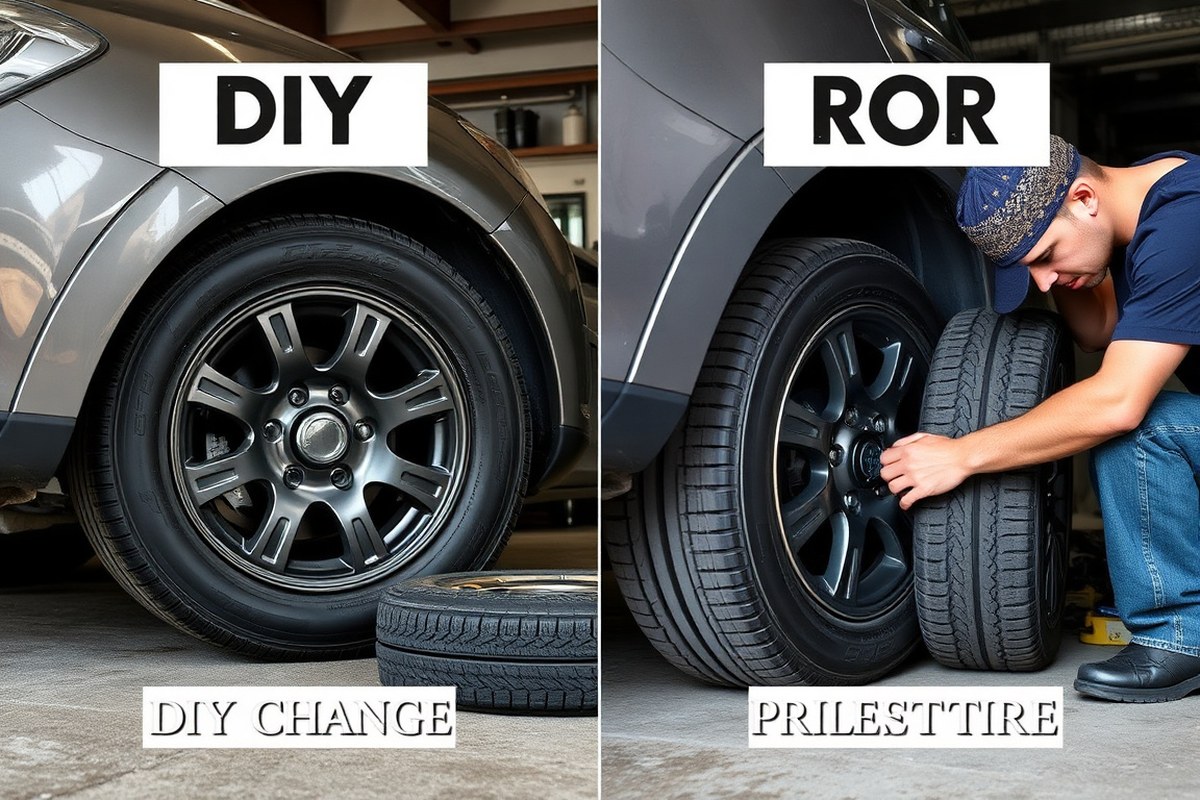
Changing a single tire yourself usually takes about 20 to 30 minutes. Pros take 30 to 60 minutes for this job. This includes mounting and balancing the tires.
Changing four tires yourself takes about an hour and a half. This depends on your speed and tools. Pros generally finish in 45 to 90 minutes.
Roadside assistance can vary quite a bit. They usually replace just one tire. This takes 15 to 30 minutes after arrival.
But wait times for their arrival add extra time. So expect at least an hour total in many cases.
The type of tire or vehicle does matter slightly. Larger tires or trucks might take more time than average sedans.
| Service | Active Service Time | Total Time (Including Wait) | Typical Cost |
|---|---|---|---|
| Single tire change (mount & balance) | 20, 30 min | 30, 60 min | $15, $30 labor + tire cost |
| Two tires (mount & balance) | 25, 40 min | 45, 75 min | $30, $60 labor + tire cost |
| Four tires (mount & balance) | 45, 60 min | 1, 2 hours | $60, $120 labor + tire cost |
| Four tires + alignment | 1.5, 2 hours | 2, 3 hours | $160, $250 labor + tire cost |
| Flat tire repair (patch/plug) | 15, 30 min | 30, 60 min | $15, $40 (often free with warranty) |
You save time by setting up tools and workspace first. This helps the tire change go faster. Professionals speed things up with their equipment and experience, plus they handle balancing and valve checks.
Roadside assistance teams deal with many conditions. So their real-world timing includes travel and setup.
A full four-tire change at a shop usually takes 45 to 90 minutes. This is quite normal. Adding a wheel alignment pushes the job closer to 2 or 3 hours.
Expect at least an hour or more when changing all four tires yourself. First-timers often take longer. Tire size and vehicle type add small but noticeable changes to the timeline.
What Factors Influence the Time It Takes to Change Tires?

Several factors affect how long it takes to change tires. Tools, experience, vehicle type, tire size, and weather all make a difference. You can speed things up by preparing and knowing what to expect from each factor.
Tools and Their Impact on Tire Changes
Having the right tools can cut your tire change time significantly. A proper jack, a suitable lug wrench, and sometimes penetrating oil help a lot. For example, lug wrenches designed for your lug nut type loosen nuts faster and safer.
Electric or cordless impact wrenches speed up lug nut removal and replacement. These tools can shave off 5 to 10 minutes per tire. Without these tools, you’ll spend more time working manually on tires.
Experience Levels Explain Time Differences
Experience plays a big role in how fast you change tires. Total beginners usually take more than 30 minutes per tire. People with some practice often finish within 15 to 30 minutes for one tire.
Experienced drivers or roadside professionals often complete a tire swap in 10 minutes or less. They know how to position jacks, handle lug nuts, and avoid common mistakes. To speed up, practice changing tires first in a flat, safe spot.
Vehicle and Tire Size Effects
Small cars usually have smaller, lighter tires, so tire changes go quicker. Compact car tires often fall near the shorter end of the time range. SUVs, trucks, and vans take longer because their tires are bigger and heavier.
Run-flat tires slow the process, too. These tires are tougher to remove and install, adding a few extra minutes. Larger vehicles also mean higher lift points, making jack placement trickier and slower.
Environmental and Situational Challenges
Where and when you change your tire matters. Uneven or soft ground can slow jacking and make tasks unsafe. Drivers in mud, gravel, or snow take longer to change tires.
Expect 5 to 15 extra minutes because conditions are tricky. Take care with your footing when it’s slippery.
Weather conditions matter, too. Cold or rainy weather can make hardware stiff and tricky. Traffic or darkness adds time to a tire change.
You must work slower or use extra lights. Safety is key in these tough conditions.
Common Delays and How to Avoid Them
Stuck or rusty lug nuts cause the biggest delays. These can add 30 minutes or more to the job.
Penetrating oil like WD-40 or PB Blaster helps. Spray it on stuck nuts and wait 15 to 30 minutes before trying again.
- Gather all tools before starting
- Check tire pressure and lug nut condition ahead
- Use penetrating oil on stuck lug nuts early
- Practice jacking and wrenching on flat ground
- Work during daylight or have a flashlight ready
- Consider your vehicle’s tire size and weight
- Account for weather and ground conditions in your timing
Try spraying rusted lug nuts and letting them sit before loosening. It often saves frustration and time.
Step-By-Step Timeline for Changing a Tire Yourself
Changing a tire yourself usually takes 30 to 60 minutes, depending on your experience and tools. Each phase has clear steps that, if done right, make the process safer and faster. Here is a detailed timeline with tips to help you stay on track.
Preparing Your Vehicle and Tools
Start by choosing a safe, flat spot to park with plenty of room. Engage the parking brake and turn on hazard lights if you’re roadside. Gather your tools: jack, lug wrench, spare tire, and wheel wedges.
This prep phase takes about 5 to 10 minutes. Double-check your spare tire for proper inflation and condition before you begin. Missing this can cause delays or safety problems later.
Loosening, Jacking, and Removing the Tire
First, loosen the lug nuts slightly before raising the vehicle with a jack. The jack must be placed under the manufacturer’s recommended lift point to avoid damage. Raise the wheel off the ground about 2 to 3 inches to clear the tire.
After jacking, remove all the lug nuts completely. Pull the tire straight off. This helps avoid damage to the studs.
Expect this step to take 10 to 20 minutes. Loosening nuts while the car’s on the ground uses use, saving time and effort.
Installing and Tightening the New Tire
Place the new or spare tire on the hub carefully to align with the lug bolts. Hand-tighten the lug nuts first to keep the wheel centered. Lower the car slowly until the tire barely touches the ground.
Then tighten the nuts fully. Use a star pattern when tightening.
This part lasts about 10 to 15 minutes. Using a torque wrench to the manufacturer’s specs improves safety but adds time. Once the car is fully lowered, give the nuts a final check to avoid loose wheels.
- Park on a stable, flat surface and set the parking brake.
- Gather all tools and inspect the spare tire’s pressure and condition.
- Place wheel wedges on the opposite side of the tire you’ll change.
- Loosen lug nuts slightly with the wrench while car tires stay on the ground.
- Place the jack under the vehicle frame near the tire. Lift the wheel off the ground carefully.
- Remove lug nuts and pull off the flat tire carefully.
- Mount the spare tire onto the hub, then hand-tighten lug nuts in a star pattern.
- Lower the vehicle so the tire touches ground, then tighten lug nuts fully.
How Do Professional Shops and Tire Centers Handle Tire Changes?
Professional shops usually take about 45 to 90 minutes to change and balance four tires. This includes removing old tires, mounting new ones, and balancing the wheels. Wait times vary by location and the services you request.
Standard Tire Change and Balancing Times
Mounting and balancing four tires typically takes 45 minutes to an hour in most US shops. Single tire changes without balancing usually finish in 15 to 30 minutes. Proper balancing prevents vibrations and uneven wear, which makes the extra time worth it.
Wheels with rust or damage get fixed before shops mount tires. This repair adds about 15 to 30 minutes, depending on severity. Without these steps, new tires might not fit well or wear prematurely.
Time at Major Chains (Costco, Walmart, Firestone, Pep Boys)
Major chains like Walmart Auto Care often start mounting and balancing at around $15 per tire. Discount Tire and Firestone typically charge $25 to $40 per tire but include full inspection. Expect 45 to 90 minutes once the service begins.
Some stores may offer same-day appointments while others have wait times, so arriving early helps. Firestone sometimes offers discounts if the wait goes past your scheduled time. Pep Boys and Costco provide similar timing but may require appointments.
| Tire Shop | Charge Per Tire | Time for 4 Tires | Notes |
|---|---|---|---|
| Walmart Auto Care | $15 | 45 to 90 minutes | Starts at $15, extra for alignment or TPMS |
| Discount Tire | $25 to $40 | 45 to 60 minutes | Includes balancing, inspection |
| Firestone | $25 to $40 | 45 to 90 minutes | Discounts if delayed, includes inspection |
| Pep Boys | Varies $20 to $40 | 45 to 90 minutes | Depends on location and services |
| Costco | Included with purchase | About 1 hour | Only available with tire purchase |
Professional shops often have hydraulic lifts and special machines that speed up all steps. They carefully inspect wheels and tires during the process. This equipment reduces damage risks and ensures good fits.
Additional Services: Alignment, Disposal, and Fees
Getting an alignment adds 30 to 60 minutes to your visit. Proper alignment improves handling and extends tire life. Many shops recommend it, especially if you notice uneven tire wear or pulling.
Disposal of old tires usually involves a small fee, sometimes included in the service. Shops may charge extra if hardware is stuck.
They also charge for resetting your tires’ TPMS. These extra steps can add 10 to 30 minutes.
What Is the Role of Roadside Assistance in a Tire Change and Its Timing?
Roadside assistance usually arrives within 30 to 60 minutes, depending on location and time. In busy seasons like fall and spring, waits can extend to two hours or more. Weather, traffic, and demand also affect how fast help reaches you.
Once roadside help shows up, the actual tire change takes about 15 to 30 minutes. The technician will lift your vehicle safely first. Then, they remove the flat or damaged tire.
Finally, they replace it with a spare or new tire. After tightening lug nuts properly, they typically check air pressure before you drive off.
Some factors stretch the total time. Remote or heavy traffic areas slow response. Night or early morning breakdowns also take longer for help to arrive.
Emergency responders may help urgent cases first. They might wait to help less urgent calls nearby. Bad weather like snow or heavy rain can delay changing tires on site.
Prepare by having your roadside assistance policy info handy on your phone. Clear, safe parking spots reduce waiting issues and make work faster.
Knowing how to change a tire yourself can also cut stress while you wait. Always keep your spare tire inflated and tools ready if you want to try first.
Keep your phone charged to call for help quickly. Have a flashlight ready to show your car to technicians. Both will speed up roadside assistance.
The cost of roadside tire help varies, often bundled with your assistance plan. Standalone calls might cost $75 to $150 or more.
Finding nearby tire shops that take appointments helps save time. This works well if your situation is safe and not urgent.
Different cars and tires take different times. Large trucks or special wheels might need more care.
The more complicated the tire system, the longer the process. Also, the technician’s experience and equipment quality make a big difference in timing.
Which Tools and Preparations Reduce Your DIY Tire Change Time?
Having the right tools ready cuts your tire change time by at least half. You really need a reliable jack and a sturdy lug wrench. Gloves help protect your hands and give you better grip on slippery nuts.
A torque wrench is a smart extra tool to speed things up and avoid mistakes. It ensures you tighten lug nuts just right, not too loose or tight. This tool costs around $20 to $50 but saves time and protects your wheel studs.
Before you start, park your car on a flat surface and set the parking brake. You can put wheel wedges against the tires on the ground. They help keep your car steady and stop it from moving.
Use them before you start to work on your tires. Check your spare tire’s condition and air pressure beforehand. Having a flashlight handy speeds up work in low light or night.
- Jack rated for your vehicle’s weight
- Lug wrench or tire iron
- Torque wrench for exact lug nut tightness
- Wheel wedges to prevent rolling
- Gloves for hand safety and better grip
- Penetrating oil spray to loosen rusted lug nuts
- Flashlight for visibility in the dark
Penetrating oil helps loosen stuck lug nuts quickly. Spray it on the nuts and wait about 10 minutes. Avoid forcing nuts with bare hands; use the right tool and steady pressure instead.
Check that your jack points on the car match your jack type. Using the wrong spot can damage your vehicle and slow you down.
Keep all these tools together in a roadside kit. So you’re never hunting for something when time matters most.
How Long Can You Drive on a Spare Tire and What Impact Does It Have?
Spare tires, especially compact or “donut” spares, should only be driven at speeds below 50 mph. They are designed for short distances, typically no more than 50 to 70 miles. These limits exist because spares have less tread and different handling compared to regular tires.
You can use a spare tire to lower urgency. It doesn’t remove the need for a full replacement. You’ll still need a proper tire soon.
Driving on a spare lets you reach a tire shop safely. But it’s not safe or legal to rely on it long-term. Keep your flat tire with you.
Take it to a shop fast. They will repair or replace it.
Run-flat tires offer a better alternative for some drivers. Limited driving is possible after a puncture. Usually up to 50 miles at about 50 mph.
This lets you reach a repair shop safely. Run-flats provide more safety and convenience than compact spares. But they cost more to replace and repair.
Checking your spare’s air pressure regularly helps avoid surprises. Aim to check it every few months or during oil changes. Proper pressure ensures the spare is ready when you need it, reducing delays in emergencies.
Using a spare tire doesn’t speed up how fast you must get all tires changed. It only buys time to find a safe spot and a service provider.
Donut spares are not meant for everyday or long-distance use. So plan to replace the flat tire soon after installing the spare.
Keep in mind, spares usually have a smaller tread and less durability. This affects your vehicle’s handling and braking. Driving beyond the recommended limits increases risks, especially during long trips or bad weather.
Common Delays in Changing Tires and Quick Fixes to Get Back on Track
Stuck or rusty lug nuts slow you down fast. Use a penetrating oil like WD-40 and spray each nut. Let it sit for 10 to 15 minutes before trying again.
Use a longer breaker bar if the one you have feels too short. It will give you better use to loosen tight bolts. This makes tire removal easier.
Missing tools add stress and extra time. Always check your jack, lug wrench, and wheel lock key before roadside use. Keep a simple tire change kit in your car.
Make sure it has a spare jack and long-handled wrench. These tools help you fix tires quickly on the road.
Weather conditions like rain or snow make tire changes tricky and slippery. Wear gloves with good grip and choose a flat, stable surface before starting. Rain slows dry time and can affect your tire pressure checks.
- Spray and wait to loosen seized lug nuts
- Bring backup tools: jack, long wrench, wheel lock key
- Wear gloves to handle wet or cold weather safely
- Work on level ground to stop slipping or tipping
- Keep a portable air pump to check tire pressure after mounting
- Always check tire pressure with a gauge after installing each tire
- Book appointments for tire replacements to avoid waiting
Checking tire pressure immediately after installation takes just a minute per tire. Use a digital gauge for fast and accurate results. Check your tire pressure often.
Add air if it’s below the number on your door sticker. Let some out if the pressure is above the recommended range.
Dealing with rusty parts means more than time. Extra care prevents damage to your wheel studs.
Applying lubricant and gentle taps with a rubber mallet loosens stubborn wheels. Avoid rushing; broken studs can cost $100 or more each to fix at a shop.
Always check you have the right wheel lock key first. Trying a tire change without it can leave you stuck. Keep the key with your tire tools.
When Is It Better to Call a Professional Instead of Changing Tires Yourself?
Call a pro when you lack the right tools or experience. Changing tires on the roadside during bad weather or heavy traffic raises risks. Safety comes first, so avoid DIY if you feel unsure or rushed.
Newbies often take twice as long as those with experience. Hiring roadside help saves time and stress when you’ve never changed a tire. Pros handle lug nuts and jacks smoothly, reducing chances for errors or injury.
Watch your surroundings closely. Uneven ground or soft soil can make lifting a car unsafe without special equipment. In this situation, a shop or mobile service may be the better option to avoid accidents.
Consider booking an appointment at a tire center if you want balancing or alignment. These extras take more time but improve tire life and safety. Shops usually include balancing but confirm before you go.
Your spare tire might be temporary or smaller. Get to a pro soon.
Repair shops can mount a new tire properly and check suspension and brakes. Driving longer on a spare risks uneven wear and control issues.
First, check if you have a jack. Do you also have a lug wrench? Is the area flat and safe?
Can you easily loosen the nuts on your tire? Don’t start if you hesitate. Call help instead.
A shop usually spends 30 to 60 minutes doing a tire change when booked. Roadside assistance often shows up in about 30 minutes but can cost $50 to $100 or more. Doing it yourself may take 30 minutes or longer depending on experience and conditions.
Step-by-Step Action Plan to Change Your Tires Efficiently
Follow these simple steps to reduce your tire change time and stay safe on the road.
- Before you start: Gather your jack, lug wrench, and spare. Check the spare’s pressure to ensure it works.
- Set up safely: Park on level ground and turn on hazard lights. Use wheel chocks or blocks to prevent rolling.
- Loosen lug nuts: Use the wrench to break nuts loose before lifting the car. This saves time and effort later.
- Raise the vehicle: Position the jack under the car’s frame near the flat tire. Lift until the tire clears the ground.
- Remove the tire: Unscrew lug nuts completely and pull the tire straight off. Keep nuts handy to avoid losing them.
- Mount the spare: Align the spare with the wheel studs and slide it on. Hand-tighten the lug nuts to hold it in place.
- Lower and tighten: Lower the car until the tire just touches the ground. Keep the jack there to hold some weight. Tighten nuts in a star pattern for even pressure.
- Final check: Lower the car fully and tighten nuts again with full force. Put tools away and test the spare’s tire pressure.
Frequently Asked Questions
How Long Does It Take to Change Tires on Trucks or SUVs?
Changing tires on trucks or SUVs takes longer than on cars. These vehicles have bigger, heavier tires which need more effort to remove and install properly. The whole process could take about 20 to 30 minutes per tire.
Can You Change All Four Tires Without Professional Tools?
Changing all four tires without professional tools is possible but takes longer. You need a reliable jack, lug wrench, and space to work safely. It’s smart to visit a shop for balancing after that to avoid uneven wear.
How Accurate Are Time Estimates for Tire Changes?
Time estimates for tire changes vary depending on experience, tools, and conditions. Pros can change a tire in less than 10 minutes.
Beginners may take 30 minutes or longer. Always allow extra time if you’re new or working in tough conditions.
What to Expect If You Call Roadside Assistance for a Tire Change?
Roadside assistance usually needs 15 to 30 minutes for a single tire change. They bring the right tools and experience, so the job is quicker than DIY. Expect waiting time for the technician to arrive, which depends on your location.
Is It Quicker to Change Tires Seasonally or as Needed?
Changing tires seasonally can be more efficient since you do all four at once. Changing a tire only when worn can save money.
But it leads to extra trips and more time lost. Plan ahead for tire swaps to avoid busy shop times.
The Bottom Line
Changing your tire yourself usually takes 15 to 30 minutes with the right tools. Keep your spare ready and follow safety steps to speed up the job. Try a practice run in your driveway before you really need it.