How Fast Can 49cc Go? Realistic Speeds, Tuning Tips & Safety Guide
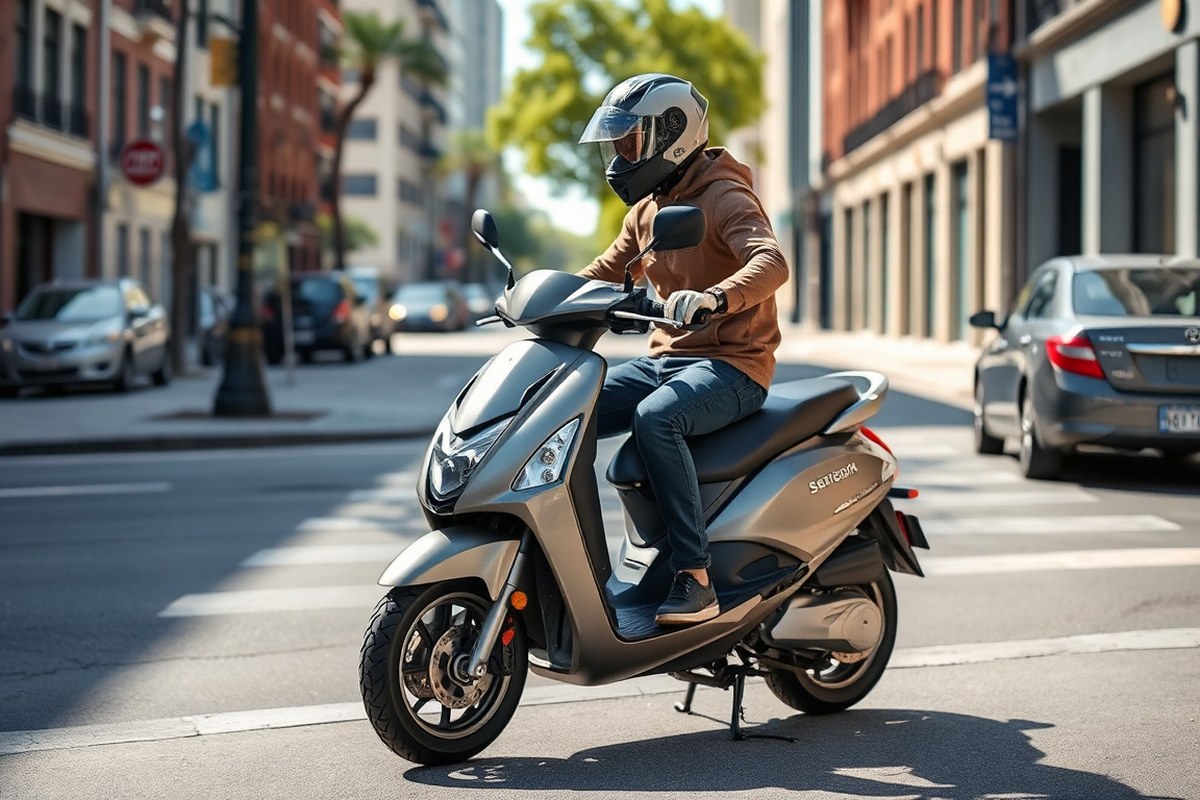
Most 49cc scooters reach about 30 miles per hour. Some high-performance models, like certain Vespas, can hit 40 miles per hour. Tuning may push speeds close to 50 miles per hour, but that’s rare.
The top speed varies with rider weight and terrain. Heavier riders or uphill rides cut speed by several miles per hour. Flat, smooth roads help scooters reach their max speed.
Check your scooter’s stock speed and engine condition first. Worn spark plugs or poor maintenance can reduce speed by 10 mph or more. Warming the engine for five minutes helps get the best speed.
Modifications can lower reliability and safety. They might also void warranties or break local laws. Consider these risks before trying to increase your scooter’s speed.
Key Takeaways
- Stock 49cc scooters typically max out near 30 miles per hour.
- Some models can reach 40 miles per hour with minor tuning.
- Engine warm-up for 5 minutes improves speed measurement accuracy.
- Heavier riders and rough terrain can reduce top speed.
- Use a GPS speedometer app for accurate speed readings.
- 49cc dirt bikes usually have a lower top speed than scooters.
How Fast Can a 49cc Scooter Typically Go?
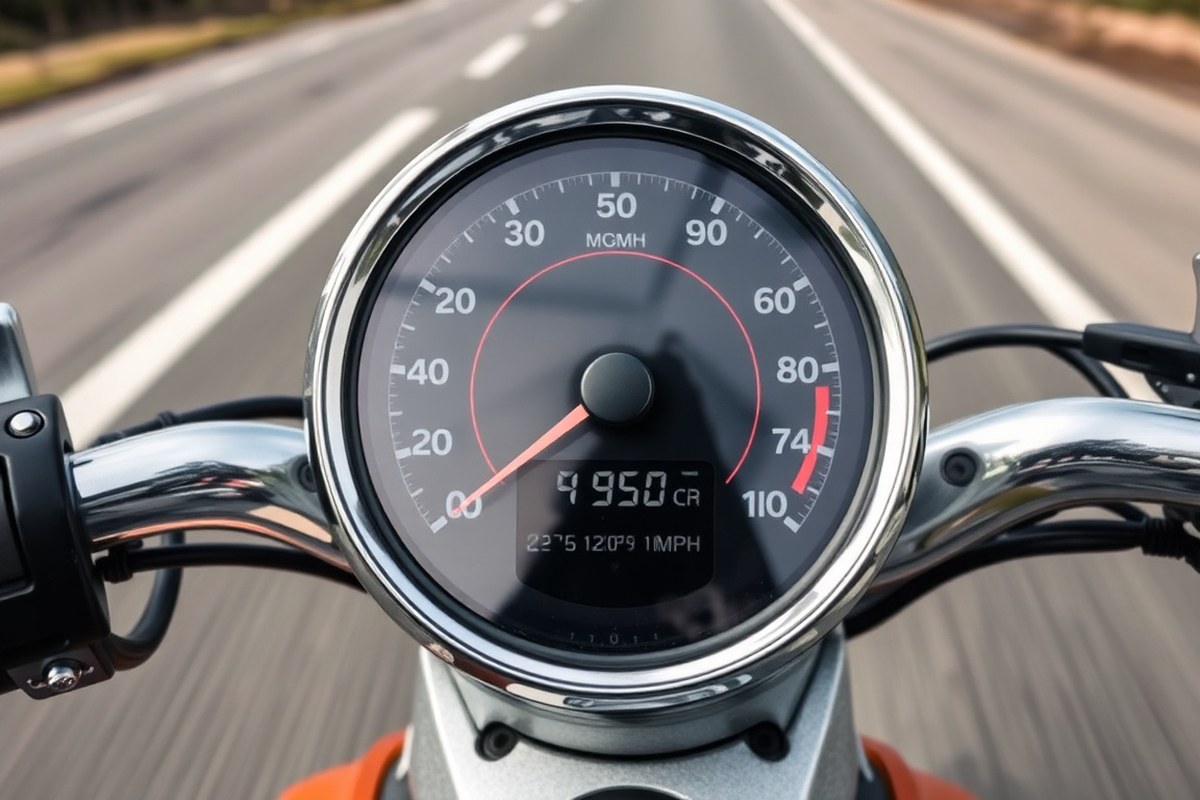
Most 49cc scooters reach a top speed between 30 and 40 miles per hour. Many models stick around 30 mph, especially basic ones built for city rides. However, some scooters, like certain Vespa models, can hit speeds closer to 40 mph.
The differences in speed come from engine tuning, weight, and design. Scooters made for better performance or with lighter frames usually go faster. For example, a Vespa with a 49cc engine generally outperforms generic brands at the same displacement.
Speed depends heavily on conditions too. A rider who weighs less and smooth, flat roads usually means higher top speed.
On hilly or rough terrain, a 49cc scooter’s speed can drop well below 30 mph. Strong headwinds or cold weather can lower speeds as well.
Some 49cc scooters can reach beyond 40 mph after minor tweaks or removing speed limiters. These tweaks might include adjusting the carburetor or changing the variator.
But they involve extra costs and mechanical skill. Without proper care, such modifications can cause wear or unsafe riding.
Top Factors That Influence 49cc Scooter Speed
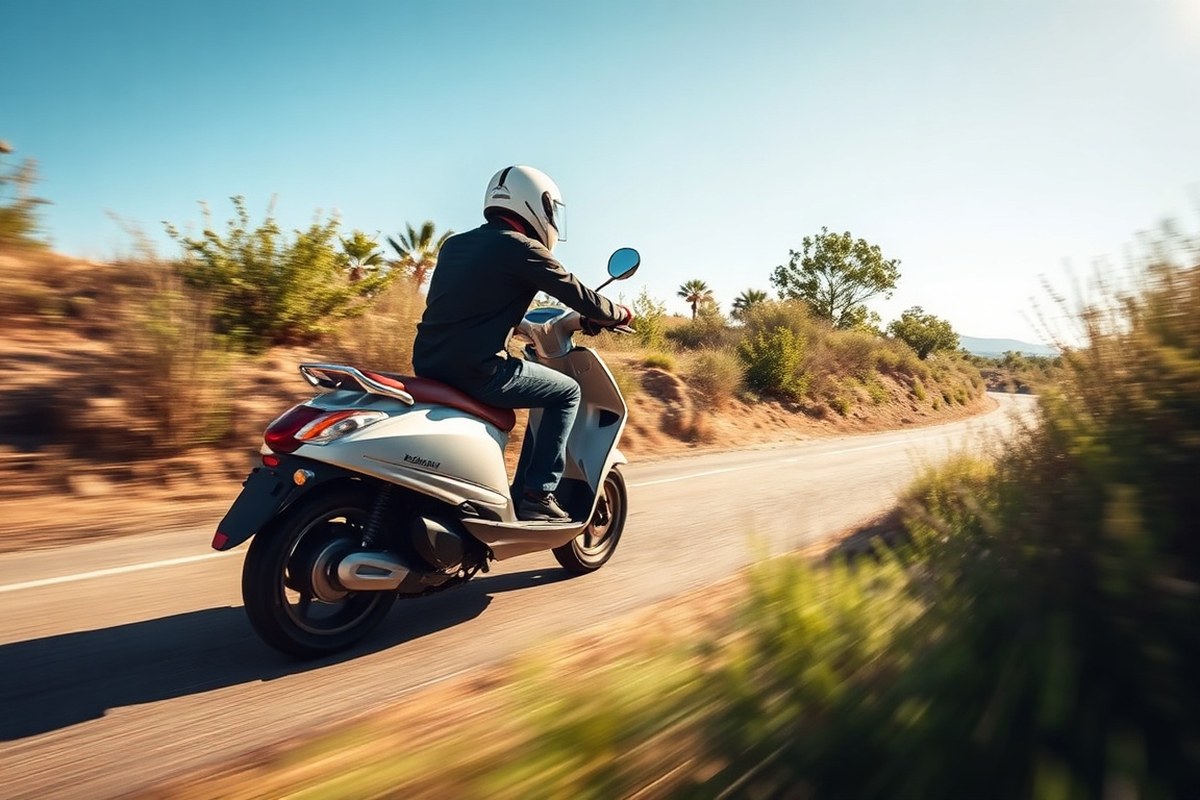
The speed of your 49cc scooter depends a lot on how much you weigh. Heavier riders slow down the scooter because the engine must work harder. A rider weighing 150 pounds will get better speeds.
Someone who weighs 220 pounds will go slower. Weight affects how fast your scooter can go.
Where you ride also changes your scooter’s speed. Smooth, flat pavement lets you reach the top speed of 30 to 40 mph. Hills, rough roads, and gravel slow you down.
Your scooter uses more power to keep moving. This extra work reduces your scooter’s speed.
Weather and fuel quality affect performance, too. Cold or wet weather can cause the engine to run less efficiently.
Using clean, fresh fuel helps keep the engine strong. Avoid stale or contaminated gas, as it can reduce power and speed.
- Heavier riders reduce maximum speed noticeably.
- Flat, smooth terrain allows for higher top speeds.
- Hilly or rough surfaces decrease your scooter’s speed.
- Cold, wet, or windy weather can slow your ride.
- Use fresh fuel to maintain engine power and speed.
- Proper engine tuning helps maximize performance safely.
Engine tuning and carburetor adjustments can boost speed by improving fuel flow. However, tuning requires some know-how or professional help to avoid damage. Well-tuned scooters can gain 5 to 10 mph but might lose some reliability.
Keep an eye on fuel quality and rider weight before worrying about engine upgrades.
Comparing 49cc Scooters and 49cc Dirt Bikes: Speed and Use
49cc dirt bikes generally go faster than 49cc scooters despite having the same engine size. This is because dirt bikes use different engine types and have fewer speed restrictions. You should pick a scooter or dirt bike based on your riding needs and experience level.
Engine Types and Speed Profiles
49cc dirt bikes usually have 2-stroke, air-cooled engines that deliver quick bursts of power. Scooters often use 4-stroke engines, which provide smoother and more fuel-efficient rides. These engine differences affect both speed and how the bike handles.
2-stroke engines are lighter and can reach higher speeds faster but might need more maintenance. Scooters have 4-stroke engines built for steady city riding. They save fuel but don’t speed up fast.
These engines give smoother rides in town. This explains why dirt bikes can reach higher top speeds.
Typical Top Speeds on Different Terrains
Dirt bikes aren’t usually limited by law. So they can hit speeds around 50 to 55 mph under good conditions.
Scooters are often limited to about 30 mph by regulations. This speed difference is noticeable on flat roads and off-road trails alike.
The terrain makes a big difference too. Dirt bikes handle hills, dirt, and uneven ground better at higher speeds.
Scooters work best on smooth pavement where their speed limits and engine types fit well. Rider weight and weather also change how fast either can go.
| Model | Engine Type | Typical Top Speed | Weight Limit | Terrain Suitability |
|---|---|---|---|---|
| 49cc Dirt Bike | 2-stroke, air-cooled | Up to 55 mph (unrestricted) | About 128 lbs | Dirt, hills, off-road |
| 49cc Scooter | 4-stroke, air-cooled | Typically 25-30 mph (restricted) | Varies; generally higher | Paved roads, smooth surfaces |
Watching the weight limit is key for dirt bikes. They’re mostly for younger or lighter riders. Scooters don’t have strict weight limits, making them more flexible for different riders.
Rider Weight and Suitability Differences
Heavier riders slow down both scooters and dirt bikes. But weight impacts dirt bikes more noticeably.
The average maximum weight for a 49cc dirt bike is about 128 pounds. Riding above this limit reduces speed and control.
Scooters handle a wider range of rider sizes since they’re built for everyday travel. They work well for adults or teens who want simple transport at legal speeds. Dirt bikes, by contrast, suit younger riders who want faster off-road fun.
For faster acceleration and speed, choose a dirt bike instead. Scooters win for comfort and easy handling around town. Choose based on where you plan to ride and how fast you want to go.
How to Accurately Measure Your 49cc Scooter’s Top Speed
Use a GPS device or app to measure your 49cc scooter’s top speed. Scooter speedometers often miss the mark by 5 to 10 percent. Recording the speed on a safe, straight path helps you get accurate results.
Using a GPS Speedometer App
A GPS speedometer app on your phone provides a reliable way to track speed. These apps use satellites for precise readings that don’t depend on your scooter’s sensors. Many of these apps are free or cost just a few dollars.
Some dedicated GPS devices are also available for around $50 to $100. They connect to your phone or work independently. These tools reduce errors common in built-in scooter speedometers.
Follow these steps to measure top speed with a GPS app:
- Download a trusted GPS speedometer app compatible with your phone.
- Fully charge your phone or GPS device before riding.
- Mount your phone firmly on your scooter using a secure holder.
- Find a quiet, flat, and straight stretch of road to test.
- Start the app and ensure it has a GPS signal lock.
- Accelerate gently to a steady top speed and hold it briefly.
- Note the highest speed the app shows during this run.
- Repeat the run a few times and average the top speeds.
Testing on Safe, Controlled Roads
Choose areas with little traffic and long, straight roads for testing. Empty parking lots or rural roads work well if you can ride legally there. Testing on these roads ensures no sudden stops or turns distort the speed data.
Wear all your riding gear to replicate real conditions. Avoid measuring speed in rainy or windy weather since that changes your scooter’s performance. Testing multiple times over different days helps confirm the results.
Factors That Can Skew Speed Readings
Bike speedometers often overstate or understate your speed by up to 10 percent. This happens because of differences in wheel size or sensor calibration. GPS accuracy can drop when surrounded by tall buildings or heavy tree cover.
Adding passengers or cargo also reduces top speed during testing. Tire pressure can affect speed too; low pressure slows the scooter. Road slope plays a role, downhill boosts speed; uphill reduces it.
Taking these into account gives you a realistic idea of your 49cc scooter’s actual top speed.
Legal Speed Limits and Restrictions for 49cc Scooters
Most 49cc scooters have a factory speed limit set around 28 to 30 mph. This limit helps them meet state licensing rules that often don’t require a special driver’s license. Many states treat 49cc scooters like mopeds or bicycles.
This means they often have lower speed limits. Licensing requirements can also be simpler.
Local laws can vary a lot. Some places might allow scooters to go a bit faster. Others strictly limit speed to 20 or 25 mph.
It’s important to check your city or state’s scooter laws before you ride. Rules can also differ if you’re on public roads versus private property.
Removing or bypassing the scooter’s speed limiter is common but often illegal. Speed limiters keep the scooter within legal speed and horsepower limits. When you remove one, your scooter may go faster.
But you could be breaking the law. This could lead to tickets, fines, or even the scooter being impounded.
Some states require a license to ride unregistered scooters. Riding a modified scooter without one may bring serious problems. The rules vary by state.
Insurance might not cover accidents if your scooter isn’t road-legal. Always double-check the rules on modifications and speed limits where you live. Some states require registration, a license, or even a helmet for 49cc scooters.
Speed limiters are usually part of the scooter’s engine control system or carburetor setup. Changing settings or replacing parts can raise the speed limit. You need basic mechanical knowledge for that.
Having the right tools is also necessary. Shops that specialize in scooters can sometimes help. But you should only do this on private land with permission.
Removing a speed limiter may sound tempting. But it often leads to legal trouble and higher accident risks.
Simple Tuning and Modifications to Boost 49cc Scooter Speed
Tuning a 49cc scooter can raise its top speed safely if done right. Modifying the carburetor, exhaust, air filter, and tires helps boost power without damage. Simple parts swaps keep warranties safe while improving speed.
Adjusting the Carburetor
Carburetor tuning controls the fuel-air mix that powers your scooter. Turning the air screw can lean the mix, improving acceleration and top speed. A richer mix increases power but wastes fuel and can overheat the engine.
Start by warming up the engine for five minutes. Slowly turn the air screw clockwise or counterclockwise in small steps. Ride to test the changes, watching for smooth throttle response and no sputtering.
Changing the main jet to a slightly bigger size can raise top speed. This change needs careful tuning to work right.
You must adjust the settings slowly to avoid engine issues. A jet kit costs around $15 to $40.
Installing a High-Performance Exhaust
A performance exhaust improves exhaust flow, reducing back pressure and raising power output. Swapping the stock muffler for a tuned pipe can boost your speed by a few mph. It changes how exhaust flows and improves power a bit.
You might notice a small but clear difference. Expect prices between $50 and $150 for quality parts.
The installation usually bolts on without major engine changes. Avoid exhausts labeled for racing only, as they may void warranties or fail emissions rules. Run the engine after installation and listen for smooth sound without rattles or leaks.
Upgrading Air Filters and Spark Plugs
A high-flow air filter lets more air reach the engine, helping combustion. Filters cost about $10 to $30 and often fit without changes. Clean or replace them every 3,000 miles for best results.
Using a colder spark plug with a lower heat range number can help ignition. It keeps the plug cooler and improves performance. This can make your engine run smoother and more reliably.
This upgrade costs $5 to $15. Ensure it matches your scooter’s specs to avoid engine damage.
Both parts boost power and fuel efficiency when combined with carburetor adjustments and exhaust upgrades.
Changing Gearing and Tires
Altering gearing affects acceleration and top speed in opposite ways. Swapping to a smaller rear sprocket or larger front sprocket raises top speed but lowers torque. This costs about $30 to $70 for sprockets and chain adjustments.
Tire size changes can affect speedometer accuracy and handling. Slightly larger tires increase top speed but reduce acceleration. Match tires to factory recommendations to keep safe handling.
These swaps usually take one to two hours with the right tools. You need to measure carefully to prevent chain slack or binding. Being precise helps your scooter run safely and smoothly.
- Start with carburetor air screw adjustment and test ride
- Replace the stock exhaust with a high-performance muffler
- Install a high-flow air filter compatible with your scooter
- Upgrade spark plug to the recommended colder model
- Change sprockets carefully to adjust gearing
- Choose tires close to factory size for safe speed changes
How Tire Selection and Condition Affect 49cc Scooter Speed
Bigger tires don’t always boost your 49cc scooter’s top speed. They change how the engine turns the wheels, which can lower acceleration.
Upgrading from a 275mm to a 285mm tire may soften acceleration. It can also smooth handling at moderate speeds on flat roads.
The type of tire tread affects both control and speed. Slick tires or ones with minimal tread roll easier on smooth asphalt.
This helps you reach the scooter’s top speed of 30 to 35 mph more easily. Knobby tires grip better on dirt but slow you down on pavement.
Check your tire pressure at least once a month. Low pressure causes drag and reduces top speed and control. Use a gauge to check tire pressure often.
Keep it within the scooter maker’s recommended range. This is usually between 30 and 35 psi. Proper inflation also means better safety and longer tire life.
Check tires every 500 miles or before a long ride. Look for cracks, worn tread, or flat spots. Replace if you spot damage.
Replace tires if tread is less than 1/32 inch deep or you spot any damage. New tires restore reliable grip and acceleration. Worn tires lower speed and increase crash risk.
Old, dry, or damaged tires reduce traction in wet or icy conditions. That can slow you to 15 to 20 mph on cold winter roads to stay safe.
Use tires made for your local climate when possible. For instance, tires designed for humid Florida help keep engine running steady despite heat.
Using the right tires and keeping them in good shape improves your scooter’s speed and handling. Proper tire selection balances acceleration with control on different surfaces. Check tire pressure regularly and replace tires when needed.
This keeps your scooter performing well. It also helps you avoid accidents.
Safety Tips for Riding a 49cc Scooter at High Speeds
Wearing the right safety gear is important when riding a 49cc scooter near its top speed. Always use a helmet designed for motorized scooters to protect your head. Add gloves and a sturdy jacket to protect your skin.
Wear long pants and closed-toe shoes as well. These shield you from injuries if you fall.
Before you ride fast, check that your scooter is in excellent working order. Look at the brakes, tires, and throttle. A small issue can become dangerous at higher speeds, so regular maintenance matters.
Riding safely in traffic means staying alert and predictable. Use turn signals well before making moves.
Keep a safe distance from cars, and avoid weaving between lanes. These habits help drivers see you clearly.
- Wear a DOT-approved helmet and full-face shield or goggles
- Use gloves with good grip and padding
- Wear a jacket and pants made of abrasion-resistant material
- Choose boots or shoes that cover ankles securely
- Check tire pressure and tread before each ride
- Test brakes and throttle for responsiveness
- Signal every turn or lane change early and clearly
Avoid riding under the influence of alcohol or drugs. Your reaction times slow down, making it risky to control the scooter at high speeds. Also, don’t carry passengers if your scooter isn’t built for it, as this can reduce stability.
Never push your scooter beyond its limits if you feel uneasy or conditions are poor. Safety comes before speed.
Riding on highways is usually unsafe for 49cc scooters and often against the law. Stick to roads where low speeds and scooter traffic are common. That way, you reduce risks and stay within legal limits.
When to Get Professional Installation or Tuning Help
Complex tuning like changing carburetors needs a pro’s touch. Adjusting ignition timing or modifying the exhaust is tricky. These steps are best left to experts.
These require precise tools and knowledge to avoid damaging the engine or hurting performance. Don’t have experience?
Let experts handle these tasks for you. It’s safer and smarter to choose a pro.
Your scooter might need expert maintenance if you notice inconsistent speeds, rough idling, or difficulty starting. Strange noises or excessive smoke also signal a problem beyond routine DIY fixes. These issues often mean internal components need inspection or replacement by a trained mechanic.
DIY modifications often void warranties and risk safety. Opening the engine or installing performance parts incorrectly can cause failures or accidents. Check your scooter’s warranty terms before making changes.
Think twice if you’re not confident about them. Protect your scooter and yourself.
You can decide to see a professional if the upgrade involves changing internal parts or electronics. Simple swaps like air filters or spark plugs you can try yourself after watching tutorials. Leave fuel flow, ignition, or frame work to certified techs.
This ensures safety and reliable performance on your scooter. Avoid doing these yourself.
Professional help usually costs $50 to $150 per hour. The exact price depends on your area and the work needed. Plan for this expense.
A shop might take from one to several hours. Tuning or repairing your scooter properly needs enough time.
Don’t rush this process. Good results mean smooth acceleration, steady top speed, and no odd sounds or vibrations during rides.
Avoid wasting money and damaging your scooter. Book an expert if you can’t fix issues with simple checks. Professionals save you time and trouble.
Keep an eye on how your scooter feels and sounds. Performance drops or problems persist?
Trust a pro to help. They keep your scooter safe and running fast.
Step-by-Step Action Plan to Optimize Your 49cc Scooter’s Speed
Follow these steps to get the most speed out of your 49cc scooter safely. Each step helps you track progress and maintain control.
- Before your first ride: Check tire pressure and condition to ensure proper grip. You’ll notice smoother acceleration and better top speed when tires are in good shape.
- Day 1: Measure your scooter’s current top speed using a GPS app. This gives you a baseline for any changes you make later.
- Week 1: Adjust the carburetor settings or clean the air filter if it looks dirty. You should feel your scooter respond quicker and possibly gain some speed.
- Week 2: Try a lightweight aftermarket exhaust to improve airflow. Ride carefully to confirm the speed increase and listen for any unusual sounds.
- Week 3: Upgrade to a higher-quality spark plug for better combustion. Watch for smoother engine running and slight speed improvement.
- After 1 month: Take your scooter to a pro for a full tune-up. This step helps keep it running smooth. It’s the best way to avoid future problems. Tell them your goals and check speed again afterward.
- Ongoing: Always check local laws before you tune or modify your scooter. Riding legally keeps you safe and avoids fines.
Frequently Asked Questions
How Fast Can a 49cc Scooter Go with a Passenger?
Adding a passenger lowers a 49cc scooter’s top speed. It drops by 5 to 10 mph because of extra weight.
This extra load makes the scooter slower. Keep in mind this affects acceleration and handling, so ride cautiously.
Can Gear Ratios Change the Speed of a 49cc Scooter?
Yes, changing gear ratios can increase top speed or improve acceleration. Adjusting the sprockets requires mechanical skill and might affect fuel efficiency.
Do Weather Conditions Affect the Speed of a 49cc Scooter?
Wind and rain can lower your scooter’s top speed by creating resistance and reducing traction. Be extra careful riding in bad weather.
How Does Rider Weight Impact a 49cc Scooter’s Speed?
Heavier riders often get a slower top speed on scooters. The top speed can drop by 3 to 7 mph.
This happens because the engine has to work harder. Keeping your scooter well-maintained helps balance this effect.
Is the Engine Type Important for a 49cc Scooter’s Speed?
Yes, 2-stroke engines tend to be lighter and can hit higher speeds than 4-stroke. Each type needs different maintenance though.
Final Thoughts
Your 49cc scooter’s top speed is usually around 25 to 30 mph, depending on many factors. Testing your scooter and making small tweaks can improve performance safely. Start by checking your tire pressure and measuring your speed today.