
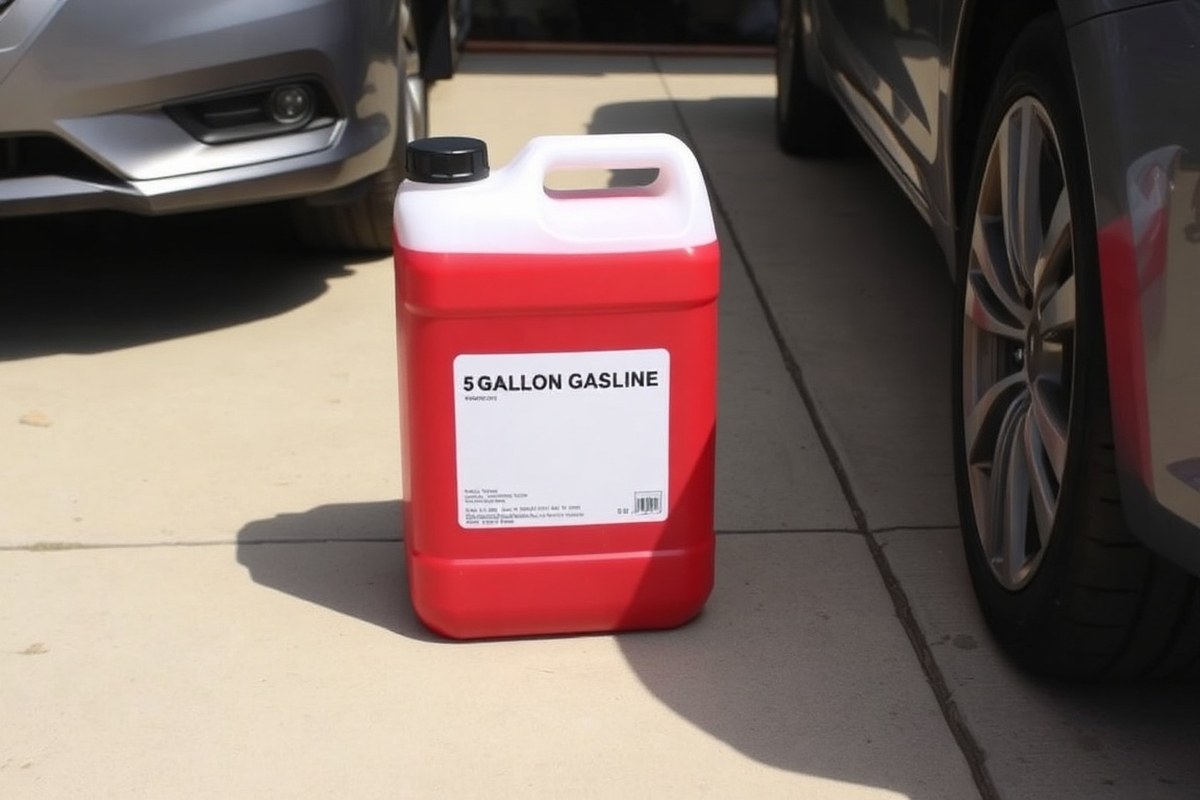
How Much Does 5 Gallons of Gas Weigh: A Clear Answer with Expert Tips
Five gallons of gasoline weigh about 30 to 32 pounds. The usual figure used is 31 pounds for most estimates. This weight varies with gasoline type and temperature.
Gasoline weighs less than water because it’s less dense. Water weighs about 8.34 pounds per gallon, so 5 gallons weigh over 41 pounds. Gasoline is roughly 25% lighter by volume.
Knowing the weight helps prevent strain when lifting full containers. Five gallons in a metal gas can can feel heavy after a short walk. Use a proper grip and keep the container close to your body.
Temperature affects gas weight as it expands when warm and contracts when cold. Gas blends like ethanol mixes can slightly change the weight. Keep these factors in mind when storing or transporting fuel.
Key Takeaways
- A single gallon of gasoline weighs roughly six pounds at 60°F.
- Five gallons usually weigh between 30 and 32 pounds, not exactly fixed.
- Gasoline blends cause minor changes in the total weight of fuel.
- Warmer temperatures lower gasoline density, reducing the weight per gallon.
- Five gallons of gasoline add about 30 pounds to your vehicle’s total weight.
- Five gallons of diesel weigh around 35 pounds, heavier than gasoline.
How Much Does 5 Gallons of Gasoline Weigh Exactly?
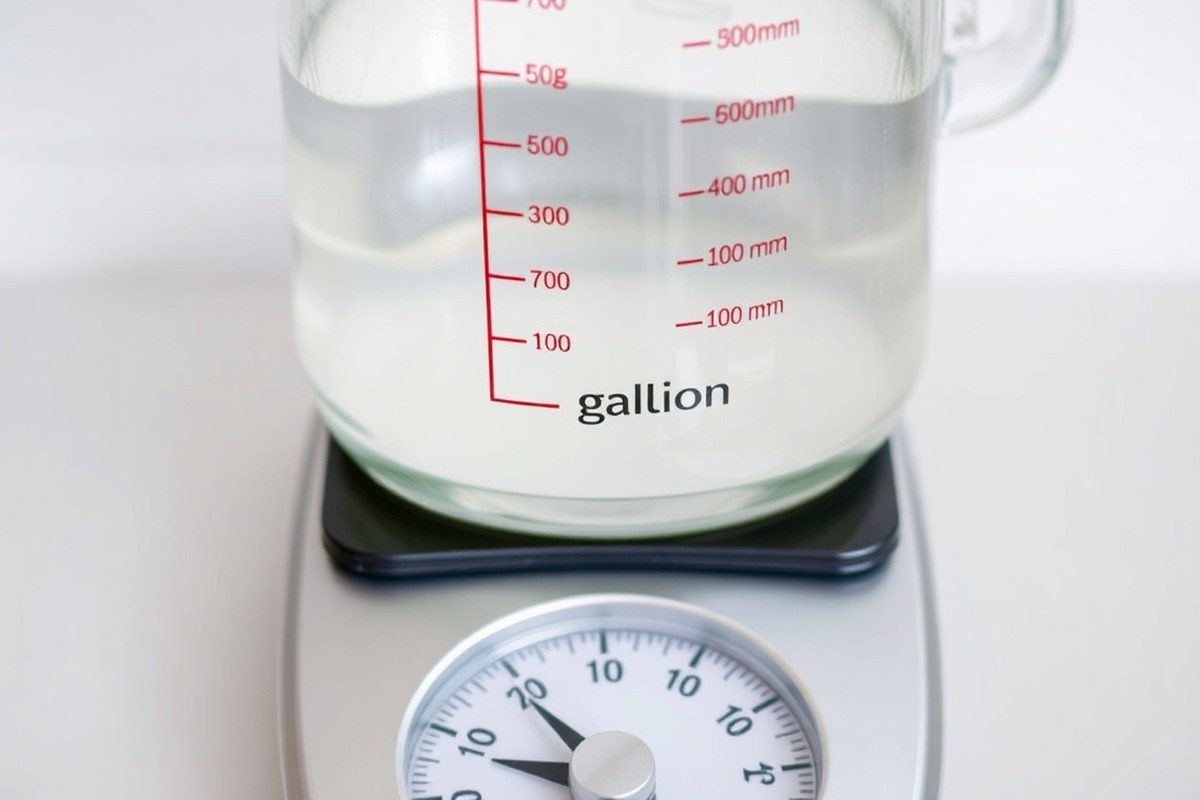
Five gallons of gasoline weigh about 31 pounds, or roughly 14 kilograms. This weight can vary a bit depending on the gasoline blend and temperature. A good working average is 6.1 pounds, or 2.77 kilograms, per gallon of regular unleaded gas.
To find the weight of 5 gallons, multiply the average weight per gallon by five. Using 6.1 pounds each, 5 gallons weigh 6.1 × 5 = 30.5 pounds. This falls neatly within the typical range of 30 to 32 pounds most people see.
Here’s a quick guide for gasoline weight by volume. One gallon of gasoline weighs about 6 pounds. Two gallons weigh around 12 pounds, while 5 gallons weigh close to 30 pounds.
These estimates help when planning fuel loads or carrying full gas cans. This rough math works for everyday needs without fussing over minor density differences.
How Fuel Type and Gasoline Blends Affect Gas Weight
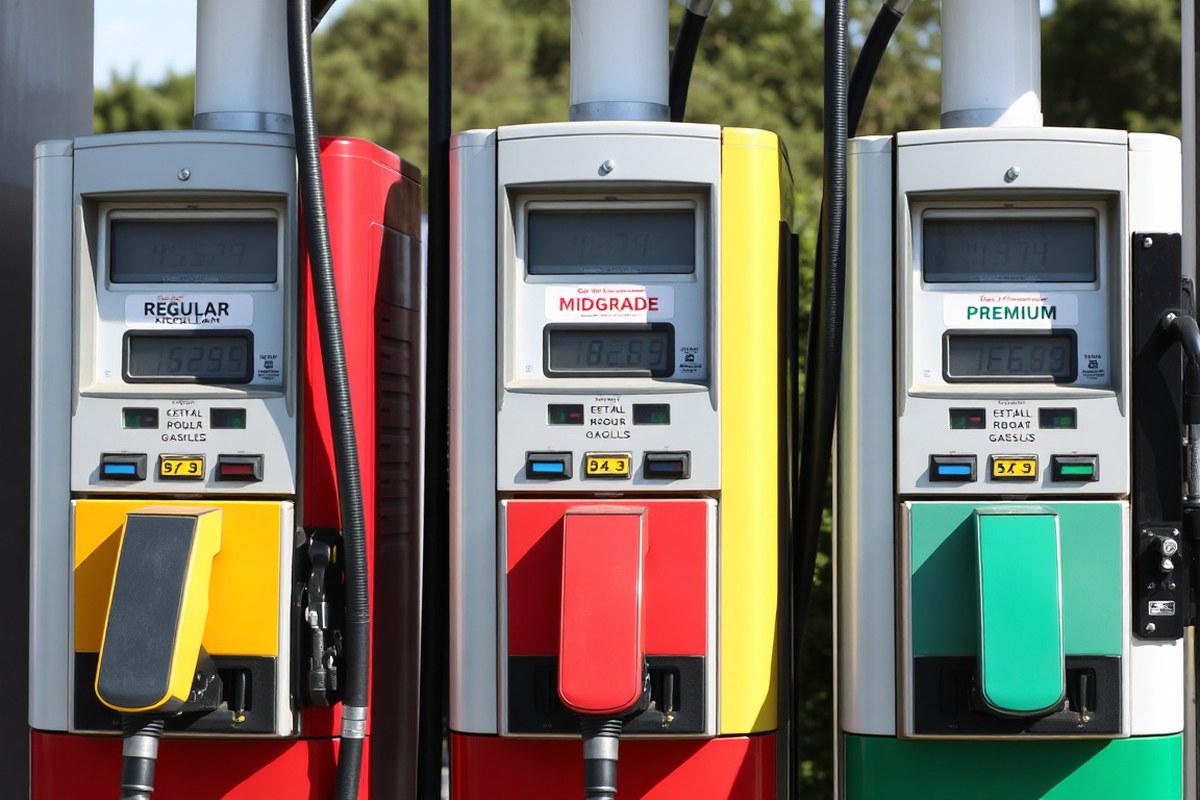
Gasoline weight changes slightly depending on grade and ethanol content. Premium gas tends to weigh a bit more than regular. Adding ethanol or using biofuels shifts overall density, changing weight for 5 gallons.
Regular, Midgrade, and Premium Gasoline Weights
Regular gasoline typically weighs about 6.1 pounds per gallon at 60°F. Midgrade gas adds a small range above that, about 6.1 to 6.2 pounds per gallon. Premium gasoline is heavier and can weigh from 6.1 up to 6.3 pounds per gallon.
The weight grows because premium has a slightly higher density and different additive mixes. These small density shifts affect the total weight of 5 gallons by around 0.5 pounds. This matters if you’re calculating a vehicle’s load or a fuel container’s weight.
Ethanol Blends and Their Impact on Density
Ethanol content, such as in E10 or E85 fuel blends, also changes gasoline weight. Ethanol weighs around 6.6 pounds per gallon, which is slightly heavier than regular gasoline. E85 blends can weigh between 6.5 and 6.6 pounds per gallon, noticeably heavier than pure gasoline.
Blending ethanol makes the fuel denser. But low-ethanol blends like E10 often weigh less than pure gasoline. The exact weight depends on the blend’s mixture.
This slight difference matters for measurements. The amount of ethanol matters: the higher the ethanol percentage, the more the weight increases. This weight shift is important for fuel calculations in flexible-fuel vehicles or when using biofuels.
Emerging Biofuels and Density Variations
Newer biofuels or drop-in fuels can differ in density from standard gasoline and ethanol blends. These fuels sometimes weigh more or less, depending on their chemical composition and additives.
For instance, biodiesel generally weighs more than gasoline. But regular gasoline is lighter compared to diesel or many biofuel variants.
Because biofuels vary widely, you should check specific density data when estimating fuel weight. This matters for logistics and vehicle fuel management.
Precise weight affects safety on the road. It also impacts how much cargo you can carry.
Here’s a table showing typical weights for different fuels measured at 60°F:
| Fuel Type | Weight Per Gallon (lb) | Weight Per Gallon (kg) |
|---|---|---|
| Regular Unleaded (E10) | 6.1 | 2.77 |
| Mid-Grade Gasoline | 6.1, 6.2 | 2.77, 2.81 |
| Premium Gasoline | 6.1, 6.3 | 2.77, 2.86 |
| E85 Ethanol Blend | 6.5, 6.6 | 2.95, 2.99 |
| Diesel Fuel | 6.9, 7.1 | 3.13, 3.22 |
Use this table to check the fuel weight you need. Adjust estimates based on the gasoline or blend you have. This helps calculate loads more accurately.
Premium or ethanol blends push the weight up slightly. Adjust calculations accordingly for accuracy.
Remember, ethanol blends can change gasoline weight more than small grade differences. So check fuel labels before estimating weight.
Why Temperature Changes Gasoline Weight
Gasoline weight changes with temperature because its density shifts as it warms or cools. Hot gasoline weighs less per gallon, while cold gasoline weighs more. You use 60°F as the standard temperature to compare and adjust gasoline weight measurements accurately.
Gasoline Density at Standard 60°F
The standard temperature for measuring gasoline volume and weight is 60°F (15.6°C). At this point, one gallon of gasoline weighs about 6.2 pounds. This standard helps gas stations give consistent volume measurements, regardless of weather.
This standard helps you estimate gasoline weight. For example, 5 gallons weigh about 31 pounds at 60°F. Using this baseline keeps load calculations accurate when storing or transporting fuel.
Effect of Higher Temperatures on Weight
Gasoline expands as it gets warmer, roughly 0.07 percent per degree Fahrenheit. This expansion lowers gasoline density, so it weighs less at higher temperatures. For example, gasoline at 90°F weighs about 1.8% less than at 60°F.
Calculating that for 5 gallons, the weight drops from 31 pounds at 60°F to about 30.4 pounds at 90°F. That 0.A 6-pound difference matters with strict weight limits. This happens in transport or heavy equipment fuel tanks.
Cold Weather Impact on Fuel Density
Lower temperatures make gasoline contract, increasing its density and weight. At 40°F, gasoline is about 1.4% heavier than at 60°F. So, 5 gallons at 40°F would weigh roughly 31.4 pounds.
Cold days make stored fuel weigh more. Warm days keep the fuel lighter.
Adjust fuel weight when loading vehicles or tanks. This keeps your measurements accurate.
How Gasoline Weight Compares to Diesel and Water
Diesel is noticeably heavier than gasoline. Each gallon of diesel weighs about 6.7 to 7.3 pounds. Gasoline is around 6.3 pounds per gallon.
Diesel weighs more than gasoline. This adds weight to your vehicle. That matters for fuel planning and payload limits.
Water weighs even more in comparison. A single gallon of water tips the scale at about 8.4 pounds, roughly 25 to 30 percent heavier than gasoline. Knowing this helps when comparing fuel weight to other fluids you might carry or store.
| Liquid | Weight per Gallon (lbs) | Weight for 5 Gallons (lbs) |
|---|---|---|
| Gasoline (typical) | 6.3 | 31.5 |
| Diesel #2 (average) | 7.0 | 35.0 |
| Water | 8.4 | 42.0 |
The weight differences affect how you calculate your vehicle’s carrying capacity. Truck drivers using diesel should add 10 to 12 pounds per 5 gallons.
This helps with accurate weight calculations. Knowing how much your fuel weighs helps avoid overloading and ensures better handling on the road.
Consider the weight of liquids you store or transport as well. Carrying five gallons of water adds about 10 pounds more than the same amount of gasoline. That matters when you load gear, especially for trips requiring precise weight limits.
Calculating Total Weight Added by 5 Gallons to Your Vehicle
Add 5 gallons of gasoline to your vehicle, and you add about 31 pounds. This change is small compared to most car weights.
But it does affect total load. Knowing this helps you estimate your vehicle’s weight more accurately.
For larger fuel tanks, multiply the gallons by roughly 6.2 pounds per gallon. Ten gallons add about 62 pounds. Fifteen gallons add 93 pounds.
Twenty gallons add nearly 124 pounds. Trucks and SUVs carry more total fuel, so this calculation matters more for them.
Here’s how you calculate the added fuel weight and its impact on your load capacity:
- Check your tank’s fuel capacity. Note it in gallons from your owner’s manual or fuel gauge.
- Decide how many gallons you plan to add. For example, 5 or 10 gallons.
- Use the weight conversion factor. Multiply gallons by 6.2 pounds per gallon.
- Calculate total added fuel weight. For 5 gallons: 5 × 6.2 = 31 pounds.
- Find your vehicle’s curb weight. This is the weight with no cargo or passengers but with fluids.
- Add the fuel weight to the curb weight. This shows the new total vehicle weight.
- Check the manufacturer’s maximum load capacity. Compare to your total weight after refueling.
- Adjust cargo or passenger loads if needed. Avoid exceeding safe limits for handling and fuel efficiency.
This method applies to all vehicles, from sedans to big trucks. For trucks and SUVs, heavy fuel loads affect handling noticeably, so it’s worth checking. Adding fuel weight changes how your vehicle rides and brakes.
Never exceed your vehicle’s gross vehicle weight rating. Extra fuel weight reduces available cargo space and impacts safety.
How Much Does a 5-Gallon Gas Can Weigh When Full?
A typical 5-gallon gas can weighs roughly 3 to 8 pounds when empty. Plastic cans usually weigh between 3 and 4 pounds.
Metal cans can weigh around 6 pounds. Heavy-duty containers may weigh up to 8 pounds due to extra reinforcements.
Gasoline itself weighs about 6.1 pounds per gallon. So, five gallons of gas will add approximately 31 pounds to the total weight. Adding the container’s weight, a full plastic gas can totals about 34 to 35 pounds.
Heavier metal cans add a couple more pounds, pushing the total close to 37 pounds. With a heavy-duty container, you might lift 39 pounds. This small difference can matter if you carry multiple cans or transport them frequently.
Carrying a 5-gallon full gas can means handling close to 35 pounds on average. This may feel heavier than expected if you’re not used to lifting that much. Use proper lifting techniques.
Bend your knees, keep your back straight. This helps prevent injury.
Secure the can during transport to prevent spills. Fasten the can upright and avoid sudden stops that may shift its weight. Keeping the container stable protects both you and your vehicle’s interior from fuel spills.
Choosing container type depends on your needs. Plastic cans are lighter and easier to carry but can be less durable.
Metal cans are tougher but add weight. In colder weather, metal cans can get cold to touch, influencing your grip.
Sometimes, an extra pound or two in container weight can add up on long trips. Think about how many cans you’ll carry and how far you must carry them. Handling near 40 pounds repeatedly may cause fatigue faster than lighter setups.
Always check the container’s label for exact weight specifications. This helps avoid surprises if you manage weight limits or load planning. Carrying multiple full 5-gallon cans needs care.
Lift carefully or use a cart. A dolly also works well.
Safety Tips for Carrying and Storing 5 Gallons of Gasoline
Carrying and storing 5 gallons of gasoline requires care to avoid spills, fires, and accidents. Gasoline weighs about 31.5 pounds for 5 gallons.
So choose containers that can handle this weight safely. Never use old or damaged containers, as they might leak or not seal properly.
Keep gasoline containers in a well-ventilated area away from heat or open flames. Store containers on a flat surface. Keep them out of direct sunlight.
This helps reduce pressure inside the can. Make sure the container has a tight, approved cap to prevent vapors from escaping.
- Use only approved gasoline containers marked for fuel storage.
- Fill containers slowly to reduce static electricity risks.
- Store gas cans outside or in a well-ventilated shed, not inside your home.
- Keep away from pilot lights, heaters, or anything that could spark.
- Label your containers clearly to avoid confusion with other liquids.
- Transport containers upright and secure them to avoid tipping or leaks.
- Never fill gasoline containers inside a vehicle or on a truck bed without proper ventilation.
When moving 5 gallons of gas, hold the container firmly and keep it upright. Avoid overfilling to leave space for expansion, especially in warm weather.
Carry gas cans in your vehicle’s trunk or truck bed with proper ventilation. Avoid tight or enclosed spaces to reduce fire risk.
In an emergency, use gasoline carefully and store only what you need. Gasoline degrades over time, usually within a few months. So avoid keeping large amounts for long periods.
Use your old gas first. Then replace it with fresh fuel. This keeps your supply effective and safer for your engine.
Common Misconceptions About Gasoline Weight Explained
Gasoline does not always weigh exactly 6 pounds per gallon. The weight can change slightly depending on the gasoline type and temperature. For example, regular 87-octane gas typically weighs around 6.07 pounds per gallon at 60°F. Premium gas with higher octane can weigh about 6.15 pounds per gallon.
People often think that hot gasoline weighs less due to evaporation or expansion. While gasoline does expand when heated, this mostly changes its volume, not its mass. A gallon of hot gas weighs about the same as cold gas.
The difference is the gas takes up more space. Heat makes the volume larger but not the weight. Gasoline volume changes with temperature, which can confuse you at the pump.
What looks like more gas might actually weigh less. Always consider temperature when measuring fuel volume. But not the actual weight.
Ignoring container weight is a common mistake when calculating gasoline weight. Five gallons of gas weighs about 30 pounds. But the full weight will be higher if you include the gasoline can.
A typical 5-gallon gas can may add 6 to 10 pounds, depending on its material. Always subtract the empty container’s weight before calculating the gasoline’s true weight.
Another myth is that gasoline loses weight after sitting for a while. Gasoline can lose some volatile compounds over time if stored improperly, which may reduce weight slightly.
However, this process is slow and usually minimal. Gasoline stored in a sealed container maintains nearly the same weight for months.
Measurement differences at the pump can also cause confusion. The pump measures volume, not weight, and the volume can change with temperature. Five gallons of gas on a hot day shrink when cooled and weigh more.
Heat causes gas to expand, so cooled gas is denser. The weight changes even if volume stays the same. Fuel weight changes with temperature and gas mix.
Use temperature and gas blend data for exact weight calculations. This helps you get precise fuel measurements every time.
Weigh your gasoline only if you know the container’s weight first. Use the container’s tare weight to avoid mistakes in fuel weight. Mark the tare weight clearly when possible.
Tools and Formulas to Calculate Gasoline Weight Accurately
You can calculate gasoline weight by multiplying its volume by density. Density changes with temperature and ethanol content, so you have to adjust. Reliable density values come from fuel data sheets or standard reference tables.
Basic Gasoline Weight Formula
Gasoline weight depends on volume and density. You can find it using this formula: weight = volume × density.
Gasoline density is often given in pounds per gallon (lb/gal) or grams per milliliter (g/mL). To get weight in pounds, use the density in lb/gal.
For a quick reference, average gasoline weighs about 6.2 pounds per gallon under typical conditions. You multiply that by the number of gallons for a rough weight estimate.
- Measure the gasoline volume in gallons.
- Find the gasoline density in pounds per gallon.
- Multiply volume by density to get weight in pounds.
For example, 5 gallons × 6.2 lb/gal = 31 pounds of gasoline.
Adjusting for Temperature and Ethanol Content
Gasoline density drops as temperature rises because liquids expand. It also varies with ethanol content because ethanol weighs less than pure gasoline. A gallon of gasoline can weigh between 5.8 and 6.5 pounds depending on these factors.
Fuel suppliers use temperature compensation methods, adjusting volume or density for ambient temperature. You can apply this by correcting density using a temperature reference table or formula. For small volumes, small temperature changes affect weight less but still matter for precise work.
Here’s a quick rule: lower temperature means higher density and weight. Higher temperature means lower density and weight. Adjust density by checking the fuel’s temperature against standard 60°F values.
Finding and Using Accurate Density Values
Accurate density values are available in fuel data sheets or industry reference tables. The U.S. Energy Information Administration (EIA) and ASTM publish common density ranges for different gasoline grades. Look for values near your fuel’s ethanol content and temperature.
The table below shows typical gasoline densities and weights per gallon at around 60°F. Use these as a baseline when exact data isn’t available.
| Gasoline Volume | Approximate Fuel Weight |
|---|---|
| 1 gallon | 6.2 lb |
| 2 gallons | 12.4 lb |
| 5 gallons | 31 lb |
| 10 gallons | 62 lb |
| 20 gallons | 124 lb |
To calculate weight precisely, follow these steps:
- Identify the gasoline volume to convert.
- Find the density for your fuel grade and ethanol level.
- Check the storage or ambient temperature of the gasoline.
- Adjust the density based on temperature, using a reference chart.
- Multiply the adjusted density by the volume to get weight.
Your Step-by-Step Guide to Managing 5 Gallons of Gasoline
Follow these steps to handle 5 gallons of gasoline safely and know exactly what it weighs. This will help you plan your vehicle load and storage correctly.
- Before you start: Check the fuel type and blend of your gasoline. Use the density info to estimate its weight accurately.
- Day 1: Measure the temperature of the gasoline. It affects the weight, so record it for precise calculations.
- Day 2: Weigh your empty gas can. Write down the number to find the full weight later.
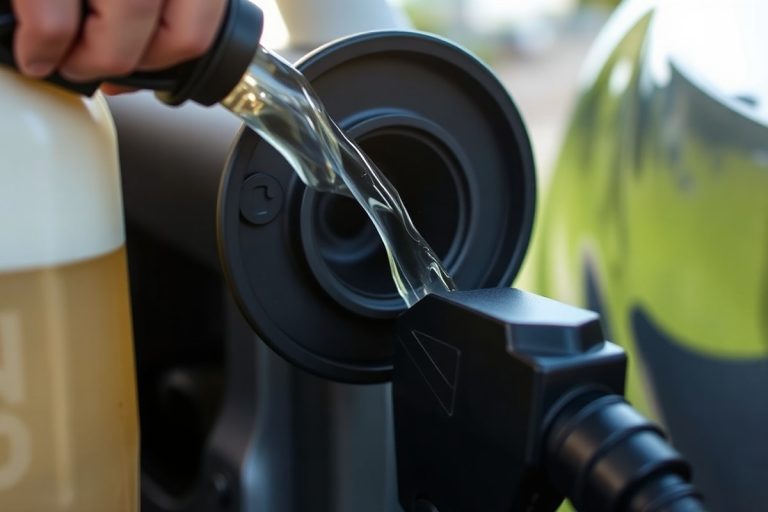
- Day 3: Carefully fill the gas can with 5 gallons of gasoline. Avoid spills and secure the lid tightly.
- Day 4: Weigh the filled gas can on a reliable scale. Subtract the empty can weight to get the gasoline weight.
- Week 1: Check how the added fuel weight affects your vehicle’s load limits. Adjust cargo or passengers accordingly.
- After 2 weeks: Keep the gasoline in a cool, well-ventilated area. Check the gas can for any leaks or damage often. Make sure the storage spot is dry and away from heat sources.
- Ongoing: Use the weight data every time you transport fuel to avoid overloading or unsafe handling.
Frequently Asked Questions
How Much Does 5 Gallons of Gas Weigh?
Five gallons of gasoline weigh about 30 to 32 pounds. This depends on factors like the gasoline’s temperature and blend.
How Much Does 10 Gallons of Gasoline Weigh?
Ten gallons of gasoline weigh roughly 60 to 64 pounds. You can think of it as twice the weight of 5 gallons. The exact weight depends on the fuel type.
How Does Temperature Affect the Weight of 5 Gallons of Gasoline?
Warmer gasoline weighs slightly less than cold gasoline. The weight changes due to expansion or contraction caused by temperature differences.
Can the Weight of 5 Gallons of Gas Impact Vehicle Mileage?
Yes, carrying an extra 30 pounds of gasoline affects fuel efficiency. The added weight can cause your vehicle to burn marginally more fuel.
Is It Safe to Carry 5 Gallons of Gasoline in a Car?
It’s generally safe if you use approved containers and secure them properly. Avoid exposure to heat and keep them upright to prevent spills.
Wrapping Up
Five gallons of gasoline weigh about 30 to 32 pounds, depending on the blend and temperature. Knowing this weight helps you manage fuel safely and avoid overloading your vehicle. Begin by weighing your empty gas can first.
Fill it with 5 gallons of gas. Then weigh it again to get the exact weight for your case.


One Comment