How Long Do Track Meets Last? A Complete Guide to Typical Durations and Planning
How long do track meets last depends on the type of meet you attend. Smaller local meets usually take about 3 to 4 hours.
Bigger events can run between 2 and 8 hours. Multi-day meets stretch over several days but each day typically lasts 6 to 7 hours.
Track meets don’t have a fixed duration because many factors affect the timing. These include the number of events, participants, and delays during races. Get to the meet at least 45 minutes before your event.
Look for the royal blue tents once you arrive. Use them to check in quickly and smoothly.
Expect some waiting, especially if races start late or many competitors are involved. Avoid asking for exact end times days earlier because meet timing often changes. Plan for the meet to take longer than the scheduled time, just in case.
Key Takeaways
- Local track meets generally last 3 to 4 hours.
- Standard track meets can run anywhere from 2 to 8 hours.
- Multi-day events usually hold 6 to 7 hours of competition each day.
- Arrive at least 45 minutes before your first event to check in.
- Look for royal blue tents as a meeting and registration point.
- Expect some delays and waiting between events during the meet.
How Long Do Track Meets Typically Last?
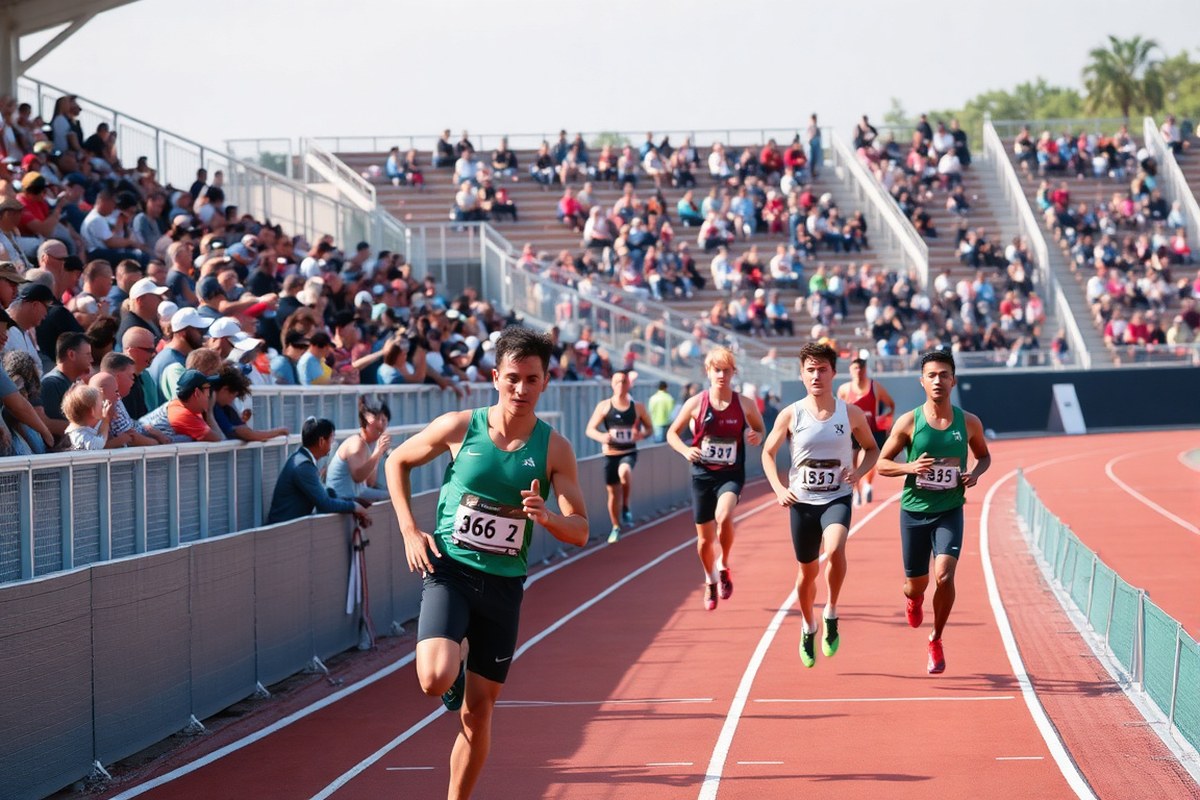
Track meets usually last between 3 and 4 hours for most local and high school competitions. These are the typical length because they include multiple events but on a tight schedule.
You should expect a meet to start in the morning. It often begins in early afternoon, then ends before evening.
Larger meets run longer, like conference or regional championships. They usually last 5 to 8 hours.
These meets have more athletes and events, so the schedule stretches out. The meet usually begins by 8:30 a.m. And may wrap up by mid to late afternoon.
At the highest levels, such as professional or multi-day track meets, events can span several days. Some meets run all day or several days.
High school relays and national endurance events can last 12 hours or more. These are not typical but show how big track meets can get.
Most track meets follow a rolling schedule, so events run back to back. This approach helps keep the meet moving quickly. However, you won’t know exactly when your athlete’s event will start until the meet progresses.
Because each track meet varies by size and organization, the total runtime can differ widely. Delays due to weather, injury, or equipment issues may add time. But usually, the meet finishes in one day unless it’s specifically organized to last longer.
Plan to stay at least 3 to 4 hours at typical meets. Bring water, snacks, and layers since the weather can change. For larger meets, prepare for a full-day commitment, arriving early and staying until the last event.
What Factors Influence Track Meet Duration?
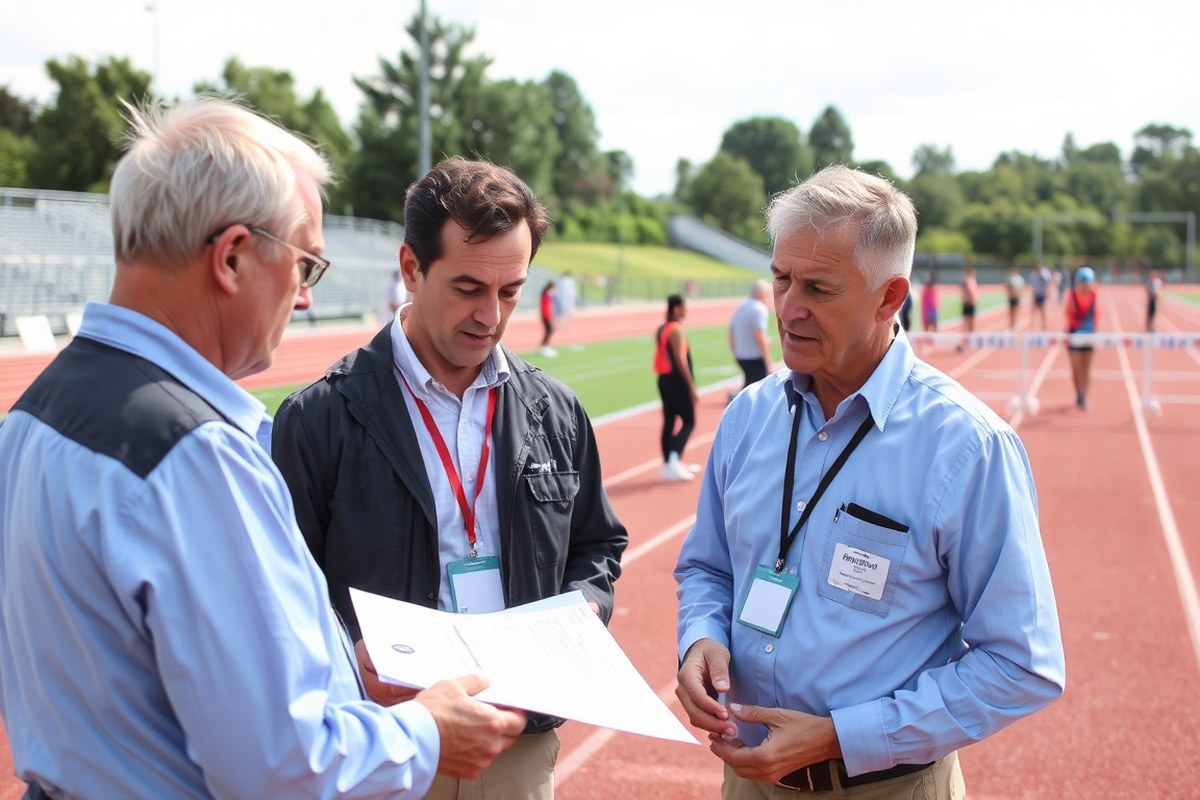
The number of events in a track meet greatly affects how long it lasts. Each event takes time for setup, competition, and allowing athletes to warm up. More events stretch out the schedule, sometimes by hours.
Large meets add rounds that take extra time. This makes the whole event last much longer.
How many athletes compete also changes timing. More participants require heats or qualifying rounds, adding to the total length. A meet with 19 schools can run very late.
Each event needs room for all runners or throwers. This setup takes extra time to fit everyone in.
Outdoor meets depend heavily on weather. Rain, heat, or wind can delay events or cause breaks for safety reasons. Delays make the meet go longer than planned.
They also disrupt the event’s smooth flow. Fixing equipment after events causes some delays too.
Meet schedules include buffer times between events for transitions and athlete recovery. Organizers plan these carefully but unexpected things like equipment malfunction or late arrivals slow things down. Efficient planning helps but can’t prevent all delays.
Be prepared for delays by arriving early and bringing snacks and water.
The scale of the meet defines many factors. Small local meets might finish in a few hours.
But international or multi-day events include opening ceremonies and cultural activities that extend the timeline. Each day at a larger meet typically lasts 6 to 7 hours.
Lastly, the level of competition plays a role. High-level meets take more time to complete. They have several rounds for athlete qualification.
Breaks are also included for athlete rest. Every factor, from event count to weather, adds minutes and sometimes hours to the total.
Differences Between Short and Long Track Meets
Short track meets usually last a few hours or a single day. They focus on a smaller number of events, often on specific disciplines. This allows athletes to compete without long waits between events.
Long track meets often last for several days. They usually happen at higher levels like regional or national championships.
These meets include many events and require more planning for scheduling. Athletes and coaches should expect breaks and time to rest between sessions.
Large multi-day meets organize events to balance athlete recovery and smooth flow. Sprints, middle distances, and field events are scheduled across different days or sessions. This avoids overcrowding and helps keep the meet on time.
| Meet Type | Typical Duration | Event Focus | Scheduling |
|---|---|---|---|
| Short Meets | Half-day to 1 day | Limited events, specific disciplines | Condensed schedule, minimal breaks |
| Long Meets | 2 to 4+ days | Full event range, all disciplines | Spread events, planned breaks |
| Multi-Day Championships | 3 to 7 days | Qualifiers, finals, full program | Session-based, recovery prioritized |
For example, local meets commonly fit into one day with fewer events. State championships could take two or three days with more heats and finals. National-level meets might last several days and include morning and evening sessions.
At major meets, you should expect scheduled times for warm-ups and cool-downs. Organizers balance event density to avoid fatigue. This results in a more predictable and fair competition for athletes.
How Multi-Day Track Meets Are Structured and Timed
Multi-day track meets usually run from 2 to 4 days. Each day lasts about 6 to 8 hours, with events spread out to manage many athletes.
Most athletes compete for only 1 or 2 days. They attend for a few hours each day.
Typical Daily Schedule of Events
Each day starts with warm-ups and the easiest events. The day then moves from preliminary heats to finals, with events arranged by age and gender. Sprints like 100m and 200m happen quickly, while longer races are scheduled later.
Events often run from youngest to oldest athletes, alternating girls then boys. This helps manage large groups and keeps the schedule balanced. Organizers schedule breaks and awards during the meet.
These add to the total time. The event lasts about 6 to 8 hours.
Athlete Arrival and Warm-Up Recommendations
Athletes should arrive at least 45 minutes before their first event. This time covers warm-up, stretching, and familiarizing themselves with the track. Warming up properly helps avoid injuries and improves performance.
Plan arrival based on the event schedule and any check-in times. Athletes stay only for their events.
This usually takes 2 to 3 hours on busy days. Coaches usually provide schedules to help with timing.
Rest and Recovery Tips Between Competition Days
Rest is key between meet days. Athletes should get 8 to 9 hours of sleep each night and stay hydrated. Eating balanced meals supports energy and muscle recovery.
Light stretching or easy jogging can reduce stiffness without causing exhaustion. Avoid heavy training during rest days to be fresh for the next competition day. Use breaks to mentally prepare and review event plans.
To manage your day at a multi-day track meet, follow these steps:
- Check the official meet schedule online or from your coach.
- Note the times for your events and any team meetings.
- Plan to arrive at least 45 minutes before your first event.
- Warm up with stretching, jogging, and drills based on your event.
- Compete, then cool down with light movement and hydration.
- Track your progress and communicate any issues to your coach.
- Rest well at night, eating balanced meals and hydrating.
- Prepare mentally and physically for the next day’s events.
Extreme Track Meets: The Longest Race Events
Ultra-long track meets stretch far beyond typical race lengths. They run continuously, sometimes for 12, 24, 48 hours, or even up to 6 days straight. These races test endurance unlike other events.
Athletes run laps on a 400-meter track. This repeats many times during the race.
These races differ from regular meets because they don’t have fixed distances per event. Instead, athletes aim to cover as much ground as possible within the time limit. Organizers plan support crews for these events.
Hydration stations are set up around the track. These help runners keep their pace long.
| Event | Duration | Track Setup | Typical Distance Covered |
|---|---|---|---|
| 12-Hour Race | 12 hours | Continuous laps on 400m track | Up to 100+ miles |
| 24-Hour Race | 24 hours | Running nonstop on track | 100-160 miles |
| 48-Hour Race | 48 hours | Same loop, with short breaks | 160-300 miles |
| 6-Day International Track Race | 144 hours (6 days) | Continuous laps, timed rest allowed | 350+ miles |
Most ultra events happen on standard 400-meter tracks. Athletes circle the track repeatedly, which means lap counting and timing systems need to be precise. Support staff track every lap to log exact distances, meal breaks, and medical checks.
Long events also require careful race management. Organizers set up designated zones for changing shoes, getting massages, and refueling. Runners must pace themselves to avoid early burnout.
They aim to cover maximum distance safely. The races last for hours or days.
Be ready for long waits before starting. Sometimes races delay up to 10 minutes or more at the line.
These ultra-long meets demand physical and mental stamina unlike typical track races. These races extend beyond normal competition lengths. The track becomes a tough endurance test.
Athletes face a grueling physical challenge. Proper preparation and focus on hydration and rest become key for success in these events.
How to Estimate Your Athlete’s Time at a Track Meet
To estimate how long your athlete will be at the meet, first check their events. Then, note their age group. This helps narrow down their schedule.
Then check the meet schedule for timing cues and add buffer time for delays. These steps help you plan arrival and departure times more accurately.
Identifying Your Athlete’s Events and Group
Look at the list of events your child is entered in and note the age group. Age groups follow the year your child was born, not their exact birthday. For example, a 12-year-old who turns 13 in December competes as a 13-year-old in AAU meets.
Track meets schedule events by age groups, starting with younger athletes. Events like the 100 meters or 400 meters usually include almost all age groups.
Hurdles or long-distance may have restrictions. Knowing your child’s age group and event narrows the timing window.
Using Schedule Calls and Meet Communications
Meet schedules sometimes list estimated start times for events or call athletes to the staging area. These announcements give a better idea of when your athlete competes. Check for online updates or printed schedules at check-in since times frequently shift during the day.
Many meets run late. Plan for your athlete to compete 30 minutes to 1 hour past the scheduled time. This avoids surprise delays.
Stay flexible and near the event area to avoid missing their slot. Coaches often get updates on delays and adjusted start times.
Planning Buffer Time for Delays or Multiple Events
Add extra time to your plans since 9 out of 10 meets finish behind schedule. Add 30 minutes to 1 hour as a buffer to the planned start and finish times.
This gives extra time for unexpected hold-ups. This covers slow running, many athletes, or unexpected delays.
Your athlete running multiple events means longer wait times between attempts. Expect this to lengthen their time at the meet.
Multievent athletes should plan to be at the meet for several hours. Arrive early and bring activities or snacks to stay ready throughout the day.
Common Reasons Why Track Meets Run Longer Than Scheduled
Track meets often run longer than planned because of several common delays. Weather changes like rain or wind can pause events to keep athletes safe. Officials may need extra time to handle protests or check results, adding to the delay.
Another big cause is athletes arriving late or warming up longer than scheduled. These moments push back the start of races, especially at meets with many events. It’s normal for large meets to fall 45 minutes behind schedule during the last two hours.
Equipment problems also slow things down. Timing systems or hurdles may need fixing or resetting between runs. When this happens, meet workers try to fix issues quickly to avoid long breaks.
Organizers use several ways to keep things moving. They plan breaks that match the heat of the day to reduce athlete fatigue. Events don’t always run smooth.
Organizers must adjust by cutting warm-up times. They may also shorten breaks to stay on schedule. This helps save time while keeping safety in mind.
Sometimes, multiple events happen at once on different parts of the track. This can speed the meet but also means a little waiting as officials switch focus. To get ahead, announcers update the crowd and coaches regularly.
Dead time happens when officials wait for one event to finish before starting the next. Meets with many heats or rounds need to space events to prevent overlap.
When a meet is running late, you might see fewer events. Sometimes they run straight finals to catch up.
Misplaced athletes or missing runners cause extra waiting. Organizers advise coaches to check line-ups early and confirm who is ready. With good teamwork, these issues drop, keeping the meet on track as much as possible.
Even with careful plans, delays can stretch a meet by one to two hours. Shorter meets avoid problems by limiting events. They also limit the number of athletes.
This fits better with limited resources. Plan to stay at least an hour past the posted end time. This protects you in case the meet runs late.
What to Expect on Meet Day: Arrival to Final Event
Pre-Meet Arrival and Check-In
Arrive at the track meet at least one hour before your athlete’s first event. You’ll need time to find parking and pay the entry fee. It usually costs about $5.
Then find your team’s area or the event tents. Search for royal blue tents or uniformed staff for check-in and directions.
After paying, your athlete should check in at the assigned area to confirm participation. This helps meet officials organize heats and lanes. Missing check-in can delay your athlete’s event or cause disqualification.
Event Warm-Ups and Calls
Athletes generally start warming up after arriving and checking in. Use open areas or designated warm-up zones for light jogging and dynamic stretches. This reduces injury risks and improves performance.
Events follow a steady order at the meet. Field events go first. Then long distance races, followed by sprints, hurdles, and relays last.
Listen carefully for calls telling athletes to report. Your athlete should be at check-in or near the field official when called.
This prevents missed turns. Being early helps keep things smooth.
During-Event Pacing and Breaks
Expect long waits between events, especially if your athlete competes later in the meet. Some events run concurrently, but sprints and relays can add extra downtime. Bring snacks, water, and something to keep your athlete’s focus sharp during breaks.
Meet schedules rarely align perfectly with spectators’ convenience. Expect to spend up to eight hours at the meet. Your athlete might only compete in a few events.
The rest of the time fills with waiting and watching. Short meets might finish sooner, but most days last several hours.
Post-Event Procedures and Departure
After finishing, your athlete will cool down. They then report results to a coach or official. This is standard after every event.
Some meets present awards immediately after events. Others hold podium ceremonies or a final award session later. Check the schedule for award timing.
Once your athlete’s events are complete, gather gear and confirm any closing details with coaches. Departing promptly helps avoid congestion at parking and exit points. Staying after awards is optional but adds to the meet experience.
Always have your athlete near the call area at least 10 minutes before their event.
Tips for Managing Time During Long Track Meets
Plan for long waits by bringing chairs, blankets, and shade. Sitting too long on hard ground can lead to aches and tired muscles. Being ready with a portable chair or umbrella adds comfort during hours between events.
Pack snacks rich in protein and carbs to keep energy steady. Items like trail mix, fruit, and granola bars work well.
Avoid heavy meals that can cause sluggishness. Hydrate frequently with water to replace sweat, especially on warm days.
Keep a small bag with sunscreen, a hat, and a change of clothes. Weather at meets can shift quickly.
Sunscreen prevents sunburn during sunny intervals. Light layers help you adjust as temperatures rise or fall.
Support athletes by staying positive and patient. Long meets test both physical and mental endurance.
Offer encouragement during breaks and avoid criticizing delays or waiting. This helps them stay focused and calm.
Bring entertainment like books, quiet games, or music with headphones. Long breaks can feel boring without something to do quietly nearby. Keeping your mind engaged prevents frustration and restlessness at the venue.
Check event schedules carefully before arriving. Knowing approximate start times helps plan meals, warm-ups, and rest.
Online meet programs or apps often provide real-time updates. This can reduce stress and make downtime more productive.
Set up a designated spot to gather with team members or family. This gives everyone a chance to regroup and warm up before races.
It also prevents losing athletes in crowded areas. Consistent locations help coaches, parents, and athletes stay organized.
Bring basic first aid supplies like band-aids, cold packs, and blister treatment. Minor injuries can happen during long meets, especially on asphalt or uneven terrain. Quick treatment keeps athletes comfortable so they can focus on events.
Dress in layers using moisture-wicking fabrics to stay dry and warm between events. This helps muscles recover faster and reduces chill from sweat evaporation. Avoid cotton, which traps moisture and can cause cold discomfort.
Be flexible and patient; delays happen often at meets. Extra time for field event setups or race disputes can stretch the schedule. Having a calm attitude is best for handling unexpected wait times without stress.
Your Track Meet Day: Quick-Start Action Plan
Use this simple plan to keep your day running smoothly at the track meet. Stick to the schedule and watch how your time management improves.
- Before the Meet: Check the meet schedule and note your athlete’s events. Confirm arrival time and parking details to avoid delays.
- Arrival Time: Get to the venue at least 30 minutes early. This gives your athlete time to warm up and settle in calmly.
- Warm-Up Phase: Spend 15-20 minutes warming up before the first event. A good warm-up helps prevent injuries and boosts performance.
- Between Events: Use breaks to hydrate and relax. Plan snacks or quiet time, so your athlete stays energized but not tired.
- During Longer Delays: Bring entertainment like a book or music. It helps pass the time if events run behind schedule.
- Post-Event: Cool down with light stretching and review performance briefly with your athlete. It aids recovery and focus for next events.
- End of Meet: Celebrate the effort regardless of results. Check the final schedule to see if any awards or closing ceremonies require staying late.
Frequently Asked Questions
How Long Does a Typical High School Track Meet Last?
A typical high school track meet runs between 3 and 5 hours. Expect many events with breaks, so bring snacks and plan for the full day.
What Time Do Most Weekend Track Meets Start?
Most weekend track meets start early in the morning, around 8 a.m. Plan to arrive early for warm-ups and registration.
How Much Downtime Is There Between Events at a Track Meet?
There can be 10 to 20 minutes downtime between events for setup and scoring. Stay nearby so you don’t miss your athlete’s event.
Do Relay Races Affect the Overall Length of a Track Meet?
Relay races add extra time but usually only 20 to 30 minutes total. They are exciting, so many parents stay to watch these highlight events.
Are There Breaks During Long Track Meets?
Yes, longer track meets often have scheduled breaks for athletes and officials. Use these breaks to rest or grab a snack to stay energized.
The Bottom Line
Track meets usually last two to four hours. Some events take longer. The total time depends on the schedule.
Planning ahead helps you manage your day well without stress. Start by checking the schedule today and preparing your gear early.