
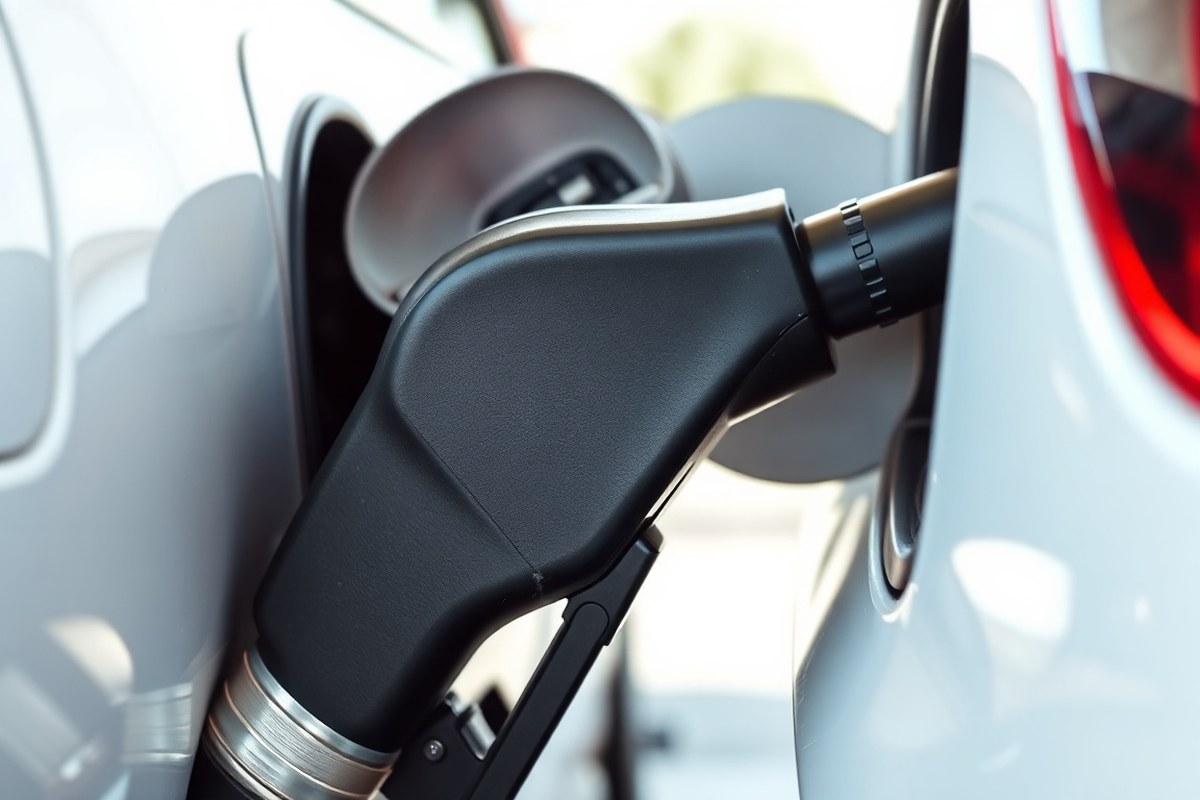
What Happens If You Overfill Your Gas Tank: Risks, Repairs, and Prevention
Overfilling your gas tank mainly causes fuel evaporation. It also can damage your car’s emission system. Filling past about 95% leaves no space for fuel to expand.
This can push liquid gasoline into the vapor recovery system. This can flood the charcoal canister, leading to costly repairs and a check engine light.
This flooding clogs the charcoal canister, which traps fuel vapors. When saturated, the system cannot control emissions properly.
Repairing or replacing this part often costs hundreds of dollars. That makes overfilling an inexpensive mistake to avoid.
Also, excess fuel can cause the engine to run rich briefly. This may reduce fuel efficiency and cause rough idling. Over time, repeated overfilling can affect sensor readings and trigger EVAP system error codes.
Stop pumping once the gas nozzle clicks off to prevent overfill. Avoid topping off, even if the pump seems slow. Watch for warning lights or fuel smells, which signal potential problems needing prompt checks.
Key Takeaways
- Stop fueling immediately when the pump clicks the first time.
- Never top off after the automatic shut-off activates.
- Check the dashboard for a check engine light after refueling.
- Scan for OBD-II trouble codes if the check engine light stays on.
- A flooded charcoal canister can cost $300 to $800 or more to replace.
- Driving 25 miles at highway speed can help clear minor fuel system issues.
What Happens Immediately When You Overfill Your Gas Tank
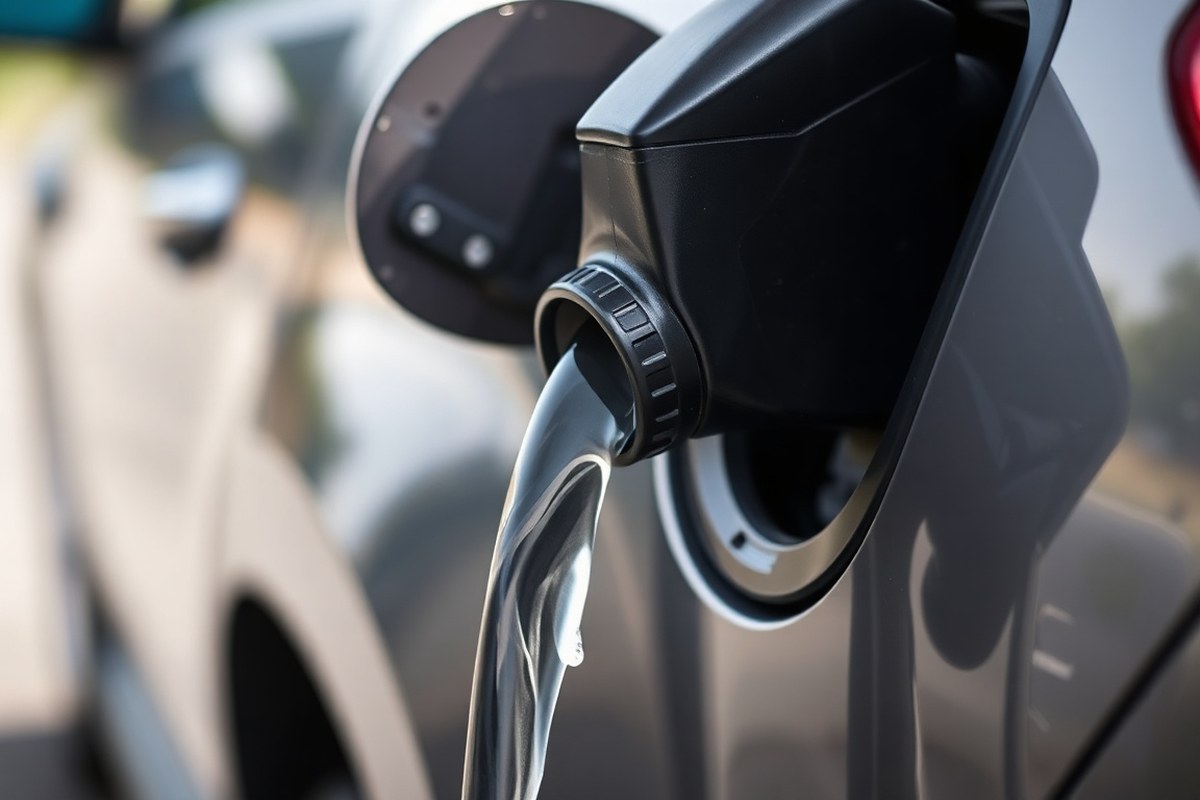
When you overfill your gas tank, extra fuel can build up in the filler neck. The tank holds a set amount of gasoline. It leaves space for fuel to expand.
This space prevents overflow during changes in temperature. Filling beyond that space forces liquid gasoline where it shouldn’t go, increasing the risk of spills.
The gas pump nozzle has an automatic shut-off mechanism. It detects when fuel flow backs up in the filler neck. This causes a click sound.
The click stops the pump from pumping more gas. This system helps prevent overfilling by stopping the flow once the tank reaches its safe capacity.
Despite this, overfilling can still happen if you continue pumping after the shut-off clicks. Gasoline can spill out if you press the nozzle handle again. This happens after the pump automatically stops.
Pressing the handle too soon causes spills. Spills stain the vehicle and ground, creating fire and environmental hazards.
Immediately after overfilling, your car’s fuel system can feel pressure from the excess liquid fuel. A small amount of fuel might seep back into the tank. This can occur if you stop the engine.
Waiting a few minutes lets the fuel settle. Leaving the vehicle off helps settle any gasoline trapped near the opening to prevent leaks later.
The automatic shut-off usually prevents significant spills. But if excess fuel remains in the neck, sealing the cap traps vapor pressure.
This pressure can cause fuel leaks through seals or the gas cap if it escapes later. Cold weather makes leaks more likely because fuel contracts and creates vapor buildup.
How Overfilling Affects Your Vehicle’s EVAP Emission Control System
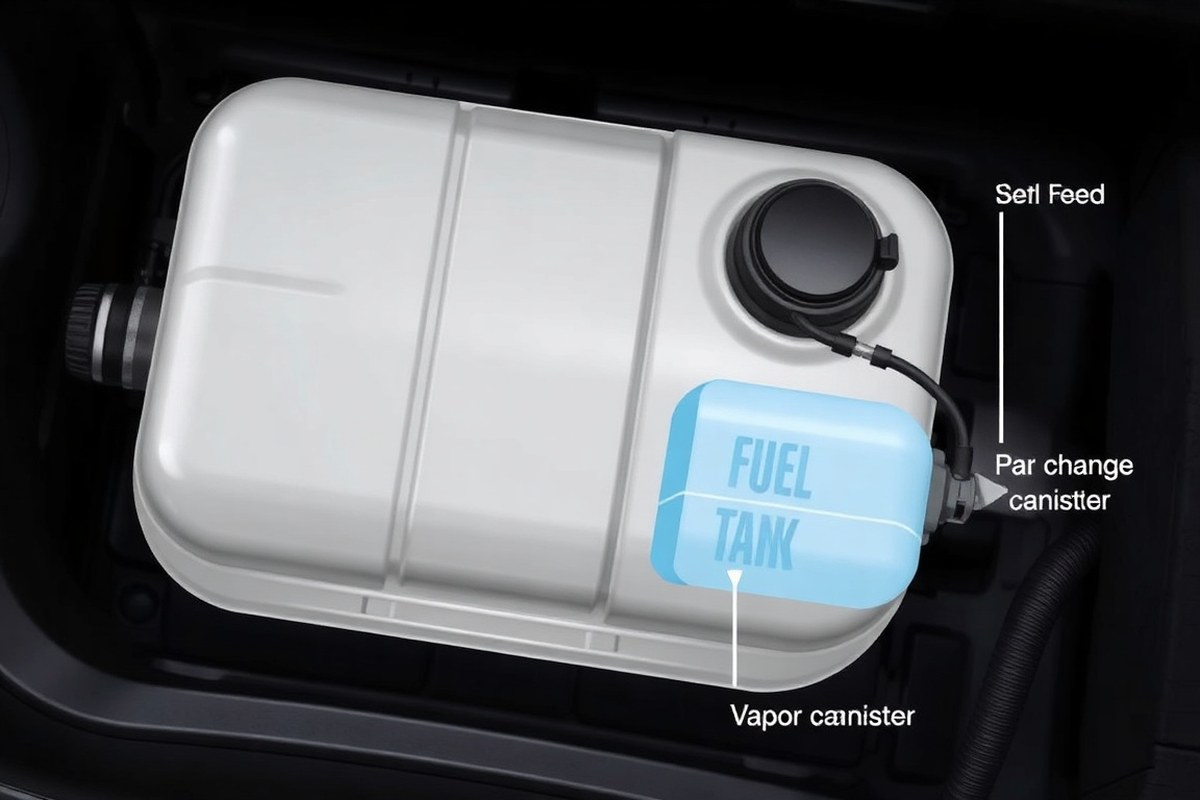
Your car’s EVAP system captures fuel vapors from the gas tank. It uses a charcoal canister filled with activated carbon to trap these vapors. This process helps reduce harmful hydrocarbon emissions and prevents fuel smells from escaping into the air.
Overfilling your gas tank pushes liquid gasoline into the EVAP system. When this happens, the charcoal canister can soak up fuel instead of just vapors. Saturation damages the canister’s ability to trap vapors and may cause fuel leaks or system errors.
When the charcoal canister fails, your vehicle’s emissions rise sharply. Your car might show a Check Engine Light with codes like P0442. These codes mean there is a problem with the EVAP system.
The EVAP system controls gas fumes in your car. Driving with a damaged canister also risks fuel spills and costly repairs.
Replacing a charcoal canister costs between $200 and $1500. The expense and hassle come from diagnosing the issue and the parts involved. Avoid overfilling your gas tank to stop liquid fuel from reaching this sensitive part.
The onboard refueling vapor recovery (ORVR) system limits vapor release while fueling. It cuts hydrocarbon emissions by about 95 percent during refills. Overfilling overwhelms this control, letting liquid gas flood the vapor control parts instead.
Stop pumping gas when the nozzle clicks off. This helps protect your EVAP system. It also can save you money on repairs.
Signs Your Vehicle Has Damage from an Overfilled Gas Tank
Signs of a gas tank overfill include dashboard warnings. You might smell fuel or notice engine problems. Leaks may be visible on or under the car.
The check engine light often turns on with EVAP issues. This usually happens when there is too much fuel.
The system senses a fault and triggers the light. You may also notice fuel odors or liquid around the tank area, indicating leaks or overflow.
Check Engine Light Codes Related to Overfilling
The check engine light commonly activates after overfilling. The EVAP system spots unusual pressure or liquid fuel. This abnormal condition sets off alerts.
It might cause the engine light to come on. Expect codes like P0455 or P0446, which point to large leaks or EVAP system faults.
Sometimes, the engine’s performance changes too. The car may reduce power to protect the engine. This protection activates briefly during fuel flooding.
It prevents damage caused by too much fuel. These problems often stop once extra fuel burns off.
A scan tool can clear the error code. Afterward, the car usually runs normally again.
Odors and Fuel Smell as Early Warning Signs
Fuel vapors escaping due to overfilling cause a strong gasoline smell around your vehicle. You might notice the smell near the gas cap or under the car. This happens because the system vents excess pressure or because fuel overflowed.
Fuel leaks can cause a strong smell near the tank. You might also see wet spots around the filler neck. Look for puddles on the ground below the car.
These clues mean your tank or EVAP system parts might be damaged or stressed. Pay attention anytime you smell strong gas, especially right after a fill-up.
Fuel Leaks and Paint Damage from Overflow
Liquid fuel spilling out of the overfilled tank can leak down the side of your car. Gasoline can eat away at the paint, leaving dull spots, bubbling, or peeling. This damage tends to happen when you consistently top off and spill fuel over multiple fill-ups.
Visible wet spots or puddles under your car after refueling also indicate leaks. Check the fuel filler neck, cap seal, and hoses for cracks or damage. Over time, these leaks waste fuel and increase fire risk, so address them fast.
- Check engine warning light turns on after filling
- Noticeable gasoline smell near the fuel cap area
- Decreased engine power or rough running for a short time
- Wet fuel stains or puddles under the car
- Paint bubbling or damage near the gas tank area
- Possible fuel leaks from filler neck or hose damage
- Fuel odor inside the vehicle cabin in some cases
Is It Safe to Drive After Overfilling Your Gas Tank?
You can usually drive safely after overfilling your gas tank, but do so cautiously. Avoid driving right after fuel spills outside the tank. Gas spills can catch fire or harm the car paint.
Let the area dry and clean before you go. Notice a strong fuel smell in or near your car? Don’t start the engine until you air out the area well.
Your engine will not typically stall or run rich right after overfilling. Modern fuel systems are designed to handle small overfills without affecting engine performance. Watch for rough idling or hesitation when running.
These could mean fuel flooding or vapor lock in rare cases. Keep an eye on how your car drives.
After overfilling, turn the engine off for a few minutes. This helps the vapor recovery system handle extra fuel vapors. Let your car rest before driving.
This system captures extra gasoline vapors to reduce spillage and pollution. Overfilled your tank a lot?
Don’t drive until vapors clear. Also, check that no liquids leak from the filler neck.
While driving post-overfill, watch your fuel gauge and engine behavior closely. Sudden fuel drops or engine misfires might mean leaks. Your EVAP system might be under stress too.
Stay alert to these warning signs. Warning lights for emissions or fuel systems need quick checks.
Get your car inspected fast if lights or other signs show. Don’t ignore these alerts.
Spilled fuel on or near hot engine parts could cause a fire hazard. That risk occurs if you filled until gas came up the neck. Overfilling this much can cause problems you want to avoid.
Use a cloth to wipe off any visible fuel before starting your car. Avoid smoking or sparks near the vehicle during this time.
Slight gas tank overfill usually needs no special repairs. Your car can handle a little extra fuel without issues. Big overfills can push fuel into the EVAP or canister.
This may damage parts and cause costly repairs later on. Be careful filling the tank. Watch for driving symptoms like gas smells inside or check engine lights.
These signs mean you should have your car checked soon. Don’t delay repairs.
How to Diagnose and Troubleshoot Overfill Damage Yourself
Start by using an OBD-II scanner to read your car’s fault codes. Check the EVAP system components visually for signs of fuel or damage. Decide whether you need a professional based on codes and any obvious part breakdown.
Using an OBD-II Scanner to Identify Issues
First, connect an OBD-II scanner to your car’s diagnostic port. Most scanners cost between $20 and $100 and plug in under the dashboard. Turn the ignition on but don’t start the engine to scan for trouble codes.
Look for codes linked to the EVAP system. Codes like P0440, P0442, P0455, or P0456 often indicate leaks or issues causing fuel vapour escape. Overfilling the tank can trigger these codes because of system overload or damage.
- Locate your vehicle’s OBD-II port, usually under the dashboard near the steering wheel.
- Plug in the OBD-II scanner. Turn the ignition to “On.” Do not start the engine.
- Follow the scanner’s instructions to scan for fault codes.
- Note down any EVAP-related codes you find, such as P0440 or P0455.
- Clear the codes to see if they return after a short drive.
- Use the scanner’s freeze frame data to check when the fault occurred.
- Turn off the ignition and disconnect the scanner.
Make sure your vehicle is parked. Keep it turned off. Only then plug in or remove the scanner.
Visual Inspection of the Fuel System Components
Check the charcoal canister and EVAP lines for wetness or fuel smell. Fuel saturation here is a sign of damage from overfilling. A dry canister should have no wet spots and no fuel odor.
Inspect the purge valve and hoses for cracks, loose fittings, or fuel leaks. Damage or fuel presence means the EVAP system isn’t functioning properly and may need replacement. Successful inspection finds no visible leaks or fuel residue.
- Open your hood and locate the charcoal canister near the fuel tank or engine bay.
- Smell the canister area for strong gasoline odor, which signals saturation.
- Touch the canister and fuel lines to check for wetness or stickiness.
- Check all hose connections for cracks or loose clamps.
- Look for signs of fuel dripping or pooling around these parts.
- Spot damaged hoses or soaked canisters? Mark them for repair.
- Close the hood carefully after inspection.
Wear gloves during this check. Keep away from open flames. Fuel vapors ignite easily.
Interpreting Diagnostic Codes for EVAP Problems
You can use the fault codes to guide repairs. A P0440 code usually means a leak in the EVAP system.
Check hoses or valves. Multiple codes or repeat errors may indicate charcoal canister damage requiring replacement.
The P0446 code shows a vent control circuit problem. Fuel damage might cause it.
Persistent codes after clearing mean you should call a mechanic. Repairs involving charcoal canisters often run $300 to $800 depending on the vehicle.
Consider professional help when you see saturated parts, persistent fault codes, or smell strong fuel vapors. These signs mean your EVAP system has suffered damage beyond simple troubleshooting.
- Note each diagnostic trouble code shown on the scanner.
- Look up the meaning of each code in your scanner’s manual or online.
- Compare codes to your inspection findings for a complete picture.
- Clear the codes if advised and test drive your vehicle.
- Check if the codes return or if symptoms like check engine lights persist.
- Decide to repair or get a professional consultation based on results.
Repeated EVAP codes after clearing almost always mean a damaged canister or valve needs expert repair.
Typical Repair Costs for Damage Caused by Overfilling Gas Tanks
Fixing damage from overfilling mainly involves EVAP system parts. Expect to pay between $150 and $800 for common repairs. Costs depend on the exact part and your vehicle type.
Charcoal Canister Replacement Cost Range
The charcoal canister often fails when gas sloshes inside it from overfilling. It captures fuel vapors to reduce pollution, so damage here affects emissions. Replacing this part usually costs between $300 and $800, parts plus labor included.
For many cars, the charcoal canister repair can go as low as $250 or reach $1,500. The wide range depends on the make, model, and part brand. Luxury or rare cars usually have pricier replacements.
Purge Valve and Other EVAP Component Costs
The purge valve solenoid lets vapors flow from the charcoal canister to the engine. Overfill damage can cause this valve to fail early, especially if the canister is already compromised. Expect replacement costs from $200 to $500 for this part and work.
Other EVAP parts like vent valves cost less, about $150 to $400 total. Repairing related components might be necessary if overfilling causes widespread damage. Your vehicle’s design and fuel system layout change the exact costs.
Labor and Diagnostic Charges by Repair Type
Labor costs vary by the complexity of the EVAP repairs and local shop rates. Testing with an EVAP smoke test or other diagnostics usually costs $100 to $200. This step helps pinpoint the damaged part before replacing it.
Simple replacements like vent valves can take less than an hour. Canister swaps often require one to two hours depending on your car. Keep in mind that luxury vehicles or labor-intensive repairs will increase total expenses.
| Component | Estimated Cost Range (Parts + Labor) 2026 |
|---|---|
| Charcoal Canister Replacement | $300, $800 |
| Purge Valve Solenoid Replacement | $200, $500 |
| Vent Valve Replacement | $150, $400 |
| EVAP Smoke Test / Diagnosis | $100, $200 |
Prices fluctuate by vehicle brand and local labor rates. Getting multiple estimates helps control costs. Keep in mind these repair fees mainly cover parts and labor, not added damages.
Common Causes and Scenarios That Lead to Overfilling Gas Tanks
Overfilling a gas tank mostly happens because of driver habits or pump problems. Many drivers add fuel after the pump clicks off. They think it gives extra miles.
But this can cause problems. Pushing fuel in this way sends gas where it shouldn’t go.
It can cause trouble for your car. Fuel tanks aren’t built for overfilling.
Gas pump nozzles have sensors to detect when the tank is full. Once the tank reaches its capacity, the nozzle clicks and stops automatically. Faulty pumps or ignoring the click can let more fuel flow in.
This leads to overfilling. It’s best to stop when the pump clicks.
- Manually topping off fuel after the nozzle clicks
- Pump nozzle sensors failing to detect a full tank
- Fuel backing up due to cold weather shrinking fuel tanks
- Misjudging how much fuel the tank holds
- Using fast-fill pumps that can cause spills or ignore auto shut-off
- Partial clogging in the vent lines causing slow air escape
Topping off after the nozzle clicks doesn’t save money or add meaningful fuel volume. It just forces fuel to expand inside the tank or leak into the vent system. Pressure can build up inside your fuel system.
This can cause spills or gas to evaporate. It wastes fuel and can be unsafe.
Understanding how the pump’s automatic shut-off works helps avoid problems. That sensor tube in the nozzle catches back pressure from the rising fuel. When you keep pumping, it overrides this safety feature and you risk overfilling.
Pay attention to the first click and stop fueling immediately. It takes just a second to avoid long-term damage and keep your car running well.
How to Prevent Overfilling Your Gas Tank Every Time You Refuel
Always watch the pump’s automatic shut-off when refueling. It stops the fuel flow once your tank is nearly full. Trust this feature instead of trying to add more fuel after it clicks off.
Resist the urge to top off your tank after the pump stops. Adding extra gas risks overfilling, which can let fuel leak into sensitive parts. This damages your vehicle’s vapor recovery system.
It can cause gas odors. You may also face starting problems later.
Stop fueling as soon as the pump clicks off to avoid expensive repairs and safety risks.
Use these practical tips to avoid overfilling your gas tank:
- Begin fueling slowly to allow the tank to fill evenly.
- Listen carefully for the pump’s automatic shut-off sound.
- Immediately stop fueling once the pump clicks off.
- Don’t hold the trigger to add more fuel after shut-off.
- Check your owner’s manual for any specific fueling instructions.
- Refuel in cooler temperatures to reduce vapor expansion inside the tank.
- Keep the gas cap on tight to maintain system pressure.
Stopping when the pump automatically shuts off helps you avoid messy spills. Overfilling causes fuel to flow into charcoal filters made for vapor only. These filters fail over time if flooded, costing you money and harming the environment.
Gas typically lasts three to five months in your tank, depending on fuel type. Avoiding overfilling means your fuel stays clean and your system works right. Good refueling habits save money and maintain your vehicle’s health.
Environmental and Safety Risks of Overfilling Gas Tanks
Fuel spills from overfilling create a serious fire hazard. Gasoline can ignite if it touches a hot surface or a spark. Hot pavement or engines nearby can easily spark a fire.
Spilled fuel also hurts the environment. It soaks into soil and pollutes groundwater. This contamination harms plants, animals, and drinking water sources.
Gasoline vapor adds to air pollution too. These vapors contribute to smog and may cause health problems. Avoiding spills helps protect air quality around you.
Fuel spilled on your vehicle can damage the paint. Gasoline breaks down the paint’s protective layer, leading to rust and discoloration. Wiping spills off quickly prevents costly paint repairs.
Overfilling often leads to legal trouble. Environmental Protection Agency (EPA) rules forbid spills during refueling. Older cars without proper safety devices risk fines if fuel spills on the ground.
Cleaning spills right away reduces risk of penalties. Use absorbent rags or kitty litter to soak up gas quickly. Dispose of soaked materials properly to prevent ignition or pollution.
After spill cleanup, start your car and run the engine for a few minutes. This burns off extra fuel vapors in the tank and fuel lines. It lowers the chance of vapor leaks and lingering smells.
Handling fuel carefully prevents dangerous accidents. Avoid sticking your hand inside the gas opening.
It can cause spills or static sparks. Fill your tank slowly and stop once the pump clicks off.
Step-by-Step Action Plan to Handle an Overfilled Gas Tank
Act quickly to avoid damage and keep your car running well. Follow these steps to check and fix any issues from overfilling.
- Right after refueling: Stop adding gas as soon as the pump clicks off. This prevents too much fuel and avoids system overload.
- Within a few hours: Check for fuel leaks or the smell of gas around your car. Strong fuel odors or wet spots mean you need professional help right away.
- Next day: Watch your dashboard. The check engine light or fuel warning means your EVAP system may be blocked or broken.
- Within two days: Inspect the gas cap tightly seals and has no cracks or damage. Replace the cap if it doesn’t seal well to avoid fuel vapors leaking.
- Week 1: Drive normally but avoid hard acceleration or heavy loads. Note any unusual smells or poor engine performance.
- Week 2: Warning lights or driving problems? Take your car to a mechanic. Have them test your EVAP system and fuel tank. Catch problems early to reduce repair costs.
- Ongoing: Stop filling at the first click to prevent overfill. Don’t push the nozzle back in.
Frequently Asked Questions
Can Overfilling My Gas Tank Cause Fuel Leaks?
Yes, overfilling can cause fuel to leak from the tank vent. This happens because extra fuel has nowhere to go but out. It raises fire risk and harms the environment.
Will Overfilling Affect My Car’s Fuel Economy?
Overfilling does not improve fuel economy and can harm your engine parts. Running the engine rich wastes fuel and may lead to expensive repairs.
Can Overfilling My Tank Damage the Charcoal Canister?
Yes, gasoline flooding the charcoal canister causes it to fail. This reduces your car’s ability to control harmful vapors from escaping.
Is the “Click” at the Pump Reliable to Stop Overfilling?
The pump’s “click” stops fuel flow as a safety feature. But topping off after can still overfill your tank. Stop filling as soon as it clicks for best results.
Does Temperature Affect Gas Tank Overfill Risk?
High temperatures can expand fuel, causing overfilled tanks to spill or vent. Avoid filling your tank in very hot weather to reduce overfill problems.
Final Thoughts
Overfilling your gas tank can harm your vehicle’s emissions system and cause leaks. Avoid these problems by stopping at the first pump click and watching for warning signs. Take action fast when you notice fuel smells or dashboard alerts.


2 Comments