How Fast Is 200cc Dirt Bike? Detailed Speed Facts, Models & Upgrades
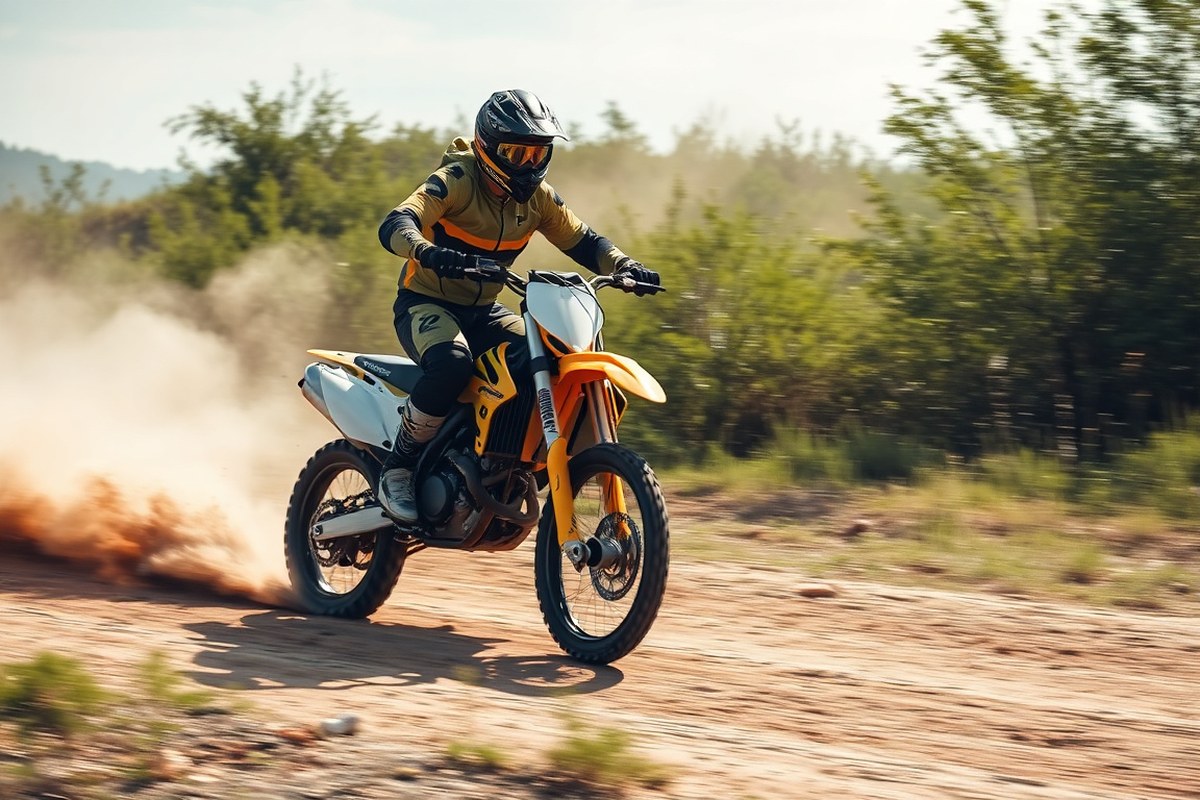
How fast is 200cc dirt bike? A 200cc dirt bike can hit speeds up to about 60 miles per hour.
That top speed varies based on the bike’s model, rider skill, and terrain conditions. Usually, you’ll find speeds between 55 and 70 mph depending on these factors.
The real question isn’t just the raw speed. But how the bike feels on different trails.
A 200cc dirt bike strikes a nice balance of power and control. That makes it good for both beginners and riders pushing limits on rough tracks.
You can expect your bike’s speed to shift with your weight and the terrain too. Softer ground or hills slow you down, while lighter riders will usually go faster. Checking your bike’s setup and tuning can help you get closer to that top speed safely.
Key Takeaways
- Average top speed for most 200cc dirt bikes is around 60 mph.
- Rider weight influences how fast the bike can reach top speed.
- Terrain type directly affects your bike’s speed and handling.
- Engine design plays a key role in determining peak speed.
- Modifying gearing or transmission can increase or reduce speed safely.
- Bike model variations cause speed differences between 55 and 70 mph.
How Fast Does a 200cc Dirt Bike Typically Go?
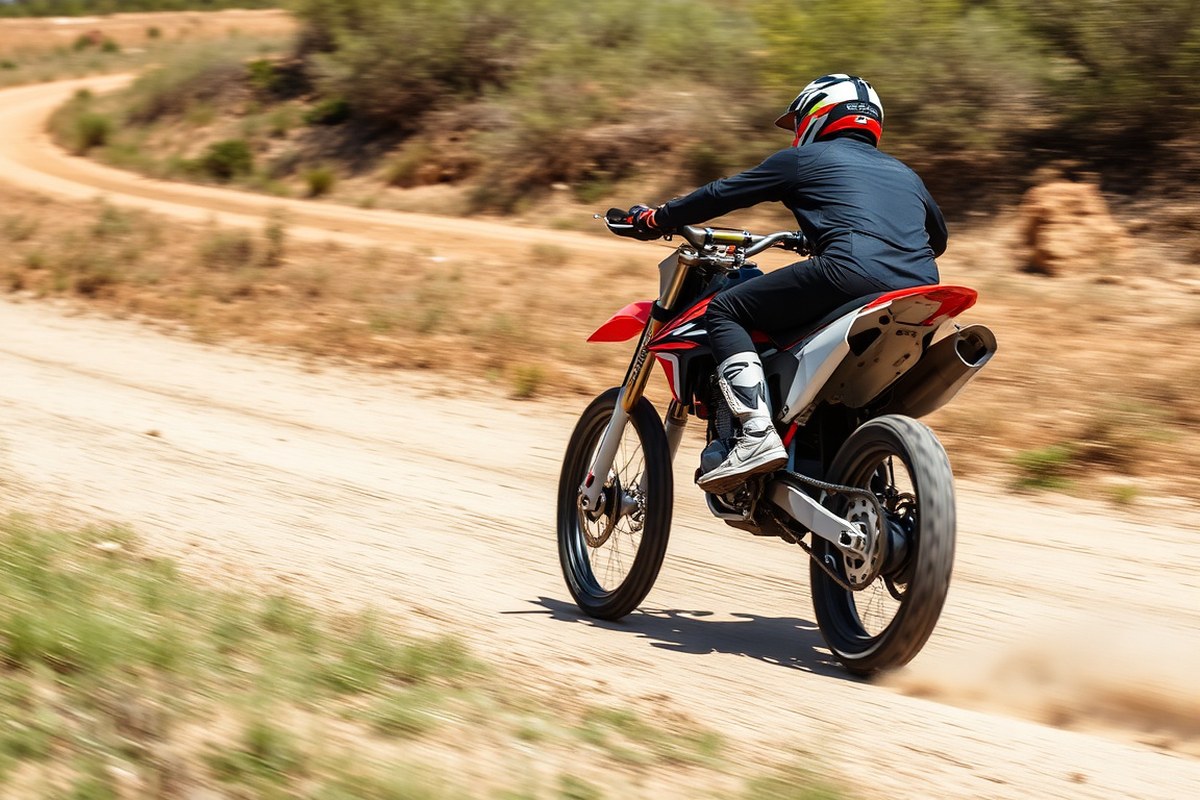
A 200cc dirt bike usually hits speeds of 55 to 70 mph. Most bikes run around 55 to 60 mph on flat, dry ground. The fastest, sportier bikes or tuned ones can reach close to 70 mph.
Top speed varies based on a few factors. Rider weight, terrain, and the bike’s condition all affect how fast you can go.
A lighter rider on smooth terrain will likely hit the higher end of that range. A heavier rider or rough terrain will limit speed.
Manufacturers usually list a 200cc dirt bike’s top speed as 45 to 55 mph. This is the typical stock speed range for these bikes. This range fits riders wanting good control and decent speed.
It avoids pushing the bike too hard. Some 200cc bikes with more power or better gears can reach about 70 mph. This happens only under the right riding conditions.
Key Factors That Influence 200cc Dirt Bike Speed
Several things inside and outside your 200cc dirt bike change how fast it really goes. Terrain affects speed a lot.
Hard, flat surfaces let the bike reach top speeds near 60 mph. Soft dirt or grass lowers that speed, sometimes by 10 to 20 mph.
Your weight matters too. A lighter rider gets better speed and acceleration than someone heavier. Skill makes a big difference.
Shifting weight right helps you hit top speed more often. Use the clutch smoothly to keep your bike balanced. These skills give you better control and faster rides.
- Terrain type: flat and firm is fastest, loose or rocky slows you down
- Rider weight: lighter riders improve top speed and bike handling
- Rider skill: better control means faster acceleration and maintaining speed
- Tire pressure: proper PSI avoids rolling resistance and helps speed
- Weather: wet or muddy trails reduce traction and slow you down
- Bike condition: clean air filters and lubed chains keep the engine efficient
Air resistance and aerodynamics also change speed. But less on dirt bikes than road bikes.
Still, crouching forward reduces wind push and adds a bit of extra speed. Mechanical issues like worn spark plugs or bad carbs drag speed way down without clear signs.
Check tire pressure regularly and adjust for your terrain to keep speed up safely.
A 200cc dirt bike’s speed depends on all these factors working together. Keeping your bike tuned helps it run faster. Riding on smoother terrain can boost your speed too.
Losing a few pounds also makes it easier to go fast. But pushing too hard on rough ground increases crash risk. So balance speed with control.
How Engine Type and Design Affect 200cc Speed
How Engine Type and Design Affect 200cc Speed
Two-stroke and four-stroke 200cc dirt bike engines differ in speed, power, and control. Two-strokes usually reach higher top speeds and accelerate faster. Four-strokes offer smoother throttle response and better low-end torque.
Two-Stroke vs Four-Stroke Engines
Two-stroke engines fire once every revolution, giving them a quicker revving nature. This leads to faster acceleration and higher top speeds, around 40-45 mph for a 200cc model. They are lighter, which helps nimble handling on trails.
Four-stroke engines fire every two revolutions, making them heavier but smoother. Their top speeds tend to be a bit lower, near 35-40 mph for 200cc dirt bikes. They suit riders who want better control and less abrupt power delivery.
For beginners, four-strokes offer consistent throttle feel and easier control. Experienced riders looking for a burst of speed usually pick two-strokes instead. The choice depends on your skill and riding style.
Engine Tuning and Modifications
Engine tuning helps your 200cc dirt bike run faster by improving air and fuel flow. You can increase horsepower and acceleration by adjusting carburetor jets or swapping the exhaust system. Quality parts for tuning usually cost between $100 and $300.
Adjusting the powerband makes throttle response smoother and helps you control speed better on rough terrain. A proper tune means your bike can reach its maximum speed safely and reliably. Poor tuning may cause loss of power or engine damage.
Top riders often fine-tune exhaust systems and ignition timing to maximize output. These mods require tools and mechanical knowledge or a professional. Doing this right helps push your bike’s speed closer to its limits.
Power Output and Speed Impact
Two-stroke 200cc engines typically produce more horsepower per pound than four-strokes. This means brisk acceleration and top speeds generally 10% higher than four-stroke models. For example, a two-stroke might hit 45 mph while a four-stroke maxes near 40 mph.
Four-stroke bikes excel in delivering consistent power across a wider RPM range. This results in smoother riding and easier speed control, especially useful in technical off-road conditions. They also tend to last longer with less frequent maintenance.
The extra power and faster throttle response of two-strokes suit racers and aggressive riders. Four-strokes are better for trail riders and those prioritizing longevity and ease. Properly tuning either engine type keeps you riding faster and safer.
Popular 200cc Dirt Bike Models and Their Speed Ratings
Some 200cc dirt bikes stand out for their speed and design features. The Honda CRF200F, Yamaha TT-R230, and Kawasaki KLX230 are popular. They differ in weight, top speed, and gearing.
Each bike has unique features for riders. Knowing specs helps you pick the right bike.
It fits your riding style. You decide how fast you want to go.
| Model | Top Speed (mph) | Weight (lbs) | Engine Type | Notable Design Impacting Speed |
|---|---|---|---|---|
| Honda CRF200F | ~45 | 250 | Air-cooled, 4-stroke | Compact frame, smooth power delivery |
| Yamaha TT-R230 | ~50 | 270 | Air-cooled, 4-stroke | Slightly heavier, more torque for fast acceleration |
| Kawasaki KLX230 | ~55 | 278 | Air-cooled, 4-stroke | More aggressive gearing for higher top speed |
The Kawasaki KLX230 tops this list with about 55 mph. It has heavier weight but a gearing setup focused on speed.
The Yamaha TT-R230 balances torque and speed with its 50 mph max and moderate weight. The Honda CRF200F is lighter but slower, ideal if you want easier handling.
Weight affects how easily a bike accelerates and handles rough terrain. Heavier bikes like the KLX230 feel stable at high speed. They may be slower off the line.
Weight affects bike acceleration and control. Lighter bikes like the CRF200F handle with less effort. They don’t reach top speed as easily.
Light weight improves agility but limits speed. Sprocket size and gear ratios also impact these numbers. Adjusting sprockets can shift your acceleration versus top speed balance.
How Rider Weight, Skill, and Terrain Affect 200cc Bike Speed
Impact of Rider Weight on Speed
Heavier riders or cargo reduce a 200cc dirt bike’s top speed and acceleration. Each extra 20 pounds can lower speed by about 1 to 2 mph. This depends on the terrain.
It also depends on the bike’s condition. For example, a 150-pound rider might hit 65 mph. A 190-pound rider may only reach about 62 mph on flat, open ground.
To minimize this effect, avoid carrying heavy gear if speed matters. Choose lightweight riding clothes and pack only essentials. Smaller adjustments like these help the engine focus more power on speed rather than hauling weight.
Terrain Types and Speed Effects
Flat, hard-packed trails give the highest speeds on a 200cc dirt bike. These trails often let you reach close to 70 mph. That is the bike’s top rating.
Smooth surfaces reduce resistance and allow you to maintain control at faster speeds. Rocky or uneven terrains cut speed down to about 40 to 50 mph.
You must ride cautiously there. This helps avoid crashes.
Soft sand, mud, or deep forest trails drop speeds further. Here, acceleration suffers and balance becomes tricky. On rough surfaces, expect speeds near 30 to 45 mph.
Traction is limited on these spots. Power also gets constrained.
Skill Level and Speed Control
Your experience greatly affects how fast you can safely push a 200cc dirt bike. Beginners might top out around 40 to 50 mph to maintain control and reaction time. Skilled riders adjust their body position, braking, and throttle use.
This helps them reach over 60 mph safely. They do this even on slightly rough terrain.
Practice in controlled environments before testing speeds on open trails. Learning how your bike reacts helps prevent accidents. Gradually increase speed as your confidence and handling improve.
Riding too fast on rough ground often causes loss of control. Always slow down if you feel unsure. Safety comes first.
How Gearing and Transmission Influence 200cc Dirt Bike Speed
Changing the gearing on your 200cc dirt bike affects speed and power. It can change top speed and acceleration. Small changes can make a big difference.
The bike uses sprockets on the engine and rear wheel to transfer power. A smaller front sprocket or larger rear sprocket lowers the gear ratio. This boost acceleration but lowers top speed.
To increase top speed, choose a larger front sprocket or smaller rear sprocket. This raises the gear ratio, letting the bike reach higher speeds. Keep in mind, this reduces throttle response and causes slower acceleration.
You might feel the bike is slower off the line. But it will go faster on straight stretches. This tradeoff is common with gearing changes.
The transmission type also affects speed and the ride feel. Most 200cc dirt bikes have manual transmissions with multiple gears.
Shifting through gears allows you to keep the engine in its power band. Some models use constant mesh gearboxes for smoother shifting, which helps maintain speed efficiently.
- Stock sprockets often come as 14 teeth front and 48 teeth rear
- Changing to a 15-tooth front sprocket raises top speed by about 3-5 mph
- Reducing rear sprocket size by a couple of teeth also boosts speed
- Manual transmissions need smooth shifting to keep speed gains
- Check chain length and tension when changing sprockets
- Aftermarket sprockets cost $20 to $50 depending on material
- Too large front sprocket or too small rear sprocket can strain the engine
To install new sprockets, first remove the chain. Use a master link tool or break the chain at a link. This makes sprocket removal easier.
Next, loosen the axle and remove the wheel if needed. Next, swap out the old sprockets for new ones. Then reinstall the chain at the correct tension.
Proper tension keeps the chain from slipping. Test ride to feel changes in acceleration and top speed.
Make sure the engine runs smoothly after gearing changes. Adjusting the carburetor or fuel injection settings might be needed to avoid bogging at higher speeds. Watch engine temperature and listen for unusual noises.
If the bike feels slow or gets too hot, switch back to old sprockets. Or ask a mechanic for help. Safety matters with these checks.
Safe Upgrades to Improve Speed on a 200cc Dirt Bike
To safely boost speed on your 200cc dirt bike, begin with the exhaust and carburetor upgrades. These parts offer the best bang for your buck without risking control or reliability. Focus on airflow improvements and careful tuning to unlock faster speeds without stress on the engine.
Upgrading the Exhaust System
Swapping your stock exhaust for a high-flow system lowers backpressure and lets exhaust gases escape faster. This improves horsepower and helps your bike hit top speed more easily. Expect to pay around $150 to $400 for a good aftermarket exhaust.
This is for 200cc dirt bikes. Look for brands known for reliability.
Start by removing the old exhaust using basic tools like a socket wrench. Bolt on the new high-flow exhaust following the manufacturer’s instructions. Make sure all joints are tight to prevent leaks, which can hurt performance.
After the swap, your bike should feel more responsive. It will gain about 2 to 4 mph in top speed. You’ll notice the difference on trails.
Avoid exhausts that are too loud or too light. Loud ones can be annoying and light ones may harm your engine. Both can hurt control and engine life.
Carburetor Tuning and Jetting
Once the exhaust is upgraded, tune the carburetor to match the new airflow. A well-tuned carburetor ensures your engine gets the right fuel-air mixture. Don’t skip adjusting the carburetor.
Without it, the engine might run too lean or rich. This can cause bad performance or engine damage.
To tune, swap to a slightly larger main jet to increase fuel flow. Remove the carburetor bowl and jets with basic tools. Swap stock jets for ones 2 to 4 sizes larger.
Reinstall parts carefully to prevent any air leaks. This helps your engine breathe better.
Check the spark plug color after a short ride: a light brown plug means proper tuning. Black or white plugs signal adjustment is needed. Getting the tune right boosts power safely while maintaining reliability.
Adjusting Airflow and Intake
Improving intake airflow complements your exhaust and carburetor work. Replace the stock air filter with a high-flow aftermarket type to increase air reaching the engine. Clean or oil the filter per instructions to keep dirt out without blocking air.
Consider adding a pod filter if your bike allows. You might also try a bigger intake manifold. Both can improve airflow and power.
These changes help the engine breathe better, improving throttle response and overall speed. However, don’t skip regular cleaning as dust buildup can reduce power quickly.
- Upgrade to a high-flow foam or cotton air filter
- Clean and re-oil the filter every 5 rides or after dusty conditions
- Inspect intake boots for cracks or leaks and replace if needed
- Use a pod filter if compatible and monitor engine temperature closely
- Avoid open air intakes in wet or dusty environments to protect the engine
Checking for restricted airflow and fixing small leaks prevents power loss. Well-maintained intake parts improve performance safely without risking engine damage. Regular maintenance keeps your upgrades effective over time.
How a 200cc Dirt Bike Compares to Other Engine Sizes
A 200cc dirt bike offers more speed and power than a 125cc. But less than a 250cc. A 125cc bike usually maxes out around 50 MPH.
A 250cc can go past 80 MPH. The 200cc fits right in the middle.
It is easier to handle. It is still fast enough for many riders.
This engine size is a popular choice for beginners moving up and intermediate riders. It gives you enough power to ride a variety of trails without feeling overwhelmed.
The bike also handles better than larger machines. So you get more control in tricky spots.
| Engine Size | Max Speed (MPH) | Suitable Rider Level | Typical Use |
|---|---|---|---|
| 125cc | Up to 50 | Beginners | Light trails and small jumps |
| 200cc | 55 to 65 | Beginner to Intermediate | Varied terrain, casual trails |
| 250cc | 80+ | Intermediate to Experienced | Fast riding, challenging trails |
You get about a 10-15 MPH speed increase going from 125cc to 200cc. That extra power helps on hills and rough terrain. Compared to a 250cc, the 200cc top speed is 15-25 MPH less.
It has easier handling. It also has less powerful, less scary power.
A 200cc dirt bike is a good compromise. You don’t sacrifice too much speed but gain smoother control. The 200cc can handle most weekend rides.
It’s good for riders up to 250 pounds. It’s capable for its size. This makes it a solid middle ground before moving into the 250cc category.
Remember, the actual speed will vary with rider weight, terrain, and bike tuning.
When and How to Safely Test Your 200cc Dirt Bike’s Top Speed
Choose a straight, flat, and open area to test your 200cc dirt bike’s top speed. Dirt bike tracks with long straightaways or empty parking lots work well. Avoid crowded or uneven places that increase risk of crashes or inaccurate speed readings.
Wearing proper protective gear helps reduce injury in case you fall. A certified helmet, gloves, goggles, and sturdy boots are essential. Wear long pants to protect your legs.
Use a long-sleeve jersey or jacket made for off-road riding too. These clothes help protect your skin from scrapes and bugs.
- Helmet with full-face protection and DOT or Snell certification
- Goggles to shield your eyes from debris and wind
- Gloves with good grip and padding
- Durable riding boots that cover your ankles
- Long-sleeve jersey and dirt bike pants
- Optional chest protector or body armor for extra safety
Use a GPS-based smartphone app or a standalone GPS speedometer to measure your speed accurately. These tools calculate speed based on satellite signals, reducing errors from speedometers. Before testing, ensure your device batteries are full and the app is calibrated, if required.
Here’s a step-by-step to test safely:
- Wear all your protective gear before riding.
- Find a clear, flat, and straight stretch at least 300 feet long.
- Warm up your bike for a few minutes to get optimal performance.
- Start at a slow pace and gradually increase to full throttle.
- Use your speed measurement device during the straight run.
- Don’t exceed your skill level; slow down if you feel unstable.
- After the run, check the highest speed recorded by your device.
The process takes just a few minutes but demands your full focus. Testing on uneven ground or mixing turns with speed runs gives confusing results. Inexperienced riders should have a spotter or friend nearby for safety.
Remember that wind, altitude, or rider weight can cause your top speed to vary. Try to keep conditions the same every time you ride.
This helps you clearly see what your 200cc dirt bike can do. Consistent conditions give you a better idea of your bike’s true performance.
Step-by-Step Action Plan to Boost Your 200cc Dirt Bike’s Speed Safely
Follow these steps to test, adjust, and improve your bike’s speed without risking damage or injury.
- Before you start: Check your bike’s manual for maximum speed and safe operating tips. This makes sure you don’t push your dirt bike too hard.
- Day 1: Ride your bike on a smooth, flat track to find its current top speed. Use a speedometer app or GPS device to get accurate readings.
- Week 1: Adjust tire pressure to your bike’s recommended levels. Proper pressure improves grip and can add a few mph to your top speed.
- Week 2: Inspect and clean the air filter to maximize airflow. A clean filter helps the engine breathe better and run faster.
- Week 3: Change to a higher-performance spark plug if your manual suggests it. This can give your bike a smoother power curve.
- Week 4: Think about changing sprockets. Use a smaller front or bigger rear sprocket to speed up acceleration. This change can slow down your bike’s top speed. Track your changes using your speed readings.
- After 5 weeks: Test ride again on the same flat surface and record any speed improvements. Stop any upgrades that cause issues or weaken your bike’s handling.
Frequently Asked Questions
Is a 250cc Good for a 13 Year Old?
A 250cc bike may be too powerful for many 13-year-olds. Smaller engines like 110cc to 150cc usually suit young riders better to build skill safely.
At What Speed Do Death Wobbles Happen?
Death wobbles often occur above 40 to 50 mph on motorcycles. Proper suspension and tire maintenance reduce the risk significantly.
What Cc Goes 100 Mph?
Motorcycles with 600cc or larger engines usually reach 100 mph. Smaller 200cc dirt bikes generally top out between 55 and 70 mph.
Can a 200cc Motorcycle Go on the Highway?
Yes, a 200cc bike can handle short highway rides at moderate speeds. It’s best to avoid heavy traffic and high-speed highways for safety.
How Much Does Rider Weight Affect 200cc Dirt Bike Speed?
Heavier riders can reduce top speed by 5 to 10 mph on 200cc bikes. Lighter riders get quicker acceleration and better handling on trails.
Final Thoughts
A 200cc dirt bike usually goes 30 to 50 mph. Speed depends on factors like terrain and maintenance. Checking and tuning parts helps you get better speed safely.