
How Often to Change Spark Plugs: Complete Guide with Timing, Types & Maintenance Tips
How often you change spark plugs depends on your car’s plug type. Different plugs need different replacement times. Check your car manual for specifics.
Most spark plugs last between 30,000 and 100,000 miles, with quality types going longer. For a quick rule, aim to replace them every 60,000 miles on average.
Copper spark plugs wear out faster, usually needing replacement every 20,000 to 30,000 miles. Platinum and iridium plugs last much longer than standard ones.
They usually go between 60,000 to 120,000 miles. This helps keep your engine running well for many miles.
Checking your owner’s manual helps because it lists the exact interval for your specific plugs. You want to catch worn plugs early to keep fuel efficiency high and avoid engine trouble.
Key Takeaways
- Replace copper spark plugs every 20,000 to 30,000 miles to avoid engine misfires.
- Platinum plugs should be changed around every 60,000 miles for reliable performance.
- Iridium spark plugs can last up to 120,000 miles before needing replacement.
- Use your vehicle’s owner’s manual to find the recommended spark plug change interval.
- Inspect spark plugs if your engine shows signs of rough idling or poor fuel economy.
- Older cars often need spark plug changes more often than modern vehicles.
How Often Should You Change Spark Plugs?
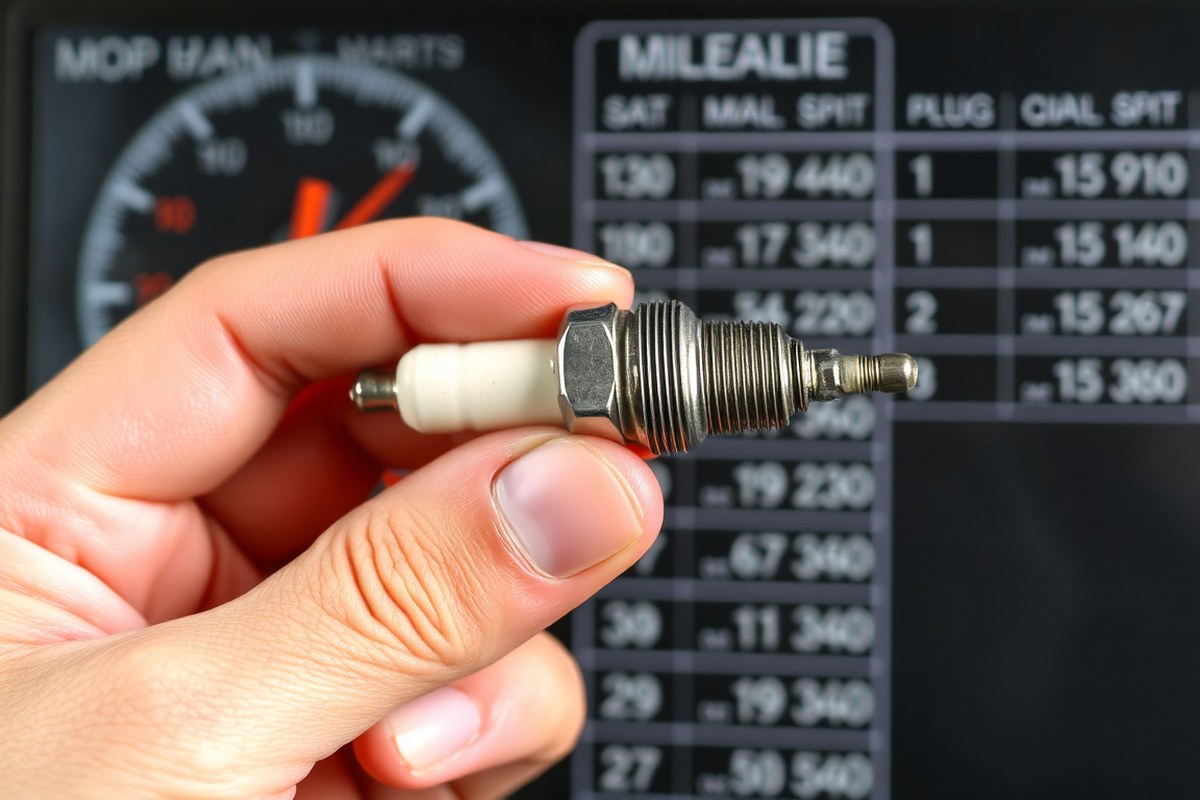
Most spark plugs need changing around every 60,000 miles under normal conditions. This estimate fits many modern vehicles and plug types. The exact timing depends on the spark plug type and how you drive.
Copper spark plugs wear out the fastest and usually last 20,000 to 30,000 miles. Platinum plugs tend to last longer, often up to 60,000 miles. Iridium plugs lead the pack in lifespan, lasting between 80,000 and 120,000 miles.
Replacing spark plugs earlier than recommended can help your car run better. Watch for signs of poor performance. That might mean your plugs need changing sooner.
Check your owner’s manual for specific spark plug replacement intervals. Manufacturers set these times for each model. Follow their recommended schedule to avoid problems.
A good rule of thumb is to change spark plugs every 30,000 miles. This keeps things simple and helps maintain your engine. Stick to it if you want a clear schedule.
The table below summarizes typical spark plug lifespans by type for easier decision-making.
| Spark Plug Type | Typical Replacement Interval (miles) |
|---|---|
| Copper | 20,000 – 30,000 |
| Platinum | 60,000 |
| Iridium | 80,000 – 120,000 |
Check your spark plugs during maintenance to catch early wear signs. Driving conditions that stress your ignition system can wear out spark plugs fast. Notice misfires or rough running?
Change your spark plugs sooner to fix these issues. Keeping up with replacement keeps your engine running smoothly and your fuel economy steady.
How Different Spark Plug Types Affect Replacement Frequency
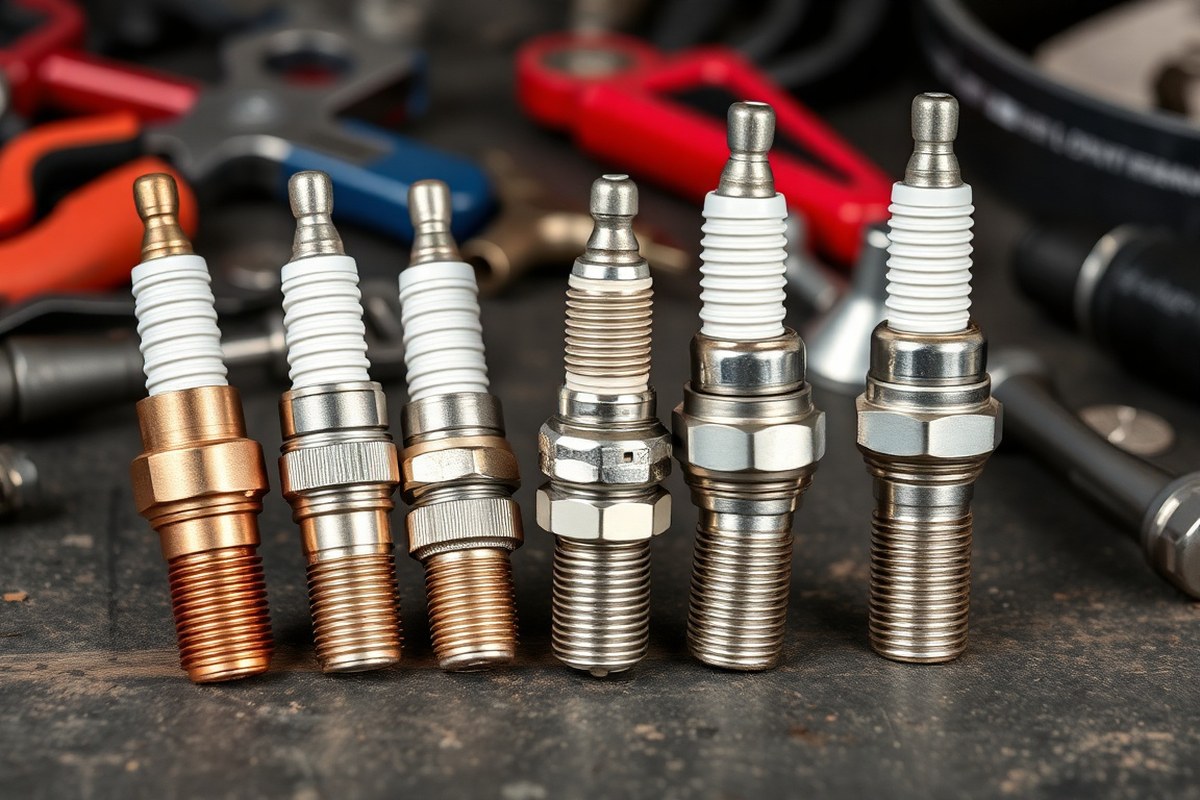
Spark plug material tells you how often to replace them. Copper plugs wear out fast, usually after 20,000 to 30,000 miles.
Platinum and iridium plugs last longer, running between 60,000 and 100,000 miles. They suit cars needing less frequent maintenance.
Though copper plugs cost less upfront, they require more frequent changes. High-performance engines benefit from platinum or iridium plugs since these last longer and handle heat better. Iridium plugs last longer because of their strong, thin electrode.
This design keeps the spark stable over more miles. That means you replace them less often.
| Plug Type | Lifespan (miles) | Typical Cost per Plug (USD) | Durability and Usage Notes |
|---|---|---|---|
| Copper | 20,000, 30,000 | $2, $5 | Wears quickly; good for older or low-performance engines |
| Platinum | 60,000, 100,000 | $8, $15 | More durable; better for daily driving and moderate use |
| Iridium | 60,000, 100,000+ | $10, $20 | Best for high-performance and extended maintenance intervals |
Choosing iridium or platinum plugs means you replace less often, usually saving time and labor costs. However, the upfront cost of these plugs is higher. Copper plugs work well but need replacing every 20,000 to 30,000 miles.
They cost less upfront. So you trade price for more frequent changes.
How you drive also affects plug life. Driving mostly in stop-and-go traffic wears out plugs faster. Short trips hurt too, making plugs foul sooner.
This means you replace even platinum or iridium plugs earlier. Use plugs suited to your engine’s needs and follow your vehicle’s maintenance schedule for best results.
Always check your owner’s manual before picking plug types to match engine requirements and factory recommendations.
Signs Your Spark Plugs Need to Be Replaced Immediately
Worn spark plugs show up as engine problems you can feel or see. They cause rough idling, misfires, or slow acceleration. You might also notice poor fuel economy or trouble starting your car, especially in cold weather.
Engine Misfires or Rough Idle
A misfire happens when a spark plug fails to ignite the fuel air mix properly. This causes your engine to hesitate or jerk during acceleration. Rough idling feels like uneven or shaky engine running when your car is stopped.
Misfires and rough idle can damage other parts like the catalytic converter. They usually trigger the check engine light. Getting the spark plugs checked can prevent this costly damage.
- Engine hesitation or jerking during acceleration
- Shaking or uneven idle while stopped
- Check engine light illumination
- Unusual rattling or knocking noises
- Engine stalls unexpectedly
Reduced Acceleration and Fuel Economy
Worn spark plugs cause incomplete combustion that wastes fuel. You’ll see slower acceleration and less power when you press the gas pedal. Fuel economy drops because more gas goes unused or burns poorly.
This can happen before you get misfires or warning lights. Reduced mileage means you spend more on fuel over months. Replacing spark plugs on time helps save gas and keeps acceleration strong.
Difficulty Starting the Engine
Old spark plugs make it harder to start your engine, especially in cold weather. The gap in worn plugs widens, making sparks weaker and less reliable. You may have to crank the engine longer or try more than once.
Poor starts can leave you stranded or cause repeated wear on the starter motor. If your car struggles to start regularly, check the spark plugs early. Addressing worn plugs restores smooth starting and protects your engine.
Factors That Influence How Often to Replace Spark Plugs
Your driving habits change how fast spark plugs wear out. Frequent short trips keep plugs from heating fully, causing deposits and fouling. Hard acceleration or heavy loads also stress plugs, cutting their lifespan much shorter.
Engines with turbochargers or direct injection burn hotter and demand more from the spark plugs. These types usually need replacements between 40,000 and 60,000 miles. Even high-tech iridium spark plugs wear out faster in turbo engines.
They don’t last as long as in naturally aspirated engines. This is normal for forced induction systems.
Cold climates cause engines to run longer at lower temperatures. This can increase carbon buildup on plugs and throttle their effectiveness.
Hot climates can stress plugs too by speeding up electrode wear. You should check plugs more often under extreme weather conditions.
Severe driving conditions mean shorter intervals between spark plug changes. Stop-and-go traffic, towing heavy loads, or dusty roads all raise combustion chamber heat and dirt exposure. Under these conditions, swapping plugs closer to 30,000 to 40,000 miles is safer.
Keep your engine healthy by following the schedule in your owner’s manual. Adjust maintenance for your driving habits and conditions. This helps avoid early problems.
Rough idling or poor gas mileage show that spark plugs might wear faster. Check plugs sooner if you notice these issues.
Watch for these signs regularly. Proper plug care can help avoid misfires and engine damage over time.
How to Inspect and Test Spark Plugs for Wear and Performance
To inspect and test spark plugs, you need a visual check, gap measurement, and electrical testing. Grab basic tools like a spark plug socket, gap gauge, and multimeter.
Follow steps to check for wear, measure the gap, and test resistance. Then decide if you need a replacement.
Visual Inspection: Signs of Wear
Look for cracked, chipped, or burnt electrodes on the spark plug. Dark carbon deposits or oil fouling show poor combustion or leaks. A worn plug’s electrode will look rounded and eroded, not sharp.
Check the ceramic insulator for cracks or discoloration. Light brown or gray coloring means normal wear.
But heavy black soot or blistered white spots signal problems. You can clean lightly soiled plugs but replace damaged ones.
Testing Spark Plugs with a Multimeter
Testing electrical resistance helps assess if the plug’s coil is intact. Use a digital multimeter set to the ohms scale. Connect one lead to the terminal and the other to the base.
Good plugs usually show resistance between 4,000 and 8,000 ohms, depending on model. A reading outside this range indicates an internal fault. This simple test won’t check spark strength but detects broken or shorted plugs.
Measuring and Adjusting the Gap
Check the gap size with a feeler gauge, matching your vehicle’s manual specs exactly. Proper gap size usually falls between 0.028 and 0.060 inches, varying by car. A wrong gap reduces spark efficiency and causes misfires.
Adjust the gap by gently bending the ground electrode with the gauge. Make sure the gap matches the right size.
Avoid bending the center electrode, as it’s fragile. Measure twice before reinstalling to ensure good contact and spark performance.
- Remove the spark plug carefully with a spark plug socket and ratchet.
- Clean the plug with a soft brush to remove dirt or carbon deposits if needed.
- Inspect the electrode and insulator for cracks, wear, or fouling.
- Measure the electrode gap using a feeler gauge, referring to your owner’s manual.
- Adjust the gap carefully with the gauge, bending only the ground electrode.
- Use a multimeter to check the plug’s resistance, connecting leads properly.
- Compare measurements to standard ranges for your spark plug model.
- Reinstall or replace plugs based on wear and testing results.
Don’t clean heavily fouled spark plugs; replacing them will prevent misfires.
Practical Steps for Changing Spark Plugs Safely and Effectively
Changing spark plugs safely requires the right tools and patience. You also need to handle the ignition parts carefully to avoid damage. Follow a clear step-by-step process to replace plugs correctly and avoid engine issues.
Prepare Your Tools and Workspace
Gather all tools before starting to save time and avoid distractions. Find a well-lit, flat workspace with good ventilation. Disconnect the battery to prevent electrical shocks while working near the engine.
You need a spark plug socket, ratchet wrench, and extension bar. Also have a gap gauge, anti-seize compound, and dielectric grease ready.
These tools and materials are essential for the job. Wear gloves to protect your hands from sharp parts and chemicals.
Removing Old Spark Plugs Carefully
Loosen spark plug wires by pulling on the boot, not the wire itself, to prevent damage. Use penetrating oil on stubborn plugs and let it soak for a few minutes. Turn each plug counterclockwise slowly to break it free without stripping threads.
Use a spark plug socket with an extension and ratchet for use. Keep track of each plug so you replace them in the right cylinder. Remove plugs one at a time to avoid mixing up wires and cylinders.
Installing and Gapping New Spark Plugs Correctly
Check the gap on new plugs with the gauge specified in your owner’s manual. Adjust gaps carefully by bending the electrode with a tool, not by force. Apply a tiny amount of anti-seize on the threads to prevent them from sticking.
Start screwing plugs in by hand to prevent cross-threading. Then tighten them with a torque wrench for the final fit. This method ensures proper installation without damage.
Spark plugs typically require 13 to 25 ft-lbs of torque. But check your manual for exact specs. Add dielectric grease inside the spark plug boots to ensure a good electrical connection.
- Disconnect the battery to prevent electrical shorts.
- Remove spark plug wires by gripping the boot firmly.
- Apply penetrating oil on stuck plugs and wait 5 to 10 minutes.
- Use a spark plug socket and ratchet to loosen and remove old plugs.
- Check and adjust the gap on new spark plugs with a gap gauge.
- Apply anti-seize compound lightly to the plug threads.
- Hand-thread new spark plugs into the cylinder head carefully.
- Tighten plugs to the manufacturer’s torque specification using a torque wrench.
How Spark Plug Maintenance Extends Engine Life and Fuel Efficiency
Worn spark plugs make your engine misfire and struggle to start. This wastes fuel because the ignition is weak or uneven. Checking spark plugs often keeps ignition strong.
It helps fuel burn cleanly. This saves you money at the pump.
You can prevent spark plug failure by keeping an eye on engine changes. Your car may idle roughly or use more gas. Lift the hood to check the plugs.
Look for black soot, heavy deposits, or cracked insulators. These signs mean the plugs need cleaning or replacement before they damage the engine.
Simple habits help keep spark plugs in good shape. Use the right fuel grade to avoid deposits forming fast. Change the air filter as scheduled to stop dirt from fouling plugs.
Also, fix oil leaks quickly because oil on plugs causes misfires. Spending about 20 minutes every few thousand miles on spark plug checks avoids costly repairs later.
Different driving styles affect plug wear too. Short trips often cause plugs to foul sooner. So check them more often if you drive mostly in stop-and-go traffic.
Highway drivers can stretch intervals a bit longer as steady speeds burn fuel cleaner. For example, a plug made of iridium typically lasts 60,000 to 100,000 miles. But abuse can cut that short.
Replacing spark plugs before they fail prevents bigger engine problems. Worn plugs make the engine run hotter and strain components like the catalytic converter. You might spend around $100 to $200 for parts and labor.
But avoiding a failed converter saves thousands. Early plug replacement is a small price to keep your engine healthy and efficient.
When to Consult a Professional for Spark Plug Replacement
Call a professional if your engine design makes spark plugs hard to reach. Some cars have deep or tightly packed engine bays that can block access. Complex engines with coil-on-plug systems or multiple spark plug setups can be tricky to handle safely.
Incorrect spark plug replacement risks engine misfires or damage. Using the wrong torque, misaligning plugs, or damaging threads can cause costly repairs.
Professionals have the right tools and experience to avoid common mistakes. This can save you time and money.
- Engine compartment is cramped or hard to reach
- Vehicle uses coil-on-plug or multiple spark plug systems
- You lack special tools like torque wrenches or extension sockets
- Threads feel tight or resistant when removing plugs
- You notice engine misfire or erratic running after past DIY attempts
- You want to avoid voiding warranty or damaging sensitive components
The cost of professional spark plug replacement depends on your vehicle and labor rates. Expect to pay $100 to $300 on average.
This covers new spark plugs and up to an hour of labor. Plug prices themselves range from $2 to $20 each for most consumer vehicles.
Make sure a professional uses a torque wrench to tighten plugs to spec. Too tight can damage threads; too loose causes poor engine performance.
Look for a clean, firm install with no thread damage or carbon buildup. A smooth engine start and idle after replacement confirm a job well done.
Your car sputters or backfires. This might mean plugs need inspection or weren’t installed right.
How Ignition Systems and Coils Relate to Spark Plug Replacement
Modern engines use a coil-on-plug system. Each spark plug has its own ignition coil mounted right on top. This design sends high voltage straight to the spark plug.
It creates a quick, strong spark. This style works fast and powerfully.
The ignition coil’s job is essential. It turns the 12-volt battery power into thousands of volts. This voltage jump creates a spark that ignites the fuel-air mix inside the engine cylinder.
Ignition coils usually last longer than spark plugs but can fail. Coil failure causes rough idle, like worn spark plugs do. Misfires and slow acceleration also show up.
These symptoms can confuse you. That’s why a bad coil can sometimes be mistaken for a bad spark plug.
Ignoring coil problems can hurt new spark plugs quickly. When a coil weakens or shorts, it struggles to provide enough spark energy. This puts stress on the spark plug over time.
It leads to early wear or deposits. These damage the plug tip eventually.
You should check coils when you change spark plugs, especially if your engine hesitates or misfires. To test coils, you can measure resistance with a multimeter. Another way is a coil test at a repair shop.
Both reveal if the coil is bad. Replacing a coil costs about $50 to $150 per coil, depending on the vehicle.
Older cars with a distributor and spark plug wires have a different setup. One coil powers all plugs by sending voltage through those wires.
Worn plug wires or a failing coil can cause similar issues. So inspecting wires and coils together is important during spark plug service.
Step-by-Step Action Plan for Spark Plug Care
Follow this plan to keep your spark plugs in good shape and spot problems early.
- Before starting: Gather the right tools and the correct spark plugs for your vehicle model. Confirm they match your owner’s manual.
- Day 1: Inspect your spark plugs for wear or damage after removal. Look for carbon buildup or cracks to spot issues.
- Week 1: Test spark plug gap with a gauge and adjust it to manufacturer specs. Proper gap ensures smooth engine firing.
- Month 1: Clean spark plugs if minor buildup exists. Use a wire brush carefully and avoid damaging the electrodes.
- Every 30,000 to 100,000 miles: Replace spark plugs based on your type and driving habits. Check the manual for exact intervals.
- After replacement: Start your car and listen for engine smoothness and steady idle. This confirms correct installation.
- Ongoing: Monitor engine performance and fuel efficiency trends. Note any sudden drops, which may mean spark plug issues.
- Annually: Consider a professional check if you notice persistent misfires, rough idling, or poor acceleration.
Frequently Asked Questions
How Often Should You Change Spark Plugs in a Toyota?
Most Toyota models need new spark plugs every 60,000 miles. Following this interval helps keep your engine running smoothly and fuel efficient.
Can Driving Habits Affect How Often to Change Spark Plugs?
Yes, frequent short trips or stop-and-go driving can wear plugs faster. These conditions can cause plugs to foul and need earlier replacement.
Do All Spark Plug Materials Require the Same Replacement Interval?
Copper plugs last 20,000 to 30,000 miles. Platinum plugs last about 60,000 miles.
Iridium plugs can go 80,000 to 120,000 miles. Your owner’s manual can guide the best choice.
How Does Oil Leakage Affect Spark Plug Life?
Oil on spark plugs causes fouling and misfires, forcing more frequent replacements. Fixing leaks quickly prevents damage to the plugs and engine performance.
Is It Okay to Swap Spark Plug Types During Replacement?
It’s better to stick with the manufacturer’s recommended plug type. Using the wrong type can harm engine efficiency or damage ignition components.
Final Thoughts
Changing your spark plugs at proper intervals keeps your engine running strong. Pay attention to signs like rough idle or hard starts. Check your plugs as part of routine maintenance to avoid costly repairs later.