How Long Does a Tire Patch Take? A Complete Guide for Fast, Safe Repairs
How long does a tire patch take? It usually takes about 30 to 45 minutes at a professional shop. This includes removing the wheel, preparing the tire, applying the patch, and letting the adhesive dry.
The drying time typically lasts around 10 minutes. Most repairs happen quickly if you bring your car to a shop. But bigger punctures or sidewall damage may require more time or replacement.
A proper inspection helps the process go smoothly. Knowing the type of puncture lets the technician pick the best repair method. Some need both a patch and a plug, which adds time.
Tires with internal damage take longer because the inside must be checked. This thorough inspection makes sure the repair is safe and durable. It helps prevent future problems on the road.
Key Takeaways
- Repairing a tire with a patch usually requires 30 to 45 minutes.
- Adhesive drying time after patching is about 10 minutes before driving.
- Severe or complex punctures might extend the repair time beyond 45 minutes.
- Removing the wheel and separating the tire from the rim adds to repair time.
- Using a patch-plug combo usually takes 15 to 30 minutes.
- Run-flat tire repairs take the same time but are often discouraged by manufacturers.
How Long Does It Usually Take to Patch a Tire?

A professional tire patch usually needs 30 to 45 minutes to finish. It involves taking the tire off the rim and preparing its inner liner. Then comes patching and letting glue cure to make it last.
Roadside repairs are faster but less permanent. Using an aerosol sealant or a DIY plug kit takes about 5 to 25 minutes.
These methods are quicker because they don’t require removing the tire or curing adhesive. But they are temporary fixes that won’t last as long as a professional patch.
Plugging a tire at a shop usually takes 10 to 20 minutes. The tire stays on the rim during this process. This is quicker than removing the tire.
A patch-plug combo takes about 45 to 60 minutes. This method removes the tire from the rim. It also lets the technician check inside for damage.
The added time covers inspection and balancing after the patch is applied. Spending this extra time ensures a safer, longer-lasting repair.
Proper patch curing takes several minutes during the full repair. This drying step is part of the 30 to 45-minute process. It helps the patch bond firmly.
This step uses an adhesive that bonds the patch to the tire’s inner liner. Without this, the patch might fall off or fail quickly, causing more trouble later on.
Choosing a professional repair means the tire comes off the rim. They patch the tire inside, making it stronger and safer. This method lasts longer than quick fixes.
This process costs about $20 to $40 and takes a half hour or more. A quick plug or seal roadside can cost less and be faster.
But it won’t last as long as a proper patch. Roadside fixes are best for emergencies only.
A solid tire patch by pros takes 30 to 45 minutes total. This time includes the curing step to secure the patch. It gives a reliable and lasting repair.
Quick roadside fixes take under 30 minutes but are less reliable. Balancing repair speed and quality depends on your needs.
Think about how long you want the fix to last. This helps decide the best repair method.
What Factors Influence How Long Tire Patching Takes?
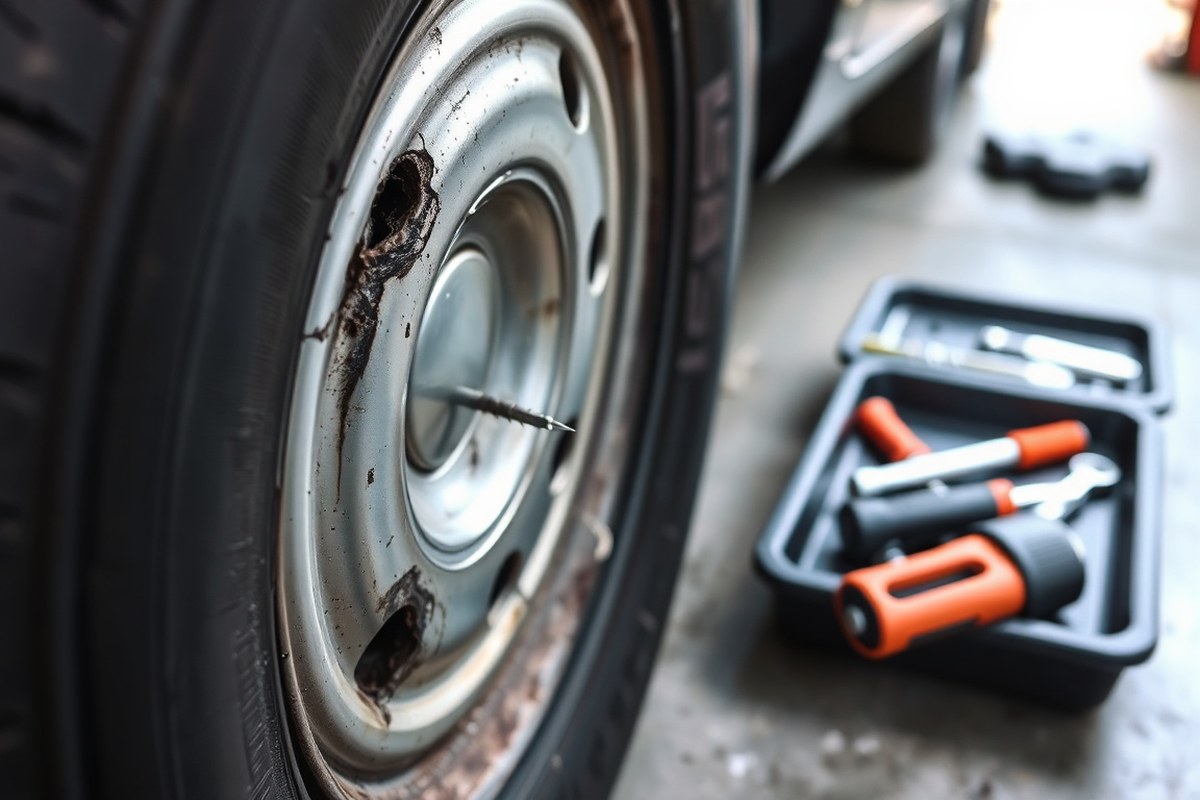
Tire patching time depends on puncture size and location. Tire design matters too. The technician’s skill also affects repair time.
Larger punctures or those in tricky spots tend to take longer. The technician’s experience also makes a noticeable difference in repair speed and quality.
How Puncture Size Changes Repair Time
Smaller punctures, such as those from nails, usually take 20 to 30 minutes to fix. Bigger holes or tears need more prep work, which adds time.
Patching a tiny hole often means cleaning and buffering a small area. When the damage is larger, they must trim or remove damaged rubber first.
Repairs get more complex with bigger punctures because they require stronger patches. This means applying more glue or multiple patch layers, which adds to the total time. Extremely large or irregular holes might not be patchable at all and need a tire replacement.
Effect of Puncture Location on Tire
Punctures near the tire’s sidewall take much longer to repair or often can’t be patched safely. Sidewall repairs require extra care because this area flexes more and bears stress while driving. Most shops avoid patching sidewalls due to safety concerns.
Repairs on the tread area take less time. This part is flat. It is easier to access.
The patch area can be prepped and sealed quickly, reducing overall repair time. Punctures under tread blocks need extra cleaning.
This helps create a good patch bond. Cleaning takes extra time.
How Tire Size and Design Matter
Bigger tires, like those on trucks or SUVs, naturally take more time to patch. Bigger tires need removing from the wheel first. Then inspect the entire tire surface.
This step is careful and slow. Increased tire width or aggressive tread patterns can slow down patch application.
High-performance or run-flat tires often require special patching materials or techniques. This can cause the technician to spend extra time ensuring the repair won’t affect tire performance. The tire’s internal construction may also affect how patches bond, adding complexity to the job.
The Role of Technician Experience
Skilled technicians usually finish repairs faster because they know the best tools and steps. They assess damage thoroughly before starting, reducing the chance of mistakes or redo work. Experienced pros can handle tricky punctures without wasting time.
New or less experienced technicians might take longer due to careful measuring, cleaning, and patch application. They may also need to redo patches if the initial repair isn’t solid. Experienced technicians balance speed with quality, avoiding delays from errors or poor sealing.
Material Choices Affect Repair Duration
Using the right patch or plug type impacts how long the repair takes. Combination plug-and-patch repairs sometimes need more time as they involve multiple steps and curing times. Some shops use quick-curing adhesives that speed up the process without losing quality.
Poor-quality materials might require more time to properly set or cause failed patches. Investing in good products reduces time spent on fixing leaks later. Material choice should fit the tire type and puncture for the fastest, safest repair.
Avoid patching sidewall punctures; they can cause blowouts or tire failure on the road.
How Different Types of Punctures Affect Repair Time
Repair times vary based on the puncture type and location. Small nail holes in the tread usually take under 30 minutes. Large cuts and sidewall damage require more time or may not be fixable.
Small Tread Punctures
Small punctures from nails or screws in the tire tread take about 20 to 30 minutes to fix. These repairs are usually quick and straightforward.
Most shops can complete them during a short visit. The technician removes the tire from the wheel, inspects for hidden damage, and cleans the area.
The patch goes inside the tire after cleaning and prepping the surface. Then it needs about 10 minutes to dry fully.
This step is key for a strong, lasting fix. These repairs usually involve holes less than 1/8 inch wide and have quick turnarounds.
Large or Deep Tread Cuts
Cuts bigger than 1/4 inch across need more complicated repairs. These are harder to fix and take more time.
You’ll notice the process is slower than for small punctures. The tire needs a thorough inspection for internal damage.
Some large punctures might require a special patch or replacement instead of a simple patch. Repair times over 30 minutes often mean the damage is serious.
In some cases, you might need to buy a new tire instead. The choice depends on how bad the cut is.
Sidewall and Shoulder Damage
Punctures or tears on the tire sidewall or shoulder are unsafe to patch. These areas flex a lot and cannot hold a patch reliably.
Sidewall damage often means replacing the tire entirely. Attempting to patch this area could cause tire failure quickly. So shops usually advise against repairs there.
Step-By-Step Process of a Professional Tire Patch
Patching a tire professionally usually takes 30 to 45 minutes. The process has clear stages. First, inspect the tire.
Next, remove and prepare it. Then apply the patch and let it cure. Each phase has its own tools and time needs to repair the tire safely and well.
Inspecting and Diagnosing the Tire
The repair starts by carefully checking the tire for damage. This step locates the puncture and finds leaks using air or water tests. It usually takes about 5 to 10 minutes.
You need to make sure the damage is fixable. Repairs are only good for certain punctures in the tread area, not the sidewalls.
Removing and Preparing the Tire
The tire is taken off the wheel so techs can work on the inside. This removal takes around 5 to 10 minutes with proper tools like a tire changer machine. Then the puncture is cleaned.
Preparation includes buffing the inner liner with a grinder to roughen the surface. The puncture channel is expanded with a reamer to ensure the patch sticks. Applying vulcanizing cement takes 5 to 7 minutes and helps the patch bond.
Applying and Sealing the Patch
The patch is applied over the prepared puncture area and pressed firmly to seal. This sealing takes about 10 to 15 minutes total depending on patch size and technique.
Curing happens naturally as the cement sets, usually within 15 minutes after the patch is seated. The last step is putting the tire back on the wheel.
Then inflate it to the correct pressure. This takes 5 to 10 minutes.
- Locate the puncture by inspecting tire and inflating it to find leaks.
- Remove the tire from the wheel using a tire changing machine.
- Buff the inside surface near the puncture to roughen it.
- Ream the puncture hole to expand and shape the channel.
- Apply vulcanizing cement to the prepared area for bonding.
- Place and press the patch firmly over the puncture.
- Wait about 15 minutes for the patch cement to cure.
- Remount the tire to the wheel and inflate it to the correct pressure.
Can You Patch a Tire Yourself and How Long Will It Take?
You can patch a tire yourself with a roadside plug kit. It usually takes 15 to 20 minutes. This is a quick way to fix small leaks.
This process mostly covers plugging the puncture from the outside and stops leaks temporarily. Patching yourself saves time and money.
It skips checking inside the tire. Inside damage can cause future problems.
DIY kits come with a rasp tool to clean the hole. They also include rubber plugs, insertion tools, and rubber cement. First, pull out the object causing the leak.
Then roughen the hole using the rasp tool. Next, thread a plug into the hole with the insertion tool. Once in place, you trim the excess plug, and your tire can hold air again.
Small punctures in the tread area suit a DIY patch. Sidewall damage or big holes need a pro repair.
A shop removes the tire, inspects inside, and patches both sides. This takes about 20 to 30 minutes and ensures safety.
One risk with home repair is missing structural damage that could cause tire failure later. A patch from a pro seals the inside and outside, creating a much stronger fix. Also, pros use better materials that last longer.
DIY plugs can wear out quickly on busy roads. For serious damage, professionals will recommend replacement instead of repair.
Plug kits used roadside get you moving quickly. Remember, these fixes are temporary. Full repairs need a professional shop.
DIY plug kits cost between $15 and $30. This is much cheaper than professional repairs or new tires. Home repair mistakes like poor cleaning or bad plug insertion cause leaks.
These leaks create unsafe driving conditions. Visiting a tire shop is safer for long-lasting fixes. They provide proper inspection and secure repairs.
In some cases, patching yourself makes sense if you’re stranded and need a quick fix. Once home or near a shop, get the tire properly patched or inspected. DIY patching can’t replace the thorough care professionals provide, especially on complex or large tire damage.
Home patch times vary, but expect about 15 to 20 minutes. This includes preparing and cleaning up.
When Is It Unsafe or Ineffective to Patch a Tire?
A tire patch is safe only if the puncture is 1/4 inch (6 mm) or smaller. Larger holes don’t seal well and may cause air leaks.
Punctures bigger than this, especially those in the tread area, usually require a tire replacement. This size limit helps prevent tire failure while driving.
Sidewall punctures are risky to patch. The sidewall flexes a lot and has less rubber and steel reinforcement. Most technicians refuse to patch sidewall damage and recommend replacing the tire.
Driving on a patched sidewall can cause sudden blowouts. Patches rarely hold well on sidewalls. This makes driving risky.
Multiple patches on one tire reduce overall safety. Each patch weakens the tire structure and increases the chance of leaks.
When a tire has more than two patches, replacing it is safer. The tire might still hold air temporarily, but the risk of failure rises sharply.
To decide if you can patch your tire, measure the hole and note its location. Damage over 1/4 inch or on the sidewall or shoulder area means don’t patch.
Check for multiple punctures inside the tread, too. A tire with several punctures or large holes needs replacement.
Professional repairs take 15 to 20 minutes for a typical tread puncture. This process cleans and prepares the hole, then applies a patch and plug for long-lasting results.
Prices generally range from $10 to $30. Poor repairs or ignoring limits can cause air loss or blowouts.
Some tire types, like run-flat models, technically can be patched but mostly require replacement. Manufacturers’ recommendations prioritize safety in these cases. Driving on patched run-flats beyond minor tread punctures risks tire damage and unsafe conditions.
How to Speed Up the Tire Patching Process Safely
Start by checking your tire’s condition before heading to the shop. Remove dirt and debris from the puncture area to help the technician work faster. Having your vehicle in a clean, accessible place speeds up tire removal and reinstallation.
Using the right tools makes a big difference. Shops with specialized equipment can find the puncture and prep the tire quicker.
When a repair shop is missing key tools, repairs take longer. You might wait extra time for manual fixes.
Some repair methods take less time. A plug can be faster but may not be suitable for all cuts. Pros often use both patch and plug together.
This makes the fix stronger and safer. It takes longer to do both.
Avoid last-minute surprises by sharing the tire’s problem clearly when you arrive. Confirm the shop has all needed items like patch kits, vulcanizing agents, and curing lamps. This prevents waiting for supplies and delays.
- Clean the tire surface and puncture area yourself before repair
- Know your tire size and puncture details to inform the technician
- Choose a repair shop with proper tire patching equipment
- Ask if a patch, plug, or combination is best for your puncture
- Schedule repairs during less busy hours to minimize wait times
- Check for any dry rot or sidewall damage beforehand to avoid rejection
Bringing these points together helps the technician work efficiently and safely. Quality repairs take at least 30 minutes, so rushing the process isn’t smart. Proper drying and curing times ensure the patch sticks well and lasts longer.
How Long Does a Tire Patch Last and What Affects Durability?
A properly applied tire patch can last between 7 and 10 years. This lifespan often matches the remaining life of the tire itself. The patch seals the puncture to stop air leaks.
It keeps the tire safe to drive on. This prevents unsafe situations while on the road.
Maintaining your tire after patching helps extend its durability. Regularly check and maintain proper tire pressure using a good tire gauge. Keeping tire pressure at the recommended level is important.
It protects both the patch and tire from damage. This helps avoid extra wear or failure.
Driving style and road conditions also affect how long a patch stays effective. Avoid harsh braking, sharp turns, and driving over rough or sharp objects. These can strain the patched area or cause new damage, shortening the patch’s lifespan.
After patching, check the tire during regular maintenance. Watch for unusual vibration or air loss signs. These can mean you need a closer look.
Professionals recommend checking it every 6 months or after any impact damage. Replace or fix the tire if the patch loosens.
Look for bubbles under the patch or frequent pressure loss. These signs show the patch may fail.
Keep tires inflated to the manufacturer’s recommended pressure to protect your patch and improve fuel efficiency.
Correct sealing during the patch process ensures the adhesive bonds well with the tire. Tires are usually balanced and checked for proper inflation before reinstalling. This prevents uneven wear and helps the patch last through normal driving conditions.
Tire plugs can last about the same as patches. When done right, they last up to 25,000 miles. They can also last between 7 and 10 years.
However, plugs suit only small punctures on the tread. Patches cover larger or internal damage better. Always have a professional assess the damage before deciding on patching or plugging.
Why Professional Tire Patching Is Worth the Time and Cost
You get better quality with professional tire patching than a DIY fix. Trained technicians use advanced materials and methods to make the patch last longer. They clean and prepare the damaged area precisely, ensuring the patch sticks well and seals completely.
The repair takes about 30 minutes in most shops, which balances speed and care. They inspect the tire carefully to confirm a patch suits the damage.
A puncture near the sidewall or bigger than ¼ inch needs replacing. For safety, a pro will suggest getting a new tire.
Safety matters a lot with tire repairs. A poorly patched tire can leak air or even fail while driving. Shops check tires closely.
They use vulcanizing to bond rubber patches. This method makes a stronger, safer seal than home fixes.
Cost-wise, professional patching is affordable, usually $10 to $20 at local tire dealers. This cost includes inspection and pressure testing to confirm the patch works. DIY patches save money first but may not last long.
They can lead to unsafe driving. Fixing a failed tire later costs more.
See a pro if you don’t know how to fix a puncture. Also, if you lack the right tools, get professional help.
Professionals can spot hidden tire damage and know when patching isn’t smart. For example, sidewall damage or multiple punctures require expert judgment to avoid dangerous outcomes.
Going to a tire shop for patching keeps you safer. It also helps your tire last longer. You get a durable fix that meets safety standards without guesswork.
The cost and time at a tire shop are fair. You get peace of mind driving on well-fixed tires.
Step-by-Step Action Plan for Getting Your Tire Patched
Follow these steps to get your tire patched quickly and safely. This plan helps you know exactly what to do and expect at each stage.
- Right away: Inspect your tire carefully for any punctures or damage. Confirm you see a nail or hole that might be fixable.
- Within an hour: Remove the tire from your car if you can safely do so. This saves time before going to a tire shop or patching yourself.
- Same day: Decide if you’ll patch the tire yourself or visit a shop. For shops, call ahead to check their wait time and availability.
- Within 30 minutes at the shop: Let the technician inspect the tire fully. Good pros take this time to assess whether patching is safe.
- During the patching (usually 30, 60 minutes): Watch the process or ask questions. This helps you understand what the repair involves and how long it takes.
- After patching: Have them balance the tire and put it back on your car. Proper mounting fixes drivability and prevents early wear.
- Next day: Check tire pressure and look for leaks. Keeping the tire properly inflated tells you the patch is holding well.
- Every few days: Monitor your tire for any new issues. Catch problems early and avoid unsafe driving conditions.
Frequently Asked Questions
How Long Does It Take to Remove and Remount a Tire for Patching?
Removing and remounting a tire adds about 10 to 15 minutes to the process. This step is necessary to properly access and patch the damage from the inside.
Does Drying Time After Applying a Patch Affect How Soon I Can Drive?
Yes, drying the patch’s adhesive usually takes around 10 minutes before driving. Skipping this can reduce patch durability and cause problems.
How Much Hands-On Time Does a Pro Spend on an Average Tire Patch?
Professional tire patching typically requires 30 to 45 minutes of active work. This does not include waiting time when removing or remounting the tire.
Can Multiple Punctures on One Tire Affect Patching Time?
Yes, multiple punctures mean more damage assessment and repair time. Each hole needs separate prepping and patching, which extends the overall fix time.
Does the Type of Patch Used Change How Long the Repair Takes?
The patch type can affect repair time slightly. But usually takes 20 to 30 minutes. Some patches need extra prep or drying, depending on material and adhesive.
Before You Go
A tire patch usually takes about an hour with a professional. Taking quick but careful steps helps you repair safely and get back on the road faster. Next, schedule that tire check or patch while the issue is fresh to prevent bigger problems.