How to Maintain Speed When Driving: 9 Proven Tips for Smoother Control
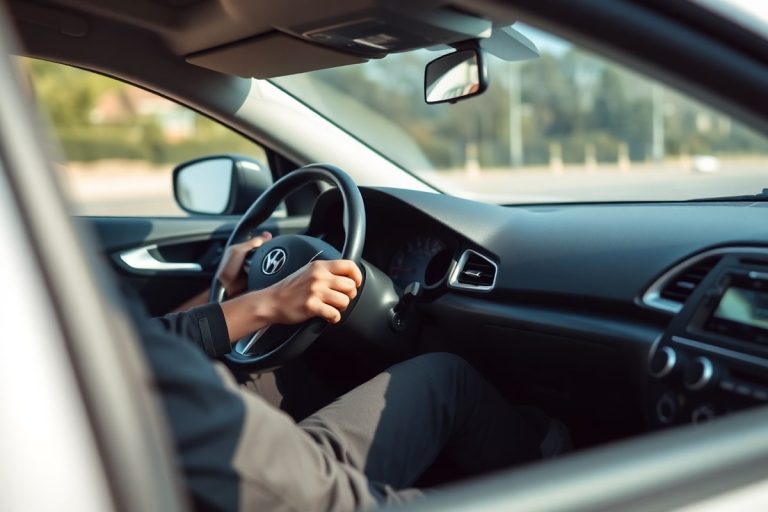
Knowing how to maintain speed when driving helps you stay safe and comfortable. The key is to use steady pressure on the gas pedal and avoid sudden speed shifts. This reduces fuel waste and makes your ride smoother.
Practice watching your speedometer closely to keep it steady near the speed limit. Try easing your foot on the accelerator and correcting in small steps. This helps avoid the usual speed swings like jumping from 20 to 35 mph.
Keep enough space ahead so you can control your speed better without sudden braking. Adjust your speed smoothly before hills, curves, or intersections to prevent jerky movements. These simple habits lead to better control and less stress on your car.
Key Takeaways
- Use light, steady pressure on the gas pedal to keep speed constant.
- Watch your speedometer frequently to avoid large speed changes.
- Maintain a safe following distance to react early and adjust speed smoothly.
- Slow down gently before hills or intersections rather than braking hard.
- Practice on quiet roads to build smooth speed control skills.
- Avoid abrupt throttle or brake inputs that cause speed swings.
1. How to Maintain a Consistent Speed While Driving
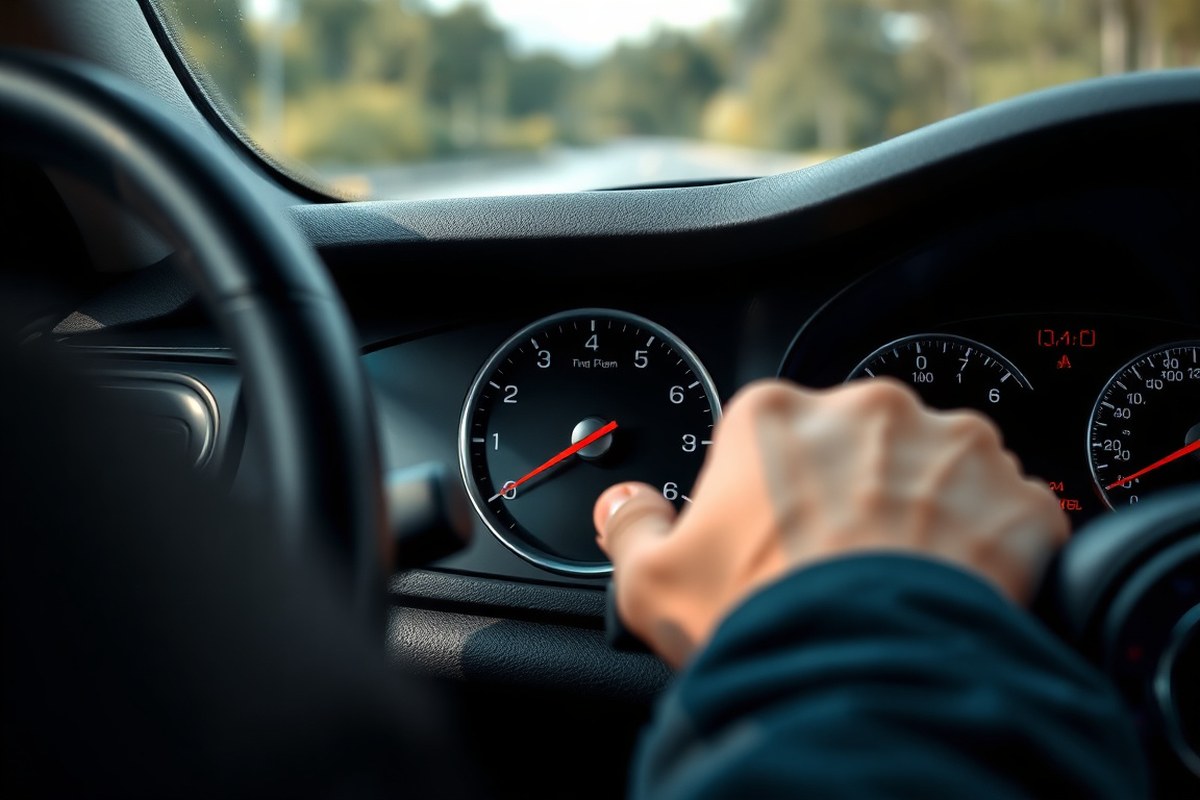
- Focus on your foot pressure. Apply steady, gentle pressure on the gas pedal. Avoid sudden pushes or lifts to keep speed smooth.
- Scan the road ahead. Look far enough to see traffic flow and traffic signals. This helps plan your speed adjustments early, avoiding stops and starts.
- Use your mirrors often. Check traffic behind to decide if keeping your speed is safe. This helps keep you steady without surprises.
- Brake and accelerate smoothly. Ease off the gas before braking and gently press the pedal when speeding up. Sudden moves cause speed fluctuations and passenger discomfort.
- Change your speed according to road conditions. Slow down by 5 to 10 mph on wet or slick surfaces. Maintain extra distance and stay calm to keep a smooth, safe pace.
- Practice mental focus. Stay calm and keep your attention on driving, not distractions. Consistent speed requires being mentally present and aware of changes around you.
- Use a reference point. Pick a car ahead or road sign and try to match its pace smoothly. This sets a real target instead of guessing your speed.
Maintaining steady speed means controlling your foot and watching the road carefully. It’s a skill that takes practice and focus.
For city driving, expect to adjust speed often due to varying limits and traffic lights. On highways, smoother, more constant speeds are easier with forward planning.
Over time, your brain and body learn to keep a steady pace naturally. This lowers stress, fuel use, and keeps you safer on all road types.
2. Using Cruise Control Correctly for Speed Stability
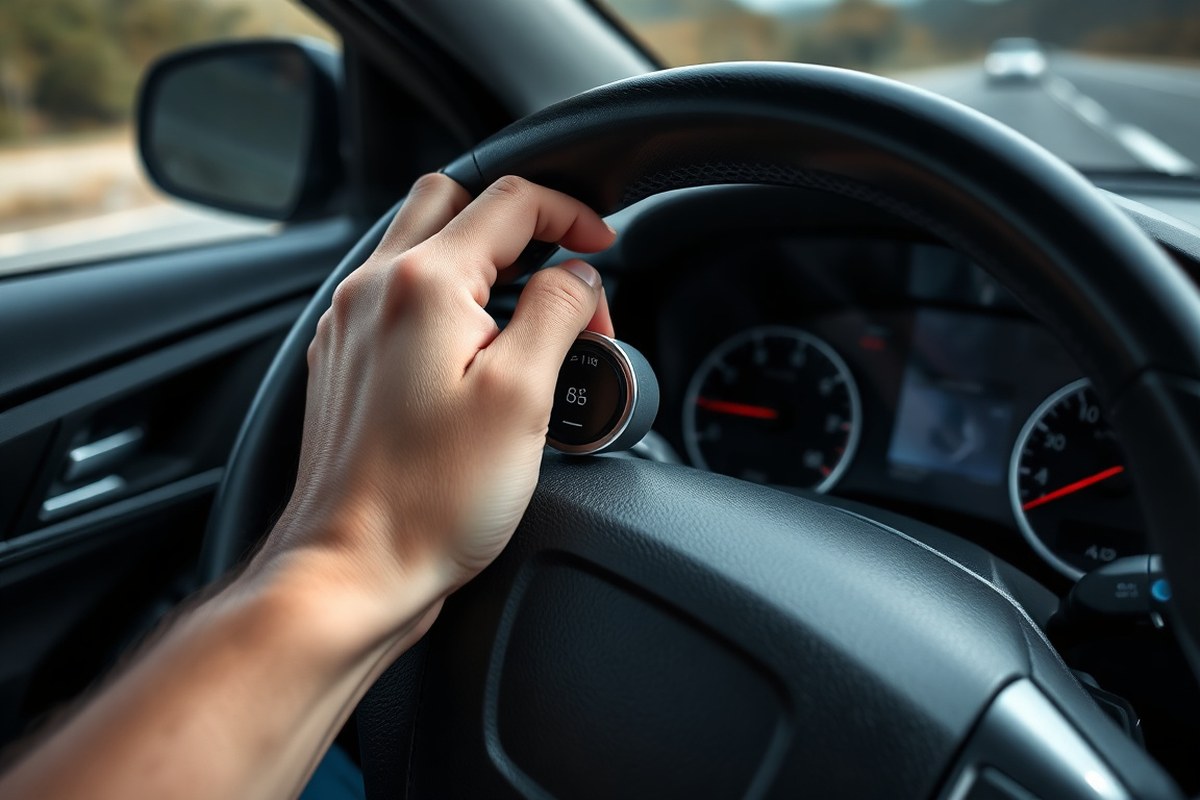
Cruise control helps keep your speed steady by automatically maintaining the selected speed. This system works best on straight roads and highways, where traffic is light.
Turn it on once you reach a safe, legal speed. Then adjust it to match the road conditions.
When to Use Cruise Control Safely
Use cruise control on highways and open roads with consistent speed limits. It reduces the need to press the gas pedal constantly, which helps avoid speed fluctuations. Before activating, make sure traffic is light and road conditions are stable.
Here’s a simple rule: activate cruise control only when you can maintain a constant speed safely. Deactivate it when you need quick control to adjust speed or respond to traffic. This decision helps prevent sudden reactions that can cause accidents.
- Turn on after accelerating to your desired speed, usually above 40 mph
- Use on long, straight stretches with few stops or turns
- Set speed slightly below the posted limit for safety margins
- Deactivate before driving into heavy traffic or complex road areas
- Always be ready to brake or accelerate manually
Using cruise control this way helps lower fatigue on long drives. It keeps you focused on steering and situational awareness, rather than constant speed adjustments.
How to Adjust Cruise Control on Varying Roads
Adjust the cruise control setting by small increments to fit hills or slight curves. Most systems have buttons on the steering wheel or a stalk.
Use these to raise or lower speed by 1 to 5 mph. Adjust before curves or hills to maintain a smooth ride.
When you see a hill or slope, slow down by 3 to 5 mph. This helps you avoid sudden braking.
Cruise control might struggle to maintain speed uphill, so manual acceleration could be needed. On flat ground, keep your speed steady to save fuel and reduce wear on your brakes.
Situations to Avoid Using Cruise Control
Never rely on cruise control during wet, icy, or slippery conditions. It can cause your car to lose traction as the system tries to keep speed steady.
Don’t use it on busy roads, sharp turns, or work zones. These places need quick, careful reactions.
Turning off cruise control is wise before entering city streets or if the weather suddenly changes. You need full control to prevent accidents in those areas. Switching back to manual speed control lets you respond instantly to hazards.
Turn off cruise control and use your own speed control in slippery or high-traffic areas.
3. Adjusting Speed When Driving Uphill or Downhill
Keeping a steady speed uphill or downhill depends on smooth throttle and brake control. You gently press the gas going uphill to keep your momentum. Going downhill, you ease off the gas.
Use engine braking. This helps you avoid speeding up too much.
Maintaining Momentum Uphill
Uphill driving can make you lose momentum if you don’t adjust properly. Press the gas pedal slightly more to keep the vehicle moving steady without over-revving the engine. Avoid sudden braking or abrupt acceleration, as these cause jerky speed changes and waste fuel.
Shifting to a lower gear on manual cars helps maintain power and control. Automatic cars often detect slopes and adjust shifting.
But you can manually select lower gears if needed. This prevents your car from struggling and stalling on steep inclines.
Controlling Speed Safely Downhill
When going downhill, gravity can cause your speed to rise quickly. Lift your foot off the gas early to let your car slow naturally. Avoid riding the brakes continuously since it can overheat them and reduce braking power.
Apply the brakes gently and intermittently to control speed precisely. Staying alert and anticipating curves or stops before reaching them helps avoid sudden braking. Being patient here keeps you and others safe by preventing loss of control.
Using Engine Braking Effectively
Engine braking uses the engine to slow the car without heavy braking. Shift to a lower gear going downhill. The engine slows your car down naturally.
This works in manual and many automatic cars. Using engine braking saves your brakes from overheating and reduces wear.
Don’t rely on it alone if traveling very fast or on steep hills. Add gentle brake pressure when needed.
Combining these methods avoids sudden speed changes and keeps your drive smooth. This technique also helps you maintain better control on long slopes.
Here is how you can maintain a steady speed on slopes:
- Press the gas gently when driving uphill to maintain momentum, it avoids stalling.
- Shift into a lower gear before starting a steep hill for better power control.
- Lift off the gas gradually when you begin going downhill to let speed reduce naturally.
- Use intermittent gentle braking on down slopes to keep a safe speed and protect brakes.
- Shift to a lower gear for engine braking, especially on long or steep declines.
- Anticipate turns and stops early; don’t wait until the last moment to react.
- Avoid sudden acceleration or braking; smooth inputs keep speed steady and save fuel.
- Stay alert for traffic and road changes that require speed adjustments on slopes.
4. Adjusting Speed for Weather and Road Conditions
Rain, snow, fog, and poor road surfaces can make your tires lose grip. That reduces how quickly you can stop and control your car. Drive slower than the posted limit when conditions cut your visibility or traction.
In heavy rain, cut your speed by at least 10 to 15 mph below the limit. Water causes slick roads and longer stopping distances.
Watch out for puddles that can cause hydroplaning. Avoid sudden turns or hard braking to keep control.
Snow and ice require even slower speeds, sometimes half your usual pace. Cold patches shaded by trees freeze faster, so slow down before those spots.
Use gentle acceleration and braking to avoid sliding. Keep extra distance from other cars, as it takes twice the normal space to stop.
Fog reduces how far you can see and makes judging distance hard. When you cannot see clearly, drive very slowly, around 20 to 30 mph.
Use low beam headlights and fog lights if you have them. Avoid cruise control because you must adjust speed constantly.
Poor road surfaces like mud or gravel cut traction and may hide hazards. Lower your speed until you can sense how your car handles.
Smooth, steady inputs on the wheel and pedals help keep stability. When the surface is very uneven, slow down to walking speed sometimes.
Bad car maintenance, like worn tires or brakes, worsens risks on slick roads. Make sure your tires have good tread and tire pressure matches the manual.
Keep brakes in top shape with regular service. These steps help you maintain speed safely on tricky roads.
Don’t feel pressured to keep up with traffic if conditions are bad. Drive at a speed that keeps you safe, even if others go faster. Give yourself more time to brake and choose routes with better road conditions when possible.
5. Managing Speed in Heavy Traffic and Urban Areas
Keeping a steady speed in heavy traffic means staying calm and watching the flow ahead. This helps you avoid slamming on brakes or flooring the gas suddenly. Your goal is to adjust smoothly, matching the cars around you without jerking the pedal.
Safe distance is key in stop-and-go traffic. You should keep about three seconds of space ahead when driving slow. This time gap helps you react safely if traffic stops.
It gives you enough distance to avoid collisions. This gap lets you brake gently and react calmly if traffic stops suddenly. Keep your eyes scanning 10 to 15 seconds ahead so you spot slowdowns early.
- Keep steady, light pressure on the gas pedal.
- Watch cars merging and give extra space.
- Slow your speed by 2 to 3 mph when boxed in.
- Stay in your lane and avoid weaving.
- Use your peripheral vision to monitor nearby vehicles.
- Look far ahead to anticipate traffic changes.
- Avoid rushing to close tiny gaps in traffic.
Traffic in cities like New York shifts quickly, requiring quick but smooth speed adjustments. Spot vehicles taking longer to get up to speed, like trucks or tractors. Letting off the gas a bit helps traffic flow better.
This small move lowers the risk of being hit from behind. It keeps cars spaced out on the road.
Steady speed feels smoother and less tiring. It lowers your stress and reduces wear on brakes and tires.
Sudden braking wastes gas and can cause accidents. Holding a gentle rhythm in heavy traffic will save you time and frustration over each trip.
Always watch for cars entering from side streets, they often move slower, needing extra patience.
6. Common Speed Control Mistakes and How to Fix Them
6. Common Speed Control Mistakes and How to Fix Them
Speed often fluctuates when your foot presses too hard or lifts suddenly. This jerky motion makes it hard to keep a steady pace. Learning to use gentle, even pressure is key to smoother driving.
People often stop or accelerate too fast, which throws off speed control. Sudden changes also increase risks on busy roads. You can avoid this by planning ahead and reacting calmly.
Improving foot sensitivity takes practice and patience. Start by lightly resting your foot on the pedal and adjusting pressure in small steps. This helps your body learn the right touch.
- Keep a steady pedal pressure, avoid rapid presses or lifts.
- Use the ball of your foot to control the gas pedal.
- Plan stops and accelerations early to avoid sudden moves.
- Watch your following distance to prevent abrupt braking.
- Practice gentle speed changes on quiet roads or parking lots.
- Relax your leg muscles to reduce tension and jerking.
- Focus your eyes further ahead to anticipate traffic flow.
Stopping too quickly means a sudden throttle release and brake press. This disrupts speed and throws off your rhythm. Instead, ease off the gas gradually, then brake smoothly for better control.
Results show when the car moves forward without bouncing or sudden surges. Speed stays constant within a few miles per hour. Jerky motions feel rough and can harm fuel economy.
7. How Vehicle Type Affects Speed Control Techniques
Driving a manual car demands more attention to gear changes to keep speed steady. You need to shift smoothly. Time your clutch use well.
This avoids jerks or speed drops. An automatic car handles the shifting for you.
It helps keep speed steady. You use less effort overall.
How you shift gears in a manual car impacts how steady your speed feels. Shifting too early or late makes speed wobble, especially on hills or curves. Match engine speed to road speed for better control.
Shift at 2,000 to 3,000 RPM, usually. This keeps the power delivery smooth.
Automatic transmissions adjust gear ratios on their own. Sensors detect road speed and engine load. They adjust to keep speed stable.
You don’t need to touch the shifter. This works well in steady driving but may lag slightly on sudden slopes or traffic changes.
| Aspect | Manual Transmission | Automatic Transmission |
|---|---|---|
| Speed Consistency | Depends on your shift timing and clutch use | Generally smoother as it shifts automatically |
| Gear Shift Control | You decide when to shift | Car shifts based on sensors |
| Effort to Maintain Speed | Higher; you must coordinate pedals and gears | Lower; just control gas and brake pedals |
| Adaptability in Hills | You control downshifts to hold speed | Automatic may lag but adapts quickly after detection |
| Cost of Maintenance | Clutch replacement every 50,000, 100,000 miles | Transmission service recommended every 60,000, 100,000 miles |
| Difficulty Level | Higher for beginners | Easier for most drivers |
Manual drivers can fine-tune speed on hills by choosing the right gear. This helps avoid unnecessary brake use or speeding up too much. Automatic cars manage this themselves but may feel a momentary slowdown as they shift down.
For smooth speed in stop-and-go conditions, automatics usually feel easier. You avoid stalling or rough starts common in manuals if you’re not experienced. Proper car upkeep, like checking tire pressure, also helps both types keep speed steady without waste.
8. Helpful Mental and Visual Skills for Smooth Speed Control
Mental focus keeps you alert about speed changes ahead. Watch the road closely. Notice when traffic or signals need speed change.
Slow down or speed up as required. Your brain might drift.
You could miss cues. Speed may change without control.
Peripheral vision helps you catch movement on the sides without turning your head. This is key for spotting braking cars or riders, which affects your safe speed. Practice softening your gaze.
See the whole road and nearby edges. Don’t just look straight ahead.
The 3 C’s of driving, Check, Communicate, and Control, tie directly to maintaining smooth speed. Check means scanning the environment continuously.
Communication involves signalling or making eye contact to predict others’ moves. Control is adjusting your speed gently and steadily based on what you observe.
Scanning 10 to 15 seconds ahead helps anticipate changes early enough to adjust speed smoothly. At 60 mph, this covers about a quarter mile ahead.
Try to shift your view softly along the road, noticing brake lights, signs, or obstacles. This lets you brake or accelerate gradually, avoiding abrupt speed shifts.
In suburban areas, narrow your focus slightly. Look for children or pets. They might suddenly run out.
Use your peripheral vision to watch sidewalks and driveways while your eyes scan farther ahead. This adjusts your speed wisely, keeping you ready to slow down fast if needed.
On highways, check side mirrors often. Watch the road ahead too. This keeps lane position and speed steady.
Use the 3 C’s to notice fast-approaching vehicles or shifts in traffic flow. Keep your gaze on the horizon.
It helps hold a constant pace. Avoid late reactions to changes.
In heavy traffic, constant mental focus avoids sudden speed surprises. Watch brake lights, space between cars, and traffic signals ahead in your 10 to 15-second window. When stopped, watch cars ahead and beside you.
This reduces stop-and-go instinct. That instinct makes speed vary too much.
Move your eyes between the road in front and up to 15 seconds ahead. This keeps your awareness up. It helps maintain steady speed.
9. When and Why to Seek Professional Help for Speed Control
You should seek professional lessons if you struggle to keep consistent speed. Instructors help you build control with expert advice and practice. Lessons usually last a few weeks to develop good speed control skills.
Signs You Need Professional Guidance
You might need help if your speed varies a lot without reason. Difficulty controlling speed on hills or in traffic is another sign.
Feeling nervous about cruise control? Taking lessons can help you feel sure.
Having trouble keeping speed in school zones? Changing speed limits can be tricky.
Expert tips make this easier for you. A professional can spot bad habits you might not notice yourself.
What Professional Lessons Include
In lessons, instructors teach real-world skills like feather touch throttle control. They show how to use cruise control properly on highways. This helps you maintain smooth and safe speed.
You’ll get clear steps on watching your speedometer. Learn how to press the gas pedal right.
See how to respond to road changes safely. Instructors provide feedback on your foot timing and steadiness.
Lessons last about 45 to 60 minutes each, often given weekly for a few sessions. Prices range but expect $50 to $100 per hour in areas like Queens.
How to Practice Tips from Instructors
Applying lessons takes focused practice. Start where traffic is light and speed limits are clear. Repeat the techniques until they feel natural.
Here are steps to practice what you learn from a professional:
- Check and set your desired speed using the speedometer.
- Use light, steady pressure on the gas pedal (feather touch).
- Adjust pressure slightly before changes like hills or curves.
- Practice using cruise control safely on highways when possible.
- Watch for speed limit signs and reduce speed early in school zones.
- Seek immediate feedback by recording your drives if possible.
- Review mistakes and adjust based on instructor tips.
- Repeat exercises regularly to build muscle memory and timing.
Step-by-Step Action Plan to Maintain Steady Speed Today
Follow these simple steps to practice keeping your speed steady in different driving situations. Check each step’s result to see your progress.
- Before your next drive: Adjust your seat and mirrors to ensure full visibility. Good comfort and sight help steady your speed and reactions immediately.
- Day 1: Practice driving on a quiet road using cruise control at a safe speed. Notice how it keeps your speed steady without constant foot pressure.
- Day 3: Drive on a route with hills. Use gentle accelerator and brake inputs to adjust speed smoothly up and down slopes. You’ll feel less jerky movement.
- Day 5: Drive in light rain or wet conditions. Lower your speed early and avoid sudden moves. You will notice better control and confidence.
- Week 2: Practice controlling your speed in crowded city traffic. Use short taps on the throttle. Look far ahead while driving. You’ll reduce stop-and-go stops.
- Week 3: Test driving with different vehicles or loads if possible. Pay attention to how acceleration and braking needs change with size and weight.
- Week 4: Reflect on any speed control mistakes you’ve made. Use mental notes or visual cues to avoid repeating them next time.
Frequently Asked Questions
What Are the Three C’s of Driving?
The three C’s are Control, Confidence, and Courtesy. They help you stay safe while driving.
They keep your car steady. They also help you respect others on the road.
What Is the 30-60-90 Rule for Cars?
This rule helps judge safe following distances by seconds, not feet. Stay 3 seconds behind in dry weather.
Keep 6 seconds in wet roads. Use 9 seconds when roads are icy.
Is Driving at 80 Mph Bad?
Driving at 80 mph is risky and often illegal on many roads. It lowers reaction time and increases stopping distance, making it harder to maintain a safe speed.
What Is the 1/2/3 Rule in Driving?
The 1/2/3 rule means signal for turns based on your speed. Signal half a second before turning if you’re moving slow.
Use 3 seconds on highways. This helps others know your speed changes.
How Can I Keep Steady Speed Without Cruise Control?
Use gentle pressure on the gas pedal and watch your speedometer closely. Avoid sudden accelerations or braking to maintain steady speed naturally.
Before You Go
Keeping your speed steady takes consistent attention and practice. Start the next time you drive by focusing on your speed control in one condition. Watch how small changes build your skill and safety on the road.