How Big Is a Semi Gas Tank? Complete Guide to Capacity and Range
Wondering how big is a semi gas tank? Most semi trucks have gas tanks holding between 120 and 150 gallons.
That’s just for one tank, though. Many trucks have two tanks, which doubles the total capacity to 200 to 300 gallons.
This size range depends on the truck’s model and what it’s used for. For example, long-haul trucks usually need bigger tanks to cover more miles without stopping. It’s smart to check your truck’s tank size before planning long trips.
Keep in mind, diesel weighs about 7 pounds per gallon. So fuel adds significant weight.
Also, fuel tanks are rarely filled to 100%, usually around 95% to allow room for expansion. This small detail helps avoid leaks or damage during temperature changes.
Key Takeaways
- Semi truck gas tanks usually hold 120 to 150 gallons each.
- Most long-haul trucks have dual tanks totaling 200 to 300 gallons.
- Fuel tank size depends on the model and trucking needs.
- Diesel fuel weighs about 7 pounds per gallon, adding to truck weight.
- Tanks fill to 95% capacity to allow fuel expansion and prevent leaks.
- Plan routes based on your tank’s total capacity and fuel stops.
How Big Is a Typical Semi Truck Gas Tank?
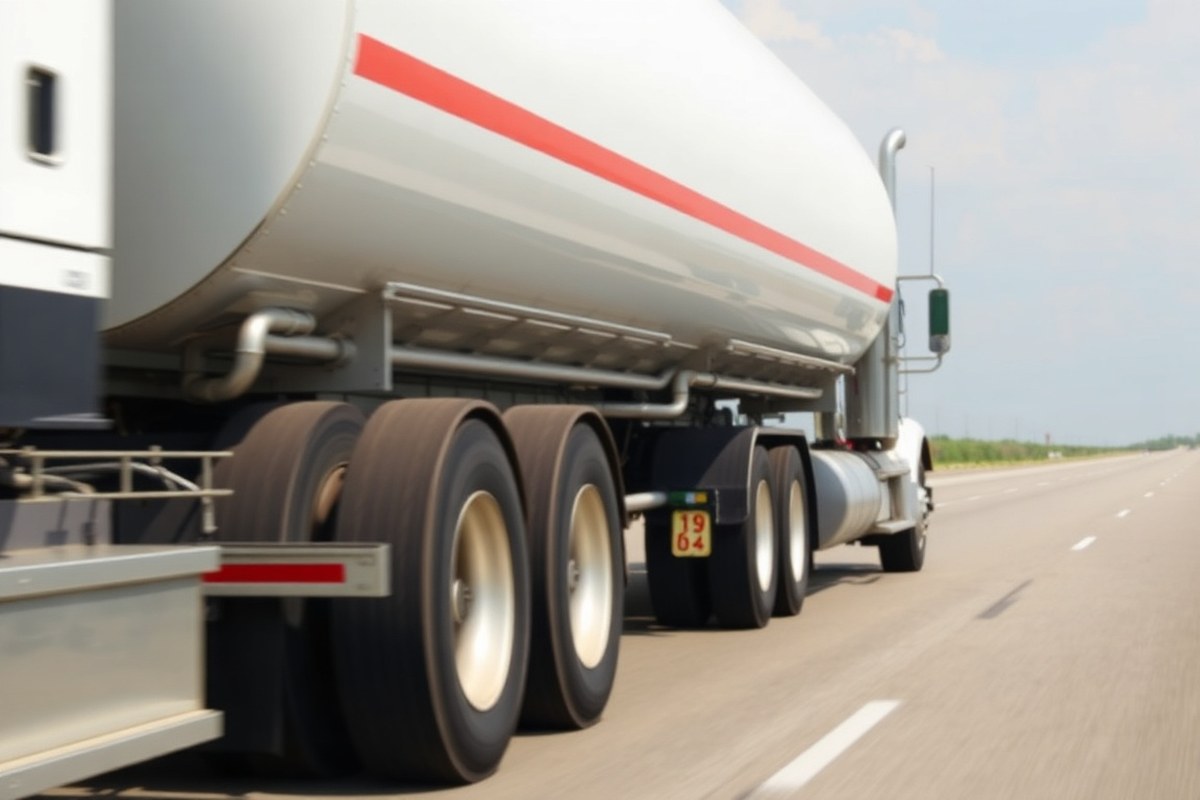
The average fuel tank size for a semi truck ranges from 120 to 150 gallons. Many semi trucks have dual tanks mounted on each side of the chassis. This setup increases total fuel capacity, typically between 200 and 300 gallons.
Single tanks usually hold 100 to 150 gallons and suit regional trucks that make frequent stops. Dual tanks fit long-haul rigs better by extending their driving range without refueling. Some custom trucks have tanks holding over 300 gallons for extra range on long routes.
Having two tanks balances weight on the truck and allows faster refueling. Drivers switch tanks during stops to keep the engine running smoothly. The size you need depends on how far you haul.
It also depends on your fuel budget. Plus, check for refueling points along your route.
What Factors Determine Semi Truck Fuel Tank Size?
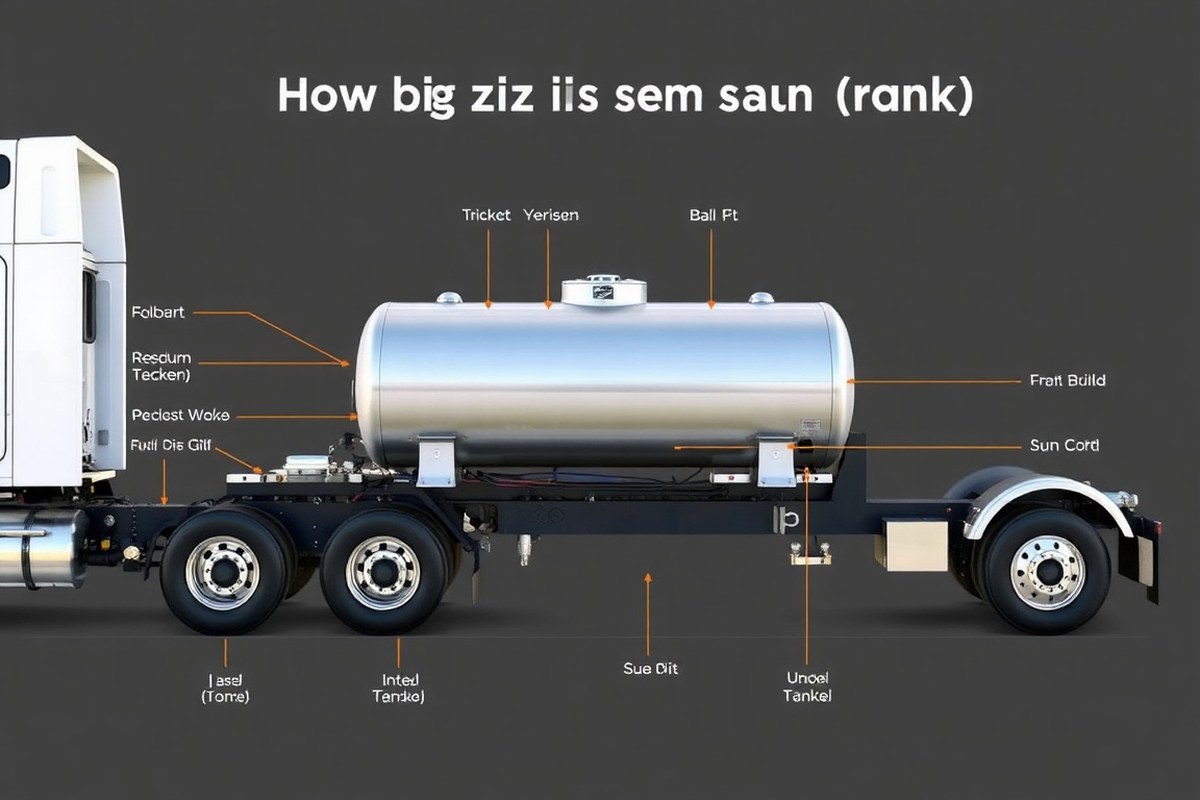
The length of your route affects how large your semi truck’s fuel tank is. Longer trips need bigger tanks to cut down on fuel stops.
Cross-country trucks usually hold 200 to 300 gallons. Local haulers often use tanks between 100 and 125 gallons.
Weight limits from federal and state laws also set tank size boundaries. Fuel adds significant weight since diesel weighs about 7 pounds per gallon. Truckers need to balance fuel tank size with how much cargo they haul.
Staying under the 80,000-pound weight limit is important. Most states enforce this legal maximum for gross vehicle weight.
Truck model and design influence where and how big fuel tanks can be. Some semi trucks come with two fuel tanks mounted on frame rails. This setup increases fuel capacity without using up cargo space.
It lets drivers haul more fuel for longer trips. Other trucks have limits on frame space or use lighter aluminum tanks.
Lighter tanks allow for bigger fuel capacity without exceeding weight rules. This helps trucks carry more fuel safely.
Adding a bigger tank may mean changing tire pressure and axle loads. You must keep weights within legal limits to avoid fines. Adjustments help keep your truck safe and legal.
Fuel Tank Capacity by Popular Semi Truck Models
Fuel tank sizes vary widely among popular semi truck models. Most trucks have dual tanks, with capacities ranging roughly from 120 to 300 gallons total. Some tanks hold more than 300 gallons each side.
This is common in custom builds. These setups fit longer hauls well.
Freightliner Cascadia Fuel Tank Sizes
Freightliner Cascadias commonly come with dual tanks holding between 100 and 150 gallons each. Many drivers have total fuel capacity near 200 to 300 gallons. This amount lets you skip frequent stops.
It works well for long stretches. The tanks are usually made from aluminum to reduce weight.
These tanks typically allow a balance between hauling capacity and fuel range. Carrying around 200 to 300 gallons lets you drive up to 1,500 miles. Mileage varies depending on your truck’s fuel use.
This range usually covers long runs. It also helps avoid frequent fuel stops on highways.
Kenworth T680 and Peterbilt Tank Capacities
Kenworth T680 fuel tanks usually hold two tanks of about 110 gallons each. Peterbilt 579 tanks often carry roughly 120 gallons per side.
Steel tanks are available as an option on Kenworths. Peterbilt prefers aluminum for most setups.
These dual tanks combine to totals between 220 and 240 gallons commonly. This capacity suits long-distance drivers aiming for longer range without extra stops. Larger tanks can weigh over 2,000 pounds just filled with diesel, so weight matters.
Optional and Custom Tank Configurations
Some semi trucks offer custom tanks up to 400 gallons each, doubling the typical capacity. These custom tanks reach massive totals of 800 gallons, letting you drive further without refilling. They are usually built for very specific routes where fuel stops are scarce or timed.
Custom and optional tanks cost more but save time and fuel stops in return. Ensure your truck’s weight limits allow for heavier fuel loads when choosing very large tanks. Standard options tend to hover between 120 and 150 gallons per tank on most trucks.
Here is a table comparing common truck models with their typical tank sizes and materials. These figures reflect what you see most often on highways.
| Truck Model | Typical Fuel Tank Capacity (gallons) | Standard Dual Tank Size (gallons) | Material |
|---|---|---|---|
| Freightliner Cascadia | 120, 300 | 2 × 100 | Aluminum |
| Peterbilt 579 | 120, 300 | 2 × 120 | Aluminum |
| Kenworth T680 | 120, 300 | 2 × 110 | Steel optional |
| Mack Anthem | 120, 280 | 2 × 90 | Aluminum |
| International LT Series | 120, 280 | 2 × 130 | Aluminum |
Tanks in this range deliver good fuel capacity without drastically impacting truck weight. Trucks with optional steel tanks typically carry more weight but offer added durability. Knowing how much fuel your truck holds helps plan routes and stops better.
How Far Can a Semi Truck Travel on One Tank?
Semi trucks usually get between 6 and 8 miles per gallon. The average is about 6.5 mpg for long-haul trucks. Fuel efficiency depends on the engine, load, and road conditions.
Most semi trucks have tanks that hold between 100 and 150 gallons. Filling the tank to 95% capacity helps protect the fuel from expanding. That means a full tank on a 150-gallon tank is about 142 gallons.
To find the range, multiply the fuel capacity by the truck’s mpg. For example, a truck with 142 gallons and 6.5 mpg can travel about 923 miles. This calculation shows you how far one full tank can take you.
Driving conditions affect fuel use a lot. Hills, heavy traffic, and strong winds lower your miles per gallon.
Extra weight from cargo also reduces efficiency. So, a fully loaded truck on mountain roads might only get 5 mpg, cutting the range.
Good maintenance keeps your truck closer to 6.5 mpg or better. Poorly maintained engines and underinflated tires waste fuel. Fleet managers plan routes and stops knowing these factors change your tank range.
Why Semi Trucks Are Filled to 95% Capacity, Not 100%
Semi truck fuel tanks should never be filled to 100%. Filling to 95% capacity allows space for diesel to expand, which happens as temperatures rise. This expansion space prevents fuel from spilling or damaging the tank.
Diesel fuel volume increases with heat. On a hot day, diesel in a tank expands about 2 to 4 percent.
This expansion happens because heat makes the fuel take up more space. A 300-gallon tank filled completely could overflow or cause pressure build-up, risking leaks or tank damage.
Overfilling also poses safety risks. Fuel vapors left with no room to expand may escape, creating fire hazards or environmental spills. Safety rules ask drivers to leave some empty space in tanks.
This prevents problems from fuel expanding in heat. Industry standards back this approach too.
Most modern semi tanks state their capacity at a 95% fill level. This means the “extra” 5 percent is reserved for vapor expansion. A 120-gallon oval tank can hold more fuel physically.
But it is only rated to fill 95%. This keeps filling within safe limits.
To follow the 95% rule, fill the tank only until the pump’s automatic nozzle clicks off. Avoid topping off manually or pushing fuel beyond that point. It takes a few seconds but prevents problems and costly spills during hot weather.
Never ignore the pump’s automatic shutoff. Topping off beyond that is unsafe and can lead to spills and fines.
Leaving this space also makes refueling quicker and less messy at truck stops. A second fuel tank serves as a backup for drivers. It helps them manage fuel safely on long trips.
This setup adds convenience and security. Fuel costs for a full 300-gallon setup can top $1,000. So protecting the investment matters.
How Fuel Tank Size Affects Truck Weight and Legal Limits
A full tank of diesel weighs about 7.1 pounds per gallon. So, a typical 150-gallon semi truck tank adds roughly 1,065 pounds. That weight goes onto your truck’s axles and can push them near or over legal limits.
Large fuel tanks placed wrong can cause axle overload. This can happen even if your truck weighs under 80,000 pounds. You must watch tank placement to avoid this issue.
The DOT sets limits for axle weights, not just overall vehicle weight. Overloaded axles risk fines and unsafe driving conditions.
Adding an auxiliary fuel tank means careful planning. Custom tanks must fit frame space and keep axle weight legal.
Think of fuel weight like cargo weight. You balance total load between cargo and fuel to stay inside legal limits.
Truck owners often focus on how many gallons they can carry. But the real limit is the fuel weight. Diesel fuel weighs about 7.1 pounds per gallon.
So adding 50 gallons means 355 pounds extra. Your cargo weight near max capacity can cause problems.
Adding an auxiliary tank might push you over the legal weight limits. Check your total weight before adding extra fuel.
To keep the balance, measure axle weights after filling your tanks. Some states allow you to weigh your rig at certified scales before starting a trip.
This step helps adjust loaded weight to comply with regulations. You might need to reduce cargo or fuel load based on these weights.
Choosing tank size changes trip planning too. Smaller tanks mean more stops but more control over axle weight. Bigger tanks extend your range but risk overloading if you’re near weight limits.
You can carry more fuel if your cargo is light. Be careful when hauling heavy freight with extra fuel. Overloading can cause safety and legal problems.
Steel vs Aluminum: Choosing the Best Fuel Tank Material
Steel and aluminum fuel tanks each have clear advantages and tradeoffs. Steel tanks are heavier and prone to rust but cost less and handle repairs better.
Aluminum tanks weigh less and stop rust naturally. They cost more and dent easily.
Weight Differences Between Materials
Aluminum tanks weigh about 75 pounds less than steel tanks. This weight difference helps reduce the truck’s overall weight, improving fuel economy. Lighter tanks are ideal for fleets focusing on highway efficiency and weight limits.
Steel tanks add extra weight to the truck, which can reduce payload capacity. However, the heavier steel often translates into a tougher tank under physical abuse. This makes steel a good fit for off-road or harsh work environments.
Corrosion and Maintenance Needs
Aluminum tanks do not rust and need no special coating against corrosion. This reduces long-term maintenance costs and downtime for corrosion repairs. However, aluminum dents more easily and is harder to fix in the field.
Steel fuel tanks require protective coatings to prevent rust from moisture condensation inside the tank. Steel rusts fast without protection.
This shortens the tank’s life. Its repairability with welding is easier and more common in the field compared to aluminum.
Cost Considerations for Fleet Operators
Steel tanks generally cost less upfront than aluminum, making them budget-friendly for large fleets. Steel costs less at first. But rust can raise maintenance costs later.
Aluminum tanks come with a higher purchase price. Less weight and rust resistance save fuel and cut maintenance often. Operators balancing fuel efficiency and total cost should consider aluminum.
| Fuel Tank Material | Weight | Corrosion Resistance | Repairability | Cost | Best for |
|---|---|---|---|---|---|
| Aluminum | Lighter (~75 lbs less) | Excellent (no coating needed) | Harder to field repair | Higher | On-highway, weight-sensitive fleets |
| Steel | Heavier | Requires coating to prevent rust | Easier to weld repair | Lower | Off-road, heavy-duty, abuse environments |
Consider the operating conditions and priorities before choosing fuel tank material. An aluminum tank suits highway rigs focused on efficiency. Steel tanks serve rugged needs where durability and simpler repairs matter most.
Tips for Maintaining Semi Truck Fuel Tanks
Semi trucks have two fuel tanks: a main and a backup one. They need regular checks to avoid leaks and corrosion that can cause costly repairs. Inspect them every three months or at 15,000 miles to catch problems early.
Look for dents, rust spots, or wet patches around the seams. These signs point to potential leaks or damage. Watch the fuel filter and engine for strange smells.
Drops in performance can show contamination inside the tank. Check these signs often to catch problems early.
- Clean tanks every 6 months or after filler cap exposure to dirt
- Apply rust inhibitor spray on metal surfaces every 3 to 6 months
- Keep tanks at 95% fill to leave space and reduce pressure
- Use fuel additives that prevent water buildup and microbial growth
- Check fuel lines and connections for cracks or loose fittings monthly
- Drain water and sediment from sump drains regularly if equipped
- Store truck off wet or salty roads to reduce corrosion risk
Corrosion starts when moisture gets trapped in the tank. Rust weakens the metal and can cause leaks that stop your trip. Regular cleaning and protective sprays keep moisture and salt off the surface.
Fuel additives help keep microbes out of your fuel system. These microbes can harm engine parts after a while. Using additives regularly can prevent costly damage.
Stop driving immediately if you smell fuel or suspect contamination; get a professional inspection.
Leaking tanks mean lost fuel and dangerous spills on the road. Early detection prevents large repairs and keeps the truck running longer. Spend a few minutes each month on this checklist.
It protects your investment and keeps your job on track. Regular checks help avoid delays and repairs.
How to Calculate Semi Truck Range Using Tank Capacity and MPG
To estimate your semi truck’s driving range, you need the tank capacity and average fuel mileage. Multiply the amount of usable fuel by your miles per gallon (MPG). Adjust this number to reflect real-world driving conditions.
Step 1: Determine Tank Capacity
Look at the manufacturer’s specs for your truck’s fuel tank size. Most semi trucks have tanks holding between 100 and 150 gallons each. Some trucks carry two tanks, so add their capacities together for total capacity.
Remember, trucks rarely fill tanks 100%. Fuel tanks usually fill to about 95%. This leaves room for fuel expansion and prevents overflow.
Step 2: Find Average Fuel Efficiency
Check your truck’s average fuel consumption. Class 8 trucks typically get between 6 and 8 miles per gallon.
The exact MPG varies by load weight, terrain, and speed. Use your recent trip logs or engine monitoring data for accuracy.
You need real data. Use a typical average like 6 when missing it.5 MPG to start your calculation. Be aware highway miles usually yield better MPG than city driving.
Step 3: Calculate Theoretical Maximum Range
Multiply your fuel capacity by your average MPG to find the ideal driving range. Your tanks hold 200 gallons in total.
At 95% full, that’s 190 gallons. This amount is the usable fuel you can expect.
At 6.5 MPG, multiply 190 gallons by 6.5 miles. That equals a theoretical maximum range of 1,235 miles before refueling.
Step 4: Adjust for Practical Factors
Real conditions often reduce your range below the theoretical number. Account for:
- Load weight increasing fuel consumption
- Hilly or mountainous terrain
- Traffic congestion causing idling and stop-and-go driving
- Weather conditions like strong winds or cold starts
- The efficiency of your truck’s maintenance status
To adjust, reduce your range by 10% to 20% depending on these factors. For example, subtract 15% from 1,235 miles gives about 1,050 miles practical range. This helps you plan realistic fueling stops.
Step-by-Step Action Plan for Managing Your Semi Truck Fuel
Follow these steps to optimize your fuel tank use. This plan helps you plan trips and save fuel costs.
- Before your trip: Check your fuel tank capacity and current fuel level. Confirm it matches the expected capacity to avoid surprises.
- Day 1: Calculate your truck’s average MPG using past trip data. This tells you how far you can go before refueling.
- Week 1: Plan your routes around fuel stops that fit your tank’s range. Knowing where to fuel reduces downtime.
- Week 2: Start filling your tank only up to 95% capacity. This prevents spills and complies with safety guidelines.
- After 2 weeks: Inspect your fuel tank for leaks or damage. Fix issues early to avoid costly repairs later.
- Month 1: Track your fuel consumption and tank maintenance. Adjust your routine for better efficiency and safety.
Frequently Asked Questions
How Far Can Semis Go on a Full Tank?
A semi truck typically travels 400 to 800 miles on a full tank. This range depends on the truck’s fuel efficiency and load.
How Many Gallons Does a 53 Foot Tanker Hold?
A 53-foot tanker truck usually holds between 5,000 and 9,000 gallons. This capacity varies by tanker design and legal limits.
Can a Truck Hold 100 Gallons of Gas?
Yes, many semi trucks have fuel tanks holding at least 100 gallons. Most have dual tanks adding up to 200, 300 gallons in total.
How Big Is a Peterbilt Tank?
Peterbilt semi trucks usually have fuel tanks between 100 and 300 gallons. Tank size depends on the truck model and purpose.
Are There Legal Limits on How Large Semi Truck Fuel Tanks Can Be?
Regulations limit fuel tank size to meet weight and safety rules. Most tanks fall between 100 and 300 gallons to stay legal and efficient.
Key Points to Remember
Semi truck fuel tanks vary but usually hold 100 to 300 gallons. Understanding your tank size and range helps you plan better trips. Next, check your truck’s manual for exact tank specs and start tracking your fuel use today.