How Fast Can an E Scooter Go? Clear Speed Ranges and Safe Riding Tips
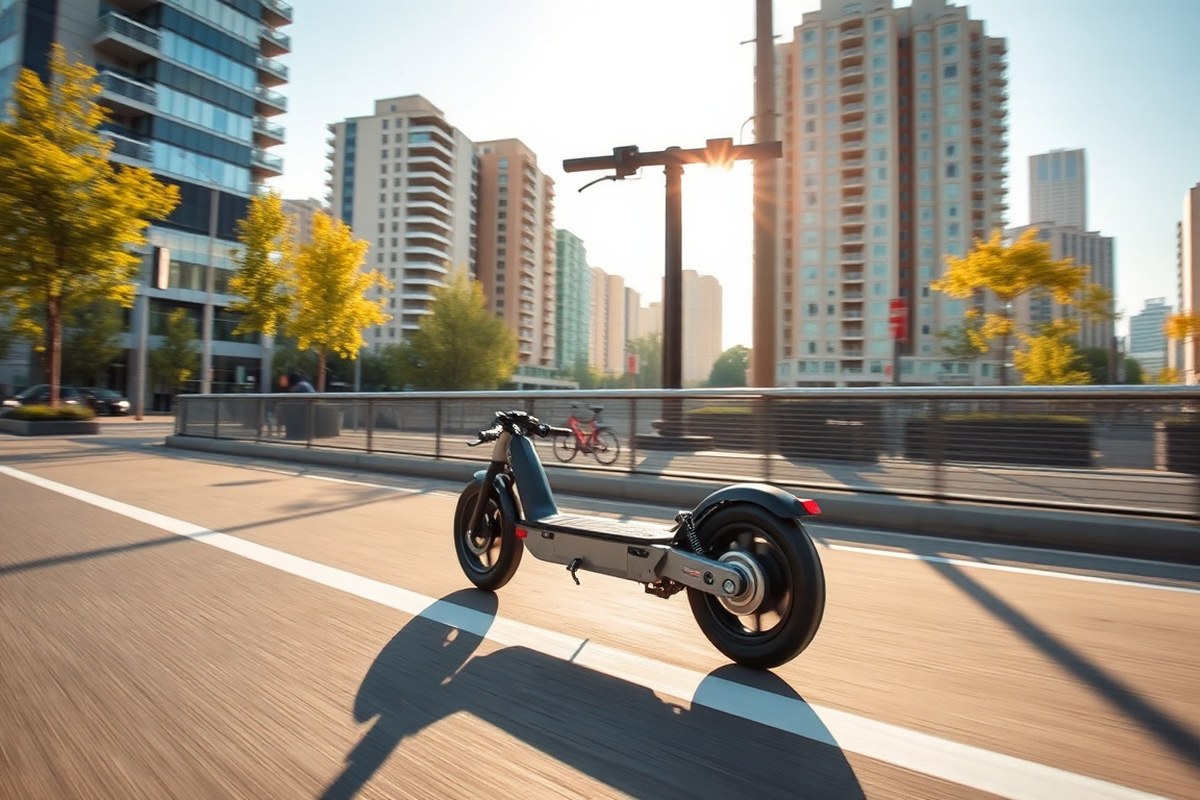
How fast can an e scooter go? Most electric scooters top out between 15 and 30 miles per hour.
Some high-end models can reach 50 miles per hour or even more. But those are rare and costly.
Speed depends a lot on the motor, battery, and weight. Your scooter’s real speed often drops 15% to 30% below the listed top speed. It matters which scooter you choose and how you care for it.
Start by checking the scooter’s motor power and voltage. Also, watch your weight and terrain, as hills and rough roads slow you down. Battery charge level can cut your speed below 30% remaining.
Key Takeaways
- Most scooters run 15-30 mph; premium ones can hit 50+ mph.
- Larger motors and higher voltage usually mean faster scooters.
- Heavier riders can reduce top speed by up to 20%.
- Battery charge below 30% causes noticeable speed drop.
- Smoother terrain helps maintain higher, more consistent speeds.
- Eco mode limits your speed to 40-60% of max for safety.
How Fast Can Most Electric Scooters Go in Real Life?
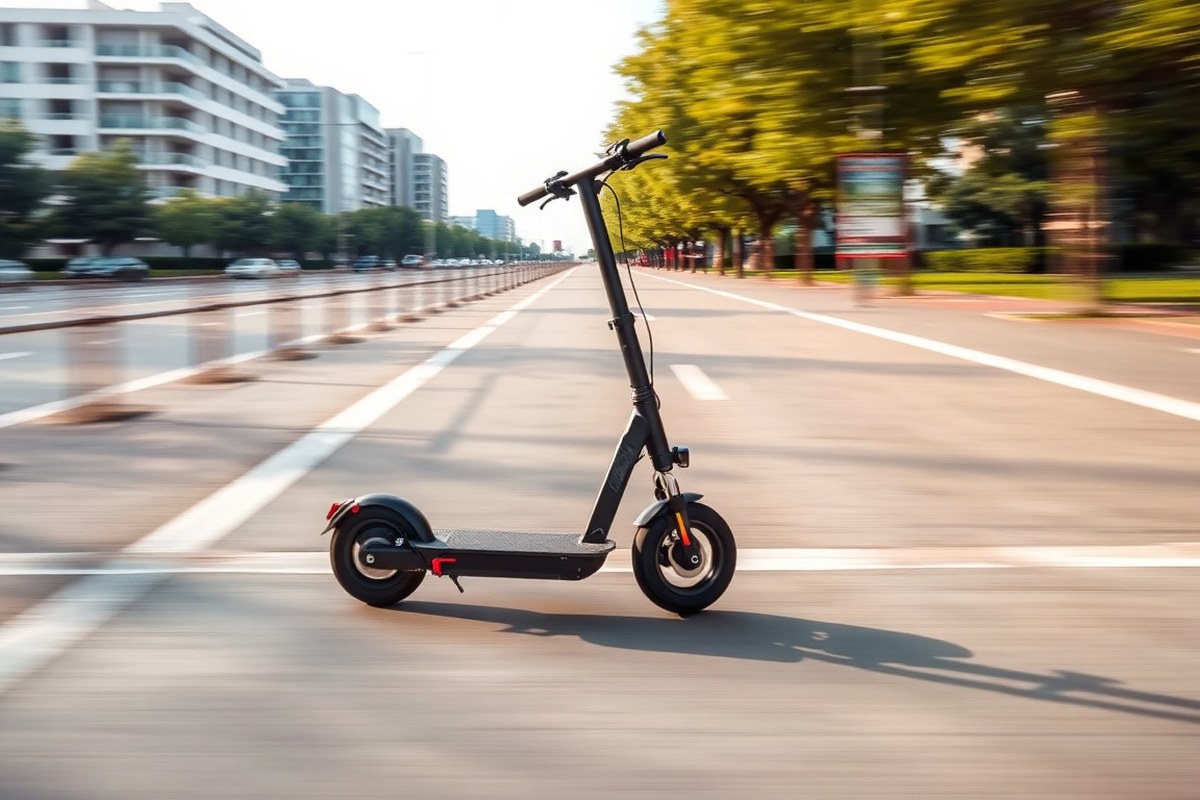
Entry-level electric scooters usually reach top speeds between 10 and 15 mph. These scooters suit beginners, casual riders, or short city trips. Their lower speeds make them easier and safer to handle for new users.
Mid-range commuter scooters often hit speeds between 15 and 25 mph. They work well for daily rides and can handle most city terrains comfortably. You can expect these scooters to keep a consistent pace on flat roads and slight inclines.
Performance and off-road models push speeds closer to 30 to 45 mph. These are designed for riders who want faster travel and better hill climbing. Their motors are stronger and their designs are more advanced.
They usually cost more and need extra care. These features let them go faster.
High-end hyperscooters can exceed 50 mph, with some reaching over 80 mph. These machines cater to speed enthusiasts and collectors rather than everyday riders. Their cost and speed often require experience and strong safety gear.
In everyday riding, speeds around 15 to 20 mph feel common and safe for most people. Slower rides below 15 mph are typical when learning or navigating busy areas. Faster speeds, above 30 mph, require caution, proper protection, and sometimes local permits or special licenses.
Real-world speeds tend to be lower than advertised by 10 to 20 percent. Factors like rider weight, terrain, and battery level reduce maximum speed. For example, a scooter rated at 25 mph might hit 20 mph.
Usually, it will go 20 to 22 mph in real use. Conditions affect the actual speed.
What Key Factors Influence an Electric Scooter’s Maximum Speed?
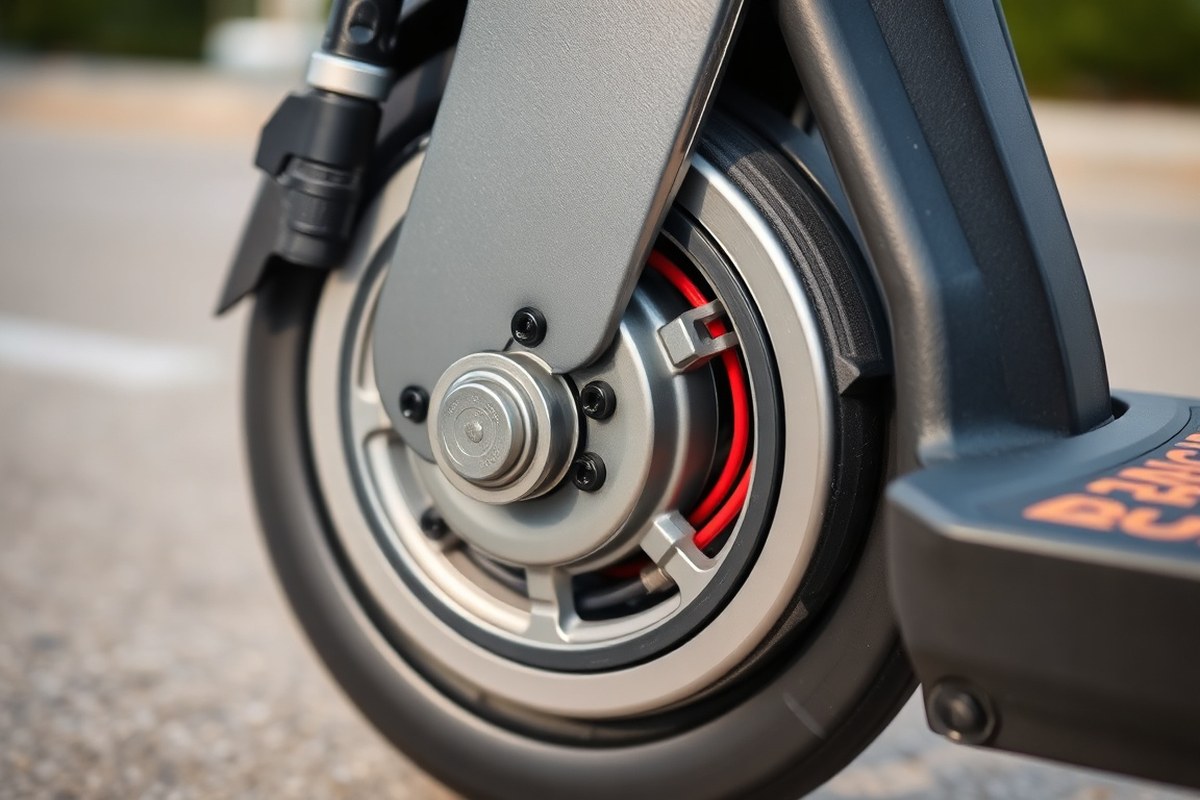
The motor’s wattage directly controls how fast your e-scooter can go. A 250-watt motor typically hits around 15 mph.
A 500-watt motor may reach 20 mph. Higher wattage means the motor can push harder and achieve higher speeds, especially on flat ground.
Battery voltage also plays a role in speed. Scooters with 24-volt batteries usually run slower than those with 48-volt or 60-volt systems. A higher voltage system puts out more power.
This lets the motor spin faster. That means a higher top speed for you.
Your weight affects speed noticeably. A rider who weighs 220 pounds can slow top speed by 15%. This is compared to a 180-pound rider.
Weight affects how fast you go. Extra weight needs more power from the motor.
It drains the battery faster too. That slows acceleration and lowers top speed.
The scooter’s own weight and design impact speed, too. A heavier scooter needs more power to move, often slowing down acceleration and top speed. Designs focusing on lightweight frames and aerodynamic shapes help maintain higher speeds with less effort.
Keep your scooter’s weight under its maximum rated load to avoid speed loss and battery strain.
How Different Motor Types and Power Ratings Affect Speed
Electric scooters use two main motor types: hub motors and chain-driven motors. Motor power, measured in watts and volts, directly influences speed and acceleration. Higher power ratings usually mean faster acceleration and higher top speeds.
Hub Motor Characteristics and Speed Impact
Hub motors are built into the wheel hub, usually in the rear wheel. They offer a quiet ride and require less maintenance than chain-driven motors. Hub motors give good speed for most riders.
They may limit peak power. Acceleration might also be lower.
These motors are common in scooters with motor power ranging from 250W to about 1000W. They deliver smooth acceleration but sometimes struggle on steep hills. Their top speed typically maxes out around 30 mph for models with 1000W motors.
Chain-Driven Motors and Their Performance
Chain-driven motors use a chain or belt to transfer power from the motor to the wheel. This setup allows for higher peak power and better torque than hub motors. Often used in high-performance scooters, chain drives handle steep hills and heavy loads better.
Chain-driven scooters can hit speeds of 35 mph or more. Their motors deliver power from 3000W to 7000W. This helps them move faster than hub motor scooters.
Dual motor setups with chain drives can quickly accelerate to 40-50 mph. These systems usually require more maintenance because of moving parts like chains or belts.
Power Ratings: Watts, Volts, and Real-World Speed
Motor wattage ranges widely, from 250 watts in basic scooters to 7000 watts in performance models. More watts mean higher acceleration and top speed.
For example, a 1000W motor can reach about 30 mph. 3000W motors hit 35 mph or more.
Volt ratings also affect performance. Higher voltage batteries support stronger power output over longer rides.
A 48V battery pack is common in mid-range scooters. Performance models often use 60V or 72V packs for better speed and range.
Below is a quick comparison of popular scooter models, showing their power setups and top speeds.
| Model | Peak Power | Battery | Top Speed | Range |
|---|---|---|---|---|
| T3 | 1000W | 48V 15.6Ah | 30 MPH | 40 Miles |
| A2 | 3000W | 48V 20Ah | 35 MPH | 45 Miles |
| GT7 | 5600W | 60V 27Ah | 45 MPH | 55 Miles |
| GT8 PRO | 6000W | 60V 33Ah | 50 MPH | 60 Miles |
| GT9 | 7000W | 60V 36Ah | 55 MPH | 70 Miles |
High wattage motors above 1000W often use dual motors or chain-driven setups. These provide quick acceleration and higher top speeds, sometimes above 50 mph. Battery voltage and amp-hour ratings support power delivery and total distance.
Understanding Battery Capacity and Charge Level Effects on Speed
Battery size and charge level both affect how fast your e-scooter can go. Larger batteries keep your speed steady for longer.
A low charge can make it slow down. Battery voltage and amp-hours work together to control speed and riding distance.
Battery Capacity Basics and Speed Relation
Battery capacity is measured in amp-hours (Ah) and shows how much energy the battery can hold. Bigger batteries don’t usually increase your top speed. They help keep your speed steady for longer.
This means you can ride further without slowing down. For example, a 10Ah battery is heavier than a 5Ah one.
It keeps your scooter running faster on long rides. This helps especially when the trip takes longer time.
This means a scooter with 48 volts and 10Ah holds voltage better as you ride. So its speed won’t drop quickly.
A higher capacity battery also lets you travel farther before recharging. But expect longer charging times and more weight when you have a bigger battery pack.
Voltage Sag and Its Impact on Performance
Voltage sag happens when the battery can’t supply full power. This can occur under heavy load or low charge. The scooter then slows down during the ride.
This drop in voltage reduces the scooter’s top speed temporarily. A 36V battery might lose some voltage late in the ride.
This can cut your speed by about 10 to 20%. You’ll notice the bike slowing as the battery drains.
Voltage sag is more common in older or smaller batteries. It also happens when you ride uphill or accelerate fast. These conditions put more strain on the battery.
It causes the motor to spin slower because the controller can’t push full power. Using a well-maintained lithium-ion battery helps reduce sag, keeping your speed more consistent.
Managing Your Ride: Speed Changes as Battery Drains
As the e-scooter’s battery drains, voltage drops and speed lowers. This usually starts after using 50 to 80% of the charge. You will feel the scooter get slower.
You might notice speed loss more below 30% battery. A scooter rated for 40 mph at full charge might slow down.
Near empty, it could drop to 30 mph or even less. This change depends on how much charge is left.
To keep good speed, avoid letting your battery drop too low before recharging. Consider a scooter with a bigger battery for long trips. Or carry a spare charger if you can.
This helps avoid running out of power far away. Riding gently also helps preserve voltage and sustain your scooter’s speed longer.
How Rider Weight, Terrain, and Weather Affect Scooter Speed
Heavier riders slow electric scooters by about 2 to 5 mph compared to lighter riders. Most scooters are tested with riders weighing 160 to 180 pounds. You will notice speed loss if you weigh over 220 to 265 pounds.
The motor works harder, so top speed drops and range shrinks too. Staying within weight limits keeps your scooter running efficiently.
Riding uphill or on rough terrain reduces top speed by roughly 15% to 30%. Hills force the motor to use more power, which causes slower speeds and faster battery drain. Rough roads also increase rolling resistance and vibrations, cutting speed further.
Flat, smooth roads let your scooter reach its best speed. So try to avoid steep inclines or bumpy surfaces when you want to go faster.
Weather affects scooter speed, especially rain and strong winds. Wet roads lower traction. Your scooter slows down to keep control safe.
It cuts power to help you stay steady. Headwinds push against you, lowering speed by a few miles per hour.
Cold weather drains batteries faster, which can further reduce speed and range. Dress for the conditions and plan trips with weather in mind to avoid surprises.
Don’t overload your scooter or ride aggressively in bad weather. Both cut speed and increase wear.
Typical Speed Ranges for Different Electric Scooter Types
Electric scooters come in different speed ranges to fit various riders’ needs. Kids and beginners should stick to slower speeds to stay safe and confident.
Commuters want models that balance speed with control and legal limits. Adventure riders look for powerful scooters that can reach much higher speeds.
Speeds under 15 mph work best for kids and beginners. These speeds help new riders keep better control and react safely to obstacles. Many scooters and parents use speed limit settings to keep scooters slow in neighborhoods or parks.
For city commuting, scooters that go between 15 and 25 mph fit best. These scooters are fast enough to cut your travel time.
They aren’t so fast they make stopping risky. You can navigate traffic safely on them.
High-performance scooters, designed for experienced riders, can reach well above 30 mph. These models usually have bigger motors and stronger brakes. They fit riders wanting more thrill.
Riders must handle faster stops. Use them on private land or open spaces. However, these scooters are not ideal for casual use on busy streets or for beginners.
| Scooter Type | Typical Top Speed | Best For |
|---|---|---|
| Kids and Beginners | 5-15 mph (8-24 km/h) | Safety and learning control |
| Standard Commuters | 15-25 mph (24-40 km/h) | Urban travel, legal limits |
| High-End Daily Commuters | 15-30 mph (24-48 km/h) | Faster city rides, longer distance |
| Performance/Adventure Riders | 30-90+ mph (48-145+ km/h) | Experienced riders, private land |
Choosing the right speed depends on where you ride and your skill level. City scooters usually run between 15 and 25 mph. This speed fits traffic laws.
It also keeps trips easy to manage. Performance scooters breaking 30 mph need strong brakes and careful handling skills. High-speed scooters often work best off-road or on private land.
These places have fewer risks to others. They suit riders who want speed safely.
Setting speed limits on your scooter, if available, can help you stay safe. Lower speeds give new riders a chance to build confidence and avoid accidents. Faster models cost more and need more maintenance but offer more power and longer range.
Check that your brakes fit your scooter’s top speed. Tires should match the speed, too. This helps you stop safely and turn well.
Legal Speed Limits and Safety Features You Must Know
Most places limit electric scooter speeds to between 15 and 25 mph. Many US states cap public road speeds at 20 mph or less for safety.
Before riding fast, check local laws. Riding above these limits on sidewalks or streets is often illegal.
Higher speeds mean you need better brakes and suspension. Scooters going under 15 mph can get by with a single brake and basic lights. Between 15 and 20 mph, dual brakes make stopping easier.
Front suspension helps control bumps better. Bright lights and reflectors make you more visible.
Riders going 20 to 30 mph need dual disc or hydraulic brakes. These brakes stop quicker when speeds are higher.
Full suspension is key for comfort and control at these speeds. You’ll also want high-output front lights, rear brake lights, and turn signals for safety.
Wear protective gear whenever you ride fast or in traffic. Helmets are a must and required by law in several states.
Gloves improve grip and protect hands. Full-face helmets add extra protection above 20 mph.
Wet roads increase braking distance by 30 to 50 percent. So slow down no matter your scooter’s top speed.
Proper tire pressure and good tires improve control on slippery or rough surfaces. Using high-quality lights makes you visible during low-light rides or bad weather.
Upgrading parts to boost speed can void warranties and break local rules. You can ride faster but should follow legal limits. Always wear safety gear to protect yourself.
Balance speed with safety to avoid accidents. That way, you stay protected and avoid fines while enjoying your scooter responsibly.
How to Maintain Your E-Scooter for Optimal Speed
Regular maintenance is key to keeping your e-scooter at its best speed. Focus on tire pressure, battery health, and brake condition to avoid speed drops. Replacing worn parts on time also helps maintain top performance.
Keeping Tires Properly Inflated
Maintaining the correct tire pressure reduces drag and makes your scooter easier to ride. Check the pressure once a week using a bike pump with a gauge.
The ideal pressure number is usually printed on the tire sidewall. It varies but often sits between 40 and 65 psi.
Under-inflated tires create extra rolling resistance that slows you down and uses more battery power. When your scooter has solid tires, try pneumatic ones instead.
They give better speed and comfort on rough roads. Riding on smooth surfaces combined with correct tire pressure improves speed by up to 10%.
Battery and Motor Care Tips
Keep your battery above 20% charge to prevent sudden power drops at higher speeds. Fully charging after every few rides protects battery health and efficiency over time. Avoid storing the scooter in hot or freezing places because extreme temperatures reduce battery life.
Clean the motor area regularly to prevent dirt buildup. Dirt causes resistance. This slows your scooter down.
Running a quick check on motor connections every month avoids voltage loss that can limit speed. Replacing worn brushes or parts in brush motors once per year keeps them running smoothly.
Brake Checks and Adjustments
Loose or rubbing brakes create drag that can reduce your maximum speed. Test brakes for tightness and smooth operation about once a month. Adjust cable tension or tighten bolts to stop brakes from touching the wheel when not applied.
Replace worn brake pads whenever you hear squealing or feel reduced stopping power. Thin pads not only risk safety but also cause extra rolling resistance. Keeping brakes correctly adjusted ensures they hold well without slowing your ride unnecessarily.
Check tire pressure weekly, and never ride if tires feel soft or uneven.
Choosing and Riding at the Right Speed for Your Needs
Your scooter speed should fit your riding skill, purpose, and local rules. For commuting, choose a scooter in the 15-20 mph range. This speed helps you get around fast.
It stays within most US legal limits. Models with 350-600W motors often suit daily riders well.
For casual rides or beginners, slower speeds of 10-15 mph work best. These entry-level scooters offer better control and reduce the risk of falls.
You ride mostly on smooth city streets. Use a scooter capped near 15 mph for safety and to follow local laws.
Increasing speed beyond legal limits is risky and may void your warranty. It also raises injury chances and can lead to fines or confiscation. You want faster rides.
Consider using a scooter on private property or places with no speed rules. Always check laws where you live before boosting speed.
Match your speed to your environment and comfort. Riding at 20 mph on crowded sidewalks can cause accidents.
Slow down to 5-10 mph in crowded or uneven areas, especially beginners. Higher speeds suit open roads or bike lanes with fewer hazards.
As you gain experience, test how your scooter feels at higher speeds. Increase speed slowly and avoid sharp turns or obstacles until you get used to it. Wearing protective gear and riding defensively helps prevent crashes.
Remember, terrain and weather impact speed control. Uphill climbs reduce how fast you can go, and wet surfaces require slower speeds. Adjust your speed to keep balance and traction on rough streets or when raining.
Choosing the right scooter speed also saves battery life. Faster speeds drain the battery quicker, reducing how far you can travel. For longer commutes, keeping speed moderate extends battery range and avoids unexpected stopping.
Pick a speed that fits your skills. Check local speed limits. Match speed with your ride purpose.
Stick to lower speeds in busy, complicated settings. Ride faster only when conditions allow and your abilities match.
Step-by-Step Action Plan to Ride Your E-Scooter at Safe Speeds
Follow these steps to pick the right speed and keep your scooter running smoothly. You’ll feel confident and stay safe while riding.
- Before your first ride: Check your tire pressure and brakes. Proper maintenance helps you reach and control top speed safely.
- Day 1: Test your scooter on flat, smooth pavement. Note how fast it feels comfortable and stable for you.
- Week 1: Try riding in different weather and terrains to see how speed changes. Adjust riding style for safety.
- Week 2: Review your scooter’s motor and battery specs again. Match your speed choices to what your scooter can handle.
- Week 3: Use safety gear like a helmet and gloves at all times. This gear helps if you need a quick stop.
- Month 1: Ride regularly but avoid pushing top speed on busy streets. Watch your local speed limits and obey them.
- After 6 weeks: Schedule maintenance if speed drops noticeably. Clean and lubricate moving parts for best performance.
Frequently Asked Questions
What Is the Fastest Speed a Typical Electric Scooter Can Reach?
Most electric scooters can reach about 15 to 20 mph. Some high-end models go faster than 20 mph.
Most scooters stay below 20 mph for safety. Laws often limit how fast scooters can go.
Can an Electric Scooter Realistically Reach 50 Mph?
Yes, some electric scooters can hit 50 mph. These scooters usually cost over $2,000 and have powerful motors and excellent brakes for control.
Is 55 Mph Too Fast for an Electric Scooter?
Yes, 55 mph is very fast and risky for an electric scooter. Such speeds require special safety gear and skills, plus the right brakes to stop safely.
Do All Electric Scooters Have Speed Limits Built-In?
Not all scooters have built-in speed limits. Many scooters let you adjust or unlock their speed.
Local laws can limit how fast you ride. Make sure to follow the speed rules in your area.
How Does Rider Experience Affect Safe Scooter Speed?
Experienced riders can control scooters at higher speeds better. New riders should start slow to learn balance and braking safely before trying faster speeds.
Wrapping Up
Electric scooters usually reach speeds between 15 and 25 mph, depending on many factors. Always adapt your speed to conditions and rules. Check your scooter regularly to keep it safe and fun to ride.