How Can You Tell If Something Is Aluminum: 10 Reliable Methods That Work
How can you tell if something is aluminum? The fastest way is to check its weight and magnetism.
Aluminum feels much lighter than most metals, and it’s non-magnetic. That gives you a quick clue without needing tools.
Look at the object’s color and surface texture. Aluminum often looks dull silver. It has a smooth finish.
You may see tiny ridges or lines from making it. But shiny parts can fool you, so weighing the item helps.
You can also test aluminum by scratching it lightly. Aluminum is soft, so a small scratch reveals a silvery mark underneath.
Keep in mind, some metals like tin or zinc might look similar. But tin melts easily, and zinc feels heavier.
Key Takeaways
- Aluminum is lighter than steel, brass, or copper of the same size.
- Use a magnet to check: aluminum does not stick to magnets.
- Scratch the metal gently; aluminum’s softness shows a silvery scratch.
- Compare the object weight to known materials to spot aluminum.
- Aluminum usually has a dull silvery color with a smooth feel.
- Tin melts easily with low heat, unlike aluminum’s 660°C melting point.
1. How to Tell If an Object Is Aluminum Quickly at Home
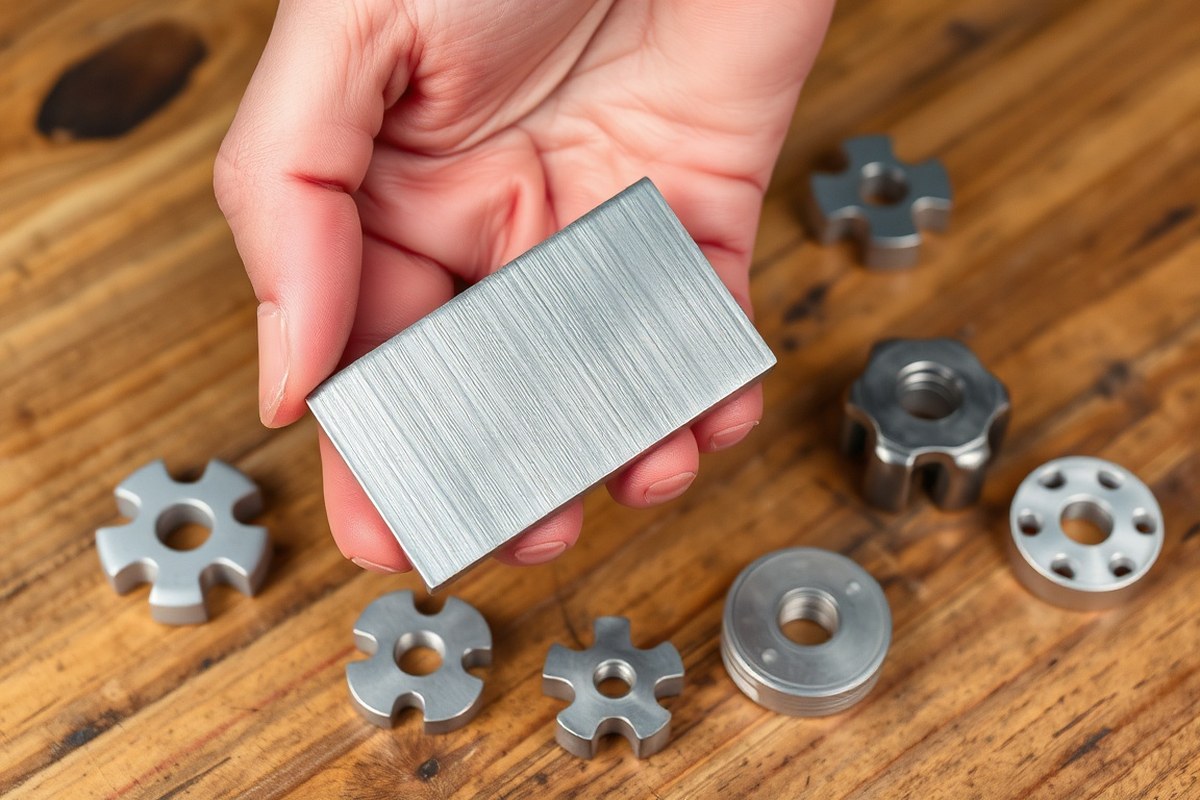
To quickly tell if something is aluminum, start with simple tests you can do at home. Aluminum looks like a light gray metal with a dull finish in raw form.
Finished aluminum may appear smooth and slightly shiny but remains lighter than steel or brass. The easiest way to check is to use a magnet and feel its weight.
A magnet will not stick to aluminum since it is non-magnetic. Your magnet clings firmly. The object likely has steel or magnetic metal.
The magnet may not stick. Aluminum might be present but not sure. You can confirm further by comparing how heavy the object feels.
Aluminum weighs about one-third as much as steel of the same size. A small aluminum block feels lighter than steel of the same size. This weight difference helps you tell them apart.
Look for surface clues like matte silver-gray color. Light oxidation often shows as white powder.
Don’t rely on non-magnetic or silver-gray look alone. Some alloys and coatings can cause confusion.
- Hold the object and feel its weight compared to steel or brass items you know.
- Test whether a standard magnet sticks firmly to the metal’s surface.
- Look closely for a cool silver-gray color and a matte finish on the metal.
- Check for light white powder on rough or oxidized areas, which is common on aluminum.
- Compare the object’s heft to a similar object known to be steel. Aluminum will feel much lighter.
- Observe if the object has any stamped markings such as “Al” or “Aluminum.”
- Watch for smooth, metallic finishes with light weight. This may mean aluminum alloy or anodized surfaces.
2. Visual and Physical Signs to Recognize Aluminum
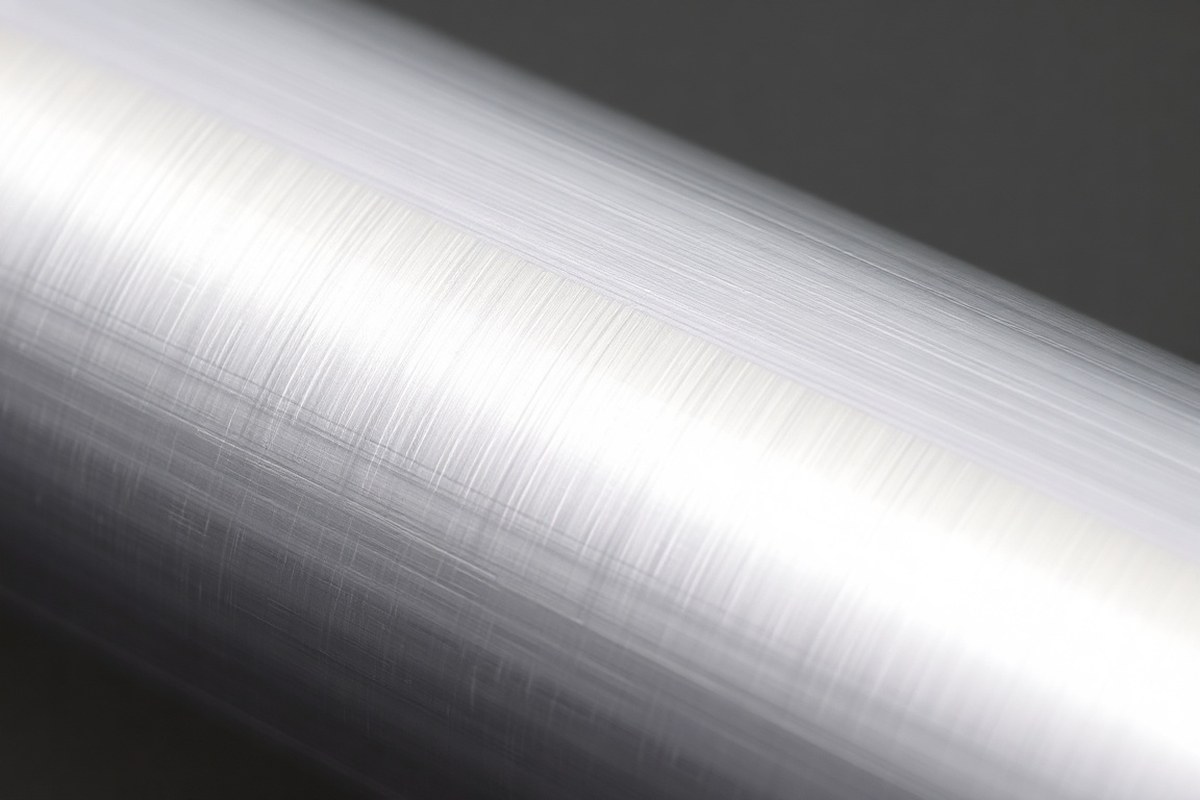
Aluminum often looks light silver with a cool, slightly hazy shine. It can resemble stainless steel, which tends to have a warmer, mirror-like finish. Aluminum feels lighter than steel or stainless steel of the same size.
It is about one-third as dense. You can easily notice the weight difference when holding it.
Look closely for white, powdery spots on aluminum’s surface. This is aluminum oxide from oxidation. Aluminum naturally forms an oxide layer.
This layer gives it a dull, matte look. Fresh aluminum looks bright and shiny by contrast.
Stainless steel rarely shows this white oxidation. So these spots can help you tell the difference.
Check aluminum edges or scratches to see if it’s coated or bare. Look where the surface might be damaged. This reveals the real state of the metal underneath.
Bare aluminum feels softer and may scratch easily. Anodized aluminum has a firm, slightly rough texture with a consistent satin or matte finish. Painted or powder-coated aluminum has a smooth film-like layer.
This layer can chip or peel off. Anodizing is different because it bonds with the metal surface.
Handle aluminum edges carefully to see if it’s coated or bare. Look for paint chips or a smooth hard feel. Anodizing feels different from paint or powder.
Aluminum’s oxide layer is electrically insulating. So anodized parts resist wear better and don’t conduct electricity like bare aluminum. Anodized aluminum shows an even, less shiny surface.
This surface differs from untreated metal. The anodizing layer changes how the metal looks.
You won’t see this from just looking. But rubbing the surface lightly or noting scratch resistance gives clues.
Comparing the surface texture helps too. Bare aluminum scratches more easily and shows wear quickly. Anodized aluminum holds up with fine texture and less shine.
Stainless steel is harder and denser than aluminum. It stays bright and reflective longer. Its resistance to scratches and corrosion acts differently too.
3. Why the Magnet Test Is the Fastest Way to Identify Aluminum
A magnet test is the fastest way to check if something is aluminum. Aluminum does not attract magnets. So if your magnet doesn’t stick, the object might be aluminum.
This quick test takes only a second. Use any small fridge magnet you have. It works right away.
But sometimes, the magnet can stick to parts attached to aluminum, like steel screws or clasps. That means the magnet test spot shows the material there, not necessarily the whole item. Pans often have a stainless steel base.
Magnets stick to that base. The outer part may be aluminum.
Aluminum is always non-magnetic, but not everything non-magnetic is aluminum. Non-magnetic stainless steel is a common exception. It won’t attract a magnet but is much harder and heavier than aluminum.
Use weight or scratch tests when magnets don’t stick. This helps if you still doubt the metal. Try these tests to be sure.
When the magnet test results aren’t clear, try feeling the weight next. Aluminum is about a third the weight of stainless steel in the same size. So it feels noticeably lighter.
Also, scratch the metal gently in an unnoticeable spot. Aluminum scratches easily, but stainless steel doesn’t.
The magnet test’s biggest benefit is speed and simplicity. It costs nothing and works anywhere.
Just place the magnet against your object and see if it sticks. Your object probably contains steel, not aluminum, if the magnet sticks.
Remember not to rely on the magnet test alone. Always check for steel attachments that might mislead you.
Combine the magnet test with weight, scratch, or look tests for the best results. That way, you avoid costly mistakes like welding or cutting the wrong metal.
4. How Weight Differences Help Confirm Aluminum Identification
Weight differences can help you tell if something is aluminum. Aluminum has a low density of about 2.7 grams per cubic centimeter. A piece of aluminum feels much lighter than steel or copper.
It weighs less even if it is the same size. You can easily tell the difference by holding it.
To check weight, compare the object in question to something you know well. Hold a steel or copper piece of the same size and feel the difference. Aluminum objects should feel noticeably lighter if the sizes are close.
Some metals like zinc or tin can confuse you because they look similar to aluminum. Both zinc and tin are denser and heavier than aluminum.
Zinc, often used in die-cast parts, feels heavier in hand. Tin is softer and melts at a much lower temperature than aluminum.
| Metal | Density (g/cm³) | Typical Traits |
|---|---|---|
| Aluminum | 2.7 | Lightweight, corrosion resistant |
| Steel | 7.85 | Heavy, magnetic if uncoated |
| Copper | 8.96 | Heavier than aluminum, reddish color |
| Lead | 11.34 | Very heavy, soft |
| Zinc | 7.14 | Heavier than aluminum, used in die-cast parts |
| Tin | 7.31 | Heavy, very soft, low melting point |
Aluminum alloys or coatings can make metal feel heavier than pure aluminum. Anodized aluminum may add some weight but often stays lighter than zinc or steel.
The metal feels much heavier than you expect. This suggests it might not be aluminum.
Try weighing pieces against one another by feel or use a small scale for more accuracy. A piece near 2.7 g/cm³ in density fits aluminum. Anything closer to 7 or above points to zinc, tin, or steel.
Some metals have coatings or mixing that change their weight a bit. This slight change won’t make them as heavy as denser metals. Watch out for these when guessing metal type.
5. Performing a Scratch Test: What Aluminum’s Softness Reveals
The scratch test shows aluminum’s softness compared to harder metals like steel. You press a sharp tool gently on the metal surface to see if it scratches easily. Aluminum scratches more readily than steel, and anodized aluminum resists light scratches better.
Conducting the Scratch Test Safely
Wear gloves and safety glasses to protect your hands and eyes during the test. Test away from flammable materials since scratching metals can produce sparks. Use steady, moderate pressure to avoid damaging the metal or slipping with the tool.
- Find a sharp steel tool like a utility knife or metal pick.
- Put on gloves and safety glasses before starting.
- Choose a small, out-of-sight spot on the metal.
- Hold the tool firmly and drag it across the surface at a slight angle.
- Apply gentle but firm pressure to create a scratch without gouging deeply.
- Look closely at the scratch under good light to see its depth and visibility.
- Clean the surface gently to remove any marks or dust before further testing.
Test outside or in a well-ventilated area to reduce sparks and dust hazards.
Scratch Resistance of Bare vs Anodized Aluminum
Bare aluminum is quite soft and scratches easily with a sharp steel tool. Anodized aluminum has a thin hard oxide layer which resists light scratches better. The anodize type, Type II or Type III, affects hardness and scratch resistance.
Type II anodized aluminum offers moderate wear protection compared to bare metal. Type III anodize creates a thicker, harder surface used in high-wear areas. Both anodize types can still scratch but leave less obvious marks.
Interpreting Scratch Test Results Clearly
Scratching the metal with light pressure means it’s bare aluminum. Deep or visible gouges show aluminum’s softness compared to harder metals like steel. Anodized aluminum resists scratches more, so light marks or slight surface changes are normal.
Metal that hardly scratches or leaves no mark might be steel or another hard metal. Anodized aluminum has an oxide layer that insulates.
It won’t conduct electricity well when tested. This difference helps confirm if the scratched metal is anodized aluminum.
6. How to Use Chemical Tests to Confirm Aluminum at Home
Chemical tests can help you confirm aluminum at home safely and cheaply. Vinegar or dilute hydrochloric acid (HCl) reacts with aluminum to show bubbles. Knowing how to handle these chemicals and read results helps avoid mistakes.
Preparing and Handling Acids Safely
You need safety gear when working with acids, even mild ones like vinegar or dilute HCl. Always wear chemical-resistant gloves and safety goggles to protect skin and eyes. Work in a well-ventilated area and keep a water source nearby for rinsing.
Use only dilute HCl solutions with 5% to 10% acid concentration for testing metal at home. Store acids securely, away from children or pets. Avoid inhaling fumes and do not mix chemicals.
Using Vinegar and Dilute HCl for Aluminum Testing
Vinegar is a mild acid that reacts slowly with aluminum. It often makes tiny bubbles or fizz on clean metal. Dilute HCl causes a faster bubbling reaction on aluminum, especially on sanded or scratched surfaces.
Follow these steps to test aluminum safely with acids at home:
- Put on gloves and goggles before starting any chemical test.
- Clean the metal area with mild soap and water; dry thoroughly.
- Smooth a small spot with fine sandpaper to expose fresh metal.
- Place a few drops of vinegar on the cleaned spot for a gentle test.
- Observe for tiny bubbles or fizz for 1 to 3 minutes.
- Repeat with dilute HCl (5%-10%) on a sanded spot to be sure.
- Watch for rapid bubbling within 10 seconds to 2 minutes.
- Rinse the tested area with water and dry after the reaction ends.
Testing kits with small acid bottles can also help if you want store-bought options. They cost around $10 to $20.
Reading and Understanding Test Reactions
Bubbles or fizz mean the metal is reacting with the acid, typical for aluminum. Slow reaction or no bubbles likely means no aluminum.
It could also have a coating blocking the reaction. Magnesium bubbles faster, so very vigorous fizzing might indicate magnesium instead.
Aluminum left outside may have powdery white or gray residue. This residue is aluminum oxide and does not bubble.
Scratching through this layer helps the acid reach pure aluminum. Copper doesn’t bubble with dilute HCl, so no reaction rules copper out.
Use these chemical tests with methods like scratching or magnet checking to be sure. This gives stronger proof before deciding the metal is aluminum.
7. Sound and Spark Tests: Professional Techniques Explained Simply
When you tap aluminum, it sounds different from steel or copper. Steel makes a clear, ringing ping that lasts a moment. Aluminum, by contrast, gives a duller, flatter thud that dies out quickly.
Copper sounds softer than steel but isn’t as flat as aluminum. This sound test helps with quick metal checks.
You must listen closely to the tone. Also, notice how long the sound lasts.
The spark test adds another layer of accuracy, especially for tricky metals. It works by touching the metal to a grinding wheel or steel file to produce sparks. Each metal sheds sparks that differ in color, length, and pattern.
Aluminum barely sparks because it’s soft and melts quickly. Steel creates long, bright sparks with forked streaks.
Cast iron has shorter, straight sparks. This test helps professionals spot aluminum even among alloys that look similar.
The spark test requires caution. It produces sparks and heat, which can start fires if done carelessly. Only try it outdoors or in a clear, non-flammable area.
Wear safety glasses and gloves to protect eyes and hands. Use a hand grinder or a file on a sturdy surface, holding the metal firmly. Avoid synthetic clothes or materials that catch fire easily.
A hand grinder costs about $30 or more. A steel file is less than $10.
Sparks should be bright white to yellow with steel. Almost no spark or a small white flash means aluminum.
8. Identifying Anodized Aluminum: What Changes and How to Test
Anodized aluminum has a thin oxide layer that changes its surface look and test results. You can spot dyed anodized parts by color.
But clear anodized aluminum looks very close to bare metal. Testing anodized aluminum needs extra steps to check both its surface and underlying metal.
Visual Clues for Anodized Aluminum
Dyed anodized aluminum is easier to recognize by its bright, even color. Clear anodized aluminum often looks smoother and more uniform than bare aluminum.
Painted or powder-coated metals may look similar. But anodized finishes usually don’t chip or flake like paint sometimes does.
Check edges and worn spots when possible. You might see exposed bare metal where the anodize is thin or scratched. Sharp probes can break through the coating, revealing the metal underneath.
Multimeter Testing Basics
A standard multimeter can measure electrical conductivity to help identify aluminum under an anodized surface. An anodized layer is non-conductive.
So a low conductivity reading on the surface can suggest anodizing. Testing through worn edges or drilled holes often shows aluminum’s true conductivity well.
Testing only the top surface may give false results if coating thickness is high. A sharp probe can pierce the coating to reach aluminum.
Be careful not to damage thin or decorative finishes. This test works best if you suspect anodizing but need confirmation.
Methods to Measure Coating Thickness
Coating thickness gauges measure anodized layers with a magnetic or eddy current sensor. These tools cost about $100 to $400 for handheld models suited to hobbyists. They give readings in microns, with anodized coatings typically ranging from 5 to 25 microns thick.
Thickness measurement distinguishes anodizing from paint or bare aluminum precisely. You can also compare results to product specs or supplier data if available. Measuring near exposed edges or holes improves accuracy by avoiding surface contamination.
Use a combination of appearance, conductivity, and thickness checks for more reliable identification.
9. Common Mistakes and Myths When Identifying Aluminum
One common mistake is mixing up aluminum with non-magnetic stainless steel. Both metals don’t stick to magnets, so a magnet test alone can confuse you. Check for weight and surface feel too, because aluminum feels lighter and softer than stainless steel.
Visual clues can mislead, especially with coated or anodized aluminum. Painted aluminum might look like plastic or other metals.
Dirt, oxidation, or color changes also mask aluminum’s dull silver-gray look. So clean the surface before testing.
Environmental factors like moisture, temperature, and dirt influence test results. Aluminum’s surface can oxidize, making a scratch test harder to interpret.
Cold metal feels different. Humidity might cause rust on steel parts mixed with aluminum, further complicating your checks.
- Confirm if a pan’s label says “aluminum core” or “stainless steel with aluminum base.”
- Use the magnet test but add weight checking for a more accurate ID.
- Clean metal surface well before relying on visual or scratch tests.
- Remember aluminum feels cooler and lighter than steel at room temperature.
- Look for separate parts like steel clasps on aluminum jewelry.
- Test in dry conditions to reduce rust interference on mixed metals.
Always combine a few tests to avoid errors. For example, test the magnet, then check how heavy the piece feels.
When steel parts are attached, test the main body by itself. Testing tools or a metal scale start at about $10 and help improve results.
Understanding these common mistakes helps you spot aluminum more reliably at home. Don’t trust just one test or visual clue.
Mixed metals are tricky. Test coated items carefully using different methods.
10. When to Use Professional Tools or Call a Specialist for Aluminum ID
Home methods work well for quick checks when you suspect aluminum. They help with sorting metals for recycling or hobby projects. But they can’t tell you exact alloys or trace impurities.
Professional tools like X-ray fluorescence (XRF) analyzers give precise alloy breakdowns. These handheld devices shoot X-rays at the metal, then measure fluorescent radiation.
This reveals elements like copper, magnesium, or zinc mixed with aluminum. Prices range from a few thousand dollars for entry models to over $30,000 for high-end versions.
Spark testers are another option. They create sparks by grinding a sample against a wheel. Spark pattern and color show alloy type.
But you need training to read results well. This method costs less, around $1,000 to $3,000, but it’s less exact than XRF.
| Method | What It Does | Cost Range | Best For | Drawbacks |
|---|---|---|---|---|
| Home Tests (magnet, weight) | Basic ID of aluminum presence | Free to $10 | Diy, initial sorting | Cannot identify alloys or contaminants |
| XRF Analyzer | Exact element and alloy analysis | $3,000 to $30,000+ | Scrap yards, quality control | Costly, requires calibration |
| Spark Tester | Visual alloy ID from spark patterns | $1,000 to $3,000 | Metal shops, hobbyists with training | Needs experience, less precise |
Call in professional labs if you need a formal report or certification. Labs can do chemical testing and metallurgical analysis that tools can’t match. This also suits rare or high-stakes projects where accuracy matters, like aerospace parts or resale.
Use home tests when cost and setup take priority and you only need basic aluminum recognition. Switch to professional options when identifying aluminum alloys or contaminants affects your job quality or safety. Don’t guess alloy type with home methods if a project’s success relies on exact material specs.
Step-by-Step Action Plan to Identify Aluminum at Home
Follow these steps to check if your object is aluminum. Use simple tools and your senses.
- Before you start: Gather a magnet and a scale first. Also, get a coin or nail to scratch the metal. Don’t forget safety glasses before testing.
- Step 1: Try the magnet test first. The magnet not sticking might mean your item is aluminum.
- Step 2: Hold the object and judge its weight. Aluminum feels lighter than steel or copper.
- Step 3: Perform a scratch test gently on an inconspicuous spot. Aluminum is soft and scratches easily.
- Step 4: Check the color and surface. Aluminum usually shines silvery and can have anodized coating.
- Step 5: Tap the object and listen for a duller sound than steel. Aluminum sounds softer and less sharp.
- Step 6: Use a safe chemical test kit if you want to be sure. It will help spot aluminum ions safely.
- After testing: Clean the object and store your tools for next use.
Frequently Asked Questions
Will a Magnet Stick to Aluminum?
No, aluminum is not magnetic, so a magnet won’t stick. If a magnet sticks, you likely have steel or another metal instead. Always test in several spots to rule out mixed materials like screws or inserts.
What Does Vinegar Do to Aluminum?
Vinegar reacts with aluminum by creating bubbles and can dull its surface. This mild acid can etch aluminum if left too long. Use vinegar only briefly for cleaning or testing and rinse well afterward.
How to Check Aluminium at Home?
Check if your item is light, silver, and not magnetic. You can try a scratch test or use vinegar for a quick chemical check. Comparing weight to similar known metals helps too.
What Does Aluminum Look Like in Its Raw Form?
Raw aluminum is dull gray with a slightly rough surface, not shiny. It looks bulky and soft compared to polished or painted aluminum. The natural layer may oxidize to a dull finish.
Can You Use a Coin to Test If Something Is Aluminum?
Yes, tapping a coin on the metal can help. Aluminum sounds softer and less bright than steel or copper when tapped. This simple sound test can help if you lack tools.
The Bottom Line
Aluminum identification at home is doable with simple tests. Start with the magnet and weight checks. Then try scratching and listening to sounds to confirm your guess.