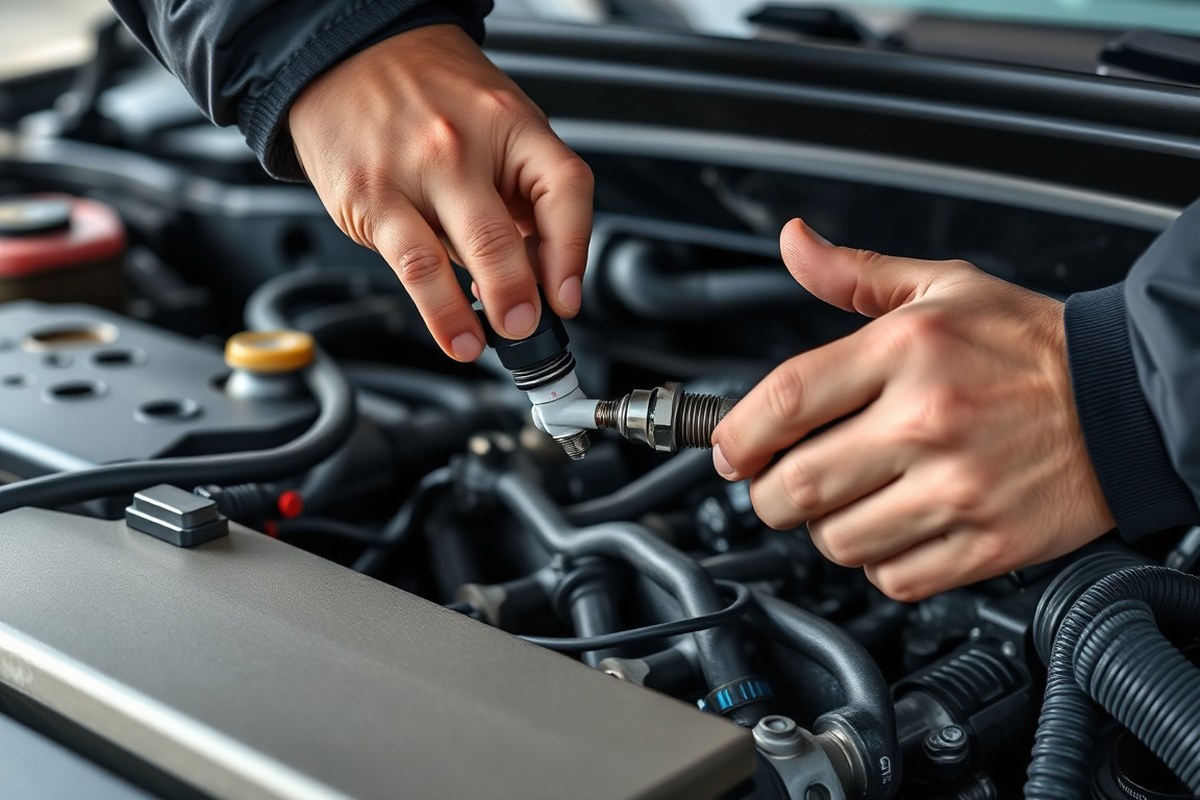
How Long Can Spark Plugs Last: A Complete Guide to Lifespan and Replacement
Spark plug life depends mainly on their type and how you use them. Most plugs last anywhere from 30,000 to 100,000 miles before needing replacement. Copper plugs wear out faster, usually needing a change every 20,000 to 30,000 miles.
Platinum plugs usually last up to 60,000 miles, which makes them easier to maintain. Iridium plugs hold up the longest, typically lasting 80,000 to 120,000 miles. They cost more but often save you trips to the mechanic.
Keep an eye on your fuel economy and engine smoothness. A sudden drop or a rough idle can mean worn spark plugs. Regularly checking or changing spark plugs helps your engine work better.
This routine also helps save fuel over time. Keeping up on spark plug care avoids bigger engine problems later.
Key Takeaways
- Copper spark plugs usually need replacing every 20,000 to 30,000 miles.
- Platinum plugs last about 60,000 miles, costing $10 to $20 each.
- Iridium spark plugs cost between $15 and $30 each. They can last as long as 100,000 miles before needing replacement.
- Fuel consumption rising by 10% or more may indicate worn spark plugs.
- Regularly check spark plugs if your engine idles roughly or misfires.
- Replacing spark plugs on time can improve fuel efficiency and performance.
How Long Do Spark Plugs Typically Last?
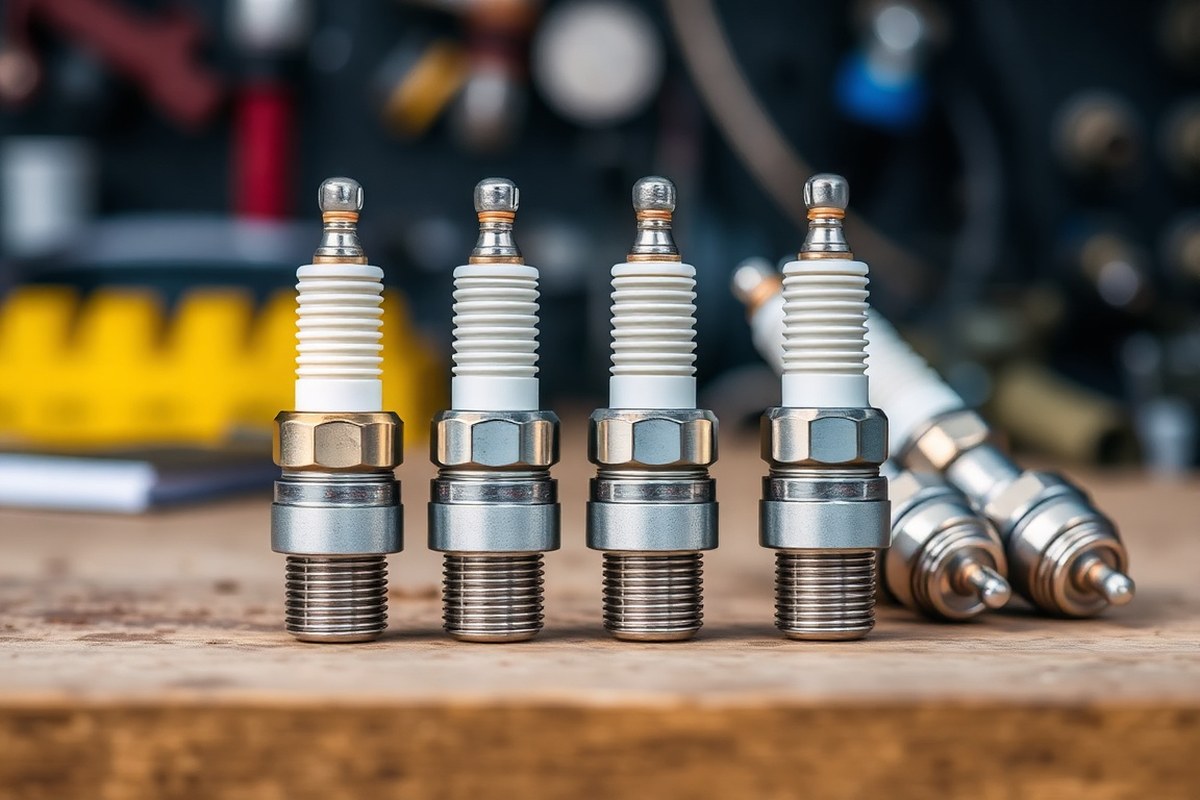
Spark plugs usually last between 20,000 and 120,000 miles. Copper plugs wear out sooner, while platinum and iridium plugs can last much longer. Choosing the right type depends on your vehicle and driving habits.
Older cars made before the 1980s often use copper spark plugs. These usually work well for 20,000 to 30,000 miles.
Platinum spark plugs typically have a lifespan near 60,000 miles. With good maintenance, iridium plugs can exceed 100,000 miles.
Some iridium and platinum plugs are marketed as extended-life versions. These spark plugs may reach lifespans closer to 100,000 or even 120,000 miles. They cost more but can reduce the frequency of replacements needed.
| Spark Plug Type | Typical Lifespan (Miles) | Cost Per Plug (USD) |
|---|---|---|
| Copper | 20,000, 30,000 | $5, $10 |
| Platinum | 60,000, 100,000 | $10, $20 |
| Iridium | 80,000, 120,000 | $15, $30 |
Replacing copper plugs every 20,000 to 30,000 miles keeps your engine running smoothly. Platinum plugs need replacement less often, around every 60,000 miles. Iridium plugs offer the longest service life but usually cost more upfront.
Extended-life plugs save time on replacements but may not suit every car. Some high-performance engines benefit most from iridium plugs. Check your owner’s manual to match plugs with your vehicle’s needs.
Key Factors That Affect Spark Plug Lifespan
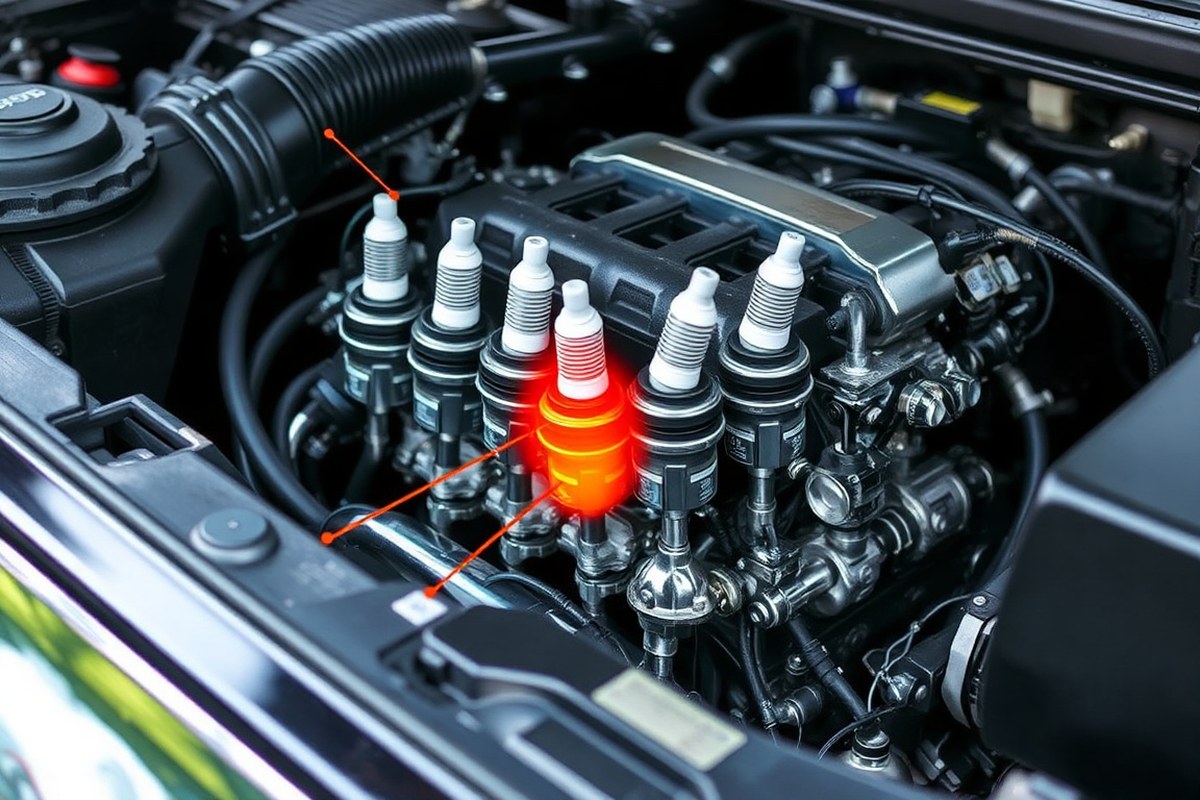
Spark plug lifespan depends on several key factors you should watch. Driving in extreme heat or cold causes thermal stress that speeds wear. Mechanical issues like improper gap settings or fouled plugs also reduce life.
How you drive changes plug wear too. Frequent short trips don’t fully warm the engine, leading to carbon buildup. Hard acceleration and high speeds raise combustion temperature, which can erode plugs faster.
- Extreme temperatures cause expansion and contraction, weakening plugs
- Frequent short trips promote carbon deposits on electrodes
- Aggressive driving raises combustion heat and accelerates wear
- Poor engine maintenance leads to fouled or damaged plugs
- Incorrect spark plug gap causes inefficient firing and stress
- High mileage engines may burn oil, contaminating plugs
- Using wrong type of plug for your engine reduces lifespan
Maintaining proper engine tune-up helps plugs last longer and work well. Check and adjust the spark plug gap at every oil change.
Replace air and fuel filters regularly to avoid dirty combustion that fouls plugs. For cold climates, let the engine warm fully before driving hard to prevent thermal shock.
Always follow your owner’s manual guidelines on spark plug type and replacement interval.
Severe weather seasons demand more attention. In winter, plugs can get coated with deposits from incomplete combustion. In summer, intense heat may cause electrode erosion sooner.
Plan inspection before harsh seasons to catch early wear. Drivers in places with big temperature swings should check plugs more often.
This helps avoid sudden failures. Regular inspections catch problems early.
Recognizing Signs Your Spark Plugs Need Replacement
Worn spark plugs show clear signs that can’t be ignored. You might notice rough idling, misfires, or a drop in fuel economy. These symptoms warn you it’s time to check or replace your spark plugs.
Engine Misfires and Rough Idling
Misfires happen when spark plugs fail to ignite the fuel-air mix properly. This causes shaking or rough running, especially when idling. Your engine may sound uneven or hesitate when you press the gas pedal.
Hard starting is another sign. Carbon buildup on plugs makes your engine hard to start.
It may also turn over slowly. Misfires can also cause your car to stall or jerk while driving.
Reduced Fuel Economy and Performance
Weak sparks from worn plugs burn fuel inefficiently. This can cut your miles per gallon by up to 30 percent.
You may need to fill your tank more often. This happens even if your driving stays the same.
Other signs include slow acceleration and lower engine power. The engine may feel sluggish despite no mechanical issues. These often come with increased exhaust emissions.
- Rough idling or engine shaking
- Slow or difficult engine starting
- Reduced fuel efficiency by up to 30%
- Hesitation during acceleration
- Frequent stalling or jerking
- Higher exhaust emissions
- Drop in overall engine power
Fuel quality matters too. Using dirty or low-grade fuel speeds up plug wear and worsens these symptoms. Regular checks can prevent bigger engine problems.
Illuminated Check Engine Light Codes
The check engine light often comes on when plugs misfire or spark irregularly. This alerts you to potential problems before they worsen. Your scanner can detect specific trouble codes linked to spark plugs.
Some common error codes are:
- P0300: Random or multiple cylinder misfires
- P0301 – P0304: Misfires in cylinders 1 to 4
These codes help pinpoint plug issues quickly. A professional or a code reader can confirm if spark plugs need replacement. Ignoring codes may lead to costly repairs later.
Differences Between Copper, Platinum, and Iridium Spark Plugs
Choosing the right spark plug type matters because each material lasts differently and costs vary. Copper plugs wear out fastest but are cheapest.
Platinum plugs last about twice as long as copper and resist wear. Iridium plugs offer the longest life, often reaching up to 120,000 miles, but cost more upfront.
Here’s a table summarizing the key differences among copper, platinum, and iridium spark plugs:
| Feature | Copper Spark Plugs | Platinum Spark Plugs | Iridium Spark Plugs |
|---|---|---|---|
| Typical Lifespan (miles) | 20,000 – 30,000 | Up to 60,000 | 80,000 – 120,000 |
| Electrode Material | Copper core | Platinum on center or both electrodes | Iridium on center and side electrodes |
| Durability | Lowest | Higher than copper, resistant to wear | Highest, very wear resistant |
| Cost | Lowest cost | Moderate cost | Higher cost |
| Performance Benefits | Good initial performance | Longer consistent ignition | Excellent ignition, extends service intervals |
Copper plugs work well but need replacing every 20,000 to 30,000 miles. They heat up fast, which helps in older engines.
Platinum plugs last longer and handle higher temperatures better. You’ll replace them roughly every 60,000 miles, making them a good middle ground for many cars.
Iridium spark plugs cost more but stay efficient for 80,000 to 120,000 miles. They have tiny, hard electrodes that resist melting and wear.
This type suits newer or high-performance engines and reduces how often you swap plugs. You might want to upgrade if your car supports these plugs and you want less maintenance.
- Copper plugs: Best if you drive less, want low cost, and don’t mind frequent changes.
- Platinum plugs: Choose if you want moderate cost and longer replacement intervals.
- Iridium plugs: Ideal for durability, top ignition, and fewer replacements despite higher price.
Deciding to upgrade depends on your engine and budget. Some cars recommend specific plugs.
Check the owner’s manual or ask a mechanic before switching. Using the wrong type might reduce engine efficiency or cause faster wear.
How to Check Spark Plug Condition Yourself
Checking spark plug condition starts with careful removal, followed by close inspection. You want to check for wear and deposits. Look at the spark plug gap next.
This shows if it still works well. These steps let you know if your spark plugs need replacement or adjustment.
Removing Spark Plugs Safely
Begin with a cool engine to avoid burns. Remove any engine covers blocking access to the spark plugs. Keep track of spark plug locations so you reinstall them correctly.
- Disconnect the negative battery cable to prevent electrical shocks.
- Remove ignition coils or spark plug wires carefully without pulling the wires.
- Clean around each spark plug with compressed air to avoid debris entering the cylinder.
- Use a spark plug socket and ratchet to turn each spark plug counterclockwise slowly.
- Gently lift out each spark plug and set it aside in order for later inspection.
Work on one spark plug at a time to avoid mixing up wires or parts.
Visual Inspection for Wear and Deposits
Inspect the electrode and insulator tip for damage or buildup. Black, sooty carbon indicates a rich fuel mixture or misfire. Oily deposits mean oil may be leaking inside the engine.
Check for worn electrodes that look rounded or eroded. Cracked insulators or melted areas show overheating and need immediate replacement. Small white deposits often come from additives but are less concerning.
Measuring and Adjusting the Spark Plug Gap
Use a spark plug gap tool or feeler gauge to measure the gap between electrodes. The correct gap depends on your vehicle’s specs, usually between 0.028 and 0.060 inches. Adjusting the gap affects how well the spark jumps and ignites the fuel.
To adjust, gently bend the side electrode with the tool until it hits the right measurement. Avoid bending the center electrode or insulator to prevent damage. Proper gaps improve engine performance and fuel economy.
When and How Often Should You Replace Spark Plugs?
You should replace your spark plugs based on the type and your driving habits. Copper spark plugs need changing every 20,000 to 30,000 miles since they wear out faster.
Platinum plugs last longer, roughly 60,000 to 100,000 miles. But high-performance cars using them might require earlier swaps.
Iridium spark plugs tend to last the longest, often reaching 100,000 miles or more. Iridium plugs last longer than other types. You can wait more before replacing them.
This doesn’t affect your car’s performance. Check your owner’s manual for guidance.
Watch your engine’s performance regularly. This helps spot wear early.
Driving mostly in stop-and-go traffic wears plugs faster. Towing heavy loads also shortens plug life.
Hard driving conditions produce more heat and stress on the spark plugs. Under these circumstances, plan to replace them closer to the lower end of their mileage range.
Copper spark plugs need changing every 20,000 to 30,000 miles. Platinum plugs have a lifespan near 60,000 miles.
But performance cars may wear them faster. Iridium plugs can reach up to 100,000 miles, though rough idling or worse fuel economy may indicate replacement time.
Many think spark plugs must be replaced at fixed times. This isn’t true for all plug types. Different plugs have different lifespans.
That’s not true. Copper needs frequent replacement, but iridium lasts much longer. So changing iridium plugs early wastes money.
Changing spark plugs yourself costs about $10 to $20 each. It usually takes 30 to 60 minutes to finish.
Shops often charge $100 to $200, depending on your car’s engine layout. Regular replacement keeps your engine running smoothly and prevents costly repairs caused by worn plugs.
Step-by-Step Guide to Replacing Spark Plugs Safely
Replacing spark plugs yourself needs the right tools and steps. Doing it carefully avoids engine damage and extends plug life. Here is how to do it safely and correctly.
Essential Tools and Preparation
Gather a spark plug socket, ratchet wrench, extension bar, and a torque wrench. You should also have a spark plug gap tool and some anti-seize compound.
Wear gloves and safety glasses to protect your hands and eyes. Make sure the engine is cool to avoid burns and damage to the threads.
Removing Old Spark Plugs Without Damage
Remove the ignition coil or spark plug wire carefully to avoid breaking it. Use compressed air to clear dirt around the spark plug.
This stops debris from falling inside. Keep the area clean before you remove the plug.
Turn the socket wrench counterclockwise and back the plug out slowly. Avoid rushing to prevent stripping the threads in the engine block.
Installing and Torquing New Spark Plugs
Check the gap on the new plugs with a spark plug gap gauge. Adjust the gap if needed to match your vehicle’s specifications listed in the owner’s manual.
Apply a thin coat of anti-seize compound to the spark plug threads to ease removal later. Screw the plugs in by hand at first.
- Disconnect the car battery for safety before starting your work.
- Remove ignition coils or spark plug wires gently from each spark plug.
- Use compressed air to clean any dirt around the plugs.
- Loosen and remove old spark plugs with a spark plug socket and ratchet.
- Check and adjust the gap on the new plugs with a gap tool.
- Apply anti-seize to plug threads, then hand-thread the plugs back gently to prevent cross-threading.
- Tighten plugs with a torque wrench, following manufacturer torque specs (usually 13-22 ft-lbs).
- Reinstall ignition coils or plug wires, then reconnect the battery.
Too much torque strips the cylinder head threads, ruining your engine. Too little torque makes plugs loose, causing misfires and poor fuel economy. Use the proper tools to install the spark plug correctly.
Follow the correct torque numbers to seal the plug tight. This helps plugs last for their full lifespan.
How Worn Spark Plugs Affect Engine Performance and Fuel Economy
Bad spark plugs can cause your engine to run rough and less smoothly. They may misfire or hesitate during acceleration, making your car feel sluggish. This roughness happens because worn plugs can’t ignite the fuel properly.
Worn spark plugs make your engine burn gas worse. The US Department of Energy says this can lower your fuel economy as much as 30%. You may find yourself at the gas station more often without driving far.
Delaying spark plug replacement can lead to bigger problems beyond poor fuel economy. Bad plugs cause misfires, which can harm the catalytic converter.
Fixing a converter costs between $1,000 and $2,500. This is much higher than a spark plug replacement, which usually costs $200.
A worn spark plug also affects engine power and emissions. The engine produces more pollutants and less power, leading to failed emissions tests in some states. Regular replacement keeps your engine clean and running as the manufacturer intended.
Different spark plug materials last different lengths. NGK states that iridium plugs hold their spark gap longer than others. Regular spark plug service keeps your fuel economy steady.
It also helps keep your emissions low. The plugs can last tens of thousands of miles.
Track your fuel use closely. Watch for sudden drops in fuel economy or engine smoothness.
Check spark plug condition along with tire pressure and air filters. Ignoring these signs lets poor engine performance linger, wasting money on fuel and repairs.
Don’t ignore engine roughness; get a spark plug check before misfires damage more parts.
Tips to Extend Your Spark Plug’s Lifespan
Keeping your spark plugs in good shape starts with how you drive. Gentle acceleration and steady speeds reduce wear and heat, helping spark plugs last longer. Avoid hard starts, rapid acceleration, or aggressive driving, which can cause fouling and overheating.
Regular engine tune-ups also protect spark plugs. Change your engine oil and air filters on time to keep combustion clean. A clean, well-tuned engine keeps spark plugs free of deposits.
This ensures your spark plugs perform consistently. That helps them last as long as expected.
- Use the fuel type recommended by your owner’s manual
- Check and replace air filters every 12,000 to 15,000 miles
- Keep ignition timing adjusted to manufacturer specs during tune-ups
- Avoid frequent short trips when the engine doesn’t fully warm up
- Use fuel additives sparingly and only when recommended
- Inspect spark plugs during oil changes or every 30,000 miles
- Drive smoothly without sudden stops or fast accelerations
Using high-quality fuel reduces carbon buildup on your spark plugs. Low-quality fuel often leaves deposits that shorten spark plug life.
Try to combine errands if you mostly drive in stop-and-go traffic. This helps the engine reach optimal temperature, cutting down spark plug fouling.
Finally, follow your vehicle’s service schedule closely. The cost of replacing spark plugs is low compared to engine repairs from neglected maintenance. Taking good care of your spark plugs extends their life.
This works with copper, platinum, or iridium types. Proper care can get you close to their max range.
Step-by-Step Action Plan to Maintain and Replace Your Spark Plugs
Follow this plan to keep your spark plugs in good shape. Replace them at the right time to avoid problems.
Proper upkeep improves your engine’s performance and fuel use. It helps your engine run smoothly and saves you fuel.
- Before your next oil change: Check your owner’s manual for the recommended spark plug interval. Note the mileage or months when plugs should be inspected or replaced.
- At the recommended interval: Remove one spark plug and check its condition. Look for wear, fouling, or damage. Use a gap tool to measure the gap and compare to specs.
- Right after inspection: Clean or replace plugs as needed based on condition. New plugs restore proper spark and improve engine performance.
- Every 12,000 miles or sooner if signs appear: Watch for rough idling or weak acceleration. Check if your fuel economy drops unexpectedly. These signs mean you might need new spark plugs. These often mean worn plugs need attention.
- When replacing plugs: Use the right type: copper, platinum, or iridium rated for your vehicle. Proper plugs last longer and suit your driving style.
- After replacing spark plugs: Reset any engine maintenance lights and test drive. Notice if engine runs smoother and fuel efficiency improves.
- Every few months: Keep wiring and ignition coils in good shape. Damaged wires can cause plugs to wear faster or misfire.
- During regular tune-ups: Include spark plug checks and replacement. A small investment now prevents bigger engine problems later.
Frequently Asked Questions
How Long Can Spark Plugs Last Before Needing Replacement?
Spark plug lifespan varies from 30,000 to 100,000 miles based on type and driving habits. Checking this keeps your engine healthy and prevents unexpected breakdowns.
Can Spark Plug Lifespan Vary with Driving Conditions?
Yes, harsh driving or lots of short trips can wear plugs faster. You might need to check them more often in these cases.
What Happens If I Wait Too Long to Replace Spark Plugs?
Old spark plugs can cause engine misfires and poor fuel economy. Replacing them on time keeps your car efficient.
Do All Spark Plugs Have the Same Lifespan?
No, copper plugs last about 20,000-30,000 miles. Platinum and iridium can last 60,000+ miles. Choose based on your car’s needs.
How Can I Track Spark Plug Lifespan Without Professional Tools?
You can note mileage at installation and watch for engine roughness over time. Visual checks also help spot wear.
Key Points to Remember
Spark plugs can last tens of thousands of miles. Regular checks help prevent engine problems. Don’t skip inspections to keep your car running smooth.
Watching for warning signs helps you replace them before problems occur. Start by inspecting your plugs today to keep your car running well.