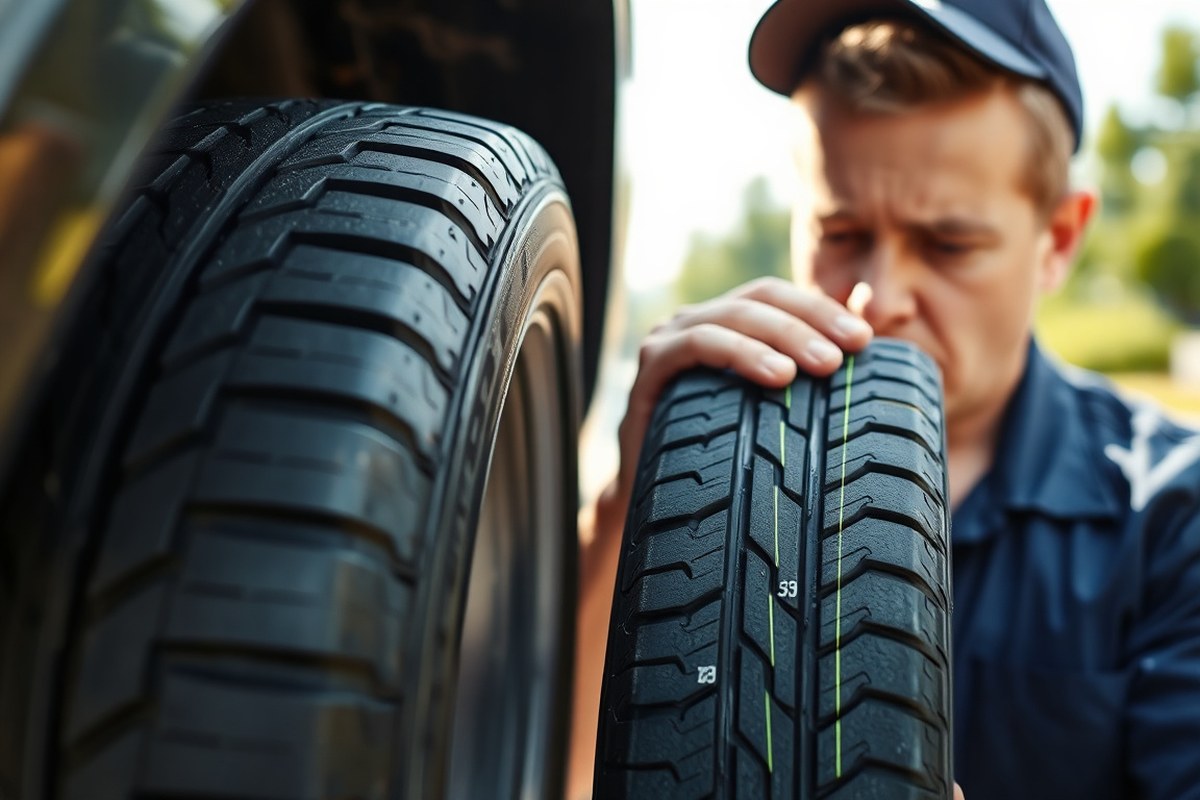
Can I Use Tires That Are 45 Instead of 50 What You Need to Know Before Swapping
Can I use tires that are 45 instead of 50? Yes, you can, but only if the size fits your wheels.
Tires with a 45 aspect ratio suit larger wheels starting at 17 inches. You must check your rim size before swapping to avoid poor fit or damage.
Changing from a 50 to a 45 aspect ratio means a smaller sidewall height. This affects your tire’s overall diameter and could throw off your speedometer reading.
The difference is small, usually under 3%. But it can still matter for your car’s electronics.
Make sure you compare tire widths and check the load rating. The 45-profile tire is shorter on the side but often paired with a wider tread.
These swaps work best if you change all four tires together. Doing this helps keep your handling balanced and safe.
Key Takeaways
- Tires with a 45 aspect ratio fit wheels 17 inches or larger.
- A 45 aspect ratio means the sidewall height is 45% of the tire’s width.
- Diameter changes less than 3%. This slightly affects your speedometer accuracy.
- Always check the rim width range to match tire width and avoid damage.
- Replace all four tires at once to maintain consistent handling and safety.
- Fitting just two tires requires placing them on the rear axle for stability.
Can You Use 45 Aspect Ratio Tires Instead Of 50?
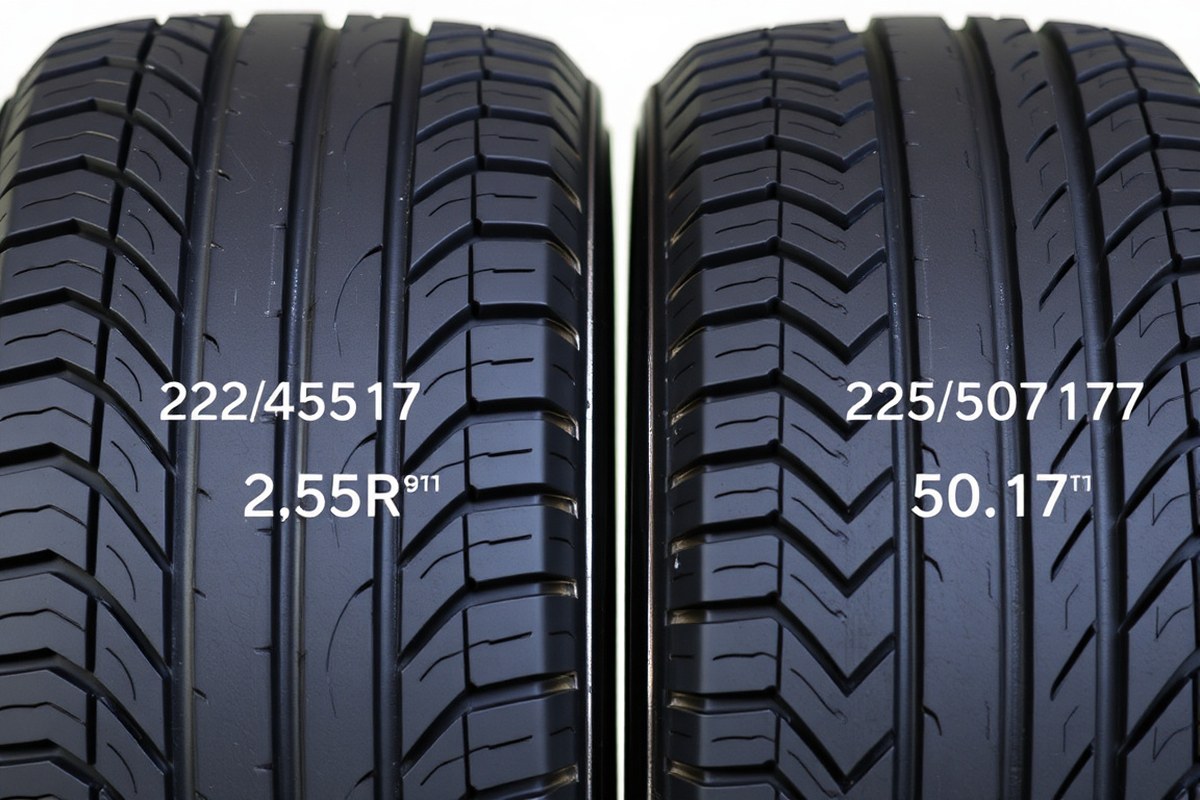
Using 45 aspect ratio tires instead of 50 can be safe. You just have to keep some key factors in check. These factors help ensure safety.
The aspect ratio means the sidewall height is 45% of tire width. Before, it was 50%.
This change affects the tire size appearance. This change lowers the tire’s sidewall by about 11 millimeters, which affects ride height and comfort.
The main size difference lies in the overall tire diameter. For example, a 225/50R17 tire has an overall diameter of about 647 millimeters. A 225/45R17 tire is about 634 millimeters tall, nearly a 2% difference.
The change is under the 3% threshold. This means no speedometer errors usually. Also, it won’t stress the drivetrain if wheel size stays the same.
It’s best to match the rim diameter exactly when swapping from 50 to 45 series tires. Using a 17-inch tire on a 17-inch wheel must stay consistent. You need to adjust other parts if tire width or wheel diameter changes.
This keeps the overall diameter close. It helps avoid problems with fit. Taking this approach avoids strain on AWD differentials and maintains accurate speed readings.
Reducing the aspect ratio generally improves cornering stability and steering feel. However, the ride may feel firmer and less cushioned from bumps. This tradeoff suits drivers who want better handling but can tolerate a slightly stiffer ride.
The taller 50 aspect ratio tires cushion rough roads better. They give you more ride comfort. This helps on bumpy or uneven surfaces.
For a clean swap, either keep the width exactly the same or adjust the rim diameter. For example, moving from 225/50R17 to 235/45R18 maintains a similar overall diameter. Uneven tire sizes on front and rear wheels can harm AWD systems.
This damage happens without proper size compensation. It affects how the car drives. That common mistake leads to expensive repairs and uneven tire wear.
Cost is another factor. Lower aspect ratio tires like 45 series tend to cost more because of their performance design. Daily drivers should weigh the extra cost versus handling benefits.
Better handling can improve safety. But consider your budget too. For occasional or sporty use, the stiffer feel and better cornering might justify the higher cost.
Use the 3% overall diameter difference rule as a decision guide. Exceeding the swap limit means you must choose a wider tire or bigger rim. This compensates for size differences.
It keeps driving safe and smooth. Staying within these limits keeps your speedometer accurate and preserves your vehicle’s safety. Otherwise, sticking to the original 50 aspect ratio size is the safest bet.
Understanding What the Tire Aspect Ratio Numbers Mean
What Aspect Ratio Numbers Mean
Numbers like 45 or 50 on tires represent the aspect ratio. This ratio shows sidewall height as a percent of tire width. For example, 50 means the sidewall height is half the tire’s width.
The aspect ratio shows how tall the sidewall is compared to width. A 45 ratio means a shorter sidewall than 50. Tires with 45 look lower and have a flatter profile.
Calculating Sidewall Height from Aspect Ratio
To find the actual sidewall height, multiply the tire width by the aspect ratio. For instance, a 225/50 tire’s sidewall is 225 millimeters wide with a 50% aspect ratio.
So: 225 mm × 0.50 = 112.5 mm sidewall height. Switching to a 225/45 tire means multiplying 225 mm by 0.45.45 = 101.25 mm sidewall height. That’s about 11 mm shorter sidewall.
How Aspect Ratio Affects Overall Diameter
The tire’s overall diameter depends on the sidewall height and the rim size. You double the sidewall height and add the rim diameter (converted to millimeters). For a 225/50R17 tire: 112.5 mm × 2 + 17 in × 25.4 = 675.3 mm.
For the 225/45R17 tire: 101.25 mm × 2 + 17 in × 25.4 = 662 mm overall diameter. That is about a 13 mm difference or nearly 2% smaller diameter.
Why Aspect Ratio Matters for Tire Fit and Performance
The aspect ratio influences ride comfort, handling, and speedometer accuracy. Taller sidewalls absorb bumps better, while shorter ones offer sharper handling. A 45 ratio tire has less sidewall cushion than a 50.
Smaller overall diameter changes affect speedometer readings and vehicle clearance. Tire industry advice suggests staying within 3% diameter changes to avoid major issues.
Using Aspect Ratio for Safe Tire Swapping
When changing aspect ratios, keep these calculations in mind. You can change tire width to keep sidewall height balanced.
This helps keep the tire’s total diameter close to the original. This helps maintain proper speedometer function and ride quality.
Changing from 225/50 to 235/45 keeps tire diameter similar. Always check the car maker’s specs or ask a tire expert.
Measure tire width and aspect ratio carefully. Keep the new tire diameter within 3% of the old size.
How Changing from 50 to 45 Affects Tire Dimensions and Speedometer
Lowering the aspect ratio from 50 to 45 decreases the tire’s sidewall height. The sidewall measures from the rim edge to where the tread begins on the tire.
For instance, a 225/50R17 tire sidewall stands 112.5 mm tall. A 225/45R17 sidewall is only 101.25 mm, shrinking by 11.25 mm per side and reducing the total tire diameter by 22.5 mm.
The overall diameter affects how your speedometer reads your speed. A smaller diameter tire spins faster to cover the same ground. So the speedometer shows a higher speed than you actually travel.
At 60 mph indicated, a car with 225/45R17 tires will actually be doing about 58 mph. That’s nearly a 3% error, which is beyond the industry’s common ±3% safe range.
| Spec | 225/50R17 | 225/45R17 |
|---|---|---|
| Sidewall Height (mm) | 112.5 | 101.25 |
| Tire Diameter (mm) | 656.8 | 634.3 |
| Diameter Change (mm) | , | -22.5 |
| Speedometer Reading @ 60 mph | 60 mph | About 58 mph actual |
You can calculate overall diameter by this formula: rim diameter in inches times 25.4, plus twice the sidewall height. The sidewall height equals tire width times the aspect ratio percentage.
So, 225 mm × 0.50 equals 112.5 mm sidewall for the 50 aspect and 225 mm × 0.45 equals 101.25 mm sidewall for the 45 aspect. This change impacts speedometer accuracy and ride quality.
A smaller sidewall reduces the tire’s total height. This also changes how the tire grips the road. The ride feel may feel a bit stiffer too.
It can improve handling but reduces impact absorption from bumps. Changing tire size can impact systems like traction control.
ABS and odometer functions also depend on correct wheel rotation data. Wrong tire size could cause inaccurate readings for these systems.
Performance and Comfort Differences Between 45 and 50 Profile Tires
Tires with a 45 aspect ratio generally deliver a firmer ride than 50 series tires. The shorter sidewall in 45 profile tires reduces flex when cornering. This stiff sidewall sharpens steering response.
It also improves overall handling. This makes 45 tires preferred for sportier driving or high-speed stability.
However, that firmer ride also means less shock absorption from bumps and rough roads. You’ll notice more road harshness and possibly a slight increase in noise on uneven surfaces. The smaller sidewall means 45 tires transfer more road impacts directly to the suspension and cabin.
- Ride comfort decreases with 45 aspect ratio due to stiffer sidewalls
- Handling and cornering grip improve thanks to reduced sidewall flex
- Steering feels sharper and more responsive with 45 profile tires
- Road noise may increase slightly compared to 50 series tires
- 45 tires are more sensitive to tire pressure changes
- Best for smooth roads or spirited driving conditions
- Less ideal on rough or potholed roads where comfort matters
For daily city driving or rough roads, 50 profile tires offer better cushioning and noise control. Choosing 45 aspect ratio suits drivers who prioritize precise handling and cornering over ultimate comfort. Keep tire pressure consistent with 45 tires to maintain their handling edge without harshness getting worse.
Load Capacity, Speed Rating, and Safety Considerations When Swapping Sizes
When switching from 50 to 45 aspect ratio tires, check load capacity. Also, check the speed rating carefully to ensure safety. These factors matter a lot for your car’s performance.
These two numbers impact your car’s safety, handling, and insurance coverage. Your new tires must have the same or higher load index.
They must also match or beat the original speed rating. Find these numbers on your placard or owner’s manual.
The load index shows how much weight one tire can hold safely. For example, a load index of 94 equals about 1,477 pounds per tire. Using tires with a lower load rating than original can cause problems.
Your tires might wear out faster under heavy loads. They may even fail when you least expect it. That increases accident risk and might affect warranty or insurance claims.
Speed rating matters too. It tells you the highest safe speed for the tire. Your original tire’s speed rating is H, meaning 130 mph max.
A tire rated S only handles 112 mph max, which is unsafe. This holds true even if you never drive that fast.
Tire failure could happen from overheating at highway speeds. Always pick tires with the same or higher speed rating as your original ones.
First, check the load index to see if a 45 tire fits. Compare the numbers carefully for your car’s needs. This helps you decide if the tire size will work.
They’re usually part of the tire size code, like 225/50R17 94H. Next, check the speed rating letter.
Use a tire size calculator to confirm overall diameter stays within 3% of your original tires. Diameter changes affect your speedometer and braking system.
Besides these specs, confirm your wheel fits the tire and the tire will clear suspension parts. TPMS sensors and stability control systems can misread if size is too different. 45 tires usually have a narrower sidewall than 50s do.
This means less cushioning and a possibly rougher ride. It can also affect handling for your car.
Choosing tires with lower ratings to save money causes risks. Mismatching sizes can lead to serious problems down the road. It’s wise to avoid cutting corners here.
Tires may overheat, wear unevenly, or blow out during sudden maneuvers. Your vehicle might respond unpredictably at high speeds or in emergencies, raising crash risk.
Double-check your tire’s sidewall for load index and speed rating before buying. Ask the retailer or use online tools matching your exact vehicle model and tire size. When unsure, ask a licensed tire expert for advice.
They can confirm if your tire choice is safe and fits well. This is the safest move for peace of mind.
Avoid installing tires with a lower load or speed rating than your original tires. Doing so risks tire failure and voids insurance coverage.
How Tire Width and Wheel Size Affect Swapping from 50 To 45
Switching from 50 to 45 aspect ratio tires means careful attention to width and wheel size. You should change the tire width or rim diameter. This keeps the overall tire diameter close to the original.
It helps maintain correct speedometer and handling. This prevents speedometer errors, braking problems, and fitment issues.
Recommended Rim Width Ranges for Common Tires
Rims must match tire width to avoid performance and safety issues. Tires too narrow or too wide for the rim do not seat properly or wear unevenly. Always check the recommended rim width range for your tire size.
For example, a 245/45 tire typically fits a 7.5 to 8.5 inch rim width. A 225/45 tire usually needs a 6 to 7.5 inch rim. Using a rim within these ranges ensures correct sidewall support and tire shape.
Width Adjustments to Preserve Overall Diameter
Switching from a 50 to 45 aspect ratio shrinks tire diameter. The rim size stays the same. This change lowers the tire’s overall height.
You can widen the tire to regain some sidewall height and keep the diameter within 3%. This keeps your speedometer accurate and maintains the driving feel.
For example, moving from a 225/50R17 to a 235/45R17 reduces overall diameter by only 2.1%. This is usually safe if the rim width fits the wider tire. Avoid going back to 225 width with 45 aspect ratio because diameter changes more than 3%.
Wheel Size Changes to Offset Aspect Ratio Differences
If you increase wheel diameter by one inch. Drop aspect ratio to 45, the total diameter stays about the same. This keeps your ride height consistent.
This method maintains similar ride quality and handling. For example, switching from 225/50R17 to 225/45R18 results in a +0.5% diameter change, which is safe.
Remember, the new wheel must fit your car’s bolt pattern and clearance. Also, rim width should still match the tire width range. This setup avoids rubbing and maintains sensor accuracy.
| OE Size | Alternative Size | Diameter Change | Speedometer Error | Safe To Use |
|---|---|---|---|---|
| 225/50R17 | 225/45R17 | -3.4% | +3.5% | Borderline, not recommended |
| 225/50R17 | 235/45R17 | -2.1% | +2.1% | Safe with proper rim |
| 225/50R17 | 245/45R17 | -0.7% | +0.7% | Safe with 7.5 inch rim |
| 225/50R17 | 225/45R18 | +0.5% | -0.5% | Safe (plus-size) |
| 225/50R17 | 215/55R17 | +1.0% | -1.0% | Safe |
Using the right tire width for your chosen rim keeps you in the safe zone. It also helps keep overall diameter changes under 3%. Check your new wheel’s size and offset too before making the swap.
Step-by-Step Checklist to Safely Swap 50 Series Tires for 45 Series
Changing from a 50 series tire to a 45 series tire needs a good check. You should look at the tire specs and the size fit on your rims. Follow these guidelines to swap safely and avoid fit or performance issues.
Verify Factory Specifications and Limits
Check your vehicle’s manual for recommended tire sizes and alternatives. Some cars list a 45 aspect ratio as an option if load and clearance specs match.
Do not pick a 45 series tire that the manufacturer doesn’t approve. Using sizes outside the list can risk your safety, affect warranty, or throw off safety systems.
Calculate Diameter and Speedometer Impact
Measure both your current 50 series tire diameter and the 45 series replacement’s diameter exactly. Diameter differences over about 3% will cause your speedometer to read wrong.
Changing from 225/50R17 to 225/45R17 makes the tire diameter smaller. This will cause your speedometer to show you’re going faster than you really are.
Check Load Index and Speed Rating Compatibility
Match or exceed your current tire’s load index to keep safe carrying capacity. A lower load rating can overload tires and cause failures.
Also confirm speed rating meets or beats what your vehicle needs. Low ratings might not handle your max speed safely under load.
Confirm Wheel Width and Clearance
Verify that your wheel width fits the new 45 series tire range. A wider or narrower tire on the same rim affects safety and performance. Measure brake, suspension, and fender clearance to ensure no rubbing occurs during turns or bumps.
- Ensure wheel width suits 45 series tire size
- Check brake and suspension clearance
- Confirm enough space in fender wells
- Account for changes in road debris clearance
- Inspect wheel offset compatibility with new tire
Clearance issues can lead to tire damage or steering problems over time. Fix any tight spots before mounting.
Perform Alignment and Calibration After Swap
After putting on new tires, have a four-wheel alignment done. This helps keep your car handling right.
It also stops your tires from wearing unevenly. Misalignment worsens with size changes.
Also have your speedometer calibrated or checked for errors. Some auto shops can adjust sensor data for diameter changes.
Symptoms and Troubleshooting After Switching Tire Aspect Ratios
After switching from 50 to 45 aspect ratio tires, watch for signs. Check for odd tire wear or unusual handling. Also, watch your dashboard for warning lights.
Your speedometer might show wrong readings after this tire change. The TPMS could also give warnings or errors. This happens because the tire’s diameter changes.
These diameter changes affect your car’s sensors and speed readings. It can cause errors in calibration or shift how systems work. Watch for strange sensor behavior after swapping tires.
Handling changes such as increased road harshness or lighter steering feel are also common. These happen because lower profile tires have stiffer sidewalls but less natural shock absorption. Notice vibrations or uneven tread wear?
Check your all-wheel-drive’s viscous couplings. Act fast to stop costly damage from happening.
Use this table to match symptoms with common fixes. It helps with issues from switching to 45 ratio tires. Find quick solutions after your tire change.
| Symptom | Cause | How to Fix | Approximate Cost or Effort |
|---|---|---|---|
| Speedometer off by more than 3% | Diameter change beyond J1349 limits | Recalibrate speedometer or switch back to recommended size | $50, $150 for recalibration; free if size correction |
| TPMS calibration warnings | Sensor readings altered by tire size | Perform TPMS relearn procedure or replace incompatible sensors | Free if DIY; $50, $100 at shop |
| Uneven or rapid tire wear | Improper tire alignment or unsuitable size | Get a professional wheel alignment and inspect tires | $75, $120 for alignment |
| Harder ride and harsh road noise | Taller sidewalls replaced by shorter, stiffer ones | Consider softer suspension adjustments or upgrade tires | $100+ for suspension tweaks |
| AWD coupling overheating | Front-rear rotation speed mismatch | Revert to matching diameter tires or consult a mechanic | Costs vary; potentially costly repair |
| Transmission shift timing changes | Speed sensor misreading | Reset ECU or swap tires to factory specs | Free to $100 depending on service |
Regularly check tire pressure and tread after installation. Adjust alignment to improve wear patterns and handling feel.
Calibration errors with the speedometer and TPMS often show up within days. Address these early to avoid stress on your car’s drivetrain and electronics.
Don’t ignore engine or dashboard warnings after a tire swap. They can prevent costly damage.
When Is It Best to Stay with the Factory-Recommended 50 Series Tires?
Some vehicles rely heavily on 50 series tires for safety and proper system function. All-wheel-drive (AWD) and four-wheel-drive (4WD) models need tires with matching rolling diameters on all corners. Mismatched sizes, like mixing 45 series with 50 series, can cause drivetrain damage and uneven handling.
Sticking to the original tire specs is key. Your car’s maker set a 50 series for ride, handling, and safety controls. Touring and grand-touring vehicles often use 50 series tires to balance comfort and durability.
Swapping to 45 series tires often means stiffer sidewalls. This change cuts comfort and wears tires faster.
Tires with a narrower rim width can also create problems. For example, if your rim is 6.With 5-inch wide tires, changing from 50 to 45 series pulls the sidewall tight. You get a stretched look and feel.
This stretch can cause uneven tire wear or poor bead seal. It might also make the bead fail, causing leaks or flats.
Always check with a tire expert before changing sizes. This is especially true for AWD or 4WD cars. Pros check if different tire sizes hurt the drivetrain.
They also make sure ABS and traction control still work well. Shops might charge $50 to $100 for a size check. This can prevent expensive fixes later on.
Use caution if your vehicle has electronic stability or tire pressure monitoring systems. Changing from 50 to 45 series tires can alter readings and cause false alerts. Professionals can reset or recalibrate these sensors to keep everything working right.
Never mix tire sizes front to rear. Using 45 series tires in front and 50 in back leads to uneven traction. This risks your car’s stability and drivetrain health.
Change all four tires to the same size when switching. This avoids traction and handling problems.
Step-by-Step Action Plan to Switch from 50 to 45 Aspect Ratio Tires
Follow these simple steps to swap your 50 aspect ratio tires for 45 safely. Check each step carefully to avoid issues.
- Before You Buy: Confirm your vehicle’s wheel size and tire width fit a 45 profile. Use your owner’s manual or ask a tire pro to verify compatibility.
- Day 1: Buy tires matching the original 50 series diameter. Also match their speed and load ratings. This keeps your car’s performance balanced. Look for labels showing these specs.
- Day 2: Get your new tires professionally mounted and balanced. Proper installation ensures no vibration or uneven wear signs.
- Day 3: Check if your speedometer needs adjusting. This is key when tire diameter changes over 3%. Calibrate it to keep speeds accurate. Check if the speed reading matches GPS speed.
- Week 1: Drive cautiously and watch for pulling, uneven braking, or odd noises. No warnings mean tires suit your vehicle.
- Week 2: Recheck tire pressure weekly. Keep inflation at manufacturer specs for handling and safety.
- After 1 Month: Inspect tires for unusual wear or damage. No problems show success with the switch.
Frequently Asked Questions
Can I Use Tires with a 45 Aspect Ratio Instead of 50 on My Car?
Yes, you can use 45 aspect ratio tires instead of 50 if the wheel size fits. Make sure the rim size matches the tire specifications for safety and performance.
Will Using 45 Tires Instead of 50 Affect My Speedometer Reading?
Yes, switching from 50 to 45 will slightly change tire diameter and affect speedometer accuracy. You may notice your speedometer reads a bit higher or lower than actual speed.
Are There Comfort Differences Between 45 and 50 Profile Tires?
Yes, 45 profile tires have shorter sidewalls and offer less cushioning than 50 series tires. You might feel more road feedback but less comfort on rough roads.
What Should I Check Before Swapping from 50 to 45 Aspect Ratio Tires?
Check wheel diameter compatibility, load capacity, and speed rating before switching. Also, get an alignment to avoid uneven tire wear.
Is It Safe to Replace Only Two 45 Aspect Ratio Tires Instead of Four When Switching From 50?
You can safely replace just two tires short-term by putting them on the rear axle. This setup helps keep your vehicle stable while driving. Replace all four tires within 5,000 miles to maintain balanced performance.
Key Points to Remember
Choosing 45 aspect ratio tires instead of 50 can work. You must pick carefully and install them properly. This avoids handling and speed issues.
Measure fit, match specs, and watch vehicle responses closely. Start by checking your vehicle’s tire requirements and get professional help for installation and calibration.