Where Can I Drive a Track by Myself Complete Guide to Safe Solo Track Driving
Where can I drive a track by myself? Many race tracks offer solo driving sessions. These are called solo or open track days.
They let you take your car on the track alone. You can find these events at most regional race tracks and some local clubs.
To start, check for track days that welcome solo drivers and sign up early. You often drive in groups by skill level.
So you’ll get many short sessions to improve. Always confirm if you need special licenses or experience before booking.
Look for clubs that run solo events. They usually cost $200 to $600 per day. A good helmet is essential.
But many organizers rent them if you don’t own one. Planning ahead helps you get on track safely and legally while enjoying the drive alone.
Key Takeaways
- Join a local club or find track days offering solo driving sessions.
- Expect to pay between $200 and $600 for a day on the track.
- Bring or rent a helmet; many organizers provide rentals for beginners.
- Sign up early to secure your spot, especially for popular tracks.
- Prepare to drive in groups sorted by skill during the event.
- Check if you need any certifications or prior experience first.
Where You Can Legally Drive a Track by Yourself
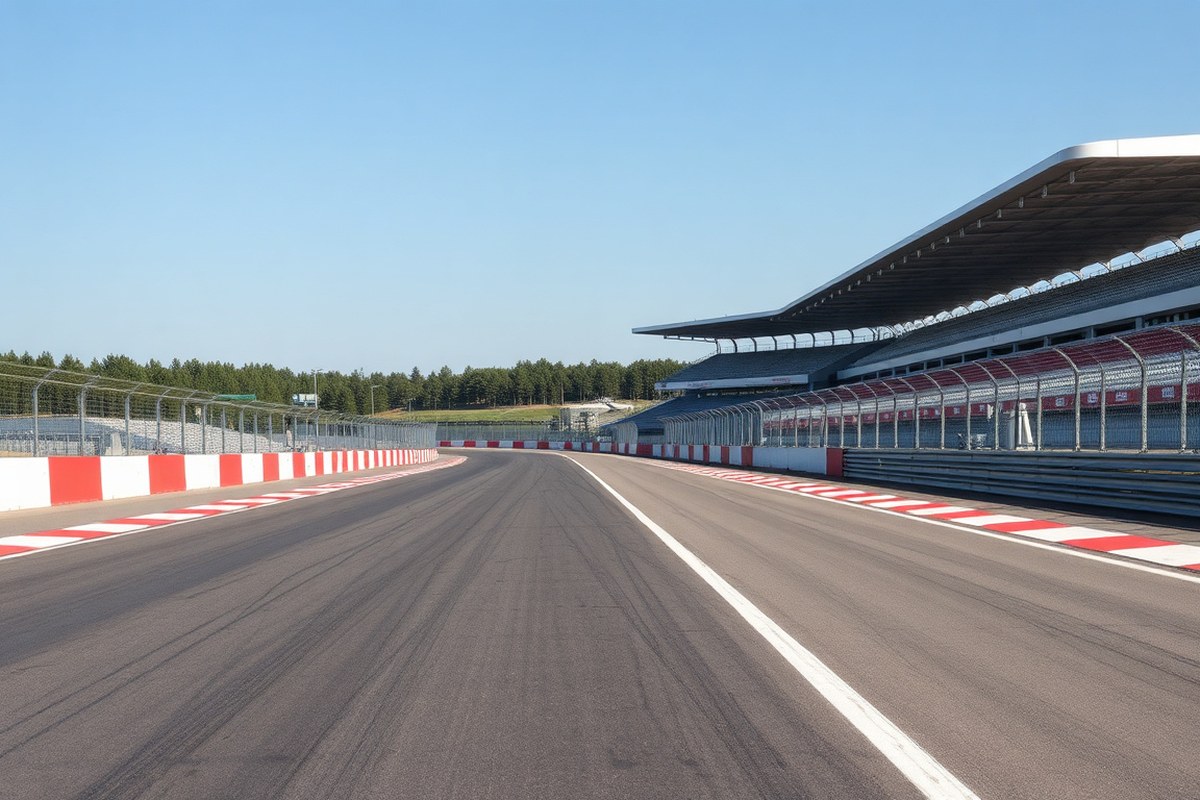
Driving solo on race tracks means you can drive without an instructor or passenger. Most tracks require you to be “signed off” by an instructor first.
This happens after you prove your skills during instruction or group sessions. Without it, you usually can’t drive alone safely or legally.
In the US, popular tracks allow solo driving. These include Mazda Raceway Laguna Seca in California. Road Atlanta in Georgia and Circuit of the Americas in Texas also open their doors.
These tracks hold High Performance Driving Events (HPDE). At these events, you can get tested for solo driving.
Once you’re approved, you can drive alone. These events group drivers by experience so you start learning in controlled, safe settings.
Legal rules for solo track driving vary but generally, you must:
- Complete a minimum number of supervised track sessions
- Pass an instructor’s evaluation and get a signed release
- Follow the rules and safety guidelines of the hosting track
- Use a car that meets technical safety checks, like brakes and tires
- Have proper insurance coverage or event insurance if required
Tracks differ, so always check their specific solo driving policies. Some tracks limit solo driving to certain experience levels for safety. Solo track days cost $300 to $600 for entry.
You also need to prepare your car before the event. Be sure to budget for both these expenses. Being prepared lowers your chance of mistakes and increases fun.
You can drive solo nationally at many US tracks with HPDE programs. International options exist but rules differ widely by country. Licensing and safety gear rules differ by track.
Some places require more inspections and paperwork. This adds extra steps before you get solo approval. Contact the track or organizing body to understand local laws and rules.
Types of Track Days and Solo Driving Options

Different track day formats let you drive solo, each with pros and cons. High Performance Driver Education events, called HPDE, offer instruction and solo laps. You get an experienced instructor guiding you while you learn car control at speed.
Open track days usually let you drive solo without formal instruction. These are less structured and have more lap time but less coaching. Time trials focus on speed and competition, allowing solo runs timed for best lap results.
Beginners should look for HPDE events. They provide the safest environment and valuable one-on-one instruction.
These often require a beginner’s assessment before solo driving. Open track days suit drivers who have done HPDE or have prior track experience.
| Event Type | Solo Driving Allowed | Instruction Provided | Typical Cost Range (per day) | Best For | Pros | Cons |
|---|---|---|---|---|---|---|
| HPDE (High Performance Driver Education) | Yes, after initial instruction | Yes, experienced instructor included | $200 – $400 | Beginners and skill builders | One-on-one coaching, focused learning | Requires signoff before solo laps |
| Open Track Days | Yes, generally allowed | Optional instructor | $200 – $400 | Experienced drivers or those comfortable solo | More track time, relaxed rules | Less supervision, risk of bad habits |
| Time Trials | Yes | Rarely; focus on racing skills | Varies, often $300+ | Drivers seeking competition | Focus on speed and lap times | More pressure, higher risk |
Because HPDE events fill up quickly, joining local car clubs helps. Clubs usually charge about $50 yearly and offer events nearby. You can book track time through them for roughly $500 or less per day.
Do a cool-down lap after your session to help brake cooling and prevent wear.
These event types each offer solo driving chances but differ in coaching and pace. Beginners start best with HPDE for safer, guided learning. Open track days add relaxed solo play but expect fewer instructions.
How to Prepare Your Car for Solo Track Driving
Preparing your car for solo track driving starts with safety and mechanical readiness. You need the right gear, a thorough pre-track check, and some key upgrades. These steps help you avoid breakdowns, stay safe, and enjoy the full experience.
Safety Equipment Essentials
A good helmet is a must for solo track days. For as little as $150, you can buy one, or many organizers loan helmets.
Wear fire-resistant racing gloves and shoes if you can get them. These add grip and protect during emergencies.
Secure your seat belts or install racing harnesses if allowed. Proper restraint keeps you safe in corners and incidents.
Critical Mechanical Checks Before Track Day
Easy-to-overlook items can cause big problems on the track. Check tires, brakes, fluids, and engine health well before you drive.
Cold or worn tires lose grip fast. Measure tread depth and replace tires below 3/32 inches. Set tire pressure to 30-35 psi for track use.
Inspect brake pads and rotors for wear. Better pads may cost $100-$200 but they last longer and reduce fade.
Recommended Car Modifications
Stock cars work fine for your first days on track. Still, consider upgrades to improve safety and performance as you gain experience.
Install better brake pads, stainless steel brake lines, and high-temp brake fluid. Each upgrade costs roughly $50-$150 but improves brake feel.
Use synthetic track-grade oil and a fresh filter. The cost ranges from $50 to $100 and protects your engine under stress. Follow these steps to prepare your car for solo track driving:
- Inspect tires for tread depth and pressure; replace if below 3/32 inch.
- Check brake pads and rotors; upgrade pads if worn or for better performance.
- Change engine oil to synthetic track-grade and swap oil filter.
- Top up coolant and brake fluids; use high-temperature-resistant fluids when possible.
- Secure or upgrade seat belts and install a quality helmet, gloves, and shoes.
- Test battery and electrical systems; ensure no loose wires or corrosion.
- Clear out trunk and cabin for safety and weight reduction.
Costs Involved in Driving Your Own Car on a Track
Driving your own car on a track has clear costs to plan for. Entry fees at popular US tracks usually range from $150 to $350 per day. Track memberships or club memberships often lower fees.
They add a yearly $100 to $400 cost. You should factor this in your budget. Track-use insurance costs $200 to $600 yearly.
The price depends on your coverage and car. Choose coverage carefully to fit your needs.
Besides entry and membership, you need proper gear. Helmets typically cost $200 to $600, with higher-end models at $1,000 or more. Safety devices like HANS protectors add around $400 to $600.
Track tires wear faster than street tires. A set costs $400 or more.
Plan to replace them often if you drive the track regularly. Brake pads designed for track use cost about $100 to $250.
| Track | Typical Entry Fee (Solo Day) | Membership Fee (Yearly) | Example Helmet Cost |
|---|---|---|---|
| Laguna Seca | $250 | $200 | $300 |
| Road America | $300 | $150 | $350 |
| Virginia International Raceway | $220 | $175 | $280 |
| Buttonwillow | $180 | $100 | $250 |
Laguna Seca track day entry costs around $250. Helmets rental or purchase runs near $300. Both are needed to join a track day safely.
Joining the membership at $200 yearly lowers future day fees and grants scheduling perks. Insurance and additional gear raise your investment. A first track day usually costs about $600.
Membership and insurance add to this over time. Keep these ongoing costs in your budget.
Hidden expenses often include tires and brake pads, which wear quickly on track sessions. You may also need track-focused suspension parts or engine checks, which add up fast. Some drivers pay extra for travel, lodging, or car shipping.
Trailers for dedicated track cars push costs higher. Budget for these as your driving gets more serious.
How Solo Track Day Events Typically Operate
Solo track day events usually split drivers into groups for timed sessions. Each session lasts about 20 minutes, and you’ll likely get one session every hour. Safety rules and instructions are reviewed before driving begins.
Typical Session Length and Frequency
Sessions typically last 20 minutes and repeat about once per hour. You can expect three sessions during a normal day. This lets you rest, check your car, and prepare between runs.
The day starts early with registration, tech inspections, and a drivers’ meeting. Organizers explain rules, passing zones, and safety flags. This meeting lasts about 30 minutes before track time.
Driver Grouping and Passing Rules
Drivers are grouped by skill level or car type, often into three groups. Grouping helps keep cars with similar speeds together for safer driving. Passing rules may vary by organizer but usually only allow passing in designated zones.
Some events offer extra classroom and on-track instruction for beginners. Instruction sessions usually cost around £50 for 30 minutes. These sessions help lower your risk of damage and improve your skills.
On-Track Safety Protocols
Safety is the priority throughout the event. Officials monitor driver behavior and will remove those who break rules. Flags signal caution, stop sessions, or indicate hazards and must be obeyed immediately.
You should always wear approved helmets and bring safety gear even if not mandatory. Cars complete a tech check to ensure brakes, tires, and fluids are in good shape. Experienced instructors may guide you to the grid and coach basic techniques during sessions.
Follow these steps for a smooth solo track day:
- Arrive early with your car and equipment for registration and tech inspection.
- Attend the drivers’ meeting to learn about rules, flags, and passing zones.
- Join your designated group and get familiar with your fellow drivers.
- Take optional instruction sessions if offered, especially if new to the track.
- Wait for your scheduled session and listen for the instructor’s guidance at start line.
- Drive within your limits, follow flag signals, and use passing zones carefully.
- Return to the pits after your session to check your car and rest.
- Repeat sessions as scheduled, staying alert and respectful of track rules.
Always observe flag signals immediately; ignoring them risks penalties or accidents.
Safety Tips and Regulations for Solo Track Drivers
Your safety gear must have a Snell- or FIA-approved helmet. Wear a fire-resistant racing suit and gloves. Also, use closed-toe shoes for full protection.
Some tracks require a neck brace and racing harnesses. So check their rules ahead of time. Wearing proper gear helps protect you in crashes and keeps you legal on the track.
When driving solo, the track expects you to follow strict etiquette. Always use turn signals, obey flag signals, and stay in designated passing zones. Keeping smooth lines and steady speed reduces accident risks.
It also shows respect for other drivers. This matters even when you drive alone on track.
In case of a crash or mechanical failure, pull off the track quickly and safely. Switch on your hazard lights if you can do so safely. Stay inside your car with your helmet on.
Only exit if it’s absolutely safe to do so. Use your radio or a track emergency phone to call for help immediately. Never try to move your car back onto the racing surface yourself.
- Helmet with current Snell or FIA certification
- Fire-resistant racing suit, gloves, and shoes
- Observe and obey all flag signals and track marshals
- Use turn signals when passing or exiting the track
- Pull off track safely during mechanical issues or accidents
- Contact emergency personnel via radio or emergency phones
- Stay seated inside your vehicle if stranded on track
Common infractions include ignoring yellow flags, reckless passing, and unsafe re-entry after going off track. These can lead to being black-flagged or banned.
It costs nothing but the effort to drive clean. So stick to the rules to keep enjoying solo sessions.
How to Get Signed Off to Drive Solo on the Track
You can’t drive solo on the track right away. Beginners usually need an instructor to ride along first. The instructor watches your driving and signs you off when you’re ready to go solo safely.
Beginner Assessment Criteria
New drivers must show basic control on the track before going solo. Clubs often require you to attend a classroom session. That session covers rules, flag signals, and track etiquette.
After classroom instruction, you’ll do a few supervised laps with an instructor. The instructor checks if you handle corners, braking, and speed well. You also need good situational awareness and smooth control.
Instructor Evaluation Process
Instructors evaluate your driving during these supervised laps. They look for consistency in braking points and line choice. The instructor also checks if you respond well to flags and track conditions.
Getting signed off means the instructor trusts you to handle the track alone. The process can take one full session or several days depending on skill. Different clubs have their own sign-off requirements and fees.
Examples of Skills to Demonstrate
You need to show smooth braking and accelerating with no sudden moves. Staying in your lane, following the ideal racing line, and respecting other drivers is important. You must respond correctly to flags, especially yellow and black flags.
Good car control means no spinouts or lockups. The instructor wants to see calm, focused driving, not risky or aggressive moves. Maintaining a consistent pace and being able to adjust quickly is key.
The steps to get signed off often follow a clear path. You attend orientation, complete classroom training, drive with an instructor, and finally get evaluated. Below is a typical process:
- Register for a High Performance Driving Education (HPDE) event.
- Attend the mandatory classroom session to learn basic rules and safety.
- Complete a few supervised track sessions with an instructor riding along.
- Demonstrate skills like smooth braking, proper line, and flag response.
- Get feedback from the instructor and improve weak areas.
- Pass the final evaluation during an instructor-led solo or co-driven lap.
- Receive your solo sign-off to drive on track without an instructor.
Costs for sign-off vary but often run between $200 and $500, including instruction and track fees. Some clubs allow skipping in-car instruction for experienced drivers. Choosing that risks missing key safety checks and isn’t recommended for beginners.
Common Solo Track Driving Mistakes and How to Fix Them
Many solo drivers on track deal with poor vision problems. They often stare too close to the car right ahead. This limits their ability to spot needed moves early.
This narrows your reaction time and leads to brake locking or late corner entry. Keep your eyes far ahead on the track at all times.
Scan the whole section, including a car or two ahead. This helps you anticipate turns better and plan lines.
Braking errors are common. Drivers either brake too hard or too late, causing unstable car balance or overheating brakes.
Use steady pressure, not maximum force, and start braking earlier. Adjust your braking points depending on your car’s setup and track temperature.
Judging pace is tricky without competition. Beginners sometimes drive too slow, losing rhythm, or push too hard, causing mistakes.
Focus on smooth, consistent lap times rather than outright speed. This builds confidence and reduces wear on tires and brakes.
- Starting braking too late, begin earlier and feel brake balance when slowing
- Fixating on the car ahead, instead, look well down the track
- Overusing brakes, apply steady, moderate pressure, not full force
- Ignoring lap consistency, aim for smooth, repeatable times over raw speed
- Poor throttle control, gradually add gas to avoid traction loss
- Not resetting after mistakes, pause and refocus rather than pushing harder
- Dropping concentration after 15-20 minutes, take breaks to stay sharp
Instructors often notice concentration wear after about 15 minutes on track. Slow laps or sudden errors usually follow. Take brief breaks in the pits to clear and refresh your mind.
Avoid the “one more lap” habit that drains focus quickly. These pauses help keep your driving sharp and safe. Your brain and hands get tired even if you feel fine.
Self-assess by recording laps or using a data logger if possible. Notice where you brake, turn, or lose speed, then adjust in small steps.
Compare your laps to a steady baseline rather than a fast single lap. That helps spot mistakes and fix them gradually.
Don’t push brakes to their limit; consistent pressure saves them and improves control.
Where to Find and Book Solo Track Day Events Near You
Finding and booking a solo-friendly track day near you starts with knowing where to look. Many tracks post their event calendars online, like Mazda Raceway.
You can check which club or organiser has rented the track for the day. Joining a car club often gives you access to exclusive solo sessions secured on these calendars.
Most track day organisers require membership or event registration to sign up. Membership fees vary widely, from affordable options to very pricey plans. Some organisers, like RMA Track Days, have special rules.
For example, you always overtake on one side. Follow their instructions to stay safe and fair. Knowing the organiser’s policies helps avoid confusion on the day.
Choose events that match your experience, car, and budget. Look for clear solo driving options in the event details. Some events mix group and solo sessions.
So confirm that solo is allowed if that’s your goal. Also check the cancellation policy and what safety gear is required.
Here’s how to find and book your solo track day event:
- Search online for tracks near you with public calendars, focusing on solo or low-group events.
- Look into club memberships that include track day rentals. Many clubs schedule solo track days.
- Compare organisers like RMA Track Days or local car clubs for solo-friendly options.
- Review the event rules on overtaking, car requirements, and helmets to make sure you comply.
- Create an account on the organiser’s website and select your desired solo track day date.
- You must give your driver details and car info. Then pay the fee, usually $150 to $400. This covers track costs and safety support.
- Confirm your booking via email and prepare any gear or paperwork needed for the event.
Costs depend on the organiser and track but usually cover track time, safety briefings, and marshals. Booking early often secures a better spot and sometimes a discount.
On the day, solo track sessions help you focus on driving without traffic worries. That’s why choosing the right event matters.
Step-by-Step Action Plan to Drive Solo on a Race Track
Follow these steps to get on the track alone safely and legally. Each step helps you build skills and meet requirements.
- Before you start: Choose a local track day event that offers solo driving sessions. Confirm they allow drivers to take the track without instructors.
- Week 1: Check your car’s condition, tires, brakes, fluids, and safety gear. A good inspection helps avoid breakdowns or accidents.
- Week 2: Attend any required driver meetings or classroom sessions offered by the event. Listen for solo driving rules and procedures.
- Week 3: Complete any instructor-led sessions or on-track practice laps if required. Passing this is often needed to drive solo.
- Day of event: Arrive early for tech inspection and paper check. Pass both to get your solo driving wristband or sticker.
- During your first solo session: Drive conservatively and stay within your skill level. Avoid fast overtakes or risky moves.
- After your first session: Review laps and get feedback if possible. Use notes to improve safely for the next time.
- Next steps: Book more solo track days to build confidence and improve. Track day driving is a skill that grows with practice.
Frequently Asked Questions
Where Can I Drive a Track by Myself Legally?
You can drive solo during organized track day events. These happen at many race tracks.
You usually must meet safety rules. You’ll also need to pass a skills test.
Can I Use My Own Car on a Race Track?
Yes, you can drive your own street car on most track days. Organizers often require a safety inspection and suitable tires to keep you safe.
How Much Should I Budget to Drive My Car on a Track?
Costs range from $200 to $400 per day for track time. Adding insurance can cost another $200 or more, but it’s highly recommended for protection.
Are There Good Practice Spots Besides Race Tracks?
Many driving schools and autocross events offer safe practice areas. These help you learn car control before hitting a real race track.
Do I Need a Driver’s License to Drive Solo on a Track?
Yes, a valid driver’s license is usually mandatory. Some tracks also require you to pass a driving skills evaluation before going solo.
Key Points to Remember
Driving solo on a race track is a great way to improve your skills safely. Start by finding a local track day that matches your goals. Take your first laps steady, and enjoy the thrill responsibly.