Why Does Steering Wheel Shake When Braking? 9 Proven Causes & Fixes
Steering wheel shake when braking usually means your brake system isn’t working smoothly. Common causes include warped rotors, uneven brake pads, or sticking calipers. These issues create vibrations you feel during stops.
Heat and wear change how the brakes grip the wheels. Warped rotors cause uneven contact, which leads to shaking. The vibration is strongest in the steering wheel because front brakes handle most stopping power.
Check your rotors for warping and pads for uneven wear first. A stuck caliper can hold the brake too tight and cause shaking. Worn suspension parts might also create vibration, even if brakes seem fine.
Fixing these early prevents bigger repairs and keeps driving safer. Driving with a shaking wheel can cause more damage and reduce control. Regular brake inspections help avoid surprises and keep things smooth.
Key Takeaways
- Warped brake rotors cause uneven braking, leading to steering wheel shakes.
- Uneven or worn brake pads produce inconsistent grip and vibration at the wheel.
- Frozen caliper slide pins, especially on Toyota and Lexus, make braking rough.
- Loose or damaged suspension parts exaggerate brake vibrations into steering shakes.
- Check for tire balance and alignment if shaking occurs without braking at speed.
- Replacing front brake pads and rotors typically costs between $250 and $800.
1. Why Does the Steering Wheel Shake When Braking?

Steering wheel shake only when braking usually comes from the front brakes. It can also be caused by suspension parts. These parts affect how smoothly your car stops.
The front rotors may be warped or uneven, causing the brake pads to grab inconsistently. This uneven grabbing sends vibrations through the wheels straight up to the steering wheel.
Worn or loose front suspension parts cause shaking when you brake. Tie rods, ball joints, or bushings wear out over time. These parts keep your wheels steady.
These parts should keep your wheels stable. But if they’re loose, the braking forces make the steering wheel wobble. You often feel this more strongly when slowing because the front end handles most braking force.
Vibrations only while braking make tire problems less likely but still possible. Tires could have minor issues causing the shake. Check tires if other parts seem fine.
Uneven brake rotors cause shaking in the steering wheel while braking. Sticking calipers also affect braking force and can cause the shake. Both parts should move smoothly to avoid vibrations.
Shaking at speed without braking means check wheel balance first. Tire wear can also cause shaking while driving fast. These issues affect steering differently than brake problems.
Braking stresses front-end parts more than normal driving does. Worn or damaged parts show problems clearly under braking. Pay attention to these signs to avoid bigger damage.
Bad rotors cause a pulsing in the brake pedal and steering wheel. Calipers that stick create a rough feeling every time you brake. Worn bushings or joints in suspension let wheels move too much.
This causes shaking you feel directly in the steering wheel. These parts keep the wheel firmly connected to the car.
Shake felt in the brake pedal or seat may mean different issues. Usually, these problems involve rear brakes or tires rather than front parts. Feel for where the shake is strongest while braking.
But steering wheel shaking points right toward front brakes or steering parts. Checking these components costs little if you spot the issue early.
Brake rotors can be resurfaced or replaced starting around $200. Suspension repairs vary widely based on the worn part.
2. How Warped or Uneven Brake Rotors Cause Vibrations
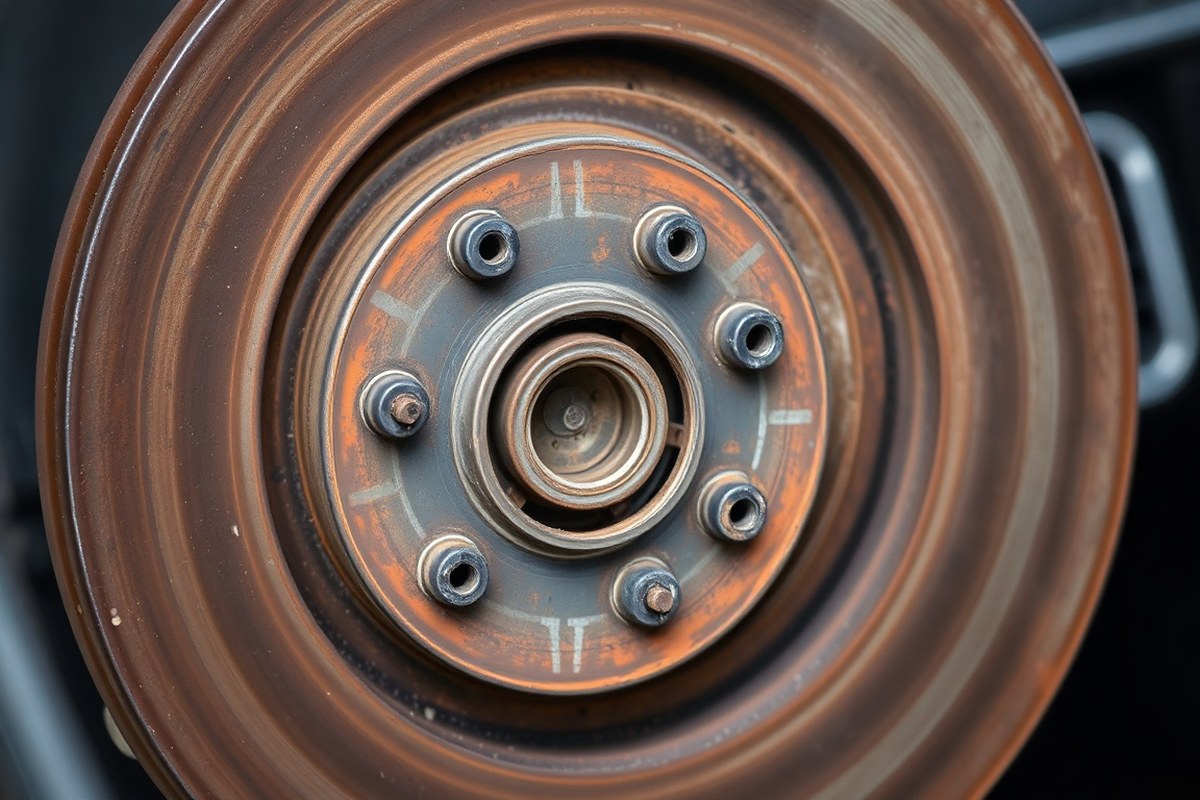
What Rotor Thickness Variation and Lateral Runout Mean
Rotors aren’t perfectly flat all the time. Thickness variation means some spots on the rotor are thinner or thicker than others.
Lateral runout is when the rotor wobbles side to side as it spins. Even a small wobble, over 0.002 inches, can cause vibration.
Both these issues make the brake pads grab unevenly. This uneven grabbing causes the steering wheel to shake when braking.
How Uneven Rotor Surfaces Cause Vibrations
As the brake pads pass over thin or thick areas, the pedal moves up and down. This creates shaking you feel in the steering wheel.
The uneven surface causes changing pressure between the pad and rotor. This pressure variation sends pulsing through the brake system as you stop.
You might notice a rhythmic vibration, especially at highway speeds or hard braking. This happens because of the rotor’s irregular surface.
Heat Spots and Rust Effects on Rotors
Heat spots form from overheating during braking. They look like blue or dark patches on the rotor’s surface and create rough areas.
Rust can build quickly when rotors sit unused or in damp conditions. Thick rust causes the pads to grab or stick unevenly, worsening vibration.
Rotors covered with heavy rust or heat spots won’t let the pads grip smoothly. This rough gripping makes the steering wheel shake violently.
How Improper Installation Causes Rotor Runout
Installing rotors without cleaning the wheel hub first can cause wobble. Rust scale or dirt makes the rotor sit crooked on the hub.
A rotor that’s even 0.002 inches off center causes lateral runout. This small misalignment shows up as shaking during braking.
Technicians should use a wire brush to clean the hub before mounting a rotor. Skipping this step can mean early vibration problems.
Check for rust build-up or uneven rotor surfaces when your steering wheel shakes while braking. Clean or replace parts as needed.
3. The Impact of Worn or Uneven Brake Pads on Steering Stability
How Worn Brake Pads Cause Steering Wheel Vibrations
Brake pads wear down as they press against the rotors to slow your car. When pads are worn unevenly or too thin, they don’t grip the rotors smoothly. This uneven grip sends jolts through the brake system, shaking the steering wheel when you brake.
Worn pads pressing harder on some rotor spots cause uneven braking force. You’ll feel this as a vibration in the steering wheel, especially during firm braking. Worn pads reduce your control and braking smoothness because they can’t absorb and distribute force correctly.
What Leads to Uneven Brake Pad Wear
Uneven brake pad wear happens when one side of the pad wears faster than the other. This can result from sticky brake calipers, misaligned brake components, or poor rotor condition. These problems cause the pads to drag or press unevenly, wearing some spots more than others.
Driving habits also impact pad wear. Hard or frequent braking heats the pads, which can cause some areas to wear down quicker. Uneven wear happens more on one wheel if the caliper sticks.
Brake line problems on that side can cause wear too. This imbalance makes your steering wheel shake when braking.
Dirty or Glazed Pads and Their Effect on Vibrations
Brake pads can get contaminated with dirt, brake dust, or oily substances. This contamination causes “glazing,” which makes the pad surface hard and smooth instead of rough. Glazed pads skim unevenly on the rotors, causing a vibration or shaking in your steering wheel.
Glazing also reduces friction, which decreases braking effectiveness. When you brake, the pads slip instead of grabbing firmly.
This slip feels like a pulsing vibration or shudder through your steering wheel. Cleaning or replacing contaminated pads usually fixes this problem.
How to Check and Replace Worn or Damaged Brake Pads
Look through the wheel spokes to see your brake pads’ thickness. The pad lining needs replacing when it’s less than 3 mm thick.
Uneven wear or shiny glazed spots also signal a problem. You can remove the wheel and pads to inspect closely if you have basic tools.
Replacing pads takes about 1 to 2 hours, depending on the car. New pads cost $30 to $80 per axle.
Labor can add $100 to $200 if you hire a mechanic. Installing fresh pads restores smooth braking and stops vibrations driving your car.
What Happens If You Ignore Worn Brake Pads
Worn pads don’t just cause shaking; they reduce your braking power too. This increases the stopping distance, which is dangerous in emergencies.
Driving with uneven or glazed pads makes rotors wear out faster. This can lead to bigger repair bills.
Ignoring brake pad problems lets vibrations get worse. It may also damage suspension parts linked to steering.
Your steering wheel shaking means your brakes need checking soon. Fixing small problems early avoids costly repairs and safety risks.
4. How Sticking Brake Calipers Create Braking Vibrations
Sticking brake calipers happen when the slide pins or the caliper itself seize up. These parts let the caliper move smoothly. They help apply even pressure to brake pads.
This ensures proper braking performance. Stuck pins stop the caliper from releasing right.
This causes uneven pad pressure on the rotor. It makes braking less smooth.
Uneven pad pressure hits harder on one side. This makes the steering wheel shake when you brake. It affects your control.
The vibration comes from the brake system not gripping the rotor consistently. Notice your brake pedal pulsing or feeling stiff?
Or your car pulls when braking? These signs show a sticking caliper.
Frozen calipers drag brake pads on the rotor. This happens even after lifting your foot off the pedal. It hurts braking performance.
This constant friction causes heat buildup and uneven pad wear, which worsens steering wheel vibrations. Mechanics fix this by taking off the caliper first. They clean rust and dirt from the slide pins.
Then they lubricate them well. This allows smooth caliper movement and restores even pressure on the pads.
Toyota and Lexus models like Camry, RAV4, and Highlander often have this problem. Their caliper slide pins freeze easily. This causes brake issues.
Road salt and moisture cause corrosion, which seizes the pins if not serviced regularly. Clean and lubricate slide pins every 30,000 miles or during brake service. Doing this helps stop freezing and sticking.
It keeps brakes working well. Repair kits with replacement pins and grease cost about $20 to $50. But labor may push the total to $100 or more.
Good results come from restoring smooth caliper movement. You’ll feel the steering wheel stable when braking, and the pedal will stop pulsing. Skipping this fix makes brake pads and rotors wear out faster.
Repairs cost more later, and braking becomes unsafe. Don’t delay this repair. Always check caliper slide pins for play during brake inspections to catch sticking early.
5. How Suspension and Steering Components Affect Wheel Vibration
Loose or worn suspension parts often cause the steering wheel to shake during braking. Parts like tie rods, ball joints, and control arm bushings help keep your front wheels steady. They also keep the wheels aligned.
These parts are key for your car’s handling. When these parts get loose or worn out, your wheels might wobble.
This often happens while braking. The wobble can make driving unsafe.
Loose tie rods or ball joints let the wheels move too much side to side. This wheel movement causes your steering wheel to shake. You’ll feel it especially when slowing down or stopping.
It can make steering harder. Braking adds extra force to your suspension system.
This force makes any loose parts feel much worse. It’s stronger than the force when driving straight.
- Check tie rods for play by moving the front wheels back and forth.
- Inspect ball joints for tears in the rubber boots or excessive movement.
- Look for cracked or worn control arm bushings around the suspension arms.
- Listen for clunks or knocking sounds during braking or turning.
- Feel for steering wheel shimmy or wandering under hard stops.
- Have a mechanic measure wheel bearing runout if shaking continues.
- Make sure the steering linkage isn’t loose or excessively worn.
Damaged suspension parts can let your front wheels skip or vibrate as they rotate. That vibration transfers directly to the steering wheel.
Tightening or replacing those parts often reduces or stops wheel shake. But loose suspension rarely causes shaking by itself unless it’s very worn or damaged.
Wear and looseness in suspension parts often worsen under braking. So get these checked before replacing brake components.
6. What Tire and Wheel Issues Cause Steering Wheel Shakes When Braking?
Unbalanced tires often cause the steering wheel to shake while braking. Tires out of balance cause uneven forces. This makes your steering wheel shake.
You’ll notice it most at high speeds. Most tire shops balance tires for $15 to $25 per wheel. The process takes about 30 minutes.
Uneven tread wear also leads to shaking. This wear happens when a tire’s surface develops high and low spots. Underinflation, alignment problems, or worn suspension parts cause uneven wear.
Uneven tire tread hits the road unevenly during braking. This causes vibrating.
Check tires regularly for bald spots or ridges. Replace worn tires to improve stability.
Loose or unevenly tightened lug nuts can also cause steering wheel shakes. Loose lug nuts can cause the wheel to sit crooked. This creates steering issues and vibrations.
This misalignment triggers vibrations during braking. Use a quality torque wrench for lug nuts. Follow the car’s torque guide, usually 80 to 100 foot-pounds.
Tighten nuts evenly. Avoid guessing torque by feel.
- Have tires balanced if you feel vibration above 40 mph
- Inspect tread for uneven patterns like cupping or feathering
- Check tire pressure monthly and inflate to recommended PSI
- Use a torque wrench to tighten lug nuts evenly to spec
- Replace tires showing major uneven tread wear
- Get wheel alignment if tires wear unevenly or steering pulls
Wheel alignment plays a role, too. Improper alignment forces tires to roll unevenly and wear out faster, causing vibrations. Wheel alignment costs between $75 and $150.
The job takes under an hour at most shops. Keeping wheels aligned means smoother handling and less vibration when braking. Checking tires, lug nuts, and alignment together gives the best results.
7. Step-by-Step DIY Inspection Guide to Diagnose the Problem
Tools and Safety Precautions
You need a few basic tools to inspect brake and wheel issues at home. A jack and jack stands will safely lift the car. Use a lug wrench to remove wheels.
Wear gloves and eye protection to avoid injury. Work on a flat surface and block wheels to stop rolling. Let the car cool down before touching brakes.
Brake Rotor and Pad Inspection
Start by removing the wheel to see the brake rotor and pads. The rotors should look smooth without deep grooves or heavy rust. Check the rotor edges for sharp ridges, which signal wear.
Look at the brake pads through the caliper opening. Pads must have about 1/4 inch thickness or more. Uneven pad thickness or spongy brake feel means the calipers might be sticking.
After a short drive, carefully touch the rotor surface to check for hot spots. Uneven heat means brake drag or stuck calipers.
Suspension and Steering Check
With the car lifted, shake the wheel side to side. There should be very little play. Excess movement points to worn suspension or steering components.
Look over tie rods, ball joints, and control arm bushings. Cracks or broken parts cause steering shakes. Check for torn rubber boots or leaking fluid at ball joints.
Tire and Wheel Balance Verification
Wheel balance needs a special machine not usually found at home. If you can, visit a tire shop for a quick balancing service. Proper balance prevents vibrations at speed and during braking.
Inspect tires for uneven wear or damage. Uneven wear can cause wobbles and shakes when braking. Also, make sure tires are inflated to the recommended pressure on your door placard.
- Check for bulges, cuts, or flat spots on tires
- Verify tread depth is above 2/32 inch with a gauge or coin
- Rotate tires every 5,000 to 7,500 miles to even wear
- Ensure tire valve stems are intact and not leaking
- Listen for unusual noises when spinning wheels by hand
These steps help spot tire issues that cause steering wheel shake.
Lug Nut Torque and Hub Surface Cleaning
After removing the wheels, check lug nuts for proper torque. Over-tightening or loose lug nuts cause vibration and unsafe driving.
Torque settings usually range from 80 to 100 foot-pounds. Use a torque wrench for accuracy.
Also, clean the hub surface before putting the rotor or wheel back. Dirt or rust on the hub can keep the wheel from seating correctly. Lightly wire brush the hub and wipe it clean to avoid uneven contact.
8. Typical Repair Costs and How to Choose the Best Fix
Fixing a shaking steering wheel often means dealing with rotors and brake pads. Rotors can be resurfaced or replaced. Resurfacing usually costs $30 to $75 per rotor.
New rotor replacements run from $100 to $300 each, depending on your vehicle. Larger trucks and luxury models push that price higher.
Brake pads usually cost $50 to $150 per axle for parts and installation. Caliper repairs vary a lot. Slide hardware service costs about $70.
Full caliper replacement ranges from $150 to $300 each. Stuck calipers often damage pads and rotors, so check those too. Wheel balancing costs between $15 and $50 per wheel.
This is a cheaper fix. Try this early on.
| Repair Type | Typical Cost Range | When to Choose It |
|---|---|---|
| Rotor Resurfacing | $30, $75 each | Minor runout or uneven wear on rotors |
| Rotor Replacement | $100, $300 each | Severe warping, corrosion, or thickness below spec |
| Brake Pad Replacement | $50, $150 per axle | Pad wear, glazing, or uneven contact causing shakes |
| Caliper Slide Hardware Service | About $70 | Sticky caliper slides causing uneven pad wear |
| Full Caliper Replacement | $150, $300 each | Broken or severely sticking calipers needing full swap |
| Wheel Balancing | $15, $50 per wheel | Common tire imbalance causing vibration, done early |
Choosing between DIY and professional repair depends on your skill and tools. You can replace pads and rotors at home. Make sure you have the right gear and enough space.
Balancing needs special machines, so professionals handle it. Caliper repairs demand care to avoid brake failure.
So consider a shop if you’re unsure. Cleaning hub surfaces and checking wheel torque are key steps for a smooth brake job.
Smoother rides come from fixing the root cause: warped rotors, worn pads, or sticking calipers. Sometimes a minor repair, like resurfacing, is enough.
Other times, full replacement saves time and trouble. Careful diagnosis will prevent paying for parts you don’t need.
Tip: Always torque lug nuts evenly and to spec after repairs to avoid new vibrations.
9. When Driving with a Shaking Steering Wheel Is Dangerous
Driving with a shaking steering wheel when braking can be risky. Mild vibrations may let you drive short distances to a repair shop. Avoid high speeds or heavy traffic to reduce danger while heading to get help.
Stop driving immediately if the steering wheel jerks violently. Pull over safely. The car pulling to one side is also a warning.
Grinding noises or clunking sounds under braking are serious signs. An inconsistent brake pedal means you need help fast.
You might also feel less control of the steering. Get a professional to check it now.
Notice any loose wheel or unstable feeling while braking? Do not keep driving. Pull over and call for help.
Call a tow service to avoid accidents. These signs point to urgent brake system problems that can cause a crash if ignored.
For lighter shakes that only happen when you brake gently, you can usually keep driving slowly. Check your brake rotors and pads soon, as these issues can worsen. Avoid hard braking and give your car extra space to stop safely.
If shaking started right after new brakes, wait a few days. The problem might settle on its own. Watch carefully for changes or worsening.
Warped rotors or uneven pads can cause temporary vibration. Shaking lasting over a week or getting worse needs quick mechanic attention.
Don’t ignore this symptom. Get your brakes checked soon.
You can test your brakes on a quiet road by tapping lightly and noting vibrations. Holding the steering wheel firmly, brake gently at first, then harder. Mild, steady shaking means you should schedule a brake check soon.
Don’t wait too long to visit a mechanic. Act before it gets worse. Violent or sudden movements mean stop driving now.
Repairs may cost $150 to $400 depending on the issue. Safety trumps cost, ignoring brake shake risks bigger repairs and accidents. Do not delay seeking professional help when the signs suggest serious brake failure.
Step-by-Step Action Plan to Stop Steering Wheel Shake When Braking
This plan helps you find and fix steering wheel shakes when braking. Follow these steps closely to see real results.
- Before you start: Check tire pressure and look for visible damage. Fix any low pressure or bulges you find.
- Day 1: Inspect the brake rotors and pads for signs of warping or uneven wear. Replace damaged parts to reduce vibration.
- Day 2: Drive the car and then press the brake pedal. Check if the brake calipers are sticking by touching the wheel. Feel if the wheel is hotter than usual. Have sticking calipers repaired or replaced.
- Day 3: Examine suspension and steering parts like tie rods and ball joints. Replace any loose or worn components to improve stability.
- Day 4: Perform a wheel balance and alignment. This fixes wheel vibrations that can cause a shaking steering wheel.
- Day 5: Go for a short drive. Brake hard from 30 mph. See if the steering wheel still shakes. The shaking keeps happening. Plan to see a professional mechanic soon.
- After fixes: Monitor your steering wheel during braking over the next week. No shakes means you fixed the problem correctly.
Frequently Asked Questions
Can a Steering Wheel Shake When Braking If the Tires Are Out of Balance?
Yes, unbalanced tires can cause shaking, but usually at higher speeds or without braking. It’s best to check for other brake or suspension issues as well.
Does Summer Heat Make Brake Rotors Warp and Cause Steering Wheel Shake?
Heat can cause rotors to warp, especially after hard braking or steep downhill driving. Avoid riding the brakes to reduce this risk.
Can Brake Fluid Problems Cause My Steering Wheel to Shake When Braking?
Brake fluid issues rarely cause steering wheel shaking directly. They usually affect braking performance, so check the whole brake system.
Does Uneven Tire Wear Cause Vibration Only When Braking or All the Time?
Uneven tire wear often causes constant vibration, not just when braking. Shaking mostly during braking points to a problem with the brake system.
Will a Simple Brake Pad Replacement Fix a Shaking Steering Wheel?
Not always. Warped rotors or loose suspension parts mean new pads won’t fix shaking. Diagnose fully before replacing parts.
Before You Go
Steering wheel shakes when braking mostly come from worn brake parts, tires, or steering components. Check these areas carefully and fix what’s broken. Start by inspecting your brakes and tires today to stop the shaking for good.