Why Do I Smell Gas: Causes, Safety Tips, and 9 Ways to Identify It
Why do I smell gas? A gas smell usually means a leak or chemical odor.
It can come from broken pipes, stoves, or even car problems near your home. Don’t ignore it, because natural gas leaks can cause fires or health hazards.
Check for actual leaks by smelling around gas appliances and vents. Seeing damaged equipment or hearing hissing sounds shows a problem. Step outside right away.
Then call 9-1-1 and your gas company. Do this if the smell is strong or you feel dizzy.
Sometimes, odd smells aren’t real gas but from spoiled food or plumbing problems. Also, certain medicines or health issues can trick your nose into smelling gas. Always rule out the real risk first, then explore other causes if you’re safe.
Key Takeaways
- Smelling gas often signals a real leak or chemical nearby your home.
- Listen for hissing sounds and check for damaged gas appliances or pipes.
- Strong gas smells with symptoms require immediate evacuation and calling 9-1-1.
- Check your car’s gas cap and engine for leaks that cause odors around home.
- Spoiled food and plumbing issues can mimic gas smells but need different fixes.
- Some medicines or neurological conditions create false gas smell perceptions.
1. What Causes the Smell of Gas Inside or Around Your Home?
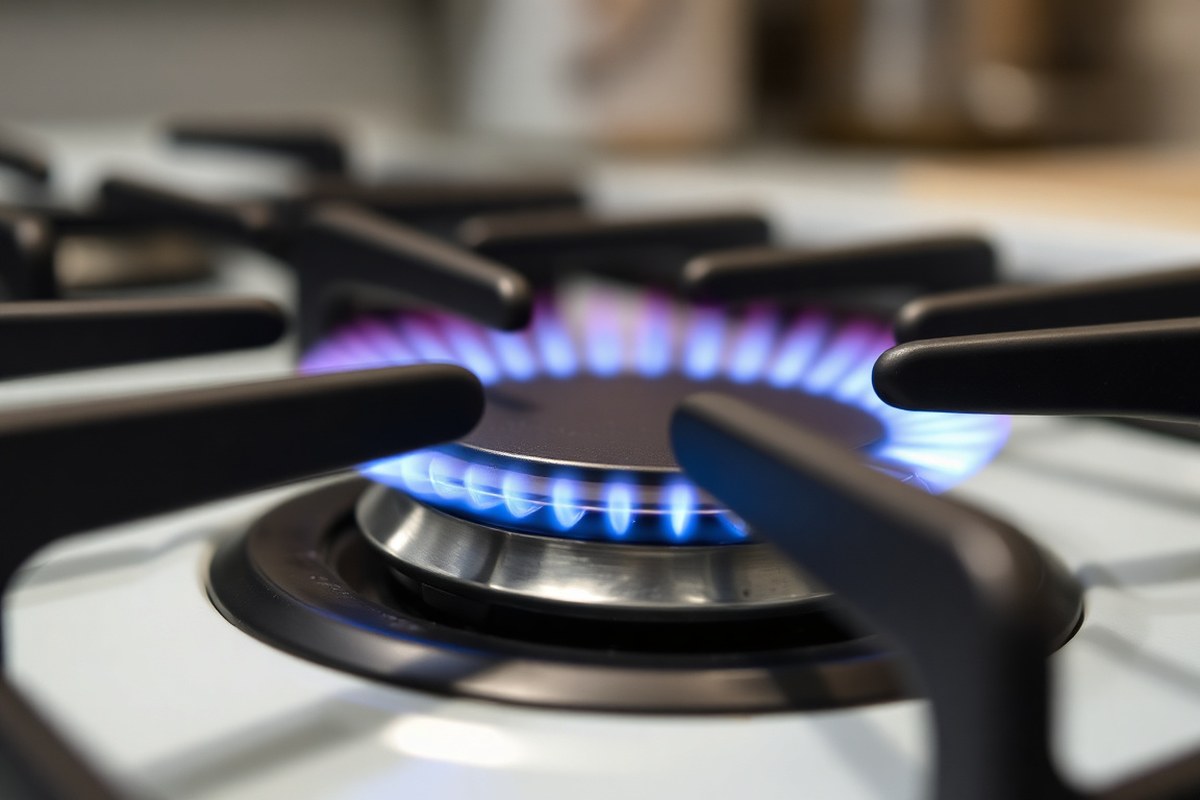
Natural gas itself has no smell. Utility companies add mercaptan to it. This chemical gives natural gas that rotten egg or sulfur scent you recognize.
Mercaptan helps you spot gas leaks quickly and avoid danger. Without it, you might not notice gas escaping from pipes or appliances. The smell can spread inside your home or come from outside, depending on the leak’s location.
Sometimes, you might smell gas even if there’s no leak nearby. Other sources can produce similar odors that trick your nose. For example, a dirty sewage system can create sulfur-like smells that resemble gas.
Plumbing problems often cause these sewer gas odors. Clogged drains or dried-out traps let sewer gas escape into your home. This smell closely matches natural gas but comes from a different source.
Household appliances like gas furnaces or heat pumps might also emit a gas smell. A small leak or incomplete combustion can cause this. Regular maintenance and inspections usually prevent these problems.
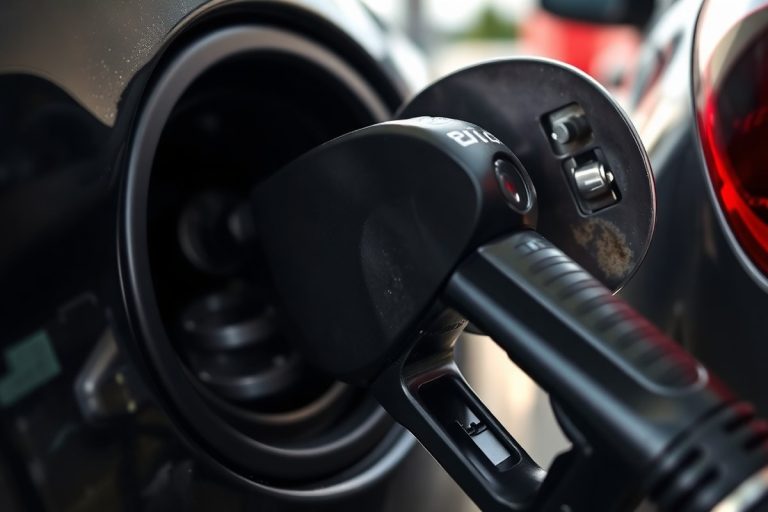
Some cars and lawn equipment with fuel leaks can produce a gas smell near your home. A loose spark plug or cracked fuel line lets gasoline vapors escape. Checking for a check engine light and listening for engine changes can help spot this issue.
2. How to Distinguish a Real Gas Leak Smell from Other Odors
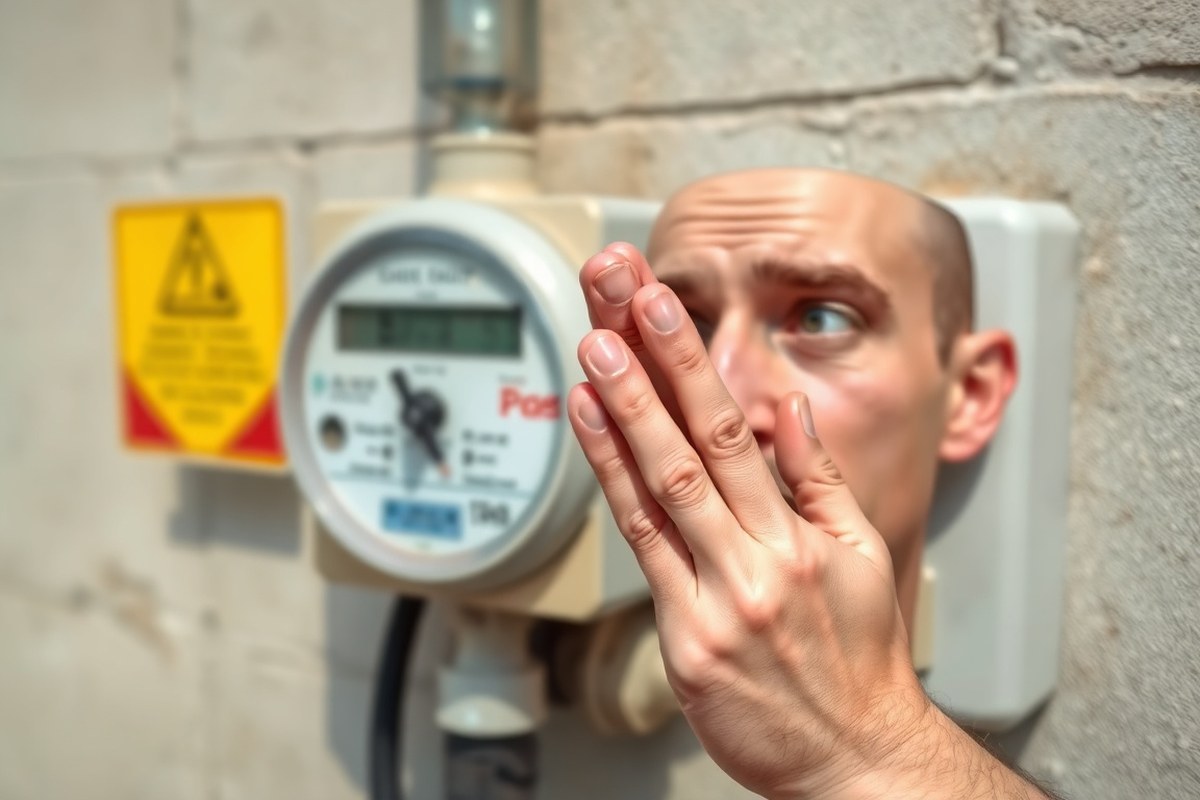
Spotting Real Gas Leaks by Smell and Signs
Gas leaks usually smell like rotten eggs because of added sulfur. Detect this smell near your stove or gas line and treat it seriously. Other signs include a hissing sound near pipes or appliances.
A real gas leak’s odor is stronger and sharper than other bad smells. Sewer gas also smells like rotten eggs but tends to come from drains or plumbing. Gas leaks don’t usually follow plumbing spots or drains.
Common Odor Confusions to Watch For
Not all rotten egg smells mean a gas leak. Sewer gas from plumbing problems creates a similar sulfur smell. The smell comes from sink, toilet, or drains, and likely comes from sewer gases.
Burning plastic or rubber can give off sharp, chemical smells that may confuse you. Appliances with old gaskets or wiring can cause faint sweet or sharp odors. These do not spread as widely as natural gas smells.
How Outdoor and Neighbor Leaks Affect Indoor Smells
Leaks outdoors or next door can cause gas smells inside your home. Gas can enter if doors or windows are open near the leak source. Check if neighbors also notice a gas odor when you do.
Wind patterns and weather affect how gas drifts into your home. Gas entering this way usually smells faint and may fade quickly. Persistent or strong smells inside suggest your own home system might have a leak.
Simple Decision Rule and Smell Comparison Table
| Myth | Reality |
|---|---|
| All bad smells mean gas leaks | Sewer or mold smells differ; mercaptan in gas is distinct |
| Gas leaks cause immediate symptoms | Some leaks cause slow, chronic issues; stay alert |
| Only old homes get leaks | New homes can have leaks from faulty installs |
Use this rule: if rotten egg smell comes from plumbing or drains, it’s likely sewer gas. Smell near appliances, piping, or outdoors by gas equipment likely means a gas leak. Smells that come and go or follow plumbing are less urgent but worth checking.
What to Check First for a Real Gas Leak
Start by turning off all gas appliances and opening windows. See if the smell fades or lingers. Next, check for hissing sounds or bubbles in soapy water applied to gas lines.
Don’t ignore repeated smells, even if weak. Call your gas company or a licensed technician for a professional inspection. Never attempt to fix gas leaks yourself due to explosion risks.
Always treat a sulfur or rotten egg smell as a potential gas leak until proven otherwise.
3. Common Household and Outdoor Sources of Gas-Like Odors
Gas-like or rotten egg smells inside your home don’t always mean a gas leak. Plumbing issues often cause these odors.
Sewage traps dry out or drain vents get blocked. That lets sewer gases seep indoors, creating foul smells.
Garbage and trash bins inside or near your house also give off stinky odors. Rotting food and waste create sulfur compounds that smell like sulfur or rotten eggs. Even a faulty garbage disposal can send smells back into your kitchen.
Here are common household and outdoor reasons for gas or rotten egg odors:
- Dry or broken plumbing traps that let sewer gas escape
- Blocked ventilation pipes stopping sewer gas from leaving the home
- Trash bins or compost piling up inside or outside
- Nearby natural gas leaks from a neighbor’s property
- Standing water or damp soils releasing sulfur odors
- Faulty gas appliances or a loose gas cap in vehicles
- Poorly sealed drains or broken septic tanks outdoors
Poor ventilation inside your home can make these smells worse. Without fresh air, gases linger and build up. Opening windows and using fans can clear out smells quickly.
A gas leak from a neighbor’s place might come into your home. But usually the smell is faint.
Good airflow outdoors can carry the odor away faster. If neighbors have a problem, you might notice dying plants or dust clouds outside too.
4. Medical and Dietary Reasons for Smelling Gas or Passing Foul Gas
Your diet and health can cause foul-smelling gas from your digestive system. Foods with sulfur or fiber often create smelly intestinal gas when your body breaks them down. Some medical conditions also cause more gas or a stronger odor than usual.
This type of gas usually comes from digestion issues. When your body can’t digest some foods, your gut bacteria produce gas.
This gas often smells bad. Excessive gas or a strong smell can indicate problems with your digestive health or diet choices.
- Eating beans, broccoli, cabbage, and onions increases smelly gas
- Lactose intolerance causes bloating and foul gas after dairy consumption
- High-fiber diets promote more gas but can smell stronger
- Medical conditions like irritable bowel syndrome (IBS) cause more gas
- Infections like giardiasis may lead to very foul-smelling intestinal gas
- Constipation traps gas longer, increasing odor and discomfort
- Use of antibiotics can alter gut bacteria, changing gas smell
Notice strong gas or body odors a lot? Think about your eating habits. Cutting back on trigger foods can reduce smell and discomfort.
Check with your doctor if symptoms persist or worsen. They might test for underlying issues, especially if gas becomes excessive or painful.
Your digestive system’s health shapes how gas smells and how often you pass it. Certain diets increase sulfur-containing gases, which smell like rotten eggs.
Your body’s reaction to food, medicines, or infections changes gas output and odor. Managing diet and health can control these unpleasant smells and protect your well-being.
5. Medications and Neurological Causes of Phantom or Unusual Gas Smells
Some medicines can change how you smell things, causing phantom gas or rotten egg odors. About 12% of smell disorders come from medication side effects. Common culprits include antibiotics, some blood pressure drugs, and medications for epilepsy or depression.
Neurological conditions can also cause unusual gas smells. Stress, migraines, or brain disorders can affect your sense of smell.
If you’re over 60 and start noticing gas smells with changes in balance or memory, a neurological checkup is a smart move. These signs may relate to early neurodegenerative diseases.
Olfactory disturbances can feel real but don’t come from outside sources. Sometimes, nerve signals misfire and create “phantom” smells that aren’t there.
This happens when the brain’s smell-processing areas get irritated or damaged. Such cases need a healthcare check to find the cause.
- Antibiotics like metronidazole or penicillin
- Blood pressure meds such as ACE inhibitors
- Epilepsy drugs including phenytoin
- Some antidepressants and antipsychotics
- Neurological issues like migraines and seizures
- Stress or anxiety affecting smell nerves
Tell your doctor if you notice gas or rotten egg smells without any real source. They might adjust your medicine or test your nervous system. Smell changes that last more than a few weeks or come with other problems need attention.
Never ignore a new, strange smell only you can sense. It might signal a health or safety issue that needs professional help.
6. What to Do Immediately If You Smell Gas Inside or Outside Your Home
Smelling gas inside or outside your home signals a serious risk. Gas leaks can cause fires or explosions if not handled right away. Acting quickly protects you, your family, and your property.
Follow these steps to stay safe if you smell gas. Act quickly.
Getting help fast is very important. Don’t try to find the leak yourself or turn anything on or off inside.
- Leave the area immediately. Stop what you’re doing and walk outside safely.
- Do not use electrical switches, phones, or anything that might spark inside. Even a small spark can ignite gas.
- Go outside to a safe spot at least 100 feet away. Stay there. Then call 911 to report the emergency.
- Call your local gas company’s emergency number. Most major companies have a 24/7 hotline for gas leaks.
- Tell neighbors or others nearby to keep away. Warn them about the smell. Wait for professionals to arrive.
- Wait for emergency responders or utility workers. Do not go back inside until they say it’s safe.
Calling the gas company lets trained people check for leaks with special equipment. Many utilities will send someone for a free leak check so you can know for sure. Responders may shut off your gas supply if needed.
Costs for emergency gas shut-offs and inspections are usually covered by your gas provider. Repair costs depend on the leak’s source and size. But early action prevents bigger damage.
7. Types of Gases and How Their Unique Smells Can Help Identify Them
You can tell natural gas, propane, and sewer gas apart by their smells. Each has a unique odor caused by different chemicals added or naturally present. Knowing the gas type helps you understand the danger and what to do next.
Natural Gas and Mercaptan Odor
Natural gas itself has little to no smell. So companies add mercaptan to make leaks easy to detect.
Mercaptan has a strong rotten-egg or sulfur smell that’s sharp and unmistakable. This scent is very effective at warning you of a leak before any harm occurs.
Mercaptan is a sulfur compound that your nose can detect even in tiny amounts. The smell is designed to be noticeable at low concentrations, helping catch leaks early. Natural gas can explode if mixed with air.
Smelling mercaptan means there is a serious risk. You need to act quickly.
Propane’s Unique Smell Characteristics
Propane has an added odorant called ethyl mercaptan. It smells strongly of sulfur. The smell is like natural gas.
However, propane’s scent can seem sweeter or less sharp than natural gas’s mercaptan. Most people recognize propane by a faintly sweet rotten-egg smell that lingers slightly.
The presence of ethyl mercaptan still allows you to detect leaks early. But propane is heavier than air and pools low to the ground.
This means propane can create pockets of gas around floors or basements. Knowing this helps you check the right places when smelling propane indoors.
Sewer Gas and Hydrogen Sulfide Odor
Sewer gas smells unpleasant but is not the same as natural or propane gas. Hydrogen sulfide causes the rotten-egg smell. It’s usually less sharp.
Often the smell is faint. Sewer gas odors may come from plumbing issues rather than fuel leaks.
Hydrogen sulfide is less dangerous at low levels than natural or propane gas leaks. But it can still cause headaches or nausea in high amounts.
You might notice sewer gas smells near drains, vents, or if plumbing traps dry out. Recognizing sewer gas helps focus repairs on pipes and venting, not gas lines.
8. How Plumbing and Sewage Problems Create Gas or Rotten Egg Odors
Plumbing and sewage issues can cause gas or rotten egg smells indoors. These smells come from sewer gas. It is a mix of hydrogen sulfide and other gases.
These gases are released by waste. Sewer gas often smells like sulfur or eggs.
This is different from the chemical smell of natural gas leaks. People often confuse the two.
Bad plumbing seals or dry traps let sewer gas escape into your home. A plumbing trap holds water to block sewer gases. But if it dries out, smells can flow back.
Broken vent pipes or clogged drains can cause gases to build up inside plumbing. These gases then escape through drains into your home. This can create unwanted smells.
Sewer gas can be harmful in high concentrations because it contains toxic gases like hydrogen sulfide. Sewer gas is usually less dangerous than natural gas leaks. It only becomes risky if the smell is strong and persistent.
You should take action if it lasts long. Taking care of sewer gas means checking plumbing traps, seals, and vents for damage or dryness.
- Check all plumbing traps for water; pour water in dry drains.
- Look for broken or disconnected vent pipes on the roof or attic.
- Seal any gaps around drain pipes and fixtures with waterproof caulk.
- Clear clogged toilets, sinks, or floor drains with a plunger or snake.
- Run water regularly in unused sinks to keep traps wet.
- Hire a plumber for inspecting sewer lines and vent stacks if problems continue.
Fixing these issues often costs between $100 and $500 depending on the problem size. Dry traps can get fixed quickly by pouring water every few days.
Replacing a vent pipe or sealing leaks may take a plumber a few hours. After repairs, the rotten egg smell should fade within hours to days.
Never ignore persistent sewer smells; they signal leaks or poor ventilation that need repair.
The key difference from natural gas leaks is the smell type and source. Natural gas smells like rotten eggs because of added odorants. But it comes from gas lines, not plumbing.
Sewer gas only comes from waste pipes. Knowing this helps you decide whether to call a plumber or your gas company first.
9. Tips for Identifying and Stopping Gas Smells by Situation
You can stop gas smells quickly if you find and fix the right source. Different situations call for different steps, like checking your car’s gas cap or improving home ventilation. Changes in diet or medicines may also help if the smell is from your body.
Car and Vehicle Gas Smell Fixes
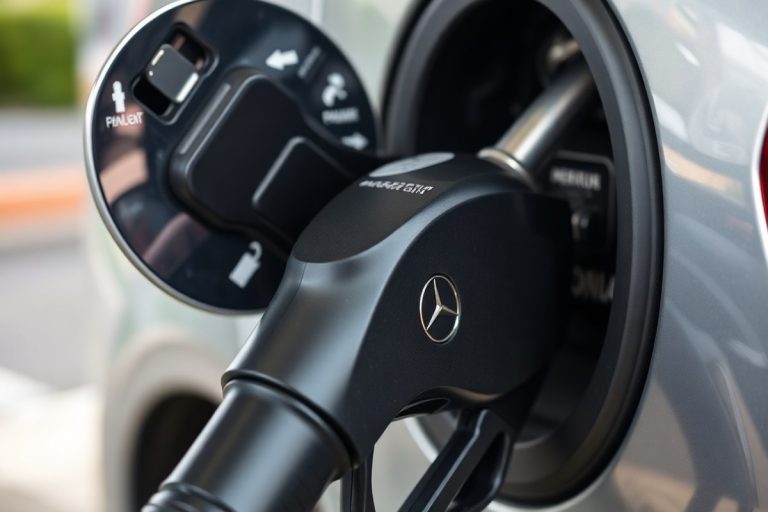
Loose or damaged gas caps let fuel fumes escape. This often causes a strong gas smell around your car or driveway. Check the gas cap by twisting it tightly until it clicks.
Loose or falling off? Replace it with a new one right away.
Here’s how to inspect the gas cap safely:
- Turn off your car’s engine and let it cool down.
- Open the fuel door and remove the gas cap.
- Look for cracks, a worn seal, or missing pieces on the cap.
- Twist it firmly back on until it clicks multiple times.
- Damaged? Get an OEM replacement cap at auto parts stores for $10 to $30.
- Check for lingering gas smells after driving a short distance.
- Have a mechanic inspect fuel lines if the smell persists.
Usually, fixing the gas cap stops the odor within a few hours of driving. Persistent smells might mean a leak under the hood. A certified mechanic can find and fix leaks to keep you safe.
Home Ventilation and Plumbing Odor Reduction
Bad air circulation can trap gas or sewage smells inside your home. Fixing ventilation helps air out these odors faster. Open windows and use exhaust fans in kitchens and bathrooms to push stale air outside.
You might want to:
- Run ceiling or portable fans to improve airflow.
- Check that dryer vents and bathroom fans are clear and working well.
- Seal cracks around doors and windows to prevent outside gases entering.
- Use a dehumidifier if your home is damp, which worsens smells.
- Inspect plumbing traps for dry drains; pour water to refill traps weekly.
Home odor improvement usually shows up in just a few hours to a day. Lingering smells?
A plumbing or sewage problem may need a plumber’s help. Ventilation alone won’t fix active leaks or clogs.
Diet and Medication Modifications to Prevent Gas Odors
Your body’s gas smell can change with diet and medicines. Some foods like beans, onions, or sulfur-rich veggies cause foul gas.
Gas smells unusual? Cut back on these items for a week to check.
Also consider these tips:
- Keep a food diary to track what triggers bad smells.
- Practice good dental hygiene by brushing your tongue daily.
- Ask your doctor about side effects of any new medicines.
- Drink plenty of water to help digestion and reduce gas.
- See a doctor if foul smells continue or cause discomfort.
Changing your diet often reduces odorous gas within days. Some health issues may require medical treatment. Avoid sudden diet cuts; make changes slowly for best results.
Step-by-Step Action Plan for Dealing with Gas Smells
Follow these steps to quickly find out why you smell gas and keep everyone safe.
- Right away: Don’t use any flames or electrical switches. Open windows and get fresh air. The smell feels strong. Leave the house right away.
- Within 10 minutes: Check outside your home for gas leaks near meters or pipes. You see damage or hear hissing. Call the gas company now.
- Within an hour: Call your gas company to report the smell. Do this even if the smell is faint. Emergency services can help if needed. They can send a professional to check your system.
- Same day: Don’t use gas appliances or pilot lights. Wait for an expert to give the all-clear. This helps keep you safe.
- Next day: Book a licensed plumber or technician for an inspection. They will check gas lines and appliances for leaks. Fix any damage before use.
- Within the week: Check and replace batteries in carbon monoxide and gas detectors. Test them to confirm they work.
- Ongoing: Keep an eye (and nose) out for any recurring gas odors. Report any new or unusual smells quickly.
Frequently Asked Questions
What Should I Do If I Smell Gas but Don’t See Any Leaks?
Leave your home immediately and call your gas company. They will check for hidden leaks to keep you safe. Don’t use any electrical devices or open flames inside your home.
Can Outdoor Gas Smells Affect Indoor Air Quality?
Yes, outdoor gas leaks can drift into your home through windows or vents. Check if neighbors or nearby streets report any gas smells. Ventilate your home if you notice unusual odors.
Can Weather Changes Make Gas Smells Stronger or More Noticeable?
Cold weather can make gas stay close to the ground. This lets you smell it more easily.
Rain or wind might spread or fade gas odor. Pay attention to smells during different weather conditions.
Is It Normal to Smell Gas Near a Gas Stove Even If It’s Off?
Slight odors can happen if burners don’t fully shut off or seals wear out. Check for any lingering smells and make sure the stove is completely off after use. Call a professional if the smell persists.
How Long Can a Gas Leak Go Unnoticed in a Home?
It depends on the leak size and location. But small leaks might last days unnoticed.
That’s why you should always install a gas detector and stay alert to unusual smells. Early detection prevents danger.
The Bottom Line
Smelling gas means you need to act fast and carefully. Trust your nose, open windows, and avoid sparks or flames. Reach out to your gas provider or a professional if you still notice smells.