How TV Uses Sound Tracks to Create Emotion and Storytelling: A Complete Guide
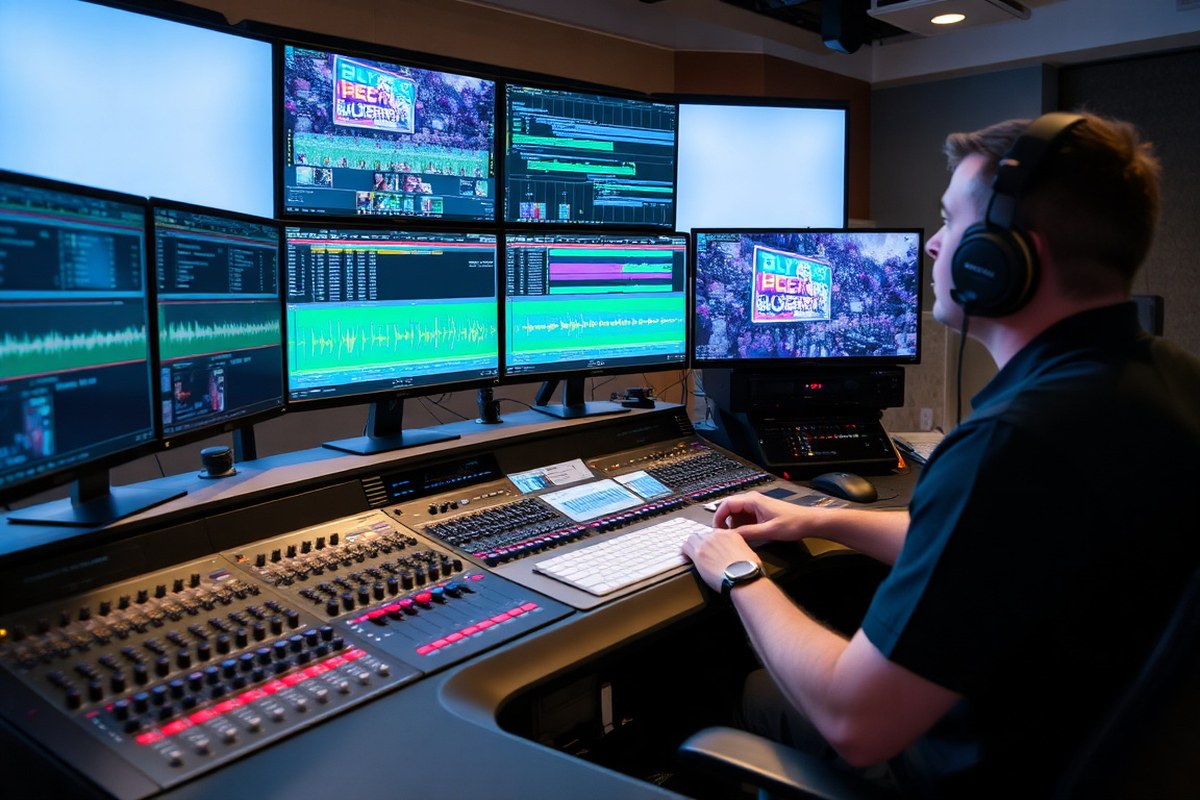
How TV uses sound tracks shapes the way you feel about a story. These sound tracks combine dialogue, music, and effects to guide your emotions and understanding. They replace long explanations by pairing sounds with visuals for quicker storytelling.
The right music sets the mood, while sound effects add realism and depth. Silence is also a tool, making important moments stand out. Watching how sound moves around you creates a stronger sense of being inside the story.
Start by noticing when the music changes to set a mood. Watch how sound effects make scenes more lively and real. This will help you understand sound design better.
Pay attention to how dialogue stays clear, even with busy background noise. These details help soundtracks connect you to the show’s world.
Key Takeaways
- Sound tracks use dialogue, music, and effects to tell stories quickly and clearly.
- Music sets mood, while sound effects add realism and immerse the viewer.
- Strategic silence can highlight key moments and build tension effectively.
- Spatial audio places sounds around the listener, increasing immersion in the scene.
- Clear dialogue ensures viewers understand the plot despite busy soundscapes.
- Era-specific music sets the time period and deepens the setting.
What Are Soundtracks and Their Role in Television?
A soundtrack in television is the complete set of audio recordings paired with the visual content. This includes dialogue, music, sound effects, ambient sounds, and Foley work. Every sound in a show helps build the world you see on screen.
Soundtracks are important because they guide your emotions and understanding of the story. They set the tone, make scenes feel more real, and keep you engaged.
For example, a suspenseful soundtrack can heighten tension. A joyful score uplifts a happy moment.
Creating a TV soundtrack means writing or choosing music. You record sound effects and actors’ voices. Then you sync all sounds to the picture.
This process can take weeks and involves roles like composers, sound designers, and editors. Each part must fit perfectly to avoid distractions or mismatches.
Good soundtracks blend music, dialogue, and effects so viewers stay connected to the story. They set the story’s place and time.
For example, 1980s pop songs suit a retro show. Poor syncing or muddy audio can pull you out of the experience and lessen its impact.
The effort to build a high-quality soundtrack pays off in viewer attention and emotion. One study found well-designed soundscapes can boost viewer focus by up to 20%. This happens because clear, well-timed audio makes stories easier to follow and feel real.
Key Components of TV Soundtracks: Dialogue, Music, and Effects
Dialogue carries the story’s words and emotions, so clear speech is essential. Producers record dialogue using boom mics and lavaliers on set. They clean this audio later during sound editing.
This process improves the speech quality for the show. New AI tools help reduce background noise and sharpen voices, making every line easy to understand.
Music shapes the mood and guides emotions through scenes. TV shows use original scores or licensed tracks, matching songs to characters or moments. Music can be subtle, building tension, or loud, heightening drama.
Some shows use music to tell their story. They set the time or place with sound. For example, “The Chi” uses music to place viewers in a certain neighborhood.
Sound effects add realism and punch to visual actions. Foley artists make everyday sounds like footsteps and door closes. They match these sounds exactly with the video.
This adds realism to what you see on screen. Effects can be ambient noises like wind or city traffic. They add texture and life, making scenes believable and immersive.
- Dialogue: capture cleanly on set, use AI tools for noise reduction
- Music: choose or compose pieces that fit tone and pacing
- Sound effects: record Foley sounds timed perfectly to actions
- Background ambiance: layer subtle environmental sounds for realism
- Mixing: balance levels so dialogue stands out without drowning out music or effects
Mixing dialogue, music, and effects requires attention to detail. Dialogue must stay clear and dominate when needed. Music should support, never overpower the scene.
Foley sounds should feel natural and fit the picture frame. Inconsistent levels or poorly synced effects can distract viewers and break immersion.
Always check your dialogue clarity on TV speakers since viewers mostly use them to watch shows.
How Sound Design Creates Emotion and Immersion
Sound design shapes how you feel while watching a TV show. Music sets the mood quickly; a sad tune brings out tears.
An upbeat beat lifts your spirits. TV producers pick songs that match the story’s emotion to connect with you deeply.
Silence can be just as powerful as sound. Quiet moments in sound build tension by focusing your attention. They make you notice what comes next more clearly.
These pauses pull your focus in tightly. For example, in a suspenseful scene, cutting all background noise tightens your attention and heightens suspense.
Sound effects add layers that make the story’s world believable. Footsteps echo, doors creak, or the wind whispers, pulling you closer into the scene. These small sounds guide your feelings without ever distracting you from the story.
When sound blends with visuals thoughtfully, it fully immerses the viewer. Designers use binaural audio to simulate 3D spaces that make you feel inside the story. This technique needs careful mic work and mixing to work well.
It can stretch your budget a bit. But the result really pulls viewers in.
Sound design takes careful timing and balance to work well. Overloading a scene with constant noise can tire you out and blur emotional impact. Sound pros place audio to hit your feelings just right.
They use silence and music to guide your emotions. Their goal is your emotional ride through the show.
Dramas use intricate soundscapes to build suspense and emotion. Sitcoms focus on clear dialogue and subtle background sounds to keep humor sharp. Knowing these sound tricks shows you how audio changes your viewing.
Each show’s style shapes your experience differently. This understanding deepens how you watch and listen.
Advanced Technologies Shaping Modern TV Soundtracks
Modern TV soundtracks use advanced audio tech to boost sound quality and realism. Dolby Atmos leads the way with 3D sound that places audio all around you. AI tools also help fix dialogue and create unique effects.
Spatial Audio Technologies Overview
Spatial audio adds a new dimension by placing sounds in a 3D space. Dolby Atmos lets sound designers move sounds overhead and around the listener. This tech makes footsteps, whispers, and explosions feel much more lifelike.
Productions using Dolby Atmos must carefully sync sound and visuals together. Smaller shows often can’t afford this tech.
So they rely on fewer channels and creative mixing. Still, Atmos is becoming more common in big TV shows as audiences want more immersion.
AI in Sound Production
AI tools speed up sound editing by handling repetitive tasks like noise reduction. They also help generate unique sound effects that sound natural and fit the scene. Sound designers can spend more time crafting mood and emotion thanks to these assistants.
Modern AI programs clean up dialogue, remove background noise, and improve audio clarity. This saves hours that editors used to spend manually fixing each clip. As AI improves, expect it to take on more creative roles in TV sound design.
Dialogue Enhancement Tools
Clear dialogue is critical for viewer engagement in TV shows. Advanced mixers use digital audio workstations to balance levels and reduce harsh sounds. They isolate voices and apply filters that keep speech crisp without losing emotion.
Poorly mixed dialogue frustrates viewers and cuts immersion. Good dialogue tools catch issues early, so sound editors fix them before final release. Clear speech helps plot points land and keeps audiences hooked.
Here’s a summary table highlighting key audio tech features in TV sound production:
| Technology | Function | Typical Use | Considerations |
|---|---|---|---|
| Dolby Atmos | 3D spatial audio | Big-budget TV shows and streaming | Requires precise team sync and costly setup |
| Digital Audio Workstations (DAWs) | Editing, mixing, mastering | Standard for all TV sound production | Learning curve but essential for quality |
| AI Noise Reduction | Improves dialogue clarity | Post-production cleanup | Saves time, faster than manual fixes |
| AI Sound Effect Generation | Creates unique audio elements | Improve creative sound design | Needs human oversight for best results |
These technologies keep evolving, shaping how you experience TV soundtracks. Learning to use these tools opens doors to high-quality, immersive audio.
Soundtrack Production Workflow and Collaboration in TV
TV soundtrack production follows clear steps that bring sound and picture together. Teams work closely all through the process to keep the audio aligned with the story. They craft music, dialogue, and effects, then mix and sync these sounds with the visuals.
Pre-Production Planning and Spotting
The process starts with spotting sessions. The director, producers, and sound team watch the edited video together. They decide where sound elements will go.
They decide where and what types of sound are needed. This helps plan music cues, sound effects, and dialogue recording before production begins.
They map out emotional beats and key moments that the soundtrack should emphasize. This planning sets the creative vision and timeline for the sound work. It also addresses potential budget or time constraints early.
Recording and Creating Audio Elements
Dialogue is usually recorded on set. Sometimes it’s done later in a studio. This studio work is called ADR (Automated Dialogue Replacement).
Sound effects come from Foley studios. They also use field recordings to capture real sounds.
These sounds match what happens on screen. Digital synthesis is often used to create unique or otherworldly sounds.
Music composers create themes and scores that reflect the show’s tone and story. These pieces are performed and recorded, then adjusted to fit the scenes. The sound design team builds an extensive library of effects for mixing later.
- Record clean dialogue on-set or use ADR for clarity
- Capture Foley sounds timed precisely with picture cues
- Use field recordings for realistic background ambiances
- Compose and record original music scores aligned with scenes
- Generate digital sounds for special effects
- Collaborate closely to keep sound elements consistent
Never underestimate timing: Foley sounds must sync exactly for realism.
Mixing, Editing and Final Sync
Sound editors combine dialogue, music, and effects in a digital audio workstation. They adjust levels and balance to make everything clear and immersive. This stage also fixes any timing issues so audio matches visuals perfectly.
Collaboration continues as sound mixers incorporate feedback from directors. They make sure the sound improve the story without overwhelming the visuals. Final mixes often go through several revisions before lock picture.
AI tools are increasingly used here to improve dialogue clarity and automate routine tasks. This lets sound artists focus on creative choices. For complex genres like thrillers, sound mixing ensures a tense, gripping atmosphere.
How Soundtracks Establish Setting and Time Periods
Soundtracks use a mix of ambient sounds, music, and effects to set time and place. Ambient sounds like street chatter, nature, or machinery anchor scenes in real locations. The clip-clop of horse hooves on cobblestones suggests 19th-century London.
This sound appears in the historical drama The Gilded Cage. It helps set the time and place clearly.
Music choices also signal the era. Swinging jazz might place you in the 1920s. Early Hip Hop or R&B tracks give a show an authentic late 20th-century feel.
Picking era-appropriate tunes needs a music supervisor’s deep knowledge. Licensing the music can take weeks. It often costs thousands in fees.
Sound effects highlight details that visuals sometimes miss. The creak of a Victorian floorboard helps viewers feel inside the scene. The distant whistle of a steam train adds to the setting.
These sounds create a full atmosphere. Sound designers layer these elements carefully alongside dialogue and music to create a natural soundscape. The skill is balancing everything so it sounds like one real place, not a collage.
Ambient sounds often come from field recordings or Foley work done in studios. For a busy café scene, designers add background murmurs and clinking dishes to boost realism.
Without these layers, a scene might feel hollow or flat, breaking the immersion. Recreating these real-world sounds takes hours but makes a huge difference.
When conveying historical time, soundtracks become a kind of sonic time machine. They enrich storytelling beyond the script by adding emotional and cultural layers through sound. Traditional Indian music in Slumdog Millionaire reflects the region’s spirit well.
It paints its history as strongly as the visuals. The soundtrack works closely with the images.
Good results mean viewers don’t question the setting’s authenticity, they just believe it. Bad mixes might have effects too loud or music out of place. These issues pull you out of the story.
They ruin the viewing experience. Small mistakes like wrong ambient noises confuse the audience.
Modern sounds in period shows distract viewers, too. These errors break the scene’s illusion.
Genre-Specific Soundtrack Strategies in Television
TV genres use soundtracks in different ways to match their tone and story. Drama relies on emotional music to deepen feelings.
Sci-fi prefers spatial sounds to build otherworldly settings. Comedies time sounds for laughs, while horror uses eerie effects for scares.
Drama and Emotional Scores
Drama shows often use original music to highlight intense emotions. Composers write scores performed by orchestras or small ensembles. This music helps the viewer connect deeply with the characters’ struggles and joys.
Licensed songs by artists like Solange or Sampha may appear to add realism. They contribute to the mood while reflecting the show’s themes and tone. Music pacing in drama usually matches dialogue and scene shifts smoothly.
Science Fiction and Spatial Effects
Sci-fi soundtracks feature complex effects to create futuristic worlds. Sound designers layer multiple tracks to simulate spaceships, alien environments, or tech devices. These sounds often move in stereo or surround to add spatial depth.
Pacing varies with action and quiet moments, using silence or low hums between big scenes. This helps viewers feel immersed in strange settings. Technology advances, like AI-generated elements, are starting to tailor these effects per viewer’s experience.
Comedy and Timing with Sound
Comedies depend on precise sound timing to improve jokes and physical humor. Sound effects often underscore punchlines or visual gags without overwhelming dialogue. The soundtrack may include lighthearted licensed songs to match the show’s vibe.
Timing is important; sounds need to hit right after a joke or funny action. Music cues tend to be shorter and less intense compared to dramas. This pacing keeps the mood light and the laughs coming.
Here’s a table comparing soundtrack strategies by genre. It looks at key sound elements and pacing used in TV shows.
| Genre | Sound Elements | Pacing | Use of Music | Unique Techniques |
|---|---|---|---|---|
| Drama | Original orchestral scores, licensed songs | Smooth, matches scene emotions | Deeply emotional, supports character arcs | Music reflects mood shifts and inner conflict |
| Sci-Fi | Spatial effects, layered ambient sounds | Varies from slow hums to fast action | Background and atmospheric, futuristic feel | 3D soundscapes, AI customization beginning |
| Comedy | Quick sound effects, playful music | Fast, timed with jokes and actions | Light, brief musical cues | Precise timing for punchlines, minimal score |
| Horror | Eerie effects, silence, sudden noises | Slow build to sudden spikes | Minimal music, emphasis on tension | Use of silence, abrupt sound bursts for scares |
Soundtrack strategies differ because each genre tells stories in unique ways. Using the right sounds and music pacing helps set the tone. Mistiming or wrong choices can reduce impact or confuse viewers.
Common Challenges and Mistakes in TV Soundtrack Production
One big problem in TV soundtracks is muddled dialogue. It happens when music or effects drown out speech. Clear dialogue matters because viewers need to follow the story easily.
To prevent muddiness, set dialogue levels above music during mixing. Use audio compressors to keep speech consistent without losing natural tone. Also, avoid placing microphones too far from actors to keep their voices crisp and clear.
Inconsistent sound quality often comes from different recording environments. A scene filmed indoors might use different acoustics than one outside. This causes odd jumps in sound.
You can fix it by adding room tone or background noise that matches each setting. Also, use equalization tools to smooth out frequency differences. Consistency helps viewers stay immersed in the story without distractions.
Balancing sounds means making sure music doesn’t overpower key sounds. Music sets mood but must stay behind dialogue and effects. Use volume automation during editing to lower music during speech.
Adjust tracks carefully since loud music can confuse viewers or hide details. You need patience and a good ear to mix sound well. Proper equipment costs about $500 to $1,000 for decent monitors and software.
It takes time to get good mixing results. Rushing mixing often makes the results sound sloppy and unprofessional. Take your time for a better sound.
- Test audio levels on various devices like TV speakers and headphones
- Record room tone on set for consistent background sound
- Use a boom mic close to speakers for clear dialogue
- Keep music volume lower during dialogue-heavy scenes
- Apply noise reduction only when necessary to avoid unnatural sound
- Check mixes with subtitles to ensure speech clarity
- Ask others to review sound for fresh perspective
Check dialogue clarity by listening without music, fix issues before adding tracks.
Some mistakes happen during filming, such as ignoring lighting or accessibility that affects sound capture. Poor on-set planning leads to extra noise that’s tough to remove later. Control background noise by shooting in quiet locations or using sound blankets.
Also, sync audio carefully to prevent lip-sync issues. These steps save hours in post-production and make your soundtrack smoother.
Future Trends: AI, Spatial Audio, and Interactive Soundtracks
AI is changing TV soundtracks by automating parts of creative sound design. It can generate sound effects, suggest music cues, and adjust audio levels dynamically.
This helps sound designers save time while experimenting with new sounds. But it still needs human oversight to ensure quality and emotional impact.
Spatial audio lets viewers hear sounds from different directions, making scenes feel more real and immersive. Using technologies like Dolby Atmos, soundtracks place audio objects in a 3D space around the listener. Mixers need special software and speaker setups.
These cost extra but add depth. This is great for action or thriller shows.
Interactive soundtracks will personalize audio for viewers based on choices or environments. For example, a crime series might offer alternate background music that reflects different character moods. This needs layered audio tracks and smart streaming tech.
It switches sounds in real time. It’s complex but engages viewers uniquely.
The cost of adopting these innovations varies widely. Spatial audio hardware and licenses can cost $1,000 to $10,000 per studio. Training sound teams adds more costs.
AI tools range from affordable apps to custom software costing tens of thousands. Smaller productions can start with AI for simple edits.
They use stereo spatial effects first. Full immersive setups come later.
Good results happen when sound designers blend new tech with story needs. Netflix’s ‘Ordinary People’ used eerie sounds to build tension. It showed careful audio shapes mood well.
Overusing effects or AI sounds hurts a story’s tone. This breaks immersion and distracts viewers.
Training is key to mastering these tools. Learning spatial audio and AI software in school helps sound designers. Workshops prepare them for future demands.
Producers should plan for longer postproduction time. Include audio experts early. This helps maximize technology use.
Step-by-Step Action Plan to Use Soundtracks Effectively in TV Production
Follow these steps to plan and execute soundtracks that boost your TV show’s storytelling. Each phase focuses on one key task and how to check your results.
- Before production: Choose the main mood and style for your soundtrack. Listen to sample tracks or previous shows to match the look. Confirm your choice with the director’s vision.
- Week 1: Record clean dialogue on set using boom and lav mics. Review recordings for clarity and minimal background noise by playing them back.
- Week 2: Start gathering sound effects that fit the setting and actions. Check that they sync well with the scenes when layered on rough cuts.
- Week 3: Compose or select music that supports emotional beats. Test music cues with directors and adjust timing to hit key moments.
- Week 4: Mix dialogue, effects, and music levels to improve immersion without overpowering speech. Listen on different devices to ensure balance.
- Week 5: Add spatial audio or surround sound effects if available. Verify by listening with headphones or surround setups for correct placement.
- After final edit: Do a test screening focusing on sound. Ask viewers if the sound helped them understand and feel the story better.
Frequently Asked Questions
How Do TV Producers Use Digital Audio Workstations (DAWs) in Soundtracks?
TV producers use DAWs to edit and sync audio tracks with video quickly. DAWs let them apply effects and adjust sound precisely to fit scenes and storytelling needs. How do soundtracks help replace long explanations in TV shows? | Soundtracks support visuals by expressing emotions and setting moods without words.
This helps keep episodes short and engaging, often within 5 to 20 minutes. Can silence in soundtracks impact a TV scene’s mood? | Yes, silence or negative space can heighten tension or focus attention during key moments. It’s a powerful tool mixed with sound to shape viewer emotions.
How has AI improved dialogue clarity on TV soundtracks? | AI tools now help clean noisy dialogue to make speech clearer in complex scenes. This ensures viewers catch every word, improving storytelling impact. What’s the role of binaural sound in modern TV? | Binaural sound creates a 3D audio space that feels immersive and real to listeners.
It makes scenes more engaging by positioning sounds around the listener’s head. How do soundtracks influence the cultural vibe of a TV show? | Shows often choose music that matches the era and location, shaping their cultural feel. For example, teen dramas use local indie bands to capture a time and place.
How do editors balance sound effects and dialogue in busy scenes? | Editors lower effects volume slightly to keep dialogue clear but still present. This balance helps viewers follow the story without losing the scene’s atmosphere. How important are theme songs in TV soundtracks? | Theme songs set the show’s tone instantly and can become iconic through repetition.
They prepare viewers emotionally for the episode ahead. Are certain soundtrack styles linked to specific TV genres? | Yes, for instance, sci-fi shows often use synthetic sounds while dramas rely on orchestral music. Choosing the right style improve the genre’s storytelling.
Can TV soundtracks include hundreds of songs without confusing viewers? | Yes. But careful selection and context keep the music relevant and coherent.
Some shows use many songs to reflect complex cultural or emotional layers. How do soundtracks signal changes in time within a TV episode? | Music style or instruments often shift to reflect different time periods or flashbacks.
This helps viewers understand the storyline chronology without extra dialogue. Can improving soundtracks boost a show’s ratings? | Better soundtracks can deepen viewers’ experience and attachment, potentially improving ratings. Engaging sound draws viewers back and supports storytelling quality.
Why do some TV shows invest heavily in period-specific music? | Authentic music makes time periods feel real and immerse viewers in the story’s world. It adds layers of meaning beyond visuals alone. How do TV soundtracks work with visual effects? | Soundtracks complement visuals for a fuller sensory experience, timing sound effects perfectly.
This teamwork makes scenes more believable and dramatic. What role does spatial audio play in improving TV sound? | Spatial audio places sounds around the viewer, creating a realistic and enveloping atmosphere. It’s increasingly common with tech like Dolby Atmos in TV production.
Before You Go
Soundtracks shape how viewers feel and understand every TV moment. Start experimenting with sound choices on your next project to see real impact. Focus on clear dialogue and fitting music first, then build your sound world from there.