
What Is a Pneumatic Tire? Complete Guide to Types, Uses & Maintenance
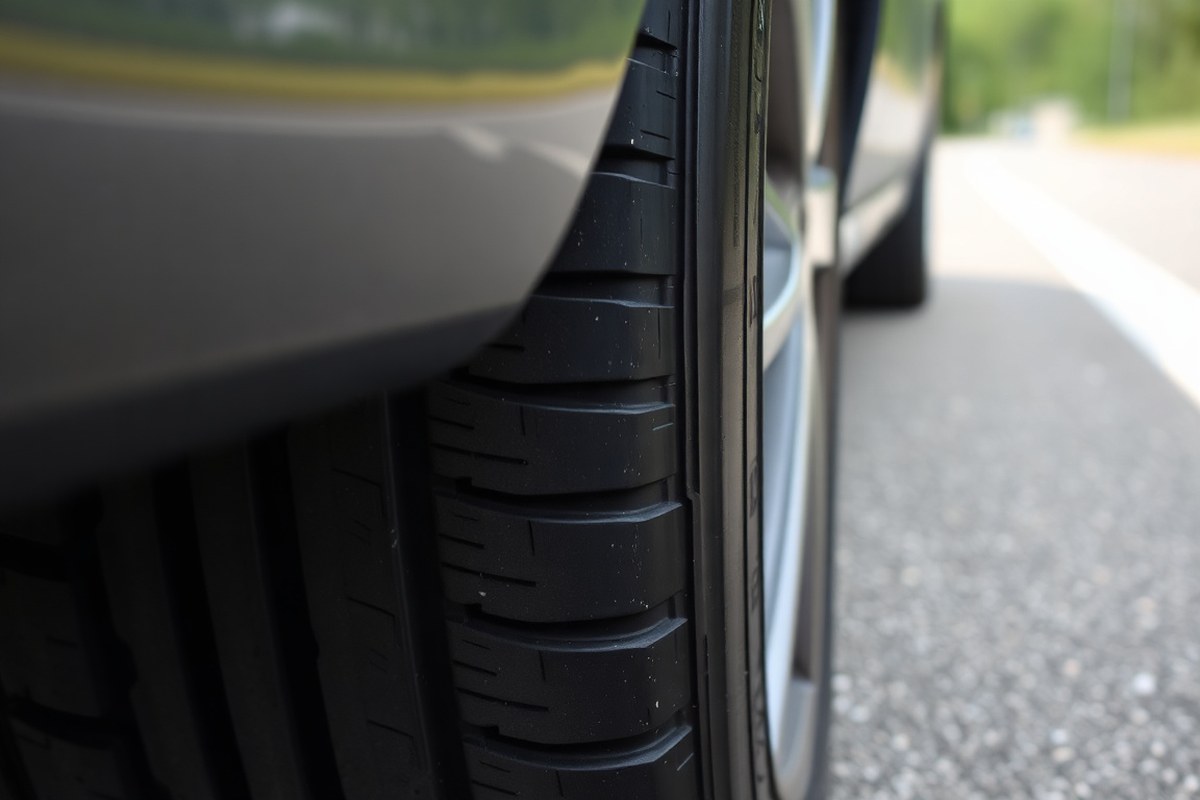
What is a pneumatic tire? It’s a tire filled with compressed air inside.
This air cushion supports the vehicle’s weight and absorbs shocks from the road. The air pressure inside acts like a spring, helping the tire maintain contact with the surface.
The tire’s flexible tread rolls smoothly over bumps, offering a comfortable ride. It also improves traction and handling on various road conditions. The air pressure inside lets it adapt to different surfaces and loads easily, preventing damage to the tire.
Pneumatic tires usually have several layers, including rubber and fabric, to keep their shape and strength. These layers work together to resist punctures and wear.
Proper air pressure is key for safety, fuel efficiency, and tire life. Low pressure can cause overheating, while too much pressure may reduce grip and comfort.
Key Takeaways
- Keep your tires inflated to the pressure recommended by your vehicle’s manual.
- Check tire pressure monthly to avoid uneven wear and poor handling.
- Pneumatic tires are best for absorbing shocks on rough or uneven terrain.
- They tend to cost between $20 and $200 per tire, depending on size and use.
- Make sure your tires don’t hit sharp objects to prevent punctures.
- Using solid pneumatic tires is an option when liability to flats is a concern.
What Is a Pneumatic Tire and How Does It Work?
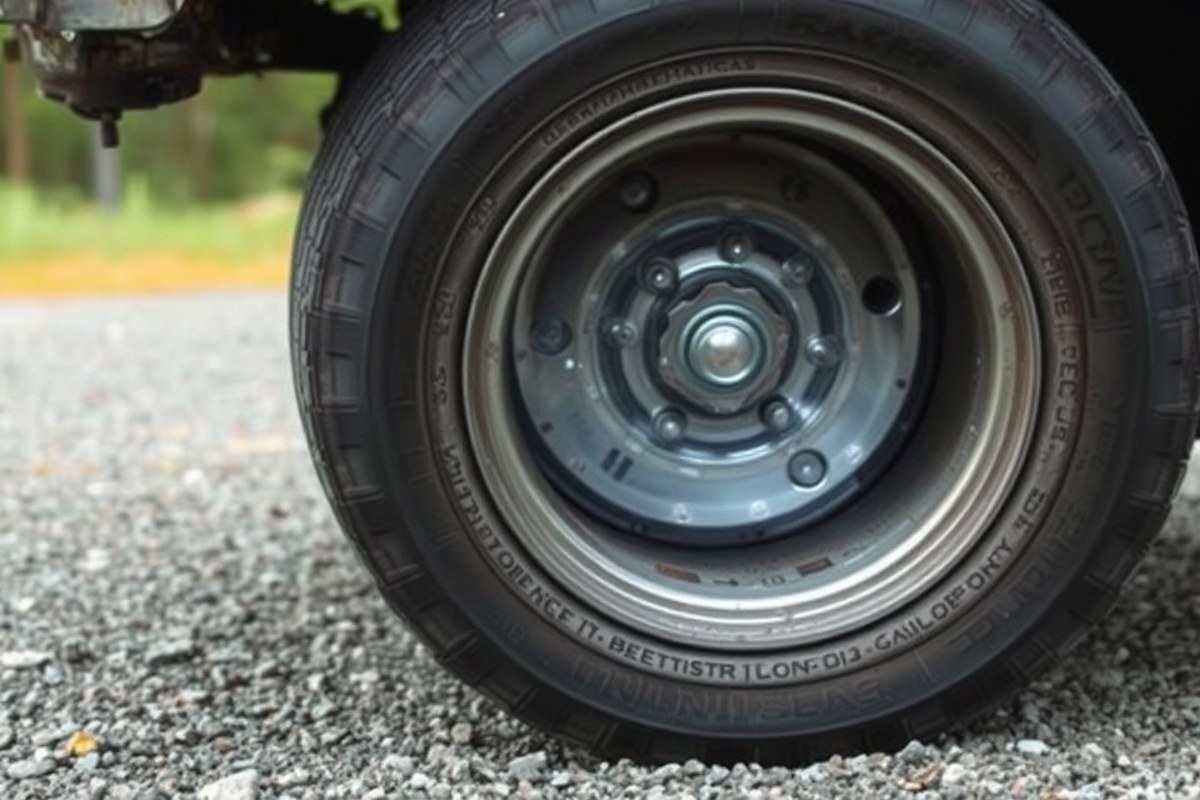
A pneumatic tire is a round rubber tire filled with compressed air. This air keeps the tire inflated, supporting the vehicle’s weight while maintaining its shape. The pressurized air inside cushions bumps and shocks when you drive over rough surfaces.
The air pressure works by compressing and decompressing as the tire rolls on uneven ground. When the tire hits a bump, the air inside compresses to absorb the impact. Then, the air expands back, smoothing out the ride and reducing vibration.
Unlike solid rubber tires, pneumatic tires rely on this air pressure for cushioning. Solid tires don’t have any air inside and are rigid. Pneumatic tires absorb shocks better.
That gives you a smoother ride. They also reduce wear on your equipment.
Keeping the right air pressure is key. Too little air means the tire can deform, causing poor support and higher risks of damage.
Too much air pressure can reduce the cushioning effect and make the ride harsher. Using an air compressor helps maintain the correct pressure.
These tires cost between $20 and $200 each, depending on size and type. Pneumatic tires often need more maintenance to prevent punctures compared to solid rubber tires. Still, their ability to absorb shocks makes them worth it for rough outdoor use.
Key Components Inside a Pneumatic Tire
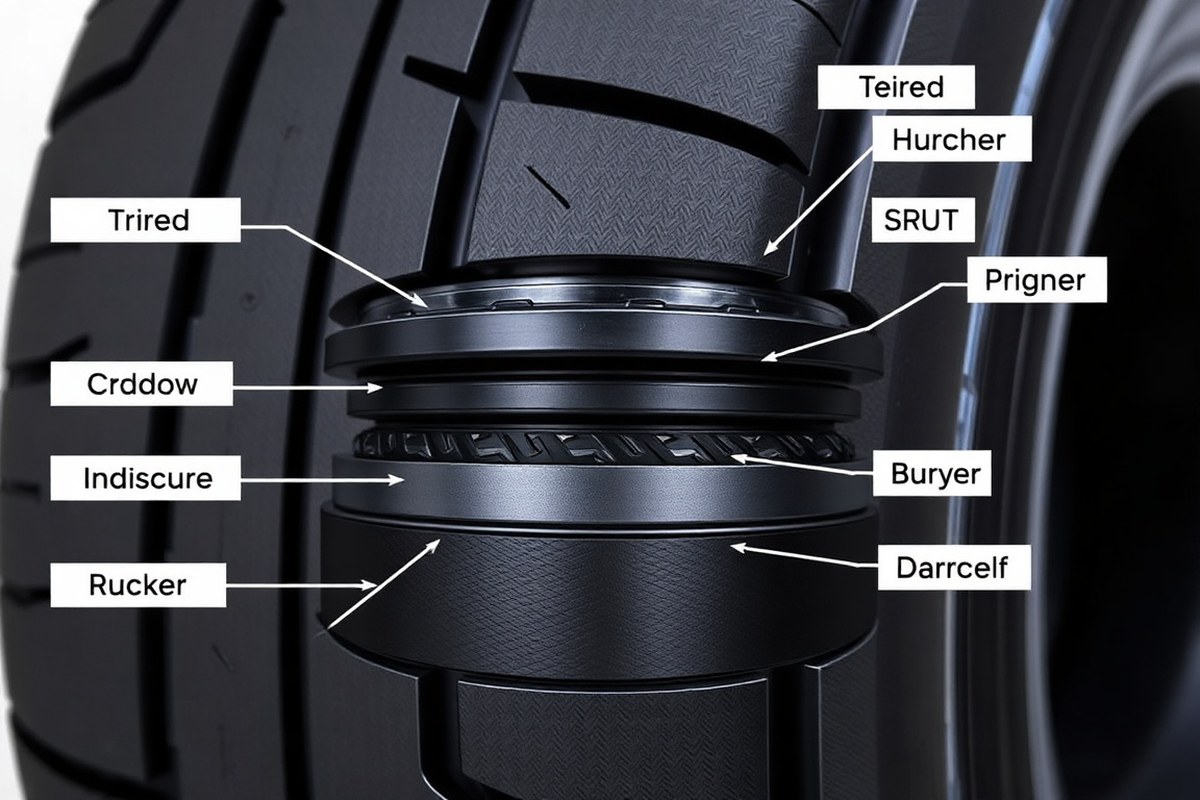
Pneumatic tires have several key parts that work together to provide strength, air retention, and grip. The air stays sealed inside by an inner liner or inner tube.
The outer tread grips the road. Belts and sidewalls protect and support the tire structure.
Outer Rubber Tread
The outer tread is the rubber layer that touches the road directly. Its design and rubber compound affect grip, traction, and wear resistance. Tread patterns channel water away to reduce slipping, especially on wet surfaces.
Deeper tread means better grip and longer tire life, but it also adds weight. Forklift and wheelbarrow pneumatic tires have thick rubber treads.
They resist punctures and handle rough surfaces well. The tread must be flexible to absorb shock and maintain contact with uneven ground.
Inner Liner and Air Chamber
The inner liner is a thin layer of airtight rubber inside the tire. It keeps the compressed air from escaping, which is important for the tire to stay inflated. The pressurized air inside helps absorb shocks and supports the tire’s shape under load.
Some tires include an inner tube made from rubber or synthetic material. This tube keeps the air separated.
Tubeless tires rely on the inner liner instead, sealing air directly inside the tire walls. Proper inflation pressure keeps the tire flexible but firm for good handling and durability.
Check your tire pressure regularly; low air causes more wear and reduces safety.
Beads and Sidewalls
Beads are steel wires wrapped in rubber. They hold the tire tightly to the wheel rim.
They prevent the tire from slipping off, even under high pressure or load. The beads help maintain an airtight seal between the tire and rim.
Sidewalls connect the tread to the rim and impact how the tire handles load and shock. Thicker sidewalls offer more puncture resistance and support but reduce flexibility. The concave shape of modern sidewalls helps spread the load evenly, reducing stress and wear.
Belts and Carcass
The carcass is the main fabric structure inside the tire. It gives the tire its strength and shape.
Under the tread are layers of belts made of steel or synthetic fibers. These layers reduce flex and boost durability.
Belts keep the tire stable at high speeds and protect it from damage by sharp objects. The carcass supports the air pressure so the tire maintains its form. A strong carcass combined with good air pressure balances safety, comfort, and tire life.
Types of Pneumatic Tires and Their Applications
Pneumatic tires come mainly in three types: air-filled, solid pneumatic, and foam-filled. Each type suits different vehicles and conditions based on durability, comfort, and maintenance needs. Choosing the right type depends on what you drive and where you use it most.
Air-Filled Pneumatic Tires
Air-filled tires are the most common type on cars, trucks, and bicycles. They use compressed air inside a flexible casing to absorb shocks and provide a smooth ride. These tires offer good traction, lower rolling resistance, and better fuel efficiency compared to solid types.
They do require regular air pressure checks and maintenance to avoid flats and leaks. Air-filled tires are preferred for everyday driving and high-speed applications because of their comfort and handling. Costs are generally lower than solid or foam-filled tires.
Solid Pneumatic Tires
Solid pneumatic tires are made entirely of solid rubber or similar material without air inside. They resist punctures and damage better than air-filled tires. This makes them ideal for rough environments.
You see them at construction sites often. Their durability reduces downtime caused by flats or blowouts.
These tires are heavier and give a stiffer ride. This can affect vehicle handling. It also lowers comfort.
They are used on industrial vehicles and forklifts. Off-road equipment uses them too.
These places have high tire damage risk. Solid tires cost more upfront but save repair and replacement costs over time.
Foam-Filled Pneumatic Tires
Foam-filled tires mix air and solid tire features. They fill the tire with dense foam instead of air. This changes how the tire performs.
This fill prevents flats while still offering some cushioning and flexibility. Foam-filled tires are a middle ground option.
They resist punctures better than air tires. They offer more comfort than solid tires.
Foam-filled tires weigh less than solid tires but more than air-filled types. These tires help avoid downtime due to flats and are easier to maintain than air-filled tires. Foam-filled tires cost more than air-filled ones.
But they cost less than solid tires. This makes them a balanced choice.
Specialized Pneumatic Tires
Some pneumatic tires are made for certain uses. You find high-speed racing or heavy-load agriculture tires. Each type suits a specific vehicle or task.
These tires may have unique tread patterns, rubber compounds, or reinforced sidewalls to match their use. Selecting specialized tires improves safety and performance in targeted applications.
Heavy-duty or industrial tires often have extra features. They might resist heat or carry bigger loads. These help in tough working conditions.
These specialized options can cost significantly more and require matching with vehicle needs and operating environments. Proper choice ensures longer service life and operational efficiency.
Advantages of Pneumatic Tires over Other Types
Pneumatic tires offer a smoother and more comfortable ride than most other tire types. They absorb shocks from rough terrain. This eases stress on your vehicle.
Passengers feel less bumpiness too. This makes them ideal for vehicles that regularly travel on uneven or challenging surfaces.
These tires improve traction by evenly distributing weight across the tire’s surface. This steady contact with the road improve grip, helping you handle turns and stops more safely. You’ll notice better control on wet or slick roads, reducing the risk of slipping or skidding.
Air-filled tires also lower rolling resistance, which can improve fuel efficiency on cars and trucks. Their ability to flex slightly allows for better performance across varied terrains. Pneumatic tires can work on many surfaces.
That makes them great for vehicles. They fit daily drivers and industrial gear.
While pneumatic tires cost more upfront, their benefits can outweigh this for many users. They add comfort during long drives and reduce wear on vehicle suspensions. Heavy equipment operators get good support.
These tires hold up heavy loads well. They also cushion jolts and vibrations.
Compared to solid rubber or non-pneumatic alternatives, these tires handle bumps and irregular ground far better. Non-pneumatic tires resist punctures but often sacrifice ride quality and handling. Pneumatic tires remain preferred for balancing good traction, comfort, and adaptable use.
Pneumatic tires do require regular maintenance like checking air pressure to avoid flats. Neglecting this reduces their shock absorption and traction abilities. Still, the tradeoff often favors pneumatic tires where ride comfort, safety, and handling matter most.
Common Disadvantages and Limitations of Pneumatic Tires
Pneumatic tires often go flat due to punctures from sharp objects. Nails, glass, or debris on roads can pierce the tire’s rubber layer and let air escape. This vulnerability means you may face unexpected downtime and costly repairs when operating vehicles or equipment.
Besides punctures, pneumatic tires need regular upkeep to stay in good condition. You should check air pressure at least once a week using a reliable gauge. Keeping the right tire pressure helps your tires last longer.
It also improves your fuel efficiency. You need to check pressure often to avoid underinflated or overinflated tires.
Maintenance includes inspecting the tires for cuts, cracks, or bulges that might lead to failure. For commercial or industrial vehicles, flat tires and slow leaks cause delays and expensive tire replacement. Tire maintenance costs change based on size and type.
You will spend money on air checks and repair kits. Professional service can also add to your expenses.
Common problems with pneumatic tires include:
- Punctures from sharp road debris causing flats
- Frequent air pressure checks to avoid uneven wear
- Occasional repair or replacement due to damage
- Slow leaks that require monitoring and inflation
- Performance affected by temperature and load variations
Heavy-duty equipment, like forklifts at construction sites, often uses solid pneumatic tires to avoid flats. These tires eliminate air-related risks but lack some of the shock absorption offered by inflated tires. Weigh the cost of frequent tire maintenance carefully.
It may prevent downtime from flat tires. Consider how often you get flats against maintenance costs.
Check your tires often for sharp objects. Keep tire pressure at the right level. This helps prevent flats and saves you from costly repairs.
How to Maintain Pneumatic Tires for Safety and Longevity
Maintaining pneumatic tires means checking air pressure regularly. Inspect the tread and sidewalls for damage. Repair flats and follow good care routines.
Doing these regularly keeps your tires safe and lasting longer. Here are simple steps you can follow for proper upkeep.
Checking and Adjusting Air Pressure
Check tire pressure at least once a month and before long trips. Use a reliable tire pressure gauge for accuracy. Inflate tires to the pressure listed on the vehicle’s placard or tire sidewall.
Do not rely on visual checks, as tires can lose air slowly. Adjust pressure when tires are cold for the best reading. Overinflated tires wear unevenly and underinflated tires overheat and wear faster.
Inspecting Tire Tread and Sidewalls
Check the tread and sidewalls every two weeks. Look for cracks, bulges, and uneven wear. Remove any objects stuck in the tread.
Use a tread depth gauge or a penny test. Replace the tire when the tread is less than 2/32 inch. Uneven wear might indicate misalignment or suspension issues.
Sidewall damage like cuts or bubbles can lead to sudden failure. Check tire condition after driving on rough roads or debris. Clean tires regularly to remove dirt and stones that can hide damage.
Repairing and Replacing Tires
Small punctures in the tread area up to 1/4 inch can often be repaired safely. Use a patch and plug kit or take the tire to a professional. Do not repair sidewall damage, as it weakens tire integrity.
Replace tires that have worn-out tread, large cuts, or show signs of dry rot. Regular rotation every 5,000 to 7,000 miles helps even out wear and extends tire life. Monitoring and fixing early issues saves money over time.
Storage and Seasonal Considerations
Store tires in a cool, dry place away from sunlight and ozone sources like motors. Clean and dry tires before storing them.
Store tires on racks off the floor if changed seasonally. Avoid stacking tires if possible to prevent misshaping.
Extreme temperatures can affect tire pressure; check more often in winter and summer. Season-appropriate tire choices improve safety and longevity. Good storage stops premature aging and cracking.
How to Choose the Right Pneumatic Tire for Your Vehicle
Matching pneumatic tires to your vehicle requires knowing the load capacity and terrain. Tires must handle your vehicle’s weight without losing stability.
For example, a forklift tire should support about 20,000 pounds for safe operation. The heavier the load, the higher the capacity you need to avoid tire failure or accidents.
Think about the terrain where you use your vehicle most. Soft rubber tires protect floors indoors. They also absorb shocks well.
This makes them great on smooth surfaces. Drive on rough or uneven ground? Choose tires with tougher treads.
Solid tires are an option too. These resist punctures better and last longer in dangerous conditions.
Picking the right tire starts with these two checks: load requirement and terrain type. Use a hard tread tire if you need extra durability on gravel or rocky floors. Choose softer pneumatic tires for comfort and better grip on concrete or smooth dirt roads.
You face sharp objects or harsh debris often? Move to non-pneumatic tires. They help avoid flats and downtime.
Choose pneumatic tires for cushioning and smooth rides. Pick solid tires for puncture-proof strength. Your needs decide which to pick.
Solid tires tend to cost more upfront but save money on repairs and replacements. Pneumatic tires work better on varied surfaces. They give better mobility for most industrial and construction vehicles.
Use pneumatic tires when loads are moderate. These work well on smooth or mildly rough terrain. Choose solid tires when the load is heavy and risks of puncture are high.
This keeps your vehicle stable and saves trouble from unexpected flats or blowouts. Check your usage environment regularly to adjust tire type when conditions change.
Common Applications of Pneumatic Tires Across Industries
Pneumatic tires are common on many vehicles and equipment in different industries. Cars, trucks, buses, and motorcycles all rely on them for smooth travel and shock absorption. Their air-filled design helps these vehicles handle rough roads and improve ride comfort.
In industrial settings, pneumatic tires appear on forklifts, skid steers, and heavy machinery. These tires handle harsh conditions like sharp debris and uneven surfaces. The flexibility of pneumatic tires protects costly equipment while maintaining mobility and load capacity.
Agricultural uses include tractors, irrigation pivots, and skid steer loaders. These tires support heavy loads on soft or uneven soil without sinking. Pneumatic tires also cushion impact on fields, reducing damage to crops and equipment.
Recreational vehicles such as bicycles and motorcycles use pneumatic tires for grip and shock absorption. Their ability to conform to rough trails or pavement edges improves control and rider comfort. Air pressure can be adjusted for different terrains and loads.
Material handling in warehouses and construction sites depends on pneumatic tires for smooth movement. They easily support heavy cargo and equipment, improving efficiency. Pneumatic tires reduce vibration and protect both operators and goods during transport.
Check tire pressure regularly in industrial and agricultural equipment to avoid downtime and costly repairs.
Choosing the right pneumatic tire size and type matters. For example, tractor tires come in sizes matching their weight and field conditions.
Forklifts use cushion pneumatic tires designed for indoor and outdoor use. Adjusting tire pressure helps handle varying loads and terrain safely and efficiently.
Comparing Pneumatic Tires to Non-Pneumatic Alternatives
Pneumatic tires use compressed air inside to provide a soft, flexible ride. They cushion the vehicle from bumps and improve traction. However, they need regular air pressure checks and can puncture, leading to downtime and repair costs.
Solid pneumatic tires are made of solid rubber or compounds that mimic air cushioning. They don’t puncture or lose pressure, so they require less maintenance. They offer a harsher ride and less shock absorption.
This can make the ride less comfortable. It can also increase wear on your vehicle.
Foam-filled tires combine the cushioning of air with foam that fills the inside. They reduce downtime since they don’t go flat.
But don’t cushion as well as true pneumatic tires. Their weight and stiffness usually make them less fuel-efficient or harder to handle.
| Type | Pros | Cons | Initial Cost | Maintenance | Best Use |
|---|---|---|---|---|---|
| Pneumatic | Soft ride, good traction, shock absorption | Prone to flats, needs air checks | Lower | Frequent air pressure and puncture repairs | Passenger vehicles, light trucks, rough surfaces |
| Solid Pneumatic | No flats, less maintenance, durable | Stiffer ride, higher vehicle wear | Higher than pneumatic | Rare, mainly wear replacement | Industrial vehicles, forklifts, smooth surfaces |
| Foam-Filled | Flat-proof, reduced downtime | Heavier, less comfortable, cost higher | Highest | Minimal related to foam degradation | Construction equipment, yard trucks, no sharp debris |
Choosing between these tires depends on use and budget. Pneumatic tires suit roads needing comfort and traction. Non-pneumatic tires are great for rough places with sharp objects.
They are ideal where downtime is very costly. Paying more upfront often saves time later.
Non-pneumatic tires come with a higher upfront price. But they cut out punctures and air checks. They save costs on repairs and vehicle downtime.
Operating heavy machinery indoors? Solid or foam-filled tires cut hazards. They also lower maintenance needs.
Step-by-Step Action Plan for Using Pneumatic Tires Safely
Follow this plan to keep your pneumatic tires in good shape. Use it to choose the right tires for your vehicle. Checking and maintaining tires prevents problems and extends their life.
- Before Installation: Check tire size and load rating to match your vehicle’s needs. Confirm the specs to avoid safety issues.
- Day 1: Inspect the tire for visible damage or defects before mounting. Replace if you find cracks, bulges, or foreign objects.
- First Week: Inflate tires to the manufacturer’s recommended pressure. Use a reliable gauge to ensure accuracy.
- Weekly: Visually check tires for uneven wear, cuts, or embedded debris. Catching issues early prevents flats and blowouts.
- Monthly: Measure tire pressure when cold and adjust if needed. Correct pressure improves fuel efficiency and handling.
- Every 6 Months: Rotate tires to even out tread wear. Follow your vehicle’s manual on rotation patterns.
- Annually: Inspect tires for tread depth using a tread gauge or the penny test. Replace tires below 2/32 inch tread depth.
- When Replacing Tires: Choose tires based on vehicle type, load, terrain, and weather. Match your usage conditions for best performance.
Frequently Asked Questions
Who Invented the Pneumatic Tire and Why?
Scottish inventor John Boyd Dunlop created the first practical pneumatic tire. He was inspired by his son’s tricycle to make a more comfortable ride. This invention dates back to the early 19th century and changed transportation.
How Much Do Pneumatic Tires Usually Cost?
Pneumatic tires typically cost between $20 and $200 each. The price depends on size, brand, and application. Higher-quality tires or specialty ones cost more but usually last longer.
Why Do Pneumatic Tires Provide Better Shock Absorption?
These tires use pressurized air to absorb bumps from the road. This air cushioning reduces jolts, making rides smoother. Flat or solid tires can’t match this shock-absorbing ability especially in dry conditions.
Are Pneumatic Tires Suitable for All Terrains?
They work best on uneven or mixed outdoor surfaces. Pneumatic forklift tires handle rough terrain well due to air cushioning. However, sharp objects can puncture them, so terrain type matters for tire choice.
What Components Inside a Pneumatic Tire Keep Air Sealed?
The inner liner inside the tire holds the pressurized air inside. This layer prevents leaks, maintaining tire pressure. Proper sealing is key for safety and performance.
The Bottom Line
Pneumatic tires rely on air to absorb shocks and provide a smooth ride. Proper care and correct selection keep you safe and make them last longer. Start by checking your current tires’ pressure today to avoid unexpected issues.

One Comment