
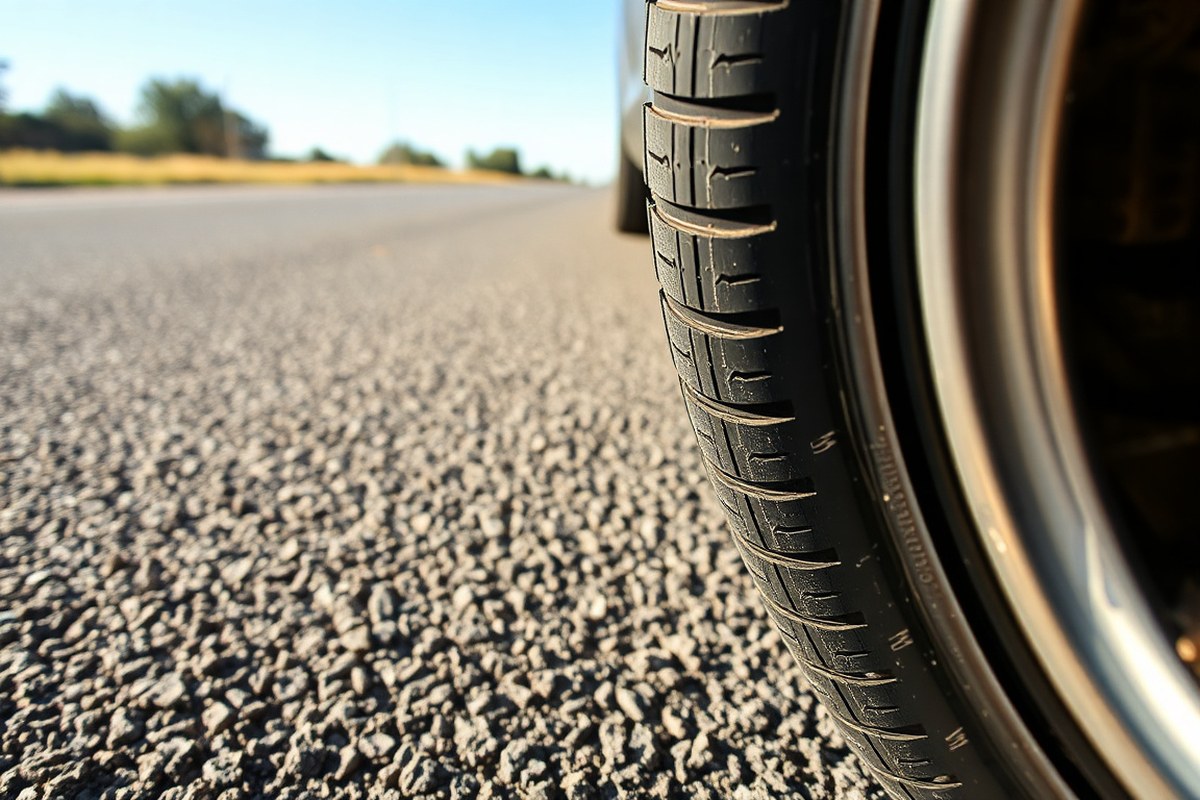
How Do Underinflated Tires Affect Your Vehicle Ride: 9 Key Effects and What to Do
Too little air in your tires makes your drive bumpier and less safe. These tires feel soft and don’t react quickly to turns or stops. That slower response can cause problems when you need control fast.
You might notice your car pulls slightly to one side or feels unstable during turns. Underinflated tires push harder on the road.
This makes your engine work more, using extra gas. The tires also wear out faster because of the extra strain.
Underinflated tires increase rolling resistance, which hurts fuel efficiency. This means you’ll spend more money filling up the tank. They can also increase the risk of tire blowouts, especially at high speeds.
Start by checking your tire pressure with a good gauge. Keep in mind, cold weather can lower tire pressure. So watch for how temperature changes affect your tires.
Key Takeaways
- Check tire pressure monthly with a reliable gauge for the best accuracy.
- Keep tires inflated to the recommended pressure found on the driver’s door.
- Low tire pressure reduces gas mileage by about 0.2% per 1 PSI drop.
- Underinflated tires reduce vehicle stability and make steering less precise.
- Warm temperatures can raise tire pressure. Cold weather lowers it roughly 1 PSI per 10°F.
- Don’t rely only on dashboard warnings; they often activate after severe underinflation.
How Underinflated Tires Change Your Vehicle’s Ride Feel

Low tire pressure makes your ride softer at first, because the tire absorbs more bumps. This might sound good, but it also slows your car’s response to the road. The sidewalls flex more, which delays how quickly the tires react when you steer.
This extra flexing makes steering feel mushy or sluggish. You’ll notice slower turn-in and have to make extra corrections during corners.
That loose feeling happens because the tire changes shape. It steals some of the quick feedback you usually get.
Underinflated tires also create more noise. Tires flex and scrub the road differently when underinflated. This causes louder humming or thumping sounds inside the cabin.
Vibrations go up as the tire can’t keep its shape firm. This sends extra movement through the suspension.
The bigger contact patch of a low-pressure tire spreads the load unevenly. That causes the road to feel rougher and adds to long-term tire wear. You might not spot low air pressure until these ride changes feel uncomfortable or strange.
Checking tire pressure is cheap and quick. Use a gauge when the tires are cold, like after sitting overnight.
Follow the vehicle’s recommended pressure on the door sticker or manual. Keeping tires properly inflated avoids sloppy steering and noisy rides.
Safety Risks Caused by Underinflated Tires
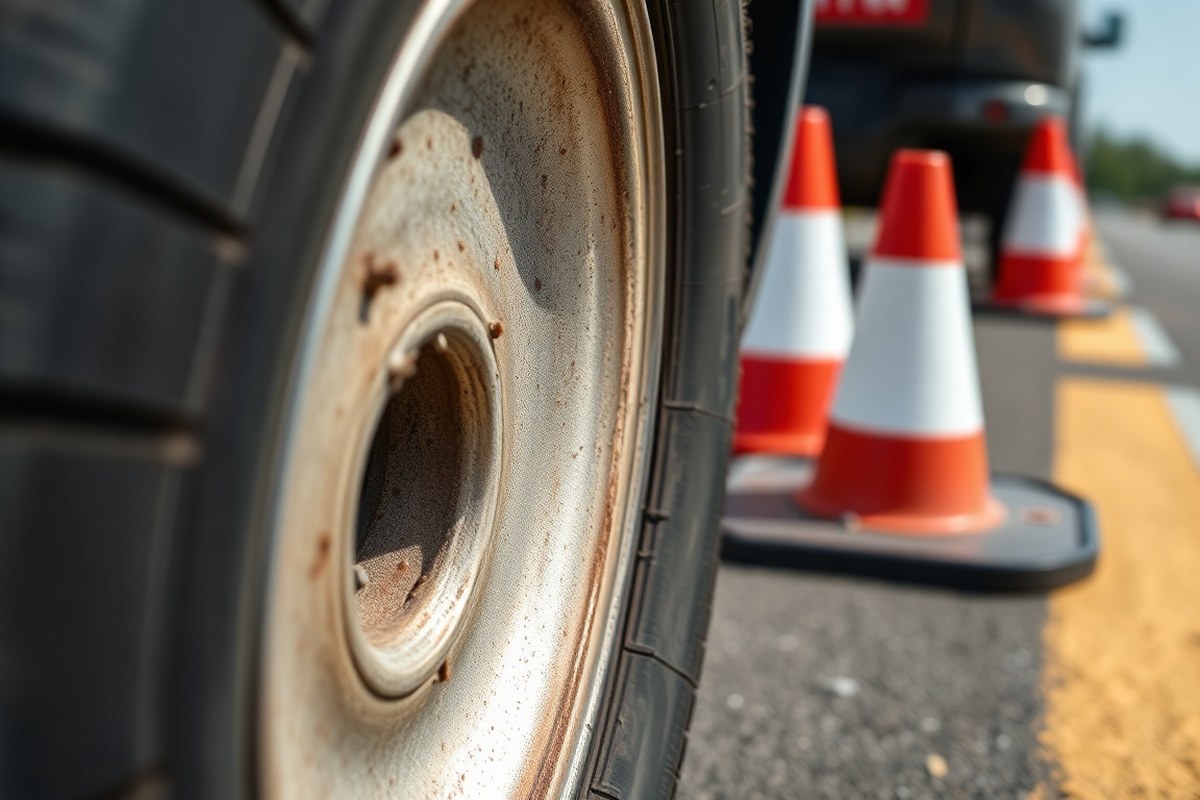
Low tire pressure boosts the risk of blowouts by causing excess heat buildup. Tires flex more on the sides when underinflated, creating friction and warmth. This heat weakens tire materials, raising the chance they suddenly burst while driving.
Underinflated tires also worsen braking by increasing stopping distances. The tire doesn’t grip as well because more rubber flexes and less contacts the road firmly. That means it takes longer for your vehicle to stop after you hit the brakes.
Reduced tire pressure affects stability too. The tire shape changes, so it provides less predictable grip around corners. Delayed steering response makes controlling the car harder.
Poor cornering adds to the problem. This is worse on wet or slick roads.
With these issues combined, blowouts, longer stops, and weaker handling, your accident risk climbs. You have less control when maneuvering or braking suddenly, so hazards become more dangerous. Driving with the right tire pressure keeps your car safer and more steady.
Check your tire pressure monthly when tires are cold and fill to the vehicle’s recommended level.
How Underinflated Tires Affect Vehicle Handling and Stability
Underinflated tires change how your vehicle touches the road. Low pressure makes the tire’s contact patch bigger but softer, which reduces grip. This change slows your steering response and causes your vehicle to feel floaty in turns.
When you corner or steer sharply, underinflated tires don’t hold the road well. They flex more, which lowers control and stability. On highways, this can cause body wobble or wandering.
Tires lose a firm grip during steady driving or quick turns. This makes controlling the car much harder.
Here is a simple table to show how underinflated tires affect vehicle handling and stability:
| Effect | What Happens | Why It Matters |
|---|---|---|
| Steering Response | Slower and less precise | You can’t react quickly to avoid hazards |
| Cornering Control | Reduced grip and stability | Your vehicle drifts or feels loose on turns |
| Highway Stability | Wandering and body wobble | Maintaining lane position becomes harder |
| Tire Flexing | Increased heat and wear | Risk of blowouts, making control unsafe |
| Braking Performance | Longer stopping distances | More risk of collision in emergencies |
Underinflation also causes tires to flex too much, heating up quickly. This damage lowers tire grip on the road. It makes sudden lane changes or sharp curves risky.
Your car won’t feel as steady or safe. You may notice your car feels slower to respond, which can surprise you in traffic.
Each vehicle has a recommended tire pressure, often found inside the driver’s door. Keeping the right pressure takes just minutes with a pressure gauge. It keeps handling crisp, steering sharp, and the ride safer on highways and curves.
Uneven Tire Wear Patterns from Underinflation
When tires are underinflated, their outer edges wear down faster than the center. This happens because low pressure makes the tire’s weight spread unevenly. The outside tread shoulders take more load and scrub against the road more.
This uneven weight distribution changes the shape of the tire’s contact patch. Instead of a flat surface, the edges press harder while the middle stays lifted. Heat also builds up quicker, which wears the tire even more.
- Check tire pressure monthly when tires are cold
- Inflate tires to the vehicle’s recommended PSI (found on the door jamb)
- Check both tires on an axle for similar wear patterns and tread depth. Make sure the tires show even use side by side.
- Look for faster tread wear on both outside edges
- Inspect tires for uneven wear and damage during regular rotations
- Rotate tires every 5,000 to 8,000 miles to even out wear
- Replace tires early if outer edges wear below legal tread depth limits
Uneven edge wear means your tires won’t last as long as they should. This can lead to earlier replacements and higher costs. Regular checks for uneven wear help you catch problems before the tread gets dangerously thin.
Checking the tread shoulders for faster wear also helps spot underinflation early. Rotate your tires regularly to spread wear evenly. Do this every 5,000 to 8,000 miles.
Regular rotations help tires last longer and maintain grip. This practice extends tire life and keeps your vehicle safer on the road.
Impact of Underinflated Tires on Fuel Efficiency and Emissions
Low tire pressure makes your engine work harder by increasing resistance. This extra effort causes your car to use more gas than normal. A 1 PSI drop in tire pressure can reduce mileage by 0.2%.
That extra fuel use also raises your vehicle’s emissions. When the engine runs harder, it releases more pollutants into the air. Even a small drop in tire pressure can make a noticeable difference over time.
Fixing tire pressure is an easy way to save gas. You just need a reliable pressure gauge and a nearby air pump. Check tire pressure every month.
Inflate tires to the recommended level. This keeps resistance low and fuel efficiency higher.
Measure tire pressure when tires are cold. Morning before driving works well. This gives the most accurate reading.
Recommended tire pressures appear on a sticker near the driver’s door or inside the fuel door. Keep tires within those limits to avoid poor fuel economy. Your tires should be 35 PSI, for example.
Keeping this pressure stops mileage loss. It avoids a 3% to 7% drop from underinflated tires.
Fuel use impacts depend on your vehicle and tire size. Cars with larger tires lose more fuel efficiency with low pressure. Slow driving or heavy loads also increase fuel costs when tires are soft.
How Weather and Temperature Affect Tire Pressure
Temperature changes affect your tire pressure throughout the year. Tires lose about 1 PSI for every 10°F drop in temperature. Checking tire pressure when tires are cold gives the best reading.
It helps you find low pressure early. Do this before driving or after three hours of sitting.
Temperature’s Effect on Air Pressure
Air pressure in tires changes as the outside temperature swings. Tire pressure drops roughly 1 PSI when temperature falls 10 degrees. This means in colder months, your tires naturally carry less pressure without any leaks or damage.
Because pressure drops with cold air, many underinflation warnings appear just from seasonal changes. These pressure drops can make tires feel softer and increase wear on your vehicle. The right tire inflation helps keep your car safe and your tires lasting longer.
Best Times and Conditions for Tire Checks
Check your tire pressure when tires are cold. Cold tires mean the car sits for at least three hours. Or it has been driven less than a mile slowly.
This keeps the tires at outside temperature. This avoids heat buildup that can skew the reading upward.
Regular checks are smart during big temperature swings, like early fall or spring. Underinflation often happens then, even if your tires seemed fine a month ago. Decrease in temperature overnight can cause a low pressure warning the next morning.
Tips for Seasonal Tire Pressure Maintenance
Routine tire pressure checks help keep your tires properly inflated through seasons. It’s best to check monthly and before long trips. Pay attention after several days of below-freezing weather or sudden warm spells.
Seasonal changes also can trigger tire pressure warning lights. Many cars alert you if pressure falls 25% below the recommended level. Don’t wait for the light, adjust pressure regularly for smooth rides and safe handling.
Follow these simple steps to check and maintain your tire pressure:
- Park your car in a shaded area and let tires cool for at least three hours.
- Find the recommended pressure on your vehicle’s sticker, usually inside the driver’s door.
- Take off the valve cap from one tire. Press the tire pressure gauge firmly onto the valve stem. Hold it steady to get a proper reading.
- Read the pressure on the gauge and compare it to the recommended PSI.
- Add air using an air compressor if the pressure is too low.
- Repeat the measurement after inflating to ensure proper pressure.
- Replace the valve cap securely and move to the next tire.
- Check tires monthly and more often during temperature swings.
Tools and Methods for Checking and Maintaining Proper Tire Pressure
Accurate tire pressure gauges and portable inflators are key for keeping your tires properly inflated. Digital gauges give precise readings fast, while analog ones offer simple, reliable checks. Portable air compressors help you adjust pressure easily between visits to a service station.
Digital vs. Analog Gauges
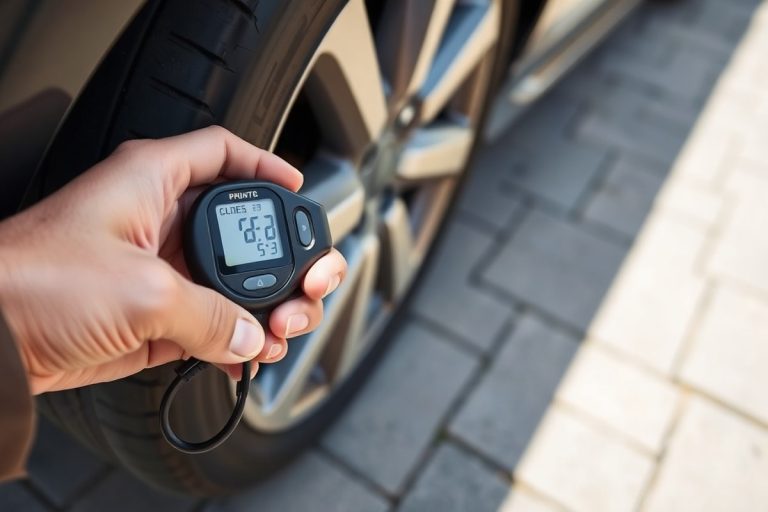
Digital tire pressure gauges use electronic sensors for quick, clear readings on a screen. Many models show pressure in PSI and kPa with a resolution as fine as 0.1 PSI. They often have backlit displays, making it easier to read at night or in low light.
Analog or pencil-type gauges use a spring-loaded mechanism to show pressure on a sliding scale. These are simple, very affordable, and don’t rely on batteries. Their readings can be less precise and harder to read.
This happens if the scale is small or worn. It makes checking tire pressure tricky.
Good results mean your gauge matches the vehicle manufacturer’s recommended pressure within about 1 PSI. For example, an AstroAI digital gauge claims an expert-grade calibration accurate to +/- 1 PSI. Avoid gauges that are hard to read or show wildly fluctuating numbers.
Using Portable Air Compressors
Portable air compressors plug into your car’s 12-volt outlet or a wall socket. They let you inflate tires wherever you park, saving a trip to the gas station. Some have built-in pressure gauges with digital or analog displays.
Use the compressor’s gauge or your own to monitor pressure while inflating. Inflate slowly and pause often to avoid overinflating. Quality varies, so expect some models to require recalibration after a while.
Most small compressors cost between $30 and $70. They take about 5 to 10 minutes per tire to check and adjust. That timing helps you plan your routine.
Keeping one in your trunk means fast fixes when pressure drops. You won’t waste time looking for a tool. It’s handy during trips or emergencies.
Maintenance Tools for On-the-Go Inflation
Besides gauges and compressors, you can get small digital inflators. These are made for portable use. They fit easily in your car for quick inflation.
These often have bright screens and deliver accurate pressure readings right during inflation. They can adjust pressure in increments of 0.1 PSI for precise control.
Carry these tools in your car so you check pressure weekly or before long trips. It only takes a few minutes to measure all four tires using these devices. Using the valve stem, press the gauge tightly, hold steady, and read the number immediately.
- Keep a digital or pencil gauge for regular pressure checks
- Use a portable air compressor for quick inflation wherever you park
- Choose inflators with clear, backlit digital displays
- Check tires cold, before driving or after at least three hours standing
- Top off or release air in small steps, then re-measure
- Store tools in your glove box or trunk for easy access
- Replace batteries in digital gauges regularly for consistent accuracy
With reliable tools, you spot tire pressure drops early. This helps you fix flat tires quickly.
Good tools keep your driving safe and smooth. This simple routine helps your tires last longer and keeps your ride smoother and safer.
What to Do When You Detect Underinflated Tires
When you spot low tire pressure, check all tires right away. Add air safely to each tire until they reach proper pressure. Know when to call a professional for help with damaged tires.
Acting quickly helps protect your vehicle and prevents more damage. Avoid driving fast or far until the pressure is right.
Checking All Tires Before Driving
Start by inspecting every tire, including the spare if you have one. Use a reliable tire pressure gauge to measure pressure when tires are cold. Cold tires give the most accurate reading since heat from driving raises pressure.
Find the right tire pressure on the sticker inside the driver’s door. You can also check the owner’s manual for this information.
Keep track of pressures with a notebook or phone app. Watch out for bulges or odd tread wear signals.
Using Portable Pumps or Compressors
To inflate tires, use a portable pump, compressor, or visit a gas station with air tools. Most air pumps have a gauge or digital screen to show pressure. This helps you add the exact amount needed for your tires.
You can aim for the number on the tire pressure label. Inflate tires in short bursts to avoid overfilling and check pressure frequently.
Inflate tires carefully and stop when you reach the correct PSI. Wait about a minute and check the pressure again to be sure. Repeat as needed to keep pressure steady and correct.
Remember, adding air in warm conditions can cause pressure readings to rise slightly. So trust the cold tire numbers if possible.
- Remove the valve cap from the tire.
- Attach the pump or compressor nozzle securely.
- Inflate the tire with short bursts of air.
- Check the pressure with a gauge during filling.
- Stop adding air once you reach the recommended PSI.
- Replace the valve cap tightly to prevent leaks.
- Repeat for all underinflated tires.
Don’t drive on underinflated tires to reach a service station. Risk tire damage or loss of control.
Knowing When to Replace or Repair Tires
Avoid driving on tires that quickly lose air or have visible damage. This could be unsafe and cause tire failure on the road. Get the tire checked or replaced before driving again.
These signs mean the tire might have a puncture or structural problem. Call roadside assistance or a tire professional to evaluate it.
Tires with sidewall damage, deep cuts, or severe tread wear usually need replacing. Repair kits can fix small punctures in the tread area.
But not all damage is safe to fix. Regularly checking your tires helps avoid unexpected failures and costly repairs.
Common Myths and Mistakes About Tire Pressure to Avoid
It’s a myth that low tire pressure improves traction under normal driving. Tires that are underinflated actually have more surface area on the road. But this can cause more slippage and heat buildup.
Some off-road drivers lower their tire pressure a bit in sandy or soft dirt. But this is temporary and done carefully.
Don’t wait for the TPMS light before checking your tires. Check them regularly to catch problems early. This helps keep you safe on the road.
This warning only appears when pressure is well below safe levels. By then, your tires could already be damaged or unsafe to drive on. Checking pressure monthly with a gauge is cheaper and safer than fixing problems later.
Overinflation is another mistake. Putting in too much air can reduce the tire’s contact with the road.
This leads to rougher rides and uneven tire wear, especially in the center tread. Both too low and too high pressure hurt your tires and vehicle performance.
| Common Myth or Mistake | Reality | How to Do It Right |
|---|---|---|
| Low pressure improves traction | Usually reduces traction and increases heat and wear | Keep pressure at vehicle manufacturer specs found on the door jamb |
| Wait for TPMS light before acting | Light alerts only when pressure is dangerously low | Check tire pressure monthly with a gauge, regardless of light |
| Overinflation prevents underinflation problems | Too much air causes uneven wear and poor ride quality | Use recommended pressure; do not exceed limits on the tire itself |
| Ignoring pressure symptoms is fine if driving feels normal | Small pressure drops can still harm handling and safety over time | Monitor pressure regularly and add air promptly when needed |
Checking pressure with a reliable gauge usually costs under $15. Some drivers buy digital ones for easier reading, while others prefer simple dial gauges. Press the gauge onto the valve stem for a few seconds and note the reading.
Compare it to your manufacturer’s recommended pressure. This is often between 30 and 35 psi for passenger cars.
Ignoring small pressure loss feels harmless, but it changes how your car handles. This subtle change can cause uneven tire wear and reduce fuel efficiency. Fixing the pressure early helps protect your tires and keeps your ride smooth and safe.
Step-by-Step Action Plan for Handling Underinflated Tires
Follow these simple steps to keep your tires properly inflated and your vehicle safe and efficient.
- Before Every Drive: Use a reliable tire pressure gauge to check all tires when they’re cold. Confirm each tire matches the pressure listed in your owner’s manual or tire placard.
- Weekly: Inspect tires for visible signs of underinflation, like sidewall bulges or soft feel. Fix low tires immediately and see if pressure stays stable.
- Monthly: Rotate tires according to your vehicle’s schedule to prevent uneven wear from underinflation. This helps balance tire life and ride comfort.
- Seasonally: Adjust tire pressure as outdoor temperatures change. For every 10°F drop, add about 1 PSI to keep tires properly inflated.
- After Long Trips: Check tire pressure and inspect tread wear. Address any problems before your next trip to avoid handling issues.
- Every 3 Months: Replace your tire pressure gauge if it becomes inaccurate. Accurate readings keep your inflation on target.
- Whenever You Notice Ride Changes: Examine tires for underinflation and uneven wear. Fix tire pressure problems before they affect safety and fuel economy.
Frequently Asked Questions
Can Underinflated Tires Cause Suspension Damage?
Yes, underinflated tires change weight distribution, putting extra stress on suspension parts. This can lead to premature wear or costly repairs over time. Checking tire pressure regularly helps avoid this issue and keeps your suspension in good shape.
Do Underinflated Tires Affect Warranty Claims?
Yes, poor maintenance like driving with underinflated tires can void some warranty claims. Manufacturers expect regular tire care to prevent damage. Keep your tires properly inflated to protect your warranty rights.
How Do Underinflated Tires Impact Braking Distances?
Underinflated tires increase the tire’s contact with the road, raising rolling resistance. This makes your vehicle take longer to stop. Driving on properly inflated tires reduces braking distances and improves safety.
Can Underinflated Tires Cause Uneven Tire Wear on the Edges?
Yes, low tire pressure causes the tire edges to carry more weight than designed. This results in faster wear on the outer parts, shortening tire life. Maintaining the recommended pressure helps your tires wear evenly.
Do Underinflated Tires Make the Steering Feel Vague or Heavy?
Yes, low tire pressure often makes steering feel less responsive or heavy. This happens because underinflated tires resist turning inputs more. Proper tire inflation keeps steering sharp and predictable.
Before You Go
Underinflated tires can make your ride less smooth, less safe, and more costly. Fixing low tire pressure improves how your vehicle handles and saves fuel. Grab your tire gauge now and check your tire pressure today.

2 Comments