How Long Does It Take to Replace Tires: A Complete Guide with Timing and Tips
You might ask how long it takes to change tires. Getting all four tires replaced and balanced usually requires one to one and a half hours. Changing just one tire can be done in 10 to 15 minutes at a ready shop.
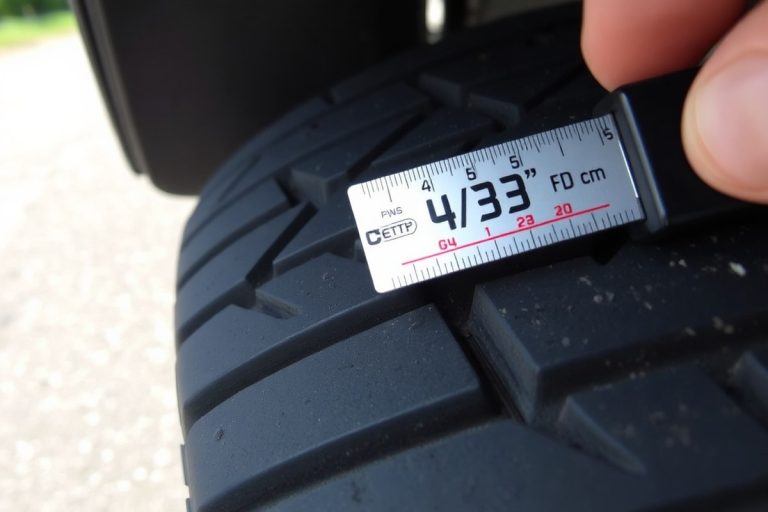
Picking the right time for tire replacement matters. Tires with less than 2/32 inch tread need fixing. This is important to avoid slipping on wet roads.
Don’t ignore worn tires for your safety. Starting early helps you avoid longer waits and extra costs.
Professional shops often take about 15 minutes per tire, including mounting and balancing. Adding services like wheel alignment will add another 30 to 60 minutes. Simple steps like making sure lug nuts and jack points are clear speed the process.
Key Takeaways
- Plan around 45 to 90 minutes for replacing and balancing four tires professionally.
- Changing one tire at a shop takes roughly 10 to 15 minutes.
- Adding wheel alignment adds 30 to 60 minutes to your total service time.
- Replace tires once tread depth hits 2/32 inch to maintain good traction.
- Clear access to lug nuts and jack points speeds up any tire change.
- DIY tire replacement can take 20 to 30 minutes per tire if you have tools.
How Long Does Tire Replacement Typically Take?

Replacing one tire at a shop usually takes 10 to 15 minutes. This time counts only the actual work on the tire. The rest depends on shop busyness.
This includes removing the old tire, mounting the new one, balancing it, and reinstalling the wheel. Total time, including waiting, can be 30 to 60 minutes.
This depends on how busy the shop is. Sometimes the wait is shorter or longer.
Changing four tires usually takes between 45 and 90 minutes in the service bay. Shops like Discount Tire or Firestone often finish this task in about 45 to 60 minutes. This includes mounting, balancing, valve checks, inflating, and reinstalling the wheels.
Adding a wheel alignment after changing four tires requires extra time. Expect the visit to take longer than just a tire replacement.
The alignment usually takes an additional 30 minutes to an hour. So, a four-tire replacement plus alignment might extend the total service time to 1.5 to 2 hours or more in some cases.
Doing tire changes yourself takes more time. One tire swap may take 20 to 30 minutes.
Changing all four tires could need one to one and a half hours. You’ll also need tools like a jack and lug wrench.
Professional shops move quickly because they have machines and experience. Tire mounting machines speed up removing old tires and putting new ones on. Shops use balancing machines that balance tires very precisely.
This reduces guesswork during the process. It helps prevent vibrations and uneven tire wear later.
Waiting times affect the total service duration. Even quick tire swaps can have extra wait time. Being next in line may add thirty minutes or more.
The total visit time can vary widely. Busy weekends and peak seasons can extend wait times. So call ahead or schedule an appointment to reduce delays.
The cost also varies with time. Single tire changes typically cost $15 to $30 for labor. Four tires can cost $60 to $120 or more just for installation and balancing.
Adding an alignment pushes labor charges into the $160 to $250 range. Buying tires separately adds to the total price.
What Steps Are Involved in Replacing Tires?

Replacing tires means taking old tires off the wheels first. Then you put the new tires on and balance them. Finally, the wheels with new tires go back on the car.
Each step matters for safety and tire performance. Proper order and care prevent damage and ensure you get the best ride quality.
Preparing Your Vehicle Safely
Start by making sure your vehicle is secure and ready for tire removal. This step prevents accidents and keeps the work efficient. You’ll use a jack, wheel chocks, and check for parking brake engagement.
- Park your vehicle on a flat, stable surface away from traffic.
- Engage the parking brake to keep it from moving.
- Place wheel chocks behind the wheels still on the ground.
- Locate the jack points specified in the owner’s manual.
- Use a jack to lift the vehicle off the ground enough to remove tires.
- Loosen lug nuts slightly before lifting the tire entirely off the ground.
Never work on a sloped or soft surface to avoid the vehicle slipping off the jack.
Removing Old Tires Properly
Next comes removing the worn tires from the wheels. This step takes about five minutes per tire using the right tools. Deflating the tire valve and separating the rubber from the rim are key parts.
- Deflate the tire by pressing the valve stem core to let air out.
- Use a tire changer machine to break the bead where the tire meets the rim.
- Lift and pull the old tire off the rim carefully to avoid rim damage.
- Inspect the wheel for damage or dirt before mounting the new tire.
Make sure the valve stem isn’t damaged when deflating or removing the tire.
Installing and Balancing New Tires
Mounting new tires onto wheels requires care to fit them properly on the rims. Then balancing corrects any uneven weight distribution that causes vibrations or uneven wear. Balancing all four tires can take 40 to 60 minutes.
- Lubricate the tire bead with a bead lubricant to ease mounting.
- Use the tire changer to mount the new tire onto the rim evenly.
- Inflate the tire to the recommended pressure to seat the bead correctly.
- Spin the wheel on a balancing machine to detect heavy spots.
- Attach clip-on or stick-on weights to balance the wheel and tire assembly.
- Recheck the balance to ensure vibrations will be minimized during driving.
- Repeat for each tire, adjusting time if you have larger tires or trucks.
Failing to balance tires properly can lead to steering vibrations and uneven tread wear.
Final Checks and Post-Replacement Care
Once the tires are mounted and balanced, reinstall the wheels and secure lug nuts. Finally, check tire pressures and verify all safety points. Proper torque on lug nuts ensures the wheels stay mounted safely.
- Place the wheel back onto the vehicle hub, aligning lug nuts.
- Tighten lug nuts by hand first to avoid cross-threading.
- Lower the vehicle from the jack carefully.
- Use a torque wrench to tighten lug nuts to the manufacturer’s specs.
- Check and adjust all tire pressures with a pressure gauge.
- Perform a final visual inspection of tires and wheels for proper seating.
Always retighten lug nuts after driving about 50 to 100 miles to maintain safety.
How Does Using a Professional Shop Affect Replacement Time?
Professional tire shops usually replace tires faster than DIY. They finish hands-on tire work for four tires in 35 to 92 minutes. Total appointment time varies by wait, busy hours, and extra services like alignment or sensor programming.
Average Bay and Wait Times
Hands-on tire replacement at the bay takes about 10 to 15 minutes per tire. Total visits often last 45 to 60 minutes on weekdays with an appointment. Busy times like Saturday mornings push total time to 90 minutes or more, sometimes two hours.
Wait before the bay depends on shop workload and appointment scheduling. Walking in without an appointment often causes longer waits. Confirming tire availability and booking ahead cuts down total time.
Time Impact of Extra Services
Extra services add time to tire replacement. Balancing wheels or programming tire pressure sensors may increase time by 10 to 20 minutes. An alignment check or adjustment usually adds 30 to 60 minutes, making your total visit longer.
Including extras is smart for new tires but extends visit time. Ask if balancing or alignment are included or quoted separately. It helps avoid surprises on how long your visit will take.
Differences Between Common Tire Shops
Dealerships take 68 to 92 minutes to replace four tires. They spend extra time on OEM processes and paperwork. This slows down the whole job.
Chain retailers like Discount Tire or Costco usually finish faster. They take about 42 to 58 minutes per job.
High volume and standard workflows speed things up. Independent shops vary widely, with times from 35 to 63 minutes depending on tech skill.
Some shops have dedicated bays and trained techs to speed things up. Scheduling delays, incorrect sensor programming, or ordering tires can slow the process. Choose a shop with good reviews and clear communication to reduce wait time.
What Factors Slow Down Tire Replacement?
Tire replacement can take longer than 45 minutes for several reasons. Larger vehicles like trucks or SUVs have bigger, heavier tires that slow down removal and installation. Stubborn lug nuts or rusty wheel locks take more time to remove.
They need extra effort or special tools to loosen them. This adds to the total tire replacement time.
Weather and equipment condition play a big role too. Rain or darkness makes the job harder and less safe, so technicians work slower.
A worn-out or missing spare tire can cause a longer wait. You might need more time to get a proper replacement.
- Stuck or corroded lug nuts require penetrating oil and extra time.
- Missing or damaged wheel-lock keys prevent quick wheel removal.
- Heavier tires on trucks or SUVs need more lifting and positioning.
- Complex tire types like run-flats or performance tires take longer to mount.
- Bad weather slows down the process and increases risk of errors.
- High service center traffic causes waiting before work can start.
- Extra inspections such as alignment checks add several minutes.
Vehicle size impacts time because compact cars have smaller, lighter tires. This usually means 15 to 30 minutes for a full set of four. Trucks can double that time due to larger wheels and higher lifting points.
Run-flat and performance tires take longer because of stiffer sidewalls. These can add about 3 more minutes per wheel just to break the bead. This raises labor time and requires special machines or tools.
To avoid delays, check in advance for wheel-lock keys and rusty nuts. Keep your vehicle in good shape to ease tire removal. Bad weather can slow down your tire replacement appointment.
Schedule it indoors or wait for better weather to save time. This way, you avoid extra hassle and delays.
How Long Does DIY Tire Replacement Take and What Tools Do You Need?
Replacing tires yourself usually takes between one and one and a half hours. Your time varies with how well you know the process. It also depends on the tools you have nearby.
These factors affect your overall speed. You will need to prepare properly to avoid delays and safety issues.
Essential Tools for DIY Tire Changes
Use a strong jack to lift your car safely. You also need a lug wrench. This tool loosens and tightens the lug nuts.
A torque wrench helps tighten nuts just right. It prevents damage and safety issues.
Having one makes the job safer. A portable air compressor is useful for inflating the tires to the correct pressure after installation.
You need special tools to remove and mount tires. A tire mounting machine and a balancer become important. These tools handle tire-specific tasks.
Without those, you might end up struggling or damaging the tire or wheel. Keep a wheel chock nearby to prevent the car from rolling while it’s jacked up.
Typical DIY Timelines and Pacing
Changing one tire can take around 45 minutes if you work steadily and have some experience. Changing one tire takes about half an hour. Multiply that by four tires.
Total time reaches about two hours for all four. Newcomers might spend closer to 90 minutes per tire as they learn the steps.
Start by loosening lug nuts before lifting the car. Jack up one corner of your car carefully. Remove the old tire and put the new one on.
Finally, tighten the lug nuts the right way. Allow extra time to check tire pressure and clean any debris before lowering the vehicle.
Taking your time to work carefully and methodically helps avoid mistakes and extra work.
Safety Precautions for a DIY Tire Change
Park your car on a flat surface and apply the parking brake before lifting it. Use wheel chocks on the opposite wheels to keep the vehicle from moving during the change. Never crawl under the car when it’s only supported by a jack without additional stands.
Wear gloves to protect your hands from dirt and sharp edges. Check the jack and tools to ensure they aren’t damaged or weak. Check your owner’s manual for lifting points.
It also has torque specs you must follow. Using them keeps your work safe and secure.
How Vehicle Type and Tire Size Affect Replacement Duration
Tire replacement time varies a lot depending on the vehicle and tire size. Larger tires weigh more and take extra effort to remove and install. SUVs, trucks, and vans take more time than compact cars.
They have bigger tires and more lug nuts. This makes the job longer.
Run-flat tires and heavy truck tires add complexity too. Run-flat tires are stiffer, requiring special tools and care, which slows things down.
Big, heavy tires on trucks may weigh up to 50 pounds or more each. That extra weight means lifting, aligning, and mounting takes longer.
Alloy wheels usually take longer to work with than steel rims. Steel rims save roughly 14 minutes on the same vehicle. Alloy rims can be more delicate, so technicians move slower to avoid damage.
The finish can scratch or chip if handled roughly. Also, some alloys need specific tools to loosen the lug nuts.
Vehicles with valve-integrated sensors for tire pressure monitoring (TPMS) add extra steps. Sensors may be damaged or require resetting. Mechanics handle them carefully.
This step takes extra care. This process adds 5 to 10 minutes per tire.
It takes longer if a reset is needed. Sensor replacement also adds time.
| Vehicle/Tire Type | Typical Weight/Specs | Impact on Replacement Time |
|---|---|---|
| Compact Cars | Smaller tires, 20-30 lbs each | Quick removal, fewer lug nuts, 15-20 minutes per tire |
| SUVs and Trucks | Larger tires, 30-50 lbs each, more lug nuts | Longer removal and mounting, 25-40 minutes per tire |
| Steel Rims vs Alloy Wheels | Steel rims save ~14 minutes over alloys | Alloys require careful handling, add handling time |
| Run-Flat Tires | Stiffer sidewalls, special tools required | More time for removal and mounting, 10-15 minutes extra |
| TPMS Valve-Integrated Sensors | Sensors inside valve stems | Add 5-10 minutes per tire if resetting needed |
For heavy vehicles, you’ll need stronger jacks and better tools. Handling big, heavy tires safely also slows the work. Valves and sensors require slow, steady moves to avoid damage.
Smaller vehicles with steel rims and standard tires go faster. That’s usually 15 to 20 minutes per tire.
Adding run-flat or special sensors bumps time by about 10 minutes per tire. Shop visits could also include balancing and alignment checks that take longer.
When Should You Call a Professional Instead of Replacing Tires Yourself?
Changing tires yourself becomes unsafe if you lack the proper tools. For example, a broken jack or missing lug wrench can leave you stranded.
Use roadside assistance when you’re stuck on busy roads or in bad weather. They have the right gear and training to replace tires quickly and safely.
Complications like rusted lug nuts, unusual tire sizes, or advanced wheel locks call for a professional. Special tools are often needed to remove stubborn nuts or balance new tires correctly.
Having a tire diameter over 3% different from original means you should visit a shop. They can avoid problems with fitting the tires properly.
Consider booking an appointment at a local tire chain if you want a easy experience. Places like Discount Tire and Pep Boys allow online scheduling, saving you wait time. Arriving for a morning slot typically means faster service than walking in without an appointment.
Your car has all-wheel drive or big rims? A professional should do the tire change. These require precise torque settings and balancing that most home mechanics can’t accurately match.
Doing it yourself can cause damage or uneven tire wear. This shortens tire life. It also raises repair costs in the long run.
Use this simple decision rule: call a professional if conditions or equipment are lacking. Also hire experts when time is tight, safety is a concern, or tire specs are tricky.
DIY tire changes suit flat tires in safe spots with standard tools and some knowhow. Otherwise, roadside help or a shop appointment gives steadier, faster results.
Common Mistakes That Prolong Tire Replacement and How to Avoid Them
One common mistake is struggling with stuck lug nuts. They can rust or tighten too much, making removal slow and frustrating.
To avoid this, spray penetrating oil on the lug nuts at least 30 minutes before starting. Use a breaker bar or a cross wrench, which gives better use than a standard wrench.
Skipping tire balancing or alignment might seem like a time-saver. However, skipping these steps often causes uneven tire wear and poor vehicle handling.
It leads to extra trips and longer overall service time. So plan to include balancing and alignment for safer, smoother driving.
Missing tools slow you down during DIY tire replacement. An unprepared workspace also causes delays. Have everything ready before you start.
Get your jack, lug wrench, torque wrench, and wheel chocks. Make sure they’re nearby and easy to reach.
This saves time and trouble later. A flat, stable surface with good lighting saves time and keeps you safe.
Check your vehicle and tires before you begin. Look for damaged valve stems, uneven tread wear, or signs of freeze or impact damage. Knowing problems before you start stops delays during your job.
It also avoids extra repairs you might need. Preparation helps the whole process go smoothly.
- Spray rust penetrant on lug nuts 30 minutes early
- Use a breaker bar for hard-to-turn lug nuts
- Always include balancing and alignment when changing tires
- Gather all tools and ensure a stable workspace in advance
- Inspect tires for damage or irregular wear before removal
- Keep a torque wrench to tighten lug nuts to spec
Always torque lug nuts to the manufacturer’s recommended pressure to avoid damage or unsafe wheel mounting.
Ignoring these prep steps causes jams and wasted time during tire replacement. Tight lug nuts can slow you by 10 to 20 minutes per wheel. Using the right tool avoids this delay.
Don’t skip proper equipment for lug nuts. Balancing and alignment add 30 to 60 minutes, but it prevents costly issues. Having tools and a clean space helps the job flow without unexpected stops.
How to Prepare Your Vehicle to Speed Up Tire Replacement
Pick a flat, stable spot to park before you start removing tires. Avoid gravel or sloped surfaces to keep your car steady. This safety step helps your jack work properly and prevents accidents during the job.
Put your vehicle in park and set the parking brake. For manual cars, leave it in first gear or reverse. These steps stop the car from moving while you work, making the process smoother and safer.
Gather all needed tools and parts in one place before you begin. Having everything handy saves time hunting for tools during the job. Lay out your jack, lug wrench, and any special keys like a locking lug nut key.
- Check the lug nuts for rust or damage; replace if needed.
- Inspect valve stems on each tire; plan extra time if replacing them.
- Test tire pressure sensors if your car uses them, like on a Ford F-150.
- Bring the locking lug nut key in the car, not at home.
- Have a floor mat or tarp to keep tools clean and organized.
- Wear gloves to protect your hands from dirt and sharp parts.
Looking at lug nuts ahead lets you spot stripped or corroded ones early. Damaged nuts can slow you down if they need to be replaced mid-job.
Valve stems often take 5 to 10 extra minutes per tire when swapped out. So plan your time accordingly.
If your vehicle has valve-integrated sensors, replacing stems might cost $35 to $85 each. After installation, these sensors need programming through devices like FORScan or WiTech2. Keep this in mind if you want to avoid delays or extra trips to the shop.
Step-by-Step Action Plan for Replacing Your Tires
Follow these steps to replace your tires efficiently. They guide you from preparation to checking the final result.
- Before you start: Gather all tools like a jack, lug wrench, and new tires. Check that your spare or new tires match your vehicle’s specs.
- Day 1: Loosen lug nuts slightly while the car is still on the ground. They should turn but not come off completely.
- Day 1: Use the jack to lift the vehicle safely off the ground. Follow the owner’s manual for jack points to avoid damage.
- Day 1: Remove all lug nuts and take off the old tire. Inspect the wheel for damage or dirt.
- Day 1: Mount the new tire, aligning it with wheel studs. Hand-tighten lug nuts in a star pattern to secure the tire.
- Day 1: Slowly lower the vehicle to the ground. Tighten lug nuts firmly with the wrench. Use a star pattern when tightening. Check for snug fit.
- After replacement: Drive slowly for a few miles and recheck lug nut tightness. This ensures the tires stay secure and safe.
Frequently Asked Questions
How Long Does It Take to Replace Just One Tire?
Replacing one tire generally takes about 15 to 30 minutes at a shop. It depends on if balancing and valve checks are also needed.
Can Tire Replacement Times Vary by Season?
Yes, tire shops get busier in spring and fall. This can increase wait and replacement times.
Does Tire Brand Affect How Long Replacement Takes?
Tire brand doesn’t directly change replacement time but affects stock availability. Some brands may require ordering, delaying installation.
How Long Does It Take to Reset the TPMS After Tire Replacement?
Resetting the Tire Pressure Monitoring System usually takes 5 to 15 minutes. The shop has special tools to make this quicker.
Are There Faster Methods for Balancing Tires?
Yes, some shops use electronic or dynamic balancing that take less than 10 minutes per tire. This speeds up the whole replacement process.
Before You Go
Tire replacement usually takes from 30 minutes to over an hour. Your chosen method and vehicle affect that time. Now you can plan or replace your tires with confidence and safety.