How Often Should You Put Air in Your Tires? A Complete Guide with Expert Tips
You should check your tire pressure about once a month. Tires lose about 1 to 2 PSI of air each month through the rubber sidewall. This small leak happens slowly, so the drop may go unnoticed.
Check tire pressure when your tires are cold. Tires are cold after the car has been parked for at least 3 hours. This gives the most accurate reading.
This gives you a true reading, since heat from driving can raise the pressure. Use a reliable gauge, preferably digital, to get a precise measurement.
Keep in mind that underinflated tires harm fuel economy and cause faster tire wear. Don’t wait for a dashboard light to come on.
It triggers only when pressure drops 25% or more. Regular monthly checks help you keep safe and save money on gas.
Key Takeaways
- Check your tire pressure once every month for steady air maintenance.
- Always measure tire pressure when tires have cooled down after parking 3 hours.
- Use a digital tire pressure gauge for accuracy within 0.1% if possible.
- Underinflated tires reduce gas mileage by up to 3%, so keep them full.
- Dashboard warnings lag behind actual pressure loss, do checks before light appears.
- Tires lose air naturally through the valve stem and rim seal imperfections.
How Often Should You Put Air in Your Tires?
Aim to check your tire pressure every month to keep it right. Low pressure can cause unsafe driving and wears tires faster. Tires usually lose about 1 to 2 PSI monthly without leaks.
Add air when tire pressure falls 4 to 5 PSI below the recommended point. Look in your owner’s manual or on the driver’s door sticker for the correct number. Don’t wait for the dashboard light; it activates only after a big drop.
Your tire type or vehicle might change how often you add air. Tires on bigger vehicles or those used for heavy loads may need checks twice a month. Small car owners and those with new tires often find monthly checks enough.
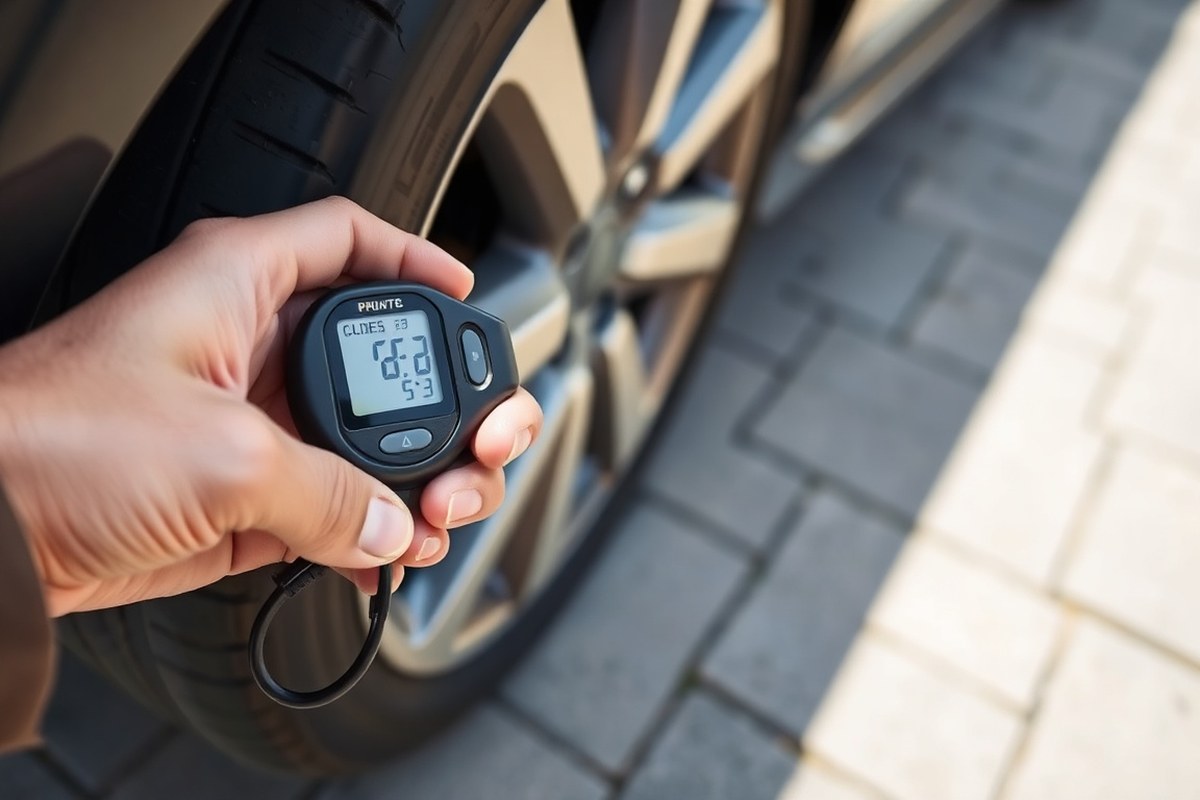
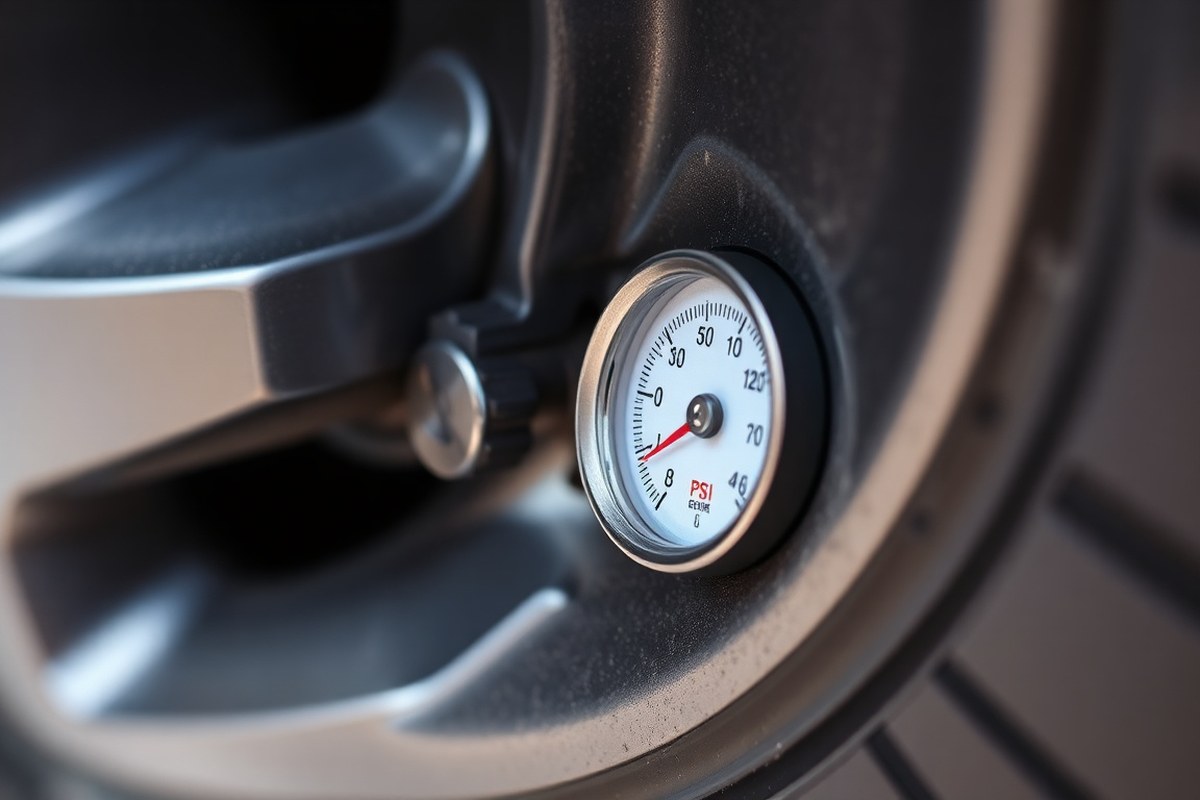
To keep tires properly inflated, keep a tire pressure gauge handy. Check tire pressure when tires are cold; don’t check right after driving. Remove the valve cap, press the gauge on firmly, and read the PSI.
Use a gas station pump or home air compressor to add air. Fill the tires until the gauge shows the recommended PSI. Stop adding air once the gauge matches that number.
This small task takes just a few minutes and costs little to do. Maintaining good tire pressure improves safety, saves fuel, and helps tires last longer. Skipping pressure checks hurts fuel efficiency and causes uneven tire wear.
It also increases the chance of blowouts while driving. Regular checks help avoid these issues.
What Factors Cause Your Tires to Lose Air Pressure?
Your tires lose air naturally at about 1 to 2 PSI per month. This happens because air slowly seeps through the rubber sidewall, even without any punctures or leaks. This natural seepage means you need to check your tire pressure regularly.
Temperature changes also cause tire pressure to fluctuate. Tire pressure changes about 1 PSI for every 10°F change. It goes up or down depending on the temperature shift.
A 30-degree drop can lower tire pressure by 3 PSI. This change happens over a few days.
Valve stems and rim seals are not perfectly airtight. The valve stem, where you add air, may lose an extra 0.5 PSI per month if it’s older than three years.
Rim seals, which join the tire to the wheel, can also allow small leaks. These parts wear out over time and may need inspection.
| Factor | Typical Air Loss Rate | Why It Happens |
|---|---|---|
| Natural Seepage | 1, 2 PSI per month | Air passes slowly through the rubber sidewall |
| Temperature Changes | 1 PSI per 10°F change | Air pressure changes with air temperature inside the tire |
| Valve Stem Issues | Up to 0.5 PSI extra loss monthly | Wear or damage causes air to escape around valves |
| Rim Seal Imperfections | Varies, can cause slow leaks | Seal between tire bead and rim can degrade or shift |
Always replace valve stem caps after adding air. This keeps dirt and moisture from getting inside. That small cap helps prevent extra air loss.
Also, listen for hissing sounds when adding air. They might mean the nozzle isn’t sealing properly on the valve stem.
Cold winters with big temperature swings cause tires to lose pressure faster. Over-inflating winter tires by 3, 5 PSI can balance this loss.
Keeping proper pressure helps avoid soft tires in cold. Soft tires reduce traction and shorten tire life.
Always tighten valve stem caps securely after filling your tires to reduce air loss. Missing caps speed up pressure drops and invite dirt inside.
How to Check Your Tire Pressure Accurately
Check your tire pressure when the tires are cold for the most accurate reading. Use a reliable pressure gauge and follow a simple step-by-step process. This ensures you get the correct tire pressure every time.
Choosing the Right Tire Pressure Gauge
Pick a gauge that’s easy to read and accurate. Digital gauges often show pressure in 0.2-psi steps and can be more precise than analog versions. A quality gauge helps avoid errors and saves you time.
Some manual gauges cost under $10. Digital ones might cost around $20 or more. You don’t need the most expensive option.
But avoid very cheap ones that can give wrong readings. Accuracy matters for safety and tire wear.
Preparing Tires for an Accurate Reading
Check tire pressure when the car has been parked at least three hours or overnight. Cold tires haven’t been driven and won’t have heat that raises air pressure temporarily. Morning before driving is usually best.
Remove the valve caps on each tire before testing. Keep the caps in a safe spot so you can put them back on after measuring. Don’t check pressure right after driving because the heat will give a falsely higher number.
Step-by-Step Pressure Checking Process
Press the gauge firmly onto the tire valve stem and hold it until the reading stabilizes. Avoid letting air escape by pressing straight and quickly. Read the number on the gauge.
Compare it to your car’s recommended PSI. You can find this number on the driver’s door edge or in the owner’s manual.
Add air with an air compressor if the pressure is low. Check your progress often using the gauge. Stop when you reach the recommended PSI.
Fill the tire for about 5 to 10 seconds, then check pressure again. Replace the valve caps tightly once done to keep dirt out.
How Temperature Changes Affect Tire Pressure
Air pressure in your tires changes about 1 PSI for every 10-degree drop in temperature. When the weather cools down, the air inside shrinks and lowers the pressure.
For example, a tire at 35 PSI and 70°F can drop pressure. At 20°F, that pressure may fall to 30 PSI.
Warmer temperatures make air expand, increasing your tire pressure. On a summer day around 86°F (30°C), your tires heat up. Pressure can rise from 35 to about 38 PSI.
No air is added. After driving in hot weather near 104°F (40°C), pressure increases.
It can reach 39 PSI, which is normal. Usually, no adjustment is needed.
In winter, tire pressure can drop fast, sometimes 4 to 5 PSI. This can happen in just a day or two. Sharp temperature swings cause it.
That’s why checking your tire pressure once a week during colder months makes sense. The pressure drop can cause your tires to look underinflated and affect your safety.
Check tire pressure when temperatures change a lot. Adjust air to the vehicle’s recommended PSI. Do this to keep safe tire pressure.
Your car’s manual or door placard states the right pressure. Inflating to that number ensures your tires perform well and last longer.
Handle seasonal changes by checking tire pressure weekly. This is important when temperatures drop quickly. Keep an eye on your tires.
Use a quality pressure gauge to get precise readings on cold tires, ideally before driving. Add air if your tire pressure reads below the recommended amount. Fill it until you reach the suggested PSI.
For example, if winter pressure is 30 PSI but the manual says 35 PSI, add air until it reaches 35. In summer heat, don’t release air just because the gauge reads a bit over. Those small increases are normal with temperature rise and safe to leave alone.
Remember, temperature-related changes aren’t permanent leaks. They are natural shifts you must watch.
Adjusting air pressure seasonally prevents underinflation damage or weak traction on cold roads. A simple routine check saves you from uneven wear and costly tire repairs.
When and How to Add Air to Your Tires Safely
Use an air compressor to add air to your tires. First, remove the valve cap and check the current pressure with a gauge. Attach the compressor hose to the valve stem firmly to avoid air leaks while inflating.
Most gas stations have air pumps that work well for filling tires. However, their built-in gauges can be off due to frequent drops and rough handling. For best results, bring a separate accurate pressure gauge to double-check the pressure after adding air.
Adding air at home can be more convenient and save money over time. Portable air compressors cost around $30 to $60 at auto parts stores. They allow you to fill your tires anytime without relying on gas station availability.
Some important tips to keep in mind when adding air:
- Always check the tire pressure when tires are cold for accurate readings.
- Fill your tires to the recommended pressure on the door jam or glove box. This pressure is usually about 35 PSI.
- Don’t overinflate; it can cause uneven wear and reduce traction.
- Turn off the engine if you need to add a lot of air. Doing this helps you avoid wasting gas.
- Put the valve cap back on tightly after inflating to keep dirt out.
- Add extra air to rear tires if carrying heavy cargo or passengers.
Using compressed air or nitrogen both work, but compressed air is easiest and cheapest. Attach the hose, press the lever gently, and stop when you hit the target pressure. Use a separate gauge for a quick double-check.
Check your tire pressure monthly and before long trips to stay safe and save money.
Signs Your Tires Need Air Without a Pressure Gauge
You can spot low tire pressure without a gauge by watching how your car feels. Look at the tires to see if they look flat or squished. These signs often mean the air pressure is low.
The car shaking or vibrating while driving could mean underinflated tires. This happens because low air pressure changes how the tires grip the road and roll smoothly.
Look at your tires when parked on a flat surface. Tires that look flatter at the bottom or bulge more on the sides often need air.
Tires should keep their round shape and firm feel when pressed down with your hand. Tires that feel squishy or soft usually have too little air.
Watch how your car handles. Sluggish steering or pulling to one side suggests you should check your tires. These changes suggest uneven or low pressure, affecting control and safety.
Low pressure also shortens tire tread life and lowers fuel efficiency. So don’t wait too long to fill the tires.
Sometimes you don’t have a gauge and need to know quickly if air is low. Checking fast can help prevent damage. Getting air soon avoids bigger problems.
Press each tire’s sidewall with your thumb to check air level without tools. It’s a simple way to test tire firmness fast. Tires that give in easily or cause your vehicle to bounce more need air added soon.
It helps to carry a tire pressure gauge in your glove compartment or console. Many cars show low tire pressure alerts on the dash.
But these alerts might miss slow leaks sometimes. Using your hands and eyes regularly, along with a gauge, helps spot low air early.
Adding air usually costs just a few dollars at gas stations with air pumps. It takes just a few minutes per tire. Don’t put too much air in your tires.
Check your driver’s door sticker or owner’s manual for the right pressure. Too much air can cause poor handling and uneven tire wear.
How to Adjust Tire Pressure for Load and Driving Conditions
You should add air to your tires when carrying extra weight or driving in harsh conditions. Adjusting tire pressure helps keep your tires safe and working well. Here’s how to adjust tire pressure based on load and conditions, including winter and off-road driving.
Adjusting Pressure for Extra Load
Add 2 to 5 PSI above the recommended tire pressure when carrying heavy passengers or cargo. This extra pressure helps the tire support the added weight without bulging its sidewalls.
If your tire says 35 PSI, raise it slightly. Increase it to 37-40 PSI depending on load size.
Don’t go over 40 PSI unless your vehicle’s manual says it’s safe. Overinflating tires too much can cause a harsh ride and uneven tire wear. After unloading, return the pressure to the recommended level to avoid damaging the tires.
Seasonal Pressure Modifications
Cold weather drops tire pressure about 1 PSI per 10°F change. This means pressure can change with the seasons. Always check tire air in cooler weather.
Adjust air pressure to keep it at the recommended level. Don’t just add extra PSI on top of that.
Proper pressure keeps tires safe and efficient. Adding PSI beyond the recommended amount in winter is not necessary and can hurt tire grip.
Check tire pressure when tires are cold, before you start driving. After driving, tire heat can raise pressure by 3-4 PSI.
So don’t use that reading for adjustment. Aim for the manufacturer’s recommended PSI shown on the door sticker or owner’s manual.
Pressure Recommendations for Off-Road Driving
Lower tire pressure is often used for off-road driving to improve traction on loose surfaces. However, lowering pressure too much risks damage or tire bead separation.
Stick to the recommended tire pressure most of the time. Only change it if off-road rules from your vehicle or tire maker suggest otherwise.
Lower tire pressure 5 to 10 PSI for better grip on sand or mud. This helps your tires bite into soft surfaces better.
Inflate tires back to the recommended PSI once you’re on pavement again. This prevents damage and keeps gas mileage better.
Risks of Underinflated or Overinflated Tires
Underinflated tires lower your vehicle’s fuel efficiency by up to 3%. They also increase rolling resistance, which makes your engine work harder. This extra effort wastes fuel and costs you more at the pump.
Besides hurting fuel mileage, underinflated tires wear unevenly. The outer edges of the tire contact the road more, causing faster tread wear. Your tires might wear out earlier than you think.
This can cost you hundreds of dollars. Watch your tires closely to avoid surprise expenses.
Driving with underinflated tires also affects handling. Your car may feel sluggish when turning or braking. Driving on wet or slippery roads is riskier with worn tires.
These tires don’t grip the road well. Take extra care in bad weather.
On the other hand, overinflated tires reduce the tire’s contact patch. This causes the middle part of the tread to wear out quickly. Overinflation makes the ride stiffer and less comfortable, since the tires absorb less shock from bumps.
Safety gets compromised with overinflated tires, too. They can make your car more prone to losing traction during sharp turns. Too much air pressure can cause tires to blow out.
This happens more on rough roads or at high speeds. Keep an eye on your tire pressure.
Both underinflated and overinflated tires can cause uneven tire wear. This shortens the lifespan of your tires and leads to poor vehicle performance. Correct tire pressure keeps the wear patterns even, extending tire life and saving money over time.
Check tire pressure at least once every month or before trips. Use a trusted gauge and follow the car maker’s PSI advice. You can find this number on the driver’s door or in the owner’s manual.
Adjust tire pressure to the recommended level, considering different loads or driving situations. For example, carry more air pressure when hauling heavy loads.
But avoid overinflating for everyday driving. Regular checks prevent serious drivability issues and unnecessary costs.
Don’t guess tire pressure by touch. Always use a gauge to be safe. Proper pressure helps you avoid dangers and saves gas.
What to Do If Your Tires Lose Air Frequently
Tires losing air often usually means a leak or damage. You can check for obvious punctures or valve problems yourself. Call a mechanic if the problem keeps coming back.
You might not find the cause yourself. Getting help makes sense in this case.
Common Causes of Frequent Air Loss
Small punctures from nails or sharp objects cause slow air leaks. Broken or damaged valve stems also let air escape over time. Rims bent from hitting curbs or potholes may not seal tires properly.
Cold weather helps tires lose pressure faster, sometimes more than half a pound each month. Worn tires with cracks or holes in the sidewalls can leak air too. Checking these issues is the first step to stopping frequent air loss.
How to Inspect Tires and Valve Stems
Start by checking each tire closely. Look for nails or sharp things in the tread. This helps you spot obvious damage.
Spray soapy water over the tire, valve stem, and around where the tire meets the rim. Look for bubbles forming, which means air is escaping.
Run your hand carefully along the valve stem and listen for hissing sounds. Press the tire firmly. See if soft spots appear where it might be damaged.
This can show hidden issues. Use a flashlight and a tire pressure gauge to check pressure regularly and spot leaks early.
- Visual check for punctures or damage
- Spray soapy water to find air bubbles
- Listen and feel for air escaping at the valve stem
- Check for bent or damaged rims
- Compare pressure with a reliable tire gauge
- Look for cracks or sidewall damage
These steps take about 10 to 15 minutes per tire. You can do this safely at home.
Use dish soap and a spray bottle. These common supplies help find leaks.
When to Visit a Professional
Visit a mechanic if you find a puncture that you can’t patch yourself. Tire shops can fix difficult leaks or replace damaged valve stems. Bent rims require special tools and expertise to fix or replace.
Professionals have tools to find leaks. These tools can find hidden problems you don’t see. They help if air loss is quick.
Losing more than half a pound of air per tire each month is too much. This needs expert diagnosis.
The problem could be serious. Don’t delay getting help, as driving on low air harms tires and safety.
Step-by-Step Action Plan for Tire Air Maintenance
Keep your tires properly inflated to stay safe and save money. Follow these steps to check and add air regularly and correctly.
- Before Driving Each Week: Check tire pressure with a digital or manual gauge. Your tires are ready if the pressure matches your vehicle’s recommended level.
- After 1 Month: Inspect tires for cracking or uneven wear. Healthy tires show no damage and wear evenly across the tread.
- Before Temperature Drops: Inflate tires to the recommended pressure. Cooler weather lowers tire pressure, so topping off prevents underinflation.
- After Carrying Heavy Loads: Add extra air as your vehicle manual suggests. Tires are properly inflated if they feel firm but not hard.
- Every 3 Months: Rotate your tires and check pressures again. Even wear and correct inflation confirm good maintenance.
- After a Tire Repair or Air Loss: Check pressure within 24 hours to catch slow leaks. If pressure stays steady, your repair worked.
- Before Long Trips: Inflate tires to the car manufacturer’s recommended level. Smooth ride and consistent pressure mean your tires are road-ready.
Frequently Asked Questions
How Often Should You Check Your Tire Pressure in Cold Weather?
Check your tire pressure weekly during cold months. Cold air shrinks inside tires, lowering pressure faster than normal.
Does Using Nitrogen Instead of Air Change How Often to Add Air?
Nitrogen leaks slower, so you might add air less often. Still, check pressure monthly to be safe.
Can Driving Habits Affect How Quickly Tire Pressure Drops?
Yes, rough roads and high speeds can cause faster air loss. Inspect your tires more often if you drive this way.
Is It Okay to Add Air Only When Tires Look Low?
No, tires can look fine but still be underinflated. Use a pressure gauge for an accurate check every month.
Will Tire Age Affect How Often I Need to Inflate Them?
Older tires may lose air more quickly due to aging rubber. Regular monthly pressure checks help catch slow leaks.
The Bottom Line
Keeping your tires at the right pressure lowers risks and saves money. Test your tire pressure regularly using a reliable gauge. Start by checking your tires today to keep your car safe and efficient.