How Long Does a Used Tire Last? Complete Guide to Safety & Mileage
Wondering how long does a used tire last? The short answer is ten years max. Tire makers and safety groups warn tires over six years old can be unsafe.
Even if the tread looks fine, age affects safety. It’s best to replace tires after six years. You should replace tires by ten years no matter what.
Used tires with 6/32″ tread left can still be driven safely. They usually last another 15,000 to 25,000 miles. This depends on normal driving conditions and care.
But tread depth alone doesn’t tell the whole story. You also need to check the tire’s age and sidewall condition carefully.
Start by looking for the DOT code on the tire sidewall to find its manufacture date. Avoid used tires older than four years if you want safe, reliable mileage.
Tires wear depends on use, storage, and care. So keep those factors in mind first.
Key Takeaways
- Tires should be replaced by 10 years regardless of tread remaining.
- Check the DOT code to determine the tire’s exact age.
- Used tires with 6/32″ tread and less than 4 years old last best.
- Never buy a used tire older than 6 years without a professional check.
- Proper inflation can extend tire life by up to 20%.
- Rotate your tires every 5,000 to 8,000 miles. This helps wear spread evenly across all tires. Regular rotation improves tire life and performance.
How Long Does a Used Tire Typically Last?
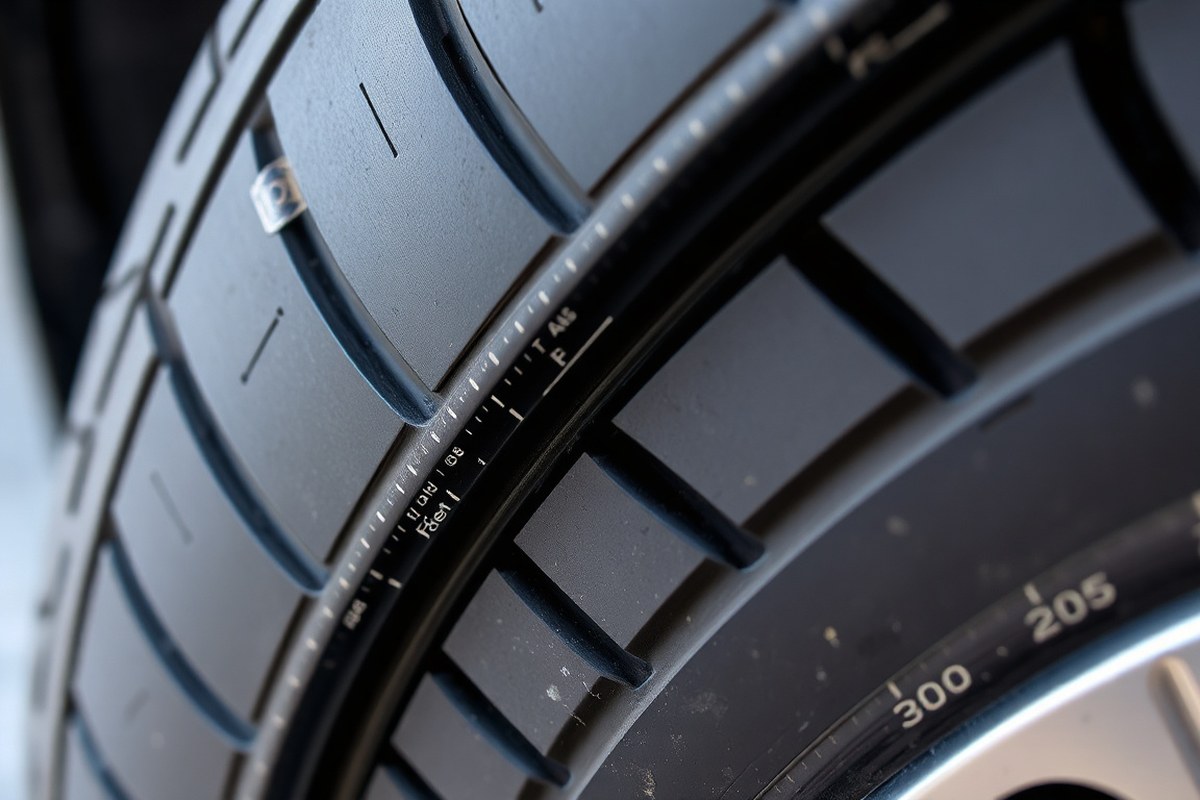
Used tires last between 15,000 and 40,000 miles. Tread depth and tire age mainly affect this. Both factors decide how long tires stay safe.
A tire with 6/32″ tread may last 15,000 to 25,000 miles. This applies under normal driving conditions. The remaining tread helps estimate mileage left.
Tires should not be used past 10 years from their manufacture date. That limit applies even if the tread looks fine. Age, not just tread, matters for safety.
Tread depth affects tire life span. Deeper tread means more rubber to wear down. Tires with less tread wear out faster.
Tires with less than 2/32″ of tread are legally unsafe and need replacing immediately. Age also matters since rubber degrades over time, regardless of mileage. Tires over 6 years old start to lose structural integrity, increasing failure risk.
| Tread Depth | Approximate Remaining Mileage | Maximum Safe Tire Age |
|---|---|---|
| 6/32″ or more | 20,000 to 40,000 miles | 10 years |
| 4/32″ | 15,000 to 25,000 miles | 8 to 10 years |
| 2/32″ | 0 miles (needs replacing) | End of safe use |
| New tire (full tread) | 40,000 to 70,000 miles (depending on tire type) | 10 years |
Tracking your tire’s manufacture date helps avoid using them beyond safe limits. Used tires over 6 years old should be replaced. Age is a safety risk even if tread looks good.
It’s best to avoid older used tires. Drivers who use less than 3,000 miles a year face tire aging first.
Tread wears out slower than the tire itself ages. Tire age matters more for low mileage drivers.
Watch both tread depth and tire age for used tires. This helps estimate how long the tire will last. Age and wear both affect tire life.
Wearing tires down to 6/32″ with good care can still offer thousands of miles. But past 6 years old, even stored tires lose durability. So age becomes the limit.
How to Determine the Age and Tread Condition of a Used Tire
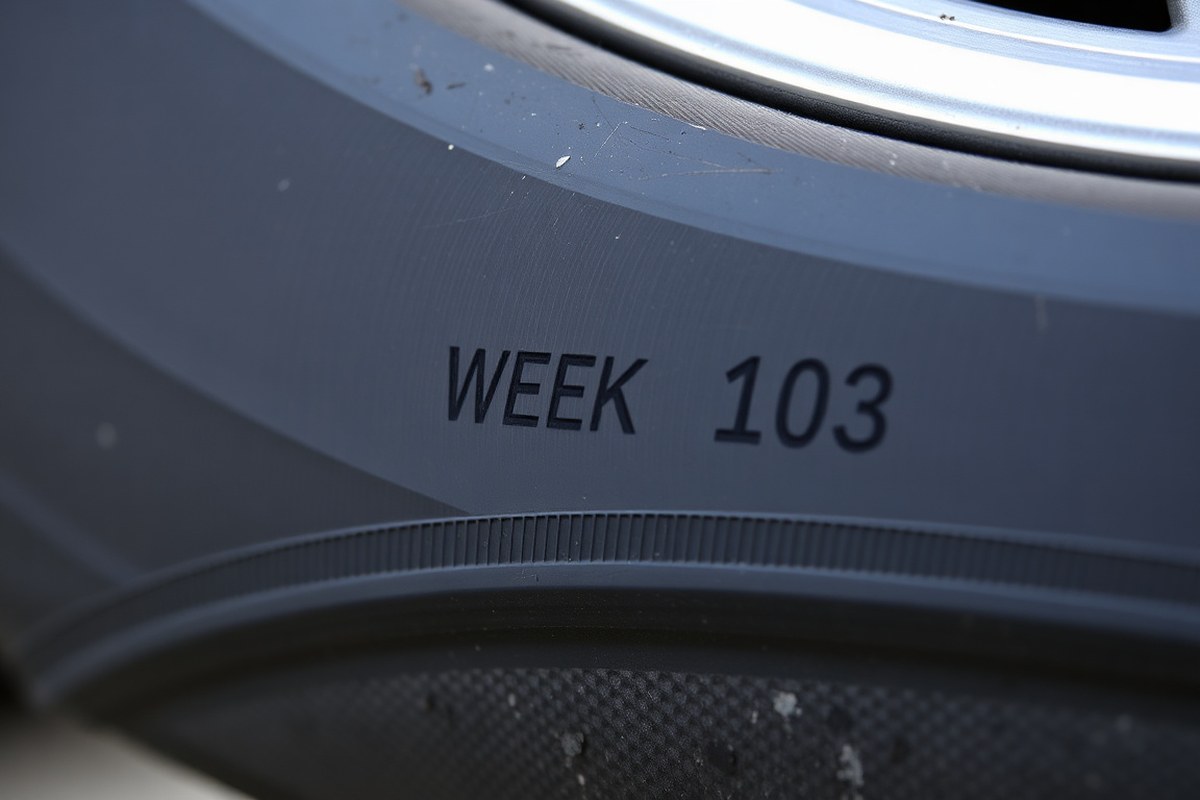
You can tell a tire’s age by reading the DOT code on its sidewall. Measuring tread depth also helps you see if it still grips the road well. Both age and tread depth matter a lot when judging a used tire’s safety.
Reading the DOT Manufacture Date Code
The DOT code is a set of letters and numbers embossed on the tire’s sidewall. It shows the week and year the tire was made, which helps you know its age. Tires older than six years risk internal damage, even if the tread looks okay.
Look for the last four digits of the DOT code. These tell you the exact manufacture date in three or four numbers. Here’s how:
- Find the full DOT code on the sidewall, usually near the rim.
- Locate the last four digits at the end of this code.
- Read the first two digits as the week of the year (01 to 52).
- Read the last two digits as the year of manufacture (e.g., 19 means 2019).
- Combine the week and year to get the full production date (e.g., 2319 means the 23rd week of 2019).
- Calculate the tire’s age by subtracting this production year from the current year.
Don’t buy tires that are over six years old, even if the tread seems deep.
Measuring Tire Tread Depth Properly
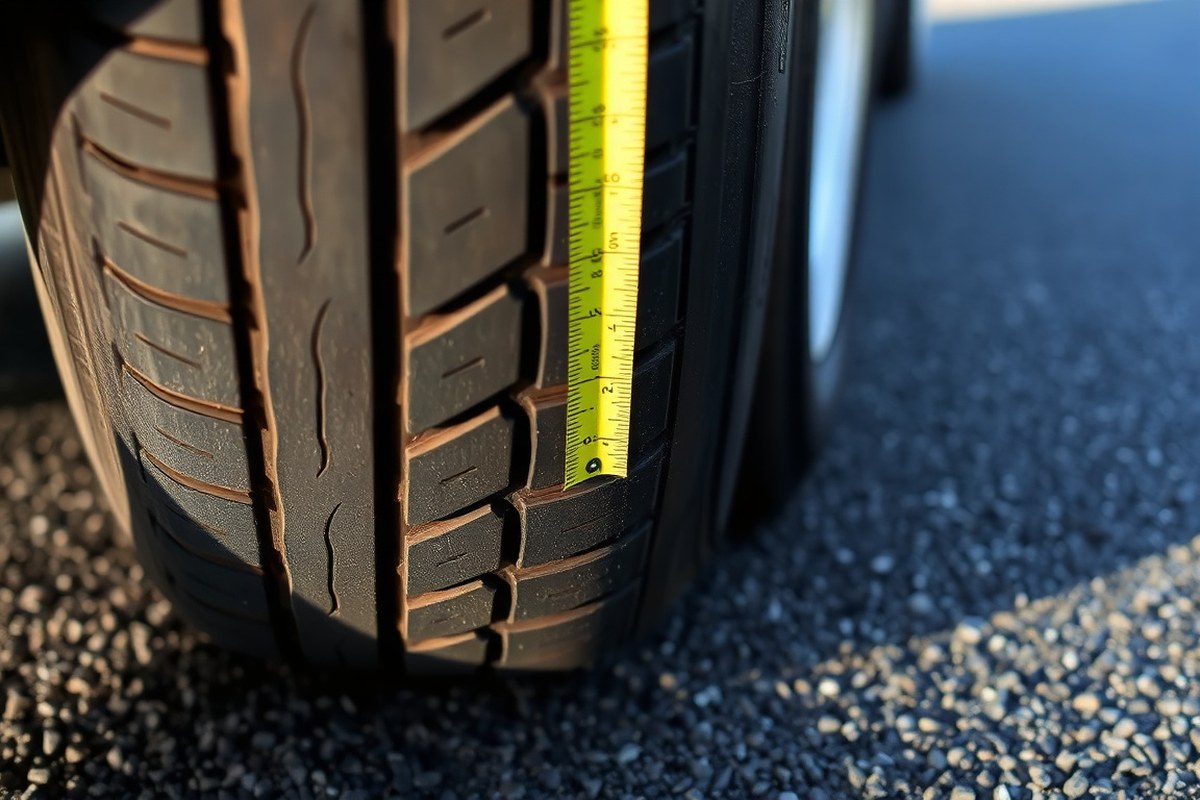
Tread depth shows how much rubber remains for traction. The legal minimum tread depth is 2/32 of an inch.
But experts recommend replacing tires at 4/32 or less for safer grip. A simple tread depth gauge helps you get exact readings.
Here’s how to measure tread depth with a gauge or a penny:
- Clean the tire tread to remove dirt and stones.
- Place the tread depth gauge’s probe into a groove perpendicular to the tread.
- Press down firmly and read the depth on the gauge scale.
- Repeat in several spots around the tire to check for uneven wear.
- Use a penny as a gauge by inserting it headfirst in the tread groove.
- When Lincoln’s head is fully visible, tread is under 2/32 inch. You should replace the tire immediately.
Measure tread depth every six months to catch wear early and keep tires safe.
Evaluating Age Versus Tread for Safety
Even deep tread doesn’t mean an old tire is safe. Rubber breaks down silently over time. The tire’s internal structure weakens after six years, raising failure risk.
Check tread depth for grip and the DOT date for age every time you inspect. Tires older than six years should be replaced, regardless of tread depth. This rule helps avoid sudden blowouts from unseen aging.
Uneven tread or cracks paired with older age means the tire definitely needs replacing. Consider both the tire’s age and tread depth before using it.
Old tires with good tread might still be unsafe. Check the manufacturing date to help decide if the tire is okay.
Key Factors That Affect Used Tire Lifespan
Tire lifespan depends on many factors you should watch closely. Age and treadwear matter a lot, but so do driving style and maintenance habits. Aggressive driving speeds up tire wear, making your tires last shorter.
Sharp turns, sudden stops, and quick starts push tires harder. These habits cause uneven tread loss that cuts mileage from 20,000 to 40,000 down to less. Smooth acceleration and steady braking help you get more miles from used tires.
Climate plays a key role too. In hot weather, tires soften and degrade faster.
Cold climates can cause cracks if tires aren’t stored right. Driving in snow, ice, or heavy rain wears tires quicker because they need more grip.
Regular maintenance extends your tire life by keeping them in good shape. Checking tire pressure monthly and adjusting it to the correct level prevents uneven wear. Realign your wheels after hitting potholes.
Rough roads damage tread. Fix this early to stop more problems.
Road hazards like gravel, potholes, and debris speed up tire damage. They can cause sidewall cuts and bulges that shorten tire use. Avoid roads with sharp stones or broken pavement.
Slow down on rough surfaces. This helps protect your tires.
Proper storage between uses matters as well. Parking your car in a dark garage keeps tires from aging too fast.
UV rays break down tire rubber if tires sit outside in the sun. Cover tires if you must park outdoors for long times.
Adjusting your driving for conditions saves your tires. Drive slower on bad roads and in bad weather to reduce wear.
Check and fix tire pressure more often in changing climates. These simple steps help maintain safety and stretch tire life in real-world conditions.
Signs That Indicate It’s Time to Replace Used Tires
Check tread depth often to spot unsafe tires. The legal limit is 2/32 inch. Use a tread depth gauge or a penny test to measure it.
Insert a penny into the tread with Lincoln’s head upside down. When the top of the tire’s head shows, the tread is too low. Replace the tire right away.
Sidewall damage is another urgent sign to replace your tires. Look for bulges or large cracks on the sidewall surface. These show weak spots that can cause dangerous blowouts.
Avoid tires that have deep sidewall cracks or visible bubbles, even if the tread looks good. Hitting a curb or pothole hard and seeing these signs means replace the tire immediately.
Uneven tire wear often signals underlying problems. It happens when tires wear more on one side or in patches. Uneven wear can reflect poor wheel alignment, incorrect tire pressure, or suspension damage.
Tires with this wear pattern perform poorly and become unsafe quickly. You might notice vibrations or pulling while driving. These symptoms mean the tires could fail or cause steering trouble.
- Tread depth at or below 2/32 inch requires replacement
- Sidewall bulges or deep cracks signal unsafe tires
- Vibration or pulling during driving indicates damage or imbalance
- Repeated air loss means internal damage and replacement is needed
- Uneven tread wear suggests alignment or inflation problems
- Tires over 6 years old should be replaced, even with good tread
Check tire pressure monthly and keep it at the door jamb’s recommended PSI. Under- or over-inflation speeds up uneven wear. After hitting potholes, examine tires for cracks or bulges.
Avoid driving if tires lose air often or vibrate at highway speed. These signs mean the tire’s safety is compromised and replacement is necessary. Finally, measure tread depth and inspect sidewalls regularly to avoid surprises.
How Proper Maintenance Extends the Life of Used Tires
Regular tire maintenance can make your used tires last longer. You need to watch pressure, rotate tires, and align wheels. These steps keep your tires wearing evenly and safely.
Checking and Maintaining Proper Tire Pressure
Checking tire pressure monthly helps your used tires last up to 20% longer. Use a reliable tire pressure gauge when tires are cool. Proper inflation prevents uneven wear and keeps tires from overheating at highway speeds.
Underinflated tires wear faster on the edges. Overinflated tires wear the center tread more. Keep pressure at the level recommended in your owner’s manual or on the tire placard.
- Find your vehicle’s recommended tire pressure on the driver’s door jam or owner’s manual.
- Use a tire pressure gauge before driving when tires are cold.
- Remove the valve cover cap and press the gauge on the valve stem.
- Read the gauge; compare to recommended PSI and adjust with an air compressor.
- Add air if pressure is low, or release air if it is too high.
- Replace the valve cap securely after checking the pressure.
- Repeat for all four tires.
Keep a portable tire gauge in your car for quick monthly checks.
Scheduling Regular Tire Rotations
Rotating your tires every 5,000 to 7,000 miles helps even out tire wear. This prevents one tire from wearing faster than others. Tire shops or DIY rotation can prolong your tires’ life span.
The common pattern swaps the front tires with the rear tires. For front-wheel drive cars, the front tires often wear faster.
So rotation balances their wear. Make a note in your calendar or mileage log to keep the schedule.
- Park your car on level ground and apply the parking brake.
- Loosen lug nuts slightly before lifting the car with a jack.
- Lift one corner and place a jack stand for safety.
- Remove the tire lug nuts and take the tire off.
- Swap tires following your vehicle’s rotation pattern (front to back or cross pattern).
- Reinstall lug nuts by hand and lower the car.
- Tighten lug nuts with a torque wrench to factory specs.
- Repeat for all four tires and reset your rotation reminder.
Don’t forget to check tire pressure after rotating; wear patterns can affect inflation needs.
Aligning Wheels to Prevent Uneven Wear
Wheel alignment adjusts the angles of your tires to factory specs. Misaligned wheels cause uneven wear and reduce tire life. You should get an alignment when installing new tires or every 2 to 3 years.
Signs you might need an alignment include uneven tread wear. Your car may also pull to one side. These are common signs of alignment issues.
A professional alignment costs about $75 to $100 and takes under an hour. It improves fuel efficiency and vehicle handling too.
- Schedule an alignment service at a trusted tire or auto shop.
- Describe any symptoms like uneven wear or pulling during your visit.
- Technicians measure toe, camber, and caster angles on all wheels.
- The shop adjusts these angles to your vehicle’s factory settings.
- Test drive the car to confirm improved handling.
- Repeat every 2 to 3 years or after suspension repairs.
Skipping wheel alignment cuts tire life in half or more; keep it on schedule.
How to Inspect Used Tires Before Buying or Installing
Start by checking the overall condition of the tire before buying or installing it. Focus on tread wear, sidewall health, and repair history. Knowing the tire’s age is critical to avoid safety risks.
Checking Tread for Uneven or Excessive Wear
Tread depth should measure at least 4/32 of an inch for safe use. Use a tread depth gauge or a penny to test it. Insert a penny into the groove with Lincoln’s head upside down.
His head is fully visible. That means the tread is too low.
Look closely for uneven wear patterns like cupping, feathering, or bald spots. These may mean past alignment or suspension problems. Avoid tires with uneven wear because they can cause poor handling and faster failure.
Here are key tread checks to do:
- Measure tread depth in multiple spots across the tire width
- Check for exposed cords or fabric inside tread
- Look for chunking or pieces missing from tread blocks
- Watch for embedded objects like nails or shards
- Assess if tread wear bars are flush with tread surface
Uneven wear or very shallow tread means the tire is unsafe. Pass only tires with even tread above 4/32 inch for general driving.
Inspecting Sidewalls for Cracks and Bulges
Sidewalls must be free of cuts, deep cracks, or bulges. Cracks usually appear on tires older than five years due to dry rot. These cracks weaken the tire structure.
Feel the sidewall for any soft spots or bubbles that bulge outward. Bulges signal internal damage to the tire’s cords or belts. Do not buy tires with any bulges or deep sidewall cracks.
Check the sidewalls for these details:
- Look closely for weather cracking or surface splits
- Press gently for soft or weak spots
- Inspect both inner and outer sidewalls
- Watch for any signs of previous patching on the sides
- Check for discoloration or dry, chalky texture
Healthy sidewalls should be firm and smooth, without damage or discoloration. Reject all tires with visible sidewall problems.
Verifying Repair History and DOT Age Limits
Check if the tire shows signs of prior repairs like plugs or patches. These repairs look like round or oval patches on the tread.
You might see plug material inside the patch. Excessive or poor repairs weaken the tire’s safety.
Check the DOT code on your tire’s sidewall to see when it was made. The final four digits tell the week and year.
For instance, “2519” means the tire was made during week 25 of 2019. Tires older than six years can develop risks from aging and should be avoided.
Hunting for these items helps decide if the tire is safe:
- Locate the full DOT code on the sidewall
- Identify any repair marks or patches on tread and sidewall
- Reject tires older than 6 years or those with multiple repairs
- Ask the seller for the tire’s service history if possible
- Compare tire age with your vehicle and climate needs
Tires 5 years or older need regular checks for cracks and replacement soon. Buying a used tire this old is a short-term choice only.
Storage and Usage Tips to Maximize Unused Tire Life
Unused tires can still age and lose quality even without being driven. Tires stored outdoors face sunlight, heat, and moisture that speed up rubber breakdown. The National Highway Traffic Safety Administration (NHTSA) says tires degrade over time.
This happens because of several factors. Oxygen exposure also plays a part.
Storing tires properly slows aging and keeps their materials stable. Aim to store tires in a cool, dry place that avoids direct sunlight and temperature swings. Stored tires can stay safe to use for up to 10 years.
This matches the lifespan of mounted tires. You must meet specific storage conditions.
- Keep tires indoors or in a shaded garage away from sunlight
- Store tires in a temperature range of 50 to 70 degrees Fahrenheit
- Place tires on wooden pallets or shelves to keep them off concrete
- Avoid heat sources like furnaces, heaters, or engines nearby
- Keep tires away from ozone-producing machines such as electric motors
- Cover tires loosely with a breathable tarp or tire bag to limit dust
- Store tires vertically if possible to prevent flat spots
Tire materials break down faster in heat above 80 degrees. Direct sun for many hours speeds this process. Keep tires cool and shaded where possible.
A tire in summer heat may lose quality months earlier than one stored in a basement. Moisture can also lead to mold or damage the rubber compounds.
Using tires often helps keep them in good shape. Flexing the rubber and spreading oils inside protects the tire. This slows down material breakdown.
Tires left unused for years risk stiffness and cracking. However, handling tires too often damages them, so limit unnecessary movement during storage.
Are Used Tires Safe to Buy and What Are the Pros and Cons?
Used tires can be safe if you check them carefully before buying. You can save 30, 65% compared to new tires, paying about $30 to $80 each.
New economy tires cost $80 to $200 or more. So used tires offer big savings.
There are risks with used tires, such as hidden damage or uneven wear. They may have shorter life left or older rubber that cracks. Always check tires for cracks and uneven tread.
Also, find out how old the tire is. Age is important for safety.
Look at the table below to see the used tires’ pros and cons. This will help you decide if they meet your needs. Following safety tips can reduce problems and ensure you get a good deal.
| Pros | Cons |
|---|---|
| Save 30-65% on tire cost | Potential hidden damage |
| Good environmental choice, reduces waste | Shorter tread life compared to new |
| May have decent tread depth left | Older rubber can crack or fail |
| Fast purchase if on hand locally | Limited warranty or no warranty |
| Useful for temporary or emergency use | Less value over long-term use |
To cut risks, buy from a reputable seller who inspects tires thoroughly. Ask for proof of tire age with the DOT code on the sidewall. Avoid tires with cracks, bubbles, or uneven wear.
To extend the life of your used tires, rotate them every 5,000 to 8,000 miles. Keep an eye on air pressure regularly to prevent uneven wear or sudden issues. Doing these things helps keep you safe and your tires lasting longer.
Never buy a used tire unless you see a clear DOT date and good tread depth.
Driving Habits That Reduce Used Tire Wear and Improve Safety
Hard braking and rapid acceleration wear used tires much faster. They can reduce tread life by 30% to 50%. This happens because quick stops and starts stress the tread rubber and cause uneven wear.
Highway driving usually causes less tire wear than city driving. Highway speeds are steadier and involve fewer stops, so tires wear down more evenly. In contrast, city driving means frequent braking, accelerating, and turning, which increases tire wear.
Adjusting how you drive helps your tires last longer and stay safer. Smooth, steady acceleration and gentle braking reduce tread wear. Avoid hard cornering or stopping suddenly to keep tires healthier over time.
- Avoid rapid acceleration and hard braking.
- Coast to a stop instead of slamming brakes.
- Drive at steady speeds, especially on highways.
- Slow down before turns to prevent hard cornering.
- Keep your tires properly inflated for even wear.
- Plan trips to reduce stop-and-go traffic driving.
Slow down before turns and accelerate smoothly afterward. This reduces tire rubbing and tread damage on sharp edges. When stopping in traffic, stop gradually to avoid skidding and chunks breaking off tread.
Try to keep your speed steady on main roads and highways. Frequent quick acceleration and braking add up and wear tread faster. You won’t add travel time by slowing your start or stop by a few seconds.
Step-by-Step Action Plan for Using and Maintaining Used Tires
Follow this simple plan to get safe, lasting use from your used tires. Each step helps you check or improve their condition.
- Before buying: Inspect the tire’s age and tread depth. Choose tires less than 5 years old with at least 6/32 inch tread left.
- Day 1 after purchase: Check for sidewall cracks, bulges, or uneven wear. Don’t install tires with visible damage.
- Week 1 of use: Inflate tires to the recommended pressure. Proper pressure reduces wear and improves safety.
- Month 1: Rotate tires every 5,000 miles. This balances wear and extends tire life.
- Every trip: Look for unusual vibrations or pulling. These signs mean a tire check is needed immediately.
- Every 3 months: Clean tires and check tread depth. Use a tread gauge or penny test for accuracy.
- Seasonal storage: Store unused tires in a cool, dry spot away from sunlight and heat. It keeps the rubber from degrading.
- Before long trips: Inspect tires and adjust tire pressure. Safe tires perform better on highways and avoid blowouts.
Frequently Asked Questions
How Long Does a Used Tire Typically Last Under Normal Driving?
A used tire with 6/32″ tread left can last 15,000 to 25,000 miles. Proper driving habits and maintenance help reach this range safely.
How Do I Know the Age and Tread Condition of a Used Tire?
Check the DOT code to find the manufacture date on the tire sidewall. Measure tread depth with a gauge to ensure it is 6/32″ or more.
What Factors Mainly Affect the Lifespan of a Used Tire?
Tire age, tread depth, driving style, and maintenance are the key factors. Heat and road conditions also speed up wear and tire aging.
When Should I Replace Used Tires Even If Tread Looks Okay?
Replace if tires are over 6 years old or show cracks or bulges. Old rubber loses strength, increasing the risk of tire failure.
How Can I Extend the Life of Used Tires I Buy?
Keep tires properly inflated, rotate regularly, and check alignment. Store them in a cool, dry place off the ground.
Final Thoughts
Used tires can last years with proper care and checks. Start by inspecting your tires closely before using them. Keep a regular maintenance routine to stay safe and save money.