How Long Does Car Brake Last: A Complete Guide to Brake Lifespan & Care
Wondering how long does car brake last? Most brake pads last about 25,000 to 65,000 miles. Brake rotors usually stay good for 30,000 to 70,000 miles.
Calipers usually last between 75,000 and 100,000 miles. This assumes you keep the car well maintained. Proper care helps them perform longer.
How long your brakes last depends on your driving habits. Road conditions also affect brake life. These factors change brake wear a lot.
Hard stops and stop-and-go traffic wear brakes faster than highway driving with light braking. Check your brake pads regularly to catch early signs of wear before damage spreads to rotors.
Choosing the right brake pad material also affects lifespan. Ceramic pads often last longer and feel quieter than semi-metallic ones but can cost more. Watch for noise or vibration when braking.
Longer stopping distances are also warning signs. These mean it might be time for new brakes.
Key Takeaways
- Brake pads usually last 25,000 to 65,000 miles depending on use and material.
- Brake rotors typically last 30,000 to 70,000 miles before needing replacement.
- Calipers can last 75,000 to 100,000 miles if you maintain your brakes well.
- Driving habits like hard braking significantly reduce brake pad and rotor life.
- Ceramic brake pads tend to last longer and are quieter than semi-metallic pads.
- Inspect brake pads visually every 10,000 miles for thinning or uneven wear.
How Long Do Car Brake Pads, Rotors, and Calipers Last?
Brake pads usually last between 30,000 and 70,000 miles. Most new pads tend to give you around 50,000 miles before needing replacement.
Ceramic and metallic pads often last at least 30,000 miles. But quality and driving style can push that number higher.
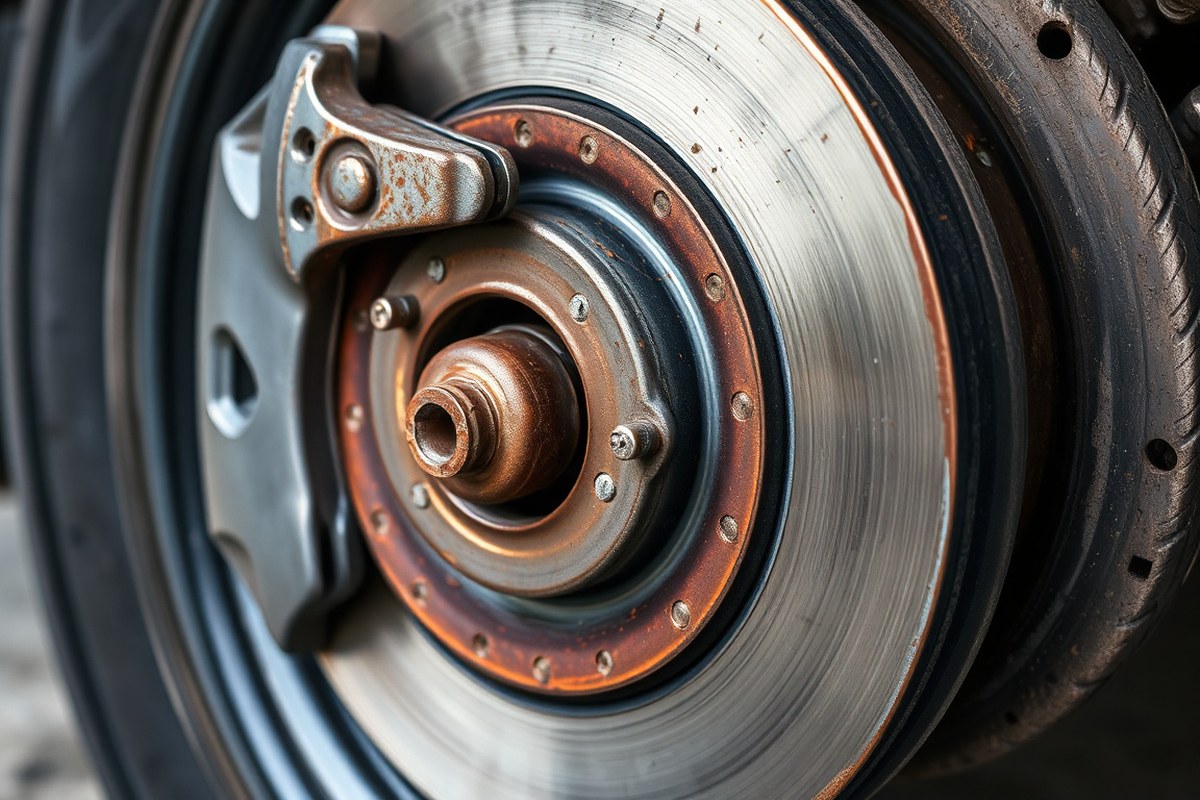
Brake rotors generally outlast brake pads, lasting from 50,000 to 70,000 miles. They wear more slowly because the pads press against them. So rotors can last almost twice as long as pads.
Rotors wear faster when you drive harshly. Worn brake pads also speed up rotor wear. Check pads often to avoid rotor damage.
Calipers don’t wear out as quickly as pads or rotors. They typically last between 75,000 and 100,000 miles if maintained well.
Calipers act as clamps. They mostly only fail due to corrosion, leaks, or sticking, not normal friction wear.
Replacing brake pads usually costs $100 to $300 per axle. Rotor replacement is more expensive, often between $200 and $400 per axle.
Changing calipers is rarer but can cost $300 to $700 each. Waiting too long to replace worn parts can cause damage and boost repair bills.
Cars with regenerative braking, like many EVs, get longer pad life. The motor slows the car, reducing brake wear. This helps rotors last longer too.
In contrast, hard braking or city stop-and-go traffic significantly shortens the lifespan of these parts. Proper maintenance and timely replacement keep your brakes working safely and efficiently.
How Driving Habits and Conditions Affect Brake Lifespan

Hard braking puts intense pressure on brake pads and rotors, making them wear out faster. Every time you slam the brakes, the pads heat up and get thinner. Heat builds up in your brakes and causes brake fade.
Brake fade lowers your stopping power. This also leads to quicker brake part replacement.
City driving wears brakes two to three times faster than highway driving. Frequent stops and starts force constant use of your brakes. Highway driving offers longer brake life because you brake less and usually at lower pressure.
Towing or hauling heavy loads makes brake parts work extra hard. The added weight requires more force to slow down the vehicle. That extra strain heats brakes more and wears pads and rotors unevenly, cutting their lifespan.
Wet and snowy weather also influences brake wear. Moisture can cause rust on rotors, leading to uneven wear and noise. Snow and slush add grit to your brakes.
Grit grinds down brake surfaces faster. Regular brake inspections are important in colder months.
Ease off the accelerator early to brake less hard. This reduces brake wear. You can extend your brake life this way.
What Types of Brake Pads Are There and How Long Do They Last?
Brake pads come mainly in three types: ceramic, semi-metallic, and organic. Each lasts different lengths of time and costs varying amounts. Ceramic pads usually last the longest but cost more up front.
Ceramic Pads, Lifespan and Benefits
Ceramic pads offer strong stopping power and last longer than other pads. They contain ceramic fibers and filler materials, which helps them resist heat well. These pads usually have a lifespan beyond 50,000 miles on small sedans.
The higher price for ceramic pads means you pay more initially. But their longer life and better performance often make up for this. They also produce less brake dust and noise compared to semi-metallic pads.
Semi-Metallic Pads, Durability and Cost
Semi-metallic pads are the most common type on vehicles today. They contain 30% to 70% metal, like steel or copper, mixed with other materials. That metal mix makes these pads tough and durable for longer wear.
These pads usually last 40,000 to 60,000 miles on average sedans’ front brakes. They cost less than ceramic pads but more than organic ones. Semi-metallic pads can be noisier and wear down rotors faster than ceramics.
Organic Pads, Suitability and Limitations
Organic pads use composite materials without metal, such as rubber, carbon, and resins. They tend to be quieter and softer on rotors than semi-metallic pads. However, organic pads wear out faster, often around 30,000 to 40,000 miles.
They cost the least up front but need replacing sooner. Organic options suit drivers who do more city or light driving with less heavy braking. These pads might not handle heat well.
They wear faster on hills. Highway driving also causes quicker wear.
Here’s a quick table comparing the main brake pad types by lifespan, cost, and wear traits. These numbers are for small cars like Civics or Corollas.
Driving style changes the results. Vehicle model also affects wear.
| Pad Type | Typical Lifespan (miles) | Cost (per axle, approx.) | Noise Level | Rotor Wear |
|---|---|---|---|---|
| Ceramic | 50,000, 70,000+ | $100, $150 | Low | Low |
| Semi-Metallic | 40,000, 60,000 | $70, $120 | Medium to High | Medium to High |
| Organic | 30,000, 40,000 | $50, $90 | Low | Low |
This table shows clear trade-offs between price, longevity, noise, and rotor wear. Ceramic pads cost more but last longest and run quieter.
Semi-metallic pads strike a balance between cost and durability. Organic pads save money at first but usually wear out quickest.
How to Visually Inspect Brake Pads and Rotors Yourself
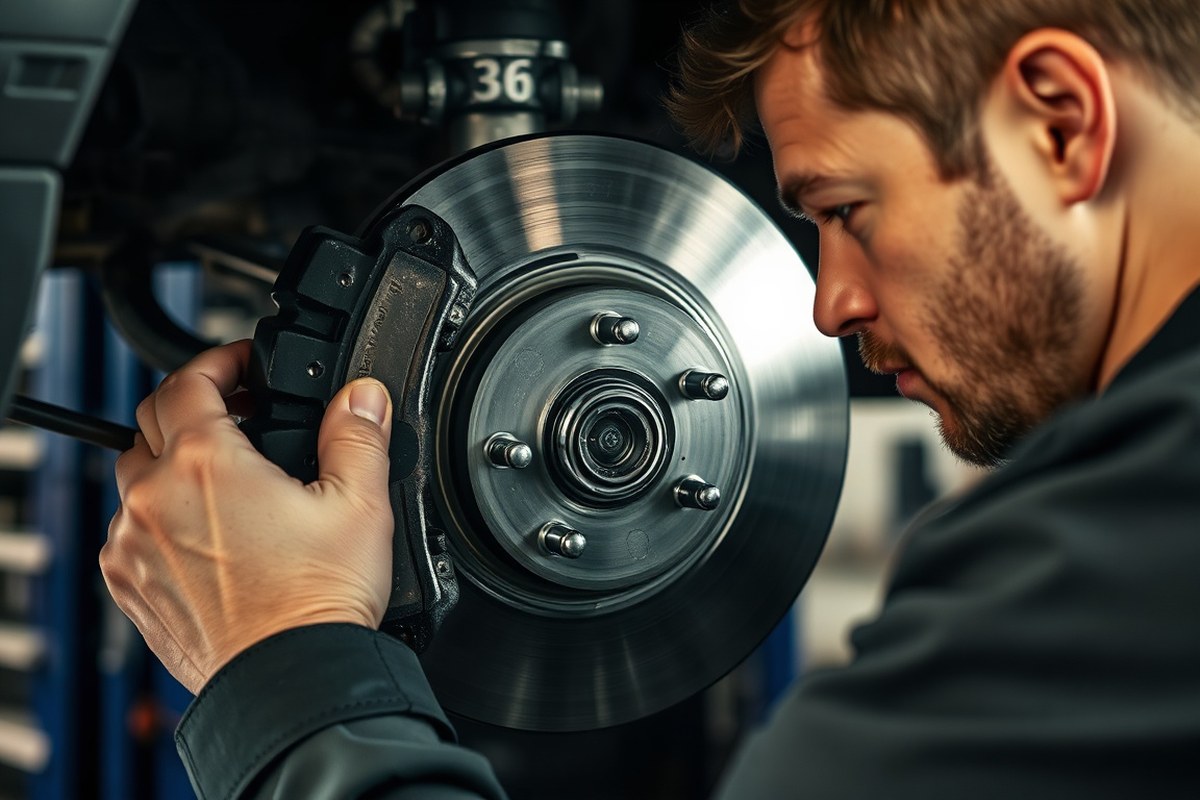
You can check your brake pads and rotors yourself. First, safely remove a wheel. Then inspect the pad thickness and look for rotor damage.
Doing this regularly helps catch wear early and avoids costly repairs. Here’s how to do it step-by-step.
Step 1: Prepare Safety Equipment and Lift Car
Start with a flat, stable surface to park your car. Use wheel chocks behind the wheels that will stay on the ground, to prevent rolling.
Use a proper jack and jack stands rated for your vehicle’s weight. Never rely on the jack alone for support when the car is lifted. Wear gloves and eye protection for safety during the inspection.
Step 2: Remove Wheel and Locate Brake Components
Loosen the lug nuts slightly before lifting the car. Once the wheel is off, you’ll see the brake rotor and caliper around it.
The brake pads sit inside the caliper, gripping the rotor. Make sure you know which part is the rotor.
It looks like a flat disc. The pads are thin plates on each side of it.
Step 3: Measure Pad Thickness and Check Rotor Surface
Use a ruler or caliper to measure the brake pad thickness visible through the caliper. Pads under 3 millimeters thick need replacement. Healthy pads typically measure 8 millimeters or more.
Look at the rotor surface for grooves, scoring, or cracking. A smooth surface means the rotor is fine. Deep grooves or cracks require rotor replacement or resurfacing.
Step 4: Look for Uneven Wear or Brake Dust
Check if the brake pad wears evenly on both sides. Uneven wear suggests a sticking caliper or other brake issue. Also, see if there’s thick black brake dust buildup, which points to aggressive wear.
Spin the rotor by hand to feel for rough spots or warping. Pulsations felt when braking may signal a warped rotor that needs repair or replacement.
Step 5: Reinstall Wheel and Record Findings
Put the wheel back on after inspection. Tighten the lug nuts in a star pattern.
Use the manufacturer’s torque specs for tightness. Lower the car carefully onto the ground.
Note your inspection results, including pad thickness and any rotor problems. Use this record to decide when to replace parts and for reference at your next check.
- Park on level ground and apply the parking brake.
- Chock wheels that remain on the ground.
- Slightly loosen lug nuts before jacking up the car.
- Use a jack to lift the car at recommended points.
- Secure the car with jack stands for safety.
- Remove loosened lug nuts and take off the wheel.
- Locate brake rotor and caliper; identify brake pads inside.
- Measure pad thickness and examine rotor surface and edges.
- Check for uneven wear, brake dust, and rotor warping.
- Reinstall wheel and torque lug nuts to spec.
- Lower car and store notes about brake condition.
Common Signs That Your Brakes Need Replacing Now
Your brakes make a screeching noise when the pads wear out. This noise comes from a thin metal strip built into the pads. It starts to rub the brake discs and makes that sharp sound.
A grinding or scraping noise means the brake pads are very worn. The metal backing plates are touching the steel rotors directly. This can damage the rotors and raise repair costs significantly.
Feeling your car shake or vibrate during braking signals an issue with the rotors. Warped or uneven rotors cause shaking. You may notice this especially when braking hard or from higher speeds.
- Squealing or screeching noise when applying brakes
- Grinding or scraping sound from the wheels
- Car shaking or vibrating as you brake
- Vehicle pulling to one side while braking
- Brakes taking longer to slow or stop the car
- Brake warning light illuminates on the dashboard
The brake warning light comes on if your car detects a problem. This might be low brake fluid, worn pads, or faulty sensors. It’s a sign to check your brakes soon and avoid driving long distances with issues.
Reduced braking power means your stopping distance is longer. This happens when pads are too thin or the rotors are damaged. It’s unsafe and could lead to accidents if ignored.
Don’t ignore warning noises or warning lights. Check or replace brakes quickly to avoid costly rotor damage and unsafe driving.
How Often Should Brake Fluid and Other Components Be Serviced?
Brake fluid should be replaced every 2 to 3 years to keep your brakes working well. This fluid absorbs moisture over time, which can cause corrosion and reduce braking power. Changing the brake fluid regularly stops damage to other parts like the master cylinder and calipers.
Along with fluid, it’s important to check the brake lines and calipers for leaks or damage. Brake lines can crack or rust, leading to dangerous fluid loss. Checking them during routine maintenance helps catch problems early before they cause a failure.
Calipers need attention too because their pistons can get stuck or worn out. Sticking pistons can cause uneven pad wear and reduce braking efficiency. Regular inspection and cleaning help calipers last longer and prevent costly replacements.
Brake fluid condition directly affects how long your brakes last. Dirty or old fluid increases wear on seals and pistons.
It also lowers the fluid’s boiling point, leading to brake fade during heavy use. Making fluid changes part of your maintenance schedule supports better brake performance and safety.
Replacing brake fluid usually needs a mechanic. It costs about $70 to $120. The exact price depends on your vehicle.
Doing it yourself means flushing out old fluid. Then refill with the right type.
Check your owner’s manual for the spec. Taking care early saves you from repairing expensive parts like the master cylinder or caliper later.
Vehicles driven in tough conditions or towing heavy loads may need fluid changes more often. In those cases, checking fluid quality at every oil change is wise. Some trucks have front pads that wear fast.
These need more brake system checks. Regular inspections help keep everything safe.
When and Why Should You Replace Brake Rotors Alongside Pads?
You can replace brake pads without changing rotors if the rotors are still in good shape. Rotors are okay when they are not warped, too thin, or deeply scored.
Notice uneven brake wear, vibration, or noise? The rotors may need attention.
Check for warped rotors by pressing the brake pedal. Feel for pulsing or shaking when you stop the car. Warping usually happens from overheating or rough driving conditions.
Measuring rotor thickness requires a micrometer. Compare the reading to your vehicle’s minimum thickness spec. Rotors below this thickness limit should be replaced to prevent brake failure.
Replacing rotors along with pads gives better stop power and smoother braking. New rotors provide a flat, even surface that matches the fresh pad material. This helps pads wear evenly and extends their life while preventing noise and vibration.
On the flip side, rotor replacement costs about $30 to $75 per rotor plus labor. This can nearly double the brake service bill, depending on your car.
Rotors that meet thickness specs and have no damage can stay. Just replacing the pads is enough.
Old rotors can develop grooves and uneven spots from worn pads. New pads won’t fix this damage. Keeping them causes brake problems.
This can cause braking to feel rough or shaky over time. It’s better to replace the rotors if you’ve waited too long between brake jobs.
When replacing rotors yourself or at a shop, remove the wheel and caliper carefully. Then take off the old rotor, which may need some gentle tapping if rusted in place.
Clean the hub where the rotor fits. This helps the new rotor seat well and stops vibrations.
After installing the new rotor and pads, test drive slowly to make sure brakes feel smooth. A grinding or pulsing brake indicates rotor problems or caliper issues that might need more work. Proper rotor replacement improves your braking safety and comfort right away.
How Vehicle Type Influences Brake Wear and Replacement Frequency
Brake wear depends a lot on vehicle type. Heavier vehicles like SUVs and trucks tend to wear brakes faster than sedans. Electric vehicles (EVs) usually get longer brake life because of regenerative braking.
Brake Lifespan Estimates for Sedans
Sedans typically see brake pads last near 50,000 miles under average driving. Front brakes wear faster than rear ones since they take most of the stopping load.
Many sedans have disc brakes on the front. They use disc or drum brakes on the rear.
Brake pads tend to wear out sooner in aggressive drivers or those carrying heavy loads. Organic brake pads don’t last as long as others. Ceramic and metallic pads cost more.
They resist heat better. Checking brake pads at every service helps catch wear early.
Brake Lifespan for SUVs and Trucks
SUV and truck brakes wear quicker due to their weight and towing duties. Midsize SUVs like the CR-V have front brakes lasting from 35,000 to 55,000 miles. Rear brakes in these vehicles often last longer, up to 65,000 miles.
Full-size SUVs like the Tahoe need brake replacement more often. Front pads last 30,000 to 50,000 miles.
Heavier trucks also require metallic brake pads to handle the strain. Drum brakes commonly appear on rear wheels of older and some modern vehicles.
| Vehicle Type | Front Brake Pad Life (miles) | Rear Brake Pad Life (miles) |
|---|---|---|
| Midsize SUVs (CR-V, RAV4) | 35,000, 55,000 | 40,000, 65,000 |
| Full-size SUVs (Tahoe, Explorer) | 30,000, 50,000 | 35,000, 55,000 |
| Light Trucks | Varies, generally less than sedans | Varies, often drum brakes rear |
| Sedans | About 50,000 | Typically longer than front |
Front brake pad replacement costs about $150 to $300. The price depends on your vehicle size and parts.
Using metallic brake pads on heavy trucks helps prevent fast wear and overheating.
Brake Longevity in Electric Vehicles
Electric vehicles greatly extend brake pad life by using regenerative braking. This system reclaims energy by slowing the car with the motor instead of pads.
Electric vehicle brake pads last longer than gas cars. They can last two to three times as long.
Even with regeneration, front brakes still usually wear faster than rear brakes. This is true because they handle more braking force under normal driving. Still, EV owners often experience brake replacements closer to 100,000 miles.
Keep in mind that driving style and terrain affect EV brake wear too. Smooth deceleration maximizes regenerative braking benefit and reduces pad wear.
Tips to Maximize Brake Life and When to See a Professional
Driving smoothly helps your brakes last longer. Avoid sudden stops and heavy braking, which wear down brake pads quickly. Slow down early instead of slamming the brakes near stops or traffic lights.
Keep your brake system clean and check the brake fluid regularly. Dirt and rust buildup can cause uneven wear on pads and rotors. Change brake fluid every two years or follow your owner’s manual.
Old fluid can damage the brake system. Regular fluid changes keep brakes working well.
Schedule regular brake inspections with a mechanic to find issues early. A trained technician can spot worn pads, damaged rotors, or caliper problems before they become dangerous. Most shops check brakes during oil changes or tire rotations.
These usually cost between $50 and $100. It’s a good way to catch brake issues early.
- Ease off the brakes smoothly instead of sudden stops
- Flush brake fluid every two years or by manufacturer advice
- Have brakes inspected at least once a year by a professional
- Replace worn pads before metal contacts rotors to avoid higher costs
- Clean brake parts if you drive in salty or muddy areas
- Listen for squeaking or grinding sounds and get them checked
Ignoring early brake issues risks costly rotor or caliper damage. Worn pads leave your brakes less effective and can increase stopping distances. Notice vibrations or noises when you brake?
Get your brakes checked right away. This stops bigger problems and keeps you safe.
Professional brake inspections take about 30 minutes and confirm your system’s condition. They measure pad thickness and check rotor smoothness. Routine checks can double your brake life compared to rough driving and skipped maintenance.
Step-by-Step Brake Care Action Plan
Follow this simple plan to keep your brakes in good shape. Check your progress at each step to catch problems early.
- Before your next drive: Look at your brake pads through the wheel spokes. If less than 1/4 inch thick, plan a replacement soon.
- After 1,000 miles: Listen for any unusual squeaks or grinding sounds when braking. Noise means a pad or rotor issue.
- Every 6 months: Get your brake fluid checked and topped off if needed. Clear fluid helps brakes respond well.
- Every 12,000 miles: Have a mechanic inspect rotors and calipers for warping or sticking. This prevents uneven wear or failure.
- When you notice vibration: Arrange a brake rotor check. Vibration often means warped rotors needing resurfacing or replacement.
- Before long trips: Replace brake pads if worn below 3 millimeters. This ensures full stopping power on the road.
- After any brake repairs: Test brake pedal feel during a slow drive. Firm, steady response means the job was done right.
Frequently Asked Questions
How Often Do All Brake Components Need a Full Inspection?
You should have a full brake inspection every 12,000 miles or once a year. Regular checks catch early wear and prevent costly repairs later.
Can Brake Pads Wear Unevenly, and What Causes It?
Yes, uneven brake pad wear can happen due to misaligned calipers or sticking pistons. This reduces braking efficiency and makes your car pull to one side.
Does Weather Impact How Long Car Brakes Last?
Yes, wet or salty conditions speed up brake corrosion and wear. You might need to replace parts sooner if you live in such climates.
Are Aftermarket Brake Pads as Durable as Original Ones?
Some aftermarket pads match OEM durability, but quality varies widely. Stick to brands with good reviews and warranty for longer life.
Is It Okay to Replace Only Rear Brake Pads and Not Front Ones?
You can replace rear pads alone if only they are worn. However, always check front pads too since they usually wear faster.
Final Thoughts
Brakes wear out differently based on use and care. Check pads and fluid regularly to stay safe. Start with a quick visual check today and plan your next service.