Do Teslas Have Engines? Complete Guide to Tesla Motors and Powertrain
Do Teslas have engines? No, they don’t use traditional gasoline engines.
Instead, they run on electric motors powered by high-voltage batteries. These motors convert electricity directly into motion without burning fuel or producing exhaust.
This setup saves space and lowers maintenance costs. Teslas are quieter and smoother to drive thanks to their electric motors. They also deliver instant power, so acceleration feels fast and responsive.
Electric motors waste less energy than gas engines, giving you more miles per charge. The battery range lasts longer on trips, making Teslas practical for daily use. Charging speed and your driving habits affect how far you can go each day.
Unlike conventional engines, Tesla’s motors have fewer moving parts and need no oil changes. This means less wear and tear and fewer garage visits. Over time, electric motors can offer better reliability compared to gas engines.
Key Takeaways
- Teslas use electric motors, not traditional internal combustion engines.
- Electric motors convert over 90% of electricity into driving power.
- High-voltage batteries in Teslas provide ranges up to 400 miles per charge.
- Torque from electric motors delivers fast acceleration and smooth starts.
- Charging speeds vary, with fast chargers restoring 10, 80% in about 30 minutes.
- Electric motors have fewer moving parts, reducing maintenance needs.
Do Teslas Have Traditional Engines?
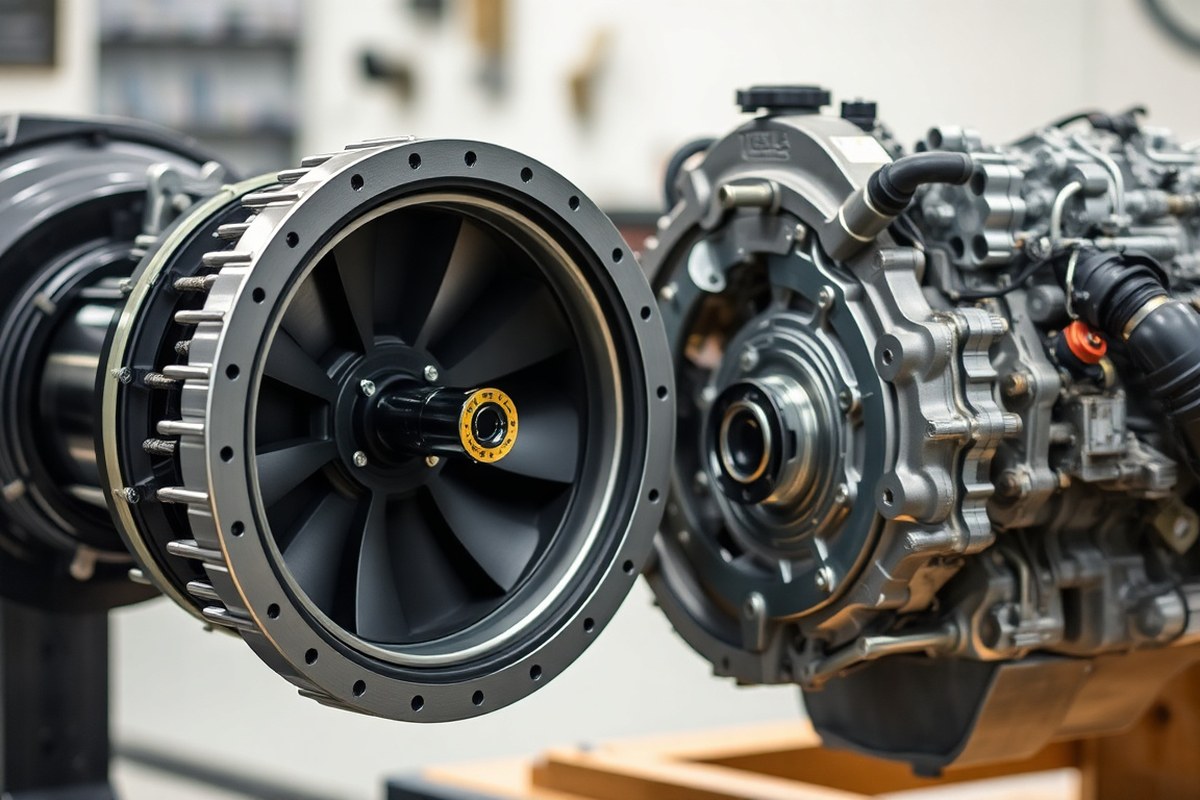
Teslas do not have traditional internal combustion engines. They use electric motors powered by big battery packs. These motors replace engines with pistons and fuel combustion.
This setup makes Tesla cars simpler inside. This change eliminates exhaust systems, engine oil, and spark plugs.
Electric motors in Teslas generate motion by turning electrical energy into mechanical power. This setup is simpler and has far fewer parts than traditional engines. Tesla’s design frees up the front of the car.
No bulky engine takes up space at the front. This creates more room for storage or crumple zones.
Using electric motors means Teslas avoid the heat loss and friction common in combustion engines. Gas engines lose over 60% of their energy as heat. Tesla’s electric motors convert more than 90% of electrical energy.
That power moves the wheels efficiently. This difference improves efficiency and reduces emissions, helping the environment.
Instead of shifting gears with a transmission, Tesla’s drivetrain smoothly manages the motor’s power delivery. It adapts wheel speed and vehicle response precisely based on your input. This design gives Teslas quick acceleration and smooth rides without the complexity of traditional engines.
How Tesla’s Electric Motors Work Compared to Gas Engines
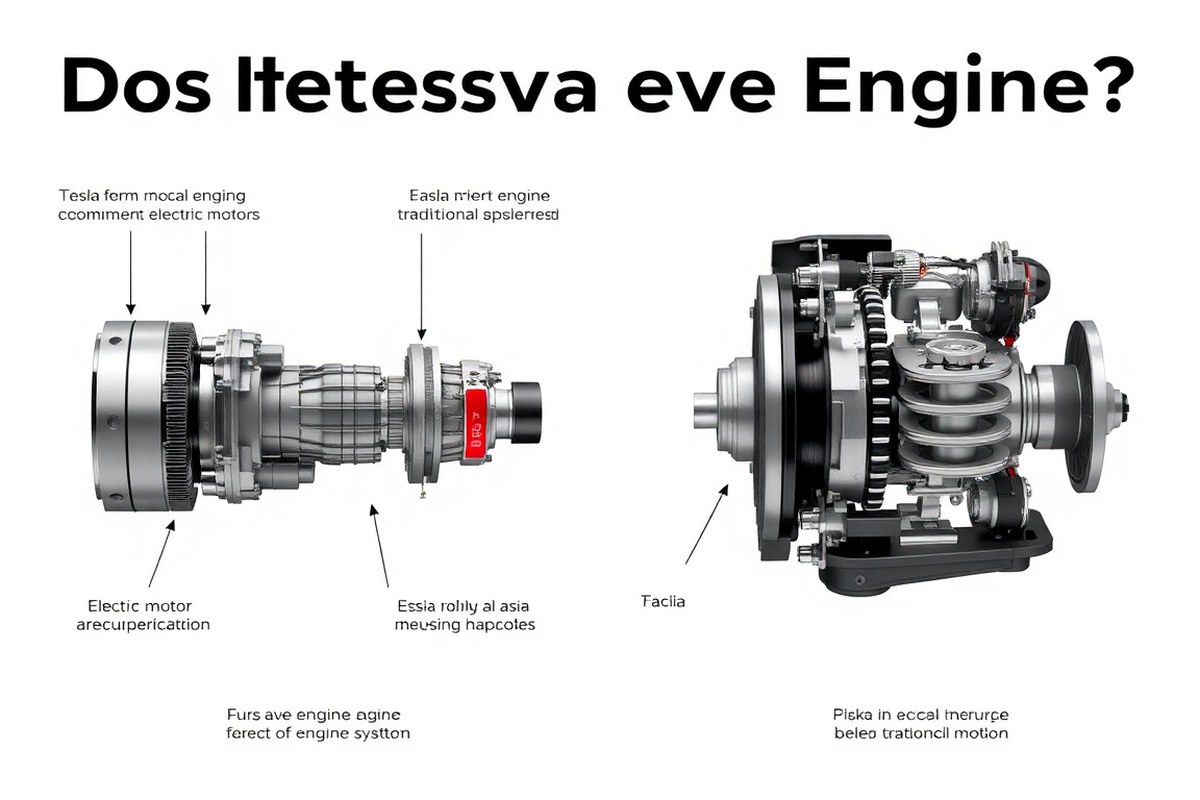
Tesla uses electric motors instead of traditional engines to power its cars. These motors convert electricity directly into motion with fewer moving parts. This difference leads to higher efficiency and simpler maintenance compared to gas engines.
Components of Tesla Electric Motors
Tesla electric motors mainly consist of a rotor on a shaft. They do not have pistons, valves, or a crankshaft like gas engines do. This design lowers moving parts to about 17.
Regular engines have close to 200 parts. This makes the engine simpler and more reliable.
The fewer moving parts reduce wear and tear and help increase the motor’s reliability. No need for oil changes or spark plugs means less routine service than gasoline engines require.
| What it does | Gasoline engine | Tesla electric motor |
|---|---|---|
| Moving parts | Pistons, crankshaft, camshaft, valves | It uses a single rotor fixed on a shaft. There are no pistons or valves inside the engine. This design is different from traditional engines. |
| Energy to wheels | About 12% to 30% of energy in gasoline | Over 77% of electricity drawn from grid |
| Routine service | Oil & filter changes, spark plugs | No engine oil or spark plugs |
| Torque at low speed | Builds as engine rpm rises | Full torque from standstill |
| Fuel | Gasoline or diesel | Electricity from battery |
This table shows how Tesla’s motor design contrasts with traditional engines. The electric motor uses electricity in a cleaner, more direct way. It also avoids much of the complexity found in combustion engine parts.
Efficiency and Energy Conversion Rates
Tesla’s electric motors convert about 85% to 90% of electrical energy into motion. Gasoline engines typically convert only about 20% to 35% of fuel energy into usable power. This big gap means Teslas waste far less energy during driving.
The high efficiency comes from fewer friction losses and no fuel combustion required. Electric motors also have a more straightforward energy flow, turning battery power directly into wheel movement.
Less heat loss means Teslas use energy more efficiently. They can drive farther with the same energy than gas cars.
This improves overall range on one charge or tank. This efficiency improves both cost savings and environmental impact.
Torque and Performance Differences
Electric motors generate maximum torque right from zero speed. This gives Tesla cars quick acceleration without waiting for engine revs to climb. Gas engines build torque as the rpm increases, causing some delay in power delivery.
Instant torque means Teslas often feel faster and more responsive. It also simplifies transmission design since there’s no need for multiple gears to manage shifting power.
The electric motor’s smooth torque delivery supports better control in various driving conditions. This can improve driving comfort and safety during starts and stops.
Tip: Let the motor rest during hard acceleration or heavy towing. This helps avoid overheating your electric motor. It keeps performance and efficiency steady over time.
Tesla Model Motor Configurations Explained
Tesla models differ in motor count and location depending on performance needs. Some have a single motor powering the rear wheels. Others use two or even three motors for all-wheel drive and higher power.
Single Motor Rear-Wheel Drive Models
Single motor Teslas have one electric motor at the rear axle. This setup drives the rear wheels only. It’s common in base versions like Model 3 Standard Range Plus and Model Y Rear-Wheel Drive.
Rear-wheel drive motors use permanent magnet synchronous reluctance technology, which saves energy and improves range. These models balance efficiency and lower cost for everyday driving.
Dual Motor All-Wheel Drive Models
Dual motor Teslas add a second motor on the front axle. This creates all-wheel drive with power to all wheels. Models like Model 3 Long Range use this setup.
Model S dual motor and Model Y Long Range do too. They share the same motor design.
Dual motors combine permanent magnet motors in the rear with AC induction motors in the front. This mix boosts traction and performance, especially on wet or slippery roads. The extra front motor improves acceleration and handling, making these versions faster than single motor models.
Tri Motor High-Performance Variants
Tri motor Teslas improve performance significantly. They have one motor on the front axle.
Two motors power the rear axle. This design is in the Model S Plaid, Model X Plaid, and the upcoming second-generation Roadster.
This setup maximizes power, all-wheel traction, and acceleration. This setup helps cars reach 0 to 60 mph in under two seconds.
Some models can make over 1,000 hp. It really boosts speed and power.
Here’s a quick look at Tesla motor setups and drivetrain types across different models:
| Tesla Model | Motors | Drivetrain |
|---|---|---|
| Roadster (Original) | 1 (Rear) | Single Motor Rear-Wheel Drive |
| Roadster (Second Gen) | 3 (One Front, Two Rear) | Tri Motor All-Wheel Drive |
| Model S | 2 (One Front, One Rear) | Dual Motor All-Wheel Drive |
| Model S Plaid | 3 (One Front, Two Rear) | Tri Motor All-Wheel Drive |
| Model 3 SR+ | 1 (Rear) | Single Motor Rear-Wheel Drive |
| Model 3 Long Range & Performance | 2 (One Front, One Rear) | Dual Motor All-Wheel Drive |
| Model X | 2 (One Front, One Rear) | Dual Motor All-Wheel Drive |
Choosing a Tesla motor setup changes traction, acceleration, and cost. Single motor models give good range and efficiency at lower price.
Dual motor versions add safety and power for varying conditions. Tri motor variants focus on top-tier speed and performance but cost more.
Understanding Tesla’s Drivetrain and Transmission-Free Design
Teslas don’t use multi-speed transmissions. Their electric motors deliver steady torque at all speeds. This keeps the system simple and smooth.
Instead, they rely on a single-speed reduction gear that sends power directly to the wheels. This design simplifies the drivetrain and improves efficiency.
Single-Speed Reduction Gear Operation
Tesla electric motors spin faster than the wheels. So a reduction gear lowers the motor’s speed before it reaches the wheels. Most Tesla models use about a 9:1 gear reduction.
This single-speed gear replaces gears found in traditional transmissions, which allow shifting between different speeds. Tesla’s electric motor produces torque over a wide range.
This removes the need for many gears. It also eliminates the need for a continuous variable transmission (CVT).
Power Flow from Motor to Wheels
The Tesla battery sends direct current (DC) power to an inverter. The inverter then changes this DC to alternating current (AC).
This powers the electric motor. The AC runs the motor that produces torque and spins the drive shaft.
Power flows through the single-speed reduction gear, which controls speed and torque before reaching the wheels. Teslas with all-wheel drive have motors on both axles to distribute power evenly.
The motor and reduction gear have about 20 moving parts. Gas engine transmissions usually have over 2,000 parts. This makes Teslas simpler and easier to maintain.
Advantages of Transmission-Free Systems
Removing multi-speed transmissions cuts weight and mechanical losses, boosting efficiency and range. Tesla owners experience smooth acceleration without gear shifts.
The simpler design lowers repair costs and improves reliability. It also reduces noise and vibration during driving, making rides quieter.
This system takes up less space inside the vehicle. That gives more room for batteries and other components. It helps with better vehicle design.
Tesla delivers power to the wheels without a traditional transmission. It uses a few key steps to do this. These steps keep power flow efficient and smooth.
- Convert DC battery power to AC with an inverter.
- Run the AC power to the electric motor.
- Generate torque inside the motor at varying speeds.
- Use a single-speed reduction gear to adjust motor speed.
- Send adjusted torque to the drive shaft.
- Deliver power directly to one or both axles, depending on model.
- Control torque at each axle for smooth acceleration and traction.
How Tesla Batteries Work with Electric Motors
Tesla batteries sit low in the car’s floor, under the cabin. This places the weight near the center, improving balance and handling. The battery pack itself is a large, flat unit filled with thousands of lithium-ion cells.
The battery stores electrical energy, which flows out to power the motors. A special device called an inverter changes the battery’s direct current (DC) into alternating current (AC). This AC then drives the electric motors, spinning them to move the wheels.
Energy flow starts when you press the accelerator. The car’s control system commands the inverter to send electricity to the motors. The motors convert that electrical energy into mechanical power, turning the wheels quickly and smoothly.
Tesla battery packs have a high energy density. This lets them store more power in a smaller space, giving the car longer range.
Depending on the model and driving conditions, a full charge powers the motors for about 200 to over 370 miles. Range varies with how and where you drive.
The battery’s capacity and efficiency affect how long it lasts between charges. Charging habits matter for battery life. Some types, like lithium iron phosphate (LFP), need a full charge once a week.
This helps keep the battery calibrated, especially in Model 3 Rear-Wheel Drive. This keeps the battery performing well over time.
The system manages the battery and motor carefully to optimize performance. It monitors how much energy is needed and ensures smooth delivery.
This stops sudden power drops that can cut range or wear down your motor and battery. Avoiding abrupt changes helps keep everything running smoothly.
Keep your Tesla’s battery in good shape by avoiding frequent deep discharges. Letting charge drop too low can shorten the battery’s lifespan.
Regenerative Braking and Its Role in Tesla Motor Efficiency
Regenerative braking in Teslas captures energy when you slow down or brake. The electric motor acts as a generator instead of wasting energy. It recovers energy rather than losing it as heat.
This process helps charge the battery. It converts the car’s kinetic energy back into electrical energy, which recharges the battery. This process extends your driving range without needing extra gas or charging stops.
Tesla’s electric motors handle regenerative braking through advanced software and hardware. When you lift off the accelerator, the motor starts generating power. It also kicks in when you brake lightly.
The motor stops driving the wheels. The energy flows back to the battery pack, improving overall efficiency. Brakes wear out slower because the electric motor handles most stopping.
The motor slows the car down before the brakes fully engage. This saves brake pads and parts.
This energy recovery also changes how the car feels when decelerating. The motor smoothly controls the slowing process, offering steady resistance without sudden jerks. You may feel the car slowing right after you lift your foot.
This happens even if you aren’t pressing the brake pedal yet. The motor is helping to slow the car down. This effect lets you often drive without using the brake pedal, a style called “one-pedal driving.Tesla’s software updates can change how strong regenerative braking feels.
These updates match your preferences or the type of roads you drive on. They adjust the braking smoothly without you noticing.
Regenerative braking doesn’t reduce Tesla motor performance or vehicle control. Instead, it improve efficiency by using energy that would otherwise be lost. Regenerative braking lets Tesla cars travel farther on one charge.
It reduces how often you need to stop to recharge the battery. This saves time and makes driving easier. In emergencies or heavy braking, traditional brakes activate fast for safety.
They provide extra stopping power whenever needed without delay. These brakes work alongside regenerative braking for best results.
Common Misconceptions About Tesla Engines Debunked
Many people ask if Teslas have engines or if they run on gasoline. Teslas don’t use engines like gas cars; they rely on electric motors. This means they don’t need gasoline or any kind of fuel for combustion.
The confusion comes partly because of the word “engine.” Traditional engines burn fuel and create power through explosions inside cylinders. Tesla’s electric motor works differently, using electricity to spin magnets and create motion without combustion.
This difference also explains why Teslas don’t need transmissions. Gas cars require complicated gearboxes to handle engine power. Teslas have a simpler setup.
Their motors give instant torque. This happens at any speed, so no extra parts are needed.
- Electric motor replaces a combustion engine in Teslas
- Teslas run on large lithium-ion battery packs, not gasoline
- No traditional engine noise or emissions in Tesla cars
- Electric motors require less maintenance than engines
- Teslas don’t need multi-speed transmissions
- Some people confuse electric motors with engines due to terminology
- Electric motors provide immediate power without revving like engines
Calling the electric motor an engine causes misunderstanding. Motor and engine technically differ by power source and mechanics. Knowing Teslas use electric motors helps you understand their design and benefits better.
Since there’s no engine, Tesla owners avoid fuel costs and frequent engine repairs. You still have to manage battery care.
But electric motors tend to last longer than gas engines. This clear difference is key to realizing how Tesla’s cars operate.
Benefits of Tesla’s Electric Motor Technology over Gas Engines
Tesla’s electric motors deliver instant torque, giving quick and smooth acceleration. This means faster takeoff compared to gas engines, which take more time to rev up. The motors also run quietly, so the driving experience feels peaceful inside Tesla vehicles.
Maintaining Tesla’s motors costs less than gas engines. Fewer moving parts mean fewer things can break or wear out. Tesla owners save on oil changes, spark plugs, and timing belts, which gas engines require regularly.
| Feature | Tesla Electric Motor | Gasoline Engine |
|---|---|---|
| Number of Moving Parts | Under 20 | Hundreds |
| Maintenance Frequency | Every 1-2 years (minor checks) | Oil change every 5,000-7,500 miles |
| Typical Maintenance Cost | Low, often under $300 annually | $500-$1,000 annually |
| Noise Level | Very quiet | Loud engine noise |
| Energy Efficiency | About 85-90% | 20-30% (depends on size and type) |
| Emissions | Zero tailpipe emissions | CO2 and pollutants released |
Tesla’s electric motors convert most of the electrical energy into movement, unlike gas engines. Gas engines waste much energy as heat.
This efficiency creates less environmental harm and saves money on fuel. Switching from gas to electric also reduces carbon emissions substantially, helping fight climate change.
Electric motors are quiet because they don’t have combustion explosions inside. This quietness makes driving smoother and less noisy. You’ll notice almost no engine roar compared to gas cars.
This peaceful operation reduces noise pollution in cities. Tesla’s design supports a simpler drivetrain with no traditional transmission. So fewer parts need fixing over time.
Avoid using fast chargers frequently to preserve Tesla battery life and motor efficiency.
The simplicity of Tesla electric motors means fewer surprises in repair bills. Owners mainly watch out for battery health rather than fixing the motor itself. This leads to a more reliable driving experience with less time lost on maintenance.
Safety Considerations Around Tesla’s Electric Motors
Tesla electric motors and large lithium-ion battery packs are built with many safety features. In crashes, the motors automatically shut down to stop electrical currents. This lessens shock risks and helps protect the cabin from fire hazards caused by battery damage.
Maintenance for Tesla’s motors and batteries includes avoiding exposure to extreme heat. Tesla monitors battery temperature closely with sensors. It keeps the battery between 50°F and 90°F during use.
This happens while driving and charging. This helps stop the battery from overheating or freezing.
Tesla battery packs consist of around 16 modules with 7,000 small lithium-ion cells. The car actively cools and heats this pack to maintain those safe temperatures. Proper thermal management prevents battery swelling, which can lead to fire or loss of power.
Charging should follow Tesla’s recommendations to avoid battery stress. Using Tesla’s own chargers or certified third-party units reduces risks of voltage spikes.
Charging usually takes 30 minutes to several hours. Fast charging generates heat, so Tesla uses cooling to control it.
Owners should inspect high-voltage cables and connectors during regular service visits. Damaged or corroded parts must be fixed quickly by a Tesla technician. Do not open or fix the battery pack yourself.
You need special tools and training. Only trained professionals should handle battery or motor repairs.
In cold weather, Tesla preheats the battery before driving or charging to protect cells. This decreases the chance of damage and improves performance. Leaving your Tesla unused for weeks triggers slow battery temperature control.
This helps keep the battery safe and stable. The car manages this on its own.
Tesla’s software updates include new safety measures and better thermal controls. These are pushed wirelessly, so your car stays protected without additional visits. Following Tesla’s charging and service rules costs little beyond fees.
Electricity charges and service fees are all you pay. Doing this improves safety a lot.
Your First Steps to Understanding Tesla’s Electric Propulsion
Get started learning how Tesla’s motors work and why they differ from gas engines. Follow these steps to grasp the basics quickly.
- Today: Identify the main parts of a Tesla motor and battery. Look for simple diagrams online to see their layout.
- Next 2 Days: Watch videos showing Tesla’s electric motor in action. Notice how quiet and smooth it runs compared to gas engines.
- Within One Week: Read about regenerative braking. Try to picture how the car recovers energy while slowing down.
- After 1 Week: Compare Tesla’s single-speed drive to manual or automatic transmissions. Understand why Tesla doesn’t need gears.
- Within 2 Weeks: Explore Tesla motor configurations by model. Check which have dual or tri motors and how it affects performance.
- After 2 Weeks: Learn common misconceptions about Tesla’s electric system. Identify myths you’ve heard and verify facts.
- Next Month: If possible, ride in a Tesla or watch a detailed review. Pay attention to acceleration, noise, and handling differences.
- Ongoing: Keep updated with Tesla’s new motor technologies. Tesla often improves battery and motor designs over time.
Frequently Asked Questions
Do Teslas Have Engines?
Teslas do not have traditional engines. They use electric motors powered by high-voltage batteries instead of combustion engines.
Do Tesla Electric Motors Need Regular Maintenance?
Tesla motors need less maintenance than gas engines. They still require occasional checks, but no oil changes or spark plug replacements.
Can Tesla Electric Motors Break Down Like Traditional Engines?
Tesla motors are simpler and more reliable than combustion engines. However, electrical components can still fail and need professional repair.
Is Tesla Motor Power Instant Compared to Gas Engines?
Yes, Tesla electric motors deliver torque instantly. That’s why Tesla acceleration feels quick without engine revving.
Do Tesla Motors Make Noise Like Traditional Engines?
Tesla motors produce very little noise compared to gas engines. The sound mainly comes from tires and wind while driving.
Before You Go
Teslas do not have traditional engines but use electric motors powered by batteries. These motors provide smooth, quiet, and efficient driving. Take time to explore videos or a ride to really feel the difference firsthand.