Will Diesel Fuel Evaporate? Complete Insights and Storage Tips
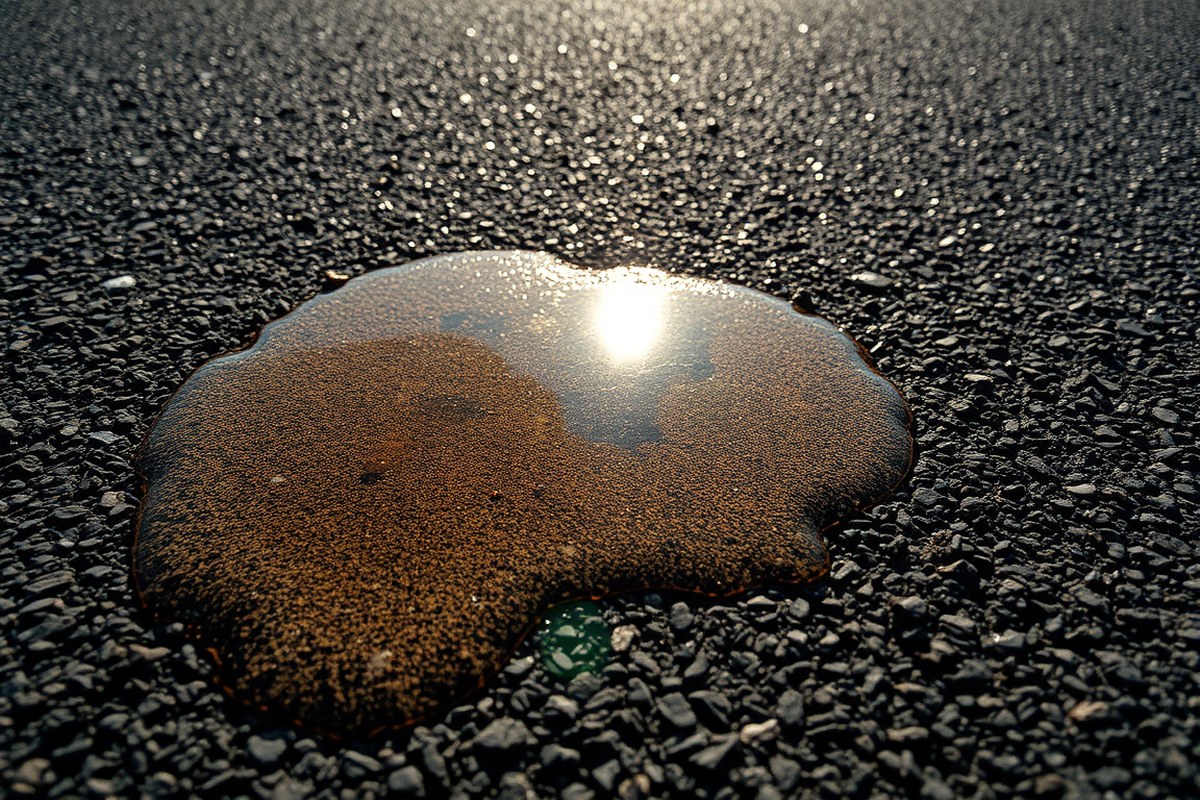
Will diesel fuel evaporate? Yes, diesel does evaporate, but much slower than gasoline.
It loses only about 5 to 10 percent of its volume per hour in typical conditions. This rate depends on temperature, wind, and the diesel’s chemical makeup.
Diesel’s evaporation slows significantly under cooler temperatures below 77°F (25°C). Keeping diesel stored in a cool, dry place helps maintain its quality longer. Watch for fuel thickening in cold weather, which can clog engines.
Strong winds or hot weather speed up evaporation. This can cause spills to vanish in under two days. That’s why controlling leaks quickly and storing diesel properly reduces fuel loss and environmental harm.
Diesel also contains heavier hydrocarbons, which evaporate less than lighter ones in gasoline. This means diesel fumes persist longer, causing stronger smells and potential health risks. Proper ventilation around storage tanks helps reduce vapor buildup and fire hazards.
Key Takeaways
- Store diesel below 77°F to slow evaporation and keep it stable.
- Diesel evaporates slower than gasoline but still loses volume over time.
- Strong winds can make diesel spills evaporate within 48 hours or less.
- Cold temperatures increase diesel’s viscosity, potentially causing fuel system issues.
- Keep diesel in sealed containers to reduce exposure to air and evaporation.
- Diesel vapor contributes significantly to urban air pollution and VOC emissions.
Does Diesel Fuel Evaporate at Normal Temperatures?
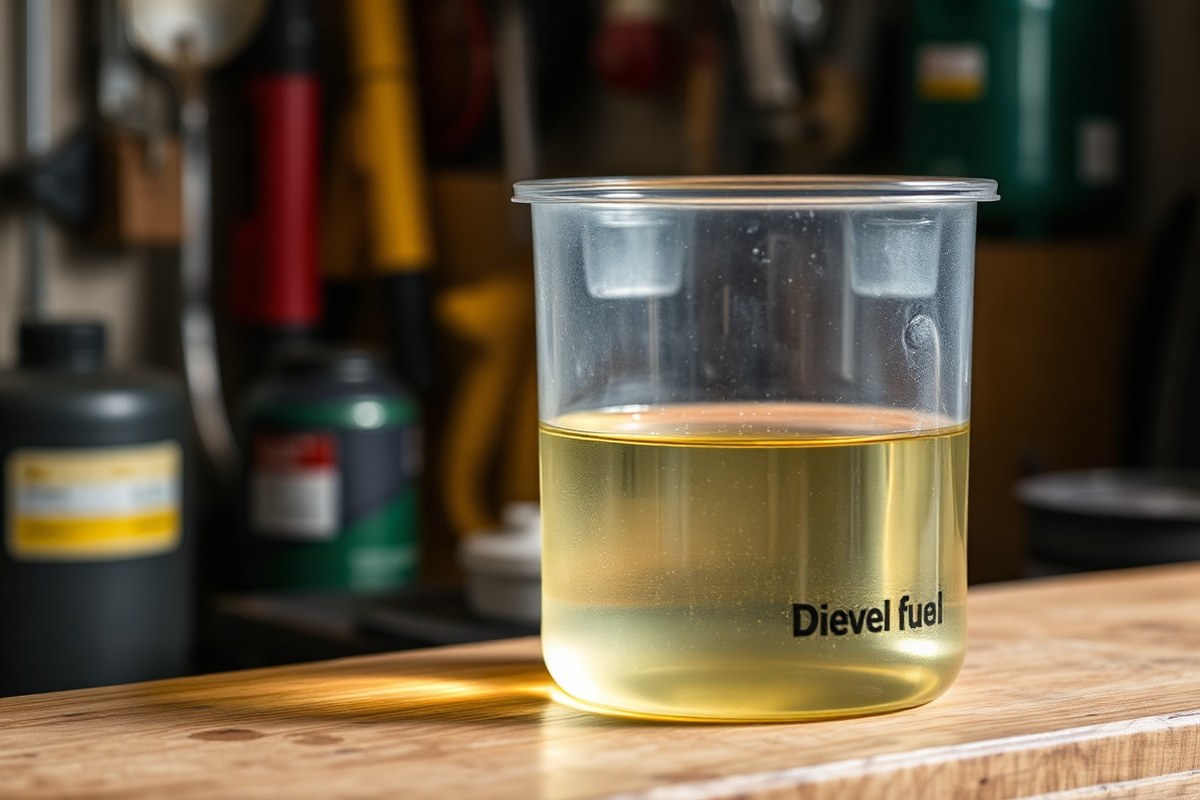
Diesel evaporates slowly at room temperature compared to gasoline. Its heavier molecules and low vapor pressure reduce volume loss to about 20% per year. That means diesel releases fewer flammable vapors in normal conditions.
Gasoline evaporates much faster because it contains lighter hydrocarbons with higher volatility. In some cases, gasoline can lose 5-10% of its volume per hour.
Diesel evaporates slower, often far less than that rate. That slower evaporation makes diesel less prone to quick volume loss during everyday storage or use.
Diesel has a higher boiling point. It takes more heat to make it vaporize fast. This means it doesn’t turn to gas quickly at lower temperatures.
The longer hydrocarbon chains require more energy to escape into the air. You’ll notice during warmer days diesel will evaporate faster. At room temperature, diesel evaporates very slowly.
It takes a long time to lose much volume. This slow process doesn’t quickly change the fuel amount.
How Temperature Influences Diesel Fuel Evaporation Rates
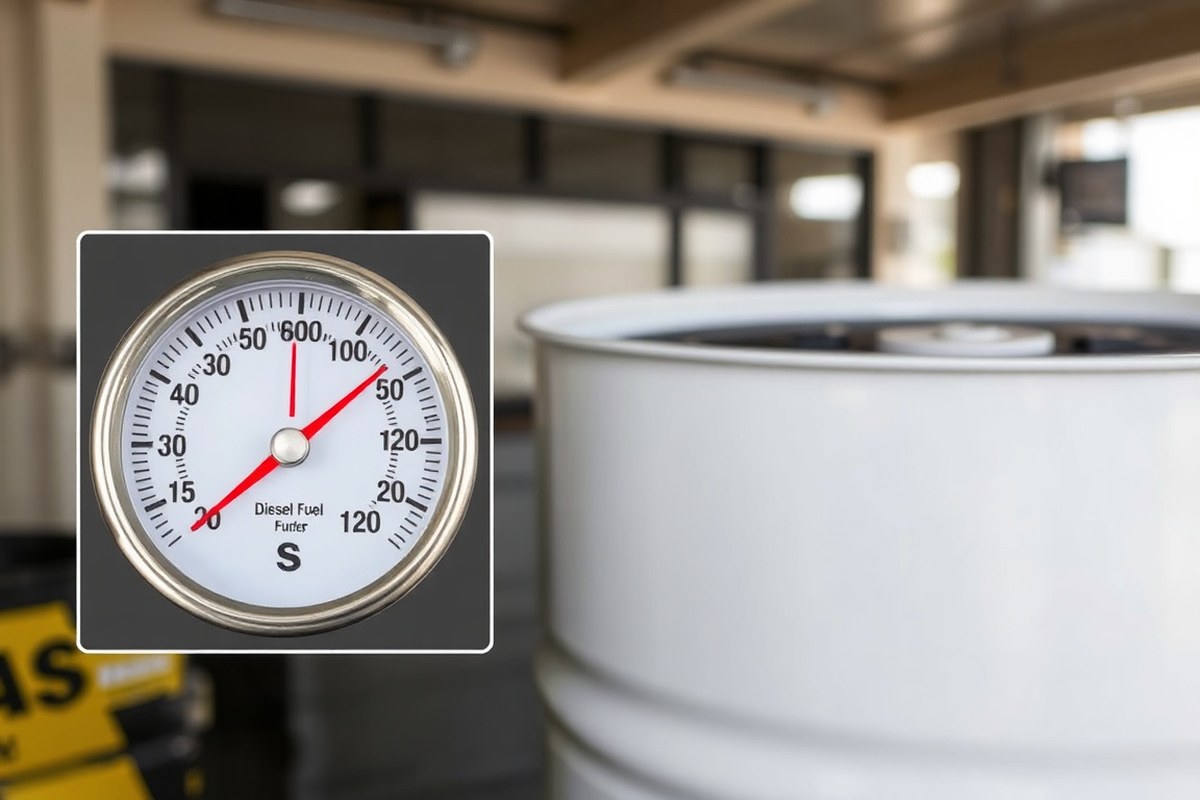
Cold temperatures slow diesel fuel evaporation significantly. Below freezing, diesel’s viscosity rises and wax crystals can form. This thickens the fuel and reduces evaporation, causing spills to stay liquid for days.
At room temperature, diesel evaporates at a moderate pace. Vapor loss is noticeable but slow compared to gasoline. Above 95°F (35°C), evaporation speeds up sharply, increasing fuel loss and spill drying rates.
| Temperature Range (°F) | Evaporation Rate | Viscosity Effect | Spill Drying Speed |
|---|---|---|---|
| Below 32 | Very slow; minimal vapor loss | High viscosity; risk of wax crystallization | Slow; diesel remains liquid for days |
| 32 to 60 | Slow to moderate evaporation | Moderate viscosity; improved flow | Moderate spill drying time |
| 60 to 85 | Moderate evaporation; noticeable over time | Lower viscosity; good flow | Moderate to fast spill drying |
| 85 to 95 | Faster evaporation; vapor loss increases | Further reduced viscosity; better flow | Fast spill drying |
| Above 95 | High to very high evaporation | Low viscosity; very good flow | Very fast spill drying |
Temperature control matters because warm storage causes more diesel to vaporize. This leads to fuel loss and potential environmental harm. For cold weather, use diesel formulated for low temperatures to prevent waxing and maintain engine efficiency.
Keep your diesel storage in a shaded, cool place below 85°F when possible. Use sealed containers to reduce air exposure, slowing evaporation even if temperatures climb. For spills above 95°F, clean quickly to reduce fuel loss and contamination.
Store diesel in cool, sealed tanks to prevent evaporation and maintain fuel quality.
Chemical Composition and Vapor Pressure Effects on Evaporation
Diesel fuel contains hydrocarbons with 10 to 26 carbon atoms. These hydrocarbons mix to form the diesel fuel you use. These hydrocarbons are heavier molecules compared to those in gasoline, which often have fewer carbon atoms.
Larger hydrocarbons have stronger bonds holding them together. This makes the molecules harder to break and evaporate.
Vapor pressure measures how easily a liquid turns into vapor at a given temperature. Diesel has a much lower vapor pressure than gasoline because of its heavier hydrocarbons.
Fewer diesel molecules turn into vapor at normal temperatures. This happens between roughly 68°F and 77°F.
Because diesel contains heavier hydrocarbons, evaporation happens much slower. The lighter, more volatile parts of diesel evaporate first, leaving behind heavier molecules. These leftover molecules resist evaporation and change the fuel’s properties over time.
Environmental Conditions That Affect Diesel Evaporation
Humidity slows down diesel evaporation because moist air holds less new vapor. When the air holds lots of water vapor, diesel stays liquid longer. Diesel molecules don’t move into the air as easily then.
This slows evaporation down a lot. Diesel evaporates slower on humid days.
Its molecules find it hard to leave the liquid. The air already holds as much moisture as it can.
Wind speeds up evaporation by moving the air above the diesel surface. It sweeps away diesel vapor, making room for more molecules to escape. A stronger breeze causes diesel to evaporate faster by reducing the vapor concentration near the surface.
The surface type affects how fast diesel evaporates. Rough surfaces like concrete hold onto some diesel fuel. This traps the fuel and stops some evaporation.
The fuel dries out more slowly that way. Smooth surfaces like metal or sealed pavement help diesel spread out fast.
This lets more diesel touch the air. It makes the fuel evaporate quicker.
- High humidity means slower evaporation since air can’t absorb as much vapor.
- Faster wind speeds boost evaporation by clearing diesel vapor from above.
- Larger exposed surface area leads to quicker evaporation.
- Porous surfaces reduce evaporation by soaking up and trapping diesel.
- Smooth surfaces speed evaporation by exposing fuel molecules evenly.
- Low air pressure lowers evaporation rates because fewer molecules escape liquid.
- Containers that seal well limit air contact, reducing diesel evaporation.
Air pressure also plays a role in diesel evaporation. Lower pressure means fewer air molecules push on the diesel surface, allowing more molecules to escape. This can slightly increase evaporation at higher elevations or in storm conditions.
Keep diesel in containers that seal tight. Store fuel away from sun and open air. These steps help reduce evaporation losses.
This limits exposure to wind and humidity changes. Use storage that fits your climate well. This reduces fuel evaporation and slowing breakdown.
Knowing your area’s weather helps too. Diesel in underground tanks evaporates less often.
The fuel meets less air there. Temperature changes are smaller underground too.
Comparing Diesel Fuel Evaporation to Gasoline and Other Fuels
Diesel evaporates much more slowly than gasoline due to higher boiling and flash points. This means diesel releases fewer vapors in the air, reducing immediate risks of fire or explosion.
Gasoline’s vapors are more volatile. So they ignite easier and pose a greater inhalation risk.
Diesel’s flash point is between 52 and 96 °C. That equals about 125 to 180 °F. This higher flash point makes diesel safer at room temperature. Gasoline’s flash point is about -40 °C, or -40 °F. Its vapors ignite fast, even when it’s cold.
This makes gasoline more hazardous than diesel. These differences affect how you store and work with each fuel.
| Fuel Type | Evaporation Rate | Flash Point (°C) | Volatility |
|---|---|---|---|
| Diesel | Very slow | 52 to 96 | Low |
| Gasoline | Fast | Approx. -40 | High |
| Ultra-Low Sulfur Diesel (ULSD) | Slower than regular diesel | Similar to diesel | Lower than diesel |
| Water | Very slow | None (not flammable) | None (non-volatile) |
Diesel’s chemical makeup makes it less volatile than gasoline but still more volatile than water. Keeping diesel under 77 °F (25 °C) slows evaporation and vapor release further. For fuels like ULSD, evaporation happens even slower because of its refined composition.
Even though diesel evaporates slowly, it still releases combustible vapors. This can build up if diesel is stored improperly or exposed to heat. Proper ventilation and cool storage prevent dangerous vapor levels from forming.
Avoid storing diesel fuel in warm, confined spaces to reduce dangerous vapor buildup.
Safe Storage Practices to Minimize Diesel Evaporation Loss
Keep diesel fuel in airtight, sealed containers to reduce evaporation. Store containers in a cool, shaded spot away from direct light.
Using the right container material and temperature control helps slow evaporation and maintain fuel quality longer. Proper sealing also prevents air and fumes from escaping or contaminating the diesel.
Choose Proper Containers
Select containers made from steel or heavy-duty plastic approved for fuel storage. These materials resist corrosion and vapor permeability, which stops diesel from evaporating or leaking.
Use only containers made specifically for fuel storage. Other containers can absorb fumes and harm the diesel over time.
Inspect containers before use for cracks, rust, or damage that might cause leaks or air entry. Diesel stored in damaged containers loses volume and can attract contaminants, reducing engine performance. For long-term storage, opt for containers with a narrow neck to limit air exposure.
Control Temperature and Light Exposure
Keep diesel in a cool, shaded place to slow evaporation and prevent degradation. Temperatures above 77 °F (25 °C) increase evaporation rates and can cause fuel breakdown. Storing fuel in a garage or underground tank helps maintain a stable, cooler temperature.
Light doesn’t directly cause evaporation but can heat the diesel and break down additives. Choose opaque or dark-colored containers to block sunlight.
Avoid clear plastic containers that let light through. This also protects fuel quality for longer periods.
Seal and Vent Correctly
Tightly seal fuel containers with caps that have airtight gaskets or seals. Proper sealing stops diesel vapors from escaping and prevents moisture or dirt from entering. Even small leaks or loosely closed lids speed up fuel loss and contamination.
Some tanks need vents to prevent pressure buildup. Use vents with flame arrestors or filters for safety.
These let air in and out without letting diesel fumes escape, reducing evaporation risks. Regularly check seals and vents to ensure they work well and replace damaged parts promptly.
- Use steel or approved plastic containers with tight-fitting lids
- Store diesel at temperatures below 77 °F (25 °C) whenever possible
- Keep containers in shaded or dark places away from direct sunlight
- Tightly seal containers with airtight caps or gaskets
- Vent storage tanks properly with flame arrestor-equipped vents
- Inspect containers and seals regularly for damage or leaks
- Use additives designed to minimize evaporation during long storage
How Diesel Fuel Evaporation Can Affect Engine Performance
How Diesel Fuel Evaporation Can Affect Engine Performance
Diesel fuel evaporation changes its composition by removing lighter parts. This can alter combustion and lower engine power or mileage. Paying attention to fuel quality helps avoid performance problems and costly repairs.
Signs of Evaporation Impact on Fuel
You might notice rough idling, harder starts, or reduced power if fuel evaporated partly. These happen because combustion quality shifts when lighter fuel components are lost. Water or microbes in fuel also worsen these signs by degrading fuel quality.
Fuel smell can change, becoming stronger or more pungent. Cloudy or darker fuel may show that evaporation left behind heavier elements. Watch for clogged fuel filters, another sign that combustion fuel isn’t right anymore.
Steps to Prevent Engine Issues from Old Fuel
Preventing damage means keeping fuel clean and stable before it evaporates or degrades. You need to store diesel properly and inspect fuel quality regularly to avoid problems. Use the following steps to maintain best engine performance and fuel efficiency.
- Store diesel fuel in cool, sealed tanks to reduce evaporation and contamination.
- Use clean, filtered diesel that’s recently delivered to avoid degraded fuel.
- Avoid mixing diesel batches with different ages or sources to prevent quality shifts.
- Rotate stored fuel by using older fuel first to limit time in storage.
- Inspect tanks and filters regularly for water, microbes, or debris.
- Keep humidity low around storage areas to control evaporation and contamination risks.
- Replace fuel filters if engine performance slips or after long storage periods.
- Refuel vehicles safely with treated or tested diesel to ensure smooth running engines.
Diagnostic Checks for Fuel Quality
Testing diesel helps spot evaporation effects before engine damage occurs. Simple visual checks can reveal dirt, water, or color changes in fuel. Fuel labs offer tests for combustion-related qualities if you suspect evaporation has changed the mix.
Engine diagnostics also help by showing fuel system issues or poor combustion patterns. Watch engine codes or ask a mechanic to scan fuel system sensors. Catching trouble early stops serious breakdowns and saves time on repairs.
Effective Cleanup and Environmental Protection for Diesel Spills
Diesel fuel evaporates slowly, so spills require quick cleanup to protect soil and water. Fresh spills absorb well and can be cleaned with simple materials. Aged or larger spills need stronger methods and proper waste disposal to avoid lasting harm.
Initial Spill Response Actions
Act fast to contain diesel spreads and limit environmental damage. Block storm drains or waterways if spills are near them. Fresh spills evaporate slowly but pose risks for hours or days.
Here’s how to start cleaning a diesel spill safely and quickly:
- Alert any nearby workers and keep people away from the spill area.
- Use absorbent pads or granules to stop the diesel from spreading further.
- Stop the source of the spill if possible, such as closing valves or patching leaks.
- Place barriers or booms around the spill edge, especially near water.
- Wear protective gloves and eyewear to avoid skin or eye contact.
- Ventilate enclosed areas to reduce vapor buildup safely.
Never wash diesel spills into drains; it can contaminate water supplies.
Appropriate Cleanup Materials and Techniques
Absorbent materials like clay-based kitty litter and commercial pads work best for diesel fuel. They soak up liquid fast, preventing soil and water contamination. Fresh spills clean easier using these absorbents applied right away.
Aged spills might require scraping or excavation because fuel soaks deeper into soils over time. For large spills, petroleum-absorbing booms and specialized sorbent pads contain diesel on water or flat surfaces.
Disposal and Reporting Requirements
Dispose of diesel-soaked materials as hazardous waste. Place them in labeled, sealed containers and contact local waste disposal services. Never throw contaminated absorbents in regular trash or drains.
Report spills bigger than one gallon to environmental authorities. Prompt notification helps reduce fines and ensures cleanup follows legal standards. Small spills on private land might not need reporting but still need cleanup.
Recognizing Diesel Evaporation Signs and When to Get Professional Help
Diesel fuel evaporation usually happens slowly but causes clear changes over time. You might notice a drop in fuel volume without leaks. Also, the fuel could smell stronger or seem thinner, signaling lighter molecules have evaporated.
You can track evaporation by checking fuel levels regularly and inspecting the fuel’s look and smell. Pay attention to any unusual cloudiness or loss of fuel weight in storage tanks. These signs show fuel is escaping as vapor rather than being used or spilled.
- Check fuel tank volume weekly for unexplained drops
- Smell for stronger diesel odor near storage areas
- Look for thinner, more watery fuel consistency than usual
- Test fuel weight to detect lighter molecules evaporating
- Monitor storage tank seals and ventilation for leaks
- Record temperature and humidity to compare evaporation rates
When fuel changes persist despite tight storage, you might need professional help. Diesel puddles near the tank or soil staining needs expert cleanup.
Spill remediation experts should fix these leaks safely. They have equipment to check soil and groundwater contamination and prevent long-term damage.
For small evaporation losses only, regular checks and fuel additives can control the problem. Visible leaks or strong odours beyond the tank need quick action. Call a licensed spill specialist for these problems.
Fuel looks different after storage? Get experts involved. Professionals hired for spills cost hundreds to thousands of dollars.
They protect your land and follow environmental laws. Hiring them saves you from big problems later.
Step-by-Step Action Plan to Manage Diesel Fuel Evaporation
Follow these steps to reduce diesel fuel evaporation and protect your engines and environment. Take action early to see better fuel storage and spill results.
- Before storing fuel: Choose sealed, approved containers to limit vapor loss. Check that containers fit tightly and show no leaks.
- Day 1: Store diesel in cool, shaded places away from heat sources. Cooler areas lower evaporation rates noticeably.
- Week 1: Inspect fuel storage regularly for signs of evaporation or leaks. Look for odors, stains, or shrinking fuel levels.
- Every month: Rotate your stored diesel. Use older fuel first to keep supply fresh and reduce quality loss.
- After a spill: Act fast with absorbent pads and proper disposal. Confine spills before they spread or evaporate into the air.
- Whenever uncertain: Get professional help for large spills or engine issues. Experts ensure safety and proper cleanup.
Frequently Asked Questions
Can Diesel Fuel Evaporate Completely over Time in Storage?
Diesel fuel does not evaporate completely under normal storage. The heavier hydrocarbons remain.
Only lighter parts evaporate slowly when air enters the tank. Keeping tanks sealed reduces evaporation and fuel loss.
Does the Container Material Affect Diesel Fuel Evaporation?
Yes, container material can affect evaporation. Metal tanks hold diesel better than plastic ones. They stop vapors better.
This reduces diesel loss over time. Use airtight, sturdy tanks to slow evaporation and prevent contamination.
Can Adding Additives Slow Down Diesel Fuel Evaporation?
Some additives can reduce evaporation by stabilizing lighter hydrocarbons in diesel fuel. They also help maintain fuel quality during storage. Choose additives approved for your fuel type to avoid engine issues.
Is Evaporation Rate Different Between Biodiesel and Regular Diesel?
Biodiesel evaporates faster than regular diesel. This happens because of its oxygen content. Its lower molecular weight also speeds evaporation.
Store biodiesel carefully, especially when it’s warm. Doing this cuts fuel loss. It also slows down fuel wear.
Does Diesel Evaporation Contribute Significantly to Air Pollution?
Diesel evaporation releases fewer vapors than gasoline but still adds volatile organic compounds to the air. Proper storage limits evaporation and environmental impact. Avoid spills and use sealed tanks to reduce pollution risks.
Wrapping Up
Diesel fuel does evaporate, but at a slower pace than gasoline. Keeping fuel cool, sealed, and stored well helps prevent loss and engine problems. Start by checking your storage containers today to stop evaporation quietly eating your fuel supply.