
How Many Axles Does a Car Have? A Complete Guide with Key Insights
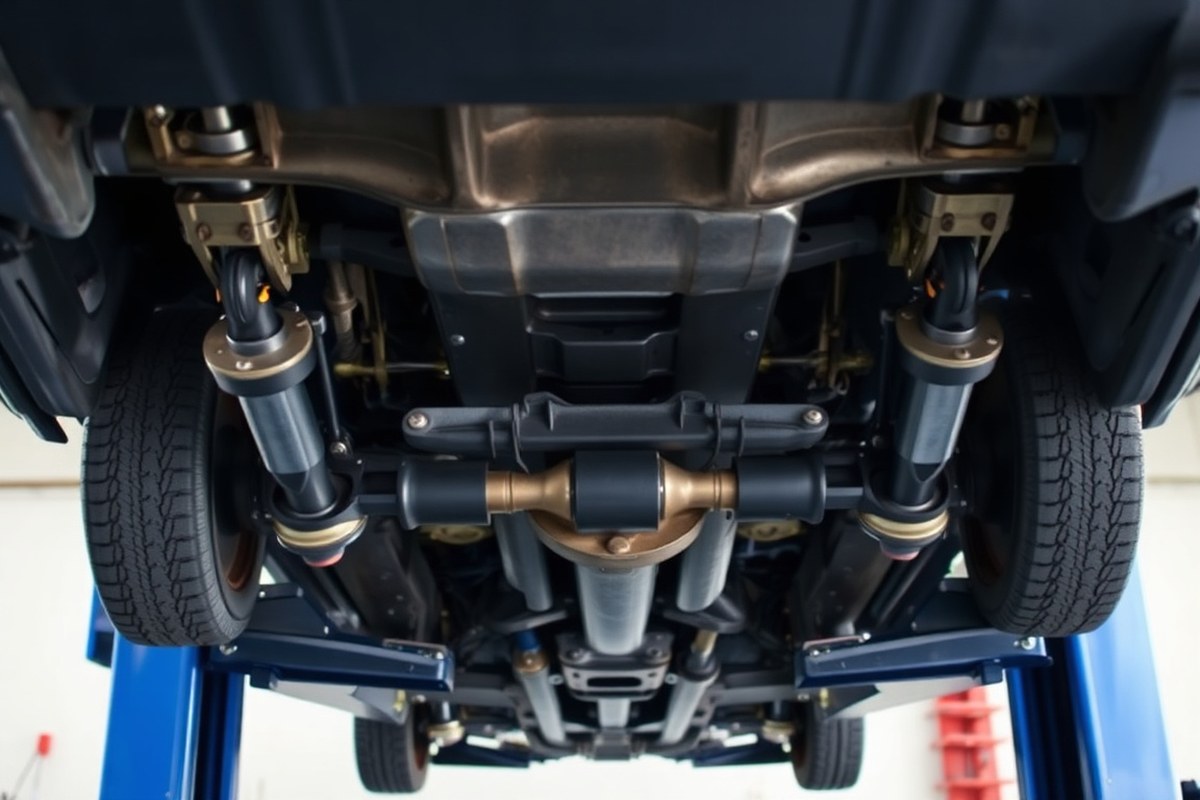
How many axles does a car have is a common question. Most standard cars have two axles: one in front and one in the rear. Each axle holds up the car’s weight and helps deliver power to the wheels.
You can quickly check your vehicle by looking underneath it or checking the owner’s manual. Some electric cars, like the Tesla Model 3, have two axles. The way they deliver power can be different, with some axles powered and others just supporting weight.
Axles support the car’s weight and enable it to move, making their condition critical. The front axle often handles steering, while the rear axle usually handles driving force. Keep an eye out for noises or vibrations near your axles to catch problems early.
Key Takeaways
- Most passenger cars have two axles: one front and one rear.
- Axles carry the entire weight of your car, about 1.5 tons on average.
- Look under your car to count the axles physically for a quick check.
- Electric and conventional cars often share the same two-axle setup.
- Axle wear usually shows as strange noises or vibrations near the wheels.
- Axles transfer engine power to the wheels for your car’s movement.
How Many Axles Does a Standard Car Have?
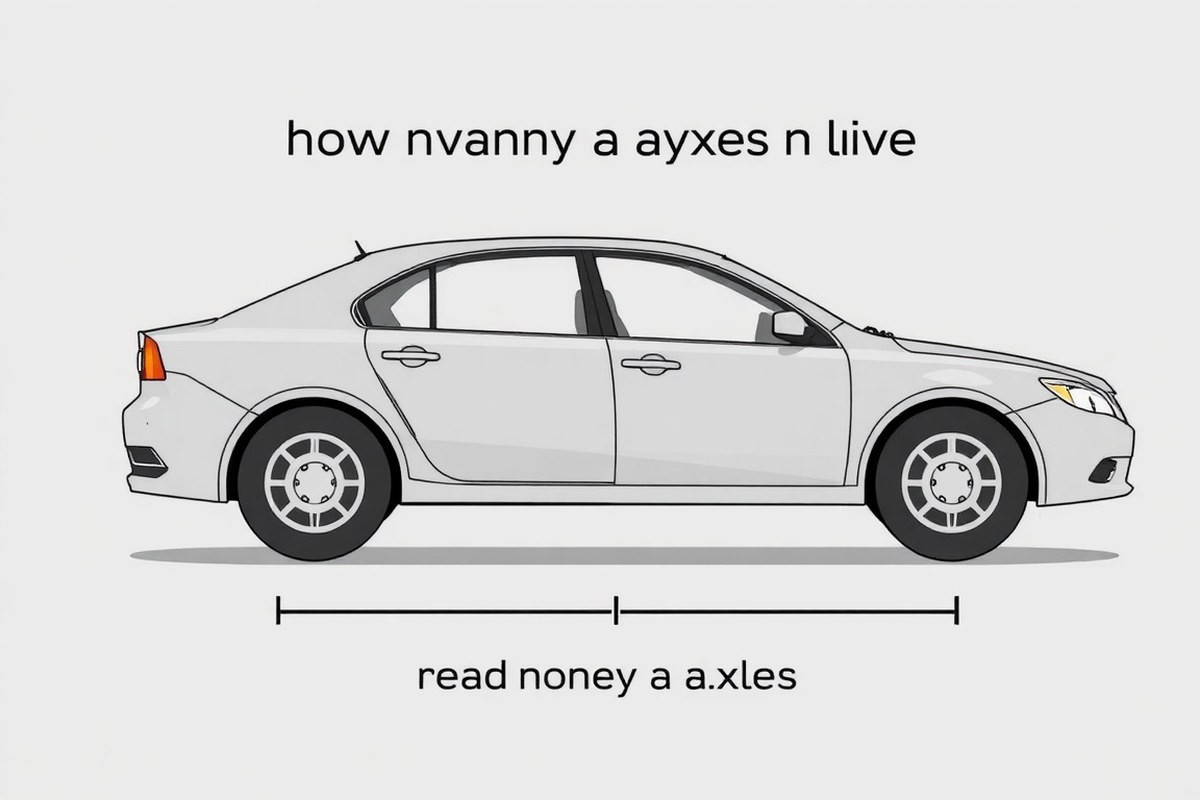
Most cars you see on the road have two axles. One axle sits under the front wheels. The other one holds the rear wheels.
Each axle connects two wheels. It holds the vehicle’s weight. It also lets the wheels turn.
This two-axle setup is standard for nearly all passenger cars, from sedans to SUVs and pickups. Four-wheel-drive vehicles like the Toyota 4Runner still have only two axles. They have one axle in front.
They have another axle in the rear. The confusion often comes from thinking wheel count equals axle count. But four wheels usually mean two axles, not four.
Some big or special vehicles have more axles. Extra axles help carry heavier loads. They also spread out the vehicle’s weight better.
Heavy pickups like the Ford F-350 use two axles. The rear axle has dual wheels on each side. This setup helps carry heavy loads.
Box trucks and city buses can have two or three axles. Semi-trucks have three axles in the tractor alone and up to six in a full tractor-trailer.
The Mercedes G63 AMG 6×6 is an extreme case with three axles. Sizes matter a lot, passenger cars don’t need more axles because they weigh around 1.5 tons and run fine with two.
| Vehicle Type | Typical Axle Count |
|---|---|
| Passenger car / SUV / Pickup | 2 |
| Heavy-duty pickup (e.g., Ford F-350 dually) | 2 (rear dual wheels) |
| Box truck / Straight truck | 2, 3 |
| City bus | 2, 3 |
| Semi-truck (tractor only) | 3 |
| Full tractor-trailer combination | 5, 6 |
| Mercedes G63 AMG 6×6 | 3 |
| Heavy military / construction vehicles | 4, 8 |
The two-axle setup keeps things simple for repairs and maintenance. For instance, replacing a front axle on a typical car can cost between $500 and $1,500. Larger vehicles with more axles usually cost more to fix due to extra parts and labor.
Most cars only need two axles. One axle is at the front, one at the back. This setup carries weight and powers the wheels well.
What Exactly Is a Car Axle and What Does It Do?
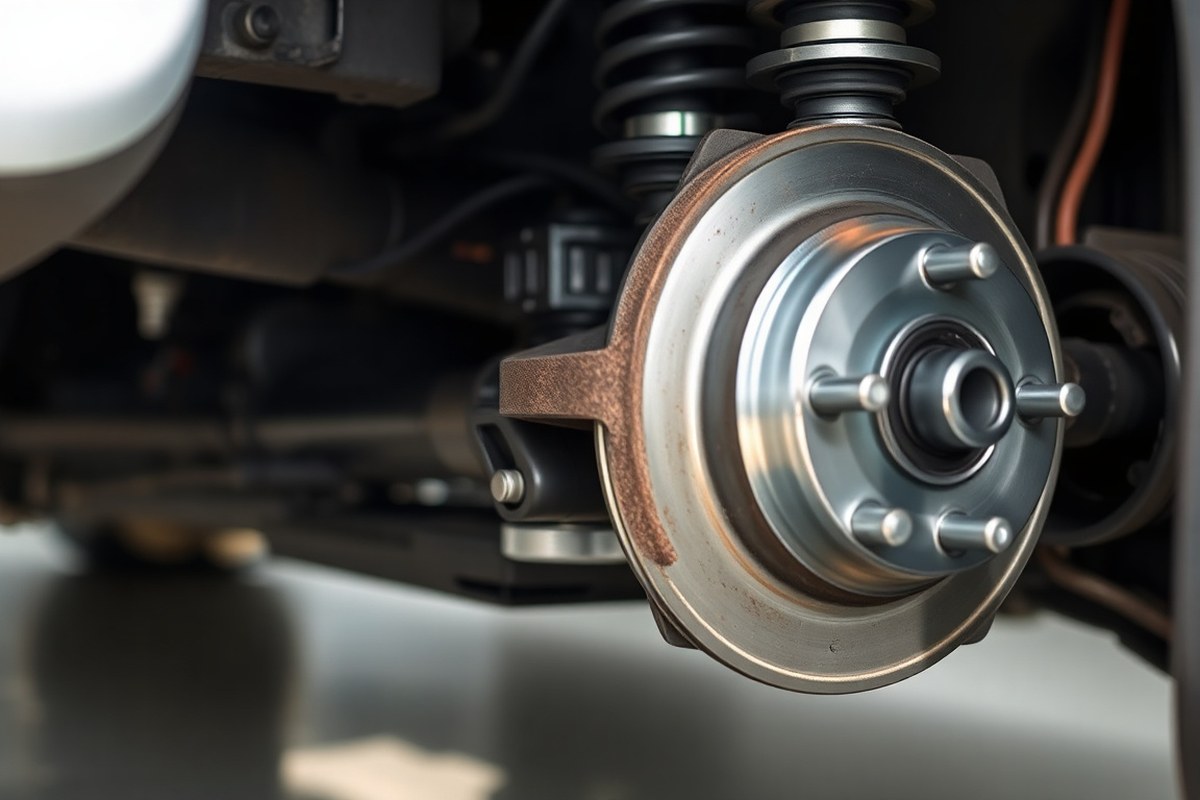
An axle is a key car part that connects a pair of wheels. It also carries the car’s weight through the suspension. This structural role helps keep the wheels aligned and stable as the car moves.
Besides support, axles deliver the engine’s power to the wheels. Torque flows from the engine and transmission through the axle. This lets the wheels turn and the car drive forward or backward.
The power flow starts in the engine, where fuel burns to create motion. This energy reaches the transmission, which adjusts speed and torque. From there, the driveshaft sends torque to the axle assembly.
Inside the axle are components like half shafts or CV axles. These parts transfer power from the axle housing to each wheel while allowing suspension movement.
Front axles usually include CV joints to handle steering and absorb bumps. Rear axles might be solid or split into two half shafts. Live axles send power to wheels.
Dead axles only hold the wheels in place without driving them. The entire axle system must handle torque smoothly.
It also carries the vehicle’s weight. Suspension parts have to work with it.
Wear on smaller parts like CV joints and boots appears after 80,000 to 150,000 miles. These parts usually fail first. The main structural axle assemblies often last the car’s lifetime, often over 200,000 miles.
An axle break or wear can cause power loss to the wheels. It may also cause handling problems.
Check for torn CV boots regularly. Dirt inside can cause joint failure and costly repairs.
How Does Drivetrain Type Affect Car Axle Count and Function?
Cars usually have two axles regardless of drivetrain type. Front-wheel drive (FWD) cars send power only to the front axle.
Rear-wheel drive (RWD) cars send power solely to the rear axle. All-wheel drive (AWD) vehicles power both the front and rear axles.
The function of axles changes with drivetrain. Driven axles carry power from the engine to the wheels. Non-driven axles do not transmit power.
They support the vehicle’s weight and help with steering. For example, FWD cars have a driven front axle and a non-driven rear axle. RWD cars have a driven rear axle.
The front axle manages steering. It also supports suspension without drive power.
Axle design varies because of those functions. Driven axles include CV joints and shafts. They transfer power smoothly.
This helps when the wheels turn. Non-driven axles lack these power components and often have simpler, load-supporting structures. This difference also affects maintenance and parts replacement costs.
| Drivetrain | Axles | Which Axle Drives |
|---|---|---|
| Front-Wheel Drive (FWD) | 2 | Front axle only |
| Rear-Wheel Drive (RWD) | 2 | Rear axle only |
| All-Wheel Drive (AWD) | 2 | Both axles |
| Four-Wheel Drive (4WD) | 2 | Both axles (selectable) |
FWD cars typically have two CV axles delivering power from the transaxle to each front wheel. RWD cars can have zero to two CV axles depending on their rear suspension setup. AWD and 4WD vehicles have four CV axles.
Each axle serves one wheel. This handles extra power distribution.
Understanding your car’s drivetrain helps explain how axles affect driving feel and repairs. FWD’s design tends to be simpler and cheaper to maintain due to fewer CV joints. Rear and all-wheel drive cars need extra axle parts.
These parts handle power and steering separately. This can raise service costs but improves traction and handling. This explains why axle inspection and specific part care differ by drivetrain type.
Can a Car Have More Than Two Axles?
Most passenger cars and SUVs have two axles, one in front and one in the back. This setup supports four wheels and offers good balance between handling, ride comfort, and cost. Performance and sports cars usually use this axle design.
Some rare sports cars add extra axles for better handling. This helps with stability while driving fast.
Heavy vehicles like trucks, motorhomes, and commercial vans often have more than two axles. These axles help spread out the vehicle’s weight and meet legal limits for total loaded weight. Without extra axles, these vehicles would damage roads or exceed safety rules.
- Standard cars and SUVs usually have 2 axles (4 wheels total).
- Light trucks and pickups often have 2 axles but can have 3 if towing heavy loads.
- Heavy-duty trucks, like Freightliner Cascadia, usually have 3 or 4 axles.
- Motorhomes and large commercial vans may have 3 or more axles for weight support.
- Some high-end sports cars have 3 axles to improve cornering and traction.
- Off-road vehicles and certain SUVs still use solid axles for durability.
Extra axles in passenger cars are rare and mostly limited to specialty or performance models. Solid axles are common on trucks and off-road vehicles but not on most sedans. You can find your vehicle’s axle count by looking underneath.
Checking the owner’s manual also shows axle configuration details. Both ways are simple and accurate.
More axles mean more parts to maintain and usually higher costs. Fixing or replacing axles costs between $50 and over $600. Minor parts are cheaper, full axle assemblies cost the most.
Prices depend on the extent of repair needed. Maintenance costs go up for trucks with more axles.
Extra axles add complexity and increase load on the vehicle. This means you pay more for upkeep.
Types of Axles in Cars: Front, Rear, and CV Axles Explained
Cars mainly have three axle types: front axles, rear axles, and CV axles. Each one has a specific role in moving and steering the car. Understanding their differences helps you spot issues and know what parts might need fixing or replacing.
Front Axle Functions and Design
The front axle holds the front wheels and often supports steering. In front-wheel-drive cars, the front axle is a live axle. It sends power from the engine to the wheels.
This connects the engine directly to the front wheels. It also helps bear the engine’s weight and allows the wheels to turn for steering.
Some front axles are called stub axles. These are short axles that connect to the wheel hub and spindle. They let each front wheel rotate independently, which improves handling and ride quality.
Front axle repairs usually cost between $550 and $740. Problems here cause steering issues or unusual noises while driving, so don’t ignore them.
Rear Axle Types and Roles
The rear axle connects the rear wheels and can either be live or dead. A live rear axle delivers power to the wheels, common in rear-wheel-drive cars. A dead rear axle only supports the wheels without transferring power, like in front-wheel-drive cars.
Rear axles also help support the vehicle’s weight and keep the wheels properly aligned. Rear axles cost about $480 to $550 to repair, slightly less than front axles on average. Some vehicles, like electric and AWD models, use rear axles to power wheels.
These axles connect to motors for wheel drive. Rear axles can also deliver power, not just support.
Rear axles have different parts than front axles because they handle different loads. These parts include various suspension links and gear setups. The design changes based on the tasks the axle must perform.
What Is a CV Axle?
CV stands for constant velocity. A CV axle transfers power smoothly to the wheels while they turn.
You’ll find CV axles on most front-wheel-drive vehicles and all-wheel-drive models. They allow the wheels to move up and down and steer without losing power.
A CV axle consists of a shaft with joints covered by flexible boots. These joints bend and rotate to handle the suspension and steering movements. Damaged CV axles cause clicking noises when turning, vibrations, or difficulty steering properly.
The Tesla Model 3 AWD has two main axles but four CV axles total. Each powered wheel, front and rear, has its own CV axle.
This setup gives power to all four wheels. This setup ensures power delivery while handling motion in all directions.
Check CV axle boots regularly, they protect joints from dirt and moisture that cause failure.
How to Count Axles on Your Car: A Simple Step-by-Step Guide
How to Count Axles on Your Car: A Simple Step-by-Step Guide
Most cars have two axles. But counting them is easier if you know what to look for.
Structural axles connect two wheels and support the car’s weight. You can count axles by checking these wheel groups and the shafts connected to them.
Step 1: Locate the Wheels and Axle Connections
Look under your car to find the wheels and the parts holding them in place. Axles connect the two wheels on each side of the car.
Start close to the ground near the car’s front end. Look carefully along the car’s length for these connections. Check for links between wheels and the frame.
- Park your car on a flat surface and turn off the engine.
- Go to the side and look underneath near the wheels.
- Check the front wheels to see if they connect to a solid beam or axle shaft.
- Do the same for the rear wheels.
- Count each solid rod or beam that links a pair of wheels across the car.
Each solid beam you find usually means one structural axle. You’ll generally see one near the front and one near the rear of your car.
Step 2: Identify Structural vs CV Axles
Structural axles hold the wheels on and support the car’s weight. CV axles turn the wheels and allow power to flow from the engine.
A CV axle is a shaft that connects to the wheel hub. It has rubber boots covering the joints on each end.
These boots keep dirt and grease out. Structural axles are usually thicker beams without those boots.
- Look for shafts with rubber boots near the wheels; those are CV axles.
- Find thicker solid beams connecting wheels without rubber boots; those are structural axles.
- Count each pair of wheels connected by a structural axle as one axle.
- Remember, CV axles count per wheel, but structural axles count per pair of wheels.
CV axles usually match the number of driven wheels. So you might see up to four on some cars. Structural axles are fewer since they run across the full width, connecting two wheels.
Step 3: Verify Axle Count for Drivetrain Type
Your car’s drivetrain affects which axles are live (driving) or dead (non-driving). This affects axle count results for registration or legal use. Check your owner’s manual or VIN to know your drivetrain type and confirm your axle count.
- Identify if your car is front-wheel, rear-wheel, or all-wheel drive.
- Count each structural axle: one for front wheels, one for rear wheels.
- Add extra axles only if your vehicle has more than two wheel sets. Or if it has unique features needing extra support. Otherwise, two axles are enough.
- For legal or registration purposes, count structural axles, not CV axles.
- Use your VIN if needed to verify axle types: some EVs have special setups.
Counting axles properly prevents mistakes when ordering parts or at weigh stations. Make sure you count solid beams connecting wheels, not just shafts to driven wheels.
How Long Do Car Axles Last and When to Replace Them
Axles in most cars last about 100,000 miles or more, especially constant velocity (CV) axles. CV axles often match the car’s lifespan if you keep them clean and avoid damage. Shock impacts or worn CV boots let grease escape.
This causes joints to fail faster. Poor sealing also speeds joint wear.
Axle failure usually happens after grease leaks or physical damage. When the rubber boot cracks, dirt and water enter. They cause the joint to wear quicker.
Bent axles after hitting potholes or curbs cause vibrations and can throw off your wheel alignment. These problems steadily worsen until the axle breaks or causes unsafe handling.
Watch out for these signs that suggest your axle needs repair or replacement:
- Clicking or popping noises when making slow turns, especially left turns
- Vibrations felt at speeds between 45 and 65 mph, worsening under load
- Visible tears, cracks, or grease leaks on the CV axle boot
- ABS or traction control warning lights flickering, caused by damaged tone rings
- Uneven tire wear or pulling to one side while driving
Replacing a torn CV boot early costs between $40 and $150. Fixing a whole CV axle costs about $300 to $800 for most cars.
$500 to $1,200 for trucks or SUVs. Axle shaft repairs on solid rear axles can run higher, often $800 or more.
Don’t wait for the axle to break. Inspect your axles whenever you get your tires rotated or during routine oil changes. Cleaning and greasing the CV joints help extend their life.
Replace any torn boots quickly to avoid costly axle damage. Any strange noises or handling changes mean you should see a mechanic soon. Proper upkeep keeps your car safe and prevents unexpected breakdowns on the road.
Costs and Considerations for Car Axle Repair and Replacement
Replacing car axles can cost differently depending on which axle breaks and the type of vehicle. Labor usually runs between $150 and $300, with work taking 1 to 3 hours. Rear axles on trucks or SUVs typically cost more, often between $1,000 and $2,000 for replacement.
Front axle repairs on standard cars usually cost less than rear axles on larger vehicles. Part prices vary too.
So it helps to get quotes from several shops before deciding. Axle damage also affects the final cost since more damage means more parts and labor.
| Axle Type | Vehicle Class | Estimated Cost Range (Parts + Labor) |
|---|---|---|
| Front Axle | Standard Car | $300 – $700 |
| Rear Axle | Standard Car | $400 – $900 |
| Front Axle | Truck or SUV | $600 – $1,200 |
| Rear Axle | Truck or SUV | $1,000 – $2,000+ |
| CV Axle | Standard Car | $250 – $600 |
Electric and hybrid vehicles sometimes use special front or rear electric axles. These axles provide torque from the battery and might have different repair costs. Always ask your mechanic if your vehicle’s axle setup needs unique parts or tools.
Get multiple quotes. Prices for parts and labor can differ greatly between shops.
Remember, some costs might only cover one side of your car. Your vehicle could have two CV axles needing repair. So, those costs might be doubled in some cases.
Repairs can also uncover hidden damage, increasing the final bill. Ask a trusted shop for a clear repair cost estimate.
They can check your vehicle and tell you the price. This helps avoid surprises when you get the bill.
How to Inspect and Maintain Your Car’s Axles for Safety
Inspecting and maintaining your car’s axles keeps them safe and working well. Look closely at axle boots and joints for damage. Pay attention to odd noises or vibrations when driving.
Visual Inspection of Axle Boots and Joints
Check the rubber boots on your axles regularly. These boots protect the constant velocity (CV) joints from dirt and moisture. Small tears or cracks can let grease leak out and dirt in, causing joint damage.
Do this every time you get an oil change, or about every 5,000 miles. Park on a flat surface and use a flashlight to spot any grease around the boots. A clean boot with no cracks or leaks means the axle is in good shape.
- Look for splits, cracks, or holes in the rubber boots
- Check for grease leaking near the CV joint area
- Inspect for dirt or debris stuck on or inside the boots
- Make sure metal parts show no rust or excessive wear
- Gently move the axle by hand to feel for loose joints
Damage to boots should be repaired quickly to avoid joint failure. Healthy boots keep the lubricant in and contaminants out.
Listening and Feeling for Abnormal Noises or Vibrations
Wear on your axles often shows as strange sounds or vibrations. Clicking or popping noises when turning may mean the CV joints are worn. These noises get louder during sharp turns or while accelerating.
You might also feel shaking or vibration through the steering wheel or floorboard. This often worsens as you speed up.
Notice these problems? Get a mechanic to check your axles quickly.
Routine Maintenance to Protect Axles
Regular care extends axle life and avoids costly repairs. Keep the boots clean and replace them if damaged. Use grease that matches your car’s specs when servicing CV joints.
Use jack stands to support the car safely. Never rely on the jack alone.
Check under the car only when it’s stable. Avoid driving over potholes or rough roads too fast to prevent axle strain.
- Inspect CV boots every 5,000 miles or at oil changes
- Replace damaged boots quickly to prevent joint damage
- Use correct grease for CV joint lubrication
- Drive carefully over rough or uneven surfaces
- Have a professional check noisy or vibrating axles promptly
Keeping axles maintained this way can help them last as long as your vehicle does. Early care avoids bigger trouble down the road.
Step-by-Step Action Plan to Check and Maintain Your Car’s Axles
Follow these simple steps to keep your axles in good shape and avoid costly repairs.
- Before your next drive: Look under your car to count axles. Two is normal for most cars.
- Every month: Inspect axle boots for cracks or grease leaks. Fix any damage before it worsens.
- Every 6 months: Take your car to a mechanic. They should check your CV joints if you have front-wheel or all-wheel drive.
- After noticeable vibration or noise: Get your axles inspected quickly to prevent further damage.
- Every year: Clean and lubricate accessible axle parts to keep them moving smoothly.
- Every 50,000 miles: Consider axle replacement if you notice worn parts or persistent noise.
- After off-road or heavy use: Check axles for bends and damage that can affect driving safety.
- During regular oil changes: Ask the technician to check your axles. Include this as part of the service.
Frequently Asked Questions
How Many Axles Does a Standard Car Have?
A standard car typically has two axles. These axles hold the car’s weight and deliver power to the wheels.
Can a Car Have More Than Two Axles?
Yes, a car can have more than two axles. Some trucks and larger vehicles can have three or four axles.
How Do Axle Types Differ in a Car?
Cars usually have front, rear, and CV axles. Front axles help steer, while rear axles handle power.
How Long Do Car Axles Last?
Most structural axles last the car’s lifetime, often over 200,000 miles. CV axles and boots wear out sooner, around 80,000 to 150,000 miles.
How Do Different Drivetrains Affect Axle Function?
Front-wheel drive cars use axles differently than rear-wheel drive. The drive wheels and axle setup depend on the drivetrain type.
Key Points to Remember
Most cars have two axles, each critical for safe driving and power delivery. Taking the time to inspect and care for your axles helps avoid failures and expensive repairs.
Start by looking at your axle boots this week. Watch for changes in ride quality or noise.




2 Comments