Does Tofu Give You Gas? 9 Clear Answers to Digestive Concerns
Does tofu give you gas? Yes, it can cause gas for some people.
Tofu contains certain carbohydrates that your gut bacteria ferment, producing gas. This process typically starts within a few hours after eating tofu and varies by individual.
Not everyone experiences gas from tofu. The type of tofu and how you prepare it make a difference. Firm or extra-firm tofu usually causes less gas than soft or silken tofu, which has more fermentable sugars.
Soaking tofu in water for a minimum of 30 minutes before cooking helps lower its fermentable carbs. Portion size is also important to consider. These small changes can ease digestion discomfort.
Eating smaller portions of 3 to 4 ounces tends to result in less gas. Watch out for other fermentable foods you eat alongside tofu, as they can add up.
Key Takeaways
- Firm or extra-firm tofu usually causes less gas than soft or silken types.
- Soak tofu in water 30 minutes before cooking to remove some gas-causing carbs.
- Stick to 3 to 4 ounces of tofu per meal to minimize digestive discomfort.
- Eating tofu with other fermentable foods increases the chance of gas symptoms.
- Gas typically appears between 30 minutes and 8 hours after eating tofu.
- Symptoms lasting more than 24 hours or with pain require a doctor’s evaluation.
Does Tofu Actually Cause Gas and Bloating?

Some people get gas and bloating from eating tofu. Soy has oligosaccharides, a sugar that gut bacteria partly ferment. This fermentation makes gas that can upset your stomach.
Not everyone experiences this. Tofu ranks about #11 among gas-causing foods in some community reports. So it’s a fairly common source but less gas-causing than whole beans.
Many who feel bloated eat more than 3 ounces of tofu at once. They might also mix tofu with other foods that cause gas. Eating large amounts or these combos often leads to bloating.
Gas from tofu doesn’t usually mean you have a soy allergy or intolerance. Small amounts can cause normal gas because of digestion. Symptoms lasting over 24 hours or causing pain need a doctor’s check.
Diarrhea with bloating also means you should see a healthcare provider. Serious or long-lasting problems require medical advice.
What Causes Gas When You Eat Tofu?
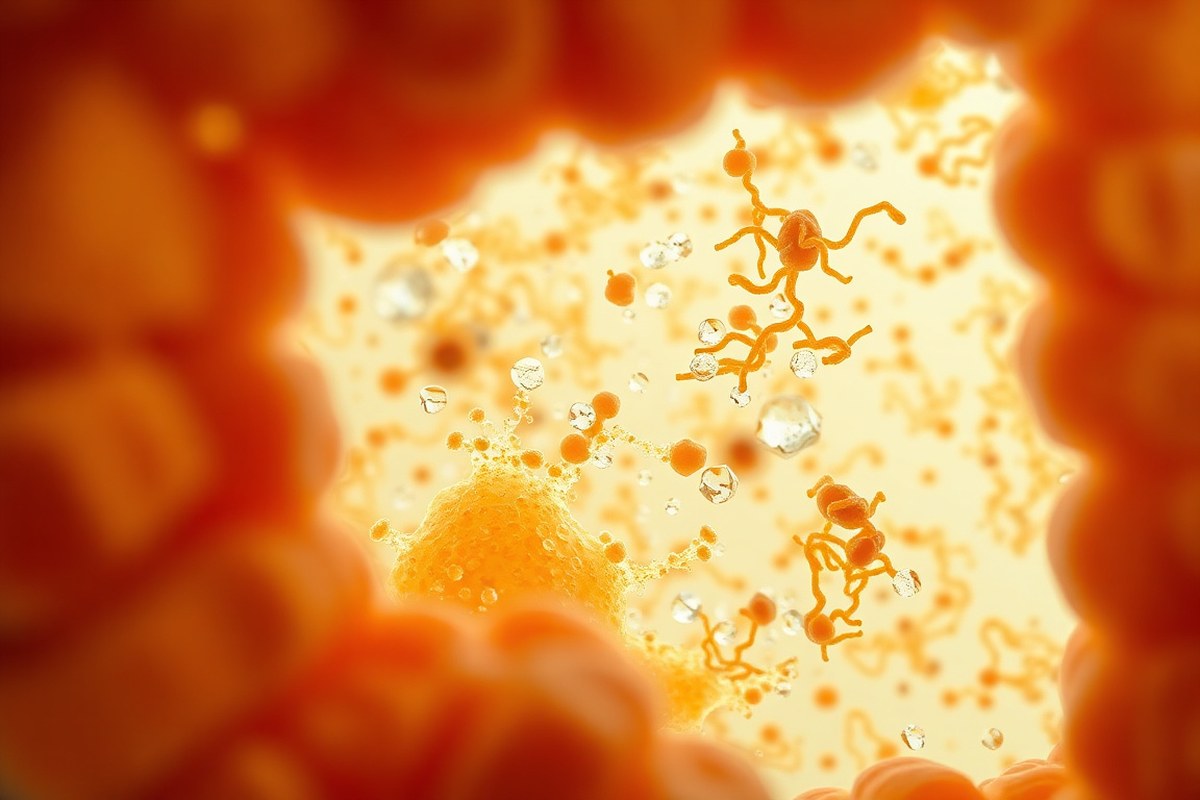
Eating tofu can cause gas. It has carbs and proteins. Your gut bacteria help digest these compounds.
Some parts of tofu, like oligosaccharides and fiber, aren’t fully broken down in the small intestine. These carbs reach your colon.
Bacteria ferment them there. This process produces gases like hydrogen and carbon dioxide.
Oligosaccharides and Why They Cause Gas
Tofu contains oligosaccharides, a type of carbohydrate that humans can’t fully digest. These sugars pass through the small intestine intact and reach the colon. There, gut bacteria ferment them, creating gas that leads to bloating and pressure.
This fermentation usually starts about 30 minutes to 2 hours after eating tofu. Gas peaks between 2 and 4 hours. This causes symptoms like flatulence.
You may also feel abdominal swelling. The amount of oligosaccharides and your gut bacteria type influence how much gas is produced.
Fiber’s Role in Gas Formation
Tofu provides some dietary fiber, which also plays a part in gas production. Fiber doesn’t get digested by your enzymes, so it travels to the colon. Bacteria then ferment fiber, adding to gas buildup.
Eating a lot of tofu at once can increase fiber suddenly. Your gut has to handle this load. This may cause discomfort.
This quick intake means more fermentation and more gas. A slow increase in tofu consumption helps your gut adjust, reducing discomfort.
Gut Bacteria and Fermentation Process
Your large intestine hosts bacteria that break down undigested food parts through fermentation. These bacteria use oligosaccharides and fiber from tofu for energy. Fermentation releases gases such as hydrogen, carbon dioxide, and sometimes methane.
People differ in the types of bacteria they carry. Some have more methane-producing bacteria, which can change gas quantity and smell. A sudden increase in tofu can upset the bacterial balance, leading to more gas temporarily.
Protein in Tofu and Digestive Effects
Tofu’s high protein content can affect digestion for some people. Proteins may be harder to digest and reach the colon partially broken down. Gut bacteria ferment these proteins too, producing gas that can add to bloating.
Still, protein is less likely to cause gas than the carbohydrates in tofu. You notice gas after eating a lot of protein-rich tofu. Your gut may just need more time to adjust.
Eating tofu slowly and in small amounts helps reduce sudden gas caused by fermentation.
How Different Types of Tofu Affect Gas Production
Different types of tofu vary in how much gas they might cause. Silken tofu is very soft and has the lowest fiber and oligosaccharide content. So it tends to cause the least gas.
Firm and extra-firm tofu have more fiber. They have slightly more oligosaccharides. Still, they digest easier than soybeans or edamame.
Firm tofu is pressed to remove more water. This reduces the leftover sugars that cause gas. Extra-firm tofu is pressed more than firm tofu.
This pressing often makes it the least likely to cause bloating. Silken tofu is softer but has very low fiber. It is also a good choice to avoid gas.
| Food (typical serving) | Fiber (grams) | Oligosaccharide Load | Bloat Potential |
|---|---|---|---|
| Firm tofu, 6 oz | 3, 6 | Low | Low to moderate |
| Silken tofu, 6 oz | 1, 2 | Very low | Low |
| Cooked soybeans, ½ cup | ~6 | High | High |
| Edamame, ½ cup | ~4 | Moderate to high | Moderate |
| Soy milk, 1 cup | 1, 2 | Low to moderate | Low to moderate |
| Tempeh, 3 oz | 4, 5 | Low (fermented) | Low to moderate |
Silken tofu’s low fiber and oligosaccharides cause less gas. It usually causes less gas than firm tofu.
Still, firm tofu’s lower water content and pressing reduce gas-causing sugars too. Trying both types in small amounts can help you find what works for your digestion.
The fiber in tofu is mainly complex sugars that can ferment in your gut, causing gas. Silken tofu has around 1 to 2 grams of fiber per 6-ounce serving. Firm tofu contains 3 to 6 grams in the same portion.
Firm tofu has higher fiber, which may increase gas slightly. It still causes less gas than unprocessed beans or edamame.
How Cooking and Preparation Methods Reduce Tofu Gas
To reduce gas from tofu, proper soaking, pressing, and cooking help a lot. These steps lower fermentable sugars and improve digestibility. Taking time for these methods makes tofu gentler on your stomach.
Soaking Tofu to Reduce Fermentable Sugars
Soaking tofu before cooking can lessen the fermentable carbohydrates. These sugars can feed gut bacteria and cause gas. Soaking helps wash out some of these sugars and makes tofu easier to digest.
For best results, soak your tofu in water for at least 30 minutes. Use fresh, cool water and keep tofu fully submerged. This process removes some oligosaccharides that cause gas without changing the tofu’s texture much.
- Remove tofu from its packaging and drain the liquid.
- Place the tofu block in a bowl or container large enough to hold it.
- Fill the bowl with cool water until tofu is fully covered.
- Let the tofu soak for 30 minutes to several hours in the fridge.
- Drain the water and pat tofu dry before pressing or cooking.
Pressing Tofu for Less Residual Liquid and Oligosaccharides
Pressing squeezes out water and leftover sugars trapped inside tofu. Less water means the tofu cooks firmer and breaks down easier in your gut. Pressed tofu holds marinades better and produces less gas.
Pressing is simple and takes just 15 to 30 minutes. You can press tofu using a tofu press. You may also create a DIY press.
Use kitchen tools like plates and cans for this. Skip pressing only if you want soft tofu for recipes like smoothies.
- Place tofu block on a plate lined with a clean towel or paper towels.
- Set another towel on top of the tofu to absorb water.
- Put a flat plate or cutting board on top of the tofu.
- Add weight, such as canned food or a heavy pan, on top of the plate.
- Leave tofu pressed for 15 to 30 minutes to drain excess water.
- Remove the press and proceed with cooking or marinating.
Best Cooking Methods to Improve Digestibility
Cooking tofu well breaks down proteins and helps digestion. Boiling, steaming, or baking tofu makes it easier on your stomach. These methods maintain nutrients and soften tofu without sealing in hard-to-digest layers.
Avoid deep-frying or heavy frying if you wish to reduce gas. Fried crusts can slow digestion and cause discomfort. Marinate tofu with vinegar or citrus juice before cooking.
These acids help break down proteins. This makes tofu easier to digest.
- After pressing, marinate tofu in a mix of citrus juice or vinegar for 15 minutes.
- Choose a cooking method: boil, steam, or bake tofu until it firms up.
- For boiling, simmer tofu in water for 5 to 10 minutes before use.
- For steaming, place tofu in a steamer over boiling water for 10 minutes.
- For baking, spread tofu on a baking sheet and cook at 350°F for 20, 30 minutes.
How Much Tofu Is Safe to Eat to Avoid Gas?
A good tofu serving to reduce gas is about 3 to 4 ounces. Larger amounts in one meal may cause more gas and discomfort. Trying small portions first helps you check your body’s reaction.
Gradually introducing tofu helps build your tolerance over time. Begin with one to two ounces and add a little more each week. Adding tofu slowly helps your gut get used to it.
Gradual changes reduce gas and bloating over time. Your digestion improves as bacteria adapt to tofu.
- Start with 1 to 2 ounces of tofu per meal.
- Increase your portion by about 1 ounce weekly.
- Chew tofu thoroughly to aid digestion.
- Eat slowly to reduce swallowed air that adds to gas.
- Avoid carbonated drinks with tofu meals.
- Pair tofu with high-fiber foods like vegetables.
Chewing tofu well helps break it down and reduces gas formation.
Portion size matters because too much tofu overwhelms your digestion. Eating large amounts suddenly can cause more gas and bloating. Sticking to moderate portions and building up slowly lets your body adjust without discomfort.
Some people can eat bigger portions without issue. But if you’re new to tofu or sensitive, keep servings small at first.
Over several weeks, you can test your limit and eat as much as you comfortably tolerate. This approach avoids sudden digestive upset and helps you enjoy tofu more consistently.
How Combined Foods and Diet Influence Tofu Gas Symptoms
Eating tofu with onions, garlic, or wheat sauces often causes more gas. These ingredients contain high-FODMAP sugars that feed gut bacteria and increase bloating. Testing tofu alone first helps you see if it alone causes symptoms.
Pair tofu with low-FODMAP vegetables or simple starches instead. Foods low in FODMAP like carrots, zucchini, or white rice lower the chance of gas. Adding fiber-rich items like leafy greens can also regulate your digestion and reduce bloating risk.
| Food Pairing | Gas Risk |
|---|---|
| Tofu + Onion or Garlic | High |
| Tofu + Chickpeas or Lentils | High |
| Tofu + Low-FODMAP Veggies (Carrots, Zucchini) | Low |
| Tofu + White Rice or Simple Grains | Low |
| Tofu + Leafy Greens (Spinach, Kale) | Low |
Combining tofu with lower-FODMAP, high-fiber foods balances your gut. It slows digestion and prevents gas buildup. You might notice bloating won’t happen when you avoid stacking many gas producers.
Your diet’s overall makeup matters too. Eating many high-FODMAP foods in one meal quickly tips your gas threshold. Restricting other high-FODMAP foods at the same time helps keep tofu’s effects mild.
Make your meals simple while you test what foods trigger you. Most store-bought tofu is low-FODMAP, but processed types may cause more gas for some. Try fresh or homemade tofu with simple sides for easier digestion.
Gas Symptoms from Tofu in Sensitive Groups and When to Worry
Some people, like babies and those with IBS, may get more gas from eating tofu. Babies have weaker digestion, so even small amounts can cause gas. IBS sufferers often react to even modest fermentable foods, including tofu.
Signs Tofu Causes Gas in Babies and Children
Babies may have more burping, frequent crying, or fussiness after tofu. Their small digestive systems can struggle with the fiber and sugars in soy. This often shows as fussiness or stomach bloating after feeding.
Look for green stools, gas bubbles, or tummy rumbling too. These signs usually appear within hours after eating tofu. Parents should watch how babies react when first introducing tofu in small amounts.
Red Flags When Gas Symptoms Are Serious
Gas is often harmless, but some symptoms mean you need a doctor. Severe stomach pain, vomiting, or blood in stool are red flags. Persistent or worsening gas lasting days also needs professional attention.
Other symptoms that call for medical check include weight loss or fever. These could hint at infections or other issues beyond food intolerance.
- Severe abdominal pain that doesn’t ease
- Vomiting or nausea lasting more than 24 hours
- Blood or black stools
- Unexplained weight loss along with gas
- Fever with digestive symptoms
- Persistent diarrhea or constipation
- Difficulty swallowing or severe bloating
Seeing a healthcare provider can rule out serious conditions. They may suggest tests or changes in diet to manage symptoms effectively.
Medical Conditions Linked to Worsened Tofu Gas
IBS sufferers often experience worse gas from tofu due to sensitive guts. Even small amounts of soy can trigger bloating and flatulence. Controlling food portions and eating slowly helps reduce these symptoms.
Histamine sensitivity also worsens tofu gas symptoms in some people. This can cause headaches, flushing, or digestive upset after soy. If you notice worsening symptoms, talk to a doctor about testing.
Often, managing these conditions means gradual tofu introduction and monitoring reactions. A dietitian can help create a plan based on your needs and symptoms.
How Gut Bacteria and Individual Differences Shape Gas from Tofu
Your gut bacteria break down the carbohydrates in tofu through fermentation. Tofu contains oligosaccharides, a type of fermentable carbohydrate, which some gut bacteria feast on. This process releases gas as a natural byproduct, causing bloating or discomfort in some people.
The mix of bacteria in your gut differs from person to person. Some people have bacteria that digest these oligosaccharides more efficiently, which means less gas forms. Some people have gut bacteria that make more gas than normal.
Others don’t break down these carbohydrates well at all. This causes stomach discomfort after eating tofu.
Enzyme activity also matters. Your intestines might not produce enough enzymes to digest soy carbs. That means more undigested oligosaccharides reach your large intestine.
That gives bacteria more fuel for fermentation and gas production. Sensitivity to gas and bloating symptoms varies too. You might feel worse even from small amounts of gas compared to others.
Gut conditions like small intestinal bacterial overgrowth (SIBO) can make tofu more likely to cause gas. SIBO means bacteria grow where they usually don’t in the small intestine, fermenting carbs early.
This leads to more gas than usual in your colon. That extra gas often causes worse digestive symptoms.
You can influence your gut bacteria by changing your diet over time. Eating more fiber gradually or adding probiotic foods may promote bacteria that ferment carbs more gently. This takes weeks or months, and results vary by person.
Probiotics or fermented foods like kimchi may help rebalance gut bacteria. But they don’t work the same for everyone.
Start with small amounts of tofu and keep a food journal. Tracking how much you eat and your symptoms helps you understand your gut’s response better.
Individual sensitivity to oligosaccharides is another reason some people get more gas from tofu. Not all fermentable carbs cause the same reaction, and your gut lining’s sensitivity counts. For example, people with irritable bowel syndrome (IBS) often report stronger gas reactions to these carbs.
Changing gut bacteria through diet or treating conditions like SIBO can reduce gas from tofu. Always work with a healthcare provider if you suspect SIBO or a gut disorder.
Doctors can use tests to find the problem. Treatment might include antibiotics or diets to cut gas and help you tolerate tofu better.
Alternatives and Strategies to Enjoy Tofu Without Gas
You can try other soy products that usually cause less gas than tofu. Soy milk often feels lighter because it has fewer fibers and carbohydrates. Tempeh is a soy product that ferments before you buy it.
This process breaks down some compounds that cause gas. It can be easier to digest than other soy foods. Edamame might cause more gas than tofu.
It is a whole soybean, which means it has more fiber and sugars. These nutrients can increase gas production in your gut. These options let you enjoy soy protein while managing digestion better.
Non-soy plant proteins might be gentler if tofu still causes discomfort. Lentils, chickpeas, and peas have lots of protein but digest more smoothly for many.
Quinoa or buckwheat are also good sources and may cause less bloating. Mixing these into your meals keeps variety and protein levels up without relying only on soy.
- Eat tofu in smaller amounts, like 3 to 4 ounces per meal.
- Cook tofu with ginger to support digestion and reduce inflammation.
- Drink 8 to 10 glasses of water daily to help flush your digestive system.
- Soak and rinse non-tofu legumes thoroughly before cooking.
- Try combining tofu with herbs like fennel or peppermint after meals.
- Increase intake of fiber slowly to avoid overwhelming your gut.
- Keep a food diary to spot patterns between tofu servings and gas symptoms.
Reducing tofu-related gas often means combining these strategies over time. Changing how much you eat and what you eat with will ease digestion. Ginger gives a helpful boost to your meals.
You can easily grate fresh ginger into tofu stir-fries or soups. It adds flavor without much extra work.
Drinking enough water keeps waste moving through your system faster. Trying these steps one by one helps you figure out what works for your body.
Step-by-Step Action Plan to Reduce Gas from Tofu
Follow these steps to enjoy tofu without the uncomfortable gas and bloating it can cause.
- Day 1: Start with a small portion of soft or silken tofu (about 2 ounces). Notice if you feel less gas or bloating than usual.
- Week 1: Try soaking and rinsing firm tofu before cooking. Check if your digestion feels smoother after meals.
- Week 2: Cook tofu well, like steaming or pan-frying, to break down fiber. See if gas reduces compared to raw or lightly cooked tofu.
- Week 3: Add digestive enzymes or ginger tea after eating tofu. Monitor if this helps ease discomfort.
- Week 4: Combine tofu with non-gassy vegetables and avoid beans or onions. Watch for fewer bloating symptoms.
- After 4 weeks: Gradually increase tofu portions if no gas occurs. Stop if you notice new bloating or cramps.
- Ongoing: Pay attention to your body’s response and make meal changes as needed. Consult a doctor if severe or lasting symptoms appear.
Frequently Asked Questions
Can Drinking Water with Tofu Reduce Gas?
Yes, drinking water helps digestion and can reduce gas. It dilutes fermentable fibers and eases their breakdown in your gut.
Does Freezing Tofu Before Cooking Affect Gas?
Freezing tofu can change its texture but does not reduce gas. The fermentation-causing carbs stay the same, so gas risk remains.
Can Taking Digestive Enzymes Help with Tofu Gas?
Digestive enzymes might ease gas by breaking down soy carbohydrates. Try enzyme supplements made for beans to see if they help.
Is Tofu Gas Worse on an Empty Stomach?
Eating tofu on an empty stomach may increase gas and bloating. Having it with other foods can slow digestion and reduce symptoms.
Does Organic Tofu Cause Less Gas Than Conventional Tofu?
Organic tofu doesn’t show clear signs of causing less gas. The gas mainly comes from soy carbs, not farming methods.
Wrapping Up
Tofu can cause gas, but the right steps help reduce discomfort. Start small and cook tofu well to ease digestion. Keep track and adjust your habits for better gut health.