
What Is Engine Control Module? Complete Guide to Functions, Costs & Replacement
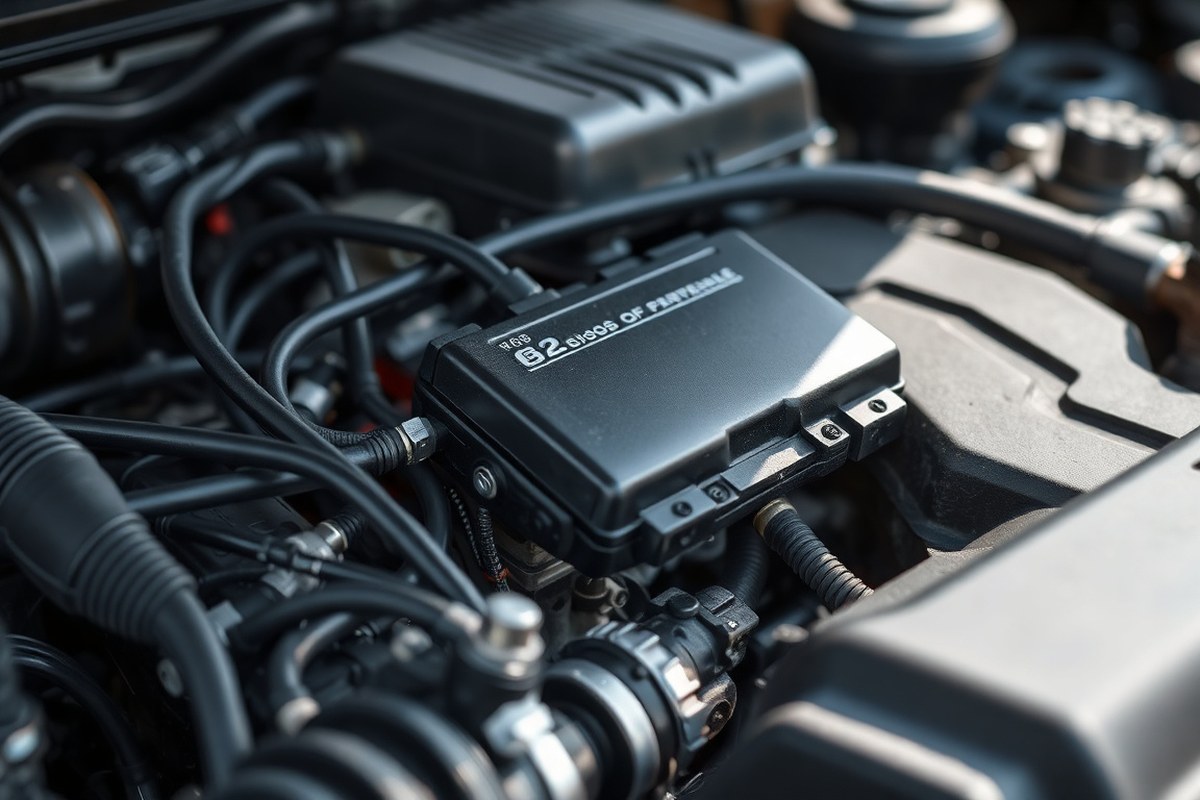
The engine control module, or ECM, is the main computer managing your engine’s performance. It controls fuel injection, ignition timing, and emissions systems. The ECM makes sure the engine gets the right air-fuel mix for efficient combustion.
The ECM receives data from sensors like oxygen, temperature, and throttle position sensors. It adjusts engine functions in real time to keep everything running smoothly. This improves fuel economy and lowers emissions.
If your engine acts up, the ECM might store error codes that pinpoint problems. Resetting the ECM by disconnecting the battery or waiting 10 to 15 minutes can clear errors and restore control.
A faulty ECM can cause rough idling, poor fuel economy, or starting issues. In those cases, a professional diagnostic test helps decide if repair or replacement is needed.
Key Takeaways
- The ECM controls important engine systems like fuel flow and ignition timing.
- It communicates with sensors to respond to engine changes instantly.
- A simple ECM reset can often fix minor engine problems.
- ECM is also called Engine Control Unit (ECU) in many cars.
- High-end and heavy-duty vehicles usually have more expensive ECMs.
- ECM costs can range widely, $400 to $1,800 depending on your vehicle.
What Is an Engine Control Module and Its Main Functions?
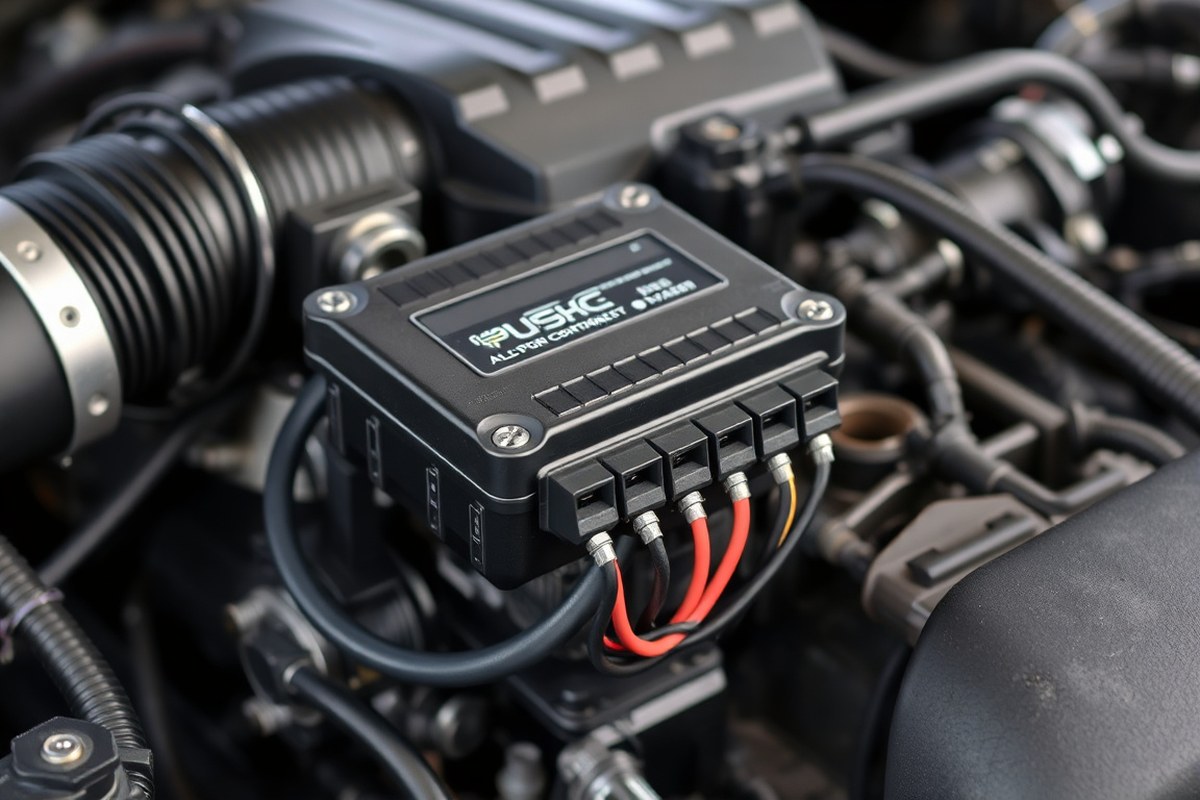
An engine control module, or ECM, is the small computer that runs your engine. It manages key tasks like fuel injection, ignition timing, and emissions control. Without it, your engine wouldn’t run efficiently or meet emissions standards.
The ECM controls how much fuel your engine gets and when it is injected. It decides when the spark plugs should fire to ignite the fuel-air mix. These adjustments help your engine burn fuel cleanly and efficiently.
The ECM also monitors sensors around the engine continuously. It uses that data to tweak fuel and timing settings in real time. By doing this, it keeps your engine running smoothly under varying conditions.
People call the ECM the brain of the engine because it controls important functions automatically. It processes signals from sensors like oxygen and temperature sensors. Then it applies software rules to make precise engine adjustments.
The computer inside the ECM includes a microcontroller unit, or MCU. The MCU executes software instructions that manage engine operations. This processing means your engine responds quickly to changes like cold starts or heavy loads.
Usually, the ECM sits in the engine bay near the battery or firewall. It’s designed to handle heat, vibration, and moisture in the engine environment. This toughness ensures reliable engine control in different climates and conditions.
Keeping the ECM and sensors in good shape helps your car run well. Bad data from poor sensors causes worse gas mileage and more emissions. Regular checks keep things working right.
Your vehicle might stall or not pass emissions tests when the ECM fails. Fixing or replacing an ECM usually costs hundreds of dollars and requires precise programming.
How Does the Engine Control Module Work with Sensors and Other Modules?
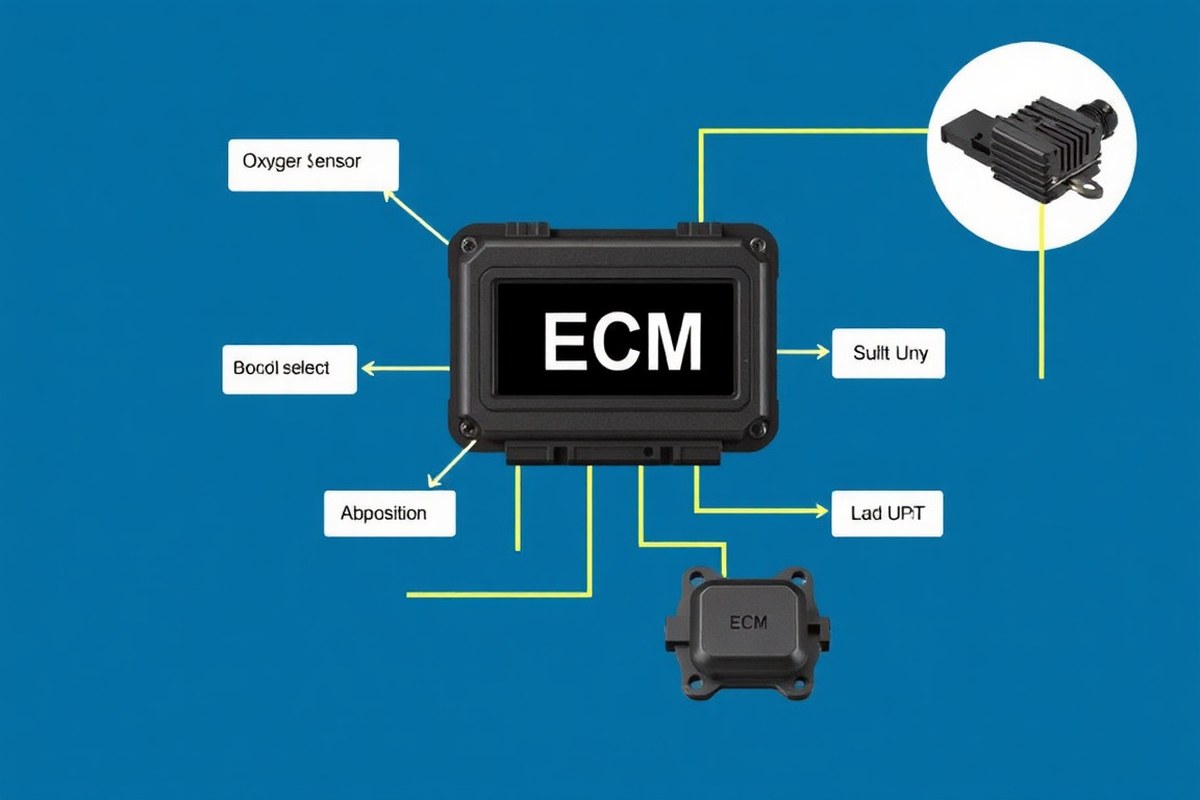
The engine control module (ECM) uses sensor data continuously. It adjusts engine functions to keep it running smoothly all the time.
It collects inputs like engine RPM, load, air flow, oxygen levels, throttle position, and temperature. The ECM uses this information to adjust fuel injection, ignition timing, and emissions controls continuously.
Sensors such as the mass airflow sensor and oxygen sensor provide critical data. The ECM reads these signals through electronic interfaces that convert sensor readings into digital data. This lets the ECM rapidly track changes and make precise adjustments.
The ECM shares information with other vehicle control units, like the TCM and BCM. They connect through a network called CAN bus to swap data. For instance, the ECM sends engine speed and torque details to help the TCM pick the right gears.
This collaboration improves overall vehicle performance and fuel economy. The ECM and TCM work together to ensure smooth transmission operation tuned to engine output.
The BCM uses engine information to control features like lights and climate. It adjusts those systems based on how hard the engine works.
One common issue arises when the ECM cannot communicate properly with sensors or other modules. This can cause the engine to stall or fail to start. Communication failures sometimes require diagnostic tools to check signal quality and module response times.
Always use an approved scan tool to check ECM communication before replacing parts. Misdiagnosis can be costly.
ECM vs PCM vs ECU: Understanding the Differences and Similarities
ECM, PCM, and ECU often sound like different parts, but they overlap a lot. An ECM and ECU usually mean the same engine control unit.
PCM covers more by combining engine and transmission controls. Different makers pick terms based on what the unit controls and company history.
Definitions of ECM, PCM, and ECU
An Engine Control Module (ECM) manages an engine’s performance and fuel use. It adjusts fuel injection, ignition timing, and air-fuel mix to keep the engine running well. ECM and ECU (Engine Control Unit) are often interchangeable terms for the same thing.
The Powertrain Control Module (PCM) is a broader control unit. It includes all ECM functions plus transmission management. Some cars have separate modules for engine and transmission control.
One is the ECM (Engine Control Module). The other is the TCM (Transmission Control Module).
Control Functions Compared
The ECM focuses strictly on engine functions like timing and emissions. It also logs data and generates diagnostic trouble codes for engine issues. A PCM handles everything the ECM does, plus driver shift logic and transmission controls.
This table compares what each module typically controls:
| Module | Main Control Scope | Includes Transmission Control? | Common Usage |
|---|---|---|---|
| ECM | Engine operations (fuel, ignition, emissions) | No | Vehicles with separate transmission module |
| PCM | Engine + transmission functions | Yes | Most modern vehicles with integrated control |
| ECU | Engine operations (same as ECM) | No (usually) | Interchangeable term with ECM |
The difference matters if you are troubleshooting or replacing your vehicle’s computer. Knowing whether you need an ECM or PCM depends on what controls your car’s transmission. Diagnostic tools also identify trouble codes differently based on this.
Which Automakers Use Which Terms?
Manufacturers choose ECM, PCM, or ECU terms based on legacy naming or system design. For example, Ford often uses PCM to describe their combined engine and transmission control. Chevrolet tends to call it ECM when it just controls the engine.
German brands usually use ECU as the formal term for any engine control unit. Some Japanese automakers switch between ECU and ECM depending on the model year and control complexity. The differences don’t affect functionality but help identify the part.
Recognizing Symptoms of a Failing Engine Control Module
A bad engine control module can cause your engine to misfire. It may also lower fuel economy. You might find it hard to start your car.
Misfires happen when the ECM sends wrong timing or fuel signals, causing rough idling or hesitation. The engine might also stall or hesitate during acceleration.
Bad fuel economy is another key warning sign. The ECM adjusts the air-fuel mix to optimize mileage.
So any fault here can make your car use more gas. Watch out if you notice a sudden drop in miles per gallon without other mechanical problems.
Starting problems range from slow cranking to a full no-start condition. Yes, a bad ECM can cause your vehicle not to start.
But other issues like battery or ignition trouble can cause this too. The ECM controls spark timing and fuel delivery, so failures can block these steps.
- Engine misfires or rough idling
- Noticeable drop in fuel efficiency
- Engine stalling unexpectedly
- Sluggish acceleration response
- Difficulty or failure to start the engine
- Check engine light stays on
- Failed communication with an OBD scanner
The check engine light often comes on when the ECM detects a problem. However, this light alone doesn’t guarantee the ECM itself is bad.
It could mean an issue in sensors or other engine parts. Reading the diagnostic trouble codes (DTCs) stored by your car helps pinpoint the fault.
Trying to repair an ECM without finding the root cause can be costly. Some repairs may cost around $400 to $1200 if you replace the ECM. But that’s money wasted if the original problem isn’t fixed.
Use an OBD scanner for proper diagnosis. Follow the error codes it shows. Avoid guessing what is wrong with your car.
Typical Causes and Risks Leading to ECM Failure
The engine control module can fail due to several main factors. Electrical faults, water intrusion, and internal component wear often cause damage. Each factor affects how well the ECM manages engine systems.
Water or moisture inside the ECM is a common problem. It leads to corrosion on circuits and connectors. Corrosion interrupts electrical signals and can permanently damage electronic parts inside the module.
Electrical issues are also a major cause of ECM failure. Problems like short circuits, voltage spikes, or poor wiring connections stress the internal electronics. Over time, these issues can burn out components or cause erratic behavior.
- Water leaks from cracked seals or faulty gaskets allow moisture entry
- Exposure to high humidity without proper sealing causes corrosion
- Damaged or frayed wiring creates shorts or open circuits
- Voltage surges from a failing alternator or battery harm electronics
- Electromagnetic interference disrupts the module’s signals
- Internal components wear from heat cycling and long-term use
- Incorrect jump-starting techniques cause voltage spikes that fry the ECM
Moisture effects vary depending on how much water enters and for how long. Small amounts of moisture may cause temporary faults. Extended exposure leads to rust and permanent failure.
Wiring problems can damage the ECM directly or cause faulty inputs. Loose connectors or broken wires confuse the control module’s signals. This leads to trouble regulating fuel, spark timing, and other engine functions.
Always check that ECM connectors and seals are dry before driving through water or rain.
Costs and Timeline for ECM Replacement and Programming
Replacing and programming an engine control module usually costs between $400 and $3,000. The total price depends on the vehicle type and whether the module needs programming.
Programming fees generally add about $100 to $200 extra. The process often takes a few hours.
Cost Range by Vehicle Type
Costs vary widely by vehicle type because some modules are more complex or expensive. Passenger cars typically cost less to fix than heavy-duty trucks. Fleet vehicles usually cost more because they have special parts.
Here is a quick look at typical ECM replacement costs by vehicle type.
| Vehicle Type | Replacement Cost Range |
|---|---|
| Passenger Cars | $400 to $1,800 |
| Heavy-Duty Trucks | $1,000 to $3,000 |
| Fleet Vehicles | Varies widely, typically $1,000+ |
Remember, the make and model also influence the price. Some parts for luxury or newer cars cost more.
Programming Fee Expectations
Most new ECMs require programming to match your specific vehicle. This step personalizes the module’s software to work with your engine and sensors. Programming fees typically add $100 to $200 to your bill.
Using a remanufactured or used ECM may reduce programming costs. But check the seller’s terms. Some modules come pre-programmed, cutting down on time and expense.
Typical Labor Cost and Time
Labor fees vary with the vehicle and the shop’s hourly rate. You can expect the job to take around 1 to 3 hours. That includes removing the old module, installing the new one, and programming it.
Labor costs usually appear separately on your invoice. Shops tend to charge $75 to $150 per hour.
So labor can run between $75 and $450. Doing programming yourself is rare, since specialized tools are needed.
How to Identify and Select the Right Replacement ECM for Your Vehicle
To pick the right engine control module, start by noting your car’s year, make, and model. Then, find the engine type and check the original ECM part number.
Match the part number to ensure it fits and works right. Also, check if the ECM needs programming or software updates before installation.
Verify Vehicle Compatibility and Part Number
Start by locating the original ECM part number on your vehicle or the old module. This number is usually on a sticker or stamped plate. The part number is in the service manual.
You can also get it from a dealer. Just give your vehicle’s year, make, model, and engine size.
Matching the exact part number is critical. Using a module for a different engine might not work. It can also cause errors in your car.
Always match the module to your exact engine and year. Manufacturers often produce several versions for different trims or emissions standards. So you need the right one.
Consider New vs Remanufactured vs Used ECMs
You have three main choices when replacing an engine control module: new, remanufactured, or used. New modules come directly from the manufacturer but cost between $400 and $1,200. They include the latest updates and full warranty.
Remanufactured ECMs are rebuilt and offer a middle ground in price, usually $200 to $500. They may come with a limited warranty but could need programming.
Used modules can be the cheapest option, often under $150. But the risks include unknown history and possible incompatibility.
- New ECM: highest price but original, latest software, full warranty
- Remanufactured ECM: lower price, rebuilt, may require programming
- Used ECM: lowest price, riskier, check part number and condition
- Ensure any used or remanufactured ECM matches your original part number
- Ask the seller about return policies if the ECM fails installation
Buying from a reputable source helps reduce problems with used or remanufactured modules. Saving money comes with a tradeoff in reliability and support.
Confirm Programming and Software Requirements
Many replacement ECMs need to be programmed to your vehicle’s specific configuration. This programming matches the module to your engine, transmission, and other systems. Without this, your car may not run correctly or could trigger warning lights.
Only a dealership or qualified shop can often do ECM programming. They need special tools and software to do this right. Calling a professional is usually required for programming.
Sometimes the module arrives pre-programmed, but you must verify this before purchase. You’ll also want to budget $100 to $250 for programming services in most cases.
Check whether the ECM replacement requires any firmware updates or VIN coding after installation. Some vehicles need additional setup steps for sensors or anti-theft features. Confirm this in advance to avoid surprises after you replace the module.
Common Mistakes When Replacing an ECM and How to Avoid Them
Replacing the engine control module often comes with errors that cause bigger problems. Many skip checking power and ground connections first.
This causes the new ECM to get wrong voltage or poor grounding. This can cause erratic engine behavior or prevent the vehicle from starting.
Programming the ECM after installation is another key step. Some swap the module but don’t program it. The new unit lacks the car’s specific settings.
Without programming, the ECM can’t communicate with sensors correctly or control fuel and ignition properly. This step needs special tools to complete.
It usually takes 30 to 60 minutes. Time varies by make and model.
- Test all power and ground circuits before installing the new ECM
- Identify and use the exact ECM model to match your vehicle
- Never skip the programming process after installation
- Clear error codes after programming to reset the system
- Check communication lines and sensor wiring for damage or corrosion
- Follow the manufacturer’s programming instructions precisely
Failing to find the correct ECM model can cause incompatibility, so double-check part numbers. Some replacement modules are general-purpose, which usually need extra programming to match the vehicle. Get a replacement made for your car’s year and engine.
Make sure it fits the system type too. This avoids no-start issues or check engine lights from unexpected faults.
Always check power and ground wires with a multimeter first. This prevents problems during ECM installation.
Programming options vary by vehicle. Some can be done with a dealer scan tool. Others need a professional-grade scanner or reflash device.
Programming typically sets vehicle ID, immobilizer keys, and sensor calibration. Skipping this test can cause your car to fail or idle badly. Poor idling often shows after a bad ECM swap.
After installation and programming, confirm the repair by clearing diagnostic trouble codes. Drive the vehicle to see if symptoms improve, like smooth running or no more warning lights.
Recheck wiring and connections if issues keep happening. Then try another replacement or see a pro.
When to Seek Professional Help for ECM Diagnostics and Repair
Diagnosing ECM problems yourself works for simple issues, like reading trouble codes. You can use an OBD-II scanner to check the stored diagnostic trouble codes (DTCs). This helps identify if sensors or wiring cause the problem.
Complex errors often need deeper testing tools and expertise. Some ECMs require professional programming if you replace or reflash them.
HP Tuners upgrades ECMs on certain GM, Dodge, Polaris, and Ford models. It allows proper diagnostics and calibration updates for those vehicles.
Without correct programming, your vehicle might not run right or could fail emissions tests. A trained mechanic uses these tools to check your ECM.
They make sure the software fits your engine’s needs. This avoids costly damage from incorrect settings.
Driving with a faulty ECM can be risky. It may cause poor fuel economy, engine stalling, or unexpected shutdowns.
These problems can make driving unsafe. They also risk damage to your engine or transmission.
Safety concerns increase when your engine behaves unpredictably or loses power suddenly. Seek help if the check engine light stays on after resetting or if drivability worsens. A pro can test under various engine loads and temperatures to pinpoint the issue.
Stop DIY attempts if your ECM ignores resets or easy fixes. Hire a certified mechanic who can use manufacturer-specific diagnostic systems. They can identify subtle faults, like communication errors between modules or sensor failures.
ECM diagnostics cost between $80 and $150 per hour. Prices depend on your shop and may be higher.
Programming may add $100 to $400, based on the vehicle and complexity. This cost often saves money by avoiding unnecessary replacements or further damage.
In short, try basic code reading and resets at home. Get professional help for confusing codes, software updates, or safety issues. Certified mechanics ensure your engine control module works as the manufacturer intended.
Step-by-Step Action Plan for Handling Your Engine Control Module
Take control of your engine control module issues with this easy plan. Follow these steps to spot, fix, and maintain your ECM effectively.
- Day 1: Check your dashboard for warning lights. When the check engine light comes on, watch for odd driving issues.
- Day 3: Use a reliable OBD-II scanner to read error codes. Confirm if the codes point to the ECM or related sensors.
- Week 1: Inspect wiring and connectors around the ECM. Look for corrosion or loose connections that cause problems.
- Week 2: Look up a replacement ECM matching your car’s details. Order one that fits your make, model, and engine. Ensure compatibility to avoid issues.
- Week 3: Arrange for professional ECM installation and programming. Proper coding is necessary for your vehicle to run correctly.
- After 4 weeks: Test drive your car and monitor performance and warning lights. Clear codes again to see if problems persist.
- Ongoing: Keep your vehicle’s software updated during routine maintenance. It helps your ECM communicate well with other modules.
Frequently Asked Questions
What Is the Microcontroller Unit in an Engine Control Module?
The microcontroller unit (MCU) is the brain inside the ECM. It runs software and controls the entire system for engine management.
Can an Engine Control Module Be Reprogrammed or Updated?
Yes, an ECM can be reprogrammed to update software or fix bugs. This often requires a scan tool or dealer equipment.
Does Engine Control Module Failure Affect Fuel Efficiency?
Yes, a bad ECM can make your engine run poorly and waste fuel. It might cause rough idling or increased emissions.
How Does the ECM Interact with the Vehicle’s Transmission System?
The ECM sends signals to the transmission control module to help shift gears smoothly. This improves performance and fuel economy.
Is the Engine Control Module the Same for All Car Models?
No, ECMs vary by make, model, and engine type. Using the wrong ECM can cause compatibility problems or no start issues.
The Bottom Line
Your engine control module manages your car’s core functions, so keeping it healthy matters. Begin by correctly diagnosing any ECM-related issues today. Taking swift, informed steps can save you time and money in repairs.





One Comment