What Are the Three Races of the Triple Crown? A Complete and Detailed Guide
The Triple Crown includes three key horse races for 3-year-olds. They are the Kentucky Derby, Preakness Stakes, and Belmont Stakes. These races are the top U.S. Events for Thoroughbred horses.
The Kentucky Derby kicks off the series, followed by the Preakness Stakes two weeks later. The Belmont Stakes wraps things up about three weeks after the Preakness.
Winning all three races in one year earns the Triple Crown title. It is the only way to get this achievement.
Each race has a unique distance and track, which challenges the horses differently. Knowing the order helps you follow the buildup and intensity of the competition. Watching these races shows you how tough it is for any horse to win all three.
Key Takeaways
- The Kentucky Derby is the first race of the Triple Crown series.
- The Preakness Stakes comes about two weeks after the Kentucky Derby.
- The Belmont Stakes finishes the Triple Crown about three weeks after the Preakness.
- Only 3-year-old Thoroughbreds can compete in the Triple Crown races.
- Winning all three races in the same year grants the horse the Triple Crown title.
- Each race is held at a different track and has a unique race distance.
What Are the Three Races of the Triple Crown?
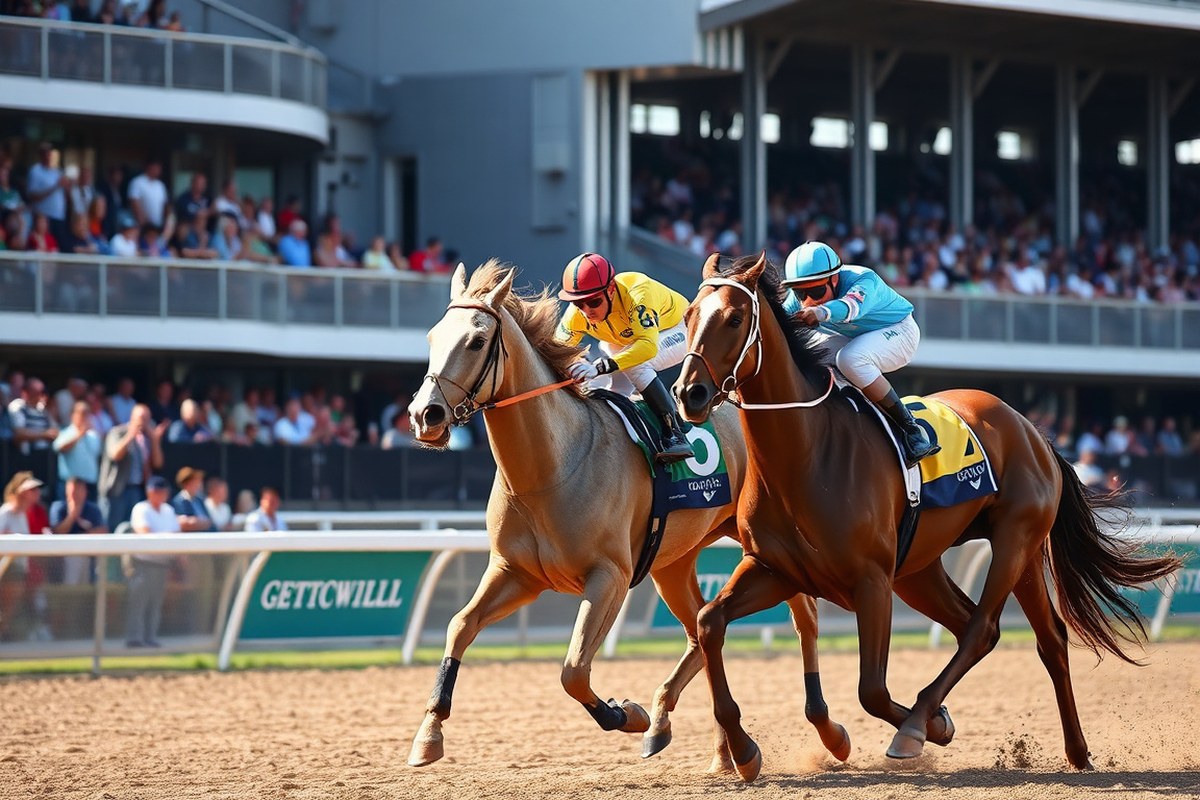
The Triple Crown includes the Kentucky Derby, Preakness Stakes, and Belmont Stakes. These races test three-year-old Thoroughbreds in quick succession every spring. Winning all three is a rare and highly praised feat.
The first race is the Kentucky Derby, often called “The Run for the Roses.” It is a 1¼-mile race that usually takes place on the first Saturday in May. The Derby draws huge crowds every year.
It has a party-like atmosphere. This race is the most attended horse event in the U.S.
Next is the Preakness Stakes, held about two weeks after the Derby. It is shorter, running 1 3⁄16 miles at Pimlico Race Course in Baltimore. The Preakness comes shortly after the Derby.
Horses need to recover fast and still race well. It offers a tough challenge mid-series.
The final race is the Belmont Stakes, known as “The Test of the Champion.” It is the longest at 1½ miles and happens three weeks after the Preakness. The Belmont is the longest race.
It tests horses’ stamina and race tactics. This race is the last big test for the Triple Crown.
Only three-year-old Thoroughbreds qualify to run in these races. So each horse has a single chance in their lifetime. This age restriction means trainers must carefully prepare the horses early on.
Owners often aim their best horses at these events. But the tight schedule and tough competition make it risky.
All three races are restricted to Thoroughbreds, which are bred for speed and stamina. This limit keeps the competition focused and consistent. Some owners skip one or more races.
This helps avoid injuries and keeps horses valuable. It also protects their chances in breeding or future races.
In What Order Are the Triple Crown Races Run Each Year?

The Triple Crown races happen in a strict order every spring. The Kentucky Derby opens the series on the first Saturday of May.
The Preakness Stakes follows two weeks later. The Belmont Stakes comes three weeks after that.
Starting the Triple Crown: Kentucky Derby
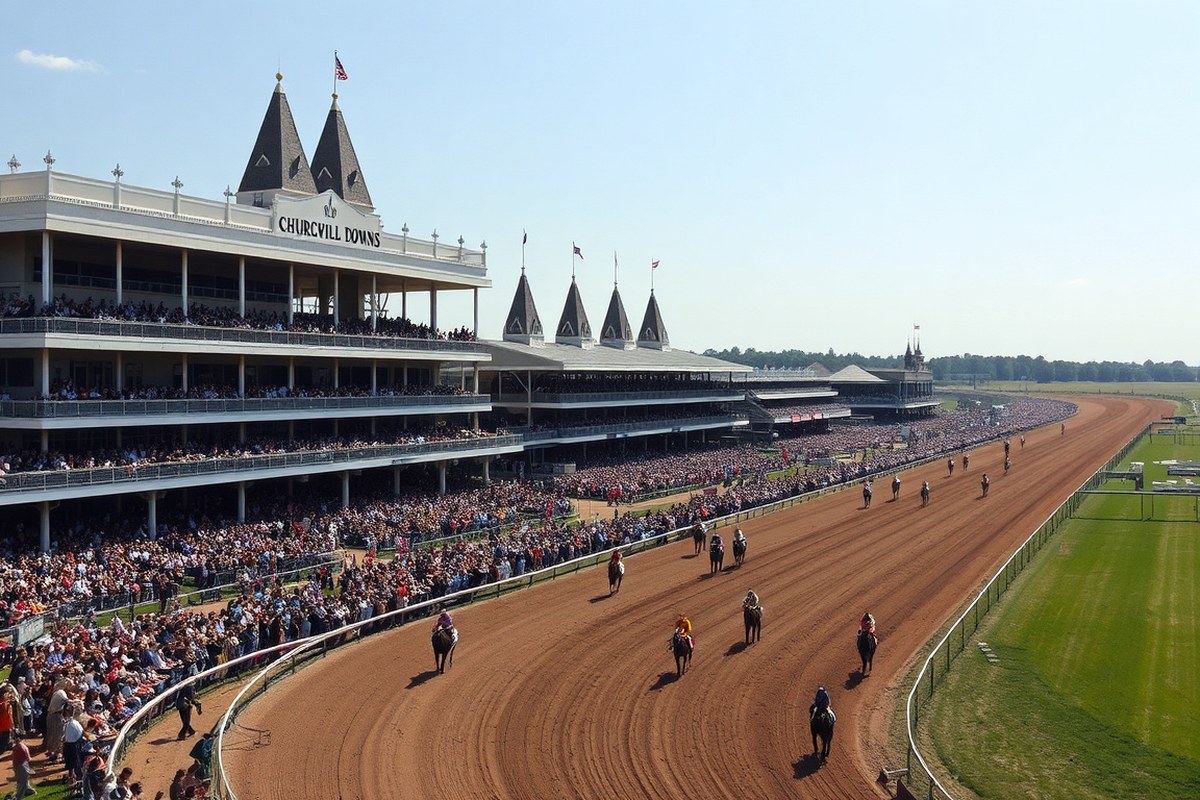
The Triple Crown begins with the Kentucky Derby held in May. It takes place annually on the first Saturday at Churchill Downs. Horses race 1.25 miles at this track in Louisville.
The timing matters because it sets the pace for the other two races. Horses have about two weeks to recover before facing the Preakness Stakes. This schedule pushes the limits for the young three-year-olds running these long races.
Middle Race Timing: Preakness Stakes
The Preakness Stakes starts two weeks after the Kentucky Derby. It runs on the third Saturday in May at Pimlico. The race distance is 1 3/16 miles, which is shorter.
This two-week gap is important. It gives horses a brief rest but still challenges their endurance. Sometimes winners of the Kentucky Derby skip the Preakness.
They do this to rest. This choice stops any chance for a Triple Crown winner that year.
Final Challenge: Belmont Stakes
The Belmont Stakes follows three weeks after the Preakness. This race takes place at Belmont Park in Elmont, New York, usually in early June. It is the longest of the three, at 1.5 miles.
The longer gap helps horses recover from two tough races within five weeks. The Belmont tests stamina more than speed. The timing and distance make it the toughest of all three races.
Changes in Dates and Order over Time
The order has mostly stayed the same since the 1930s. But the exact dates and race distances have shifted in the past. Early Kentucky Derbies were originally longer, about 1.5 miles, which was hard on young horses.
The spacing varies slightly depending on the calendar. The Preakness has always been two weeks after the Derby.
But the Belmont’s exact date has moved around within a few weeks of the Preakness. This affects the total time horses have to recover.
Why the Sequence Matters for Horses
Running three long races so close together is hard on the horses. The schedule demands fast recovery and consistent peak performance. Horses that win all three races within about five weeks show great skill and toughness.
Skipping any race breaks the chance for a Triple Crown title. For example, a Derby winner that skips the Preakness forfeits the chance to sweep the series. The tight timeline tests trainers and jockeys in managing each horse’s fitness.
Racehorses need careful rest between Triple Crown events to avoid injury and fatigue.
Where Are the Triple Crown Races Held and What Are the Race Distances?
The Kentucky Derby takes place at Churchill Downs in Louisville, Kentucky. It runs over 1 1/4 miles on a dirt track. Traditionally, it is held on the first Saturday in May every year.
The Preakness Stakes is the second race in the series. It is usually held at Pimlico Race Course in Baltimore, Maryland. The race covers 1 3/16 miles on a dirt track.
Pimlico recently had renovations, so the event was held at Laurel Park instead. This change lasted through the 2020 and 2021 races.
The Belmont Stakes is the final race in the Triple Crown. It takes place at Belmont Park in Elmont, New York.
Covering 1 1/2 miles on dirt, it is the longest race of the three. The race happens every year on the first Saturday in June.
| Race | Venue (Traditional) | Recent Change | Distance | Surface |
|---|---|---|---|---|
| Kentucky Derby | Churchill Downs, Louisville, KY | None | 1 1/4 miles | Dirt |
| Preakness Stakes | Pimlico Race Course, Baltimore, MD | Laurel Park (2020-2021 due to renovations) | 1 3/16 miles | Dirt |
| Belmont Stakes | Belmont Park, Elmont, NY | None | 1 1/2 miles | Dirt |
Temporary venue changes usually happen during track renovations. For example, the Preakness moved to Laurel Park because Pimlico was being rebuilt. These changes don’t affect distances much because the races keep traditional lengths to stay consistent.
Each track’s surface is dirt, which suits the horses and fits long-standing traditions. Race distances vary slightly, reflecting the challenge of each stage. The Belmont Stakes is longest, testing stamina more than the first two.
Why Is Winning All Three Triple Crown Races so Difficult?
Winning all three Triple Crown races is rare. Horses race three times in five weeks. That quick schedule makes it very tough to win all.
Each race tests different skills with distances ranging from a mile to 1.5 miles. The Belmont Stakes, the longest at 1.5 miles, challenges horses’ stamina on short rest after the first two races.
Horses must recover quickly between races, which is tough on their bodies. They face fresh competitors in each race who are rested and ready. The tight schedule leaves little time for healing or regaining peak fitness.
Training plays a big role in preparing horses to handle this pace and distance. Trainers carefully plan workouts to build endurance without causing injury. Keeping track of a horse’s health is very important.
Watching for problems like lameness helps catch them early. This helps the horse run at its best.
Reduced recovery time and higher race distances mean maintaining top condition is expensive and risky. Many promising horses drop out or fail in the Belmont due to fatigue or injury. Successful Triple Crown contenders balance speed, strength, and resilience perfectly under tough physical and scheduling demands.
Who Are the Most Notable Triple Crown Winners and What Made Them Legendary?
First Triple Crown Winner: Sir Barton
Sir Barton was the first horse to win all three Triple Crown races in 1919. He finished the Kentucky Derby, Preakness Stakes, and Belmont Stakes impressively in his debut year. This feat was recognized retroactively when the term “Triple Crown” became popular in the 1930s.
Before Sir Barton, no horse had officially swept all three major races during the same season. His achievement set the standard for future champions. The racing world soon looked to match this important milestone.
Secretariat’s Record-Breaking Performance
Secretariat is one of the most legendary winners due to his Belmont Stakes time. In 1973, he set a record of 2:24 flat for 1.5 miles, a mark that still stands. His overall speed and power during the three races remain unmatched.
He was also known for winning the Kentucky Derby by 2.5 lengths with a time of 1:59 2/5. Secretariat’s dominant style impressed many fans and experts, cementing his name in horse racing history. His victory margins and track records showed his exceptional talent.
American Pharoah and Ending the Drought
American Pharoah became the twelfth Triple Crown winner in 2015. His win ended a 37-year drought since Affirmed took the title in 1978. This long gap had many fans doubting if another Triple Crown was possible.
American Pharoah swept the Kentucky Derby, Preakness, and Belmont Stakes with ease. His victories brought new energy to horse racing fans everywhere. Justify matched this feat in 2018, proving it’s still possible to win all three.
Winning the Triple Crown demands peak horse fitness and expert training to handle the tight schedule.
What Are the Prize Money and Economic Impact of the Triple Crown?
The purses for the Triple Crown races are significant and differ for each event. The Kentucky Derby offers the largest purse, followed by the Preakness Stakes and the Belmont Stakes. Each purse rewards the owners, trainers, jockeys, and breeders, making these races highly lucrative.
| Race | Purse (2024) | Winner’s Share |
|---|---|---|
| Kentucky Derby | $3 million | 60% |
| Preakness Stakes | $1.5 million | 60% |
| Belmont Stakes | $1.5 million | 60% |
Winning a Triple Crown race boosts a horse’s value dramatically. Stallion prospects can command millions more for breeding rights. Owners also reap prestige and bigger purses in future races.
The Triple Crown Challenge offers an extra $1 million prize. The bonus pays if one horse wins all three races.
This adds a big incentive for owners and trainers. This bonus entices owners and trainers to aim for all three, increasing competition and excitement.
The horse racing industry adds around $16 billion yearly through racing activities like these. The Triple Crown races bring a surge of tourism, betting, and media coverage. Local businesses near race tracks get more customers during race weeks.
Hotels and restaurants especially see a rise in sales. This boosts the local economy noticeably at that time.
How Have the Triple Crown Races Evolved over Time?
The Triple Crown races started in the early 1900s, with each race establishing its own tradition. Over time, the venues and distances mostly stayed the same.
But there have been some notable exceptions. The term “Triple Crown” came into use years after the races had already begun.
Origins of the Three Races
The Kentucky Derby was the first to start in 1875 at Churchill Downs in Louisville, Kentucky. The Preakness Stakes followed in 1873 at Pimlico Race Course, Baltimore. Belmont Stakes is the oldest, dating back to 1867, held at Belmont Park in New York.
Each race grew independently before they were linked as a series. Their timing and distances developed based on local traditions and track conditions. These three races eventually became the goal for top 3-year-old thoroughbreds.
Evolution of the Triple Crown Term
The phrase “Triple Crown” was not used when the races began. Early on, winning all three was rare and got special attention but no official name. The term started gaining popularity in the 1930s after Gallant Fox won all three in 1930.
Its use became official and widespread as more horses targeted the series. Notably, the 2014 and 2015 back-to-back winners marked the first consecutive Triple Crown victories in history. This increased media coverage and fan excitement around the races.
Modern Venue and Distance Changes
The Kentucky Derby has been at Churchill Downs since it began. The race stays at 1 1/4 miles. This is the classic distance for the Derby.
The Preakness Stakes usually runs 1 3/16 miles at Pimlico, Baltimore. In 2026, it will shift temporarily to Laurel Park while Pimlico gets rebuilt.
The Belmont Stakes traditionally runs 1 1/2 miles at Belmont Park in New York. In 2026, the Derby moves to Saratoga. It will shorten to 1 1/4 miles.
This happens during Belmont Park repairs. These venue changes are rare but necessary for track upgrades.
Maintaining the race distances and order preserves tradition and tests horses’ stamina and speed. Temporary changes usually last a year or two.
They focus on safety and modern needs. These updates keep the event’s spirit intact.
What Are the Eligibility Rules and Racing Conditions for the Triple Crown?
Only three-year-old Thoroughbred horses can enter the Triple Crown races. They must be bred according to strict bloodline rules to keep competitive standards high. Trainers and owners must register their horses ahead of time.
They also need to meet several performance requirements to enter races. These rules help keep competition fair and safe.
Entry depends on nominations, payments, and sometimes points earned in prep races. Each race has a set schedule for these entries. Missing deadlines means no race day.
Horses must show good fitness before the races. They do this by past results or trial runs. Racing officials review these to give approval.
- Horses must be exactly three years old during the racing calendar year.
- Thoroughbred breed registration is mandatory for entry.
- Owners submit early nominations and pay entry fees per race.
- Some races require qualification via prep race performance or points.
- Trainers must confirm horse health and readiness before race day.
- Each race enforces strict weight limits for horses and jockeys.
- Jockeys must be licensed and certified to compete.
These rules make sure each race features the best young horses with fair chances. Trainers carefully plan schedules to prepare horses right for all three high-pressure events. Racing authorities watch closely to enforce safety and fairness throughout the competition.
Missing an entry deadline or skipping a required prep race can disqualify a horse.
Competing at the Belmont Stakes means the horse must recover fast from the Preakness Stakes. That short rest tests not only speed but also endurance and recovery ability. Trainers tailor workout routines to prepare horses for this tough, tightly timed challenge.
Step-by-Step Action Plan to Follow the Triple Crown Races
These steps help you watch and appreciate each race in the Triple Crown series. You’ll grasp the timing, locations, and key facts as the events unfold.
- Before the Season: Mark your calendar for the Kentucky Derby on the first Saturday in May. This is the first race and sets the stage for the Triple Crown.
- Week After the Derby: The Preakness Stakes happens two weeks after the Derby. It takes place at Pimlico Race Course. This race is a key step in the Triple Crown. Watch how the shorter track distance changes the race.
- Three Weeks After Preakness: The Belmont Stakes is held in New York. It happens three weeks after the Preakness. This race is the longest and final one. Pay attention to the stamina challenge facing horses.
- Race Days: Watch each race live or on TV. Notice the dirt track surfaces and how the different distances affect race strategies.
- After Each Race: Follow race results and expert analyses online. See who stays in contention for the Triple Crown title.
- After Belmont Stakes: Check the final standings and prize details. Celebrate if a horse wins all three or study where they fell short.
- Off-Season: Review any rule changes or historical trends about the Triple Crown races. This prepping improves your understanding for next year.
Frequently Asked Questions
What Are the Three Races of the Triple Crown in Order?
The three races are the Kentucky Derby, Preakness Stakes, and Belmont Stakes. They run in that order each spring over five weeks.
Why Is the Kentucky Derby Called the “Run for the Roses”?
The Kentucky Derby is called this because the winner gets a blanket of roses. This tradition started in the 1890s.
How Long Is the Belmont Stakes Race?
The Belmont Stakes is 1.5 miles long, making it the longest Triple Crown race. This tests the horses’ endurance more than the others.
Can a Horse Compete in the Triple Crown Races More Than Once?
No, only 3-year-old Thoroughbreds race in the Triple Crown. Each horse only gets one chance in its lifetime.
Who Was the First Horse to Win the Triple Crown?
Sir Barton was the first Triple Crown winner in 1919. The term “Triple Crown” was popular later after Gallant Fox’s 1930 win.
Wrapping Up
The Triple Crown races offer a thrilling test of speed and endurance across three U.S. Venues. Watching the Derby, Preakness, and Belmont in order shows why winning all three is tough. Each race tests horses differently.
Few horses can win the Triple Crown. Pick a race date now and start following the story each spring.