Knocking from Engine When Accelerating: 9 Key Causes and Fixes Explained
Knocking from engine when accelerating usually means your engine is having abnormal combustion. This problem happens when fuel burns unevenly, causing that distinct knocking sound. Fixing it fast helps prevent costly engine damage later on.
Low-quality or wrong octane fuel often triggers this knocking by igniting too soon. Using the right fuel grade stops most knocking immediately.
It burns cleaner and at the proper time in your engine. You can start by checking your owner’s manual to know the right octane for your car.
Other causes include dirty spark plugs, a faulty knock sensor, or a poor fuel-air mix. These can be diagnosed with some simple checks or by a mechanic. Catching knocking early saves you from repairs that could cost thousands of dollars.
Key Takeaways
- Use the octane fuel grade recommended in your vehicle’s manual to prevent knocking.
- Replace spark plugs every 30,000 miles or sooner if they look dirty or worn.
- Check your knock sensor function; it can stop mild knocking if working right.
- A bad fuel-air mixture can cause knocking; have your fuel system inspected.
- Regular oil changes after every 3,000 miles help by keeping engine parts lubricated.
- Address knocking quickly to avoid engine damage that could cost $3,000 or more.
1. What Causes Knocking from the Engine When Accelerating?
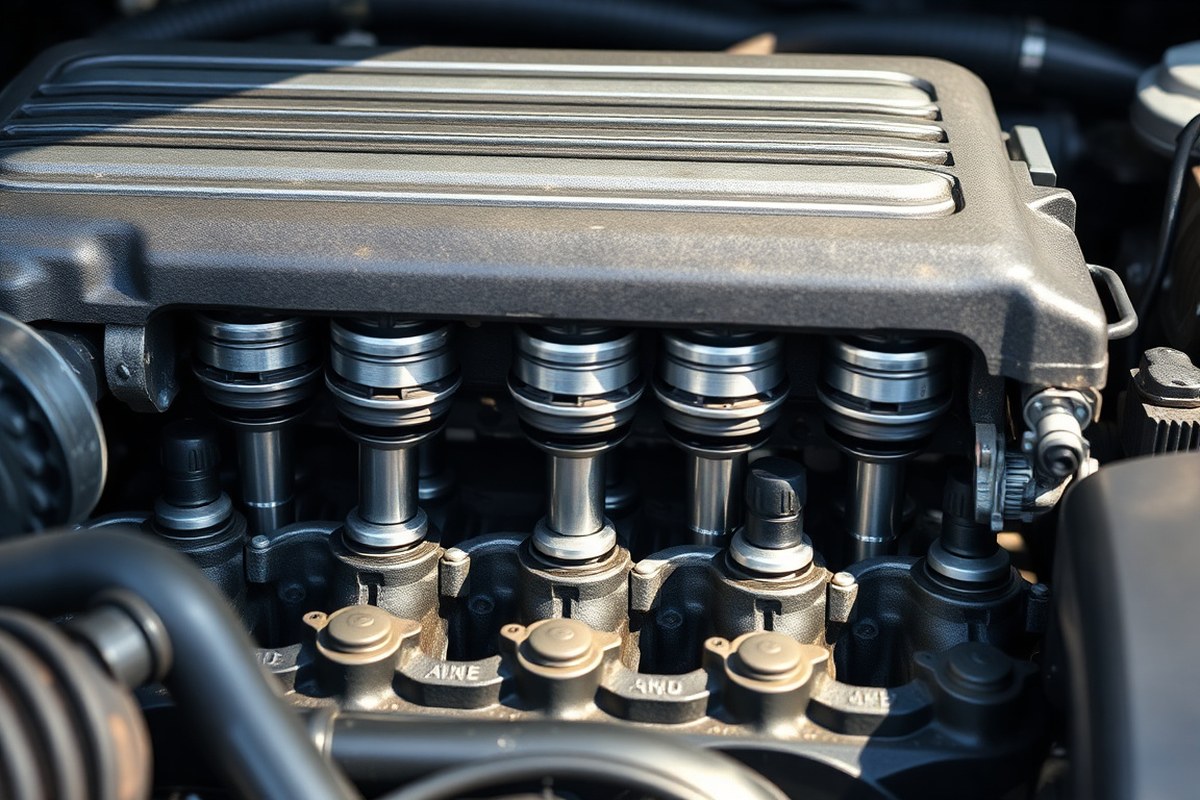
Knocking happens when the fuel-air mix burns the wrong way. It occurs inside the engine’s cylinders. This causes the noise you hear while accelerating.
Normally, the mixture ignites smoothly when the spark plug fires. Under hard acceleration, the mix can ignite too early or unevenly.
This creates shock waves in the cylinder. You hear these as knocking or pinging sounds.
This issue usually shows up only when you step on the gas. That’s because the engine works harder then. Cylinder pressure also goes up during acceleration.
High pressure can make the fuel ignite before the spark plug. Sometimes pockets of the mix explode instead of burning smooth.
Both cause knocking sounds inside the engine. Both produce the knocking sound you hear.
Chemically, this is called detonation or pre-ignition. Knocking shakes the engine’s metal parts very hard. Over time, this can wear out pistons, rods, and bearings.
This causes engine damage if you don’t fix it. Engines designed for higher-octane fuel are more resistant to this. But using fuel with too low an octane rating often triggers knocking during acceleration.
An imbalanced fuel-air mix can also cause knocking. Too much air or too little fuel makes the mixture lean, causing uneven burning and knock. Too much carbon inside the cylinders raises compression levels.
It also creates hotspots where the fuel can ignite early. These conditions make knocking more likely to happen. Old spark plugs or poor ignition timing contribute to this problem too.
When your engine knocks during acceleration, combustion isn’t smooth. This means the engine is working harder than usual. It can lead to damage if not addressed.
This knocking sends damaging shock waves through the engine. Ignoring knocking can cause permanent engine damage. It’s important to fix it promptly.
Fixing knocking starts with using the right fuel type. Then check ignition timing and spark plugs for any issues.
These steps often solve the problem. More complex causes like worn bearings usually need a mechanic’s help.
2. How Low Octane Fuel Leads to Engine Knocking
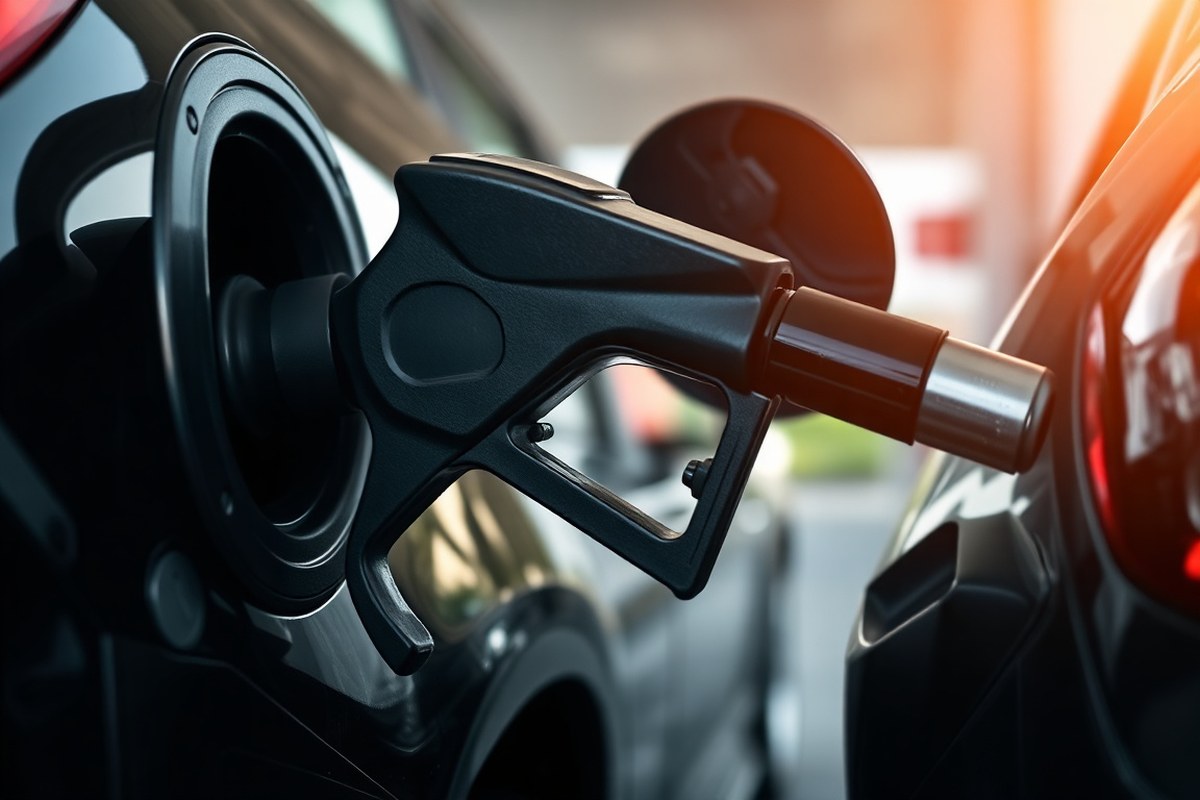
Using fuel with a lower octane rating than your engine needs can cause knocking. Low octane fuel ignites early during combustion. It happens before the piston hits the top.
This early ignition can cause engine knocking. This early ignition creates pressure spikes that produce the knocking sound you hear when accelerating.
Engines designed for higher octane fuel rely on it to avoid pre-ignition under load. Using fuel below your engine’s recommended rating can cause issues. The ignition timing usually needs to be set later to stop damage.
This adjustment helps protect your engine. This adjustment reduces power and efficiency. The knocking may still persist if the fuel quality is too low.
Using the wrong fuel or adding improper additives can worsen knocking. Some fuel additives might alter combustion characteristics, causing fuel to ignite unevenly or too soon. Some additives claim to raise octane levels.
They might not fit your engine’s needs. These additives can sometimes cause knocking instead of stopping it.
Switching to the correct octane fuel is usually the simplest fix. Check your owner’s manual to find the recommended octane rating for your car. You might pay $3 to $5 more per tank for premium fuel.
Proper fuel use can stop knocking. It also helps avoid repairs costing $2,000 to $5,000. This prevents damage from constant knocking over time.
Fuel with too low an octane rating causes the fuel-air mixture to combust erratically under stress. This pre-ignition leads to sharp pressure peaks inside the cylinder. Those peaks stress engine parts, rising temperatures and leading to potential damage over time.
Always use the octane rating your car’s manual specifies. Cheap gas can cost thousands in engine repairs.
3. Recognizing the Sound of Engine Knocking or Pinging
You can recognize engine knocking or pinging as a tapping or pinging sound. It usually increases in volume and speed as you accelerate. This sound comes from the air-fuel mixture igniting too early inside the engine.
The knocking noise sounds like light metal tapping or marbles rolling in a coffee can. It is different from usual engine sounds like the hum of the exhaust or gear noise. Knocking happens as uneven combustion creates sudden pressure inside the cylinders.
At low speeds, knocking sounds like slow tapping. It follows your foot pressing the gas pedal.
At higher speeds, the knocking gets faster and louder because combustion misfires increase with engine revs. This change in rhythm can help you spot engine knock from other noises.
The sound also varies depending on the knock causes. For example, worn rod bearings create a heavier, lower knocking noise that matches engine speed. Pinging from bad fuel pops in a lighter, sharper fashion, especially during heavy acceleration.
Listen closely during steady acceleration or while climbing hills. You might catch the knocking before it damages pistons or cylinder walls.
Notice rough performance or shifting sounds after knocking. Check oil pressure and condition then.
This knowledge helps you find the noise source. It might come from combustion or engine mounts.
Engine mount knocks sound more like clunks or thuds rather than tapping. Catching the exact knocking type early can save you from costly repairs.
4. Diagnosing Common Causes: Knock Sensor, Ignition, and Fuel Mixture
Checking the Knock Sensor Function
A bad knock sensor can cause knocking noises during acceleration. It sends signals to the engine computer to adjust ignition timing and prevent knocking. Faulty sensors may send the wrong signal, causing the engine to knock or lose power.
Use an OBD-II scanner to check for fault codes. Look for codes like P0325 to P0334. These codes show knock sensor problems.
These codes mean the knock sensor might need replacing. Sensor replacement typically costs around $100 to $200 depending on your car model.
Sometimes wiring issues cause false readings. Inspect the sensor’s wiring harness for damage or loose connections. A clean, tight connection improves sensor function and stopping engine knock.
Adjusting and Verifying Ignition Timing
Ignition timing that’s too advanced or delayed can cause engine knock. The spark plug fires too early or late, leading to abnormal combustion. Fortunately, most modern cars use engine computers to manage timing automatically.
You can check timing with a timing light if your car’s system allows manual adjustment. Attach the timing light to the number one spark plug wire. Start the engine and watch the timing marks on the crank pulley.
Check for proper timing while the engine runs. Compare the reading with the specs in your vehicle’s manual.
Incorrect timing often appears as rough idling or knocking during acceleration. Fixing timing can mean retuning the engine control unit.
You might also need to repair sensors like the knock sensor. This service often costs $150 to $300 at a shop due to diagnostic work.
Testing for Lean Air-Fuel Mixtures
A lean mixture has too much air and not enough fuel. This imbalance can cause knocking because the combustion burns hotter and faster than normal. Vacuum leaks, fuel injector problems, or faulty oxygen sensors can create this lean condition.
Use a scan tool to monitor fuel trim and oxygen sensor data. Long-term fuel trim over +10% suggests a lean condition. Also, listen for the engine sounding rough under load or at idle, which indicates mixture issues.
Fixing a lean mix may require replacing faulty sensors, repairing vacuum leaks, or cleaning fuel injectors. Repairs vary widely but typically cost $100 to $400 depending on the root cause. Keeping the right mix stops knocking and protects engine health.
5. Impact of Carbon Buildup and Spark Plug Condition on Knocking
Carbon buildup forms deposits on the pistons and inside the combustion chamber. These deposits create hot spots that ignite fuel prematurely. This early ignition causes the engine to knock when you accelerate.
Carbon deposits raise the temperature inside the cylinder. The hotter spots cause the air-fuel mixture to burn unevenly. This uneven burning creates pressure waves that result in the knocking noise.
Worn or faulty spark plugs add to this problem. If a spark plug fires late or weakly, the combustion becomes uneven. This delay allows fuel to self-ignite from the heat, causing knocking during acceleration.
You can test spark plugs by removing them or checking their gap and condition. Replacing worn plugs usually costs between $50 and $150 for most cars. Using the correct type of spark plug prevents knock and maintains engine health.
Incorrect spark plugs or faulty ignition coils can also cause knock. Coils that don’t deliver a strong spark make combustion uneven. This effect is tricky to spot but shows in rough acceleration and engine noise.
Cleaning carbon deposits often requires professional service. Intake and combustion chamber cleaning costs $100 to $200.
It involves chemicals or walnut shell blasting to remove buildup. Keeping spark plugs fresh and choosing the right fuel reduces future deposits.
Always use the spark plugs recommended in your owner’s manual to avoid engine knock.
6. Mechanical Issues Inside the Engine Causing Knocking
Worn rod bearings are a common internal cause of engine knocking. These bearings let pistons move smoothly inside the engine. When pistons wear out, they shift or rattle inside the engine.
This makes a deep knocking noise. The noise gets louder with engine speed and load.
Rod bearing wear usually causes a heavy, repetitive thudding sound. It often starts when you press the gas harder.
This mechanical knock differs from lighter spark knock and usually signals internal damage. Hearing it even off the throttle raises serious concerns.
Besides rod bearings, piston slap and wrist pin problems also cause mechanical knocks. Piston slap happens when pistons move loosely inside the cylinders. This often occurs in cold engines.
It can also happen when the engine is under load. Wrist pin wear causes similar knocking noises.
These pins connect pistons to rods. They face high stress during engine operation.
You should act quickly if you notice deep knocking or rattling that doesn’t go away. These noises may mean parts are moving incorrectly or rubbing metal on metal. Ignoring these noises risks serious engine damage.
Scored cylinders or broken rods can happen. Repairs for these can cost thousands of dollars.
Warning signs of lasting damage include a knocking noise combined with low oil pressure or overheating. Low oil pressure often means the bearings lack proper lubrication. Overheating can worsen internal wear and cause warping of engine parts.
Worn bearings can cause the engine to lose power. They might also trigger the check engine light. This happens once the wear progresses enough.
In worse cases, permanent damage requires removing and rebuilding the engine or full replacement. Repairing rod bearings is complex because the parts lie deep inside the engine block.
Knocking only when accelerating might mean early-stage damage. It could also be related to fuel issues causing the knock. However, constant knocking noise regardless of throttle usually points to mechanical issues.
Cold engine knocking suggests worn bearings or oil pump problems. Oil thickens in the cold, reducing lubrication. This poor lubrication causes knocking sounds.
7. How to Safely Diagnose Engine Knocking at Home
Start by listening carefully for knocking sounds and pinpointing when they occur. Then check engine mounts and exhaust parts, since worn mounts or loose pipes often make knocking. Finally, look at fuel and spark plugs to rule out basic ignition or fuel issues.
Listening for Knocking Patterns
Listen for knocks when you press the accelerator steadily. A sharp bang when you accelerate hard often points to worn engine mounts.
Note if the sound is constant or only appears under load. Constant knocking may hint at ignition or fuel problems. Clunks under quick throttle are more likely mounts or brackets.
Visual Inspection of Engine Mounts and Exhaust
Look under the hood with the engine off for cracked or torn engine mounts. They often show visible damage, splits, or excessive wear.
Check exhaust hangers and heat shields too. Loose parts rattle and clunk when you rev the engine or accelerate hard.
Basic Fuel and Spark Plug Checks
Check that you have the right fuel octane for your car. Using lower-grade fuel can cause knocking.
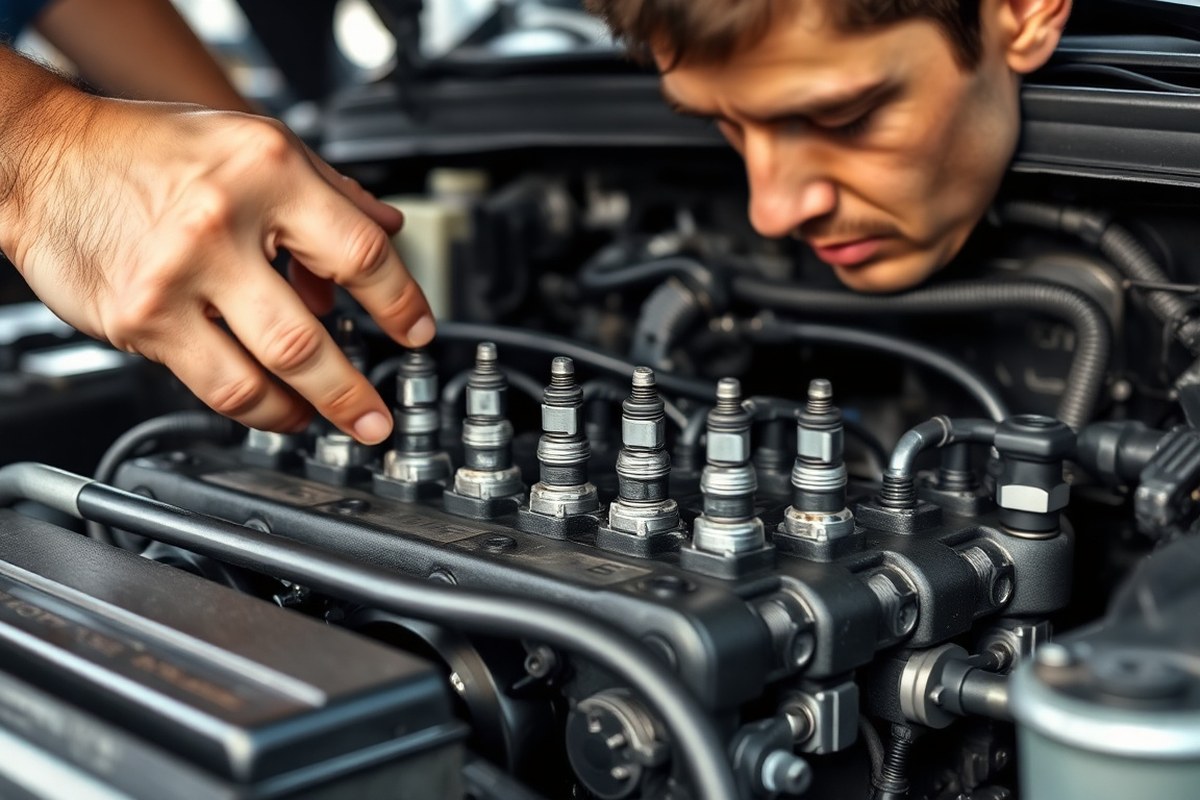
Remove and inspect spark plugs for fouling or wear. Dirty or worn plugs can cause uneven combustion that sounds like knocking. Follow these steps to make a safe and practical home diagnosis of engine knocking:
- Park your car on a flat surface and engage the parking brake.
- Start the engine and listen carefully for knocking sounds while gently pressing the accelerator.
- Turn off the engine and open the hood to inspect engine mounts for cracks or splits.
- Look under the car for loose or damaged exhaust hangers and heat shields.
- Confirm your fuel tank is filled with the recommended octane level for your vehicle.
- Remove one spark plug at a time using a socket wrench. Check for fouling or damage.
- You should arrange repairs promptly when you see mount damage, loose exhaust parts, or bad plugs.
- Avoid driving when knocking keeps happening and have a professional diagnose it.
8. Safety Guidelines and When to Stop Driving with Engine Knock
Driving with a knocking engine can be risky. But gentle driving may be safe for short periods.
Avoid hard acceleration, heavy loads, or high speeds to reduce stress on the engine. Use higher octane fuel if you suspect low-quality gas is causing the knock.
Stop driving immediately if the knock becomes heavy or deep. Also, pull over if the oil pressure warning light or the check engine light flashes. These signals mean your engine might be seriously damaged.
Keep driving risks costly repairs. You should fix it soon.
When your engine power suddenly drops or the engine runs roughly, do not keep driving. Call a professional mechanic right away. These symptoms indicate the knock is causing serious harm, possibly to the pistons or crankshaft bearings.
Light or occasional knocking under gentle acceleration can sometimes be managed until you reach a shop. Still, you should arrange for a repair within a few days. Early attention can prevent up to a $10,000 engine rebuild caused by ongoing knocking damage.
A knock sensor replacement typically costs around $150 and can stop knocking quickly. That’s much cheaper than waiting for internal damage. Watch your engine temperature closely.
A hot engine knocks more. Heat also causes more damage.
Stop driving if the knock is loud. Also stop if the check engine light flashes. Lose lots of power? Get service fast.
Be alert for extra signs like rough idling or unusual vibrations. These tell you the engine isn’t running right.
Do not delay repairs just because the knocking is mild. It will likely get worse over time.
9. Repair Options and Costs for Engine Knocking Causes
Repairing engine knocking depends on the cause. Some fixes like spark plug replacement are affordable and doable at home. Others like damaged engine parts require professional work and cost much more.
Spark Plug and Ignition Coil Replacement Costs
Swapping spark plugs is the simplest fix for knocking. You start by using a ratchet to remove old plugs and install new ones. DIY parts range from $16 to $100 depending on the type you buy.
Professionals charge $100 to $500 to replace plugs and ignition coils. This covers labor and parts, and usually takes 1 to 2 hours. You should notice knocking stops right after the repair.
Knock Sensor and Timing Adjustments
A faulty knock sensor can’t always be heard but causes engine damage if ignored. Replacing it often needs a mechanic because of its tough location. The cost can vary widely due to labor intensity.
Ignition timing tweaks can be done manually on some older cars. Advanced timing adjustments usually require special tools or a shop visit. Proper timing stops knocking and protects your engine.
Professional vs DIY Repair Complexity
DIY works well for spark plugs and simple timing checks on some cars. You need basic tools and the exact replacement parts. Watch for common mistakes like cross-threading plugs or wrong gap settings.
Repairs inside the engine, like pistons or rods, must be done professionally. These repairs often cost hundreds to thousands of dollars. After such fixes, test drive immediately to confirm knocking is gone.
Here’s a quick cost and effort comparison for common fixes:
| Cause | DIY Complexity | DIY Cost Range | Professional Cost Range | Repair Time |
|---|---|---|---|---|
| Spark Plug Replacement | Low | $16 – $100 | $100 – $500 | 1-2 hours |
| Ignition Timing Adjustment | Medium (some models) | Tools cost varies | $100 – $300 | 1-3 hours |
| Knock Sensor Replacement | High | Not recommended | $200 – $600+ | 2-4 hours |
| Internal Engine Repair (rods, pistons) | None | Not possible | $500 – $4,000+ | Varies; may need days |
Testing knocking after repair involves driving for 10 to 20 minutes under light to moderate acceleration. If knocking persists, a follow-up check is needed. Some repairs, like sensor replacements, may require resetting the engine control unit.
Step-by-Step Action Plan to Stop Engine Knocking When Accelerating
Follow these steps to find and fix your engine knocking. Each step helps narrow down the cause.
- Day 1: Fill your tank with the recommended octane fuel. Listen for knocking to see if it stops.
- Day 2: Check your spark plugs for damage or wear. Replace if dirty or cracked and test drive.
- Day 3: Clean the throttle body and intake to reduce carbon buildup. See if knocking lessens during acceleration.
- After Day 4: Inspect knock sensor wiring and connectors for damage. Repair if needed and confirm sensor response resets knocking.
- One Week Later: Check engine codes with an OBD-II scanner. Look for ignition or fuel mix issues. This helps spot what might cause the knocking. Address codes as directed.
- After Two Weeks: If knocking persists, arrange a professional engine compression and timing check. Avoid driving hard until fixed.
- Ongoing: Regularly use the correct fuel and maintain spark plugs. That helps prevent future knocking.
Frequently Asked Questions
How Expensive Is It to Fix an Engine Knock?
The cost varies widely based on the cause of the knock. Minor repairs like spark plugs can cost under $100. Serious problems, like bearing wear or carbon buildup, may cost thousands.
The exact price depends on the damage type and parts needed. Early repair saves you big money later. Can you still drive a car if the engine is knocking? | It’s not recommended to drive with a knocking engine.
Persistent knocking can cause serious internal damage. Hearing knocking means you should check your car soon. This prevents costly repairs and breakdowns later.
Does engine knock mean bad engine? | Not always. But it signals a problem that could lead to engine damage.
Knocking often points to issues like wrong fuel or worn parts. Ignoring the knock increases the risk of permanent engine harm.
What does a blown up engine sound like? | A blown engine usually makes loud banging or clanking noises. It’s more severe than knocking and often comes with smoke or loss of power. Pull over immediately and get professional help if this happens.
Why is my engine knocking while accelerating? | Knocking during acceleration happens when fuel ignites too early or unevenly. It can come from low-octane fuel, bad spark plugs, or carbon buildup. Fix the cause quickly to avoid engine damage.
The Bottom Line
Engine knocking when accelerating signals a problem that needs action. Start by using the correct fuel and checking spark plugs.
Keep knocking? Get a professional diagnosis to prevent costly repairs.