
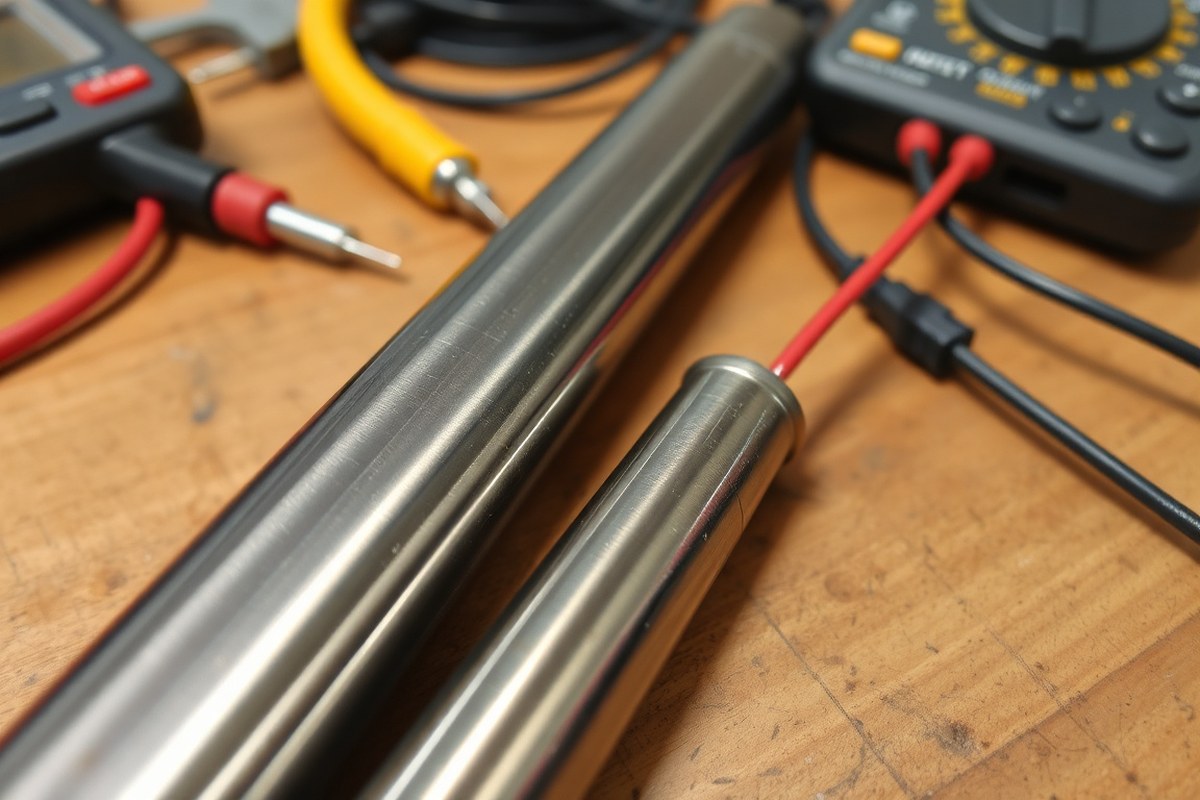
Is Stainless Steel Conductive? Understanding Conductivity and Practical Uses
Is stainless steel conductive? Yes, but it conducts electricity much worse than copper or aluminum.
Its conductivity is only about 2 to 6 percent of copper’s. That means stainless steel won’t carry current efficiently like typical conductor metals.
Stainless steel’s high electrical resistance comes from its alloy makeup, which contains iron, chromium, and nickel. This resistance causes more power loss and heat when current flows. You should avoid using stainless steel in wiring or electrical contacts that need low resistance to work properly.
Different stainless steel grades vary in conductivity. Ferritic types, like 430, conduct better than austenitic grades such as 304 or 316.
Surface condition also affects resistance. Cleaner or polished surfaces lower contact resistance slightly and improve conductivity.
Key Takeaways
- Stainless steel typically conducts only 2, 6% as well as copper.
- Austenitic grades 304 and 316 have very low electrical conductivity.
- Ferritic 430 stainless offers slightly better conductivity than 304.
- High electrical resistance causes heat buildup under current load.
- Surface treatments reduce contact resistance on stainless steel parts.
- Stainless steel suits corrosion-resistant structural parts, not conductors.
Does Stainless Steel Conduct Electricity and How Well?

Stainless steel does conduct electricity, but its conductivity is quite low. It usually carries only 2 to 5 percent of copper’s current. Stainless steel handles much less electrical current than copper.
For example, the electrical conductivity of 304 stainless steel is around 1.2 to 1.5 million siemens per meter (S/m). Copper’s conductivity is about 59 million S/m.
This low conductivity happens because stainless steel contains chromium and nickel. These elements improve corrosion resistance but disrupt the flow of electrons.
Stainless steel carries less electrical current than pure metals like copper. Its ability to conduct electricity is much weaker than copper or aluminum.
Compared to aluminum, stainless steel is still much less conductive. Aluminum has conductivity around 35 to 38 million S/m. This is about 25 times higher than stainless steel’s conductivity.
Engineers choose copper or aluminum for wiring and electrical parts. These metals move electricity efficiently. This saves energy and reduces heat.
Using stainless steel where good electrical conduction is needed will result in higher resistance. This increases power loss and the risk of overheating.
Copper conducts electricity smoothly, causing less heat loss. It helps reduce energy waste compared to materials like stainless steel.
Stainless steel conducts electricity poorly but offers other benefits. It is chosen for strength and resistance to corrosion. Choose copper or aluminum if you need a metal that carries electricity well.
These metals are much better conductors. Stainless steel can work for parts needing some conductivity and corrosion resistance. It is a compromise despite its low conductivity.
How Different Stainless Steel Grades Affect Conductivity
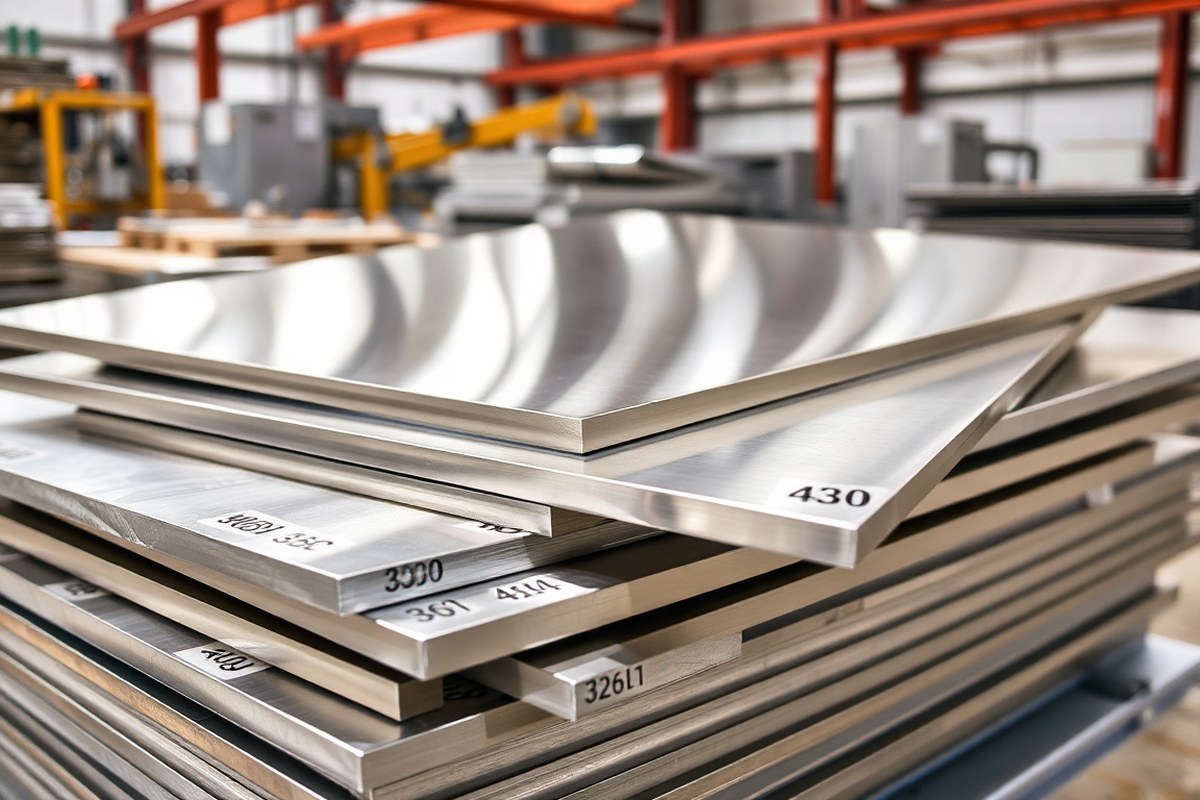
Different stainless steel grades vary in electrical conductivity due to their internal structures and alloy elements. Ferritic stainless steels generally conduct electricity better than austenitic grades. Understanding these differences helps you pick the right metal for your electrical or heat-related project.
Austenitic Stainless Steels: 304 And 316
Austenitic stainless steels like 304 and 316 are the most common. They contain higher amounts of chromium and nickel, which boost corrosion resistance but reduce conductivity. Their face-centered cubic (FCC) crystal structure scatters more electrons.
This reduces conductivity to about 2-3% of copper’s. Electron movement is less efficient in this structure.
The electrical resistivity of Grade 304 stainless steel is about 0.72 x 10^-6 ohm-meters at room temperature. This makes it nearly 40 times less conductive than copper.
Grade 316 stainless steel contains molybdenum for improved corrosion resistance, with similar resistivity. Both grades have thermal conductivity values between 15 and 16 W/m·K, which is significantly lower than copper and aluminum.
Ferritic Stainless Steel: 430 and Variants
Ferritic stainless steels, such as grade 430, have a body-centered cubic (BCC) structure. This simpler structure lets electrons flow more freely. So these grades typically conduct better than austenitic types.
Grade 430 stainless steel has little or no nickel content. This improves its electrical conductivity. It also offers decent corrosion resistance, good for appliances and exhaust parts.
Though ferritic grades conduct better, their conductivity still stays well below copper or aluminum. Electrical and thermal conductivities often range from 10 to 25 W/m·K. These values depend on the exact alloy composition and heat treatments.
Variations affect how well the metal conducts electricity and heat. Use ferritic steel when you need slightly better conductivity without losing corrosion protection.
Other Types: Duplex and Martensitic
Duplex stainless steels combine austenitic and ferritic structures, aiming to balance strength, corrosion resistance, and conductivity. Their conductivity varies depending on the exact phase mix and alloy content. Duplex steels typically sit between ferritic and austenitic grades in conductivity.
Martensitic stainless steels, including grades like 410 and 420, change conductivity with heat treatment and chemistry. They can be very hard and wear-resistant but have uneven electrical properties. Martensitic types suit applications needing hardness and heat treatment rather than consistent conductivity.
| Stainless Steel Family | Common Grades | Relative Electrical Conductivity | Key Alloy Elements | Typical Applications |
|---|---|---|---|---|
| Austenitic | 304, 316, 304L, 316L, 321 | Low (about 2-3% of copper) | Cr, Ni, Mo (316) | Corrosion resistance, welding, food processing |
| Ferritic | 409, 430, 441 | Higher than austenitic | Cr, low or no Ni | Appliances, exhaust systems, heat-related parts |
| Martensitic | 410, 420, 440C | Varies with heat treatment | Cr, C | Cutlery, wear-resistant parts, blades |
| Duplex | 2205, 2507 | Intermediate (between ferritic and austenitic) | Cr, Ni, Mo, N | Oil and gas, marine, chemical plants |
This table shows conductivity and compositions across stainless steel types. It clarifies why ferritic steels offer better conductivity than the more alloyed austenitic types. Martensitic and duplex grades vary more due to processing and exact elements.
Ferritic stainless steels have lower electrical resistance than austenitic types. However, their conductivity remains far below copper’s. Choosing ferritic grades helps but expect significant resistance compared to copper.
What Causes Stainless Steel’s Low Electrical Conductivity?
Chromium is a major alloying element in stainless steel. It creates a thin, passive oxide layer on the surface. This layer protects against corrosion but slows down electron flow, raising electrical resistivity.
Nickel helps form the austenitic microstructure common in many stainless steels. This microstructure changes the way electrons move through the metal. Nickel atoms distort the crystal lattice, limiting electron mobility and reducing conductivity.
Molybdenum is often added to boost corrosion resistance in harsh environments. It further disrupts the metal’s crystal structure, lowering electron mobility. Lab tests show that just 2% molybdenum can cut electron mobility by about 22%.
The combination of these alloying elements changes the metal’s microstructure. Stainless steel’s grains contain more impurities and irregularities than pure metals. These irregularities scatter electrons, causing more resistance and less efficient current flow.
Pure copper has an electrical resistivity around 0.0172 micro-ohm meters. Stainless steel’s resistivity ranges from about 0.72 to 0.80 micro-ohm meters. This higher resistivity results from chromium, nickel, molybdenum, and other additives disrupting electron movement.
Different stainless steel types vary in conductivity and composition. Grade 316 stainless steel has about 16-18% chromium, 10-14% nickel, and 2-3% molybdenum. This mix causes it to resist electrical flow more than grade 304, which contains less molybdenum.
Microstructure plays a key role in conductivity. Austenitic grades like 304 and 316 have face-centered cubic structures with more atomic disorder. That disorder means electrons scatter more, reducing conductivity compared to ferritic or martensitic types.
Manufacturing and heat treatment also influence conductivity by changing grain size and phase distribution. Larger grains and more uniform phases tend to allow easier electron flow. But added alloy elements mostly determine the overall limit to conductivity.
How Temperature Influences Conductivity in Stainless Steel
Rising temperature lowers the electrical conductivity of stainless steel. Its electrical resistivity increases as heat rises, meaning current flows less easily. From room temperature to 500°C, resistivity typically rises around 50% to 80%, depending on the grade.
Heating improves stainless steel’s ability to conduct heat. For Grade 304, thermal conductivity rises from about 16.2 W/m·K at 100°C to 21.5 W/m·K at 500°C. This increase shows it becomes a better heat conductor as the temperature goes up.
Stainless steel’s electrical resistivity change is more pronounced compared to copper and aluminum. Aluminum’s resistivity jumps about 30% at 100°C from room temperature, as a 2023 MIT study shows. Copper’s resistivity changes very little when heated.
This means its conductivity stays more steady than stainless steel’s. Copper handles heat better by keeping low resistance.
| Material | Thermal Conductivity (W/m·K) | Temperature (°C) | Electrical Resistivity Change (%) |
|---|---|---|---|
| 304 Stainless Steel | 16.2 | 100 | , |
| 304 Stainless Steel | 21.5 | 500 | ~50-80 increase |
| 316 Stainless Steel | ~16.3 | Room Temp | 74 to 120 µΩ·cm at -18°C to 982°C |
| Aluminum | N/A | 100 | +30 |
| Copper | N/A | 100 | Less than +10 |
To manage stainless steel conductivity, you may need to account for these changes in system design. You should expect higher resistance when temperatures rise. At the same time, heat transfer benefits from better conductivity at higher temps.
Both factors affect overall performance. Copper or aluminum suits uses needing steady conductivity with heat.
They change resistance much less than stainless steel does. This makes them more reliable under hot conditions.
For exact calculations, know your stainless steel grade’s specific temperature-based resistivity and thermal conductivity data. This helps predict performance under real thermal conditions and design electrical connections or heat exchangers appropriately.
What Is the Thermal Conductivity of Stainless Steel?
Stainless steel has relatively low thermal conductivity compared to many metals. Its ability to conduct heat varies across grades, with ferritic types generally conducting heat better. This makes stainless steel good for heat transfer or insulation.
It depends on the grade you choose. Some grades conduct heat well, others insulate better.
Thermal Conductivity Ranges by Stainless Steel Grade
Thermal conductivity for stainless steel falls between 10 and 25 W/m·K. Ferritic stainless steels, like grade 430, reach about 25 W/m·K, offering better heat flow. Austenitic grades tend to be lower, sometimes near 15 W/m·K. So they are less efficient at transferring heat.
Carbon steel provides higher thermal conductivity, about 43 to 60 W/m·K. So it transfers heat faster. Pick the stainless steel grade based on your heat needs.
Do you want better heat conduction or thermal resistance? Your choice depends on this priority.
| Material | Thermal Conductivity (W/m·K) |
|---|---|
| Stainless Steel Grade 430 (Ferritic) | ~25 |
| Austenitic Stainless Steel | ~15 |
| Carbon Steel | 43 – 60 |
| Copper | ~400 |
| Aluminum | 205 – 250 |
The variation in thermal conductivity shows why engineers pick specific grades for their project needs. Grade 430 is preferred where moderate heat transfer is required without sacrificing corrosion resistance.
Comparison with Copper and Aluminum
Copper and aluminum have much higher thermal conductivities than stainless steel. Copper’s conductivity is around 400 W/m·K, roughly 20 times higher than grade 430 stainless steel.
Aluminum is also significantly better at conducting heat, typically between 205 and 250 W/m·K. These metals move heat more efficiently than many others. That’s why you see them in heat exchangers and cooling systems. They work well in these roles.
Though stainless steel transfers heat less effectively, it offers better corrosion resistance and mechanical strength. This tradeoff makes stainless steel useful where durability and chemical resistance matter more than heat conduction.
Common Heat Transfer Applications
Stainless steel is ideal for applications balancing heat transfer and corrosion resistance. Grade 430 works well in heat exchangers where moderate conductivity suffices plus chemical durability is needed.
In cookware, stainless steel provides even heating with some thermal insulation benefits, preventing hot spots. Its lower thermal conductivity helps retain heat longer, useful for cooking or insulation parts.
Stainless steel also serves in electronic device housings that dissipate heat while resisting wear and corrosion. Its modest heat conduction prevents overheating without rapidly losing heat to the environment.
Use ferritic grades like 430 when you need a balance of heat conduction and corrosion resistance.
How Surface Conditions Affect Stainless Steel Electrical Performance
Stainless steel forms a thin oxide layer naturally when exposed to air. This passive oxide film protects against corrosion but raises electrical resistance at contact points. That layer can reduce how well electricity flows through a connection.
It happens even if the metal itself allows current to pass easily. This layer acts like a barrier to electrical flow.
Surface finish also changes how well stainless steel links electrically. Rough or uneven surfaces create less contact area and more gaps, raising contact resistance. Smoother finishes improve connection quality by increasing the touching surface between parts or fasteners.
Contamination like dirt, oils, or rust layer onto the stainless steel surface. These act as insulators and increase resistance further. Keeping surfaces clean is essential for minimizing contact resistance and ensuring reliable electrical performance.
- Use fine abrasive pads or sandpaper for light oxide layer removal
- Apply degreasing solvents to clear oils and grime
- Wipe surfaces with isopropyl alcohol before assembly
- Polish contact areas to reduce roughness to below 1 micron Ra if possible
- Maintain consistent contact pressure during assembly to maximize actual contact area
- Inspect surfaces for visible oxidation or contaminants before reuse
- Avoid prolonged exposure to air after cleaning to prevent new oxide formation
Cleaning stainless steel contacts frequently keeps resistance lower over time. Mechanical polishing or sanding takes a few minutes and costs little compared to using specialty coatings. Polishing metal to a mirror finish may not be easy.
But smoothing surfaces does improve the electrical connection quality. A better surface lets current flow with less resistance.
Expect oxide layers to reform slowly after cleaning unless stored in controlled environments. Use stainless steel fasteners made for electrical work when you can. These fasteners often get special treatment to lower surface resistance.
That helps make connections more reliable and efficient. Poor contact surfaces cause voltage to drop and heat to build up.
This heat can damage the connection or lower system efficiency. Good contact surfaces help prevent these problems.
Applications Where Stainless Steel Can Serve as a Conductor
Stainless steel is stronger than copper or aluminum. It also resists corrosion better. That’s why it’s chosen over those metals despite lower conductivity.
It’s common in industrial grounding systems where the metal must endure harsh chemicals or extreme weather. Stainless steel’s moderate electrical conductivity supports safe grounding without rusting or breaking down quickly.
Heat exchangers often use stainless steel because it withstands high temperatures and corrosive fluids well. Stainless steel doesn’t conduct heat as well as copper. But it lasts longer in harsh conditions.
That makes it valuable for tough uses. In these systems, the metal stays reliable for years despite exposure to acids or salts.
Cookware provides a practical example. Stainless steel pots hold heat longer but heat up slower than copper or aluminum pans. Many makers use a multilayer design to fix this.
They put an aluminum or copper core inside stainless steel. That balances heat conduction with durability. This design lets you cook evenly while keeping the steel’s easy-clean surface.
- Grounding rods in corrosive soils for long-lasting safety
- Heating elements in industrial ovens needing chemical resistance
- Pipelines carrying acids that require both strength and moderate conductivity
- Cryogenic containers where low thermal conductivity helps maintain cold temperatures
- Cookware combining stainless steel with copper or aluminum cores for balanced heating
- Structural components needing connectivity but exposed to harsh weather or chemicals
Designers choose stainless steel by weighing conductivity against durability needs. They add more cross-section or parallel connections to make up for the lower conductivity. Also, clean, strong connections reduce contact resistance, ensuring stable current flow.
Stainless steel costs more than copper but lasts longer in tough environments. Using it means less maintenance and fewer replacements. However, avoid it in power lines or sensitive electronics where copper’s high conductivity is critical.
How to Minimize Contact Resistance with Stainless Steel Connections
Stainless steel connections often show high contact resistance due to surface oxides and alloy elements. Reducing this resistance improves electrical performance and reliability. You can lower contact resistance by preparing surfaces, fastening properly, and using conductive treatments.
Cleaning and Surface Preparation
Oxide layers and dirt increase resistance at stainless steel connections. Removing these layers ensures better metal-to-metal contact. Clean the surfaces thoroughly before assembling parts.
Use abrasive pads, wire brushes, or chemical cleaners to strip contaminants. Avoid oily residues and moisture that reduce conductivity.
- Wipe the area with a solvent like isopropyl alcohol to remove grease.
- Scrub gently with a fine abrasive pad or stainless steel wire brush to clear oxidation.
- Rinse with clean water and dry completely using a lint-free cloth or compressed air.
- Inspect the surface visually under bright light for any leftover residues or discoloration.
- Repeat cleaning if any dirt or oxide remains visible.
- Assemble parts promptly to avoid re-oxidation of cleaned surfaces.
Never skip drying. Moist surfaces cause corrosion that raises contact resistance.
Proper Fastening and Torque Techniques
Tight connections reduce the air gap and improve current flow through stainless steel. Using the right torque increases surface contact pressure. This lowers resistance significantly.
Follow manufacturer specs or torque charts for fastener tightness. Over-tightening may deform parts and cause instability.
- Choose bolts or screws with suitable strength and corrosion resistance.
- Align contact surfaces carefully to avoid uneven loads.
- Tighten fasteners gradually in a crisscross pattern for even pressure.
- Use a calibrated torque wrench to apply the correct torque value.
- Check torque after initial load to compensate for any settlement.
Loose connections increase resistance and risk overheating at stainless steel joints.
Using Conductive Coatings or Treatments
Applying conductive coatings helps bypass stainless steel’s poor surface conductivity. Silver or nickel plating reduces contact resistance in electrical joints.
Choose coatings compatible with your environment and operating temperatures. Some specialized pastes or sprays improve conductivity without compromising corrosion resistance.
- Select a conductive coating designed for stainless steel applications.
- Clean and prepare the surface as described before application.
- Apply the coating evenly with a brush, spray, or dip method.
- Allow the coating to cure fully under recommended conditions (usually 20, 30 minutes at room temperature).
- Reassemble the parts carefully following fastening guidelines.
Coatings wear over time; inspect and reapply to maintain low resistance connections.
Common Misconceptions About Stainless Steel Conductivity and Safety
Stainless steel is a conductor, not an insulator, though its conductivity is much lower than copper’s. It conducts electricity at only 2.5 to 6.5 percent the rate of pure copper. That big difference explains why stainless steel rarely replaces copper in wiring.
Some people believe stainless steel won’t carry current at all. That’s false. It just resists electrical flow more, causing more heat buildup and energy loss.
Copper and aluminum are common choices for wiring. They let current flow well and safely. These metals produce less heat during use.
Stainless steel wiring is not a safe or effective replacement for copper wiring. Higher resistance means it heats up faster under load. Overheating can melt insulation or start fires.
This happens if wiring handles more heat than designed. Proper wiring design is key to safety. It’s best for wiring to use materials tested and rated for electrical safety.
In salty, humid environments, copper wires may corrode within 5 years. But specialized alloys, including some stainless steels, last decades despite higher resistance. Stainless steel works well in harsh environments.
Use it for parts requiring long life, like grounding. Avoid using it for main power wiring.
Use stainless steel parts only in suited applications. Their high resistance can cause safety issues. Matching the part to the use is critical.
Keep connection surfaces clean and tight to reduce contact resistance. Regularly inspect these connections to catch any heat buildup early.
Avoid substituting stainless steel wire in home or industrial circuits. Instead, stick with copper or aluminum wiring that meets local electrical codes and standards.
Using the wrong metal risks fire, equipment damage, and voided warranties. When in doubt, consult a licensed electrician for safe material choices.
Quick-Start Action Plan for Using Stainless Steel Conductivity
You can work with stainless steel’s conductivity by following a few clear steps. This plan helps you get reliable results fast.
- Before you start: Choose the right stainless steel grade for your project. Pick grades 304 or 316 for better conductivity and corrosion resistance.
- Day 1: Prepare the surface by cleaning it thoroughly. Remove dirt, oils, and oxidation using a mild abrasive and solvent. Test conductivity with a multimeter; it should improve significantly after cleaning.
- Week 1: Use proper connectors and fasteners that reduce contact resistance. Measure voltage drop or resistance across joints to confirm better electrical contact.
- Week 2: Monitor the operating temperature during use. Keep stainless steel components below 200°F for stable conductivity; use thermal sensors if needed.
- Month 1: Apply anti-corrosion coatings or plating if the environment is harsh. Check the coat’s integrity regularly; conductivity will stay more consistent over time.
- Month 2: If thermal management matters, consider adding aluminum or copper heat sinks. Verify temperature drops by using infrared measurements.
- After 3 months: Inspect all stainless steel contacts for signs of wear or oxidation. Clean or replace parts if resistance readings rise beyond acceptable limits.
Frequently Asked Questions
Can Stainless Steel Be Used in Electrical Circuits?
Stainless steel can carry electrical current but is not ideal for circuits. Its conductivity is much lower than copper or aluminum.
So it often causes energy loss. Use it only where corrosion resistance is more important than conductivity.
Is Stainless Steel Magnetic and Does That Affect Conductivity?
Some stainless steel grades are magnetic, especially ferritic types. Magnetism doesn’t improve conductivity directly. It changes how stainless steel acts.
This matters in electrical and electromagnetic systems. Austenitic grades are usually non-magnetic and less conductive.
How Does Welding Affect Stainless Steel’s Conductivity?
Welding can change the microstructure and create heat-affected zones. This usually decreases electrical conductivity around the weld due to increased resistance and material changes. Plan joints carefully to avoid unexpected conductivity drops.
Can Stainless Steel Rust Affect Its Electrical Conductivity?
Rust or surface corrosion lowers conductivity by blocking electron flow. Even small rust spots increase resistance significantly. Keep stainless steel clean and protected to maintain better conductivity.
Does Surface Finish Improve Stainless Steel Electrical Connections?
A smooth, clean surface reduces contact resistance between metals. Polished or properly cleaned stainless steel connects electrons better. Rough or dirty surfaces cause poor performance and power loss.
The Bottom Line
Stainless steel conducts electricity but less well than copper or aluminum. Its conductivity depends on grade, surface condition, and temperature. Start by selecting the right grade and preparing the surface for your project.





2 Comments