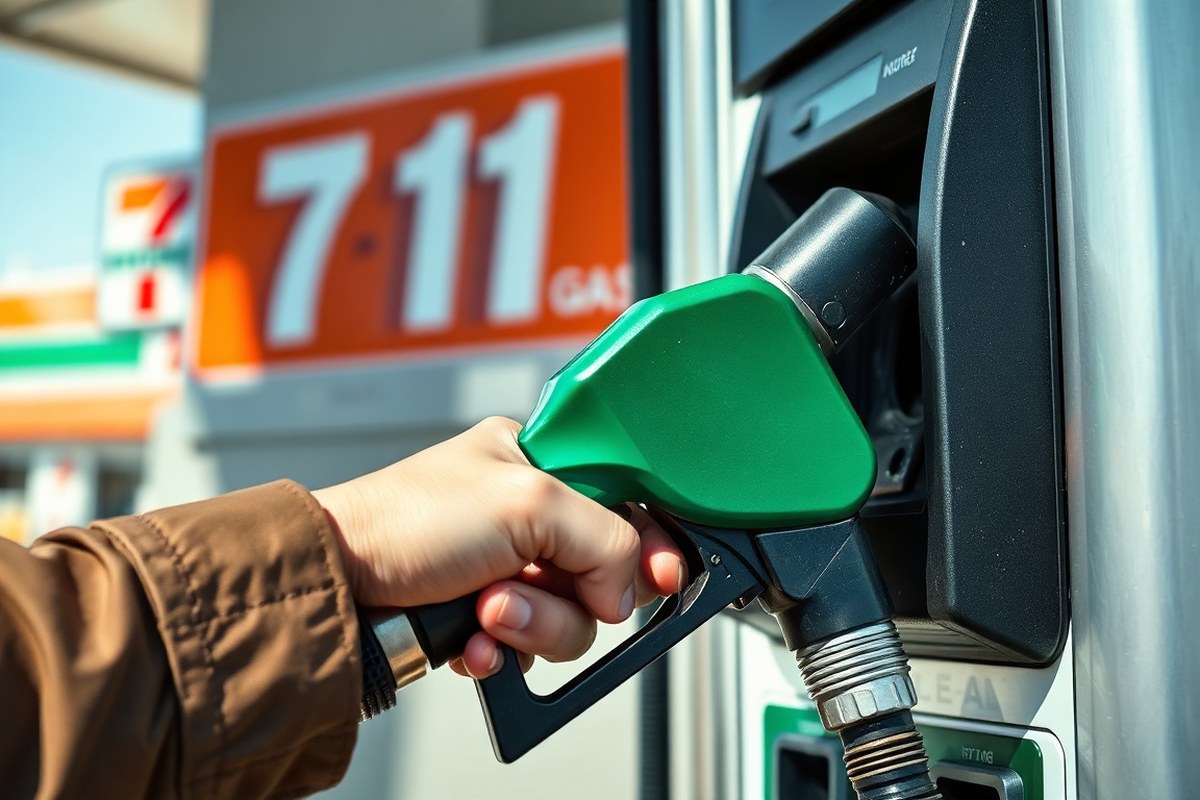
Is 711 Gas Good? A Complete Guide to Fuel Quality and Value at 7-Eleven
Yes, 7-Eleven gas is generally good but with some conditions. Many stations sell fuel that meets or beats standard quality requirements.
Not every location offers Top Tier certified gasoline with extra cleaning agents. These agents help protect your engine better.
Check if your 7-Eleven sells Top Tier gas for improved engine care. You can look for certification labels on the pump or ask the staff. About 83% of 7-Eleven stations are franchises, so fuel quality might vary a bit.
7-Eleven gas costs about seven cents more per gallon than some nearby stations. Comparing prices can save you money without sacrificing quality. Pay attention to certification and prices for the best value when filling up.
Key Takeaways
- Most 7-Eleven stations currently offer fuel with detergent levels above EPA minimums.
- Top Tier certification means gas has more detergent additives protecting engines better.
- Look for the Top Tier label at the pump or ask about fuel brands sold.
- Franchise-owned 7-Elevens may have slight variations in gas quality across locations.
- Expect to pay roughly seven cents more per gallon at 7-Eleven on average.
- Use local price apps to compare 7-Eleven prices with nearby alternatives.
Is 7-Eleven Gas Officially Top Tier Certified?
7-Eleven gas is not officially certified as Top Tier gasoline. It means the gas does not always have 2-3 times more detergents. The EPA requires fewer detergents than Top Tier gas contains.
Not all gas meets this higher detergent standard. These detergents help keep your engine clean by preventing build-up on fuel injectors and valves.
Some 7-Eleven stores sell Top Tier fuel through big supplier deals. These locations offer higher-quality gasoline with more detergents. It depends on their supplier partnerships.
It is not guaranteed at every station. Each franchise owner can pick their own fuel brand.
This means fuel quality varies by location. This can cause variation in fuel quality even within the same chain.
Check for the Top Tier logo on the pump or signs inside. This shows if your 7-Eleven sells Top Tier gas. Without the logo, assume it’s not Top Tier.
The logo confirms the fuel meets the higher detergent standards automakers prefer. Don’t see the logo? Consider the fuel is not Top Tier.
Decide if this gas suits your engine’s needs. Use other quality fuels if needed.
Choosing Top Tier gasoline is a good way to protect your engine long term. It may cost a little more but can prevent costly repairs later. To be sure of quality, try known Top Tier brands near 7-Eleven.
Choose stations that list Top Tier gasoline. This helps keep your engine cleaner.
So, while some 7-Eleven stations offer Top Tier gas, many do not. Check the pump for certification whenever you stop. This simple check helps you avoid lower detergent fuel and keeps your engine cleaner over time.
What Constitutes Good Gasoline Quality?
Gasoline quality depends mainly on detergent content, octane level, and additive mix. Detergents help stop engine deposits from forming, keeping your engine cleaner. High detergent levels reduce buildup on fuel injectors.
This keeps intake valves cleaner. Cleaner parts mean your engine performs better over time.
Octane rating measures gas resistance to knocking or pinging during combustion. Most pumps offer 87 (regular), 89 (mid-grade), and 93 (premium) octanes.
Use the octane your vehicle maker recommends. Higher octane usually supports better engine efficiency and power on high-performance engines.
| Factor | Good Gasoline | Why It Matters |
|---|---|---|
| Detergent Content | Top Tier: 2-3× EPA minimum | Prevents deposits, keeps engine clean longer |
| Octane Level | 87, 89, 93 according to vehicle needs | Prevents knocking, protects engine parts |
| Additives | Improve detergents and anti-corrosion agents | Improves fuel efficiency, reduces emissions |
Top Tier gas uses stronger detergents than EPA requires. AAA’s Greg Brannon saw engines stayed cleaner with Top Tier fuel. A 2016 AAA study found non-Top Tier gas left 19 times more deposits after 4,000 miles.
Environmental rules require all gas to meet clean-air standards, limiting pollutants and basic additive levels. Many 7-Eleven locations supply gas blends meeting or exceeding these laws. Still, Top Tier certification shows extra detergent content, which is better for engine health.
BMW noticed engines ran well after 10,000 miles using Top Tier gas. This fuel helped avoid common drops in performance. It keeps engines smoother longer.
These detergents reduce carbon buildup, saving you money on engine wear and repairs. Non-Top Tier gas might save a few cents. But it risks dirtier engines and less fuel efficiency over time.
Look for Top Tier certification on the pump or station sign. This shows the gas meets higher quality standards. Use it when you fill up for better fuel.
How 7-Eleven’s Franchise Model Affects Gas Quality
Not all 7-Eleven gas stations offer the same gasoline quality. Their franchise model lets individual stores pick their fuel suppliers. This causes variations in gas brands and quality across locations.
7-Eleven Franchise Ownership Explained
Each 7-Eleven gas station is run by a separate franchise owner. Owners decide which fuel brand to sell based on regional supplier availability. This means 7-Eleven’s gas quality isn’t controlled by a single company policy.
Franchise owners order fuel independently to match their local market needs. This allows flexibility but also means fuel quality can differ a lot. Your experience filling up at one 7-Eleven may not match another station a few miles away.
Fuel Supplier Partnerships and Their Impact
7-Eleven stores often partner with big fuel brands like ExxonMobil, Chevron, or Sunoco. The fuel brand a store sells depends on the franchise owner’s supplier contracts. These partnerships can change, sometimes every few months or years.
The brand choice affects the detergent additives and formulation in the gasoline. Some brands are Top Tier certified, offering higher cleaning performance for your engine. Others may lack that certification, which can influence your car’s efficiency over time.
Because of this, one 7-Eleven might sell better fuel. A nearby store might not have the same quality.
This shows fuel quality can vary by location. The fuel supply changes are not uniform or centrally managed.
Why Gas Quality Varies Between Locations
The decentralized buying process means gas suppliers differ by region and store. Franchisees select steps that work for them financially and logistically. Their options include multiple top-tier and non-top-tier brands.
Regional fuel availability and pricing pressures highly impact gas quality at each station. Stations near big fuel hubs might have better access to fresh, higher-quality gasoline. Others in less active markets might get fuel with longer storage times or lower additive content.
When picking a 7-Eleven station, checking the fuel brand helps predict gas quality. Look for stores selling Top Tier brands to get cleaner-running fuel. Being aware of these factors can help you avoid lower-quality gasoline at some locations.
Comparing 7-Eleven Gas Prices and Competitors
7-Eleven gas prices usually run about 7 cents higher per gallon than many other gas stations. This difference matters if you fill up frequently or want to keep fuel costs low. Yet, some 7-Eleven locations do offer competitive or lower prices compared to nearby stations.
Gas prices vary a lot depending on the city or region. For example, 7-Eleven prices in Orlando, Florida, tend to be competitive. In contrast, in Houston, 7-Eleven doesn’t appear among the cheapest stations, where prices range from $3.39 to $3.69 per gallon.
In Los Angeles, gas prices are usually higher than the rest of the US. A 7-Eleven gas station there sells gas for about $5 per gallon. This price is common in that area.29 per gallon, just barely in the top ten cheapest.
| City | 7-Eleven Gas Price (per gallon) | Lowest Competitor Price (per gallon) |
|---|---|---|
| Houston, TX | Not in top 10 cheapest | $3.39 – $3.69 |
| Orlando, FL | Competitive | Varies |
| Los Angeles, CA | $5.29 | Lower than $5.29 in top 9 |
| National average | About $3.81 | $3.74 |
Using 7-Eleven gas could cost more over time where prices are often higher. In Orlando and some parts of Los Angeles, 7-Eleven offers cheaper gas. Using 7-Eleven in these places can help you save money at the pump.
The savings vary depending on local prices. Checking local prices with apps like GasBuddy helps you find the cheapest gas along your route.
Gas prices also shift with oil prices. For example, oil prices rose by $10 per barrel in July, pushing fuel costs higher nationwide.
Convenience might tempt you to buy at 7-Eleven. But a quick price check can save you significant money in the long run.
Which Fuel Brands at 7-Eleven Are Top Tier Certified?
7-Eleven sells different fuel brands, some Top Tier certified and others not. It depends on the store location and its supplier. You can’t assume all 7-Eleven stations offer the same fuel quality.
Top Tier Certified Brands Common at 7-Eleven
Many 7-Eleven stores carry fuel from Top Tier brands like ExxonMobil and Chevron. These brands meet strict standards for detergent additives and engine cleanliness. Such fuel reduces gunk inside your engine, helping it run smoothly longer.
Top Tier fuel is recommended by major automakers like Toyota and Volkswagen. This recommendation is because Top Tier gas lowers engine deposits significantly, according to AAA testing. Non-Top Tier gas led to 19 times more deposits after 4,000 miles simulated driving.
Finding a 7-Eleven with a Top Tier brand means the fuel is better. You can trust it meets higher performance standards for your vehicle. The gas helps keep your fuel injectors and valves clean, preventing costly engine damage.
Non-Top Tier Brands Also Offered
Not all 7-Eleven locations get Top Tier certified fuel. Some stores purchase fuel from suppliers without this certification. This means the gas there might lack the extra additives automakers recommend.
Non-certified fuels can cause more engine deposits and reduce performance over time. The exact brand and blend vary because 7-Eleven franchises choose local suppliers.
Some pumps may not offer Top Tier fuel. This can happen even if other pumps sell it at the same store.
How to Verify Your Local Station’s Brand
Look for a Top Tier decal on the gas pump. This sticker confirms the fuel brand meets the certification.
The pump usually shows the fuel brand name. Check if it matches the official Top Tier brand list.
When the brand name is on the Top Tier list, the fuel quality is reliable. Because suppliers differ by location, call your local 7-Eleven or ask an employee. This helps you know exactly what gas brand they sell before filling up.
Checking the fuel brand is easy and takes seconds but it matters. Filling up with the right gas protects your engine and can save repair costs.
Always look for a Top Tier sticker or brand name at 7-Eleven. This helps you avoid lower-quality fuel.
When Should You Choose Premium Gas at 7-Eleven?
You should choose premium gas at 7-Eleven mainly if your car’s manual recommends it. High-performance engines often require higher octane fuel for better running. Paying more only makes sense when your vehicle needs premium for smooth driving and engine health.
Octane Ratings You’ll Find at 7-Eleven
7-Eleven usually offers three octane levels: 87, 89, and 91 or 93. The cheapest option is regular at 87 octane. Mid-grade is around 89, which costs a little more, and premium is typically 91 or 93.
Prices vary by location. But premium often costs 20 to 40 cents more per gallon. Check the pump before you start filling up.
Confirm the octane levels. Also, check the prices at your specific 7-Eleven station.
Vehicle Types That Benefit from Premium
Cars with turbocharged or high-compression engines often require premium gas. The higher octane prevents knocking and improves performance in these engines. Luxury vehicles and sports cars often need premium fuel.
Check the fuel door label for this info. The owner’s manual also lists the fuel type.
Using premium gas helps:
- Maintain engine power and efficiency
- Reduce knocking or pinging sounds
- Protect engine parts from damage
- Keep emissions low and running clean
- Support better performance on hot days or heavy loads
Your car’s label or manual may say “premium recommended.” Following that advice can prevent expensive repairs later. It saves money in the long run.
When Premium Gas Offers No Extra Value
Most regular cars safely run on 87 octane gas. Using premium in cars designed for regular won’t improve fuel economy or power noticeably. You would spend more without gaining much, especially on short drives or city fuel stops.
Also, some newer engines adjust automatically to lower octane but may lose a little performance. When the manual says “premium recommended,” regular gas might still work.
Be careful and stay on top of tune-ups. This can keep your engine running well.
Tips to decide if premium makes sense:
- Check your owner’s manual for fuel recommendations
- Use premium if the manual says “required” or if you hear knocking on regular gas
- Consider premium for long trips or towing heavy loads
- Stick with regular if your car runs well on 87 octane
- Watch how your engine sounds and feels on regular gas before switching
How to Ensure You’re Getting Quality Gas at 7-Eleven
Check for the Top Tier logo on the pump before filling up. This mark shows the fuel meets high detergent standards. You can also verify by matching the brand with the official Top Tier list online.
At some 7-Eleven stations, the pump might not clearly show Top Tier certification. Ask the attendant directly if the gas is Top Tier certified. When they can’t confirm, pick a different pump or station with clear info.
- Look for the Top Tier sticker on the pump or dispenser.
- Match the brand name with the official Top Tier certification list.
- Ask the station staff about their fuel’s quality standards.
- Avoid pumps without clear certification or any unusual fuel smells.
- Note prices too low compared to nearby stations; it might indicate lower quality.
- Keep receipts to track where you bought your fuel.
Should your car run rough or lose power after fueling, quit using that gas source. Switch to a different station with top-rated fuel next time. Consider refueling with Top Tier gasoline right away to help clear minor deposits.
Some small issues might clear after a few tank refills with quality fuel. For ongoing problems like engine knocking or poor mileage, get a mechanic to inspect your vehicle. Save your gas receipts to show where you filled up in case of fuel-related damage claims.
User Feedback and Real-World Experience with 7-Eleven Gas
User feedback about 7-Eleven gas often leans toward convenience and value. Many customers appreciate the locations and the competitive prices compared to other gas stations. They highlight the ease of filling up quickly with minimal wait times, especially in urban areas.
Some drivers praise 7-Eleven for consistent gasoline quality that meets their everyday needs. They mention no noticeable issues with engine performance or fuel efficiency after using this gas. Satisfaction usually comes from buying 7-Eleven fuel with Top Tier brands.
These brands have good additives. That means better overall fuel quality for your engine.
On the other hand, some users express concerns about fuel quality at independent 7-Eleven franchises. Since each station can get its gasoline from different suppliers, quality may vary. Some drivers report rough idling or slight hesitation after refueling.
These issues don’t happen at every 7-Eleven location. Such problems make drivers doubt all stations equally.
To decide if 7-Eleven fuel is right for you, compare user reviews of stations near you. Look for feedback on specific locations rather than the brand overall. Positive drivers mention steady engine performance after using 7-Eleven fuel.
They report no issues cleaning injectors or spark plugs. This holds true for hundreds or thousands of miles.
Experiences get better when stations sell Top Tier brands like Shell or Chevron. These brands are known for better fuel quality. Look for these brands before choosing fuel.
Top Tier fuels have additives that keep your engine cleaner. They improve performance, especially during heavy loads or long drives. These additives help protect your engine over time.
Pick 7-Eleven stores offering Top Tier fuels to avoid common complaints. Generic gas can cause rough idling or hesitation. Choosing the right station improves your driving experience.
With this in mind, visit sites or apps where drivers review stations near you. Pay attention to comments about engine smoothness after a fill-up and any fuel pump problems. Consider another 7-Eleven or brand if many users report engine issues.
Multiple complaints about fuel problems mean the station might have poor fuel. It’s safer to fill up elsewhere.
Always check if 7-Eleven sells Top Tier certified brands before filling. This helps you avoid fuel quality problems. Don’t assume all 7-Eleven locations offer the same fuel quality.
Reviews say 7-Eleven often has fewer premium gas options. Prices vary, so premium is less common there. This affects drivers needing higher-octane fuel for some cars.
Confirm premium gas availability before going to a 7-Eleven. Your car might require it for best performance.
Avoid running low on the right fuel type. Otherwise, mid-grade or regular fuel from a well-reviewed station should work fine for most daily drivers.
In short, your experience with 7-Eleven gas depends on the location and fuel brand they offer. Reading local feedback helps you spot which stations provide reliable gasoline. Confirming fuel type saves you money and prevents engine trouble.
This helps keep your fuel efficiency at its best. It’s a quick step that improves your fill-up experience.
Tips to Save Money and Get the Best Value at 7-Eleven Gas Stations
Saving money on 7-Eleven gas starts with joining their loyalty program. The 7Rewards app helps you earn points when you pay inside. You also earn points when you pay at the pump.
It tracks your rewards for every purchase you make. You get 10 points per dollar spent on fuel. Every 100 points equals 10 cents off per gallon.
Timing your purchase can also make a small difference. Gas prices often rise during weekends and holidays. Try filling up your tank mid-week to catch lower prices if it fits your schedule.
Choosing the right pump matters too. Pumps near the store sell gas faster. This means the gas moves quickly through the tank.
So, it doesn’t sit in the tank for long. Older gas can degrade if the station’s supply isn’t busy. So pick pumps that look freshly used or have visible activity.
- Use the 7Rewards app to earn and redeem points.
- Pay inside to double your points on fuel purchases.
- Fill up mid-week to avoid weekend price spikes.
- Pick pumps actively used to get fresher gasoline.
- Check for store promotions or combined discounts.
- Watch for reward point expiration dates.
- Avoid special deal limits, like set gallon amounts or purchase days.
You need to keep an eye on limits with 7Rewards. Some discounts only apply to purchases of at least 5 gallons or exclude premium fuel. Points expire after 90 days, so regular use is key.
Sometimes, local promotions offer additional savings. But only for short periods or with a store purchase.
7-Eleven’s national average for regular gas is about $3.86 per gallon. In Houston, prices can be higher, around $3.89. That means saving with rewards and timing can add up.
Use the discount points smartly and keep your car’s fuel tank level in mind. Smaller fill-ups mean fewer points but also less risk if gas quality varies slightly.
Step-by-Step Action Plan to Choose Quality Gas at 7-Eleven
Use this plan to make smart choices about buying gas at 7-Eleven. Try each step and watch how your vehicle behaves.
- Before you fill up: Check your vehicle’s manual for fuel recommendations. Use the right octane level to avoid engine knocking.
- Day 1: Look for Top Tier brands inside 7-Eleven stations, like Shell or Chevron. These usually offer higher quality fuel.
- Week 1: Compare gas prices at nearby stations using an app. Pick 7-Eleven only if the price is competitive and the brand is Top Tier.
- Week 2: Use premium gas at 7-Eleven when your engine needs it. Pick premium if your car runs poorly on regular gas. This can help fix performance issues.
- Month 1: Pay attention to your car’s fuel economy and smoothness after filling up at 7-Eleven. Notice problems with your gas? Try buying from a different station.
- Ongoing: Keep your fuel tank at least a quarter full to avoid contaminants. Avoid shopping at unknown or unbranded 7-Eleven fuel pumps.
- Every fill-up: Avoid buying gas late at night or after heavy rain to reduce contamination risks.
- Every 3 months: Inspect your engine or fuel system if you suspect poor fuel quality. Consider a professional checkup for peace of mind.
Frequently Asked Questions
Is 7-Eleven Gas Consistently the Same Quality Across All Locations?
No, gas quality varies by location due to different fuel suppliers. Check each store for Top Tier certification to ensure better quality fuel.
Can Using non-Top Tier Gas from 7-Eleven Affect My Car’s Engine Long Term?
Yes, non-Top Tier gas can cause more engine deposits and reduce performance. AAA found non-Top Tier gas caused 19 times more deposits after 4,000 miles.
Does 7-Eleven’s Higher Detergent Additives Improve Gas Performance?
Their gas claims three times more detergent than EPA minimums, which may help clean engines. This could mean better engine health but varies by car type.
Is Paying Extra for Premium Gas at 7-Eleven Always Worth It?
Not always, because some premium gas there isn’t Top Tier certified. Check octane needs and certification before paying more.
How Can I Spot Which 7-Eleven Pumps Offer the Best Fuel?
Look for the Top Tier logo on pump decals or ask employees. This means detergent standards that meet or exceed industry best practices.
The Bottom Line
7-Eleven gas quality varies because of its franchise model. You can find good fuel by picking Top Tier brands and following smart buying steps. Start by checking your car’s needs and choosing the right octane today.