
What Does the Numbers on a Tire Mean: A Complete Guide for Beginners
What does the numbers on a tire mean? They tell you key details about the tire’s size, strength, and speed limits. Each number, letter, or code has a purpose.
They help you pick the right tire. The right tire fits your vehicle and driving style.
The first numbers show tire width in millimeters. The next number after the slash shows the sidewall height as a percent of the width. You also see the wheel diameter in inches, which must match your vehicle’s rims exactly.
Other codes explain the tire’s load capacity and maximum speed. This info helps you stay safe on the road.
It ensures the tire works well with your car. Matching specs fits your usual road conditions.
Key Takeaways
- The first number in a tire size is the width in millimeters.
- The number after the slash is the aspect ratio or sidewall height percent.
- Wheel diameter numbers tell you the rim size in inches.
- Load index numbers show how much weight the tire can safely carry.
- Speed ratings specify the highest safe speed for the tire.
- Radial tires are marked “R,” showing their construction type.
What the Numbers on a Tire Represent
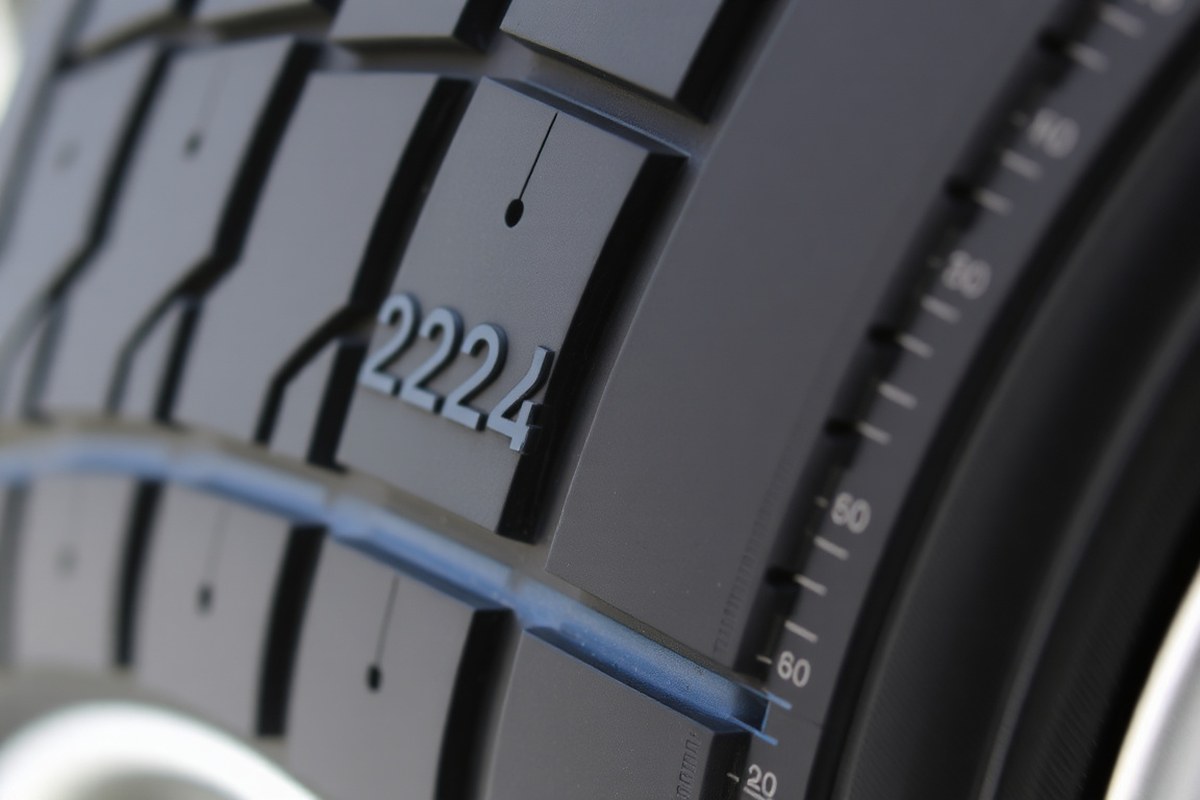
Tire numbers follow a standard format that gives you a clear snapshot of the tire’s details. Usually, it looks like P225/60R16.
The code tells you the tire’s type, width, sidewall height, construction, and rim size. Each segment has a distinct meaning you can use to check tire fit and performance.
Here’s a breakdown of each element in that code, using P225/60R16 as an example:
- Identify the tire type letter. The “P” at the start means this is a passenger car tire. If it’s missing, the tire may be a European passenger tire. Other letters like “LT” show it’s for light trucks.
- Find the width in millimeters. The “225” tells you the tire tread width. This number means the tire is 225 mm wide from sidewall to sidewall.
- Read the aspect ratio next. The “60” after the slash shows the sidewall height as a percent of the width. Here, the sidewall height is 60% of 225 mm, or 135 mm tall.
- Check the construction letter. The “R” means radial construction. This is the most common type today. Other options include “D” for bias-ply.
- Get the rim diameter in inches. The “16” is the rim size the tire fits. This tire fits a 16-inch wheel, measured edge to edge.
The whole code packs key tire info in a few characters. It tells you tire width, sidewall height, wheel fit, and construction type. This helps you pick replacements that match your vehicle and driving needs.
Using P225/60R16 as a guide, you can see these numbers also affect ride comfort and performance. A higher aspect ratio means a taller, softer sidewall with more cushion. A lower ratio means a shorter, firmer sidewall for handling.
Rim size matches the wheel you install to avoid fit problems. Knowing the code helps avoid buying tires that don’t fit or perform like the originals.
How to Identify Tire Width and Measurement Units
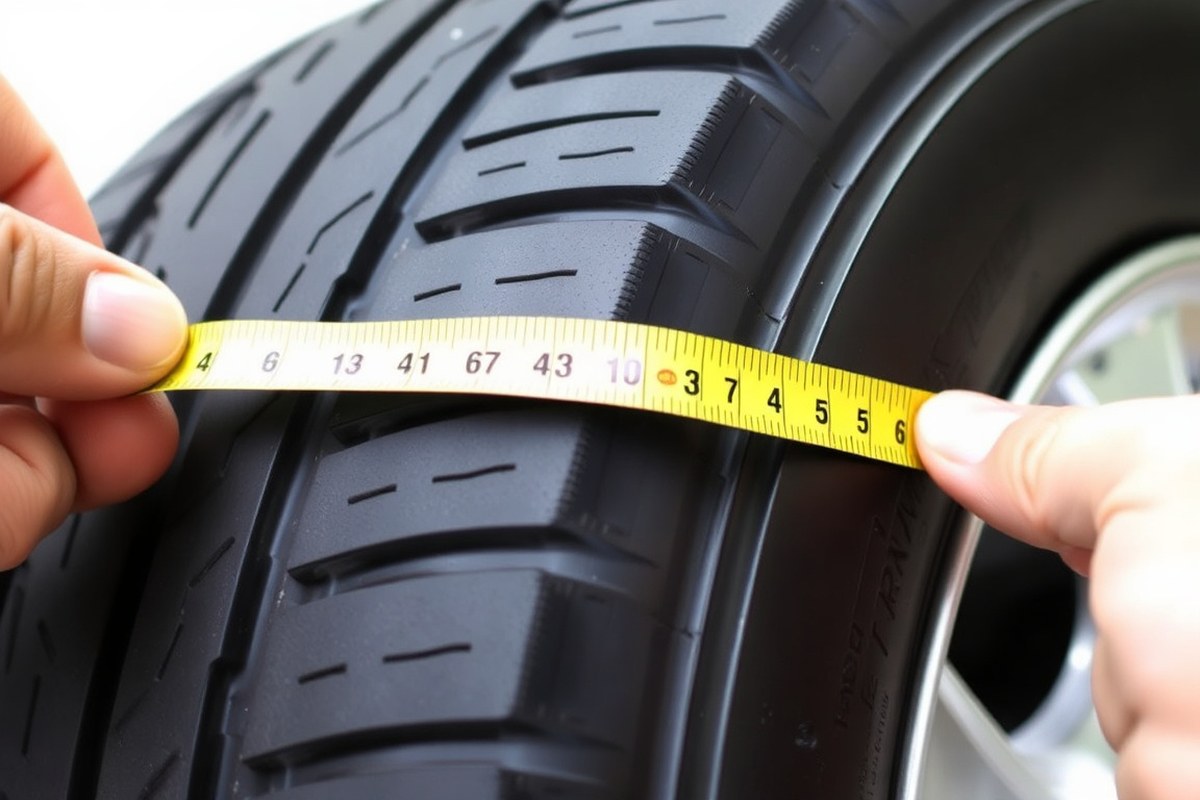
The tire width number shows how wide the tire is from side to side. This number is measured in millimeters on the tire’s sidewall. For example, a tire marked 225 is 225 millimeters wide from one sidewall to the other.
Measuring the width in millimeters helps you get a precise fit for your vehicle’s wheels. Width changes how well your tire grips the road. It also impacts how your car handles turns.
Braking performance can differ too with tire width. A wider tire usually improves traction on the road.
It can lower your fuel economy a bit. If too wide, it might rub the wheel well.
| Tire Width (mm) | Approximate Width (inches) |
|---|---|
| 205 | 8.1 |
| 225 | 8.9 |
| 255 | 10.0 |
| 265 | 10.4 |
| 275 | 10.8 |
Choosing the right tire width means matching your vehicle’s specifications. Tires that are too wide might not fit safely, causing rubbing or poor steering. Tires that are too narrow may reduce grip and stability, especially in wet or slippery conditions.
Before buying, check your vehicle manual or the sticker inside the driver’s door for recommended sizes. When replacing only one tire, match the width to avoid handling problems. Wider tires often cost more and can lower your gas mileage a little.
Always choose a tire width that fits your wheel. Make sure it has room from suspension parts. This helps avoid any damage during driving.
Understanding Aspect Ratio and Sidewall Height
The aspect ratio of a tire tells you the sidewall height compared to its width. You can figure out the sidewall height using two tire specs. Use the aspect ratio percent and tire width for the calculation.
Multiply width by percentage to get the height in millimeters. This measurement helps you understand how the tire will affect your ride’s comfort and performance.
What Is Aspect Ratio?
Aspect ratio shows sidewall height compared to tire width. Look for the number after the slash on the tire sidewall. For example, 65 means sidewall height is 65% of the width.
This ratio gives you an idea of the tire’s profile or thickness of the sidewall. A higher aspect ratio means a taller sidewall. A lower ratio means a shorter, sportier sidewall.
Calculating Sidewall Height
To find the sidewall height, multiply the tire width by the ratio. Convert the percentage to decimal first, like 65% to 0.65. The result is the height in millimeters.
This number gives the sidewall height in millimeters. Here’s how to do the math step-by-step.
- Identify the tire width in millimeters (the first number before the slash).
- Find the aspect ratio number right after the slash (a percentage).
- Convert the aspect ratio to a decimal by dividing by 100.
- Multiply the tire width by this decimal.
- The result is the sidewall height, in millimeters.
For example, a P265/65R17 tire has a 265 mm width and a 65% aspect ratio. Convert 65% to 0.65, then multiply: 265 mm × 0.65 = 172.25 mm sidewall height.
Effect of Aspect Ratio on Ride Quality
The aspect ratio affects how your tires handle bumps and road feedback. A higher ratio, like 70 or 75, means a taller sidewall that cushions rough roads well. It helps absorb shocks and makes the ride feel smoother.
Lower ratios, such as 40 or 50, create shorter sidewalls. These tires offer firm rides and sharp handling traits. They work well for sporty driving styles.
The tradeoff is they may feel rough on bumpy roads. Picking the right ratio depends on whether you want comfort, performance, or a mix of both.
Decoding Tire Construction Types (Radial, Bias, Etc.)
The letter “R” in tire codes means the tire uses radial construction. Radial tires have ply cords running side to side at 90 degrees from the center. This gives them good flexibility, cooler operation, and longer life.
The “D” or “B” letters indicate bias or belted bias tires. Bias ply tires have cords laid diagonally. Belted bias tires add a steel belt for extra strength.
Most passenger vehicles use radial tires. They offer better durability. Radials improve daily driving performance.
Bias tires often appear on older or specialty vehicles. Some truck tires display load range letters like “E.” These letters show ply ratings. Ply ratings affect tire strength.”
Here’s a quick comparison of common tire construction types and how they affect performance and durability:
| Construction Type | Cord Direction | Performance | Durability | Common Use |
|---|---|---|---|---|
| Radial (R) | Side to side (90°) | Flexible, cool running, better grip | Longer tread life | Most passenger cars and light trucks |
| Bias Ply (D or no letter) | Diagonal cords | Stiff sidewalls, rougher ride | Less durable, wears faster | Older vehicles, trailers |
| Belted Bias (B) | Diagonal cords + steel belts | Improved strength over bias | Better than bias, less than radial | Some trucks, specialty tires |
Choose radial tires for cars and light trucks. They provide smooth rides. Radials also last longer.
Older vehicles or trailers may need bias ply tires. Bias ply tires handle more roughly.
Expect a firmer ride. Commercial trucks may need tires with a ply rating like “E” for heavier loads.
What Wheel Diameter Numbers Tell You
The rim diameter number on a tire is the size of the wheel it fits. This measurement is always in inches.
It is the last number in the tire size sequence. For example, a tire marked “P215/60R16” fits a 16-inch wheel rim.
It’s important that this rim diameter matches your wheel exactly. Tires don’t stretch or squeeze to fit wheels that are larger or smaller.
Using a tire with the wrong diameter can prevent proper mounting and create unsafe driving conditions. You’ll also need to buy new wheels if you change to a different rim size.
Vehicle types usually use certain common rim diameters. Compact cars typically run on 15- to 17-inch wheels. Larger sedans and SUVs often use wheels sized 17 to 20 inches.
Some performance cars like modern Ford Mustangs come with 18- to 20-inch rims. Certain commercial vehicles use specialized sizes, such as a 16.5-inch rim designed for heavy cargo loads.
- Compact cars: 15 to 17 inches
- Sedans and SUVs: 17 to 20 inches
- Performance cars: 18 to 20 inches
- Heavy-load or towing wheels: 16.5 inches
- Older or classic cars may use 14 to 15 inches
Check your vehicle’s placard or owner’s manual for approved rim sizes. Some vehicles list multiple rim sizes for front and rear tires. Use online tools to visualize tire and wheel fit before buying.
When planning to change rim size, consult your vehicle’s manufacturer or a tire professional. Confirm any new tire matches the wheel diameter exactly to avoid fit issues.
Always check your tire’s rim diameter first. Make sure it matches your wheel before buying. This helps avoid safety risks.
Matching rim diameter ensures the tire will sit properly on the wheel. A proper fit means safer handling and better tire life.
You can’t usually change tire size without changing the rim size. The tire’s inside diameter must fit the wheel’s exact size.
Interpreting Load Index and Maximum Load Capacity
The load index on a tire shows the maximum weight that tire can carry. You find the load index number on the sidewall, usually after the tire size. Then, use a load index chart to see the exact weight in pounds.
What Is Load Index?
Load index is a number that tells you the tire’s maximum carrying weight. It’s based on how much weight the tire supports when fully inflated. You’ll see this number right after the tire size on the sidewall.
Each load index number matches a weight value. So higher numbers mean higher weight limits. This helps you know if a tire can handle your vehicle’s load safely.
Converting Load Index to Weight Capacity
A load index chart helps you convert the number into pounds. Here’s a table with common load indexes and their weight limits.
| Load Index | Weight Capacity (lbs) |
|---|---|
| 81 | 1,019 |
| 89 | 1,279 |
| 91 | 1,356 |
| 94 | 1,477 |
| 95 | 1,521 |
| 103 | 1,929 |
| 125/122 | Very high capacity (for demanding use) |
For example, a tire with a load index of 95 supports up to 1,521 pounds. This means each tire can safely carry that weight when it’s fully inflated.
Importance of Proper Inflation Pressure
The tire’s maximum load depends on correct inflation pressure. The load capacity listed is only valid at the tire’s max air pressure.
The maximum inflation pressure is on the tire sidewall. It differs from your vehicle’s recommended tire pressure.
Check your vehicle manual for the correct pressure. Inflate tires properly for safety and to avoid damage from overload.
- Check tire pressure monthly using a reliable gauge.
- Don’t exceed max inflation pressure listed on the tire sidewall.
- Adjust pressure if carrying extra weight or towing.
Explaining Speed Ratings and Safe Speed Limits
The speed rating on your tire shows the top speed it can safely handle. You’ll see a letter at the end of the tire code. That letter matches a maximum speed in miles per hour (mph).
Here’s a handy chart to help you match the letter to its speed limit:
| Speed Code | Maximum Speed (mph) |
|---|---|
| Q | 100 |
| S | 112 |
| T | 118 |
| U | 124 |
| H | 130 |
| V | 149 |
| W | 168 |
| Y | 186 |
| Z | More than 149 |
To find your tire’s max speed, check the sidewall carefully. Look for the letter after the load index. This letter shows the max speed rating.
For example, in “265/70R17 114T,” “T” means it’s safe up to 118 mph. This lets you check if the tire fits your normal driving speed.
Exceeding the tire’s speed rating risks tire failure, heat build-up, and loss of control. The rating considers the max speed it can hold under normal loads and road conditions. Going faster than the rating makes your tire wear faster and could cause blowouts.
Match the speed rating to how you actually drive. You can use a “Q” or “S” rated tire if you stay under 100 mph. For faster highway driving, you’ll want “H,” “V,” or “W” rated tires.
Don’t pick a tire rated below your top speeds. Tires with higher ratings cost more but give extra safety at speed.
Always follow speed laws and tire manufacturer limits for the safest ride. Using the correct speed rating reduces risks and keeps the tire reliable longer. Checking this code on your tires helps you pick the right type for your driving needs.
Other Important Tire Markings and Codes to Know
Tire sidewalls show other important markings besides size and speed ratings. These include the DOT code, the manufacturing date, treadwear ratings, and load range letters. Knowing these helps you check tire age, quality, and capacity for safety and performance.
Understanding the DOT Code
The DOT code uses letters and numbers to show tire safety. It proves the tire meets safety rules for use.
This code is on every tire’s sidewall. This code is required by the U.S. Department of Transportation on every tire sold in the U.S. It usually starts with “DOT” followed by a series of letters and numbers.
The last 3 or 4 digits show the tire’s manufacture date. This helps you know the tire’s age. Age matters for safety and performance.
The other parts of the DOT code show factory and size info. Most drivers don’t need this info daily. It doesn’t affect normal tire use.
Reading Manufacturing Date
The DOT code includes the tire’s manufacturing date. This helps you track how old the tire is. Tire age is important for safe driving.
The last four numbers show the date made. The first two numbers are the week.
The last two numbers are the year made. For example, “2319” means the tire was made in the 23rd week of 2019.
Tires older than six years should be inspected regularly or replaced because rubber degrades with time. Store tires away from sunlight and heat to slow aging.
Tires can look fine but still be unsafe if they’re over six years old.
Treadwear, Traction, and Temperature Grades
The UTQG (Uniform Tire Quality Grading) tells you a tire’s treadwear, traction, and temperature resistance. These grades help compare different tires on performance aspects. Treadwear is a number; traction and temperature are letter grades.
A treadwear grade of 200 means the tire lasts twice as long. A grade of 100 is the baseline for comparison. Higher numbers mean longer tread life.
Traction grades rate how well tires stop on wet roads. AA is the best, then A, B, and C is the lowest. Better traction means safer wet braking.
Temperature grades rate tire’s heat resistance from A to C. A is best, meaning the tire handles heat well. Heat resistance helps keep tires safe at speed.
- Treadwear: a number like 100, 200, or 300 indicating tread life
- Traction: AA, A, B, or C shows wet stopping ability
- Temperature: A, B, or C indicates heat resistance during use
- Look for these to match your driving conditions and climate
- Higher grades generally cost more but offer better safety or durability
Always check these grades when buying new tires to fit your driving habits.
Load Range Letters and Their Meaning
Load range letters on tires show how much weight they can safely carry. Common load ranges are C, D, and E. Higher letters mean the tire holds more weight and often needs higher pressure.
Load range letters show tire pressure and weight capacity. They help you pick tires that match your vehicle’s needs. Here’s a quick guide of common load ranges:
| Load Range | Typical PSI | Load Capacity (per tire) |
|---|---|---|
| C | 50 PSI | 2,150 lbs |
| D | 65 PSI | 2,830 lbs |
| E | 80 PSI | 3,640 lbs |
Matching load range and tire pressure with your vehicle’s requirements is critical for safety. Overloading tires or using the wrong load range raises failure risk and reduces handling quality.
How to Use Tire Numbers When Shopping and Maintaining Tires
Before buying new tires, check the numbers on your current ones. Use the tire placard inside your door to find specs.
Check your owner’s manual for size and details. This avoids buying tires that don’t fit or affect your car’s handling and safety.
You can change tire sizes, but only within certain limits. Keep your tire diameter within 3% of the original size. This avoids errors on your speedometer.
It also prevents traction control problems. Also, check load index and speed rating to match or exceed your original tires’ capabilities.
When working on your vehicle, numbers guide tire replacement timing and air pressure settings. Check the DOT code to determine how old your tires are.
Tires over six years old should be checked carefully and replaced if damaged. Make sure to check that your tire pressure matches the recommended PSI to keep fuel efficiency and even tire wear.
- Compare tire width, aspect ratio, and wheel diameter exactly to your vehicle’s specs
- Use load index and speed rating numbers to choose tires that match or improve safety
- Keep the overall tire diameter within 3% of your current tires if changing size
- Check the DOT code to know the tire’s manufacture date and age
- Follow recommended tire pressure noted in your owner’s manual or door placard
- Look for any tire position markings to keep tire rotations consistent
Shopping with these numbers in hand helps you pick the right tire quickly. Showing these details to your tire technician makes the process smoother and prevents mistakes. Watch tire numbers during maintenance to spot wear early.
This helps you stay safer on the road. It also saves money on repairs.
Step-by-Step Action Plan for Using Tire Numbers
Knowing tire numbers helps you pick the right tires for safety and performance. Follow these steps to use that info correctly.
- Before buying: Write down your current tire’s size, load index, and speed rating. Match these exactly to avoid fit or safety issues.
- Day 1: Check your vehicle’s owner manual for recommended tire specs. Compare with your notes to confirm you have the right numbers.
- Week 1: Inspect your tires for wear patterns or damage. Uneven wear could mean the wrong tire size or alignment problems.
- Before installation: Show the tire numbers to your mechanic or tire shop. Ask for advice based on your driving needs and climate.
- Month 1: Drive gently with new tires. Listen for unusual noises and watch handling to ensure proper fit and balance.
- Every 3 months: Recheck tire pressures and confirm they match the recommended load capacity. Use a reliable gauge for accurate readings.
- Yearly: Rotate tires and check their numbers against wear limits. Replace tires if the tread wears too low. Check your vehicle’s load index. Switch tires if the load index doesn’t match your car anymore.
- Anytime: Review speed ratings if your driving style or conditions change. Upgrading can help with safety on highways or heavy loads.
Frequently Asked Questions
What Does the “P” Mean at the Start of a Tire Number?
The “P” means the tire is for passenger vehicles. It stands for P-metric sizing and is common for cars and small SUVs.
Why Do Some Tires Have Markings Like “XL” or “LT”?
XL” means extra load capacity, and “LT” means light truck tire. These markings show the tire can handle more weight or rugged conditions.
How Does Tire Speed Rating Affect Your Driving Safety?
The speed rating shows the highest speed the tire can safely handle. Choose a tire speed rating that matches or exceeds your vehicle’s max speed for safety.
Can Aftermarket Tires Affect Your Vehicle Warranty?
Using tires that don’t match manufacturer specs can void your warranty. Always stick to recommended tire sizes and ratings to protect your warranty.
What Does the DOT Code on the Tire Sidewall Indicate?
The DOT code shows the tire meets US safety standards and date of manufacture. It helps you know tire age, important since older tires can degrade.
Final Thoughts
The numbers on your tires hold the key to safety and performance. Use those numbers to guide your tire choices and maintenance. Check your tires regularly to keep your vehicle running right and safe on the road.





2 Comments