What Do Speed Ratings on Tires Mean? A Complete Guide for Safe Tire Selection
What do speed ratings on tires mean? They show the maximum safe speed a tire can handle. Knowing this helps you pick tires that match your driving habits and car’s limits.
It’s not about going fast. But about staying safe and keeping the tire in good shape.
Tire speed ratings are tested by running tires at fixed speeds for set times under heat. This makes sure tires won’t fail at those speeds under tough conditions.
Most everyday tires have ratings that far exceed normal highway speeds. So picking the right one means balancing speed, grip, and durability.
Start by checking the letters on your tire sidewall. They tell the top speed the tire can safely maintain. Remember, higher speed ratings don’t always mean better tires.
They sometimes wear out faster or cost more without real benefits. Choose what fits your driving needs best.
Key Takeaways
- Speed ratings mark the maximum safe speed a tire can sustain.
- These ratings come from tests at specific speeds and heat levels.
- Common U.S. Tires often have T (118 mph) or H (130 mph) ratings.
- Check the tire sidewall letters to find the speed rating easily.
- Don’t choose a higher speed rating if you don’t actually need it.
- Winter tires often have lower speed ratings because of softer rubber.
What Is a Tire Speed Rating and Why It Matters
Tire speed rating shows the highest speed a tire can safely handle. It shows how well the tire holds weight while driving. It measures performance at a steady speed.
This helps ensure safe driving under normal conditions. This rating helps you pick tires that match your vehicle’s speed and driving style.
The main job of a tire speed rating is to keep you safe on the road. Tires with a lower speed rating than needed can get too hot. Overheating raises the risk of tire failure.
That can lead to dangerous problems on the road. Tires not rated for your driving speed may cause control loss.
You could also get a tire blowout. Both are serious safety risks when driving fast.
Speed rating is different from tire size or load index. Tire size means the tire’s width, height, and rim diameter.
Load index tells you how much weight the tire can carry. Speed rating is about the safe driving speed, not size or weight capacity.
Your vehicle’s maker picks the speed rating based on the car’s design and usual speeds. Family sedans often use T or H tires. These tires are safe up to about 118 mph.
They match everyday driving speeds well. Sports cars require faster tires, like V or W ratings.
These tires handle speeds over 150 mph safely. They fit high-speed driving demands better.
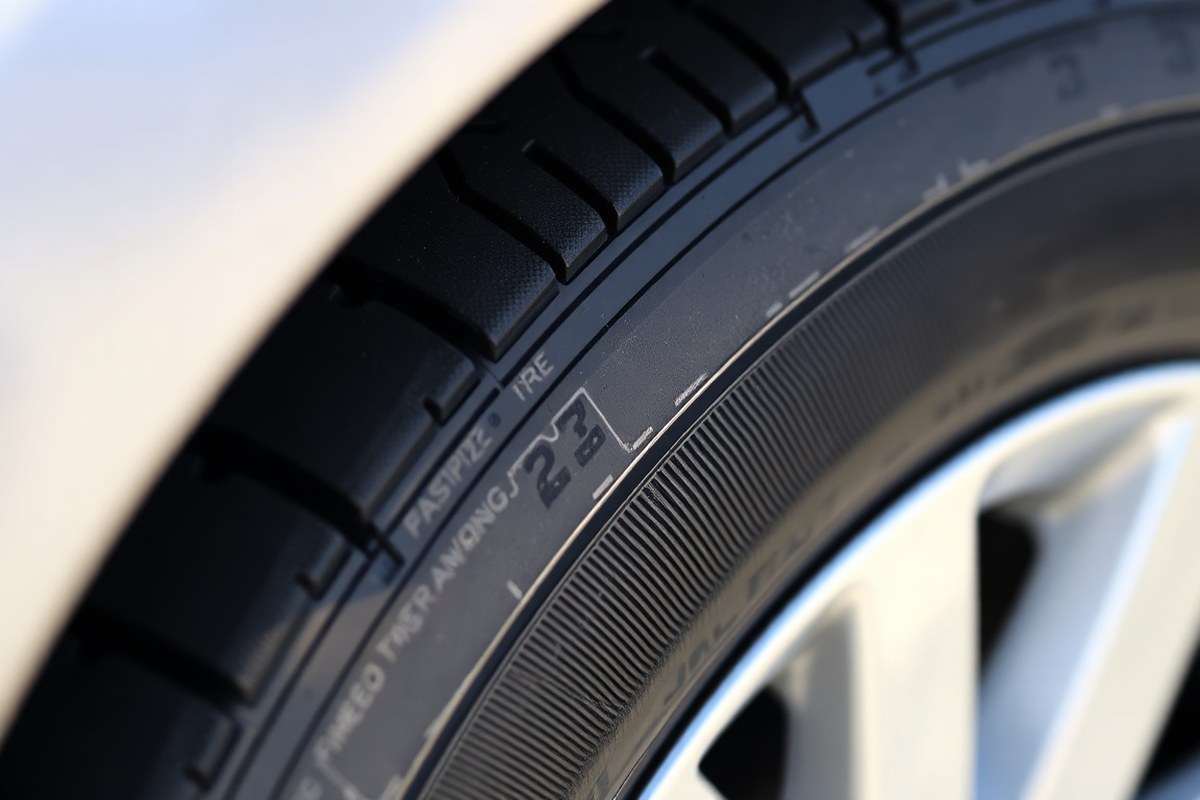
You can find the speed rating on the tire’s sidewall. It’s at the end of the size code. For example, 225/45R17 91W shows the rating.
That letter tells you the tire’s max sustained speed under ideal conditions. The conditions include proper tire inflation, carrying the load it’s rated for, and normal weather.
Picking the right speed rating takes little extra time but makes a big difference. Replacing tires with ones rated for lower speeds can cause safety risks. It might also reduce fuel efficiency and affect handling.
Always match or exceed the original speed rating. This keeps your driving safe, smooth, and efficient.
How Tire Speed Ratings Are Tested and Determined
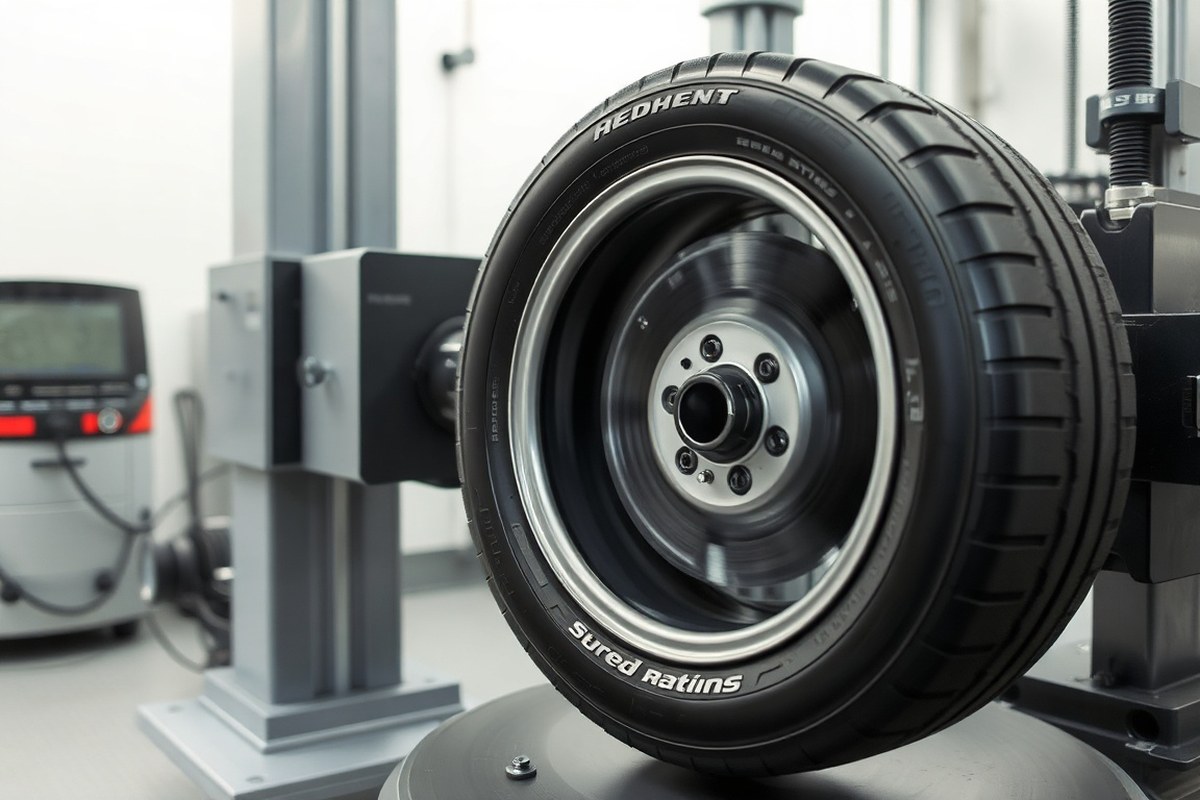
Tire speed ratings come from official tests worldwide. These include standards by SAE in the USA. The test simulates real driving conditions.
The tire runs in a room heated to 100 degrees Fahrenheit. This heat simulates the conditions tires face on the road at high speeds.
The tire runs nonstop for one hour. It maintains the speed matching its rating. This long duration checks how well the tire handles heat buildup and stress without failing.
Tires that pass keep their shape and safety. They handle that speed for the full hour.
The test starts by mounting the tire on a wheel. They inflate it to the correct pressure. Then the wheel spins on a drum at the needed speed.
The room temperature is controlled. If the tire gets too hot or damaged during testing, it fails.
It won’t earn that speed rating. This ensures the rating matches what the tire can reliably handle in real life.
Different speed ratings come with different speeds the tire must meet. For example, H-rated tires need to run safely at 130 mph. T-rated tires qualify at 118 mph.
Tire makers use this test all over the world. It proves the tire’s performance under stress at rated speeds.
Speed ratings don’t count for damaged or under-inflated tires. Overloaded tires may fail even at lower speeds. Winter tires often have Q or R ratings.
These reflect lower top speeds because of their special rubber and tread design. That’s why some low-speed ratings aren’t common on summer passenger tires.
Always check tire pressure and condition before fast driving. High speed ratings don’t guarantee safety if tires aren’t cared for.
Common Tire Speed Rating Letters and Their Maximum Speeds
Tire speed rating letters show the max speed a tire safely handles. Each letter means a specific maximum speed under full load. Most passenger cars use mid-range ratings, while sports or exotic cars need higher ratings.
Low-Speed Ratings Explained
Lower letters like A1 through S mean slower maximum speeds. These tires suit basic cars or light trucks that rarely exceed highway speeds. They provide sufficient safety for normal driving without extra performance features.
For example, an S rated tire can handle up to 112 mph. These ratings usually cover family sedans, minivans, and light trucks. Going faster than these limits risks tire damage or failure.
Typical Passenger Car Ratings
The most common passenger car tires have ratings from T up to H. T allows 118 mph, which fits everyday sedans and crossover SUVs. H supports speeds up to 130 mph, often found on sportier models or larger SUVs.
These ratings balance speed capability with comfort and durability. They suit drivers who mostly follow speed limits but want some margin for spirited driving. Tire replacements should never drop below these standards.
| Rating | Max Speed (mph / km/h) | Typical Use |
|---|---|---|
| S | 112 mph / 180 km/h | Family sedans, minivans, light trucks |
| T | 118 mph / 190 km/h | Family sedans, CUVs, light trucks |
| H | 130 mph / 210 km/h | Sports sedans, coupes, SUVs |
| V | 149 mph / 240 km/h | Sports cars, high-performance sedans |
| W | 168 mph / 270 km/h | Exotic sports cars, performance SUVs |
| Y | 186 mph / 300 km/h | Super sports cars, hypercars |
| (Y) | 186+ mph / 300+ km/h | Highest-spec hypercars (Ferrari, Lamborghini) |
Speed ratings above T generally mark higher end passenger cars. Buyers of family sedans or typical SUVs mostly see S, T, or H rated tires. Above that are for sport and performance vehicles.
High-Performance and ZR Ratings Explained
Speed ratings like V, W, and Y are for sports and exotic cars. V covers speeds up to 149 mph. W reaches up to 168 mph.
Y tops out at 186 mph. Some top hypercars use (Y) rating, meaning even faster than 186 mph.
ZR used to mark tires capable of more than 149 mph, including V, W, and Y. These ratings come with performance tires that handle more heat and stress at high speeds. Unless you own a fast sports or exotic car, these are usually unnecessary.
How to Locate and Read Speed Ratings on Tire Sidewalls
The speed rating appears on your tire’s sidewall, usually last in the size code sequence. You’ll find it right after the load index number, as a letter. The load index and speed rating tell you about tire limits.
Load index shows weight capacity. Speed rating shows the top speed it can safely handle.
Locating the Speed Rating
The speed rating is the last part of the tire size code. You find this code on the tire’s sidewall.
For example, if the code reads 205/60R15 91V, the “V” is the speed rating. It shows the highest speed the tire can safely handle when properly inflated.
Sometimes, you’ll see a “Z” inside the size code, like 225/45ZR17. This “Z” signals a tire rated for speeds over 149 mph.
Speed ratings over 186 mph get a ZR mark. They also show a speed symbol like W or Y in brackets.
Interpreting the Load Index
The load index is the number just before the speed rating. It tells you the maximum weight one tire can carry. For example, a load index of 91 means the tire supports up to 1,356 pounds.
Knowing the load index helps you pick tires that match your car’s weight needs. Using tires with too low a load index can risk tire damage and safety issues. Proper inflation affects this too, so keep your tires inflated as recommended.
Combined Tire Code Example
Look at the code 205/60R15 91V. The “205” is the tire’s width in millimeters.
“60” is the aspect ratio, the height as a percentage of the width. “R” means it has radial construction, and “15” shows the rim diameter in inches.
“91” is the load index, meaning the tire supports about 1,356 pounds each. The letter “V” is the speed rating, showing a max speed of 149 mph. Together, these indicate what weight and speed your tire safely handles.
When checking your tire code, find the load index number first. Then look for the speed rating letter. These details need to match your vehicle manufacturer’s specs for safe driving and tire performance.
Is a Higher Speed Rating Always Better? Pros and Cons
Higher speed rated tires generally offer better handling, sharper steering, and more stability in corners. They use stiffer sidewalls and performance compounds designed to handle heat at faster speeds. They work well for sports cars or aggressive drivers.
You get good handling on winding roads and highways. These tires suit high-speed driving styles.
However, these benefits come with some tradeoffs. Tires with higher speed ratings often wear out faster because their rubber is softer. These tires wear out faster than those with low ratings.
Stop-and-go traffic or rough roads speed up wear. Expect shorter tread life overall.
They also tend to provide a firmer, sometimes harsher ride. Tires rated for higher speeds have extra reinforcements inside. This helps manage heat caused by driving fast.
You’ll feel more road texture and less cushion. This can affect comfort on daily commutes or long road trips.
| Speed Rating | Typical Max Speed | Handling | Wear Rate | Ride Comfort |
|---|---|---|---|---|
| H | 130 mph (210 km/h) | Good for average passenger cars | Longer tread life | Smoother ride |
| V | 149 mph (240 km/h) | Improved handling and responsiveness | Moderate wear | Moderate firmness |
| W | 168 mph (270 km/h) | Better cornering and control | Faster tread wear | Firmer ride |
| Y | 186 mph (300 km/h) | Excellent handling at high speeds | Soft rubber, short tread life | Firm, performance-oriented ride |
You don’t need very high speed rated tires unless your car can reach those speeds. Most public roads have limits well below 130 mph. Using tires rated higher than needed costs more money.
You won’t get longer tire life though. You may need to replace tires more often.
Tires with lower speed ratings don’t meet heat standards. They may not perform safely at highway speeds. Using them on highways isn’t a good idea.
For trucks and SUVs, lower speed ratings fit their weight well. These tires still provide safety and comfort in use. They work fine without high-speed performance.
Always check your tire pressure regularly. Under-inflated tires can overheat and lower safe speed limits.
Safety Guidelines: What If You Exceed or Mix Speed Ratings?
Exceeding a tire’s speed rating risks overheating and tire failure. Tires built for lower speeds use softer rubber. This rubber wears out quickly.
It can also break down at high speeds. Your insurance may deny claims if an accident involves tires not rated for your driving speeds.
You can mix tires with different speed ratings, but only with caution. The lowest speed rating among your tires sets the safe maximum for all four tires. Mixing a lower-rated tire with higher-rated ones may reduce overall handling and safety.
Winter tires are a special case. Their rubber compounds work best below 45°F and on snow or ice.
They cannot safely handle the same high speeds as summer tires. This reduced speed limit prevents overheating and damage during cold months.
- Always check your vehicle’s manual for recommended speed ratings.
- Use tires with the same or higher speed rating on all wheels.
- Avoid mixing winter tires with summer or all-season tires for speed.
- Replace tires promptly if they show uneven wear or damage.
- Keep speeds below each tire’s rated limit, especially in winter.
- Inform your insurance company if you change to different tires.
Using tires rated for speed ensures safe handling and helps prevent blowouts. Mixing ratings lowers your car’s performance and can cause uneven wear patterns. Winter tires need to run slower.
Softer rubber heats up faster. This can lead to tread damage and less grip.
Check your tires often for signs of wear. Stay within the speed ratings. This helps avoid costly repairs and insurance problems.
Swap from winter to summer tires. Make sure the speed rating fits your vehicle. This keeps control and safety at its best.
Can You Replace Tires with Different Speed or Load Ratings?
You should always replace tires with others that match the original size and load rating. Going below the factory load rating is not safe and can cause tire failure. Michelin and other makers say not to use tires with lower load indexes.
Using lower load index tires than your factory tires can be risky. It’s best to stick with the load rating your car came with.
Using a tire with a higher load rating than the original is generally fine. However, the tire must still fit the wheel and car properly. Upgrading to tires with a higher speed rating is usually fine.
Make sure tire size and load rating stay the same or go up. This keeps your car safe and maintains proper handling. This can improve handling and performance but often comes with a higher price tag.
The safest approach is to pick tires identical or close to the manufacturer’s specs. That means the exact size, speed rating, and load index the car maker recommends.
Mismatching speed ratings on the same axle can cause uneven wear and handling issues. Keep both tires on one axle to the same speed and load ratings.
Your tire purchase should reflect the spring and suspension setup. A tire below the load rating may look cheaper but offers less safety margin.
The load index indicates how much weight a tire safely carries at proper inflation. For passenger cars, this varies from about 850 to 1,500 pounds per tire.
Changing speed ratings affects how a tire handles heat, speed, and stress. Higher speed rated tires have stiffer sidewalls and better heat resistance.
But they can wear quicker and feel firmer. Lower speed tires may feel softer but could overheat if driven fast.
Always check your car’s placard, usually on the driver door. It shows the required tire size, speed rating, and load index.
Use these numbers when shopping for new tires. Your tire dealer will also help confirm the right fit and specs to avoid safety problems.
Talk to your mechanic or tire shop about upgrading speed or load ratings. They can guide you on safe options. Getting expert advice avoids costly mistakes and safety risks.
They can confirm if your wheels and brakes suit the change. Experts can also confirm if your insurance or warranty requires matching factory ratings.
Replacing factory tires with others that match or exceed ratings costs more upfront. Tires with better speed or load ratings often cost 10% to 30% more per tire. But the safety margin and performance balance make this a better long-term choice.
Understanding ZR and Special Designations for High-Speed Tires
“ZR” shows a tire built for speeds over 149 mph. Originally, it marked very high-speed tires before specific letters like W and Y appeared. Modern tires with ZR often add W or Y after it.
These letters show the exact max speed for your tire. This makes speed ratings clearer.
W and Y ratings clarify speed ranges above 149 mph. W means the tire can safely handle speeds up to 168 mph.
Y covers speeds up to 186 mph. Tires marked (Y) go beyond 186 mph, though these are rare for everyday passenger cars.
Here’s how the ZR, Z, W, and Y work:
| SPEED SYMBOL | SPEED (mph) | SPEED SYMBOL | SPEED (mph) |
|---|---|---|---|
| V | 149 | ZR* | Above 149 |
| W | 168 | Y | 186 |
| (Y) | Above 186 |
The “Z” rating began as a general high-speed mark. Now it mostly appears within ZR, which means the tire size itself is for high speeds. The W and Y letters follow the speed rating number.
They appear on the tire sidewall like “94W” or “99Y.” This helps you identify tire speed easily.”
Sports sedans, hot hatches, and high-performance cars often use these ratings. Cars like the Ford Mustang often use V, W, or Y tires. The Audi A4 and BMW 3 Series also have these ratings.
These suit their performance needs. Tires with (Y) ratings are mostly on supercars or specialized vehicles.
Matching your tire speed rating to your car’s top speed is important. It keeps your car handling safely. It also helps prevent your tires from wearing out early.
Look for the speed rating in the tire’s service description after the size or load index. For example, a tire sidewall might read “225/45ZR17 94W.ZR indicates tire size for speeds over 149 mph. The W rating tells the tire’s maximum speed.
Both help you pick the right tire. Knowing this helps you pick tires that fit your driving style and vehicle limits.
Speed Ratings and Seasonal Tires: Winter and All-Season Variations
Winter tires often have lower speed ratings than summer or all-season tires. Using a lower speed rating on winter tires is common and safe for cold conditions. The 3PMSF symbol helps identify tires made for winter use regardless of speed rating.
Winter Tire Speed Ratings
Winter tires usually come with speed ratings like Q or S. These ratings cover maximum speeds around 99 to 112 mph. That’s lower than the H or V ratings on summer tires. They can reach speeds up to 130 or 149 mph.
You can safely use winter tires with lower speed ratings on your car. They focus on cold-weather traction, not high-speed performance. You should not drive faster than the tire’s speed rating.
Going too fast can make you lose control. It can also cause damage to the tire.
3PMSF Symbol Explained
The 3PMSF symbol shows a tire meets winter traction standards. It looks like a mountain with a snowflake inside. Tires with this symbol have passed tests for snow grip and performance.
This symbol matters more than the speed rating for choosing winter tires. You want a tire that performs well on snow and ice.
Its speed rating might be lower, but that’s okay. The 3PMSF confirms the tire is built for winter conditions, not just the label.
Best Practices for Seasonal Tire Selection
Choose winter tires with the 3PMSF symbol to ensure safe cold-weather driving. Match these winter tires’ speed ratings to your normal driving needs.
But lower ratings are usually fine. All-season tires often have higher speed ratings, but they don’t handle snow as well.
- Check the speed rating on winter tires before buying
- Prefer the 3PMSF symbol for snow and ice traction
- Understand winter tires’ lower speed limits (Q or S rates)
- Use all-season tires for moderate climates without heavy snow
- Switch back to higher-speed summer or all-season tires when warm
- Drive within the tire’s rated speed to prevent wear and damage
It’s normal to choose lower speed-rated winter tires because cold weather reduces your driving speed. When snow and ice disappear, changing back to higher-rated tires gives better high-speed stability. This method keeps your car safe and suits each season’s conditions.
Step-by-Step Action Plan for Choosing and Using Tire Speed Ratings
Follow these steps to get tires that fit your car right. Doing this helps keep you safe while driving. Always pick tires that match your vehicle’s needs.
- Before You Buy: Check your vehicle’s manual to find the recommended speed rating. This ensures your new tires meet the vehicle’s designed performance.
- At the Store: Look for tires with speed ratings that match or exceed your car’s specs. Confirm the letters on the sidewall before buying.
- After Installation: Inspect tires for proper labels and physical condition. You want no damage or mismatched markings.
- First Drive: Take a short drive and notice handling and ride quality. Your tires should feel stable and smooth.
- Every Month: Check tire pressure and sidewalls for signs of wear or damage. Proper air keeps speed ratings valid.
- Every Season Change: Change to winter tires that have the right speed rating. This is important if you live where it gets cold. Do this every time the season shifts. This keeps traction and safety balanced.
- Yearly Inspection: Have a professional check your tires and speed ratings. They can advise on replacement timing before failures.
Frequently Asked Questions
What Do the Speed Letters on Tires Actually Mean?
Tire speed letters show the maximum speed a tire can handle safely. You must match or exceed your vehicle’s recommended rating to stay safe on the road.
Are Higher Speed Ratings Better for Everyday Driving?
Higher speed ratings offer better handling but are not always necessary. They can cost more and wear faster if you don’t drive at high speeds.
Can Mixing Different Speed Ratings on Tires Cause Problems?
Yes, your top speed should match the lowest tire speed rating. This prevents tire damage and maintains safe handling.
Why Do Winter Tires Often Have Lower Speed Ratings?
Winter tires usually have Q, S, or T ratings, which cover lower speeds. They focus on grip and cold weather safety, not top speed.
What Does a “ZR” Designation Mean on a Tire?
ZR” indicates the tire can safely handle speeds over 186 mph. This applies often to high-performance or supercar tires.
Wrapping Up
Speed ratings tell you the maximum safe speed for your tires. Choosing the right rating helps keep your drives safe and your vehicle performing well. Check your tire labels today to be sure you’re driving on the right tires for your car.