How Fast Does a Small Airplane Fly? Detailed Speeds and Key Factors Explained
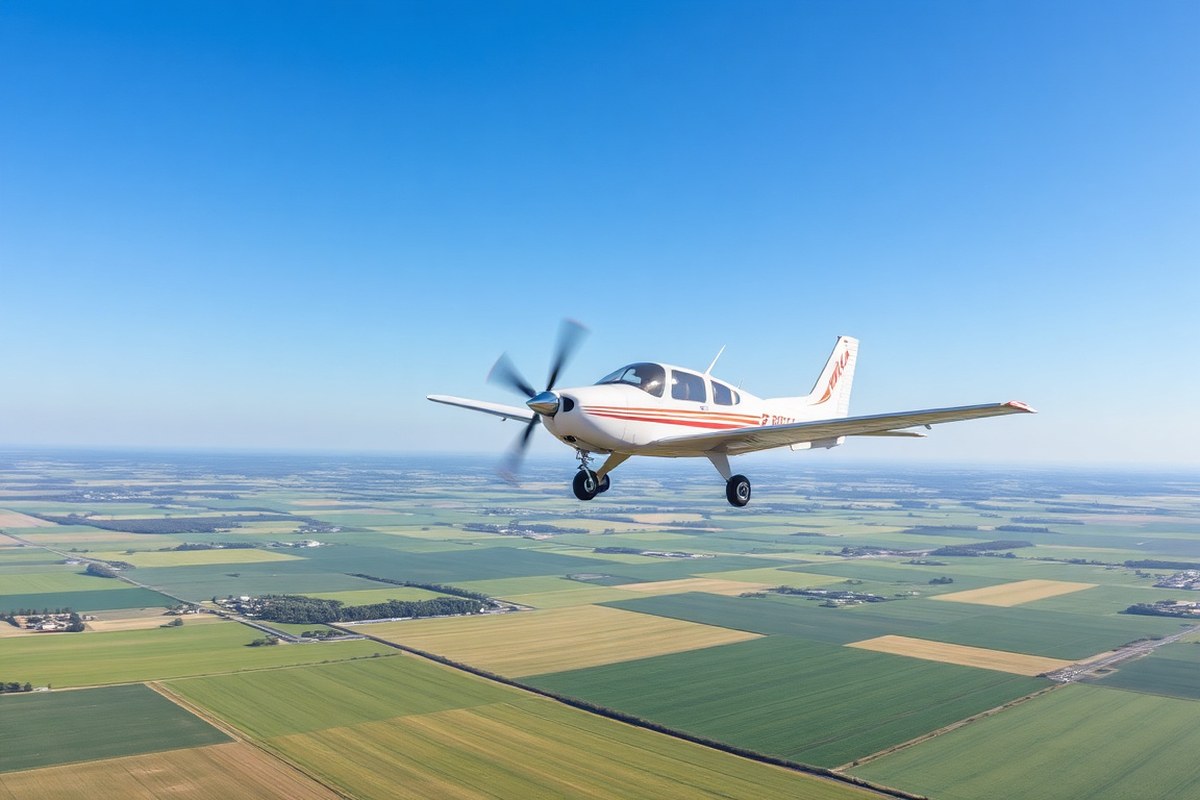
How fast does a small airplane fly is a question many ask. Generally, small planes cruise between 120 and 250 miles per hour. This speed balances fuel efficiency and practical travel times for pilots and passengers.
These speeds depend on the plane’s type, weight, and engine power. Since small airplanes vary widely, their speed can change a lot from model to model. Knowing your plane’s specific speed helps in planning flights and estimating travel time.
Starting your flight planning with realistic speed expectations makes the difference. It avoids surprises and helps you manage fuel stops along your route. Always check your aircraft’s manual for the exact cruise speed numbers before lifting off.
Key Takeaways
- Small airplanes typically cruise between 120 and 250 miles per hour.
- Plane type and engine size directly affect the cruising speed.
- Check your aircraft manual for its exact speed specifications.
- Fuel efficiency improves when staying near your plane’s optimal cruise speed.
- Speed impacts flight planning and estimated travel times significantly.
- Weather and wind conditions can slow or speed up your flight.
How Fast Do Small Airplanes Typically Fly?
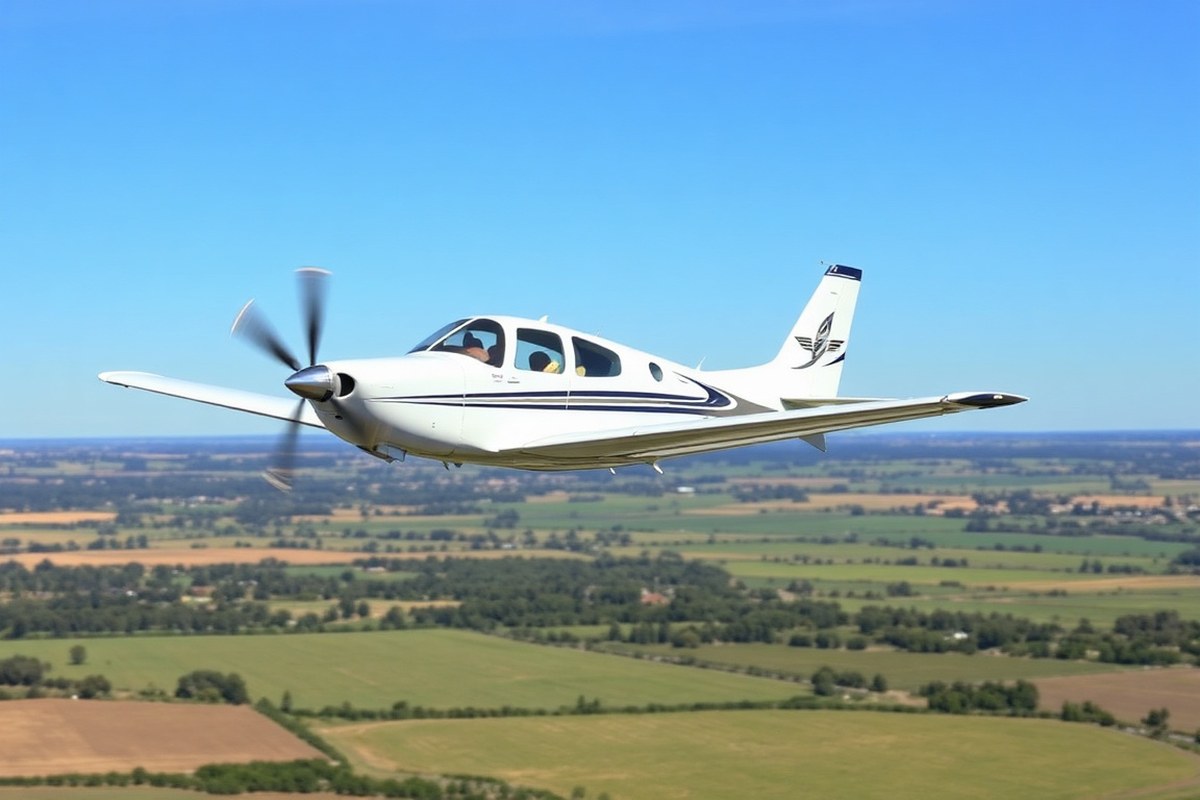
Small airplanes usually cruise between 120 and 250 miles per hour. This range covers typical single-engine planes, from trainers to faster cross-country models. The difference matters because cruise speed affects flight time and fuel use.
Speeds change in different flight phases: takeoff, cruise, and landing. The average small airplane takes off at about 60 knots. It also lands at about 60 knots.
That’s roughly 69 miles per hour. During takeoff, you need enough speed to lift off safely. Landing speed stays just above stall speed to keep the plane stable while slowing down.
Here is a simple comparison of speeds for single-engine piston planes:
| Flight Phase | Speed (mph) |
|---|---|
| Takeoff | 55 to 75 |
| Cruise | 100 to 180 |
| Landing | 50 to 70 |
These speeds are standard benchmarks for many small planes. Advanced models and light twins may cruise faster, hitting up to 250 mph. Knowing these typical speeds will help you plan flights and understand the plane’s performance limits.
Speed mainly varies to match safe operation for each phase. On takeoff and landing, slower speeds ensure control and safety.
During cruise, higher speeds boost efficiency and reduce travel time. Stick to manufacturer speeds listed in the pilot operating handbook for your specific aircraft.
What Factors Affect the Speed of Small Airplanes?
Small airplane speed depends on several key factors you have to consider. The aircraft’s design sets the top cruising speed by controlling drag and engine power.
A sleeker, more aerodynamic plane faces less air resistance. So it flies faster without extra fuel burn.
Weight also plays a big role. Extra baggage, full fuel tanks, or more passengers add weight, which slows the plane down.
Pilots recalculate approach speed based on actual weight to keep the flight safe and efficient. Heavier weight increases drag and engine workload, reducing top speed and climb rate.
- Aerodynamic design: cleaner shapes reduce drag and increase speed
- Weight: heavier planes fly slower, especially at takeoff and landing
- Engine power: stronger engines push the plane faster
- Altitude: thinner air at higher altitudes cuts drag, enabling faster cruise
- Temperature: colder air improves engine efficiency and lift
- Weather and wind: headwinds slow you down, tailwinds speed you up
Flying higher often means you can go faster because the air is thinner. A turbocharged engine holds power better at higher altitudes. This helps planes maintain faster speeds.
They usually cruise around 20,000 to 30,000 feet. However, the climb to altitude takes extra time and fuel. So adjust your plans accordingly.
Always check how weight and weather conditions change your speed calculations before flight.
Weather affects speed in more ways than wind alone. Warm or humid air lowers engine power and increases drag, slowing the plane. Wind direction matters most.
Flying with a strong headwind can slow you by 10-20 knots. Tailwinds give an easy speed boost without extra effort.
How Is Small Airplane Speed Measured and Reported?
Indicated Airspeed Explained
Indicated airspeed (IAS) is the speed shown on your aircraft’s airspeed indicator. It measures the pressure difference between the pitot tube and static port.
This speed helps you fly safely. FAA rules limit IAS to 250 knots below 10,000 feet.
IAS does not account for altitude or temperature changes. That means your true speed through the air may be different. Still, pilots rely on IAS to control the plane and stay within legal limits.
True Airspeed and Its Importance
True airspeed (TAS) is the actual speed of the airplane through the air. It adjusts IAS for altitude and air density, showing how fast you’re really moving. At higher altitudes, TAS can be much faster than IAS.
TAS is important for flight planning and fuel calculations. For example, a Cirrus SR22T cruises at about 213 knots true airspeed. Pilots use TAS to estimate travel time and efficiency.
Ground Speed and Wind Effects
Ground speed shows the airplane’s speed relative to the ground below. It’s true airspeed adjusted by wind pushing from behind or against. A tailwind makes ground speed faster; a headwind slows it down.
Ground speed shows on navigation displays and flight maps. It directly affects your arrival time. Winds of 20 to 40 knots can change your ground speed significantly on longer flights.
Common Unit Conversions
Airspeed and ground speed in aviation are often measured in knots (kt). One knot equals 1.15 miles per hour (mph). This makes converting easy: multiply knots by 1.15 to get mph.
To convert mph to knots, divide the mph value by 1.15. For example, 100 mph equals about 87 knots. Keeping this conversion in mind helps you understand speed in both units.
How Pilots Use Speed Data
Pilots use indicated airspeed to stay within speed limits and avoid stalling. True airspeed guides them in flight planning and helps predict fuel needs. Ground speed informs their estimated time en route and weather planning.
Understanding all three speeds keeps pilots safe and efficient. They adjust their flying for wind changes and altitude. This knowledge also helps in emergencies and while communicating with air traffic control.
How Do Different Types of Small Airplanes Compare in Speed?
Small airplanes vary widely in speed, mainly depending on their engine type and design. Piston engine aircraft typically cruise between 100 and 240 knots. Turboprops reach higher speeds from about 260 to 330 knots.
Models like the Cessna 172 cruise near 120 knots. Faster types like the Cirrus SR22 can hit closer to 180 knots or more.
Piston Engine Aircraft Speeds
Piston engines power most entry-level and training aircraft. These planes cruise at speeds from about 100 to 240 knots. Speed depends on the plane’s size and design.
Smaller trainers like the Cessna 172 cruise near 120 knots. They work well for basic flight and training.
High-performance piston singles push the upper limits of piston speed. Some models, including the Cirrus SR22T or Mooney Ovation, cruise around 170 to 213 knots. These aircraft balance speed with cost efficiency for longer, faster recreational or business flights.
Turboprop Aircraft Speeds
Turboprops significantly outpace piston aircraft, cruising from around 260 to 330 knots. They use a turbine engine with a propeller. This combo gives good fuel economy and decent speed.
It’s great for short to medium trips. Turboprops like the Pilatus PC-12 NGX and Daher TBM 960 are popular. Owners want higher cruise speeds with propeller efficiency.
Turboprops typically fly about 60-70% as fast as commercial jets. While not as fast as jets, turboprops cut travel time drastically compared to piston planes.
These planes suit missions needing quick regional travel. They cost less than jets, so many choose them.
Popular Small Plane Models
The following table compares cruise speeds and engine types of popular small airplanes. It shows how speeds vary across training, touring, and high-performance models.
| Category | Model | Engine Type | Cruise Speed Range (knots) |
|---|---|---|---|
| Entry-level trainers | Cessna 172, Piper Warrior | Piston | ~100, 125 |
| Modern touring/training | Diamond DA40, Cirrus SR20 | Piston | ~135, 150 |
| High-performance pistons | Cirrus SR22T, Mooney Ovation | Piston | ~170, 213 |
| Top-end pistons | Mooney Acclaim Ultra, Cessna TTx | Piston | ~230, 242 |
| Single-engine turboprops | Pilatus PC-12 NGX, Daher TBM 960 | Turboprop | ~260, 330 |
For reference, the widely used Cessna 172 cruises at 124 knots. The Cirrus SR22T reaches about 213 knots.
Turboprops like the Pilatus PC-12 cruise near 290 knots, substantially faster than most piston airplanes. This range helps pilots and buyers choose models that fit their speed and mission needs.
How Does Altitude Influence Small Airplane Speed?
As you climb higher in altitude, your small airplane experiences thinner air. Thinner air lowers drag on your plane. This lets it reach a higher true airspeed.
The engine power stays the same while speed increases. True airspeed is your plane’s real speed through the air.
It is different from what instruments might show. Instruments show indicated airspeed, not true airspeed.
The engine power changes with altitude too. Normally aspirated engines lose about 30% of their sea-level power by 10,000 feet. You might notice slower climb rates or reduced cruise speeds if your engine can’t maintain power.
Turbine-powered or turbocharged engines work better at higher altitudes. They keep full power even when you climb. This helps maintain steady cruise speeds.
Air is less dense at high altitudes. Your airspeed indicator shows lower speeds for the same real speed. It measures indicated airspeed, not true airspeed.
That difference matters for managing safe speeds. Stall speed in indicated airspeed stays the same with altitude. True airspeed at stall actually goes up as altitude increases.
Your plane stalls at higher true airspeeds higher up. This means flying higher requires close attention to indicated speeds to avoid stalls.
When cruising, pilots balance altitude and speed carefully. Climbing lets your plane fly faster due to less drag. But only if the engine can keep up.
Many small planes cruise best around 8,000 to 12,000 feet. Above that, normally aspirated engines lose power and speed drops.
Turbocharged engines allow you to go higher, often to 15,000 feet or more, with good speed. Use your aircraft’s performance charts to find the best altitude for speed and fuel efficiency.
Takeoff and landing speeds change with field elevation too. High-altitude airports require higher true airspeeds on takeoff to generate enough lift. Plan extra runway length and adjust speeds accordingly to stay safe.
Watch your indicated airspeed closely when flying at altitude. Don’t rely on true airspeed alone to avoid stalls.
What Is Stall Speed and Why Is It Important for Small Planes?
Stall speed is the slowest speed for an airplane to fly. Below this speed, wings don’t create enough lift. Lift is needed to keep the airplane up in the air.
Below stall speed, the airplane loses enough lift to stay up. It can’t remain flying and will start to stall.
A stall means the wings stop working right. This speed varies depending on the airplane’s design, weight, and configuration.
Knowing stall speed helps you fly safely. This is important during takeoff and landing. These are the most critical phases of flight.
For example, many small planes stall around 50 to 70 knots (about 58 to 80 mph). Pilots keep a margin above stall speed.
This helps avoid sudden stalls. Sudden stalls can cause loss of control.
Takeoff and landing speeds often range from 130 to 180 mph. The speed depends on the plane and the weather. Different planes need different speeds.
These speeds stay above stall speed to keep lift. They also help the plane climb or descend smoothly. Flying too slow risks losing lift.
Pilots use Vr speed around 140 to 160 knots in some planes. This speed lifts the nose up safely. It stays well above stall speed.
Differences in stall speed come from wing shape, weight, and flaps settings. Planes with bigger wings or flaps extended can fly slower without stalling. Pilots check the flight manual for exact speeds.
These speeds don’t change much with altitude or temperature. The manual gives reliable numbers to follow.
During landing approach, keep speed above stall speed. Usually, stay at least 10 to 20 knots higher. This prevents unexpected stalls near the ground.
Slowing too much is dangerous, especially in turns or gusty wind. This can cause wings to stall without warning.
Always keep safe speeds to avoid this. Practicing and respecting those speed limits keeps your landings smooth and safe.
How Do Weather and Wind Affect Small Airplane Speed?
Winds greatly change how fast you get from one spot to another in a small plane. Headwinds slow your ground speed, sometimes dropping it by up to 23 mph. Tailwinds push you along, boosting your ground speed by 50 to 100 mph.
Ground speed is what matters for timing your arrival. It shows how fast the plane moves over the ground. This makes it key for your timing.
Rough weather with turbulence or strong winds affects cruising speed and comfort. Turbulence makes pilots reduce speed to keep the plane stable and safe. Cold temperatures can change air density and affect true airspeed.
High humidity also alters air density and changes the speed you feel. This can make the plane seem slower or faster in the same controls.
- Headwinds cut ground speed and increase fuel use
- Tailwinds speed up travel and save fuel
- Turbulence calls for slower cruise speeds
- Temperature changes affect air density and speed
- Visibility issues may force more cautious speeds
- Altitude shifts often bring cooler temperatures and faster true airspeeds
- Pre-flight weather checks help plan better routes and speeds
For safety, reduce your speed when storm clouds or rough air appear ahead. Flying slower gives you more control in turbulence and keeps the plane from overstressing.
Use pre-flight weather reports and in-flight updates to adjust your speeds often. This can mean changing your planned groundspeed to stay inside safe limits.
Here’s how you figure ground speed with wind: say your plane’s true airspeed is 120 mph. A 20 mph headwind lowers your ground speed to 100 mph. So you cover less distance each hour.
A 20 mph tailwind increases your ground speed to 140 mph. This lets you arrive sooner than planned.
Tailwinds shorten your trip time. Adjust your trip timing using ground speed, not just airspeed, to avoid surprises on arrival.
How Long Does It Take to Fly Common Distances in Small Airplanes?
Flying 200 miles in a small airplane usually takes about 1 to 2 hours. A plane cruising at 120 mph will take roughly 1 hour 40 minutes. Your plane flying close to 180 mph takes about 1 hour 10 minutes.
For 500-mile trips, flight times range between 3 to 4 hours depending on speed. At 125 mph, plan for 4 hours.
180 mph cuts it to just under 3 hours. Most small planes can cover 500 nautical miles without fuel stops, making same-day trips convenient.
Longer flights, like 1,000 miles, need more planning and fuel stops. A plane cruising at 150 mph takes about 6 hours nonstop. High-performance models like the Bonanza can do 1,200 miles with one fuel stop, saving roughly 1.5 hours compared to slower planes that might need two stops.
Speed influences trip duration significantly and also affects costs. Flying faster reduces time in the air but often means higher fuel burn.
Pushing your plane from 120 to 180 mph saves two hours on a 500-mile trip. It can increase fuel use noticeably.
Planning fuel stops depends on your plane’s range and the trip length. A Cessna Skyhawk has around 640 nautical miles range.
You might need to stop on 500-mile trips to stay safe. More powerful planes often have 1,000+ nautical miles range, allowing longer legs without stopping.
Check your plane’s range and fuel use before long flights. This helps avoid extra stops. It also prevents running low on fuel.
What Safety Considerations Are Linked to Small Airplane Speeds?
Small airplane speed relates directly to safety rules and pilot skill. Following FAA limits and managing airspeed carefully helps avoid dangerous stalls or overspeed events. Knowing how to act if control is lost is key to flying safely.
FAA Speed Restrictions
The FAA limits small planes to 250 knots indicated airspeed below 10,000 feet MSL. Close to some busy airports, speeds drop to 200 knots to reduce collision risks. These limits give pilots time to react in crowded airspace.
Exceeding these limits can lead to regulatory penalties or unsafe situations. The FAA’s rules balance safety with practical flying needs. Complying avoids conflicts with other aircraft.
Avoiding Overspeed and Stall
Pilots must watch airspeed close to stall and never let the plane overspeed. Staying above stall speed by keeping enough lift is critical for control. Overspeed risks structural damage or loss of control.
Maintaining proper pitch and power settings helps keep speed in the safe band. Modern small planes show stall and max speed on the airspeed gauge.
These speeds are clearly marked for easy reference. You can see them at a glance while flying.
Pilots’ Speed Management Tips
Good pilots manage speed using these simple steps:
- Check and note stall and max operating speeds during preflight
- Use power and pitch to maintain safe speed on takeoff and approach
- Follow FAA speed limits by altitude and airspace
- Constantly scan the airspeed indicator during flight
- Adjust for wind and turbulence effects
- Practice slow flight and recovery in training regularly
Consistently applying these steps builds safe habits and confidence. It reduces the chance of surprise slowdowns or speed spikes.
Handling Emergency Speed Situations
Lose speed control? First, lower the power slowly to slow down. This helps you regain control without sudden moves.
Avoid abrupt control movements that can worsen the situation. Keep the wings level and pitch to the proper attitude.
You hit overspeed? Slowly pull back on the stick to slow. Do this gently to avoid stalling the plane.
Plane stalled? Point the nose down and add power smooth.
This helps air flow get back over the wings. Always refer to the aircraft’s emergency checklist for exact steps.
Step-by-Step Action Plan to Understand and Plan Small Airplane Speeds
Use this plan to understand small airplane speeds well. It helps with flying or buying decisions. Apply what you learn to your flights or purchases.
- Before your next flight: Check the aircraft manual for typical cruise and stall speeds. Confirm the numbers match your planned conditions.
- Day 1: Note altitude and weather forecasts before flying. See how wind and temperature affect your speed during the flight.
- After your first flight: Write down your real speeds and times. Use common distances to compare with the manual’s numbers. Check how your data matches the manual. Knowing this helps with better planning.
- Week 1: Compare speeds of different small planes you are interested in. Focus on cruise speed and how altitude changes affect each model.
- Week 2: Practice slow speed handling near stall speed with an instructor. Recognize how stall speed feels and why it matters.
- Week 3: Review weather effects in more detail. Learn to predict speed changes caused by headwinds or tailwinds on your route.
- Before buying: Use your gathered data to decide which plane speed range fits your flying goals. Balance speed with fuel use and safety.
- Ongoing: Always account for changing conditions in speed planning. Adjust planned times based on real weather and airplane performance.
Frequently Asked Questions
How Does Engine Horsepower Affect a Small Airplane’s Top Speed?
Engine horsepower directly impacts a small airplane’s top speed by providing more thrust. Higher horsepower usually means the plane can fly faster.
But fuel consumption also goes up. Choosing the right balance helps match speed with efficiency.
Can Light Sport Aircraft Fly as Fast as Small General Aviation Planes?
Light sport aircraft generally fly slower than typical small GA planes. They are designed for simplicity and low operating costs, which limits their top speed. Expect speeds usually under 120 mph for most light sport models.
What Role Does Propeller Design Play in Small Airplane Speed?
Propeller design strongly affects a small airplane’s speed by influencing thrust efficiency. Different blade shapes and pitches optimize performance at certain speeds. Pilots should consider propeller choice for their typical flying conditions.
Are Electric Small Airplanes Slower Than Gasoline-Powered Ones?
Electric small airplanes currently fly slower than gasoline models. Battery power limits range and top speed compared to combustion engines. However, electric aircraft offer quieter flight and lower emissions while speed tech improves.
How Do Weight and Load Impact a Small Airplane’s Cruising Speed?
Increased weight and load reduce a small airplane’s cruising speed by requiring more lift. Heavier planes need more power, which can lower efficiency and slow pace. Keeping weight within limits helps maintain optimal speed and handling.
Wrapping Up
Small airplanes usually fly between 100 and 200 mph. But many factors shift that range.
Knowing how weather, altitude, and your plane type influence speed helps you plan smarter flights. Start by checking your plane’s manual and tracking actual speeds on your next trip.