Does Spark Plugs Come Pre Gapped? What You Must Know Before Installing
Does spark plugs come pre gapped? Yes, most new spark plugs come pre gapped right from the factory.
Manufacturers set the gap based on general engine needs. So you usually get a plug ready to install.
Still, it always helps to check the gap before you put them in. Every engine has specific gap recommendations.
Factory settings might not match your car’s needs exactly. A quick measure saves you future trouble with poor engine performance.
If the gap needs changing, use a proper spark plug gap tool. Avoid bending the electrode too far or using pliers. Damaging the electrode can cause misfires or poor fuel economy.
Some specialty spark plugs might come ungapped or require precise adjustment. Checking your vehicle manual gives you the exact gap to set. Taking a few extra minutes leads to smoother starts and better running engines.
Key Takeaways
- Most spark plugs come pre gapped but check to fit your engine specs.
- Use a feeler gauge to measure the gap accurately before installation.
- Don’t rely solely on factory gap, engines vary and need precise adjustment.
- Adjust spark plug gaps only with the proper tool and light pressure.
- Platinum and iridium plugs often have wider gaps than copper ones.
- Check spark plug gaps during regular maintenance, about every 30,000 miles.
Do Spark Plugs Come Pre-Gapped from the Factory?
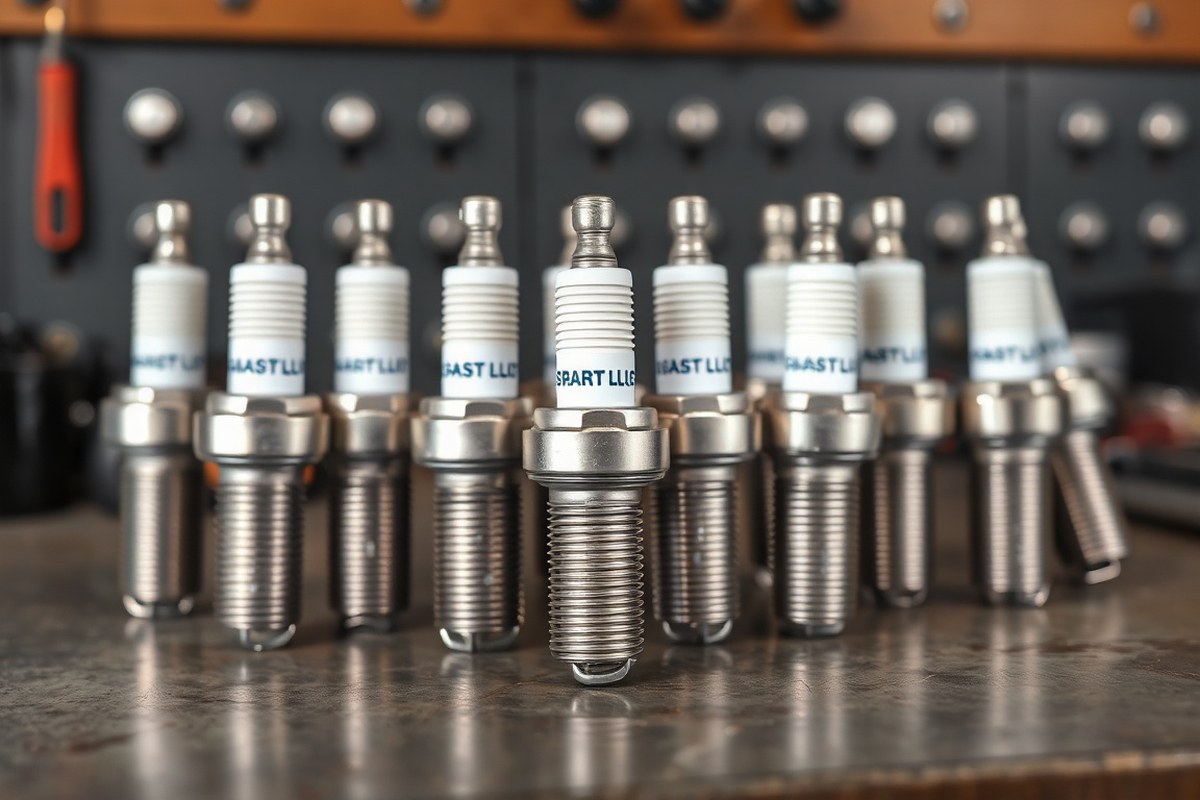
Most new spark plugs come pre-gapped from the factory to fit common engine specs. Manufacturers set the gap during production based on popular applications. That means you can often install them right away without extra work.
Pre-gapping cuts down on guesswork and saves time for drivers and mechanics. It also helps ensure proper combustion and good engine performance out of the box. Manufacturers want to stop plugs being installed with the wrong gap.
A wrong gap can hurt fuel efficiency and power. This can cause your engine to run poorly.
Spark plugs with copper cores, platinum tips, or fine-wire iridium often arrive pre-gapped. Copper core plugs usually show the factory gap on the box.
So you know what to expect. Platinum and iridium plugs come pre-gapped but only allow very small adjustments with care.
Still, some spark plugs for high-performance or unique engines rarely come pre-gapped. These plugs might need a custom gap that matches unusual or racing engine requirements. Checking the gap before installation is smart even if the plugs come pre-set.
Most spark plug brands, like NGK, pre-gap plugs to engine specifics they expect customers to need. However, the same plug model might fit many engines with different gap needs. This makes verifying the exact gap essential before putting any plug in your engine.
Adjusting spark plug gaps without the right tool risks damage, especially on delicate iridium plugs. The factory pre-gap means fewer adjustments and lowers the risk of bending electrodes incorrectly. Still, a quick check with a proper gap tool is wise to avoid engine troubles.
How to Measure Spark Plug Gap Correctly
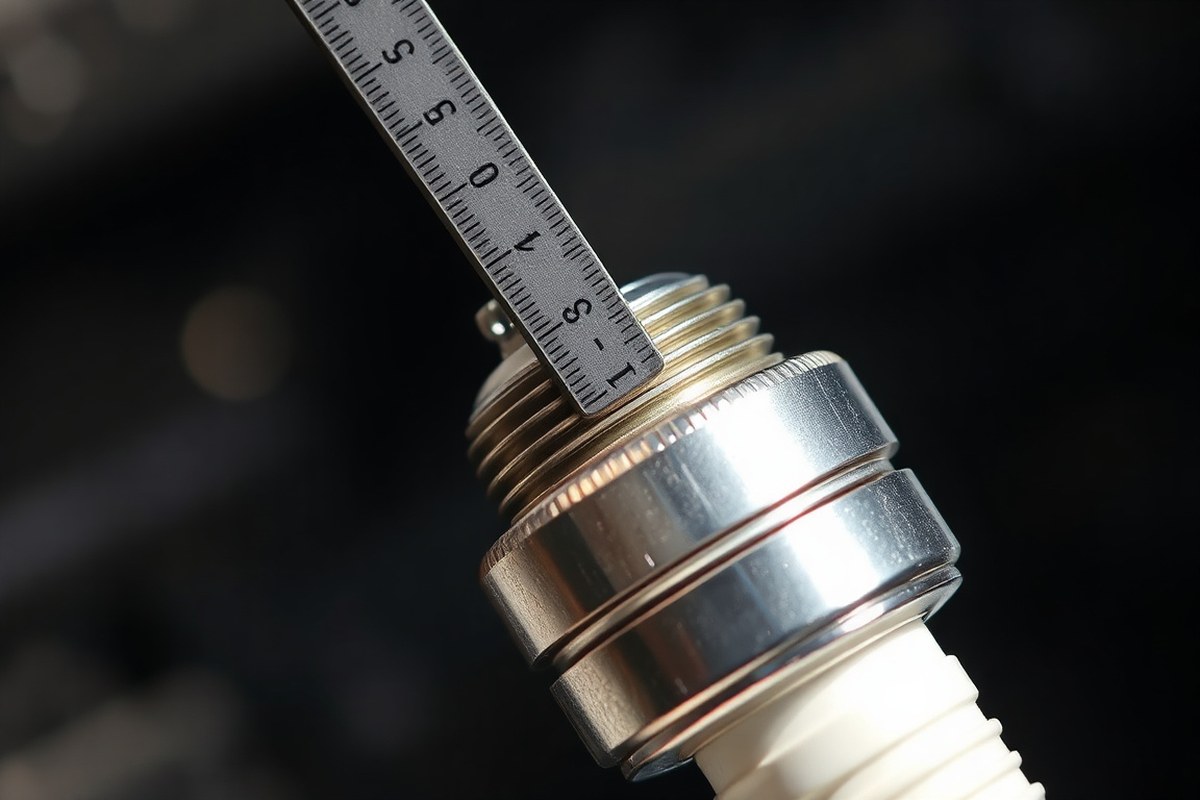
Measuring a spark plug gap correctly means using the right tools and checking the gap precisely. You should avoid the usual mistakes of guessing or using the wrong device. A careful measurement ensures your engine runs smoothly and efficiently.
Tools You Need to Measure Gaps
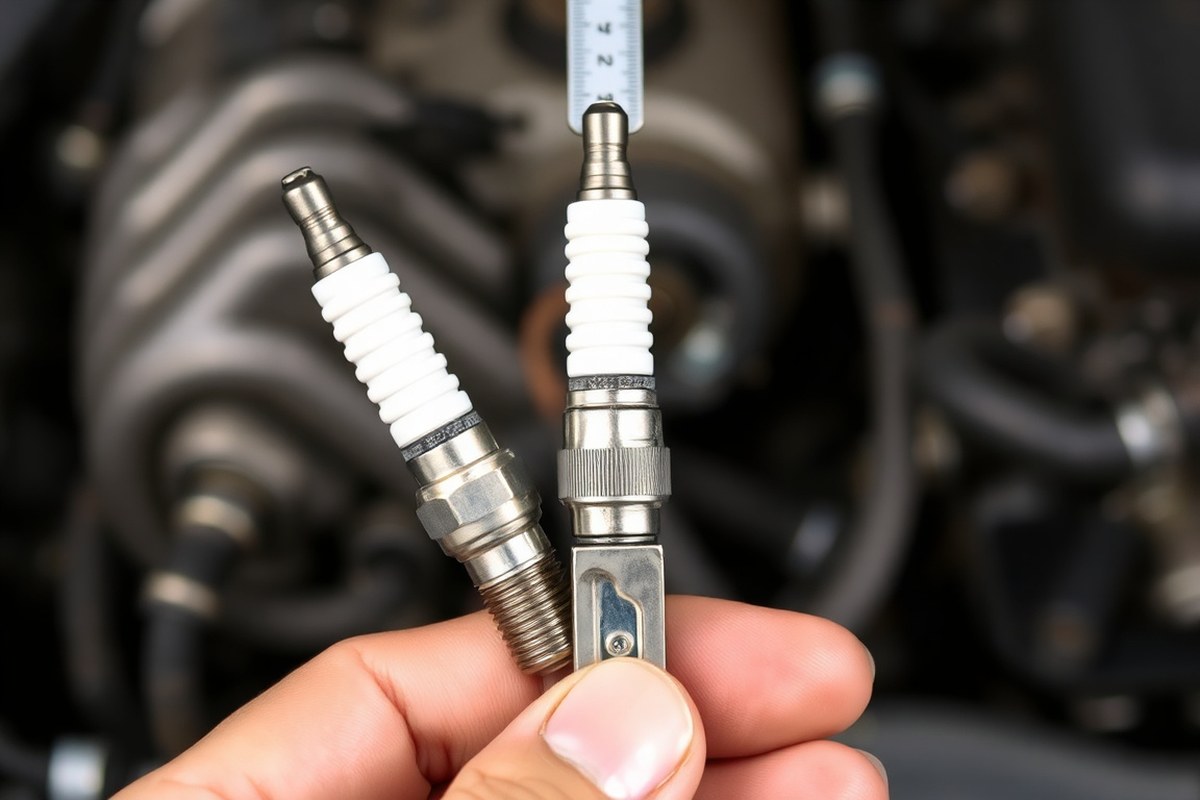
A feeler gauge or a dedicated spark plug gap tool is the best for measuring gaps. These tools offer specific thickness blades or wires that slide into the gap without forcing it.
Avoid rulers or tape measures. They’re not made for such small distances and usually cause errors.
For better precision, try a pin gauge or wire-style tool. These work well to adjust gaps on some plug types.
These tools cost between $5 and $15 at most auto parts shops. So having one handy is a good idea.
Step-by-Step Gap Measurement Process
Follow these steps to measure spark plug gaps safely and correctly:
- Clean the spark plug to remove dirt or debris that blocks your view.
- Check the correct gap size in the owner’s manual. You can also find it from reliable sources.
- Hold the spark plug steady without pressing the electrodes too hard.
- Slide the correct thickness blade from your feeler gauge gently into the spark plug gap.
- Note if the blade fits snugly without force or looseness.
- Try a slightly thinner or thicker blade if the first one feels too tight or loose.
- Record the exact thickness that fits perfectly to confirm your gap measurement.
Measuring gently helps keep the electrode intact and avoids inaccurate readings. Repeat the check a second time to be sure of the measurement.
Common Measurement Mistakes and How to Avoid Them
Many people press too hard with the tool. This can bend the electrode and change the gap.
Always slide your tool through the gap quietly and without force. Too much pressure damages the spark plug and gives false results.
Poor lighting or viewing angle often causes errors in reading the gap size. Work in bright light and look straight at the gap to avoid distorted views. Double-check your measurements before you install the plugs.
Always check the spark plug gap twice and use good lighting to avoid errors.
Which Spark Plug Types Can Be Adjusted Safely?
Spark plugs come in different materials. Not all can be gapped safely by users. Copper plugs can be adjusted easily.
Platinum and iridium plugs usually should not be re-gapped. Checking the gap is key before installation. But only some plug types handle adjustment without damage.
Copper Core Plug Adjustability
Copper spark plugs are the easiest to gap by hand. Their design includes thicker electrodes that tolerate bending without cracking. Most copper plugs come with a smaller factory gap, around 0.028 to 0.035 inches, which suits older engines.
You can safely adjust copper plugs with a simple tool to widen or narrow the gap. This lets you match the exact specification for your engine.
Copper plugs wear out faster. So adjusting gaps helps keep the spark strong as parts age.
Platinum Plug Gap Limits
Platinum spark plugs use a thin metal layer on the electrode for durability. This fine-wire design means you must be careful when adjusting the gap. Widening the gap too much can break the platinum tip or change spark performance.
Most platinum plugs come pre-gapped between 0.035 and 0.045 inches. Only adjust spark plugs when the gap change is small. Use the proper tool for adjustments.
Don’t make big changes to the factory gap. Typically, a gentle adjustment is enough to meet your engine’s needs.
Iridium Plug Restrictions
Iridium spark plugs feature an even finer electrode tip than platinum. This makes them very hard wearing but also very fragile during gap changes. Adjusting iridium plugs risks damaging the tip and ruining performance.
Most iridium plugs come pre-gapped with precise tolerances for high-performance engines. They rarely need user adjustment and should be installed as is. Check your manual before adjusting the gap.
Avoid bending the plug forcefully. This prevents damage to the spark plug.
The table below summarizes safe adjustability for common spark plug types:
| Plug Material | Typical Factory Gap (inches) | Common Usage | Safe To Adjust? | Adjustment Notes |
|---|---|---|---|---|
| Copper | 0.028 to 0.035 | Older engines requiring strong spark | Yes | Use gap tool to widen or narrow as needed |
| Platinum | 0.035 to 0.045 | Everyday vehicles, longer life | Cautiously | Gentle adjustment only; avoid cracking electrode |
| Iridium | 0.035 to 0.045 | High-performance engines, long lifespan | No | Install as is; fragile electrode tip |
It’s best to follow your car manual’s gap specs exactly. Adjust copper plugs easily, bend platinum tips gently if needed.
But don’t touch iridium shapes. Wrong gaps hurt engine performance and spark plug life.
When and Why You Should Adjust Spark Plug Gaps
You should adjust spark plug gaps when the gap size doesn’t match your vehicle’s specifications. The best way to check is using feeler gauges or a gap tool.
Sometimes the plug packaging suggests a gap range. But always trust your vehicle manual first.
Engines with performance upgrades often need custom gapping. Adding forced induction or high-compression pistons usually means the spark plug gap must be closed slightly. Changing ignition systems to higher voltage lets you open the gap wider, often by .002 to .005 inches, to use the extra spark energy.
Ignition voltage plays a big role in deciding the right gap. Increasing spark voltage lets you use a bigger gap for the spark to jump.
Lower voltage ignition runs best with a smaller gap to avoid misfires. Matching the gap to the ignition system helps your engine burn fuel efficiently and run smoothly.
Start adjusting by cleaning the spark plug, especially the contact points if it’s been in use. Then measure the current gap with a feeler gauge. To widen a gap, gently bend the side electrode outward with a gap tool.
To close the gap, carefully bend the ground electrode inward. Adjust in very small steps and measure each time.
The whole process takes about five seconds per plug once you get the hang of it. Being precise matters because even a .001 inch difference can affect performance. Overly wide gaps can cause misfires, rough idling, or hard starts.
Narrow gaps limit the spark’s power to ignite fuel and air. This lowers your engine’s fuel efficiency and power.
Most modern spark plugs don’t need adjustment unless you’re changing engine parts or ignition systems. Using plugs made for your car means the factory gap usually fits well.
When specs are different, adjusting the gap ensures proper engine firing. This stops wasted fuel and prevents engine problems later.
Step-by-Step Guide to Safely Adjust Spark Plug Gaps
Adjusting the spark plug gap happens by gently bending the ground electrode. Use the right tool to avoid hurting the plug. Slowly widen or close the gap until it matches your engine’s specs.
Selecting the Right Gap Tool
Pick a tool made for spark plugs, like a gap tool or a spark plug gapper. These tools have a wire loop or sliding blade to measure and adjust the gap safely. A feeler gauge also helps check the exact gap width without damaging the electrodes.
Avoid using random objects or sharp tools. They can scratch or bend the electrodes too much. Tools designed for spark plugs let you work gently and precisely.
Correct Technique for Bending Electrodes
Bend the ground electrode gently by hand or using the tool’s built-in lever. Always push the electrode outward to widen the gap.
Don’t bend the center electrode, since it is fragile. Take your time to avoid snapping or cracking the electrode.
Apply small adjustments instead of one big push. You can easily break the bottom electrode with too much force. The electrode should move smoothly with little pressure.
Verifying the Adjusted Gap
Slide the feeler gauge or gap tool between the electrodes to check the gap size. The tool should fit with a slight drag.
Slide it in too easily? Carefully bend the electrode inward to reduce the gap.
Measure several times to confirm the gap stays consistent. Does the electrode move out of place?
Adjust it again. Proper gap size helps avoid misfires and engine damage.
Follow these steps to adjust your spark plug gap safely:
- Wear safety glasses and gloves before handling spark plugs.
- Use a feeler gauge to measure your current spark plug gap.
- Choose a spark plug gap tool or gapper for adjusting.
- Hold the spark plug firmly without touching the electrodes.
- Bend the ground electrode out slowly to widen the gap.
- To close the gap, gently bend the ground electrode inward.
- Recheck the gap with the feeler gauge for an exact fit.
- Repeat adjusting lightly until the gap matches engine specs.
Be careful not to touch or push the center electrode. Damage means replacing the plug.
What Spark Plug Gap Size Is Best for My Engine?
Optimal spark plug gap sizes usually range between 0.028 and 0.060 inches. Your vehicle’s manufacturer sets the exact size for each engine model. Following their recommendation ensures the spark jumps properly across the electrodes, igniting fuel efficiently.
The right gap size depends on engine design and how much voltage the ignition system provides. High-performance engines or those with stronger ignition coils often require a larger gap. Smaller or older engines need a smaller gap to prevent misfires and maintain steady combustion.
Spark plug gap directly affects combustion quality and fuel efficiency. If the gap is too large, the spark might be weak or inconsistent, leading to rough idling and lower mileage. A too-small gap causes a weak flame that wastes fuel and improve emissions.
Manufacturers size gaps to balance spark strength and durability. A properly gapped plug creates a strong, consistent spark.
This helps the engine burn the air-fuel mix fully. It improves fuel economy and reduces unburned fuel emissions.
Checking the gap against your vehicle’s specs takes just a few minutes with a gap tool. Adjust gaps carefully, bending the outer electrode slightly without damaging the plug. New plugs usually come close to the right gap but confirm before installing.
Keep spark plugs clean so dirt or deposits don’t grow in the gap. Dirty plugs reduce spark efficiency and cause the engine to run poorly. Good plug maintenance, including correct gapping, helps maintain smooth starts and saves fuel over time.
How Often Should I Check and Maintain Spark Plug Gaps?
Check your spark plug gap every 30,000 miles or during regular tune-ups. You usually do this when changing your spark plugs. Doing this keeps your engine running smoothly and efficiently.
Adjusting the gap often isn’t necessary unless you notice issues. Common signs of a bad gap are rough idling, poor fuel economy, and trouble starting. Spotting any of these signs means you should use a feeler gauge.
A feeler gauge uses thin metal strips from 0.001 to 0.030 inches to measure gaps precisely. Comparing your gap to the specifications helps decide if adjustment is needed. Correct gaps improve gas mileage and engine power without any extra cost beyond your time.
- Inspect gaps at every spark plug change or every 30,000 miles.
- Check gaps sooner if you notice engine misfires or rough running.
- Use a feeler gauge to measure the gap carefully.
- Bend the ground electrode gently to adjust the gap if needed.
- Replace the spark plug if the electrode looks worn or damaged.
- Keep the gap within your car manufacturer’s recommended range.
Checking gaps means cleaning the spark plug first to remove dirt and buildup. Slide a feeler gauge between the electrodes to see how much space is there. If the gap isn’t right, gently bend the electrode to fix it.
Be careful with older plugs since bending can break fragile electrodes. Worn plugs mostly need replacing instead of adjusting. A feeler gauge costs less than $10.
It helps your engine run well. Regular checks with the gauge save you future engine problems.
Common Spark Plug Gapping Mistakes and How to Fix Them
Many damage their spark plugs by bending the electrodes too far during gapping. The electrodes are thin and can snap or weaken if forced. Handle each plug with care and use the right tool made for gapping.
Always gap plugs while they are clean and undamaged. Dirt or damage changes the gap size and causes poor ignition. Never try to gap a plug with already visible wear; replace it instead.
| Mistake | Effect on Plug | How to Fix or Prevent |
|---|---|---|
| Bending electrode too far | Electrode breaks or weakens | Use a proper gapping tool and bend gently |
| Gapping dirty or worn plugs | Inaccurate gap measurement | Clean plugs first or replace worn plugs |
| Using pliers or wrong tools | Damage to electrode shape | Use dedicated spark plug gap tool or gauge |
| Exerting too much force | Cracking or deforming electrodes | Bend in small increments, measure often |
| Not checking the gap after adjustment | Unreliable engine performance | Always re-measure gap after adjustment |
Spot visible wear or damage on the electrodes? Don’t bend them.
Damaged plugs can cause misfires and poor fuel economy. Replace the plug with one that matches your engine’s specifications.
Each adjustment should be small and precise. Bend the electrode gently using a tool designed for this purpose. After bending, measure the gap again to avoid over- or under-gapping, which hurts performance.
Never use adjustable pliers or metal tools not made for spark plugs. These tools can cause permanent damage.
Damaged electrodes may show cracks or uneven edges. Use a soft wire brush to clean the electrodes. Avoid harsh scrubbing.
Harsh scrubbing can change the electrode shape. Keep plugs dry and store them in a clean container until installation.
Should I Use Pre-Gapped Spark Plugs for Different Engines?
Pre-gapped spark plugs often suit a broad range of engines. But they don’t always match every model’s exact gap requirement. The factory sets these plugs to a common gap range that fits many stock engines.
Your vehicle’s manual usually lists a specific gap size. This size fits best for your engine. The manufacturer’s guide shows this too.
Some engines need a special gap size. This is common in aftermarket parts. Performance engines often require different gaps.
These engines might need a wider or narrower gap to improve fuel efficiency, power, or emissions. A pre-gapped plug might not fit right.
It can cause misfires or rough idle. Gas mileage can drop if the spark is off.
Before installing spark plugs, you need to compare the pre-gap against your engine’s required specification carefully. Use a gap tool to measure the distance between the centre and ground electrodes. Gaps that differ by more than 0.001 inches from the recommended number, you should adjust it to match your engine’s needs.
Adjusting the gap takes just a few minutes. You need a feeler gauge for this. These tools usually cost less than $10.
When gapping, gently bend the ground electrode with the tool to widen or narrow the gap. Don’t bend the electrode roughly.
This can damage the electrode or ceramic part. Damage can cause the plug to fail early.
Custom gapping is more common for performance, modified, or heavy-duty engines with unique setups. Stock replacement plugs stock often work for standard engines. But checking keeps your engine running smoothly without guesswork.
The right gap lets the spark ignite fuel well. This helps your engine start easier. It also makes the engine run smoother and cleaner.
Spark Plug Gap Maintenance: Your Step-by-Step Action Plan
Follow this plan to check and adjust spark plug gaps easily. It helps keep your engine running smooth.
- Before Installing New Spark Plugs: Check the gap with a feeler gauge and adjust if needed. Correct gap size means proper engine firing and fuel efficiency.
- After Your First 1,000 Miles: Inspect spark plug gaps for wear or drifting. Stable gaps indicate good spark plug health.
- Every 10,000 Miles: Clean or replace spark plugs and recheck gaps. Consistent gaps show your engine is well maintained.
- Before Long Road Trips: Double-check spark plug gaps for best performance. Correct gaps help avoid engine misfires on the highway.
- Any Time Engine Runs Rough: Examine plugs and gap size for damage or fouling. Fixing gaps often smooths out rough idling or stalling.
- When Using Different Spark Plug Brands: Confirm and adjust gaps before use. This ensures the new plugs match your engine specs.
Frequently Asked Questions
Do Spark Plugs Come Pre-Gapped from the Factory?
Yes, most spark plugs come pre-gapped from the factory. Still, you should check the gap to match your engine’s specs before installing.
Why Is It Important to Check the Spark Plug Gap Even If It’s Pre-Gapped?
The pre-gap might not match your engine’s exact requirements. Adjusting it ensures better engine performance and efficiency.
Can Some Spark Plugs Need Gap Adjustments After Purchase?
Yes, high-performance or specialized spark plugs often need a gap adjustment. They rarely come pre-gapped for those specific engines.
Do Spark Plugs from All Brands Come with the Same Pre-Gap Size?
No, pre-gap sizes vary depending on the brand and engine type. Always verify the gap against your vehicle’s manual.
Is Getting Pre-Gapped Spark Plugs a Good Idea for Beginners?
It can be, but you still need to check the gap. Trusting pre-gapped plugs without checking could cause engine problems.
Final Thoughts
Spark plugs usually come pre-gapped, but you must check every time. Proper gaps improve your engine’s power and fuel use. Grab a feeler gauge and start checking your spark plugs today.