What Happens If U Put Water in a Gas Tank: A Complete Guide with Solutions
What happens if u put water in a gas tank? Water does not mix with gasoline.
So even a small amount can cause engine issues. It can prevent the engine from starting or cause stalling by disrupting combustion.
Water in the fuel system can lead to corrosion and damage fuel parts over time. The first step is to avoid driving the vehicle until you address the water contamination. Watch out for symptoms like rough idling, engine sputtering, or unusual smells while running.
Removing water quickly helps protect your fuel pump and injectors. Using fuel additives or professional cleaning can clear the water. Acting fast reduces costly repairs and keeps your car running smoothly.
Key Takeaways
- Water and gasoline don’t mix, causing engine misfires and stalling.
- Stop driving immediately if you suspect water in your gas tank.
- Look for rough idling or trouble starting as key water symptoms.
- Use fuel additives designed to remove water from gasoline safely.
- Professional fuel system cleaning might be necessary for heavy contamination.
- Water causes corrosion that can damage fuel pumps and injectors.
What Happens If Water Gets into a Gas Tank?
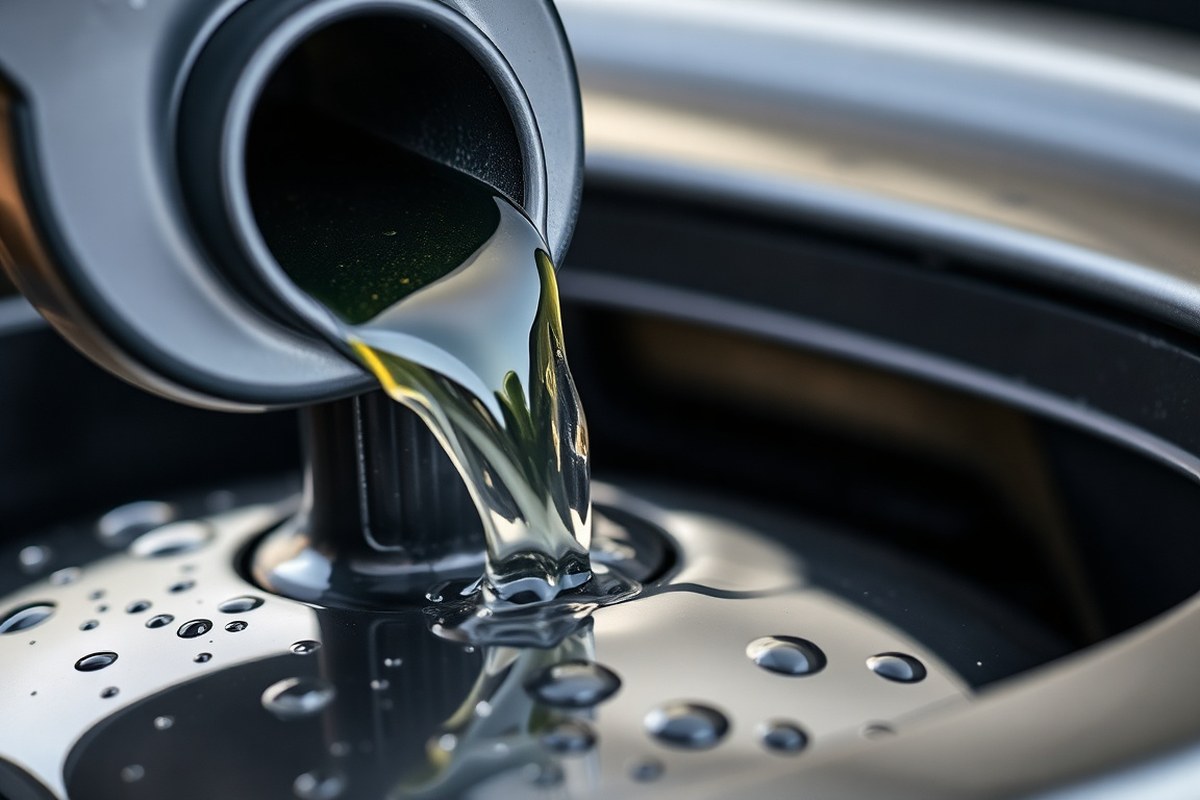
When water mixes with gasoline in the tank, it doesn’t dissolve. Instead, water sinks to the bottom since it’s heavier than gas. The fuel pump draws water in with the gasoline.
It sends both to the engine. Water in fuel causes problems inside the engine.
Gasoline engines can’t burn water because water doesn’t ignite like fuel. Water stops proper combustion in the chamber. This causes the engine to stall.
Sometimes, it won’t start at all. Even small water amounts cause quick problems.
The engine needs a precise fuel mix. Without it, the engine runs poorly.
Water in the combustion chamber also causes damage over time. It promotes corrosion and rust on metal parts like fuel injectors and pipelines. Water damage lowers engine efficiency over time.
You may notice rough idling and hesitation. The fuel injectors can’t spray the right mix.
Fuel usually has small water amounts from condensation. This is almost always less than 1%. Such low water usually doesn’t harm the engine.
This tiny amount rarely causes immediate failure but can still degrade engine performance. Large water amounts can happen if you pour water in the tank.
This causes the engine to stall right away. It needs quick fixing.
When water hits the engine, it disrupts the fuel’s density, stressing components like injectors. The engine may misfire or suddenly lose power because it can’t process this water-fuel mix. More water makes the engine cut out completely.
It won’t restart until the water is removed. This means immediate action is needed.
How Does Water Usually Get into Your Gas Tank?
Water can get inside your gas tank in several common ways. Older cars with rusty tanks and poor ventilation are more prone to water buildup.
Rain or humidity rarely cause water inside modern sealed fuel systems. But they can affect older models where the tank isn’t airtight.
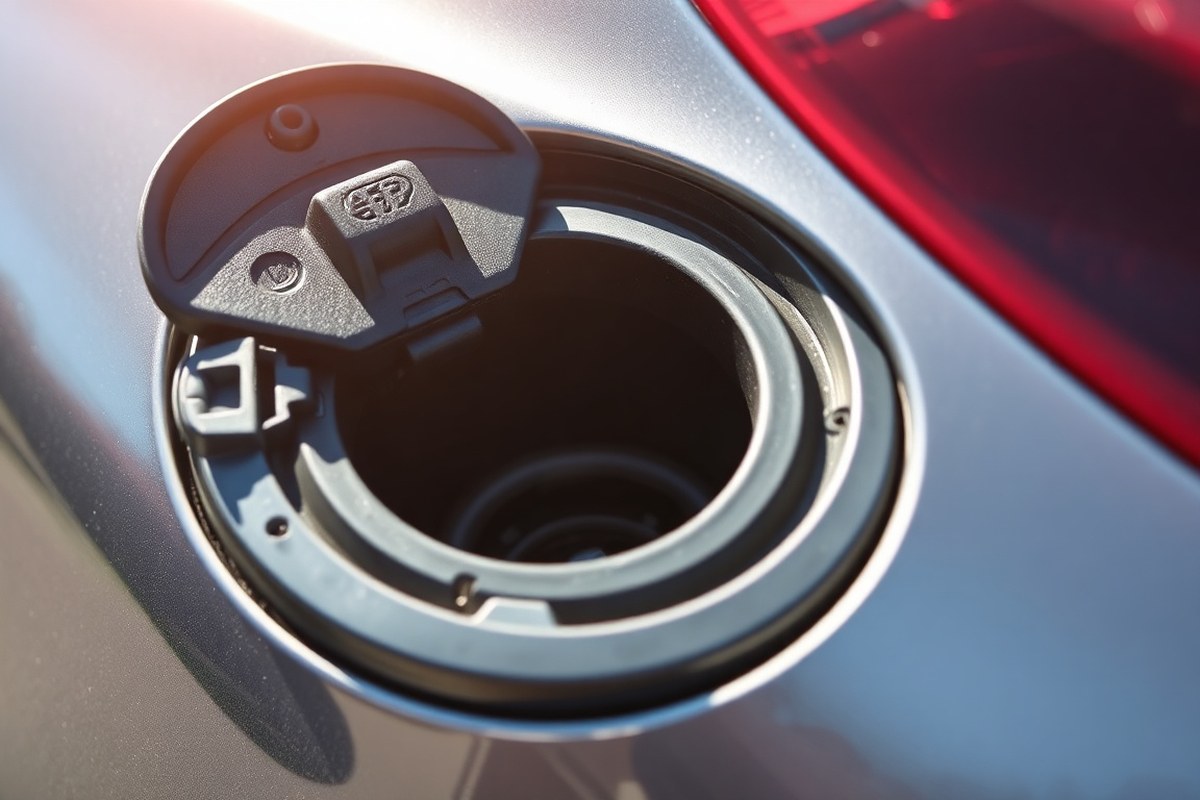
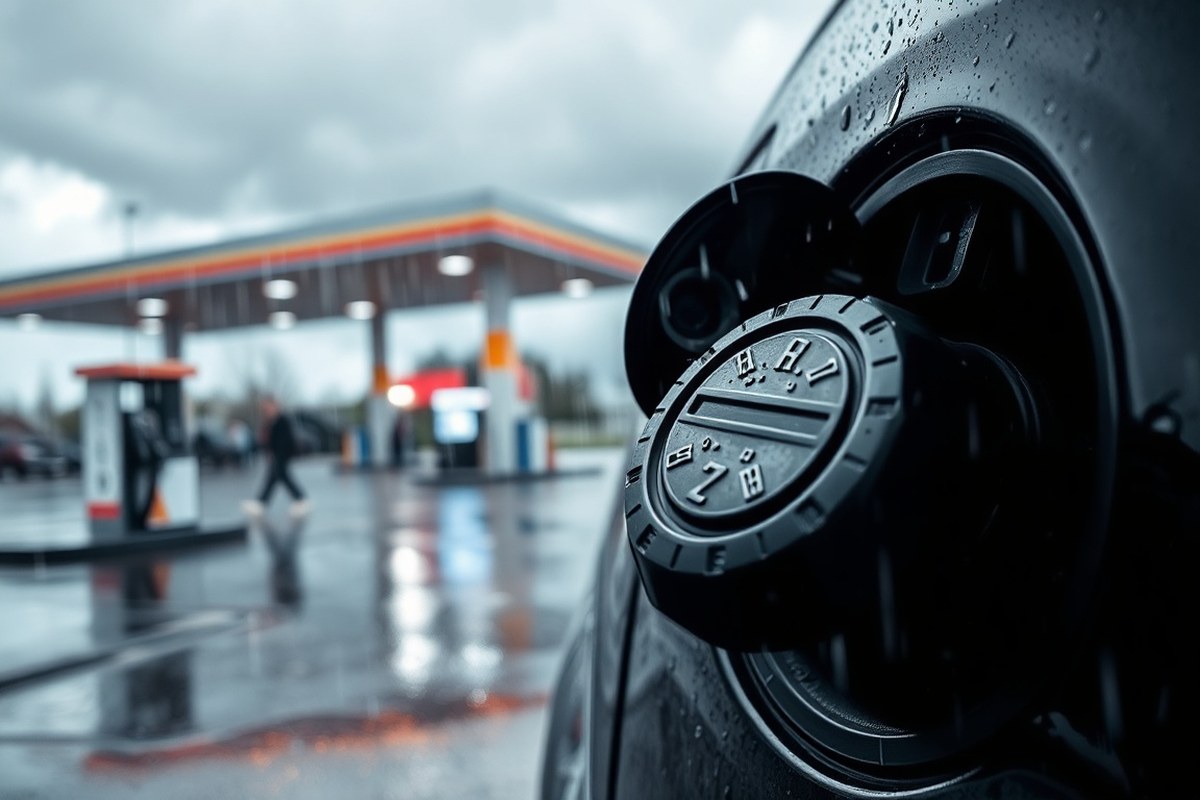
Leaving your gas cap off or using a faulty one lets rainwater or moisture get inside. The gas cap seals the tank from outside elements. So a damaged or missing cap creates a path for water.
Also, some vehicles have vents that help release pressure. When those vents don’t work right, water or moisture can build up.
- Rainwater entering through a missing or loose gas cap
- Faulty gas caps or vents allowing moisture to seep in
- Low-quality gas from stations with damaged water filters
- Rusty, corroded tanks worsening water buildup over time
- Intentional vandalism by adding water to the tank
- Poor sealing around fuel lines or tank openings
Some fuel stations have underground tanks that accidentally let water mix with the gas. This happens if their water filters are broken or not maintained.
Buying gas there can introduce water to your tank without you knowing. Rust inside a tank can trap water and worsening corrosion, increasing the chance of contamination.
Never overlook a loose or missing gas cap. Sealing it tightly keeps water out. It also helps save fuel.
Vandalism is another cause, though less common. Someone may deliberately pour water into your tank to cause problems. It’s usually obvious from sudden engine trouble or if you spot liquid in your tank.
Water sitting long in the tank causes rust and damages the fuel system. Catching this early is important.
Recognizing Symptoms of Water in the Fuel System
Detecting water in your gas tank early can stop serious vehicle problems. Watch out for changes in how your engine runs or feels when driving. These symptoms hint that water is in the fuel system and needs quick attention.
Early Symptoms to Watch For
Your car may hesitate or lose power during acceleration if water is present. You might notice the engine idling roughly or misfiring, which signals fuel problems. Fuel efficiency also often drops subtly before larger issues appear.
- Rough acceleration and hesitation
- Decreased fuel efficiency
- Unstable or rough engine idle
- Minor engine misfires
- Delayed throttle response
These early symptoms stem from water in the fuel disrupting combustion. Water doesn’t burn or provide power, so the air-fuel mix gets uneven. Expect these signs mostly during slow speeds or stops when idling reveals engine flaws.
Severe Signs Indicating Engine Problems
As water enters deeper into the fuel system, engine stalling can occur at random. You may feel your engine hesitate sharply or sputter, especially under load. Severe misfires cause the engine to shake or jerk noticeably while driving.
When the fuel pump starts pulling water first from the tank, these symptoms worsen. Water’s presence prevents smooth combustion and stresses engine components. This damage intensifies the longer water stays in the system.
When Symptoms Warrant Immediate Attention
If your engine stalls often or won’t start, the water contamination is likely severe. Sudden loss of power or frequent misfires require prompt water removal and system cleaning. Continuing to drive risks major damage and costly repairs.
Remove water quickly by draining the tank or using fuel additives tested for water separation. A mechanic can inspect the fuel lines and pump for damage if symptoms persist. Act fast to avoid permanent engine and fuel system harm.
Why Water in Fuel Is Harmful to Your Vehicle
Water in your fuel can cause serious damage to several engine parts. It promotes corrosion in the fuel lines and inside the fuel tank. When water sits in these places, it reacts with metal and causes rust over time.
The fuel pump and injectors are very vulnerable to water damage. Water does not lubricate these parts like gasoline.
Without proper lubrication, the pump and injectors can wear out faster or fail. This can lead to costly repairs or replacements.
Water can also mix with the fuel and cause the engine to run poorly. Water doesn’t burn like gasoline, so it can create sputtering and hesitation while driving. This rough operation can damage the engine’s internal parts if water keeps entering the combustion chamber.
In cold weather, water in diesel fuel may freeze and block fuel lines. This stops fuel flow and can stall the engine. Frozen water also increases corrosion risks because ice expansion causes tiny cracks in metal parts.
Left unchecked, water can cause permanent damage to your vehicle’s engine. Corrosion and wear can eventually lead to leaks or complete fuel system failure.
Repairs like draining and flushing the fuel system cost $300 to $800. The exact price depends on your vehicle.
A water remover additive like ISO-HEET helps with small water amounts. It absorbs water and sends it out through the exhaust.
But for larger contamination, draining the tank and cleaning the system is the safest choice. This prevents corrosion and protects your engine from long-term harm.
How to Safely Check for Water in a Gas Tank
To check for water in your gas tank, start with a visual check. Use water detection additives for a quick chemical test. If needed, safely siphon fuel to inspect a sample for water.
Using Visual Inspection Safely
Visual inspection lets you see water separation in the fuel. Clear containers work best to spot water sitting at the bottom. Avoid opening the tank in windy or dirty places to keep debris out.
Look closely for clear fuel on top and cloudy or dense liquid below. Water is heavier and settles under gasoline, often creating a distinct line. This check works well if you can safely access fuel from the tank or fuel line.
- Park the vehicle on a flat surface with the engine off and cool.
- Locate the fuel tank fill cap and clean around it to avoid dirt entry.
- Remove the fuel cap carefully, avoiding fuel fumes or spills.
- Use a clean siphon pump or turkey baster to pull a small fuel sample.
- Place the fuel sample in a clear glass or plastic container.
- Hold the container against bright light to check for water layers or cloudiness.
- Note any separation or droplets at the bottom of the container.
- Replace the fuel cap tightly after inspection.
Always work outdoors or in a well-ventilated area to avoid fuel fume buildup.
Employing Water Detection Additives
Commercial additives can test and help remove small water amounts. They usually contain chemicals that bond with water for easy combustion. These additives cost about $10 to $20 and are available at auto shops.
Follow the product instructions carefully. Pour the recommended amount into your gas tank and run the engine. The additive disperses water so it won’t pool or harm your engine.
This method suits small to moderate water contamination. It won’t fix large water amounts that require draining the tank.
Performing a Fuel Siphon Test
Siphoning fuel lets you get a sample for a detailed water check. Use a hand pump siphon for safety to avoid fumes and spills. This test works well if your tank is hard to see into directly.
Wear protective gloves to avoid contact with fuel. Collect enough fuel to inspect clearly in a see-through container. Look for any cloudy areas or clear water below the fuel line.
- Turn off the vehicle and let the engine cool for at least 30 minutes.
- Secure the vehicle with the parking brake.
- Attach a hand siphon pump hose to the fuel tank or fuel line access point.
- Place the other hose end into a clean, clear container.
- Pump gently to draw a small amount of fuel into the container.
- Observe any water separation or cloudy liquid inside the container.
- Dispose of the fuel sample safely according to local rules.
- Remove siphon hoses and secure any opened caps.
Never siphon by mouth. Always use a proper pump to avoid fuel ingestion or poisoning.
Effective Methods to Remove Water from Your Gas Tank
Removing water from your gas tank depends on how much water is in it. Small amounts can respond well to additives, but larger water quantities usually require draining. Professional cleaning flushes the whole system, which costs more but handles tough cases.
Water-Removing Additives
Water-removing additives contain alcohol or chemicals. These mix with water. They help water burn off safely.
You pour them into your gas tank to break up small water droplets. For small water amounts, these additives can keep your engine running without damage.
However, additives won’t fix heavy water contamination. Your gas tank has significant water.
Additives won’t fully remove it. You might need to repeat the treatment a couple of times if water persists.
Draining and Flushing the Tank
Draining means removing all fuel along with the water, then refilling with fresh gas. It’s required if there’s a large water amount or if additives didn’t help. This method stops further damage by removing all contaminated fuel and replacing the fuel filter.
Flushing lines or cleaning the tank usually happens after draining. This is needed when water spreads through fuel lines or tank walls. This process involves draining fuel.
Then use compressed air or cleaning fluids. It clears the fuel system properly.
Professional Fuel System Cleaning
Professional cleaning includes draining, line flushing, filter replacement, and sometimes tank cleaning. Mechanics use special tools to flush out water and contaminants thoroughly. It costs $100 to $300 or more, depending on damage and repair needs.
Going to a professional makes sense if your car stalls repeatedly. Also, when additives and draining do not fix the problem. It prevents damage risks.
The professional cleans the fuel system. This helps your car run smoothly again.
Here’s a quick comparison of methods. It helps you pick what fits your situation and budget.
| Method | When to Use | How It Works | Cost Estimate | Effectiveness |
|---|---|---|---|---|
| Additives | Small water amounts | Pours into tank, dissolves water | $10, $20 per treatment | Good for minor contamination |
| Draining and Flushing | Large water amounts, persistent issues | Drains fuel tank, replaces fuel filter | $50, $150 DIY; $100+ mechanic | Removes most water and contaminated fuel |
| Professional Fuel System Cleaning | Severe contamination, failed other methods | Full system flush, cleaning, filter change | $100, $300+ | Most thorough, handles complex cases |
Choose additives first for easy, low-cost fixes. Drain your tank if the trouble doesn’t clear after additives. Bring your car to a mechanic for deep cleaning if problems continue.
How Ethanol Blends Affect Water Contamination Risks
Ethanol in gasoline attracts water because it mixes easily with it. This trait helps ethanol-blended fuels like E10 hold more dissolved water than pure gasoline. When water gets in your gas tank, ethanol pulls it inside.
It holds this water mixed with the fuel. This can cause problems for your car’s engine.
Phase separation happens when the water and fuel separate into two layers inside the tank. Since gasoline is lighter, it floats above the water, which settles at the tank’s bottom. The water and fuel form layers inside the tank.
This causes rust in the tank and damages the fuel pump. Water exposure harms these parts instead of fuel protecting them.
Avoid leaving your car half full for a long time. Ethanol attracts water which causes damage during storage. Keeping your tank full helps stop this issue.
Keep the tank full to reduce air space where condensation can form water. Adding a fuel stabilizer designed for ethanol fuels helps keep water suspended and prevents separation.
Using a fuel additive that absorbs water can also help. But it works best before phase separation starts. Tests show using additives every few thousand miles helps.
These products cost about $10 to $20. They delay water buildup problems in your fuel system. Catching water issues early avoids costly repairs in the long run.
Car owners in humid climates face higher risks because moisture can enter the tank faster. During colder months, condensation inside a partially filled tank becomes more common. Filling your tank often and adding treatment works well.
It lowers the chance of the fuel separating. This keeps your fuel system healthy and safe.
Preventing Water from Entering Your Gas Tank
Keeping water out of your gas tank starts with proper maintenance of gas caps and vents. Make sure your gas cap seals tightly every time you fill up. Check it for cracks or damage.
Replace it if you see any problems. Vents should be clear to avoid pressure buildup, which can cause moisture to enter the tank.
Avoid fueling during heavy rain or at stations known for poor maintenance. Some underground storage tanks at gas stations may have water seepage, increasing contamination risk.
Filling your tank during dry weather. Choosing stations with newer pumps, reduces exposure to contaminated fuel.
Storing your car long needs extra care to stop water in the tank. Water can cause fuel problems and damage parts. Keep the tank dry before storage.
A nearly full tank minimizes air space where condensation can form. Add fuel stabilizers to prevent fuel breakdown during long inactivity.
Use a fuel dryer to keep moisture from building up inside. Both help protect your engine.
- Inspect and tighten your gas cap regularly to maintain a good seal
- Check vents for blockages or damage and clean or replace as needed
- Fuel your car during dry weather and avoid humid or rainy days
- Choose gas stations with modern tanks and good pump maintenance
- Fill your tank completely before long storage to reduce air space
- Use fuel stabilizer and a fuel dryer product before storing the car
- Drive the vehicle occasionally during storage to cycle the fuel and prevent condensation
Always replace a cracked or damaged gas cap right away to keep moisture out.
Clean or replace bad seals on the gas cap or filler neck. This stops rainwater from leaking into the fuel tank. Check seals regularly for any wear.
Older cars with gravity-fed tanks need extra care to keep fuel clean. They don’t have pumps that help stop contaminants from entering.
Check these tanks more often. Spending $10 to $30 on a fuel dryer or stabilizer can save you costly repairs later.
Watch for any fuel smell or poor engine performance after refueling. These signs might mean water entered your tank despite precautions. Fix fuel problems early to avoid clogging and engine damage.
Contaminated fuel can harm your filter and engine parts. Regular checks prevent costly repairs.
When to Call a Professional Mechanic for Water Contamination
Strong warning signs include engine stalling, rough idling, or no start. You need a professional mechanic for these problems. Don’t wait or try fixing it yourself.
The check engine light stays on after simple fixes. You need expert help then. These symptoms often show that water has seriously damaged the fuel system or caused corrosion.
Minor symptoms like hesitation or sputtering might allow for DIY methods at first. Call a mechanic as soon as symptoms get worse or don’t improve. Give it a day or two, then call if needed.
Don’t ignore ongoing issues. Waiting too long risks costly damage to fuel system parts.
Repairs can cost from $500 to over $1,500. Act quickly to avoid big bills.
Professional mechanics use specialized tools to drain water completely and inspect the entire fuel system. They can test fuel for water contamination precisely and replace or clean affected parts. This thorough approach prevents recurring issues that quick fixes often miss.
To decide if you should get help, watch how severe and persistent the symptoms are. Your car loses power or stalls while driving. Stop driving and get a tow right away.
Don’t risk your safety or cause more damage. If DIY attempts fail after using a full tank of fuel, stop trying.
Call a professional mechanic to fix the problem. Don’t waste more time or fuel.
Ignoring water contamination is not worth the risk. The cost of waiting can multiply as damaged parts lead to more failures. Timely professional repairs save money and keep your car reliable and safe on the road.
Step-by-Step Action Plan to Deal with Water in Your Gas Tank
Follow these steps carefully to remove water and protect your engine. You’ll know it worked when your car runs smoothly without hesitation.
- Before you start: Park your car on a flat surface and turn off the engine. This makes it safer to work on your fuel system.
- Day 1: Drain the gas tank completely to remove water-contaminated fuel. Clear, clean fuel should replace the drained gas.
- Day 2: Add a fuel additive designed to absorb water and prevent further damage. You’ll see fewer sputters or stalls after use.
- Day 3: Replace your fuel filter to avoid debris and water residues clogging your system. Engine performance should improve noticeably.
- Within a week: Monitor your car’s running. When it still misfires or hesitates, repeat the steps or call a mechanic.
- After 2 weeks: Check regularly for signs of water contamination. Being proactive helps avoid serious engine problems later.
Frequently Asked Questions
What Happens If You Accidentally Put Water in Your Gas Tank?
Your car may stall or fail to start because water disrupts combustion. Water does not burn, so your engine can misfire or stop running.
How Would You Know If Someone Put Water in Your Gas Tank?
Sudden engine problems like stalling or rough idling can indicate water presence. Check your fuel for cloudy or separated liquid as a clue.
What Happens If You Put Sugar in a Gas Tank?
Sugar doesn’t dissolve well and can clog the fuel system. Unlike water, sugar can cause blockages but usually doesn’t foul combustion immediately.
What Happens If You Put Salt in a Gas Tank?
Salt can cause corrosion inside the fuel system and damage parts. It might also harm your fuel pump, making repairs costly.
Can Water in the Gas Tank Cause Permanent Engine Damage?
Yes, continuous water exposure can corrode metal parts and seize the engine. It is best to fix water contamination quickly.
Before You Go
Water in your gas tank can harm your vehicle. But acting fast helps limit damage.
Begin by draining the tank and adding a water-removing additive. Persistent problems mean you should have a mechanic inspect your fuel system.