Does Surgical Steel Tarnish? Clear Answers and Care Tips That Work
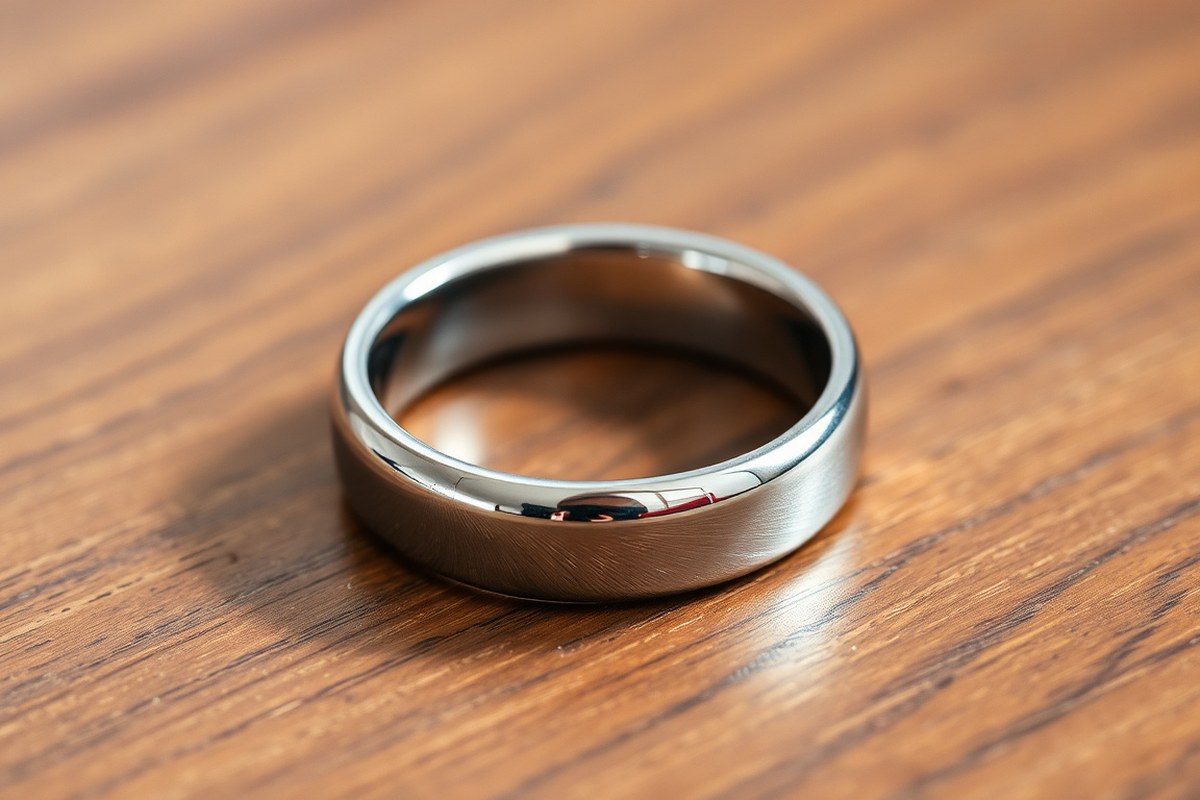
Does surgical steel tarnish over time? Generally, surgical steel 316L does not tarnish under normal use. This steel is made to resist rust and corrosion.
It keeps its shine even after you wear it for a long time. You can expect your surgical steel jewelry to stay looking new with basic care.
Surgical steel’s resistance comes from its special composition. It contains about 18% to 20% chromium, which forms a thin protective layer on the surface. This layer keeps moisture and air from causing rust or tarnish.
Still, some conditions might affect your jewelry’s appearance. Harsh chemicals or very salty water can slowly dull surgical steel. Rinse your jewelry after swimming.
Clean it gently with soap and water. This helps keep it looking bright.
Key Takeaways
- Choose 316L surgical steel jewelry for proven resistance to tarnishing.
- Clean your surgical steel with mild soap and warm water regularly.
- Rinse jewelry after exposure to chlorine or saltwater to prevent dulling.
- Avoid harsh chemicals that can damage the steel’s protective layer.
- Store surgical steel jewelry dry and separate to avoid scratches.
- Inspect your jewelry often for signs of wear or damage.
Does Surgical Steel Tarnish over Time?
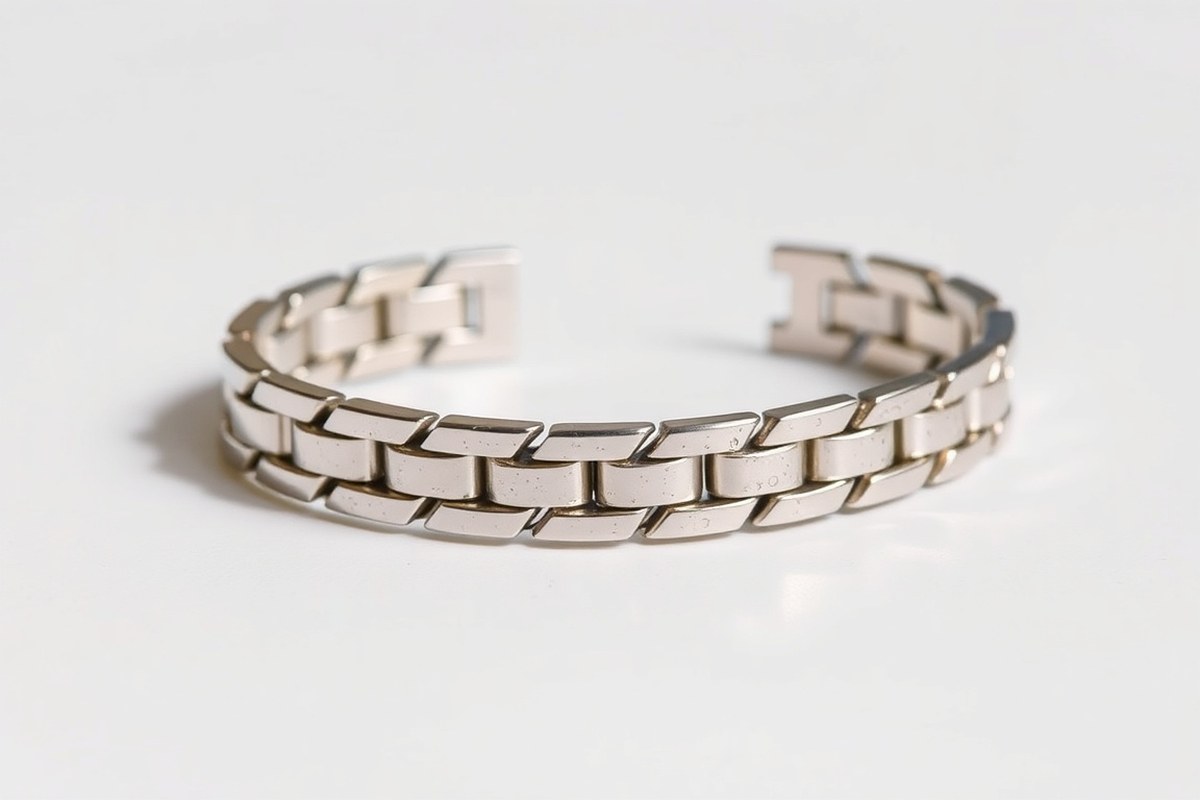
Surgical steel rarely tarnishes with normal wear. Its strong chromium content, usually 18% to 20%, forms a protective oxide layer. This layer prevents corrosion and keeps the metal looking shiny for a long time.
Most surgical steel jewelry uses 316L grade, which is prized for excellent corrosion resistance. This grade withstands sweat, water, and daily exposure better than many other metals. Jewelry made from 316L surgical steel can last years without discoloring under typical conditions.
Tarnishing occurs if jewelry stays in harsh chemicals too long. It also happens in salty environments with long exposure.
For example, swimming often in chlorinated pools or saltwater may dull the surface over months. However, regular cleaning usually restores the shine quickly.
Lower grades like 420 or 440 stainless steel tarnish more easily because they contain less chromium. They resist corrosion less well than surgical steel does.
After months, they may rust or change color. Solid 316L surgical steel remains the best choice for body jewelry if tarnish resistance matters.
Keep your surgical steel jewelry away from moisture and harsh chemicals. This helps slow down tarnishing. Protective coatings or polishing cloths help maintain the look without damaging the metal.
The initial cost of surgical steel jewelry is often higher. But its durability means fewer replacements are needed.
What Makes Surgical Steel Different from Stainless Steel?
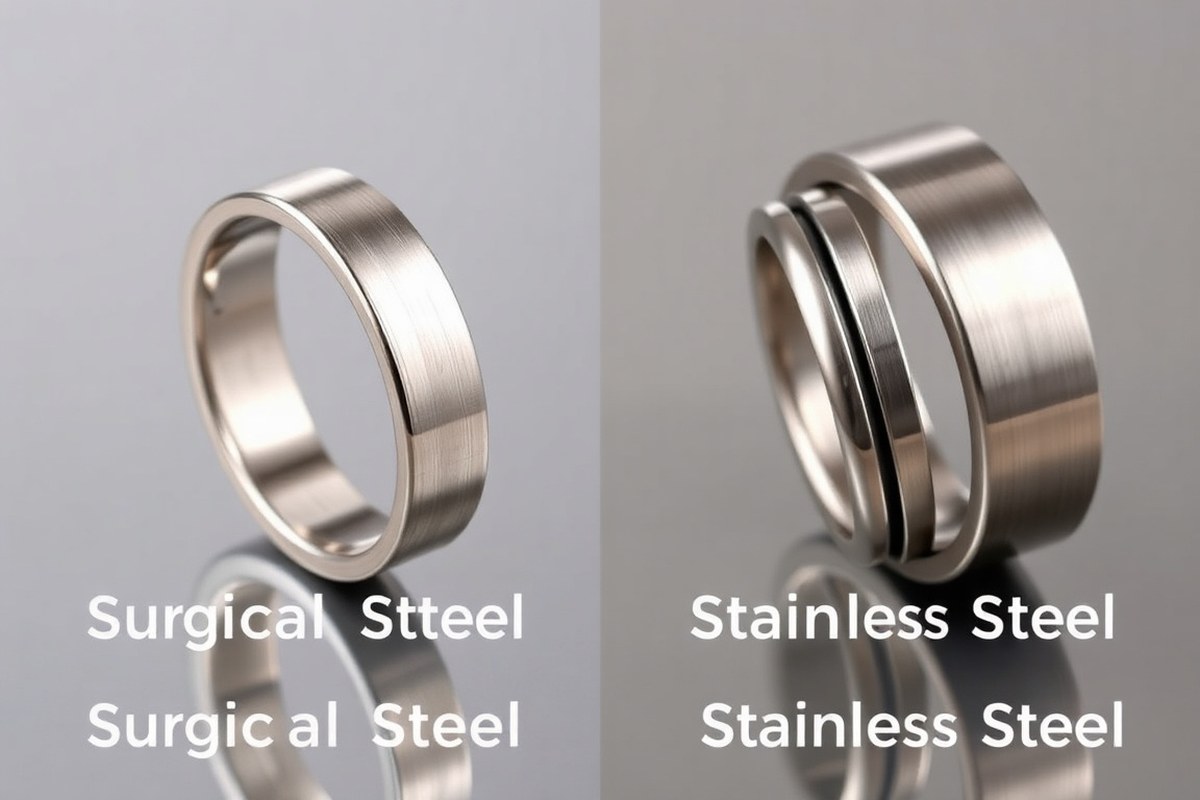
Surgical steel is a type of stainless steel designed for medical and body jewelry use. It is stronger, more polished, and more resistant to tarnishing than regular stainless steel. This makes it a top choice for body piercings and sensitive skin.
Chemical Composition Differences
Surgical steel has a low carbon content, around 0.03%, which reduces corrosion. It contains higher amounts of chromium, nickel, and molybdenum compared to general stainless steel. These metals create a protective oxide layer that prevents rust and tarnish.
Regular stainless steel varies widely in composition and often has less polish. It can still resist corrosion but is not as consistent or hypoallergenic. The extra chromium in surgical steel gives it superior resistance to body fluids and sterilization methods.
Common Surgical Steel Grades
The most common surgical steel for jewelry is grade 316L. It usually contains 16-18% chromium, 10-14% nickel, and 2-3% molybdenum. This grade stands out for its very high corrosion resistance, especially against chlorides.
Other grades like 304 stainless steel have less nickel and no molybdenum. This makes them less resistant to corrosion. They are not as durable as surgical steel.
Grade 420 stainless steel is harder than surgical steel. It resists corrosion less, so it’s not great for jewelry. It is often used for cutting tools instead.
| Type of Surgical Steel | Chromium (%) | Nickel (%) | Molybdenum (%) | Corrosion Resistance |
|---|---|---|---|---|
| 304 Stainless Steel | 18-20 | 8-10.5 | 0 | Good general corrosion resistance |
| 316 Stainless Steel | 16-18 | 10-14 | 2-3 | Superior resistance, especially vs. Chlorides |
| 420 Stainless Steel | 12-14 | 0 | 0 | Hardenable but less corrosion resistant |
316L surgical steel is the preferred choice for long-lasting, safe body jewelry. It combines durability and hypoallergenic qualities that general stainless steel struggles to match.
Typical Applications and Benefits
Surgical steel is commonly used in medical tools, implants, and body jewelry like earrings and piercings. Its high polish stays shiny for a long time.
It resists corrosion well, so jewelry looks new. This happens even after daily wear and body fluids.
The hardness of surgical steel minimizes scratches and dents. This keeps your jewelry smooth and comfortable against sensitive skin. It may cost slightly more than regular stainless steel but offers much better performance and safety.
Choose surgical steel 316L for body jewelry to avoid allergic reactions and maintain shine longer.
Why Does Surgical Steel Resist Tarnishing?
Most metals tarnish because their surfaces react with oxygen or moisture. This reaction forms a layer of corrosion or rust, which changes the metal’s look. Surgical steel fights this with a special chromium oxide layer that forms on its surface.
Chromium makes up about 16% to 18% of surgical steel. It reacts fast with oxygen in air and water. This forms a very thin, invisible chromium oxide layer.
The layer sticks tightly to the metal surface. It acts as a shield. It stops rust or stains from forming.
This protective layer repairs itself if scratched or damaged. So the steel stays shiny over time.
That’s why surgical steel jewelry holds up well, even with daily wear and sweat exposure. Without this layer, iron in the steel would easily rust after only a short time.
Nickel adds extra strength and toughness to surgical steel. It helps the metal resist bending and cracking, which keeps the oxide layer intact under stress. A strong oxide layer means the steel won’t tarnish or corrode quickly even during active use.
Molybdenum is another key ingredient, especially in 316L surgical steel. It improves resistance to pitting and crevice corrosion, which are tiny spots where rust could start. These spots often show up in salty or wet areas.
This includes inside your body. Bathing with jewelry on can cause them.
Molybdenum helps surgical steel resist corrosion. It protects against salt, chlorine, and body fluids. This protection lasts a long time.
Surgical steel suits body jewelry and medical tools. It is safe and lasts long. This is why implants use it too.
Keeping the chromium oxide layer intact is the best way to avoid tarnishing. Avoid harsh chemicals and abrasive cleaning to protect that layer. Scratches or damage to the surface can heal fast.
The layer repairs itself quickly. This keeps corrosion resistance strong.
Factors That Can Affect Surgical Steel Jewelry Appearance
Surgical steel jewelry mostly resists tarnish but can look dull or discolored over time. Sweat, skincare products, and soap leave residues that make jewelry appear cloudy. Cleaning it with mild soap and water, then drying it well helps keep the shine.
Your body chemistry also affects surgical steel jewelry. Some people’s sweat contains minerals and acids that change the metal’s surface slightly. This isn’t real tarnish.
It may cause temporary discoloration. This happens mostly where there’s frequent contact or moisture.
Scratches and everyday wear matter too. Tiny abrasions can trap sweat, dirt, or chemicals in pits, causing spots or dullness.
These marks make the jewelry look less bright and worn out faster. Taking care avoids deeper damage that’s harder to fix.
- Residue from sweat or soap causes dull or cloudy appearance
- Salt or chlorine from swimming leaves small surface spots
- Moisture or chemicals stuck in joints cause discoloration
- Scratches trap dirt and cling chemicals, dulling the surface
- Iron contamination or corrosion might cause orange or reddish stains
Remove spots after swimming by rinsing jewelry with fresh water and drying it thoroughly. Pay extra attention to crevices and joints where moisture might hide. Avoid rough scrubbing that can add more scratches.
Soak the piece in soapy water first. Then gently wipe it with a soft cloth. This keeps the surface clean without damage.
How to Safely Clean Tarnished Surgical Steel Jewelry
Surgical steel jewelry rarely tarnishes if you clean it right. The key is to protect its oxide layer, which keeps the shine and blocks rust. Use gentle cleaning methods and avoid harsh chemicals.
Gentle Cleaning with Soap and Water
Soap and water is the safest way to clean surgical steel jewelry every few weeks. It removes dirt, oils, and sweat without harming the metal’s surface. Use mild soap and warm water for best results.
Follow these steps to clean your jewelry safely:
- Pour warm water into a bowl, then stir in some gentle dish soap.
- Soak the jewelry for 5 to 10 minutes to loosen surface grime.
- Use a soft toothbrush to gently scrub hard-to-reach areas.
- Rinse the jewelry under warm running water to remove soap.
- Dry it thoroughly with a clean, soft cloth or let air dry.
Don’t skip drying; moisture left on the jewelry can cause irritation.
Removing Tough Stains Using Baking Soda Paste
For stubborn stains or dull spots, baking soda paste works well without causing damage. It’s a gentle abrasive that restores the shine while preserving the oxide layer. Mix baking soda with water until you get a spreadable paste.
Clean your jewelry with baking soda paste by:
- Applying a small amount of paste to the jewelry with a soft cloth or toothbrush.
- Gently rubbing the paste over the tarnished or stained areas in circular motions.
- Letting it sit for about 5 minutes to break down deposits.
- Rinsing thoroughly under warm water to remove the paste completely.
- Drying with a soft cloth to prevent water spots.
Baking soda paste should only be used occasionally to avoid wearing down the finish.
Avoiding Abrasives and Harsh Chemicals
Never use harsh chemicals like bleach or ammonia on surgical steel jewelry. These can break down the protective oxide layer and cause corrosion. Also, avoid abrasive cleaners or metal polish, which scratch the surface.
Steer clear of swimming with your jewelry in chlorinated pools or hot tubs. Chlorine and saltwater both can damage the metal over time if not rinsed off quickly. Always remove your jewelry before applying lotion or perfume, as these substances may dull the finish.
Comparing Surgical Steel to Other Jewelry Metals
Surgical steel is much less likely to tarnish than gold or silver jewelry. Gold and silver need alloying metals, which can react with air or moisture.
That causes discoloration or tarnish over time. Surgical steel uses chromium to block corrosion, keeping it shiny for years.
Hypoallergenic properties vary, especially for sensitive skin. Surgical steel contains low nickel, making it safer than typical stainless steel. Titanium is another hypoallergenic metal and usually better for extreme sensitivity.
Nickel-based metals often cause allergic reactions. So surgical steel is a safer choice for most people.
Durability is another key difference. Surgical steel is strong and resists scratches and dents well. Titanium beats steel on weight and corrosion resistance but costs more.
Gold is softer and scratches easier. Silver tarnishes fast and needs regular cleaning, which doesn’t suit heavy-use piercing jewelry.
| Property | Surgical Steel (316L) | Titanium | Gold (14k+ Solid) | Silver (Sterling) |
|---|---|---|---|---|
| Tarnish Resistance | High, chromium prevents corrosion | Very High, inert and corrosion-proof | Low to Moderate, alloying metals cause tarnish | Low, tarnishes easily with air exposure |
| Hypoallergenic | Moderate to High, low nickel content | Very High, nickel-free, good for sensitive skin | High, pure gold avoids allergies; avoid plating | Low, often causes skin reactions |
| Durability | High, strong and scratch-resistant | High, very strong, lighter than steel | Moderate, softer, prone to dents | Low, soft, scratches and dents easily |
| Cost (per piece) | $10, $40 (everyday body jewelry) | $20, $60 (higher end, piercing use) | $50, $200+ (solid 14k and higher) | $5, $30 (depends on plating and quality) |
You can pick surgical steel if you need affordable, durable jewelry that rarely tarnishes. It handles daily wear well and suits new piercings. Titanium fits those with very sensitive skin or those wanting ultra-lightweight pieces.
Choose gold for style or prestige but expect more care and cost. Silver is best for occasional wear or fashion jewelry that you clean often.
How Long Can Surgical Steel Jewelry Last Without Tarnishing?
Surgical steel jewelry can keep its shine for many years when worn normally. High-quality 316L surgical steel rarely rusts or tarnishes if you avoid harsh conditions. You may expect your jewelry to look great for over a decade with basic care.
Coatings like PVD can add extra protection against tarnishing. PVD-coated 316L steel usually lasts at least two years. It won’t fade or tarnish if you care for it right.
Proper care is key to keeping it looking good. Coatings wear off over time, so handle coated jewelry gently and avoid scrubbing hard.
Wearing surgical steel daily around water, sweat, and skin oils usually does not harm its shine. But exposing it to strong chemicals or saltwater often speeds up tarnishing. Rinse your jewelry with fresh water after swimming.
Also rinse after heavy sweating. This helps keep your jewelry looking new longer.
Cleaning surgical steel jewelry gently with mild soap and a soft cloth helps maintain its brightness. Avoid harsh cleaners, abrasives, or ultrasonic machines unless a professional recommends them. Regular quick cleanings cost little and can add years to your jewelry’s appearance.
Jewelry that is unused can still last a long time. However, dirt or skin oils can dull its shine. Clean it occasionally to keep it bright.
Store pieces in a dry, cool spot to reduce tarnishing risks. Put small anti-tarnish strips or cloths in your jewelry box.
This is best if you live somewhere humid. These help protect your jewelry from tarnishing.
Some surgical steel contains heat-treated iron, adding strength but sometimes slight magnetism. This treatment doesn’t affect rust resistance but shows the metal can withstand knocks and daily wear. Such durability means your body jewelry can survive rough handling better than many alternatives.
Does Body Chemistry Influence Tarnishing of Surgical Steel?
Body chemistry can affect your surgical steel jewelry’s look. But it rarely causes real tarnish.
Sweat, skin oils, and allergies might dull or discolor the surface. Often, these changes don’t mean the steel itself is corroding or damaged.
Skin pH and Metal Interaction
Your skin’s pH varies, usually from 4.5 to 5.5, making it slightly acidic. This mild acidity doesn’t usually harm surgical steel because the alloy resists corrosion.
Your skin’s pH can change because of health or products. This change can affect your jewelry’s shine.
When your skin is more acidic or alkaline, the metal’s surface may react differently. This can cause slight discoloration or dullness, but it’s mostly surface-level. Wiping your jewelry with a soft cloth can often restore the shine quickly.
Effects of Sweat and Salt Exposure
Sweat contains salt and minerals that occasionally build up on surgical steel. This residue can make your jewelry look dull or slightly discolored after heavy sweating. It usually happens after workouts, hot weather, or prolonged wear without cleaning.
Saltwater, especially in concentrated amounts, can affect surgical steel over time. Frequent exposure to salty sweat or ocean water might cause minor surface changes. Rinsing your jewelry with plain water and drying it well can prevent these effects.
Signs of Allergic Reactions vs Tarnish
Surgical steel is hypoallergenic, designed to reduce allergic reactions. Your skin might get red, itchy, or bumpy. This usually means irritation or an allergy.
It’s not worn or tarnished jewelry. These need different care, like switching to different materials or consulting a dermatologist.
Discoloration from tarnish looks like a dull or uneven color on the metal. Allergic reactions show on your skin, not the jewelry itself. Use mild soap to clean your stainless steel jewelry.
This removes chemical buildup that causes dullness. It also stops color changes.
Clean your jewelry after sweating or saltwater exposure. This keeps it bright and safe for your skin.
When to Seek Professional Help for Tarnished or Damaged Surgical Steel
Discolouration that won’t come off with gentle cleaning needs a closer look. If your surgical steel jewellery shows dark patches or rust spots, it might be corroded. Also, deep scratches that catch dirt or feel rough can lead to lasting damage.
Light surface scratches usually polish out at home. But if the scratches are deep enough to feel with your fingernail, professional care is best. Corrosion under these scratches can worsen quickly because the metal’s protective layer gets damaged.
To decide if your jewellery needs a professional, check these signs:
- Rust or pitting on the metal’s surface
- Dark stains that won’t clean with soap and water
- Scratches deeper than 0.5 millimeters
- Missing or loose stones or crystals
- Areas that feel rough or sharp to the touch
- Discoloration that turns the skin green or irritated
- Cracks in any attached pieces or links
Some professionals can polish out deep scratches using special tools. They might also remove corrosion safely without damaging the metal. Replacement becomes necessary if cracks or heavy corrosion have weakened the jewellery’s structure.
Look for jewellers with experience in surgical steel or body jewellery. Check reviews to find those with good results and careful handling. You can ask if they use non-abrasive polishing methods and inspect your jewellery before starting.
Prices vary but expect to pay $20 to $50 to polish or repair surgical steel pieces. Simple polishing typically takes one appointment and lasts a few days. Replacement of damaged parts or stones can add time and cost, depending on the complexity.
Quick-Start Action Plan for Caring for Surgical Steel Jewelry
Follow these simple steps to keep your surgical steel jewelry looking fresh and free from tarnish. Check your jewelry often to catch any changes early.
- Day 1: Rinse new jewelry with warm water and mild soap before wearing. It removes surface oils and helps prevent build-up.
- Week 1: Wipe your jewelry daily with a soft cloth to clear dirt and sweat. Your piece should keep its shine.
- Month 1: Soak your jewelry in warm water with baking soda. Let it sit for 10 minutes. This cleans deeply and removes buildup. Look for any dull spots after rinsing.
- After 3 Months: Inspect your jewelry for scratches or discoloration. Spot clean with a soft brush if needed.
- Anytime you notice dirt: Avoid harsh chemicals, use only mild soap or surgical steel cleaner. Your jewelry should stay smooth and shiny.
- Before swimming: Remove your jewelry to protect it from chlorine or salt water damage. Check afterward for any residue or color changes.
- At the first sign of irritation or damage: Take off the jewelry right away. See a professional piercer or jeweler for advice. It helps prevent further issues.
Frequently Asked Questions
Does Surgical Steel Tarnish If Exposed to Saltwater?
Surgical steel resists tarnish from saltwater but can corrode over time. Rinse and dry it after salty exposure to prevent damage.
Is Surgical Steel Magnetic, and Does It Affect Tarnishing?
Some surgical steel contains nickel and chromium making it less magnetic. Magnetism doesn’t impact tarnishing resistance.
Can Sweat Cause Surgical Steel Jewelry to Discolor?
Sweat alone rarely causes tarnish on surgical steel. Rinse jewelry after heavy sweating to keep it shiny and clean.
How Does Cleaning Frequency Affect Surgical Steel’s Shine?
Cleaning surgical steel often keeps it bright but avoid harsh chemicals. Mild soap and water usually work best.
Does Wearing Surgical Steel Affect Sensitive Skin or Cause Reactions?
Surgical steel is hypoallergenic for many but can trigger reactions in rare cases. Test new jewelry before long wear.
Key Points to Remember
Surgical steel rarely tarnishes if you care for it properly. Keep your routine simple and check your jewelry often. Pick one step from the plan and start today to protect your investment.