How Long Does It Take to Bike 10 Miles? A Complete Guide with Speed Tips
Biking 10 miles usually takes about 40 to 60 minutes. Your time depends on your average speed, which tends to be 10 to 15 miles per hour. Most casual and beginner riders fall within this range.
Your fitness level plays a big role in how fast you go. The type of bike also matters. Road bikes are faster than heavier hybrids or mountain bikes.
Flat terrain lets you keep a steadier, quicker pace. Hills and gravel slow you down.
You can get a more accurate estimate by timing yourself over a short, familiar route. Pay attention to how different surfaces and elevations affect your speed. This helps you plan rides better and avoid unexpected delays.
Key Takeaways
- Your fitness level mainly determines how fast you bike 10 miles.
- Beginner cyclists usually average about 10 miles per hour.
- Road bikes help you bike 10 miles faster than mountain bikes.
- Flat terrain cuts your ride time; hills add extra minutes.
- Check your usual speed on short rides to estimate your 10-mile time.
- Bad weather like wind or rain will slow your cycling speed.
How Long Does It Usually Take to Bike 10 Miles?
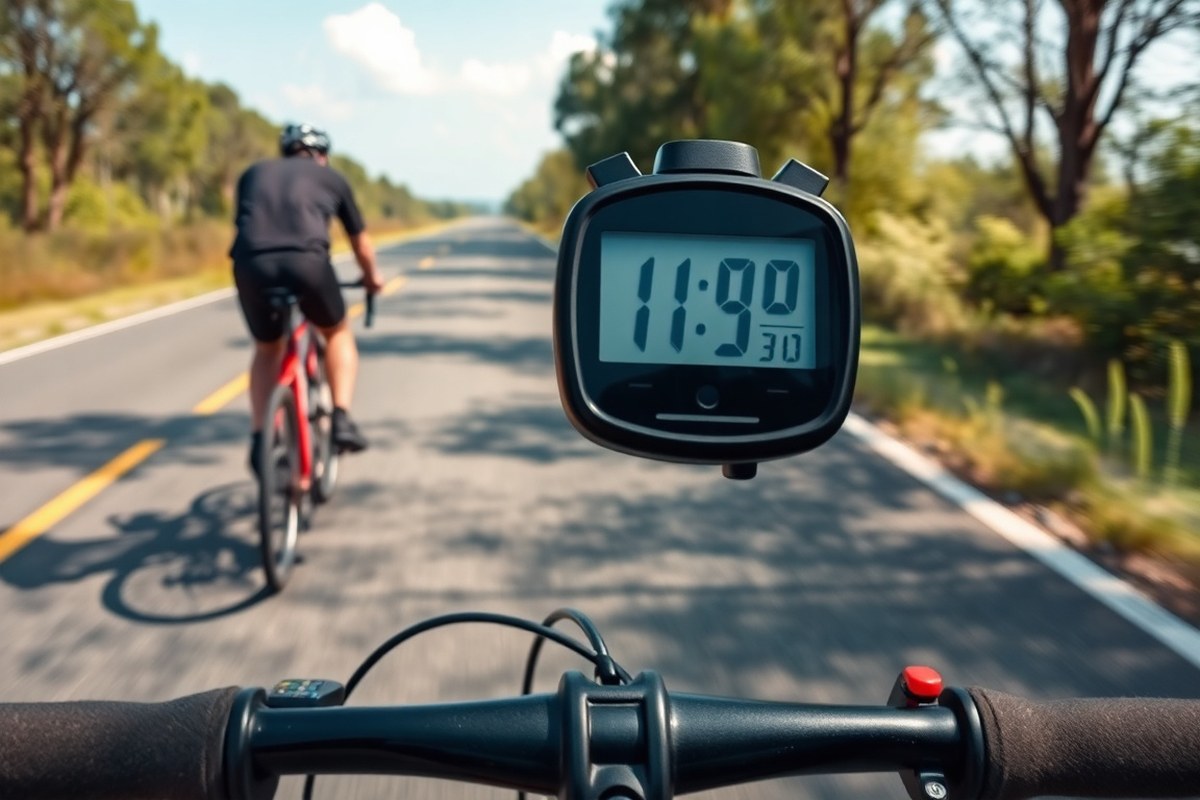
Most people bike 10 miles in about 40 to 60 minutes. This time range comes from average speeds of 10 to 15 miles per hour. At 10 mph, you’ll take roughly an hour to cover 10 miles.
Beginners usually ride closer to 10 mph. So expect about 60 minutes for your 10-mile trip. Casual riders often ride at 12 to 14 mph.
This speed means finishing in about 43 to 50 minutes. More experienced riders usually finish in 30 to 45 minutes. They get this by riding faster.
To estimate your time, divide 10 miles by your average speed. For example, if you cycle at 12 mph, 10 divided by 12 equals about 0.83 hours, or 50 minutes. Knowing your speed helps you plan rides better and track your progress as you get fitter.
How Fitness Level and Cycling Experience Impact Your 10-mile Time
How Fitness Changes Your Cycling Speed
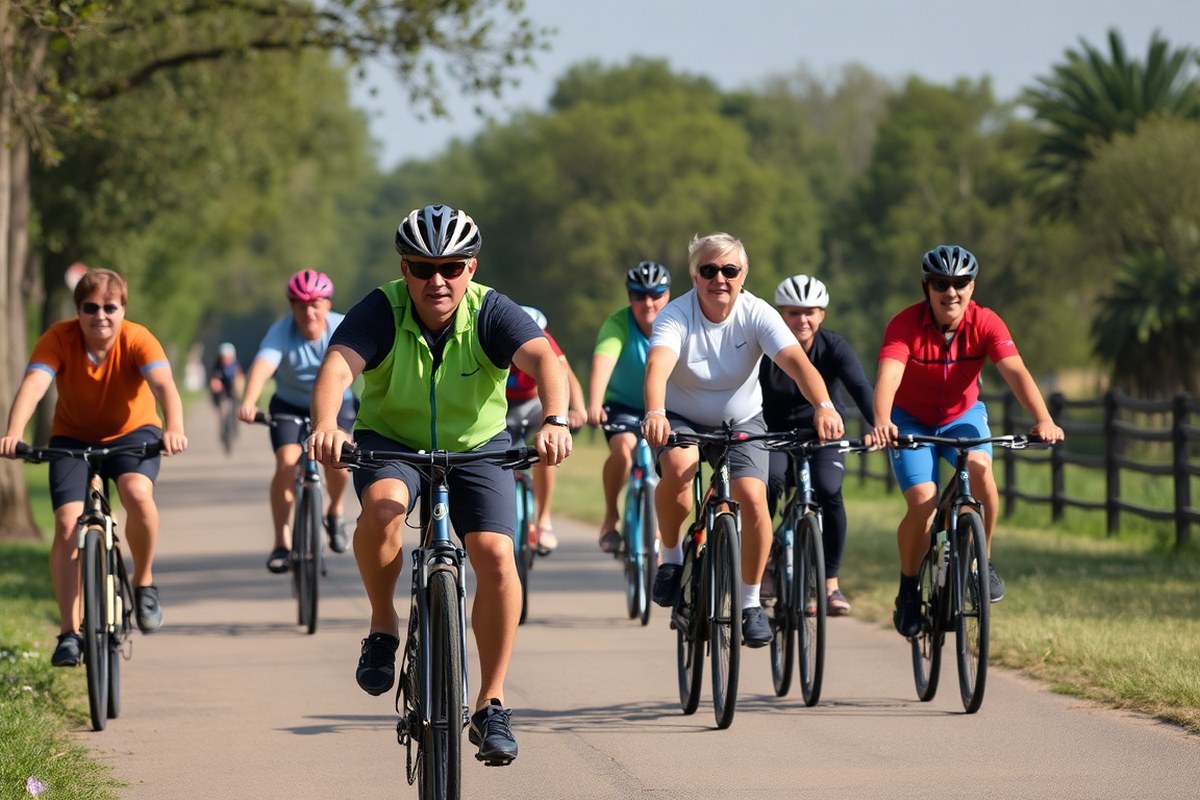
Your fitness level is the biggest factor in how fast you bike 10 miles. The better your fitness and endurance, the faster you can ride without getting tired. This happens because your muscles and lungs get stronger and work more efficiently.
Beginners often bike 10 miles in 60 to 75 minutes at 8 to 10 mph. Recreational cyclists usually take 40 to 50 minutes, riding 12 to 15 mph. Experienced riders maintain 18 to 22 mph, finishing in 27 to 33 minutes.
What Fitness Benchmarks Mean for Your Ride
To improve your speed, focus on building cardiovascular endurance and leg strength. For example, doing aerobic exercises like brisk walking or interval cycling helps your heart and lungs. Strength training for your legs improves power and pedaling efficiency.
Tracking your ride times can show progress. Starting at 12 mph, your 10-mile ride takes 50 minutes.
Increase speed to 15 mph, and time drops to about 40 minutes. Consistent training usually takes weeks to months to see these gains.
How Cycling Experience Affects Your Time
Riding skills and bike handling improve with experience, affecting your speed too. Know when to shift gears for a smoother ride. Keep a steady pace to save energy.
Set up your bike right to ride better. Experienced cyclists waste less energy and stay comfortable longer.
Beginner riders can see quicker improvements by practicing regularly. In about 4 to 8 weeks, many lower their 10-mile times by 10 to 20 percent. The learning curve flattens, and efforts focus more on fitness once you master basics.
How Quickly Can Beginners Improve Their 10-mile Times?
Improvement depends on starting fitness and how often you train. Riding three to four times a week boosts endurance and speed steadily. Beginners can expect 5 to 10 minutes shaved off their 10-mile times over a month.
Setting realistic goals helps. Start by aiming under 75 minutes, then push for 60 minutes as fitness improves. Remember, rest and recovery also support faster progress and keep injuries at bay.
Practice steady riding and gear shifting to save energy and speed up your 10-mile time.
How Different Bike Types Change Your 10-mile Ride Time
Bike type affects how fast you can cover 10 miles. A road bike is the fastest of the basic types. It helps you go 15-30% faster than mountain or hybrid bikes.
You use the same effort on all bikes. If you ride a mountain bike at 10 mph, a road bike is faster.
It could push your speed up to 11 mph. This difference is from the bike type.5 or 13 mph on flat terrain.
Mountain bikes take more effort. They have wider, knobbier tires for rough trails, which slow you down on pavement. Hybrid bikes blend features of road and mountain bikes.
So they’re a bit slower than road bikes but easier to handle than mountain bikes. Electric bikes add a motor to help you pedal, cutting your 10-mile ride time significantly.
| Bike Type | Average Speed (mph) | Approximate Time for 10 Miles | Notes |
|---|---|---|---|
| Road Bike | 10, 12 | 50, 60 minutes | Fastest bike type on flat roads |
| Hybrid Bike | 8, 10 | 60, 75 minutes | Good for mixed surfaces, slightly slower |
| Mountain Bike | 7, 9 | 67, 85 minutes | Slower due to tire and frame design |
| Electric Bike | 15, 17 (with assist) | 35, 40 minutes | Motor assist greatly reduces effort and time |
Electric bikes let you maintain higher speeds with less energy. Using moderate assist can cut your ride time by almost half. This compares to non-motor bikes with similar effort.
The motor helps you go faster easily. A 10-mile trip takes about 50 minutes on a road bike.
On an e-bike, it might only take 35 to 40 minutes. The motor cuts the time significantly.
The differences grow larger when you add hills or strong wind. You’ll struggle most on mountain or hybrid bikes, as they demand more energy.
Road bikes stay efficient for faster rides. E-bikes help out when the route gets tough or when you can’t push hard.
How Terrain and Route Conditions Influence Your Biking Time
Your 10-mile biking time depends a lot on the terrain and road conditions. Flat roads let you keep a steady speed, while hills slow you down significantly. Rough surfaces and trails also make your ride take longer and feel harder.
How Hills Add Time to Your Ride
Hills slow you down because climbing uses much more energy and reduces your speed. For example, 500 feet of climbing can add 5 to 15 minutes to your 10-mile ride. The exact delay depends on your fitness and how steep the hills are.
To handle hills better, shift to lower gears before you start the climb. This keeps your pedaling steady and helps avoid burning out too quickly. After the climb, you’ll pick up speed on the way down to recover some time.
Flat Roads and Their Impact on Speed
Flat terrain lets you bike faster and with less effort. On a flat 10-mile route, expect to ride 45 to 60 minutes. You will keep an average pace during this time.
Wind and temperature can also affect this time. But the road being flat keeps the speed more consistent.
Picking flat routes makes it easier to maintain a steady speed above 10 mph. This helps improve your overall time and keeps your ride feeling less tiring. Use apps or maps to find routes with minimal elevation changes.
Surface Types That Slow You Down
Rough or uneven surfaces like gravel, dirt, or trails require more effort and reduce speed. These surfaces absorb some of your pedaling power.
So expect your pace to drop by 10 to 20 percent compared to smooth pavement. They can also cause more wear on your bike and tires.
Choose smoother paved roads if you want a faster 10-mile ride. Trails work well for leisure or training on bike handling but plan for a slower pace. Checking surface types on your route beforehand will help you set realistic goals for time.
Choosing Routes for Faster Rides
Look for routes that are mostly flat with little traffic and smooth pavement. This combination lets you keep your speed up without frequent stops or obstacles. Apps with elevation profiles can show you where hills and rough patches are.
Try to avoid busy streets where you can’t bike steadily and need to stop for traffic. Quiet neighborhood streets or bike paths often provide better conditions for maintaining a consistent pace. Planning your ride ahead lowers the chance of surprises that slow you down.
Managing Mixed Terrain Conditions
Some routes include a mix of flat roads, hills, and trails. Your time will depend on how much climbing and rough surfaces you face. Expect slower speeds on uphill or gravel sections, balanced by faster stretches on flat pavement.
Adjust your effort and gear shifting to handle these changes smoothly. Pace yourself and get ready for changes in the terrain. This helps you avoid burning out.
You can also keep a steady speed overall. Tracking your rides over time reveals which sections slow you most.
How to Estimate Your Personal 10-mile Bike Ride Time
You can find how long it takes to bike 10 miles. Divide the distance by your average speed. That gives your ride time.
Knowing your average speed lets you calculate a realistic time for your ride. This helps set goals and prepare better.
Calculating Time from Average Speed
The basic formula to estimate your time is: time equals distance divided by speed. For biking 10 miles, divide 10 by your average speed in miles per hour.
For example, if you bike 12 mph on average, do this: Time equals 10 divided by 12. This gives you 0.83 hours. Multiply 0.83 by 60 to get 50 minutes.
Your average speed includes all stops and slowdowns. It counts changes in pace during your ride. That affects your total time.
Using Smartphone Apps and Bike Computers
You can track your speed and distance easily with smartphone apps or bike computers. Apps like Strava or MapMyRide use GPS to measure your ride in real time.
Bike computers mount on your handlebars. They use sensors to record exact speed and distance without relying on cell signals.
Collect data from several rides to find your true average speed. More data means your estimates will be more accurate.
- Choose a tracking method, either an app or a bike computer.
- Record your rides on similar routes and conditions.
- Calculate the average speed from these rides.
- Apply the average speed to the 10-mile time formula.
- Adjust for different conditions when predicting future rides.
Adjusting for Terrain and Weather
Expect slower speeds on hilly or rough terrain compared to flat roads. Windy or rainy weather can also reduce your pace.
Lower your estimated speed by 10-20% in those cases to predict a more realistic time. For instance, if your normal average is 15 mph, use 12 mph for a hilly day. Adjusting your calculations helps avoid surprises and keeps your expectations grounded.
Good speed data from multiple rides on different routes improves your time estimates.
What Weather and Environmental Factors Affect Your Cycling Speed?
Wind has a major impact on how fast you bike 10 miles. A headwind can slow you down by about 10 to 20 percent, depending on its strength.
For example, a strong 15 mph headwind might add several minutes to your ride time. Tailwinds help push you along and can speed you up by a similar margin.
Pay attention to wind direction before you head out. Expect to slow down when your route faces long wind sections.
To stay efficient, lower your body position to reduce drag, especially in headwinds. This wastes less energy and helps keep your speed steady.
Temperature also changes your ride time. Cool temperatures around 50 to 68 degrees Fahrenheit are best for steady cycling. Your muscles work well, and your body doesn’t overheat.
Hotter than 80 degrees makes your body work harder to cool down. This tires you quicker and slows your pace.
High humidity adds to the challenge by making sweat evaporate slower. That keeps you warmer and increases fatigue. To manage this, carry water and drink often to stay hydrated.
Cut back your effort during very hot or humid days. This helps you avoid overexertion. Staying safe is key.
Daylight affects more than visibility. Riding in daylight means warmer conditions and clearer views of the road. Early mornings or late evenings may feel cooler and darker.
Low light calls for extra care riding. Watch your surroundings. Wear reflective gear or use bike lights to stay safe when light is low.
Weather safety should guide your pacing. Rain, ice, or slick roads demand slower speeds to prevent falls. Strong winds make maintaining balance harder and increase energy use.
Slow down to keep control and avoid crashes. This may add time to your 10-mile ride. Safety comes first.
Practical Steps and Tips to Bike 10 Miles Faster
Start by pacing yourself to avoid burnout. Set a steady speed that you can keep through the whole ride. Avoid sprinting at the start to save energy.
This helps you finish strong. Use a bike computer or smartphone app to track your speed.
Check your pace as you ride. Adjust your speed to stay steady.
Proper gear maintenance also cuts down your ride time. Keep your tires inflated to the pressure on the sidewall. Road tires usually need between 60 and 80 psi.
Check your tire often for proper pressure. Clean and lubricate your chain regularly to ensure smooth pedaling without wasting energy.
Good nutrition before and during your ride boosts your stamina and speed. Eat a snack with carbs and a little protein about 30 minutes before cycling. Bring water or an electrolyte drink to stay hydrated, especially when temperatures climb above 70°F (21°C).
- Train with interval workouts: alternate faster bursts with easy pedaling
- Upgrade to lighter tires or a performance saddle for comfort and speed
- Practice smooth pedaling to reduce wasted energy
- Wear fitted clothing to reduce wind drag
- Check your bike fit to optimize power output
Interval training is one of the fastest ways to improve your time. Try cycling hard for one minute, then pedal easy for two.
Repeat this cycle four to six times, two or three days a week. This builds power and helps you hold a faster pace over 10 miles.
Look at your bike gear for shortcuts to speed. Changing to tires with less rolling resistance costs about $40 to $70. These tires can save you minutes on your ride.
Think if the cost is worth the time saved. Small gear changes like an aerodynamic helmet or tight clothes cost $50 to $150.
These reduce wind drag to help you ride faster. Consider these if you ride often.
Keep pacing in mind: Target a speed you can maintain without burning out. Riding 15 mph for 10 miles takes about 40 minutes. Riding at 20 mph cuts your 10-mile time to 30 minutes.
This needs more fitness and energy, about 91 extra watts. It’s a good goal if you feel strong. Build up gradually to avoid injury or fatigue.
How Age and Gender Influence Your 10-mile Cycling Times
Age and gender affect cycling speeds mostly through differences in muscle strength, endurance, and cardiovascular capacity. Younger riders often have faster times than older ones.
Males usually ride faster than females by a few miles per hour. This difference is clear at higher skill levels.
For a 10-mile bike ride, average speeds generally rise with cycling experience and fitness. Male beginners typically average about 20.5 mph while female beginners average closer to 17.5 mph. These numbers improve with training but the gap remains.
| Cycling Level | Male Time (min:sec) | Female Time (min:sec) |
|---|---|---|
| Beginner | 47:02 | 55:10 |
| Novice | 38:02 | 44:40 |
| Intermediate | 31:30 | 36:19 |
| Advanced | 26:46 | 29:55 |
| Elite | 23:20 | 25:07 |
Comparing these times, males improve from about 47 to 23 minutes as skill grows. Females improve from about 55 to 25 minutes over the same levels.
Age further influences these ranges. After age 40, average speed often declines about 5% every decade.
Realistic goals depend a lot on your current fitness and age group. Casual riders in their 20s or 30s can aim under 30 minutes. This goal takes some effort but is achievable.
Over 50, a 35 to 40 minute goal fits most beginners and intermediates. Females should expect times about 10-15% longer for the same effort level.
Try to measure your average speed on flat routes to track improvement reliably.
Tracking your time against these standards helps set fair goals. You can use a smartphone app or bike computer to measure your speed. With consistent rides over 8 to 12 weeks, most people see clear progress toward these times.
Common Mistakes Slowing Down Your 10-mile Bike Ride and How to Fix Them
Pacing your ride too fast at the start wastes energy later. Sprinting during the first mile can make you slow down on the last miles. Keep a steady speed by aiming for a consistent cadence.
Try for 70 to 90 pedal strokes each minute. This helps maintain your pace over the ride.
Skipping bike maintenance affects your speed and comfort. Dirty or dry chain and poorly inflated tires create extra friction. Using too much energy just turns the pedals harder.
That slows you down and increases your ride time. Efficiency matters more than raw effort when cycling.
Nutrition mistakes also slow you down. Riding without enough water causes dehydration and cramps. Not eating enough before or during a long ride drains your strength and focus.
- Pacing: Use a bike computer or app to hold a steady speed
- Chain care: Clean and lubricate your chain every 100 miles or monthly
- Tires: Inflate tires to the pressure recommended on the sidewall, usually 60, 80 psi
- Hydration: Drink small sips of water every 15 minutes during your ride
- Nutrition: Eat a light snack with carbs and protein about 30 minutes before riding
- On-ride fuel: Carry energy gels or bars if your ride lasts over an hour
Using a pace that stays constant preserves energy better than pushing too hard early. A simple bike computer or phone app can help you track speed and cadence. Aim to keep your legs turning evenly.
Check the chain for rust or stiffness. Clean your bike chain with a rag when it squeaks or feels rough. Then apply bike-specific lube to keep it smooth.
This prevents damage and keeps your ride quieter. This costs just a few dollars but keeps your ride smooth.
Inflate your tires regularly. Underinflated tires slow you down and tire your legs faster.
Use a hand pump or floor pump with a gauge. It takes just a few minutes.
Drink water frequently to avoid headaches and muscle cramps. Carry a water bottle on your bike and take sips often.
Eat before riding to avoid hitting the wall halfway through. This boosts your energy and mental focus.
Your First Steps to Bike 10 Miles Faster
Follow this simple plan to improve your 10-mile bike time. Try each step and watch how your speed changes.
- Day 1: Set a baseline time by biking 10 miles at a comfortable pace. Use a bike computer or phone app to track the time.
- Week 1: Add interval training with short bursts of faster pedaling. Notice if your heart rate goes up and if you can maintain speed longer each session.
- Week 2: Check your bike fit and tire pressure. A better fit and properly inflated tires make pedaling easier. See if you feel less tired after riding.
- Week 3: Choose a flatter or smoother route for speed practice. Compare your times on easy terrain with your baseline.
- Week 4: Carry water and wear lightweight clothing. Staying hydrated and comfortable helps maintain speed. Track if you feel stronger during the ride.
- Week 5: Try riding with a friend for motivation. Notice if you push yourself harder and improve your time.
- Week 6: Review your average speed and total ride time. Celebrate improvements, even small ones, and plan your next goal.
Frequently Asked Questions
How Can Taking Breaks Affect Your 10-mile Bike Ride Time?
Taking breaks will increase your total ride time. Taking a few short rests helps keep your energy and pace.
Too many or long breaks slow you down a lot. Keep breaks brief and purposeful.
Does Bike Weight Impact How Long It Takes to Bike 10 Miles?
Yes, heavier bikes can make your ride slower. Lighter bikes like road bikes are easier to pedal on flat ground.
They usually cut your ride time compared to heavier mountain or cruiser bikes. Weight matters on flat surfaces.
Do You Bike Faster on Flat Roads or Gentle Hills over 10 Miles?
You generally bike faster on flat roads. Gentle hills make you work harder, slowing your ride down.
This takes more time than riding mostly flat ground. Uphills affect your 10-mile pace.
How Does Wearing Proper Cycling Gear Influence Your 10-mile Ride Time?
Proper gear can improve your speed and comfort. Wearing padded shorts cuts down on soreness and fatigue.
Aerodynamic clothes reduce wind resistance, letting you ride faster. These help finish 10 miles quicker.
Can Regular Cycling Practice Reduce Your 10-mile Ride Time?
Yes, consistent cycling builds endurance and strength. Practicing regularly helps improve your speed and decreases your average time to bike 10 miles.
The Bottom Line
Biking 10 miles usually takes between 30 and 60 minutes, depending on many factors. Take your bike out soon and set your own pace. Each ride will teach you how to get faster and enjoy biking more.