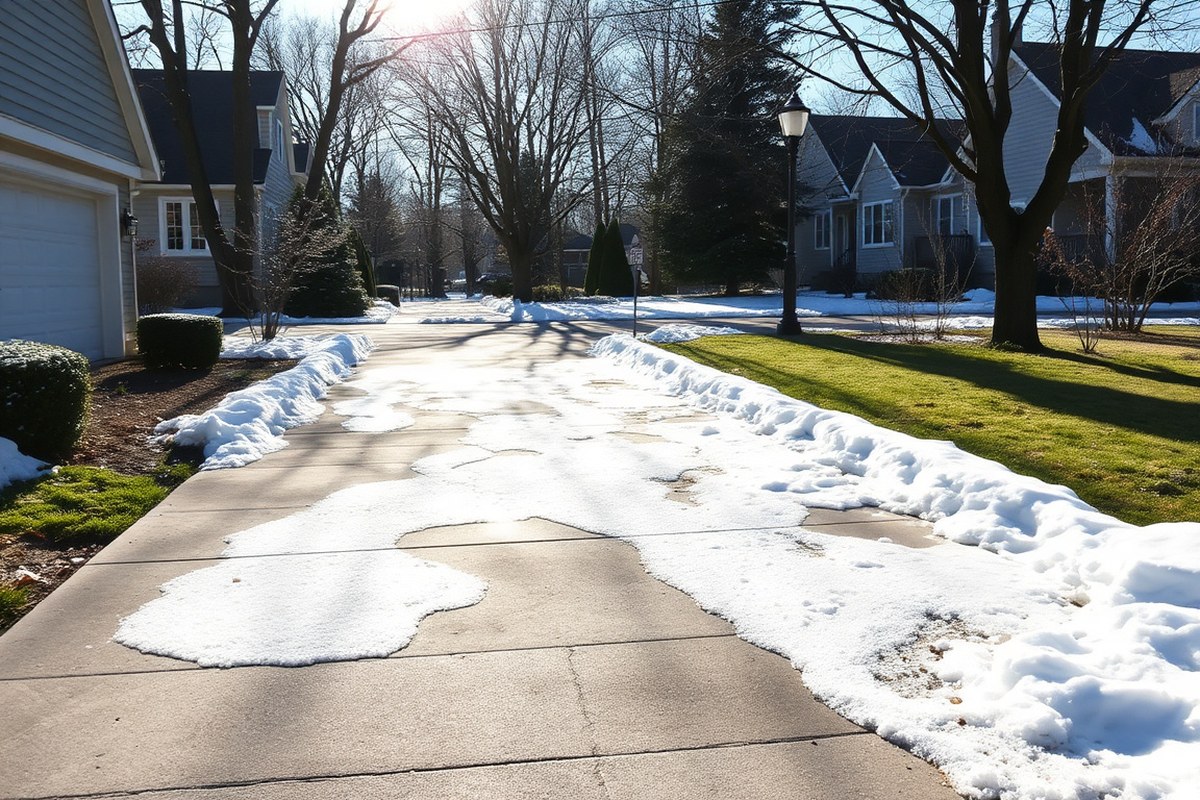
How Fast Does Snow Melt at 50 Degrees? 9 Key Factors and Practical Tips
Snow melts at about 2 inches per day in sunny 50°F weather. The melting rate varies with sunlight, wind, and snow type. Direct sun speeds melting even if the air stays the same temperature.
At 50°F, snow melts fairly quickly since this is above freezing. Fresh or shallow snow melts faster than dense, thick snowpacks. Dense snow holds cold longer and resists melting.
Wind moves warmer air over snow, boosting melting by carrying heat and removing cold air. Overcast skies slow melting by blocking sunlight and lowering heat.
Rain warms snow and speeds melting a lot. Watch for rain and temperature changes to stay safe. Clearing walkways early prevents slippery spots as snow thaws.
Key Takeaways
- Sunshine greatly speeds up snow melting at 50 degrees.
- Rain at 50°F can increase snow melt by about 50% on shallow snow.
- Compact or deep snow melts much slower than loose, shallow snow.
- Wind helps snow melt faster by moving warmer air over it.
- Snow over darker surfaces melts faster due to heat absorption.
- Evaporative cooling can slightly slow melt but usually loses to wind warmth.
1. How Fast Does Snow Melt at 50 Degrees?
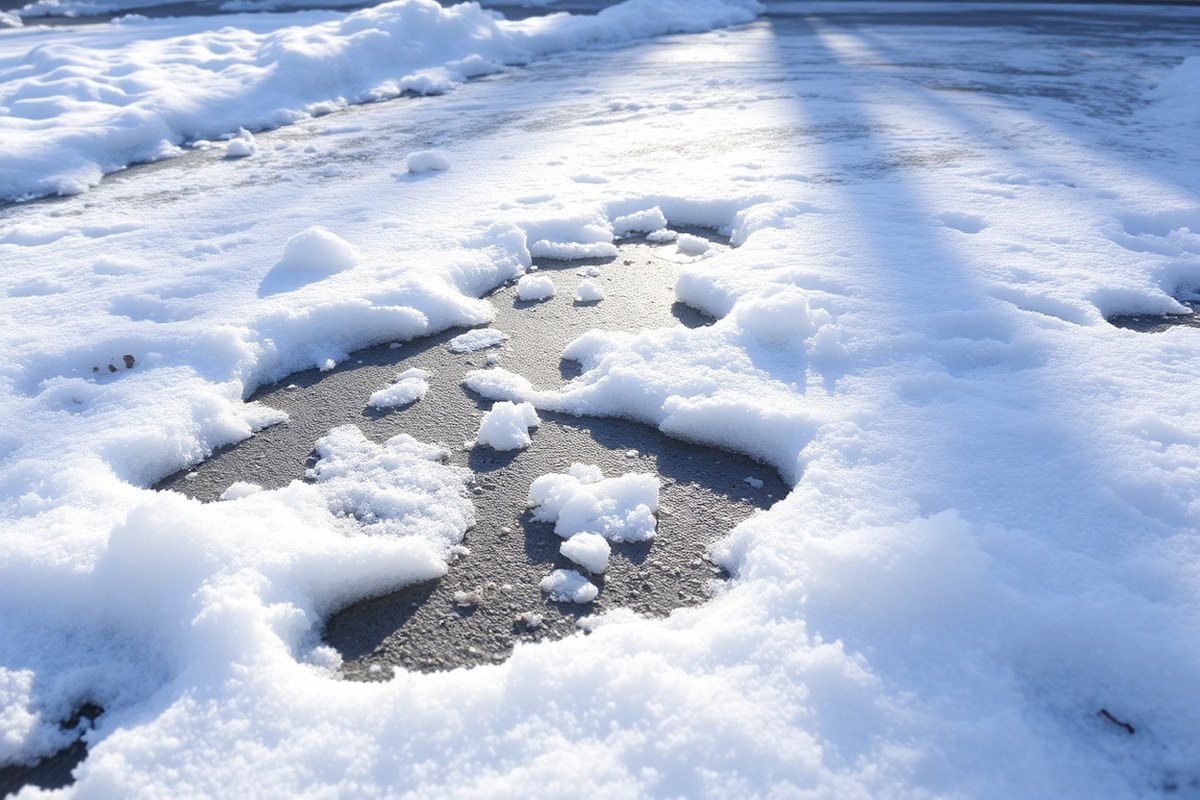
Snow will melt at 50 degrees Fahrenheit because the temperature is above freezing. Snow usually melts about 2 to 4 inches in three days. This happens at this temperature.
The rule of thumb helps estimate snow melt time. So, you can expect roughly 0.7 to 1.3 inches of snow to melt per day in dry 50°F weather.
You can use a simple formula to estimate snow melt. It is Snow Melt = Melting Coefficient × (Average Temperature – 32). This makes calculation easy.
The melting coefficient depends on factors like sun, wind, and snow type. For example, if the coefficient is 0.1 inches per degree Fahrenheit, then at 50°F, melt = 0.1 × (50 – 32) = 1.8 inches per day.
This calculation shows the snow melts faster the warmer it gets. On dry days at 50°F, loose snow under a foot thick can vanish quickly. It often melts in one or two days.
The weather helps speed melting. Compact piles or deep snow take longer to melt completely.
Sometimes it takes several days. Heat must reach the inner layers first.
2. How Rain and Moisture Speed Up Snow Melt
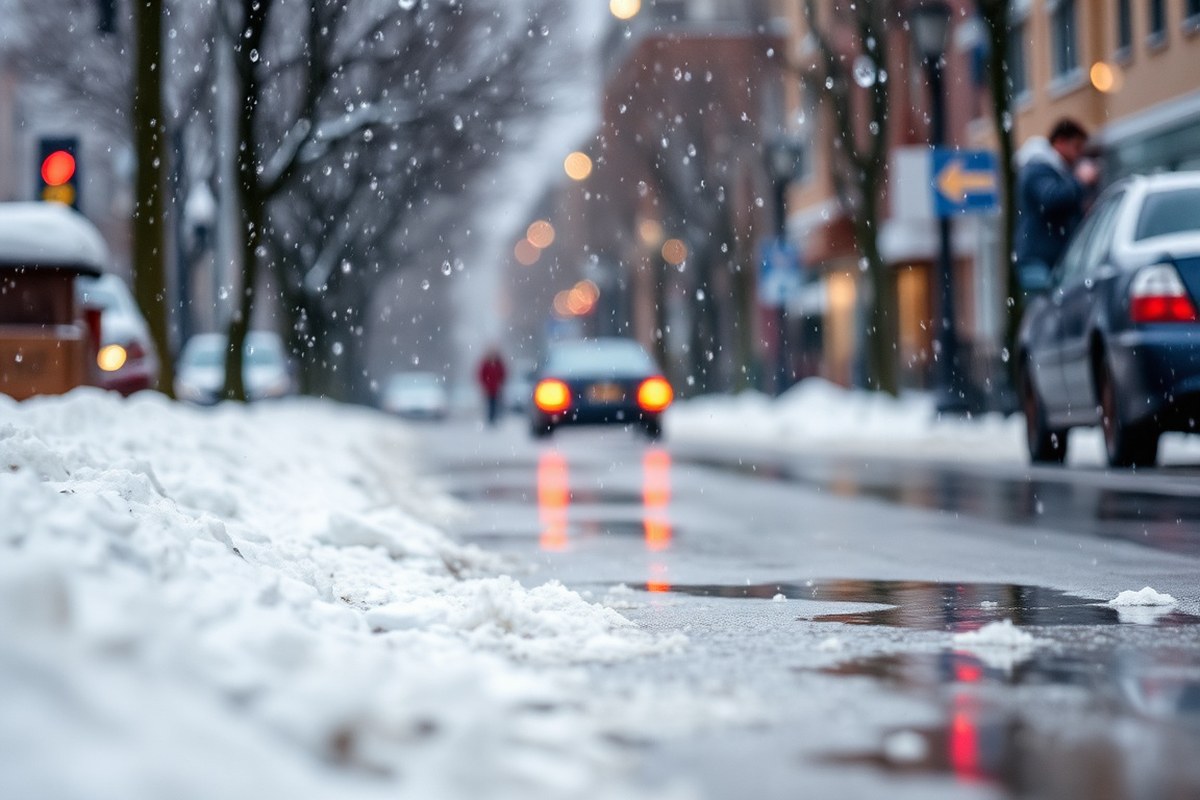
2. How Rain and Moisture Speed Up Snow Melt
Rain speeds up snow melt at 50 degrees by adding heat directly to the snow. An inch of rain can cause about 0.6 more inches of snow to melt than temperature alone. Rain’s warming effect depends on how much falls, its temperature, and the snow’s depth.
How Rain Adds Heat to Melting Snow
Rain that falls at 50°F is warmer than snow on the ground. So it transfers heat as it hits the snowpack. This extra heat melts snow faster than air temperature alone.
For example, a dry day at 40°F melts around half an inch of snow. But an inch of rain can boost that melt by 0.6 inches more.
This heat transfer happens because rain’s temperature is usually above the snow’s melting point. Snow stays near 32°F while melting. So warm rain delivers extra energy to help turn solid snow into water.
Rain Amount and Snow Depth Impact Melt
The total rain falling matters a lot. Up to about an inch of rain can speed up melting significantly. Thicker snowpacks take more rain to speed melt because there’s more mass to warm and melt.
Thin snowpacks around 12 inches or less will melt faster with rain at 50 degrees. The rain’s warmth pushes the melt along quickly. For thick snow, expect rain to help, but not cause a sudden melt alone.
Temperature of Rain vs. Air Temperature
Rain slightly warmer than 50°F has a stronger impact on melting. Colder rain near freezing just adds moisture, but less heat. When rain is as warm as the air or warmer, it significantly speeds melting.
At 50°F, air temperature plays a large role in melt speed. Still, warm rain adds heat directly and usually speeds melting more than humidity or wind alone.
When Rain Doesn’t Speed Melting Much
Light rain or drizzle might not raise snow melt much. Low rain volumes deliver less heat to the snowpack. On warm days above 50°F, rain’s heat matters less.
Air melts snow fast already. So rain’s extra heat is not that important then.
Snow that’s very deep or icy melts slower, even with rain. Dense snow needs more heat to break down, so rain speeds melt less. It’s best to watch rain intensity and snow conditions together.
Practical Tips for Homeowners and Outdoors Enthusiasts
After a rainfall at 50°F, expect about 0.6 inches of snow melt per inch of rain. Use this estimate to plan snow removal or check for flooding risk from quick melt. Note that several days with rain and warm air melt snow much faster than dry days.
Check your snowpack depth before a rain event. Thin snow will disappear quickly if it rains.
But thick snow might linger despite rain. So manage expectations for outdoor activities and walkways.
Heavy rain combined with temperatures near 50°F can cause fast snow melt and slippery ground. Walk carefully and watch for pooling water.
3. Why Sunlight Is important for Melting Snow at 50 Degrees
Sunlight Provides Direct Energy for Melting Snow
The sun’s rays carry energy that warms surfaces it hits. When snow lies in direct sunlight at 50°F, it absorbs that heat and begins melting faster. Without sunlight, air alone warms the snow more slowly, so the melt takes longer.
Direct sunlight can increase surface temperatures beyond the 50°F air reading. Dark surfaces like asphalt soak up heat fast. They pass that heat to the snow.
This speeds up snow melt by hours or even a day or two. Light-colored or shaded areas stay cooler and melt snow more slowly.
Shade Slows Snow Melt by Blocking Solar Heat
Areas shaded by trees, buildings, or overhangs lack direct sun exposure. Snow under shade relies mostly on air temperature for melting. Shade blocks sunlight’s extra heat energy.
Snow under shade melts slower. It lasts longer even at 50°F air temperature.
Shade reflects less heat back onto the snow. This keeps the surface temperature lower than in sunny spots. You’ll notice snow melting unevenly near sunny patches and lingering under shaded areas.
How to Assess Sunlight Impact on Your Snow Melt
Step outside and observe the snow in different spots around your yard or driveway. Notice where the sun hits between sunrise and midday versus spots always in shade. Track how long snow lasts in each place.
Check sunlight’s effect by measuring snow depth. Use a ruler in sunny and shaded spots. Do this once or twice daily.
Watch for faster depth loss under sun-exposed areas. Watch the surface color under the snow.
Dark surfaces melt snow faster. This changes how quickly the snow melts.
Tips for Speeding Melt in Shaded Spaces
Move snow from shaded spots to sunny open areas if you want a quicker melt. Spreading snow thinner also helps sunlight penetrate better.
Waiting for warmer days or wind can help snow melt. Moving the snow isn’t always possible.
Remove debris or dark dirt on snowy areas in the sun. Dirty snow absorbs sunlight and melts faster than clean white snow. This is useful if you want to clear your driveway faster during a 50°F day.
Expect Variations Based on Snow and Surface Color
White snow reflects much of the sun’s rays, which limits warming. Dirty snow or slush with dirt absorbs more sunlight and melts much faster. This is why snow near roads often disappears quicker than snow on grass or lawns.
Surfaces also matter. Snow melts almost twice as fast on dark asphalt at 50°F. It melts slower on shaded plywood or concrete. That difference matters if you plan snow removal or worry about icy patches forming unevenly.
4. How Wind Influences Snow Melt Speed at Moderate Temperatures
Wind moves the air around snow, changing how fast it melts. At 50°F, wind helps by blowing away cold air next to the snow. This cold air usually acts like a thin blanket, slowing melt rates.
When wind sweeps this layer away, warmer air touches the snow directly. This speeds up heat moving into the snow, making it melt faster. Wind also helps spread moisture in the air, which can raise melt rates even more.
Here’s how wind influences snow melt:
- Blows away insulating cold air on the snow surface
- Increases heat transfer from the warmer air to the snow
- Adds moisture through condensation, doubling melt speed in humid air
- Keeps the temperature near the snow closer to the air temperature
- Can cool snow if the air is colder than the snow surface
- Speeds melting more when wind is steady rather than gusty
- Helps melt snow faster if air humidity is high
Not every wind situation means faster snow melt. When the wind is colder than the snow or very dry, it cools the snow. This slows melting, especially if wind chill drops the surface temperature below 50°F. Moderate warm wind at 50°F speeds melting best.
The key is the balance between air temperature, humidity, and wind speed. Wind replaces the cold insulating layer. But it must bring warmer, moist air for faster melt.
Gentle steady breezes of 5 to 15 mph help snow melt. They refresh the warm air near the snow constantly.
5. How Snow Depth and Compactness Affect Melting Rates
Snow melts slower when it is deep or dense. Thick snow packs hold more cold inside, blocking warmth from reaching lower layers. Compact snow has fewer air pockets, so heat moves less easily through it.
Different snow types have varying depth and layers, which affects melt speed. Thin tundra snow that is 10-75 cm deep melts faster. Thick maritime snow over 300 cm takes longer to melt.
The snow depth affects how fast it melts. Snow with more layers tends to be denser and harder to melt quickly at 50°F.
The table below compares some common snow types by depth and layers. This helps show why thick, layered snow takes longer to disappear.
| Class | Description | Depth (cm) | No. Of Layers |
|---|---|---|---|
| Tundra | Thin, cold, wind-blown snow | 10-75 | 0-6 |
| Taiga | Thin to moderate low-density cold snow | 30-120 | >15 |
| Alpine | Intermediate to cold deep snow | 75-250 | >15 |
| Maritime | Warm, deep snow | 75-500 | >15 |
| Ephemeral | Thin, extremely warm snow | 0-50 | 1-3 |
Snow with fewer layers melts faster. Sunlight and warm air reach lower parts sooner. Less depth allows quicker melting overall.
Dense snow reduces surface reflection, absorbing more heat but melting slower inside. Snow piles of 6-12 inches (15-30 cm) melt fast.
Bigger piles over 2 feet (60 cm) last longer. Smaller piles clear away quicker in warm weather.
Compactness also influences melt speed by limiting heat flow within the snowpack. When snow is loose and fluffy, it melts faster as heat transfers through more easily. Over time, snow metamorphosis makes it denser, so the melt slows down.
Let snow piles spread out and thin naturally. Dense, thick piles take much longer to melt at 50°F.
6. Why the Surface Beneath the Snow Matters for Melt Times
The type of surface beneath snow changes how fast it melts. Asphalt, concrete, and grass absorb and move heat differently. This affects how much heat reaches the snow from below.
Dark asphalt soaks up more sun and gets hotter. It transfers that heat to snow, speeding up melting.
Grass and soil hold less heat, slowing melt times. Concrete is in between but still transfers heat faster than grass.
| Surface Type | Heat Absorption | Thermal Conductivity | Effect on Melt Time |
|---|---|---|---|
| Asphalt | High (dark color absorbs sunlight) | Moderate to high | Fast (can melt 1″ of snow per day at 50°F) |
| Concrete | Medium (lighter color than asphalt) | High (better heat transfer than soil) | Moderate (faster than grass but slower than asphalt) |
| Grass/Soil | Low (lighter color, often moist) | Low (insulating properties) | Slow (melts less than 1″ per day at 50°F) |
| Metal Surface (for comparison) | Varies (reflective but high conduction) | Very high | Very fast (ice melts in minutes) |
Heat moves through conduction from the ground to the snow. Asphalt’s heat transfer often reduces melt time by a full day compared to grass.
Snow on concrete melts faster too. But grass delays the process because of low conductivity.
For property owners, knowing this helps with snow management. Shoveling snow off asphalt quickly avoids slippery buildup.
On grassy areas, more time or salt might be needed to clear snow safely. Adding gravel or dark mulch can increase heat absorption if snow melts too slowly.
Frozen ground beneath the surface slows melting since it blocks heat from deeper soil. Heat mostly comes from solar radiation warming the surface, not the frozen soil below. Surface type matters a lot on 50°F days.
Snow melt depends on how warm that surface is. This makes it very important to know what surface you have.
7. Common Myths About Snow Melting at 50 Degrees Debunked
7. Common Myths About Snow Melting at 50 Degrees Debunked
Snow does not melt evenly as soon as the temperature hits 50°F. Melting depends on factors like sunlight, wind, snow depth, and surface type. Some spots melt quickly while others stay frozen or melt slowly.
Rain doesn’t always speed snow melt. Freezing rain can form a hard crust on top of snow. This crust stops snow from blowing away and slows melting underneath it.
- Myth: Snow melts instantly the moment it reaches 50°F.
- Myth: All snow in an area melts uniformly at the same temperature.
- Myth: Rain always speeds up the snow melting process.
- Myth: Thick snow melts slower only because of its depth, ignoring surface effects.
- Myth: Wind always helps melt snow faster at moderate temperatures.
Snow melts slowly, about 1 inch per day near 50°F. This happens when conditions are good for melting. The process does not happen all at once. Snow melts slower in the shade or when packed hard.
These conditions keep snow from melting fast. So it can last much longer. Also, snow over dark surfaces absorbs more heat and melts faster.
Understanding these facts helps you expect uneven melting. Some snow patches last longer than others. Seeing this is normal around your home.
There is no need to worry. Long-lasting snow patches might be in the shade or on cold ground.
Sometimes they have a hard crust from freezing rain. These factors slow melting.
8. Estimating Melt Times: Practical Formulas and Decision Rules
Estimating how fast snow melts at 50°F helps you plan outdoor activities or manage runoff. A simple formula uses melt rates of 2 to 4 inches daily.
It helps estimate how long snow will last. Decision rules make it easy to quickly judge if snow will be gone within a day.
Basic Snow Melt Formula Explained
The basic formula calculates melt time by dividing snow depth by melt rate. Melt rate varies between 2 and 4 inches per day at 50°F depending on conditions. Using this range helps adjust estimates for sun, wind, or shade differences.
The formula is Melt Time (days) = Snow Depth (inches) ÷ Melt Rate (inches/day). It shows how to find melt time.
For example, 6 inches of snow melts at 3 inches per day. The snow lasts about 2 days.
Applying the Formula to Common Weather Conditions
Start by measuring current snow depth. Next, decide a melt rate based on conditions like sun exposure or moisture.
Sunny spots might reach the 4-inch rate. Shaded areas fall closer to 2 inches per day.
Calculate melt time twice: once with 2 inches per day, once with 4. This gives a better accuracy range.
This range shows your shortest and longest melt time. You can watch for changes in weather or speed.
- Measure your snow depth with a ruler or yardstick.
- Check the weather forecast for sun, cloud cover, and rain.
- Choose a melt rate between 2 and 4 inches per day.
- Divide your snow depth by the chosen melt rate number.
- Note the result as your estimated melt time in days.
- Repeat with the other end of the melt rate range.
- Use the range to plan errands or protect vulnerable areas.
Decision Rule for Quick Estimation
To tell if snow melts in one day at 50°F, check depth. It must be less than 2 to 4 inches. Snow under 2 inches almost always melts within 24 hours.
If depth is between 2 and 4 inches, melting takes about a day or slightly longer. Sunlight and moisture affect this.
Snow deeper than 4 inches usually lasts several days. Unless temperature rises or rain speeds the melting up. This cutoff lets you decide to shovel, watch for floods, or enjoy snow longer.
Heavy rainfall combined with melting snow can cause flooding quickly. Monitor local advisories and clear drains if needed.
9. Safe Practices During Rapid Snow Melts at 50 Degrees
Rapid snow melting at 50 degrees creates slippery ice patches and heavy water runoff. These hazards can make walking or driving dangerous around your home or on trails. Watching for signs of ice and pooling water helps you avoid slips and floods.
Check where snow thins unevenly, near roofs or shaded spots where ice might stay longer. Runoff can erode soil and overload drains, causing water damage. You can reduce risks by clearing clogged gutters and directing water away from structures.
- Wear boots with good grip to avoid slipping on wet surfaces.
- Use salt or sand on walkways to melt ice and add traction.
- Remove snow and ice near your home carefully, watch for refreezing.
- Keep an eye on gutters and drains to prevent blockages.
- Watch water pooling on paths or near foundations during thaw.
- Mark known icy spots clearly to warn family or guests.
- Avoid walking on weak ice over ponds or streams as it breaks easily.
Call a professional if ice grows thick on driveways or roofs, risking collapse. They have the tools and experience for safe removal. Also, landscapers can advise on long-term drainage fixes if melting runoff causes repeated flooding.
Be cautious when temperatures bounce around freezing after a warm day at 50. Meltwater can freeze overnight, forming hidden black ice. Taking these precautions helps keep you safe until snow fully clears.
Step-by-Step Action Plan for Managing Snow Melt at 50 Degrees
Use these clear steps to handle snow melt effectively and safely when temperatures hit 50 degrees.
- Before the thaw: Clear heavy snow near your home to prevent flooding. Check that gutters are free so water can flow.
- Day 1 of warm weather: Monitor the snow closely. Note if the snow feels wet and slushy, that means melt has started.
- Midday monitoring: Watch for puddles or ice patches where meltwater collects. Mark any potential slip zones.
- Day 2 or 3: Use a shovel to break up ice crusts if needed. This lets sunlight and air reach snow faster.
- Ongoing: Clear drains and pathways regularly. Remove water to avoid refreeze and hazards.
- After a rain event: Check for increased snow melt speed. Rain accelerates melting and can cause flooding.
- Windy days: Pay attention to wind direction and strength. Wind gusts can speed melting on exposed snow.
- After melt is mostly done: Inspect the soil or pavement beneath. Repair spots where erosion or damage shows.
Frequently Asked Questions
Will Snow Melt in 50 Degree Weather?
Yes, snow will melt in 50 degree weather. The temperature is well above freezing.
Snow starts turning to water fast. This happens more if it’s sunny or windy.
How Long Does It Take for Snow to Melt at 40 Degrees?
Snow melts slower at 40 degrees, taking several days for noticeable melting. At 40°F, snow may melt 1 to 2 inches in a few days. Sunlight and wind change how fast this happens.
What Temperature Will Ice Melt on a Driveway?
Ice on a driveway usually melts when the air temperature reaches above 32°F. Melting speeds up above 40°F. At 50°F, it can get fairly quick. Sun or moisture helps this process.
How Fast Will the Snow and Ice Melt with Rain at 50 Degrees?
Rain speeds up snow and ice melt significantly at 50 degrees. For instance, an inch of rain might add 1.About 25 inches of snow melt. This adds to the 2 to 4 inches melted by warm air.
Can Compacted Snow Take Longer to Melt at 50 Degrees?
Yes, compacted snow takes longer to melt even at 50 degrees. Dense snow piles hold cold inside.
They might last days longer than loose snow. Loose snow melts faster in the same conditions.
Key Points to Remember
Snow melts fairly quickly at 50 degrees, but many factors change the speed. Keep a close eye on sun, rain, and wind conditions to predict melt well. Start by clearing around your home to control water flow safely.