
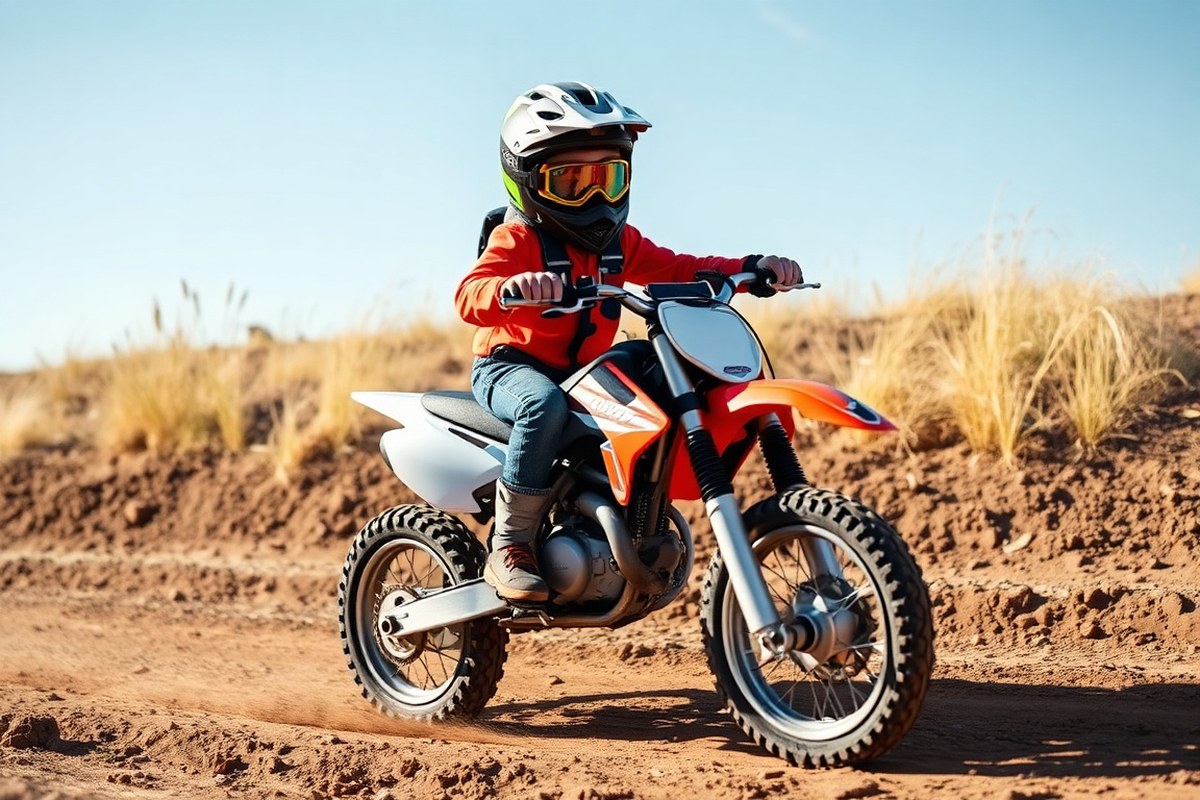
50cc Dirt Bike How Fast: Complete Speed Guide with Proven Tips
50cc dirt bikes usually hit speeds from 25 to 40 mph. The top speed varies based on engine design, how much the rider weighs, and the type of ground they ride on.
These bikes have either two-stroke or four-stroke engines, which affect speed and performance. Two-stroke engines usually provide quicker acceleration and higher top speeds. Heavier riders may experience slower speeds than lighter ones.
Kids aged 4 to 10 find 50cc bikes fast enough for learning and casual rides. These bikes are good for practicing basic riding skills and riding on flat tracks.
Smooth, flat terrain allows the highest speeds. Rough or hilly areas slow the bike down. Matching the bike to the rider’s size and skill helps achieve the best speed.
Key Takeaways
- 50cc dirt bikes typically reach speeds from 25 to 40 miles per hour.
- Engine type, whether two-stroke or four-stroke, impacts top speed.
- Heavier riders will experience slower speeds on the same 50cc dirt bike.
- Choose a bike size appropriate for your child’s age and strength.
- Rough terrain reduces speed compared to smooth, flat surfaces.
- Proper maintenance helps keep the bike running at its best speed.
How Fast Does a 50cc Dirt Bike Actually Go?
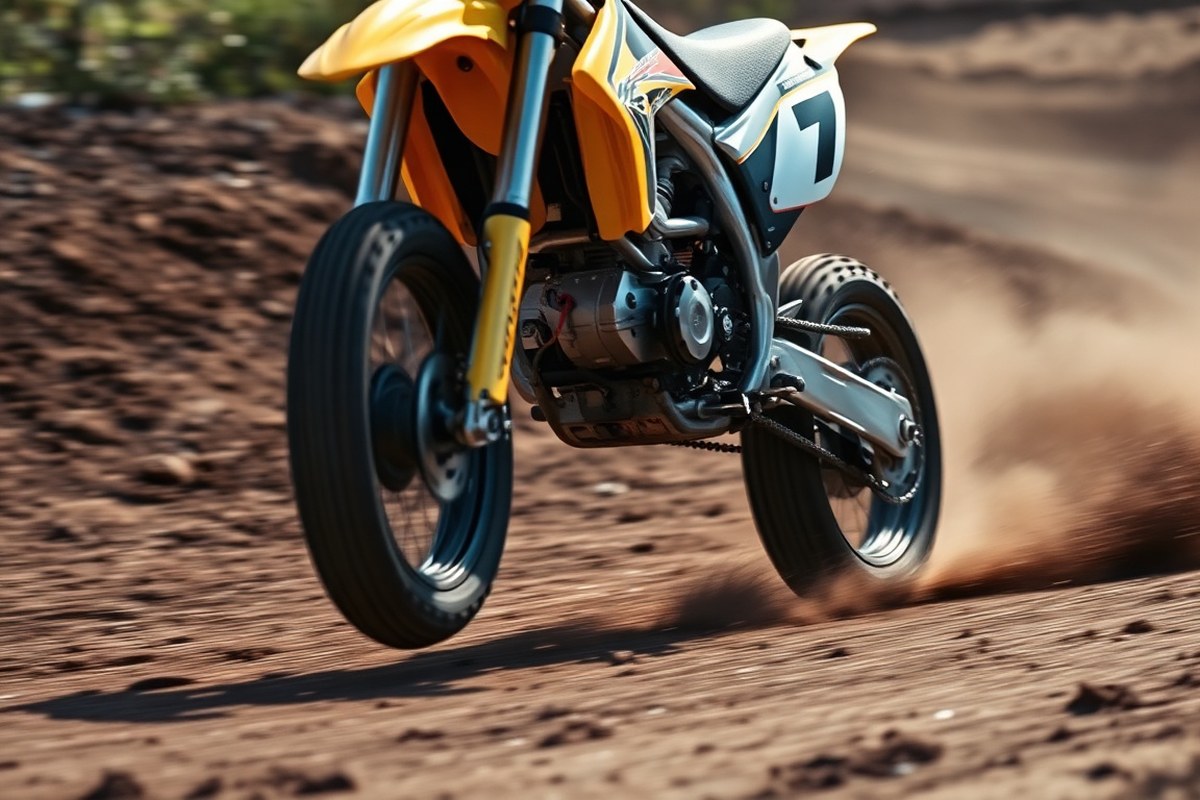
A 50cc dirt bike usually tops out between 25 and 40 mph. The exact speed depends on the bike model and riding conditions.
A Yamaha 50cc dirt bike can reach close to 40 mph. This speed is on flat and smooth ground.
Most beginners should expect speeds around 25 to 30 mph while getting used to riding. Start with lower speeds for safety, especially on uneven terrain or trails. Some mini dirt bikes max out near 30 mph.
These are made for younger riders. Parents often feel safer with this speed.
Several factors cause speed variations. Rider weight makes a big difference: lighter riders get closer to the top speed.
Terrain also matters, with rocky or muddy paths slowing the bike down a lot. Well-maintained bikes run faster and smoother compared to poorly maintained ones.
Models vary by design and tuning. Some 50cc dirt bikes are built for beginner-friendly speeds. Other bikes have more powerful engines.
They use better gear ratios. These bikes can reach almost 40 mph. Electric 50cc dirt bikes can change speed settings.
They range from 5 to 30 mph. This fits different skill levels and safety.
Riders should consider the typical terrain and their experience level when choosing a bike. A top speed of 30 mph feels quite fast on flat dirt. This is true for new riders.
Older kids or teens might like faster bikes. These bikes can approach 40 mph on smooth surfaces. This speed offers a good challenge.
What Is a 50cc Dirt Bike and Who Is It For?
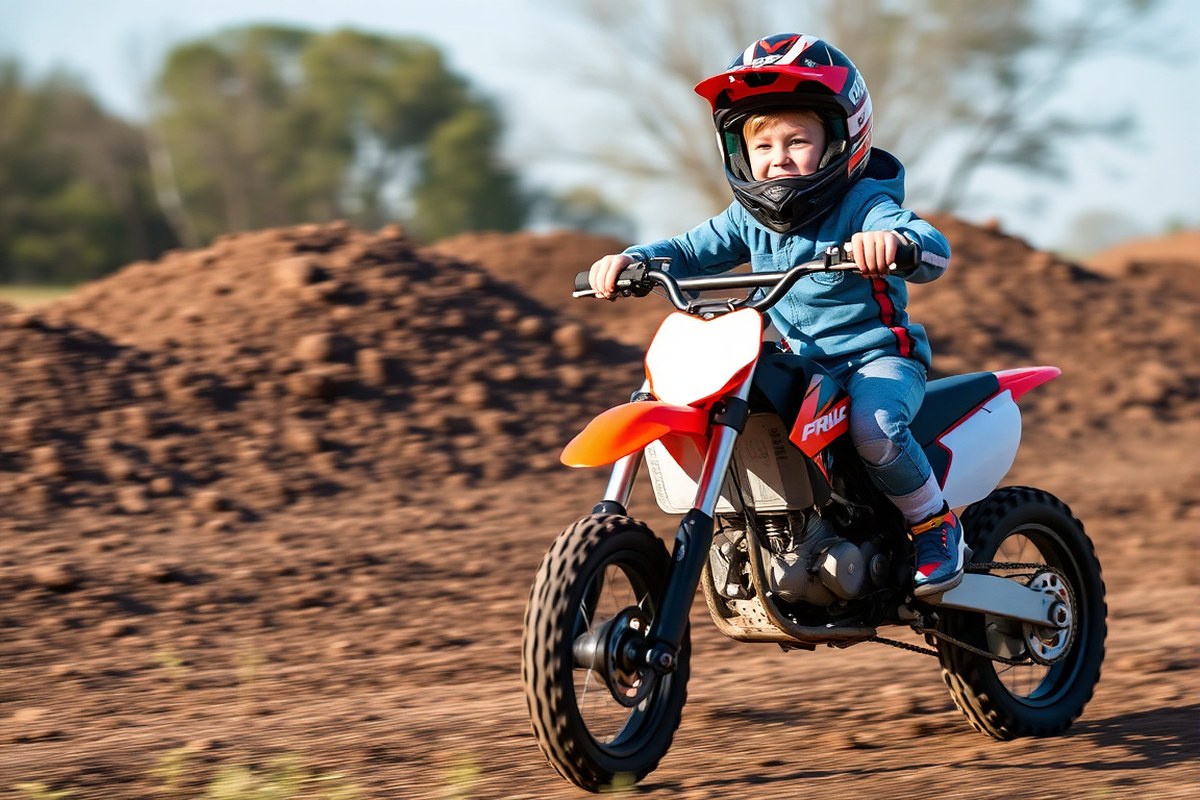
A 50cc dirt bike gets its name from the engine size of 50 cubic centimeters (cc). This number means the engine’s combustion chamber holds 50 cc of air and fuel mixture.
The engine size limits the bike’s power and speed. This makes it ideal for smaller, beginner riders.
These bikes usually suit kids around 6 to 10 years old. These riders often weigh less than 120 pounds (54 kg).
This matches the bike’s limited engine power. The smaller frame and lower power help beginners learn without handling too much speed or weight.
Adults can ride a 50cc dirt bike, but it won’t perform well for them. A heavier rider reduces the bike’s speed and agility.
Adults over 120 pounds will find the bike slower and less responsive. Bigger bikes work better for grown riders.
Make sure the bike’s size fits the rider. Too big or powerful a bike can be hard to control and unsafe.
How Rider Weight and Size Affect 50cc Dirt Bike Speed
How much a rider weighs affects a 50cc dirt bike’s speed. Extra weight makes the engine work harder and slows the bike down. These bikes usually suit riders from 40 to 80 pounds, mostly kids ages 4 to 7.
A rider who weighs outside this ideal range will notice differences in speed and control. A 50cc bike can hit 35 mph with a light rider. When a heavier rider takes it, top speed might drop to 25 mph.
The weight difference cuts the bike’s speed by about 10 mph. The extra weight drags the bike down and reduces the efficiency of the small engine.
Adults or heavier teens using a 50cc dirt bike will find it especially slow. The bike’s powerful limits and frame aren’t made to handle adult body mass well. Using a bike that’s too small for a rider can wear it out.
The engine and parts have to work extra hard all the time. This extra load may cause parts to break or need fixing sooner.
The Role of Engine Type: Two-Stroke vs. Four-Stroke Speeds
Two-stroke 50cc engines generally reach higher top speeds and deliver quicker bursts of power than four-strokes. Four-stroke engines offer smoother power delivery and are easier for beginners to handle.
Maintenance on two-strokes is more frequent, but they tend to be lighter and faster. Four-strokes focus on durability and steadier performance.
Key Differences Between Two-Stroke and Four-Stroke
Two-stroke engines complete a power cycle in two steps, making them lighter and simpler. Four-stroke engines take four steps, which adds weight but offers smoother throttle control. These differences impact how each engine feels when riding and learning.
Four-stroke 50cc dirt bikes have a gentler pull that helps beginners stay in control. Two-stroke models produce bursts of power, requiring faster reactions. This makes two-strokes better for riders focusing on quick acceleration, like on motocross tracks.
Speed and Power Output Comparison
| Model | Typical Top Speed (mph) | Engine Type | Best For |
|---|---|---|---|
| Honda CRF50F | 30, 35 | Four-stroke | Trail riding, durability |
| Yamaha PW50 | 25, 30 | Two-stroke | Beginners, easy handling |
| Kawasaki KX50 | 30, 40 | Two-stroke | Agility on motocross tracks |
Two-stroke engines can reach speeds near 45 mph. Some models, like the KTM 50 SX, show this. These bikes are fast for their size, giving kids a thrill.
Four-stroke 50cc bikes usually max out between 20 and 40 mph. This makes two-strokes the faster option but also more demanding to ride.
Speed depends on more than just engine type. Rider weight, terrain, and bike setup affect how fast your kid’s dirt bike can go. Smooth, flat tracks help reach higher speeds on both engine types.
Maintenance Implications for Each Engine Type
Two-stroke engines need more frequent maintenance like regularly changing spark plugs and cleaning carburetors. They also require mixing oil with gas, which can add complexity. Four-stroke bikes have separate oil systems, usually needing oil changes every 10-20 hours of riding.
- Two-stroke: Oil-gas mix required
- Two-stroke: More frequent spark plug and air filter cleaning
- Four-stroke: Separate oil reservoir, easier to manage
- Four-stroke: Longer service intervals and parts last longer
- Both require checking tire pressure and chain tension regularly
The choice between two- and four-stroke engines affects upkeep costs and time. Four-strokes generally last longer with regular service. Two-stroke engines tend to wear out faster than four-strokes.
They cost less when you first buy them and are lighter. This means better speed and easier handling on trails.
How Terrain and Surface Conditions Influence Speed
Flat and smooth dirt trails help a 50cc dirt bike go fast. The typical top speed is between 24 to 30 mph. This is its usual maximum speed.
These surfaces provide the least resistance, allowing the engine to run efficiently. On hard pack trails, the bike moves fast easily.
Well-kept trails also let the bike glide smoothly. You don’t need extra effort to keep up the speed.
Riding over hills slows the bike noticeably. Climbing uphill demands more power, cutting speed in half or more depending on the slope. You may need to shift to a lower gear and keep the throttle steady.
Going downhill, gravity helps. So the speed can increase but requires careful control to stay safe.
Mud, sand, or gravel create rough terrain that reduces your speed much more. These surfaces offer poor traction and cause the tires to slip.
You’ll have to ride slower, around 15 to 20 mph or less, to avoid losing control. Adjusting your weight back and using smooth throttle inputs helps keep the bike stable.
Adapting your riding style for different conditions prevents accidents and stalls. On flats, you can open the throttle confidently and keep a steady pace. On hills, shift gears earlier, and avoid sudden bursts.
In loose conditions, slow down, balance your body, and pause before sharp turns. Expect to use more energy and focus on your bike’s feedback.
Never rush through muddy or uneven terrain. Slow and steady keeps you in control and safer.
Modifications and Restrictions: How to Change 50cc Dirt Bike Speed
You can change your 50cc dirt bike’s speed with modifications. Adding restrictions also helps control the speed. These changes affect how fast your bike goes.
These changes help you either boost performance for older riders or limit speed for safety. It’s important to choose the right method for your skill level and uses.
Safe Ways to Increase Speed
Increasing speed on a 50cc dirt bike starts with simple upgrades that keep safety in mind. You can improve airflow by upgrading the air intake system. Replacing the stock exhaust with a performance exhaust helps too.
Both changes boost your bike’s airflow. These changes help the engine run more efficiently and increase power.
Another way is switching to high-quality synthetic oil, which reduces friction. Changing to a larger carburetor lets more fuel and air mix, creating more speed. Combined, these mods can push top speeds beyond 40 mph.
However, be aware these upgrades might reduce engine life or cause more maintenance. Stick to brands and parts made for your bike.
How to Use Throttle Limiters and Restrictors
Throttle limiters help control your bike’s top speed. They are important for young or new riders. Limiters keep speed safe for beginners.
These devices limit how far the throttle opens, setting a maximum speed. Many 50cc dirt bikes come with adjustable throttle limiters installed.
You can also add speed restrictors inside the carburetor or on the exhaust. These parts physically slow down the engine’s power output. Removing or adjusting these requires mechanical skills and basic tools but can be reversed if needed.
Using throttle limiters helps beginners learn control while keeping speeds low. Always test your bike at slow speeds in a safe area after making adjustments.
Adjusting Gear Ratios with Sprockets
Changing the sprockets is one of the simplest ways to adjust speed. The sprockets control how engine power turns into wheel speed through gear ratios. A smaller front sprocket or larger rear sprocket raises torque and acceleration but lowers top speed.
Switching to a larger front sprocket or smaller rear sprocket increases top speed but reduces acceleration. Increasing the front sprocket by two teeth can boost speed.
It can raise your top speed by a few mph. This change makes your bike faster.
Here is a quick checklist when changing sprockets:
- Buy sprockets compatible with your bike’s chain size and model.
- Use a chain tool and wrench to remove old sprockets carefully.
- Replace the sprockets firmly, ensuring proper chain tension.
- Test ride in a safe, open area to notice speed and acceleration changes.
- Check chain wear and lubricate after sprocket install.
Improper sprocket installation can cause chain slipping or faster wear. Always verify compatibility and use proper tools to avoid damage.
Essential Maintenance Tips for Optimal 50cc Dirt Bike Speed
Keeping your 50cc dirt bike fast means taking care of a few key parts. The air filter must stay clean because dirt blocks airflow and slows the engine. Check it after every few rides, especially if the trail is dusty.
A spark plug in good shape helps the engine fire correctly. Replace it every 1 to 3 months, depending on how often you ride. Signs the plug is bad include slow acceleration or hard starts.
The chain moves power from the engine to the wheels. So it must be tight and well-lubricated. A loose or rusty chain causes speed loss and can even come off, risking injury.
- Inspect and clean the air filter after 3-5 rides or when dusty
- Replace the spark plug every 1-3 months or if performance drops
- Check chain tension weekly and lube chain every 100 miles
- Look for cracks or wear on tires that can affect speed
- Keep engine oil at the right level, changing it as recommended
- Check throttle and brakes work smoothly before riding
For the air filter, remove it, wash in mild soap water, dry fully, then oil lightly. Don’t rinse in fuel or harsh chemicals.
Torching it with air can damage the foam. Dirt clogs on the spark plug mean replace it instead of cleaning.
Chain care is simple. First, check slack by pushing the chain up and down. It should move about 1 inch before tightening is needed.
Use a specific chain cleaner or light motor oil to keep it fresh. Avoid heavy grease that can attract dirt.
Safety Equipment and Riding Practices for 50cc Dirt Bike Riders
A good safety setup for 50cc dirt bike riders needs full gear. Adults should watch riders all the time. Pick safe places for riding too.
Young or new riders must follow these steps carefully. This is important when the bike can go about 50 mph.
Safety helps prevent serious accidents at those speeds. These actions keep risks low and build confidence while riding.
Required Protective Gear for Young Riders
Every young rider needs proper gear to avoid common injuries. A full-face dirt bike helmet designed specifically for off-road use protects the head and face. Goggles shield the eyes from dirt, dust, and debris during rides.
Additional gear includes body protection for impact and abrasion resistance. Common pieces are chest protectors, elbow pads, and knee pads. Gloves and sturdy boots stabilize hands and feet, preventing scrapes and bruises.
- Certified dirt bike helmet
- Riding goggles for clear vision
- Chest protector for torso safety
- Elbow and knee pads to shield joints
- Durable gloves for grip and hand protection
- Boots that cover ankles firmly
Retail gear costs vary from $50 for basic pads to over $150 for a quality helmet. Choosing gear with adjustable straps ensures a secure fit for growing kids. Without this gear, minor falls can lead to serious injuries.
Supervision and Safe Riding Environments
Young riders should never ride unsupervised. An adult must always be nearby to guide and intervene if needed. Supervisors can spot hazards and help manage riding speed for safety.
Choosing a safe riding spot reduces risks even more. Flat, open areas like empty dirt fields or closed tracks work best. Avoid busy roads, rocky trails, or places with obstacles that increase the chance of crashes.
- Adult supervision required at all times while riding
- Choose wide-open, flat, and traffic-free terrain
- Avoid rough, rocky, or heavily wooded areas
- Stay away from public roads or crowded parks
Supervise closely and keep the bike speed appropriate for the rider’s skill level.
Speed Awareness and Control Techniques
Teaching kids to control speed is a key safety step. Start rides at low speeds and gradually increase as skills improve. Explain how speed affects stopping distance and balance.
Installing speed limiters on a 50cc bike helps manage top speed. This keeps young riders from going too fast before they’re ready. Training should include how to brake smoothly and maintain safe distances from others.
- Start riding at slow speeds, increase slowly
- Use throttle limiters to reduce top speed
- Practice braking smoothly and early
- Keep safe distances from obstacles and riders
Proper speed control practices reduce falls and collisions. Not following safety can cause you to lose control.
This risk grows at speeds from 30 to 50 mph on a 50cc bike. Staying careful keeps you safer on the trail.
When and Why to Upgrade from a 50cc Dirt Bike
You’ll know it’s time to upgrade when the 50cc dirt bike feels too slow or small. A typical 50cc hits top speeds around 25 to 40 mph.
When your kid wants to ride faster, that’s a sign. They may also need a bigger bike if they’ve outgrown their current one physically.
Rider skill matters too. After your child masters basic skills on a 50cc, they need more power. A bike with extra speed helps improve their riding.
Generally, kids around 7 to 10 years old start moving to 125cc bikes. These bikes run about 40 to 45 mph, about 15 mph faster than 50cc models.
Growth in size is a clear sign. The rider should switch bikes if they are taller than 4 feet.
Also, change if they can’t reach the ground comfortably anymore. A 125cc model with a taller seat height matches bigger kids better than a 50cc bike.
In terms of speed jumps, 50cc tops at 40 mph. 125cc models reach 45 mph. A 250cc bike, for older or more advanced riders, pushes 55 to 70 mph.
That speed is nearly double what a 50cc offers. Speed increases with each step up, but so do demands on skill and size.
The upgrade decision balances physical growth, skill level, and the speed your child wants. Track rides over a few months while watching for struggles to keep up or feeling cramped. Checking these signs regularly helps you pick the right time for a bigger bike.
Costs rise with engine size too. A new 50cc runs around $800 to $1,200, but 125cc models start near $2,000.
Used options can save money. Budget for safety gear upgrades as well, since faster speeds mean you need better protection.
A good rule is to upgrade if your child is faster than 75% of a 50cc’s speed. This applies on flat ground. Handles the bike easily, it’s time to step up.
For example, if the bike hits 35 mph and they’re confident, look at 125cc next. Otherwise, they stay safe and enjoy the ride longer.
Step-by-Step Plan to Manage and Improve Your 50cc Dirt Bike Speed
Follow these steps to get the best from your 50cc dirt bike while keeping safe. This plan helps you test, adjust, and enjoy your ride.
- Before you start: Check your bike’s maintenance basics. Make sure tire pressure, brakes, and chain tension are right. You’ll feel smoother rides and better control.
- Day 1: Ride on a flat, smooth surface to check the baseline speed. Use a smartphone app to measure how fast you go. This gives you your bike’s starting speed.
- Week 1: Try riding with your gear on different terrains like dirt or grass. Notice how speed changes. This helps you understand the surface impact.
- Week 2: Adjust your riding posture and weight distribution. Shift your body forward or backward. See if your bike feels quicker or handles better.
- Week 3: If your model allows, adjust the throttle limiter to increase speed safely. Test small changes at a time. Confirm that the bike remains controllable.
- After 1 month: Inspect the air filter and spark plug for dirt or wear. Clean or replace them if needed. You’ll notice smoother engine performance.
- After 6 weeks: Talk to experienced riders. Visit a trusted mechanic. Get advice on safe upgrades. Don’t rush into major mods without guidance.
Frequently Asked Questions
What Is the Average Top Speed of a 50cc Dirt Bike?
A 50cc dirt bike usually tops out between 25 and 40 mph. Speed depends on the bike model, rider size, and terrain.
Actual speeds shift with real-world use. Conditions often change how fast you can go.
Can a 50cc Dirt Bike Be Safely Used on Public Roads?
No, 50cc dirt bikes are designed mainly for off-road use and usually aren’t street legal. Always check local laws before riding on roads or highways.
Safety and legal rules differ by area. Make sure you follow the rules.
How Long Does a Typical 50cc Dirt Bike Last with Regular Use?
A 50cc dirt bike can last several years if you maintain it well. Regular oil changes keep your bike running well.
Check the chain often and store the bike properly. These steps extend your bike’s life.
Are 50cc Dirt Bikes Noisy, and Do They Require Hearing Protection?
Yes, 50cc dirt bikes can be loud and may require ear protection. Wear earplugs to protect your hearing while riding.
This is important during long rides or near the bike. Your ears need protection.
How Difficult Is It for a Child to Learn Riding a 50cc Dirt Bike?
Learning to ride a 50cc dirt bike is usually easy for kids aged 4 to 8. These bikes have manageable size and speed for beginners.
Proper supervision is required when kids ride them. Safety gear is also a must.
Wrapping Up
50cc dirt bikes usually reach speeds between 15 and 30 miles per hour. Speed depends on many factors.
Your bike’s speed depends on rider size, terrain, and tune-ups. Start riding smart by following safety gear rules and practicing on easy ground first.

2 Comments